Feeds:
Posts
Comentários

Posts Tagged ‘arqueologia’


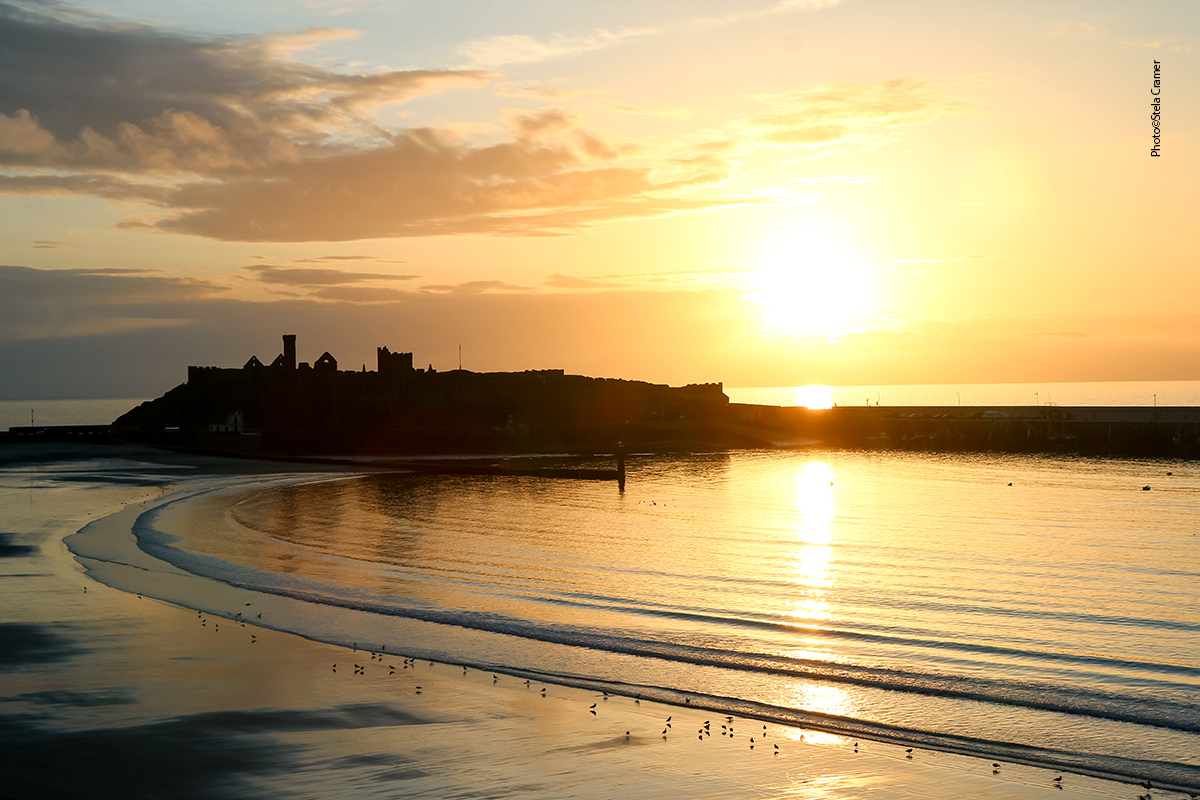
Peel Castle ao por do sol / Peel Castle at sunset

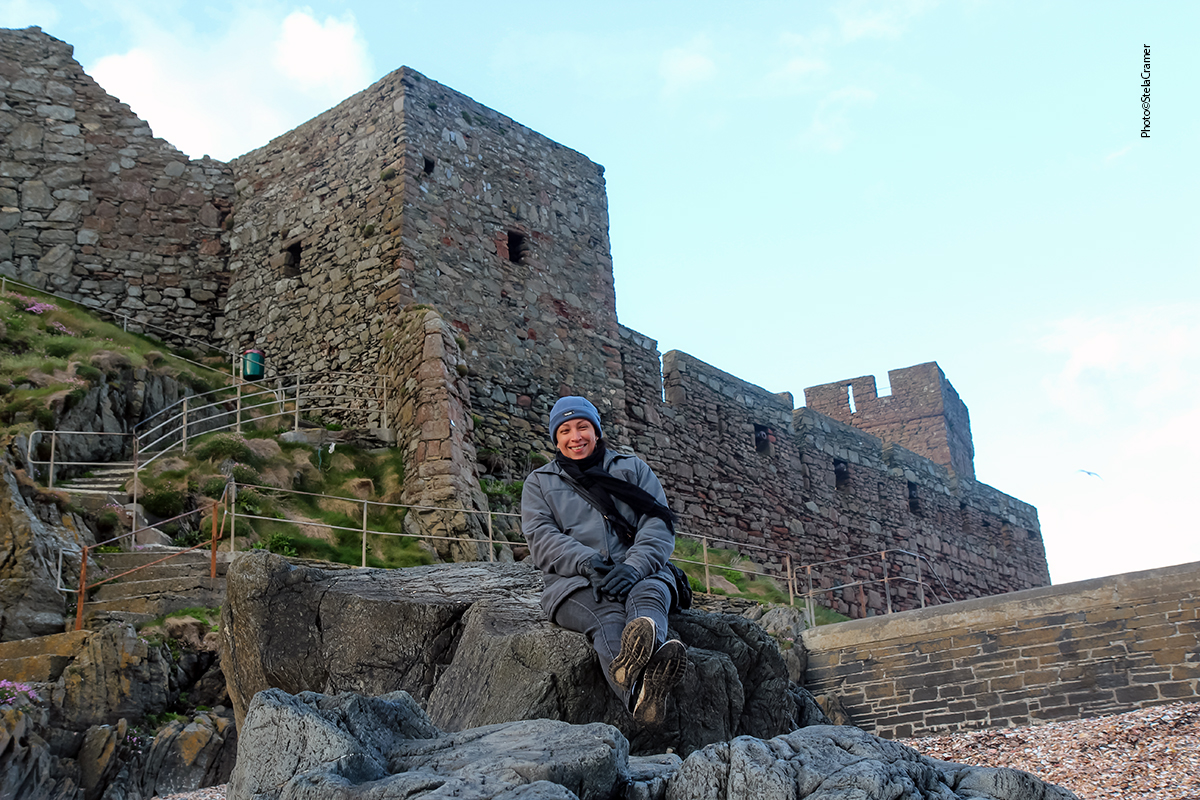
Após um longo parênteses, volto à narrativa inicial, da viagem com minha amiga Vicky, até porque tinha interrompido num momento importante para o espírito do blog: a visita a Peel Castle, na Ilha de Mann, lugar que, segundo a pesquisadora Norma Lorre Goodrich, corresponde à verdadeira localização da Ilha de Avalon. Podíamos ver o Castelo da janela do quarto, mas foi preciso esperar dias até que o tempo estivesse bom para visitar as ruínas.

After a long parenthesis, I’m going back to the root story here: the trip with my friend Vicky, actually in an important moment for this blog’s main theme, the visit to Peel Castle in Isle of Mann – Isle of Avalon’s definitive location, according to the researcher Norma Lorre Goodrich. From our hotel room we had full view of the castle, but it took us some days to get good weather to visit the ruins.
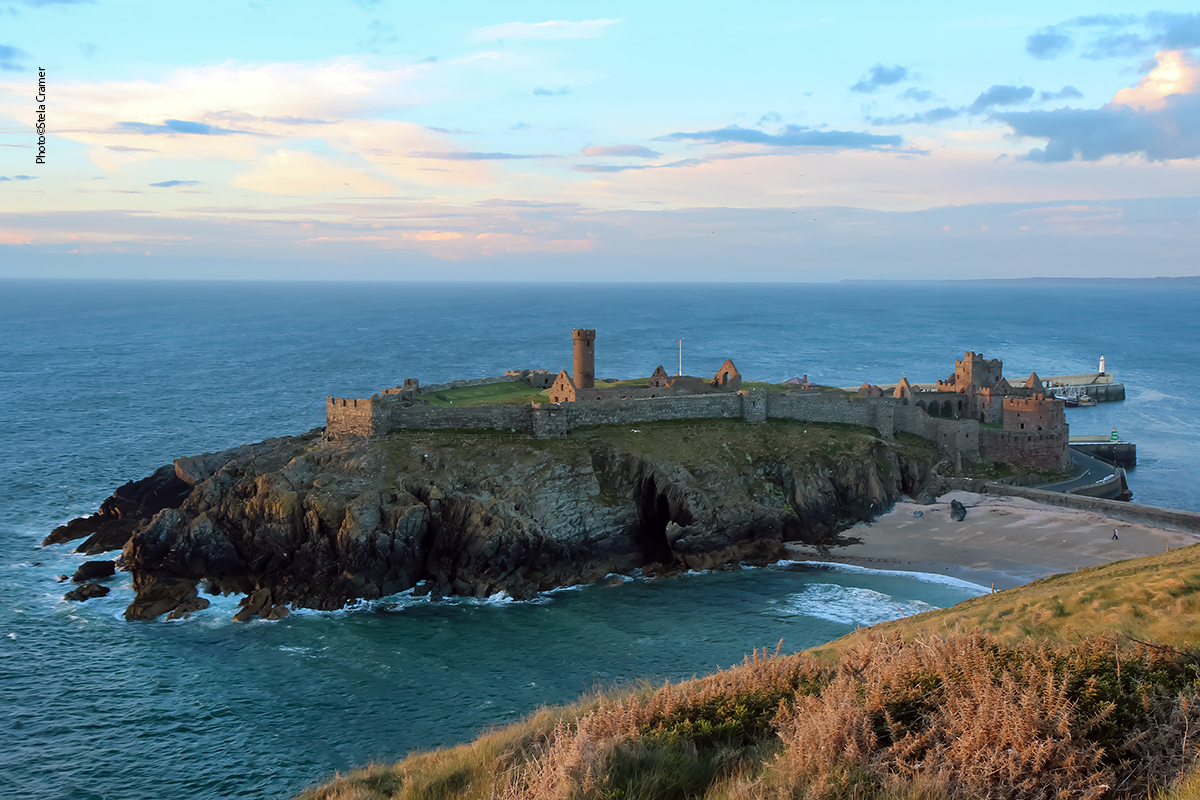
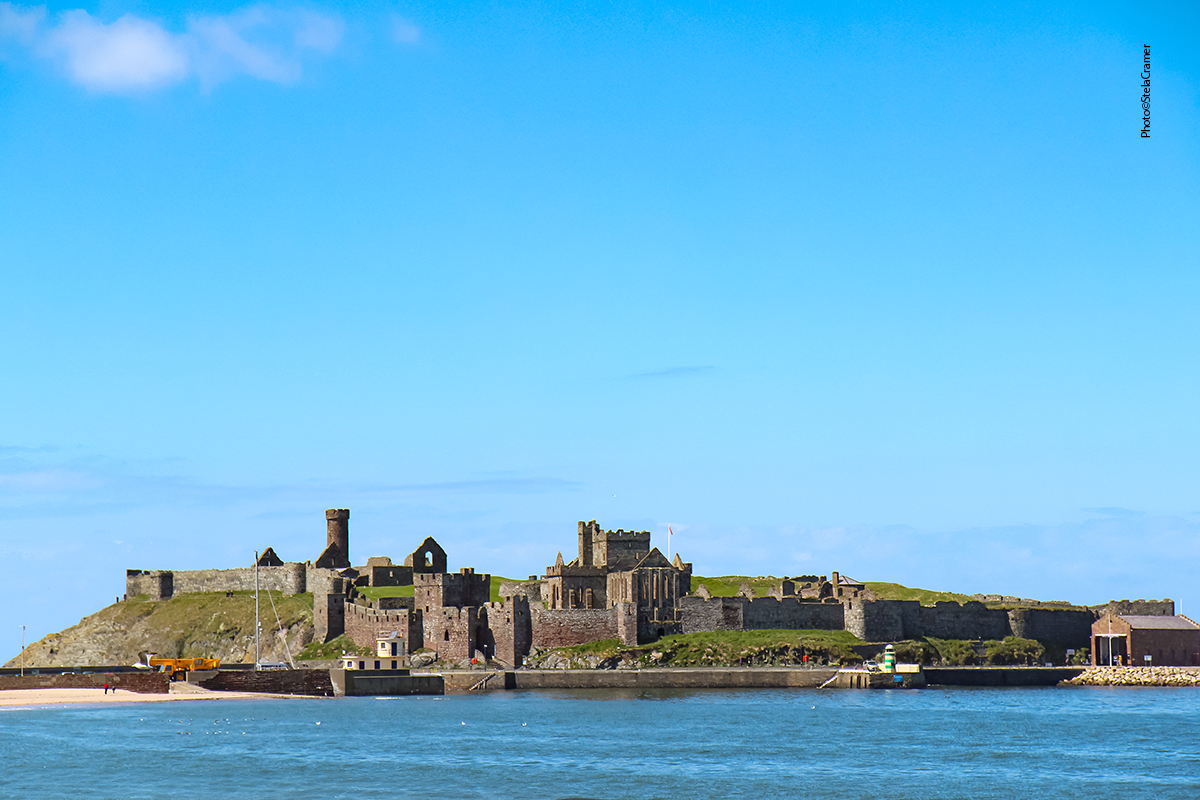
O Castelo fica na Ilha de St. Patrick, atualmente ligada à cidade por uma ponte. Mas nos tempos Arturianos, o acesso ficava submerso durante a maré alta. Isso somado à densa névoa típica do lugar, explica a dificuldade – e o perigo – para chegar à Ilha de Avalon. Esta foto foi batida num dos poucos dias de sol, no verão. Mais de 3/4 do ano o tempo é chuvoso, e a neblina é uma constante.

The castle stands on St Patrick’s Isle, which is now connected to the town by a causeway. But back in Arthurian days the access was submerged during high tide. This, added to Peel’s typical dense mists explains the difficulty – and the danger – to reach the Isle of Avalon. This photo was taken in one of the few sunny days, in summertime, but the weather is mostly rainy throughout the year, with constant mists.
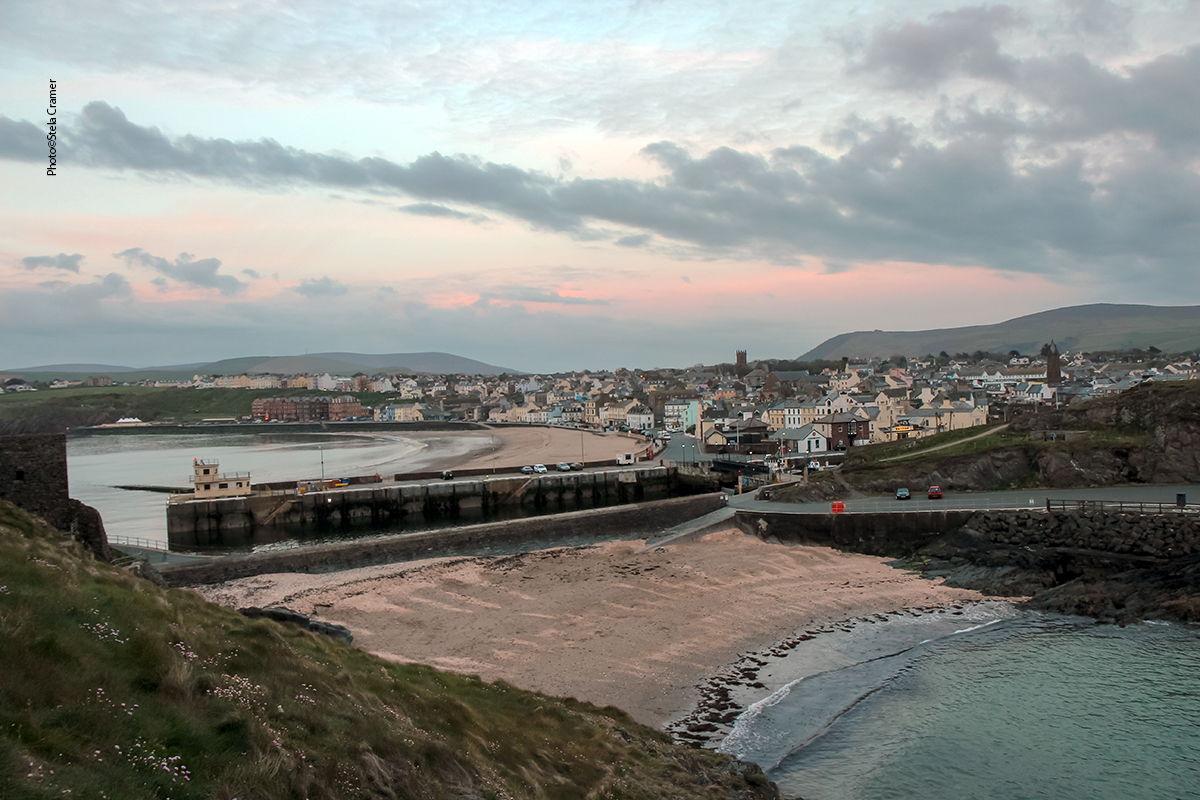
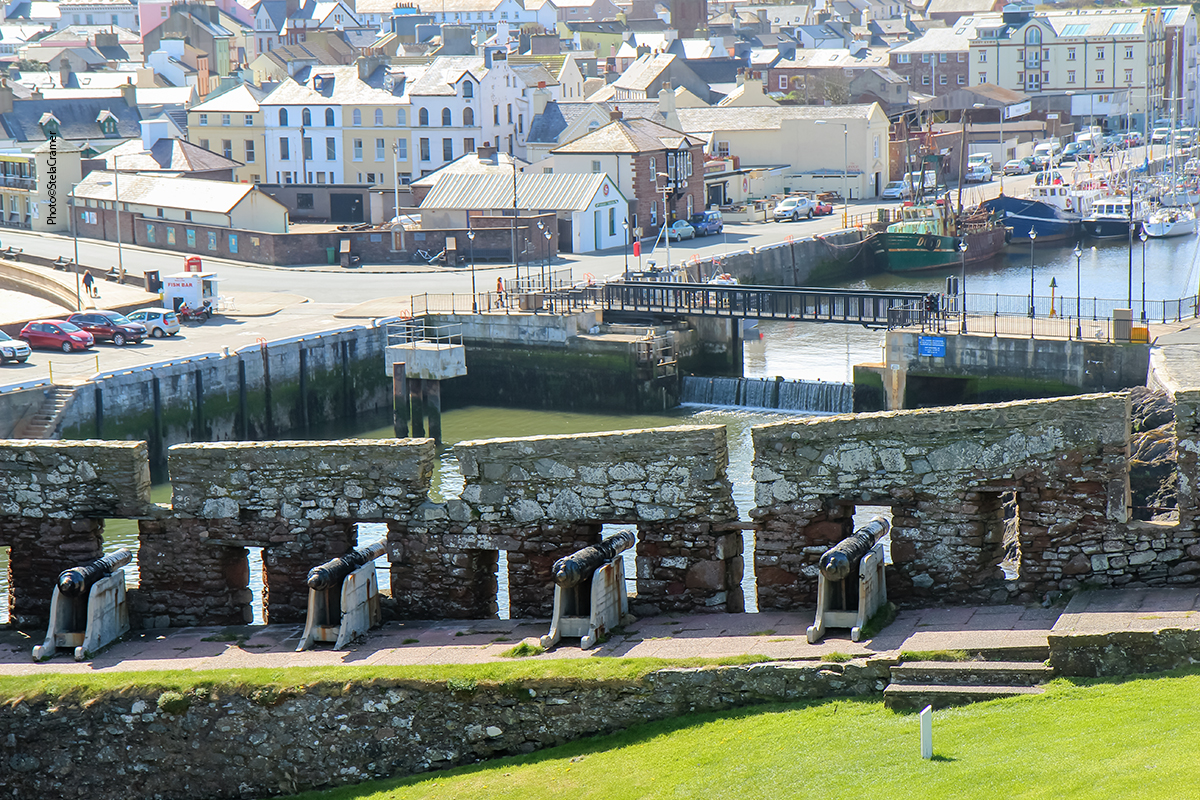
O pier e o acesso à cidade visto do alto do Castelo / Pier and access to town seen from the Castle’s height
Cenas na pequena praia durante a maré baixa/ Ebb tide snapshots at the little beach
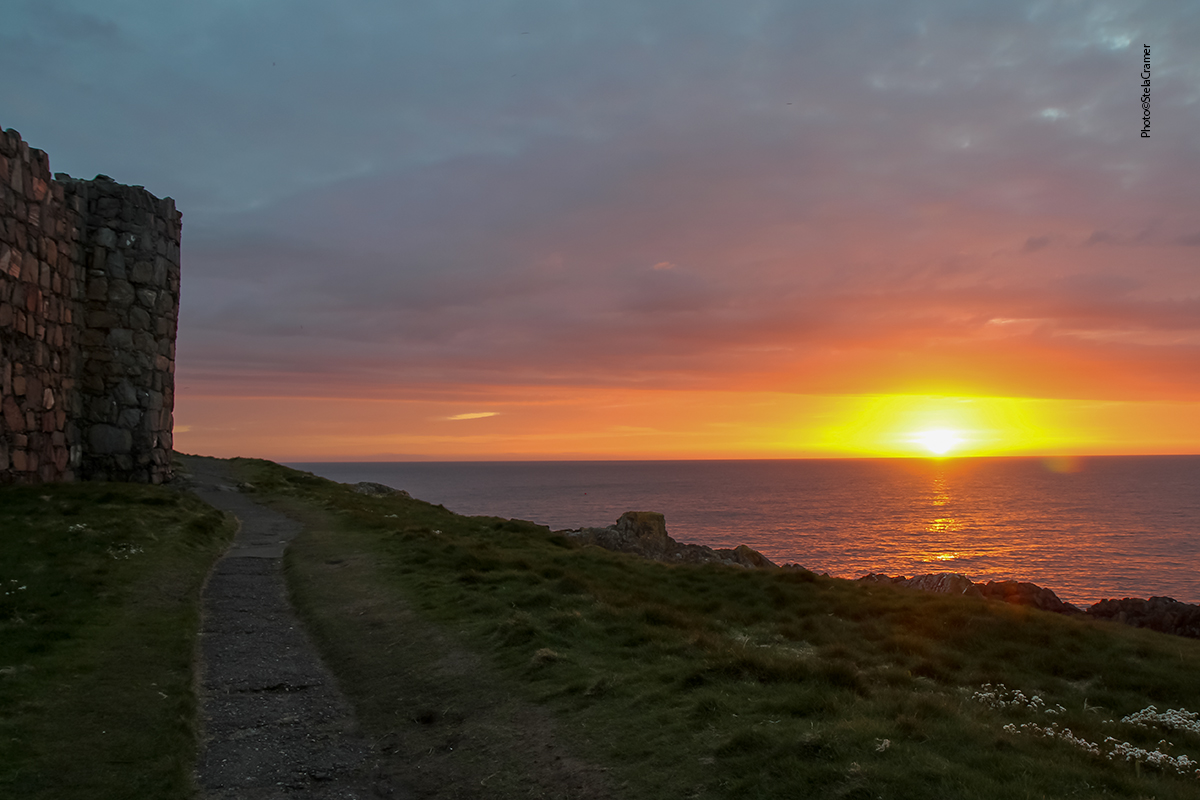
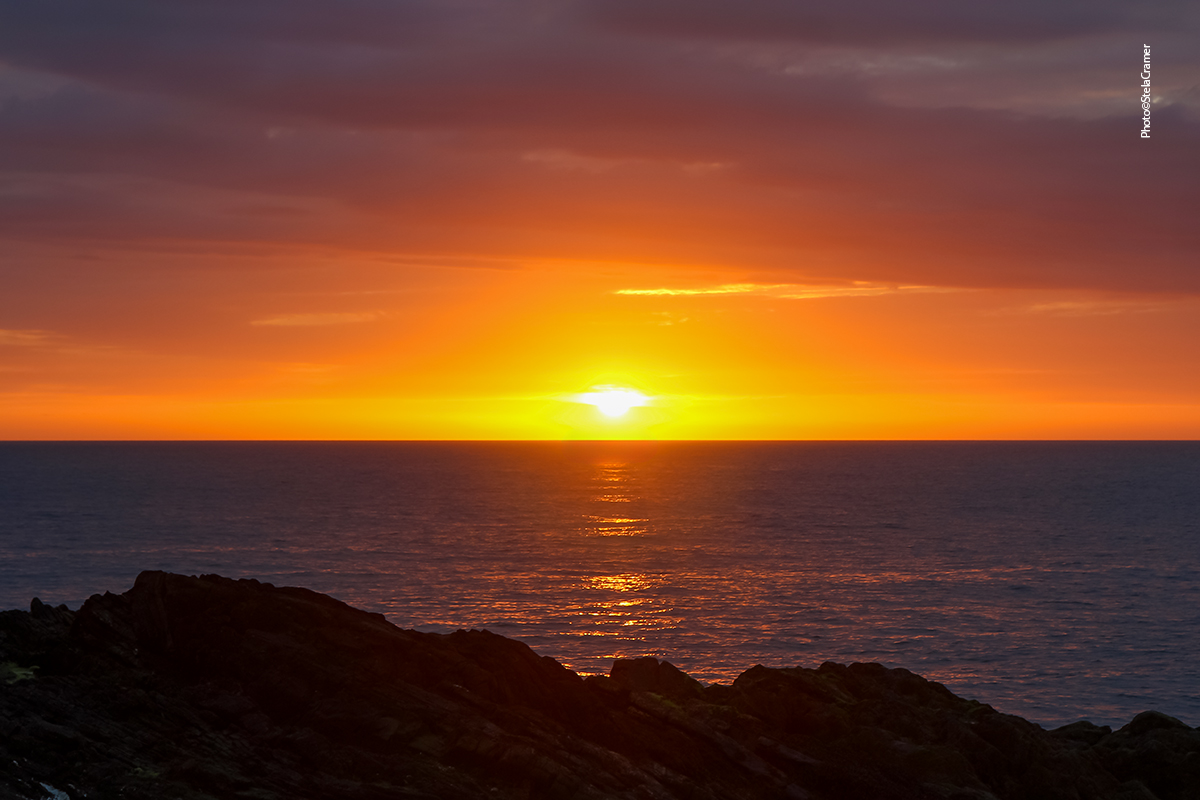
Quando chegamos em Peel era tarde para visitar o Castelo, mas fomos presenteadas com um belo por do sol junto às muralhas. / The day we arrived in Peel it was too late to visit the Castle, but we’ve been gifted with an awesome sunset by the ramparts.
Faltando dois dias para encerrar nossa estadia em Peel, afinal o tempo colaborou. Depois do nutritivo café da manhã no Fernleigh B&B, fomos direto para, enfim, pisar no solo sagrado de Avalon. /
The weather eventually favoured us, the day before our checkout in Peel. After a nourishing breakfast at the Fernleigh B&B, we walked straight to the Castle, to step on Avalon’s sacred soil at last!
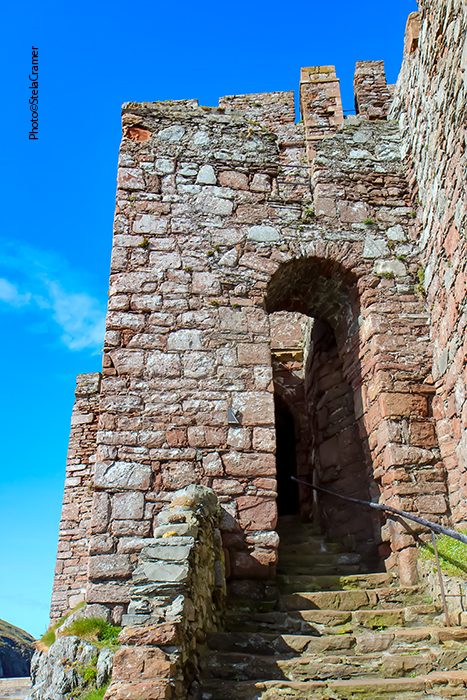
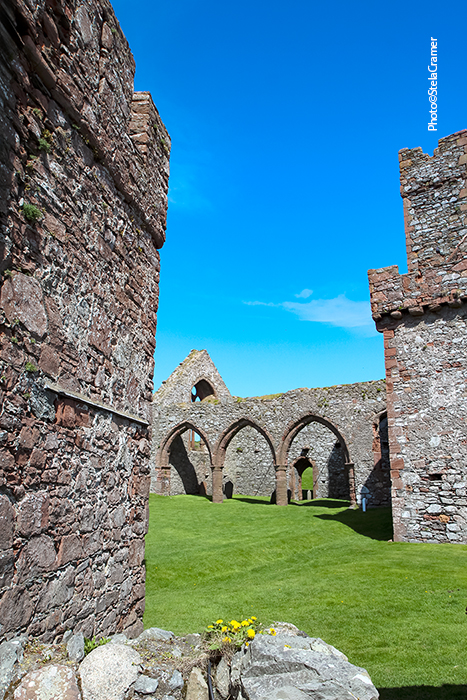
Entrada do Castelo / Castle’s entrance
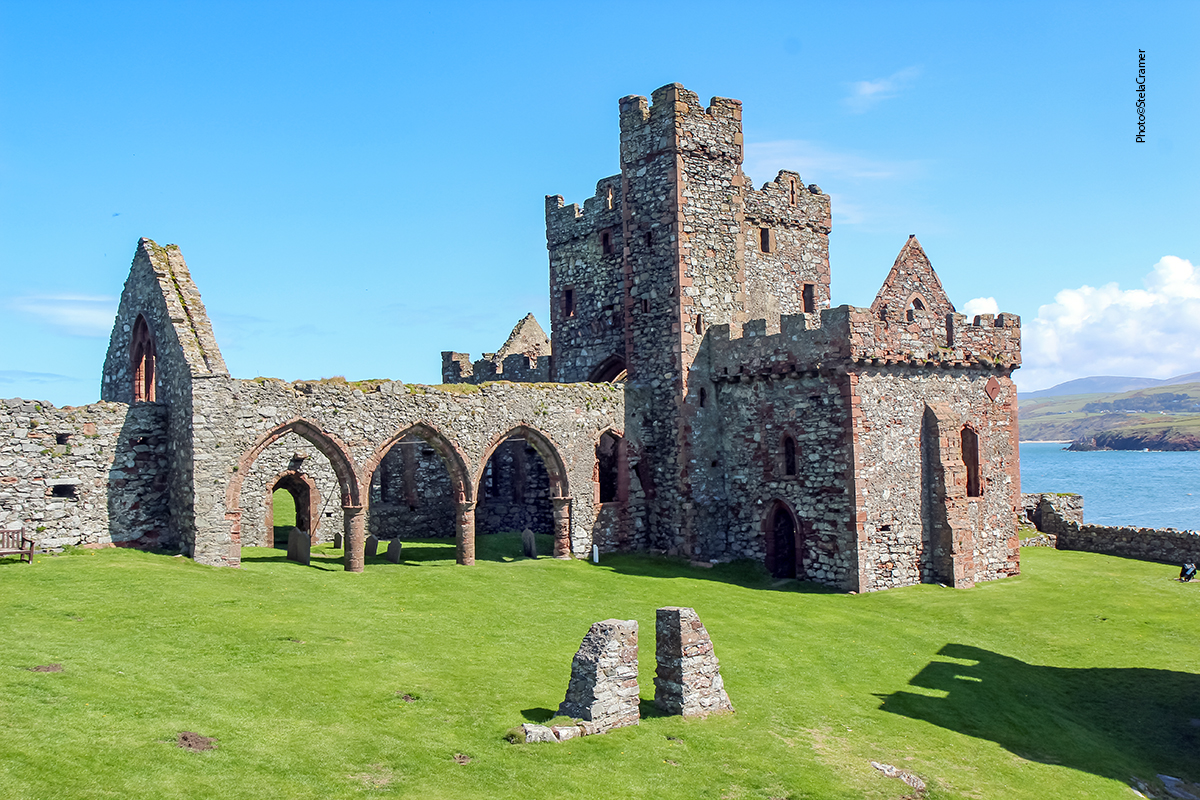
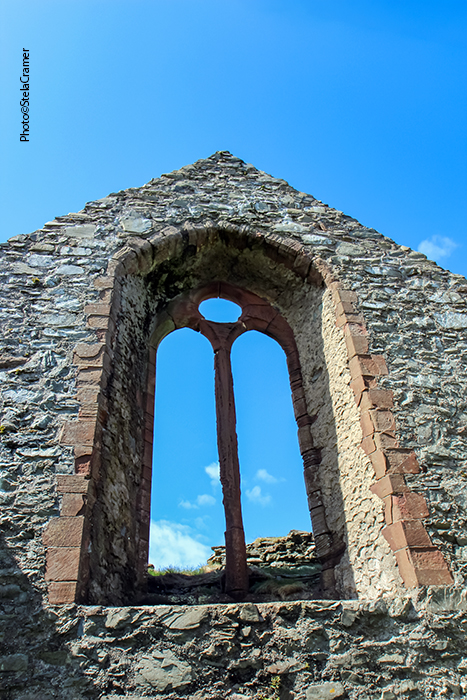
Catedral de St. German / St German’s Cathedral

O Castelo cujas ruínas hoje vemos foi construído no séc. 11 pelos noruegueses, sob o reinado de Magnus Barefooot. As primeiras fortificações dos noruegueses foram construídas com madeira, mas ali já havia edificações mais antigas, dos Celtas, em pedra. Escavações encontraram um cemitério e objetos justamente da época Arturiana, sob os vestígios dos Vikings.

Em manuscritos do Rei da Noruega, de Marie de France e Percival, a descrição da viagem para Avalon coincidem com a de Lancelot. São textos longos, que se encontram detalhados no livro Arthur, de Norma L. Goodrich, que dão respaldo à teoria de St. Patrick’s Isle ( hoje o Castelo de Peel) ser a verdadeira Ilha de Avalon. Ela inclusive fez a viagem checando tais referências.
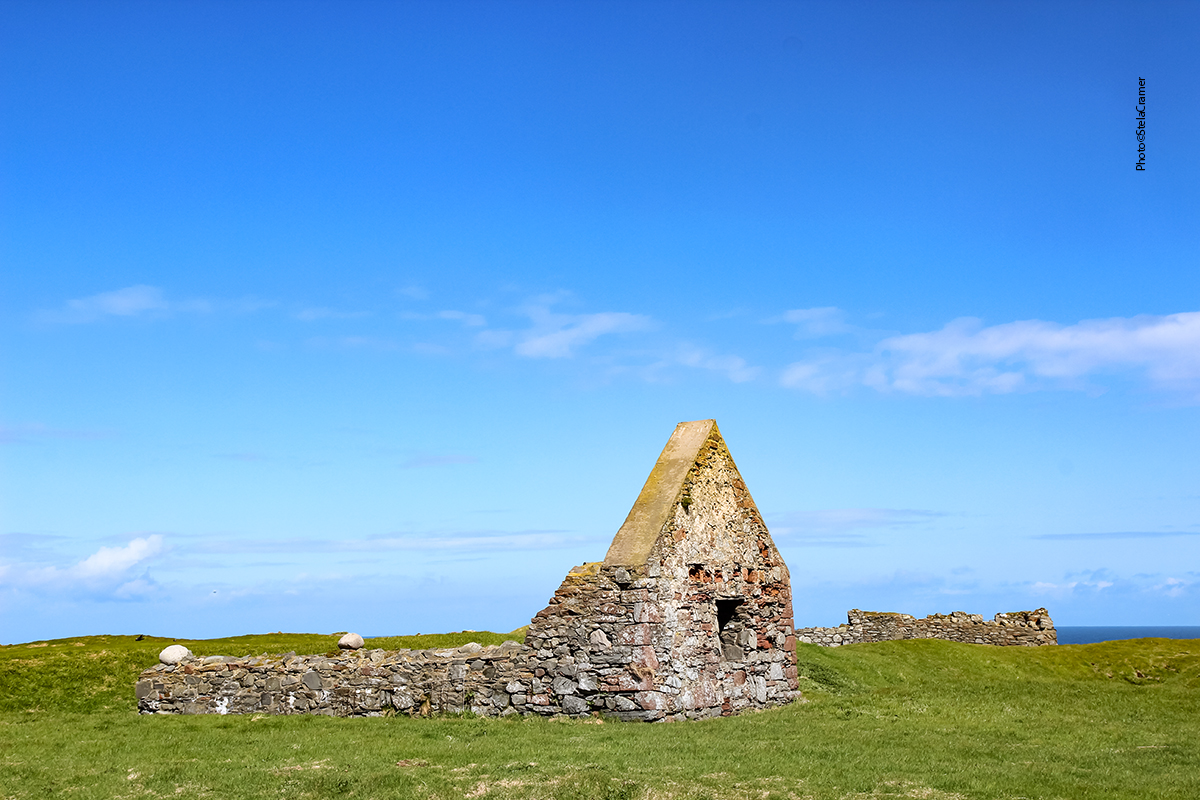
The castle ruins we visit today was built in the 11th century by Norwegians, under the rule of King Magnus Barefoot. While the first Norwegian fortifications were built of wood, there were older stone Celtic buildings on the island. Excavations revealed a graveyard and objects from Arthurian times, buried below the Vikings’s stuff.

The King of Norway, Marie de France and the Perceval manuscripts all coincide with Lancelot’s description of his trip to Avalon. These are long texts, detailed also in the book Arthur, by Norma L. Goodrich, supporting the theory of St Patrick’s Isle ( nowadays Peel Castle) being the real Avalon. She has actually taken the trip, checking all references.
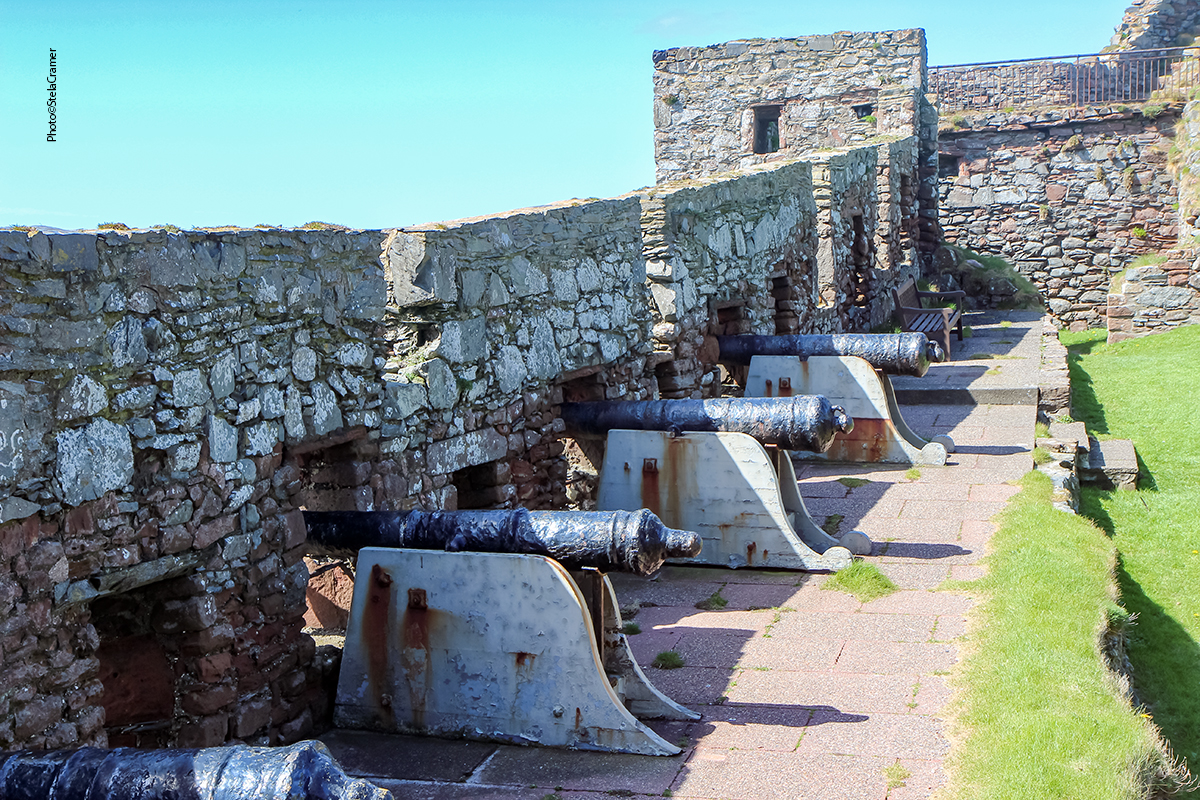
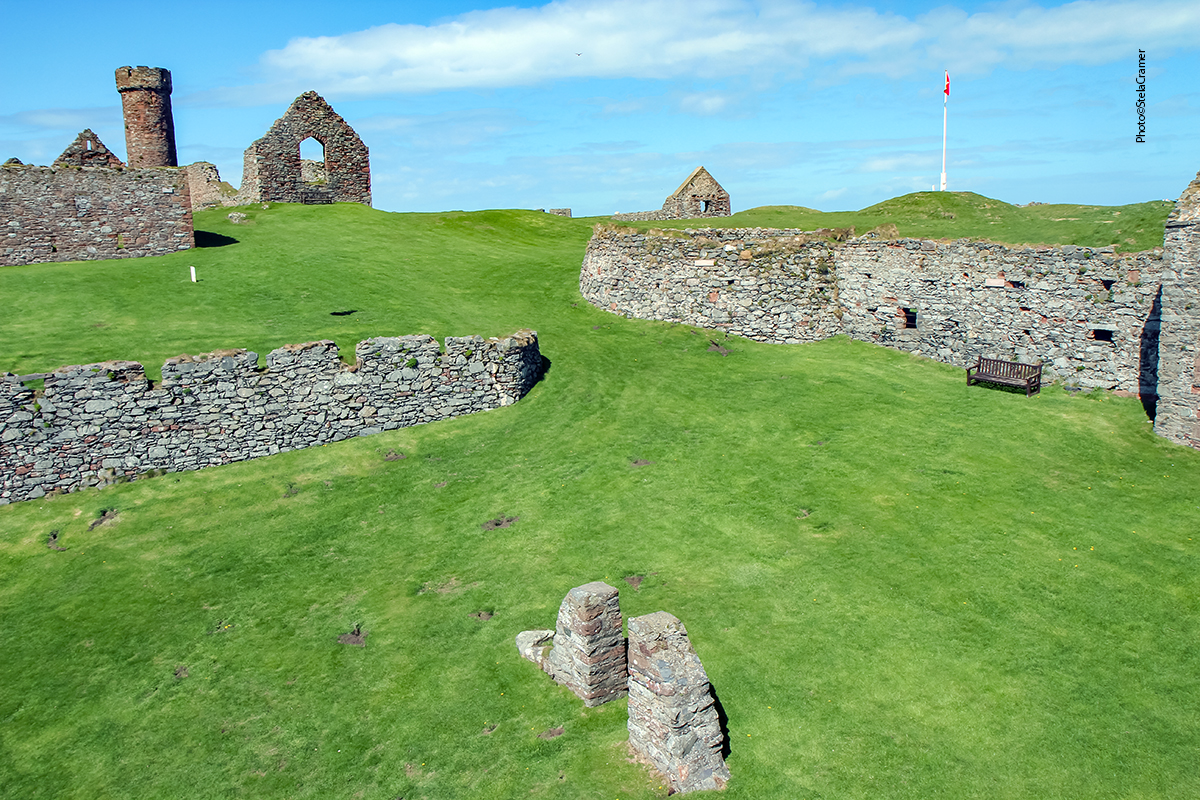
O castelo foi fortificado e novas posições defensivas acrescentadas até 1860. As edificações estão em ruínas mas as muralhas permaneceram intactas.


The castle remained fortified, and new defensive positions were added as late as 1860. The buildings within the castle are now mostly ruined, but the outer walls remain intact.
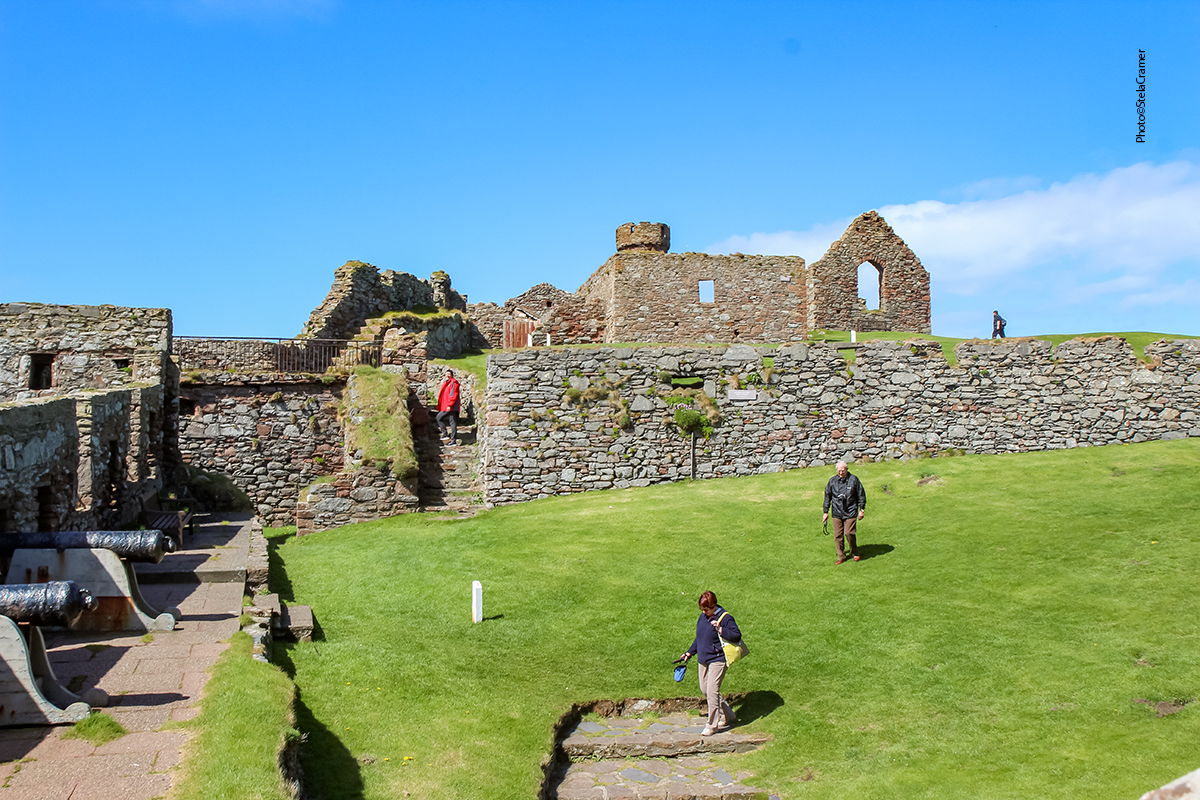
Subindo a escada, saindo da parte mais moderna do castelo, parece que você entra em outro mundo.

Up the stairs, leaving the “modern” part of the Castle, you feel like you’re entering another world.
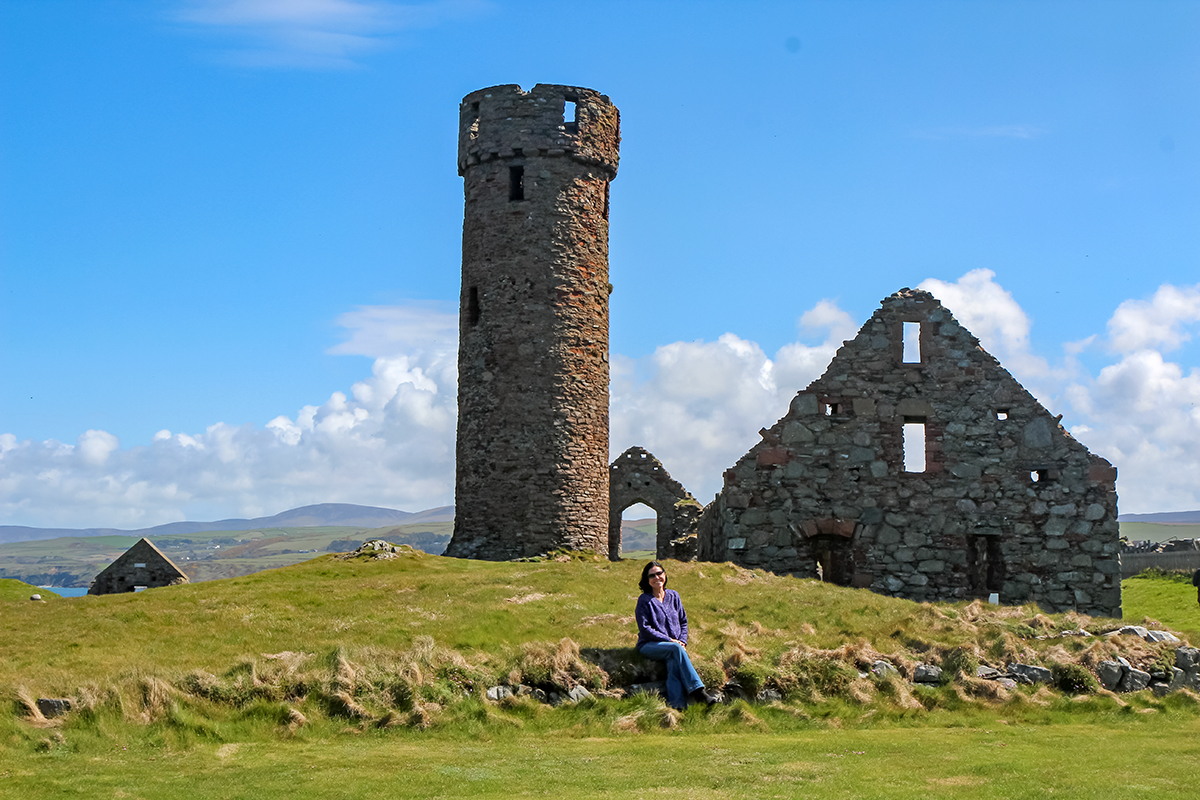
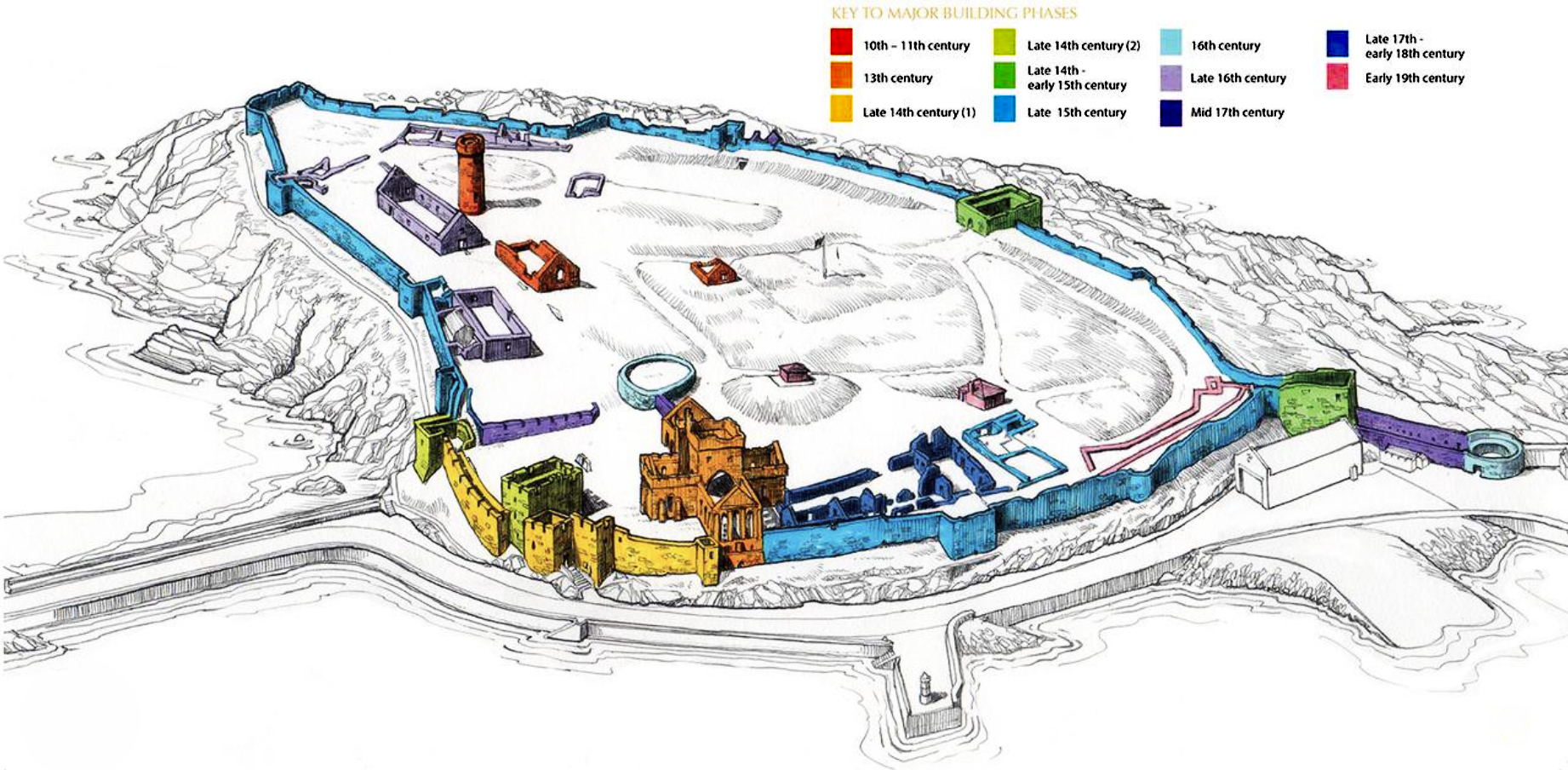
Estas são as construções mais antigas, conforme o mapa abaixo. Mas, como foi arqueologicamente comprovado, houve ocupação mais antiga…

These are the oldest buildings, as shown in the map below. But, as it’s archaeologically proven, there’s been previous occupation…
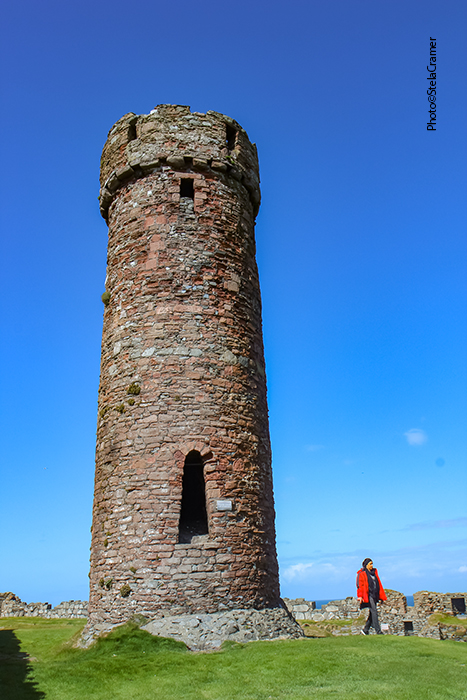
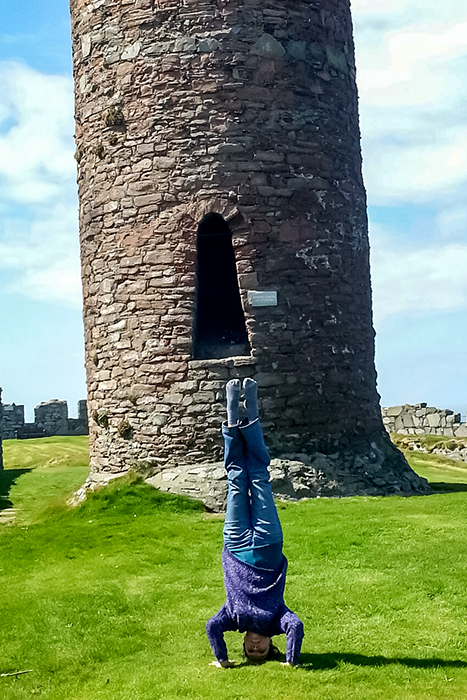
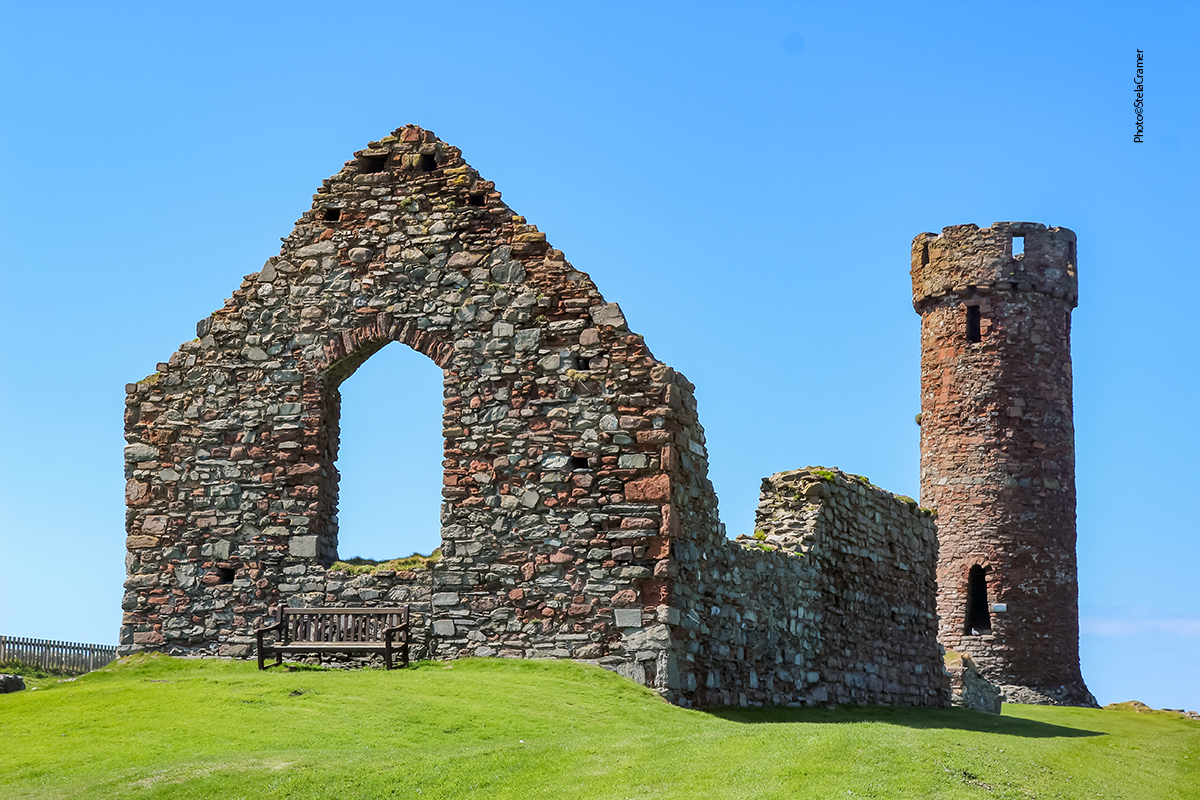
A imponente torre redonda era, originalmente, parte do monastério Celta. /

The prominent round tower was originally part of the Celtic monastery
Um dos mais importantes achados arqueológicos no local foi o túmulo da “Dama Pagã”, que incluía um colar e moedas do ano de 1030. Estas peças estão em exibição no Manx Museum, em Douglas, capital da Ilha de Mann.

The most spectacular finds were the 10th century grave of “The Pagan Lady” which included a fine example of a Norwegian necklace and a cache of silver coins dating from about 1030. These pieces can be seen at the Manx Museum, in Douglas, Isle of Mann’s capital.
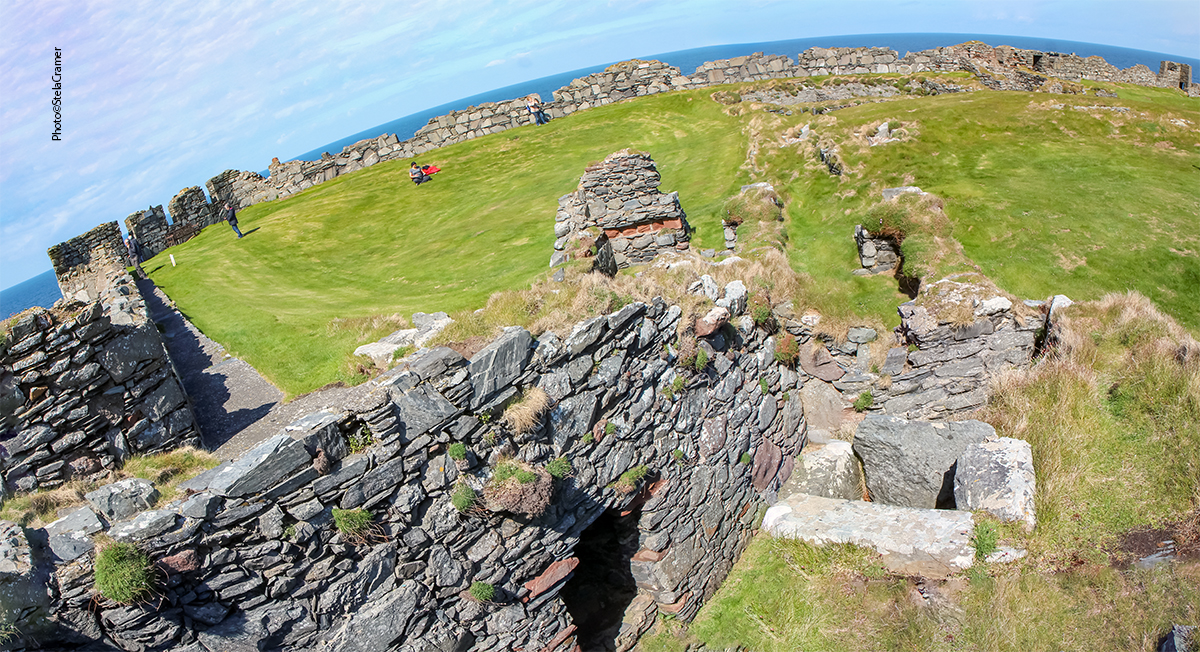
Do alto dos aposentos do Lorde do século 15, você se sente no topo do mundo.


From the late 15th century Lord’s Apartments, one feels on top of the world.
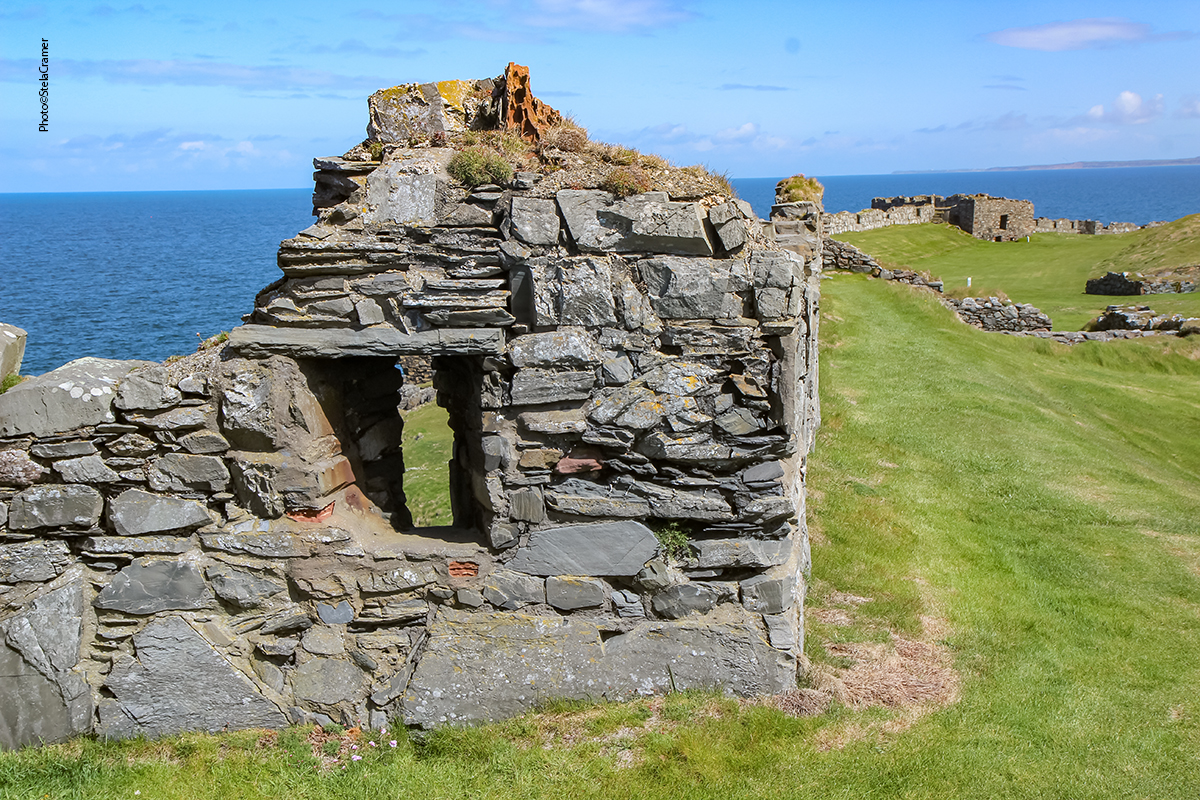
Cozinha / Kitchen
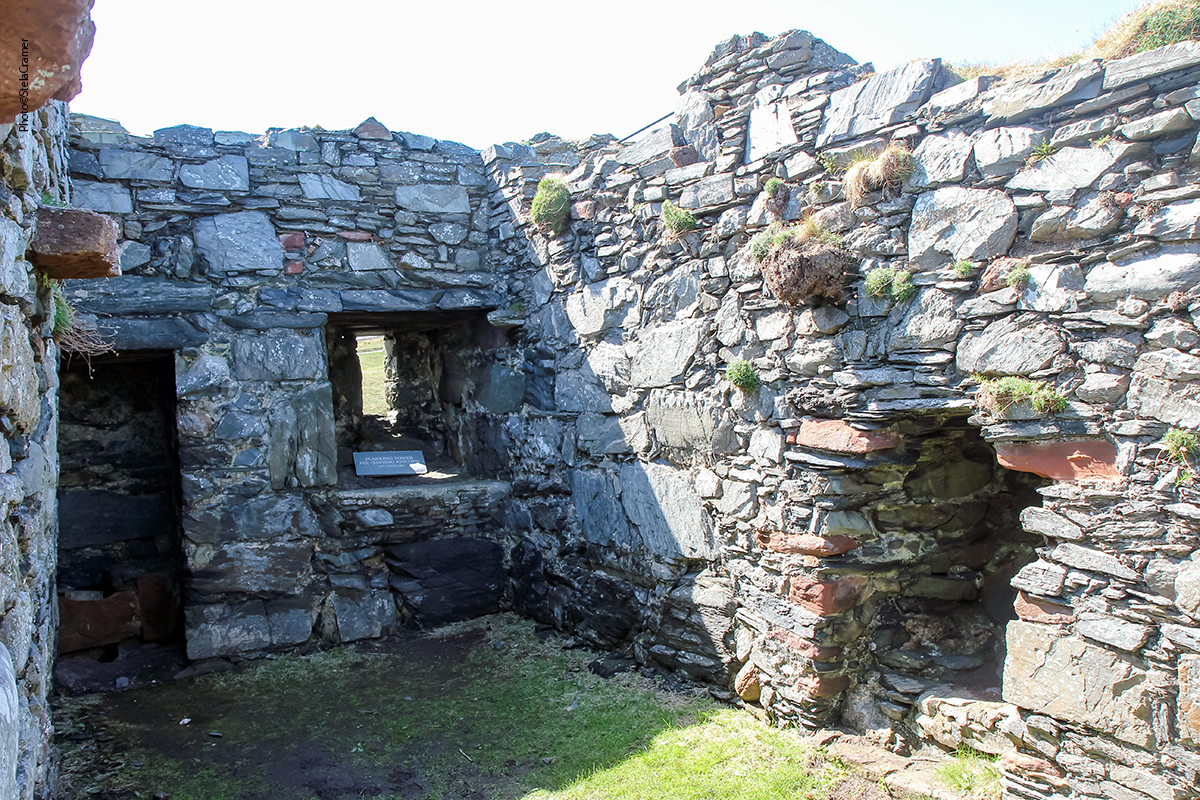
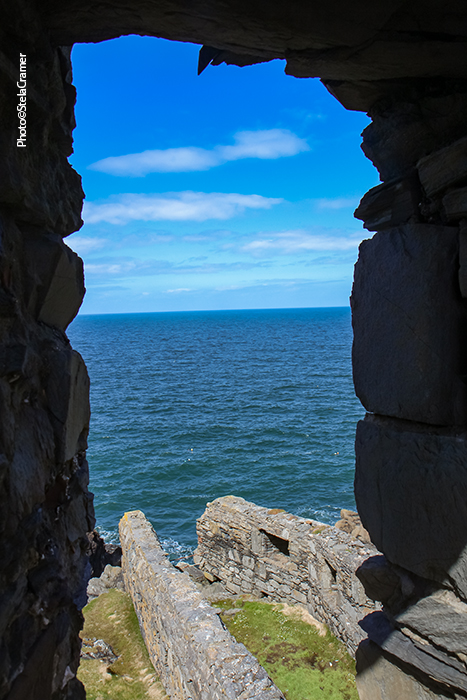
No improvável caso de um cerco ou invasão, esta saída levava a um ancoradouro por onde as pessoas poderiam fugir de barco .
In the unlikely event of a siege or invasion, this escape route led to a mooring where people could escape by boat.
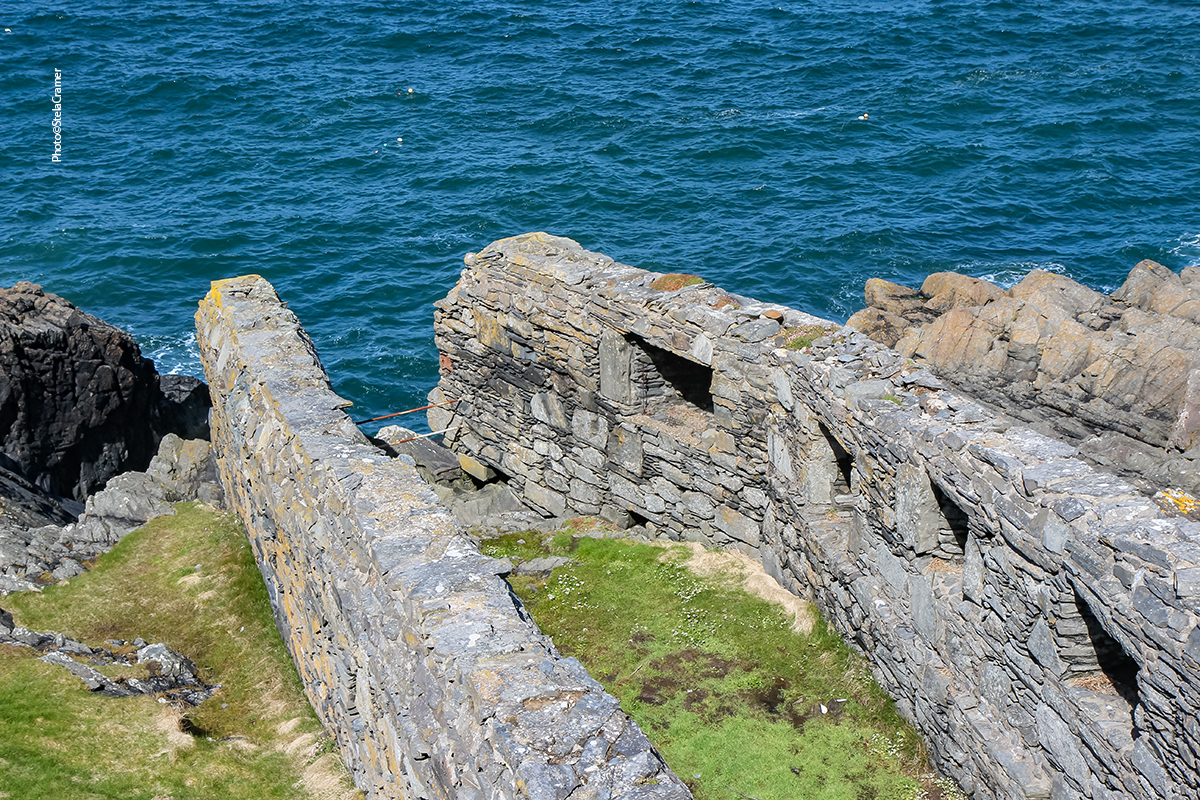
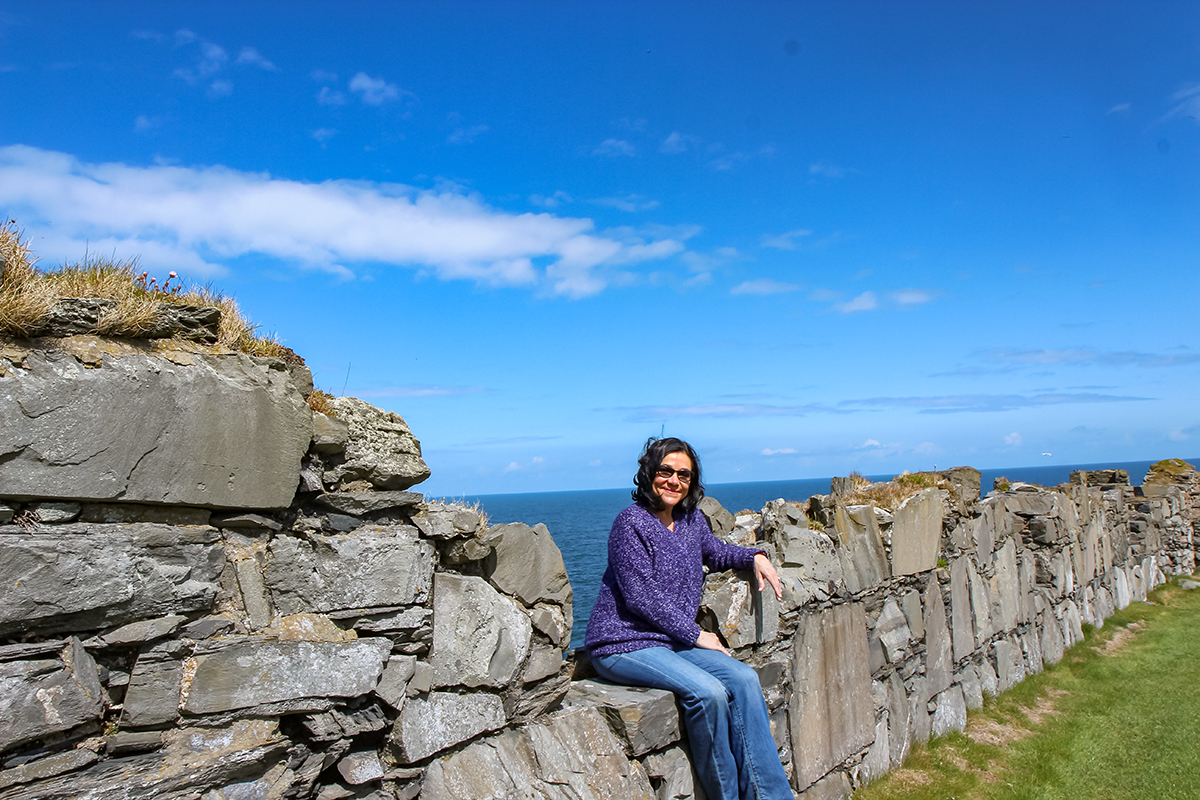
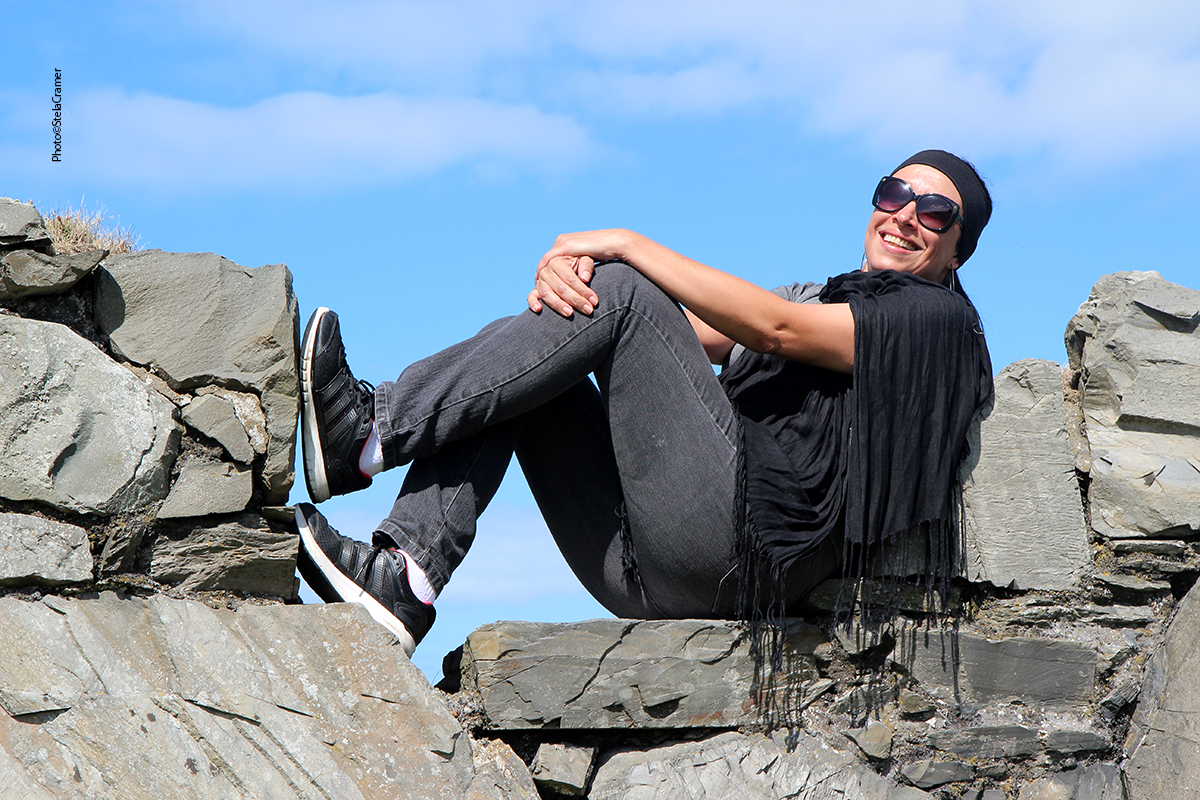
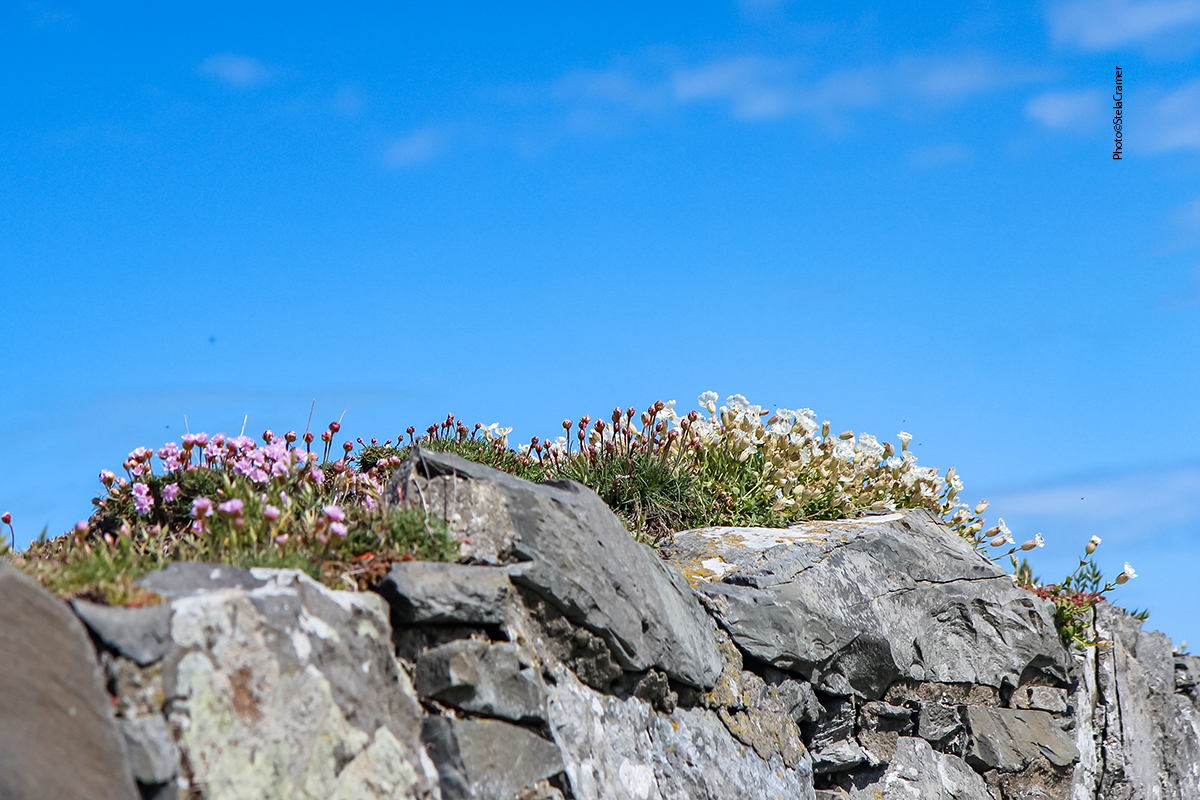
Aqui o ruído da cidade e dos turistas ficou para trás. O mar, as plantas, as aves, a música do vento e das ondas, tudo poderia ser o mesmo de séculos atrás. Meditando perdemos a noção do tempo; respirando só existe o momento presente.

Here the town and tourist’s noises were left behind. The sea, the flowers, the birds, the song of the wind and waves, it all could be just the same as it was centuries ago. Meditating we lost count of time; breathing exists in the present tense only.
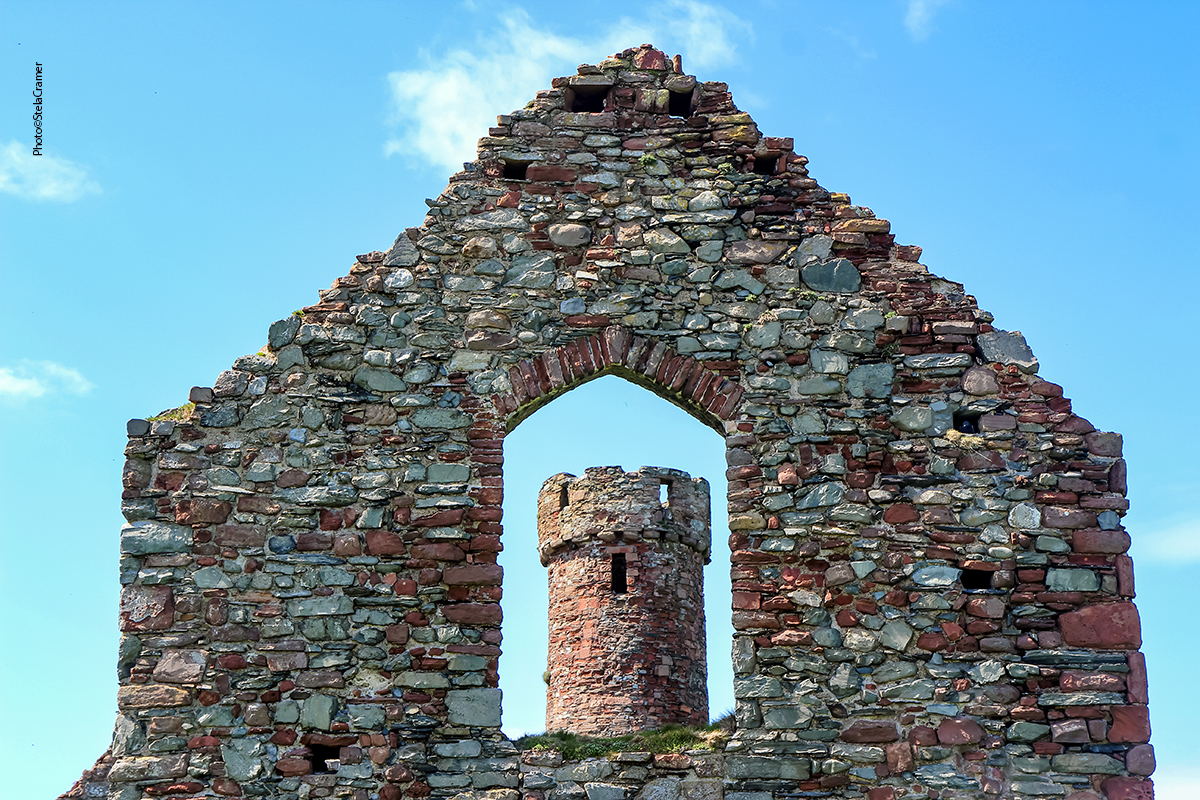
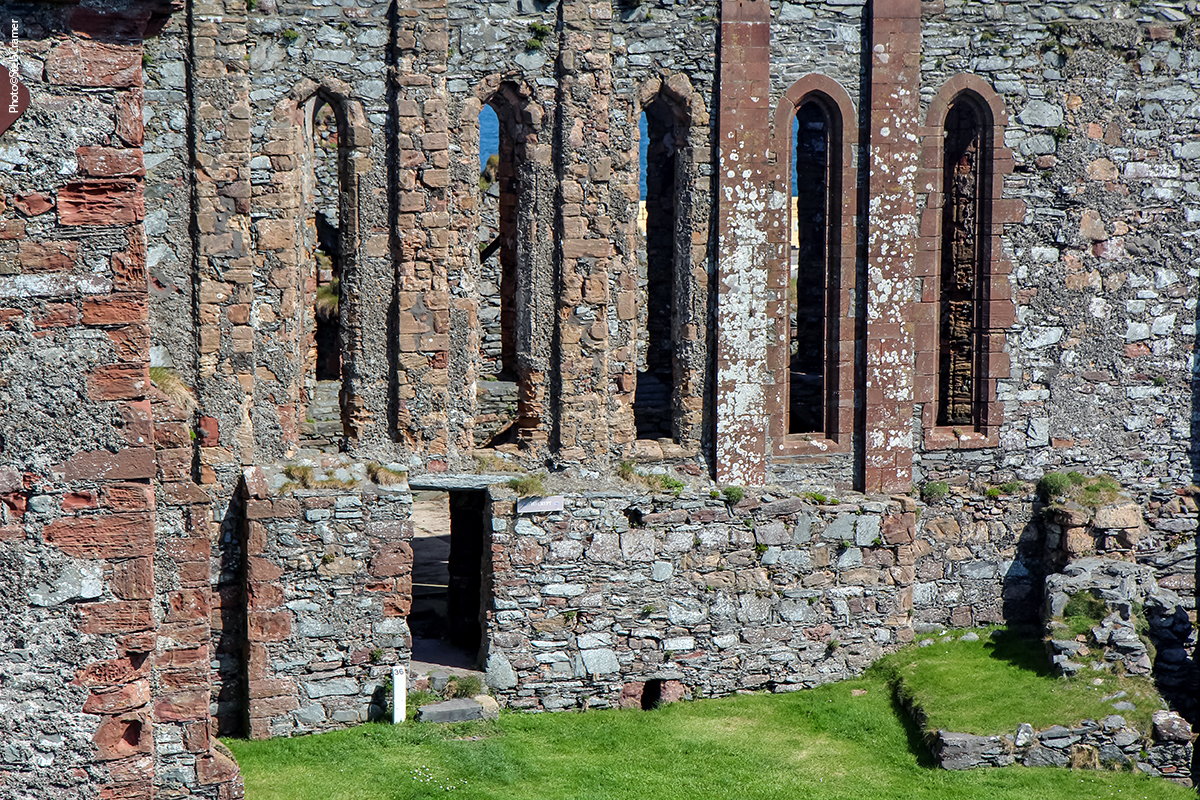
No início do séc.14, o arenito vermelho, abundante na área, foi usado na construção da maioria das muralhas e torres.


In the early 14th century, the majority of the walls and towers were built primarily from local red sandstone, which is found abundantly in the area.
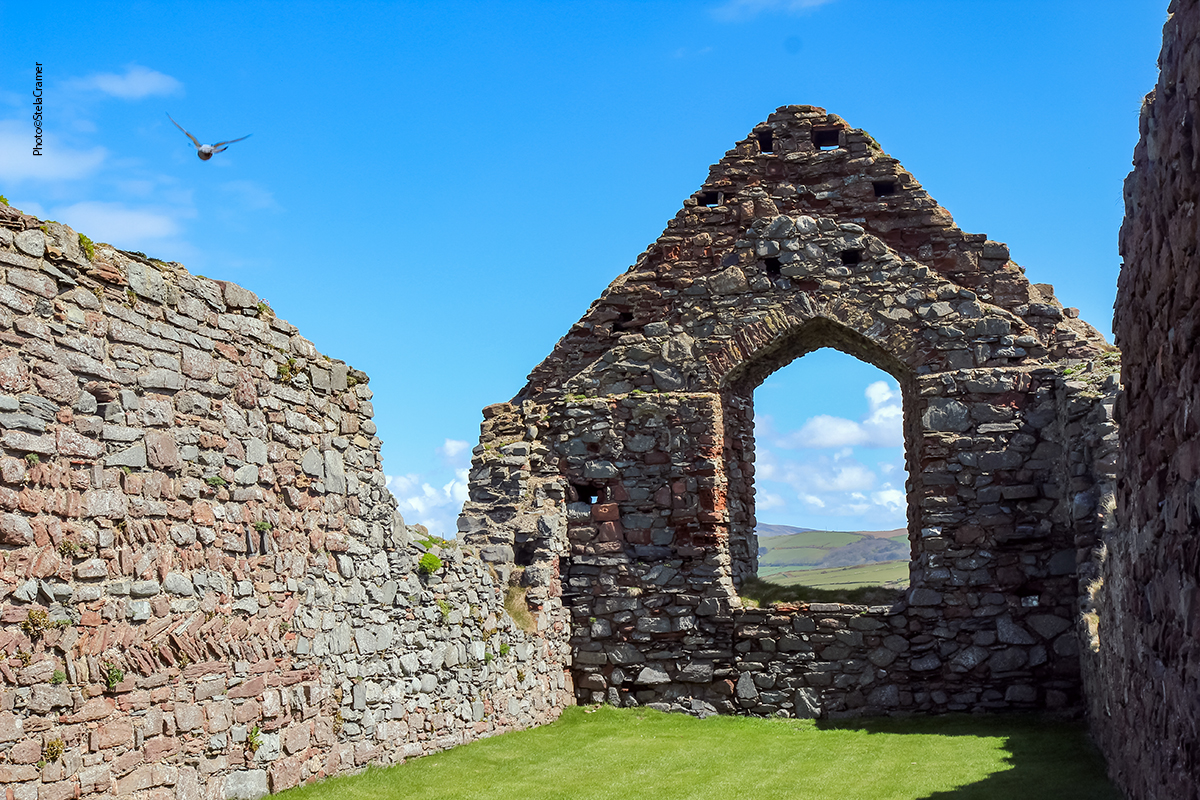
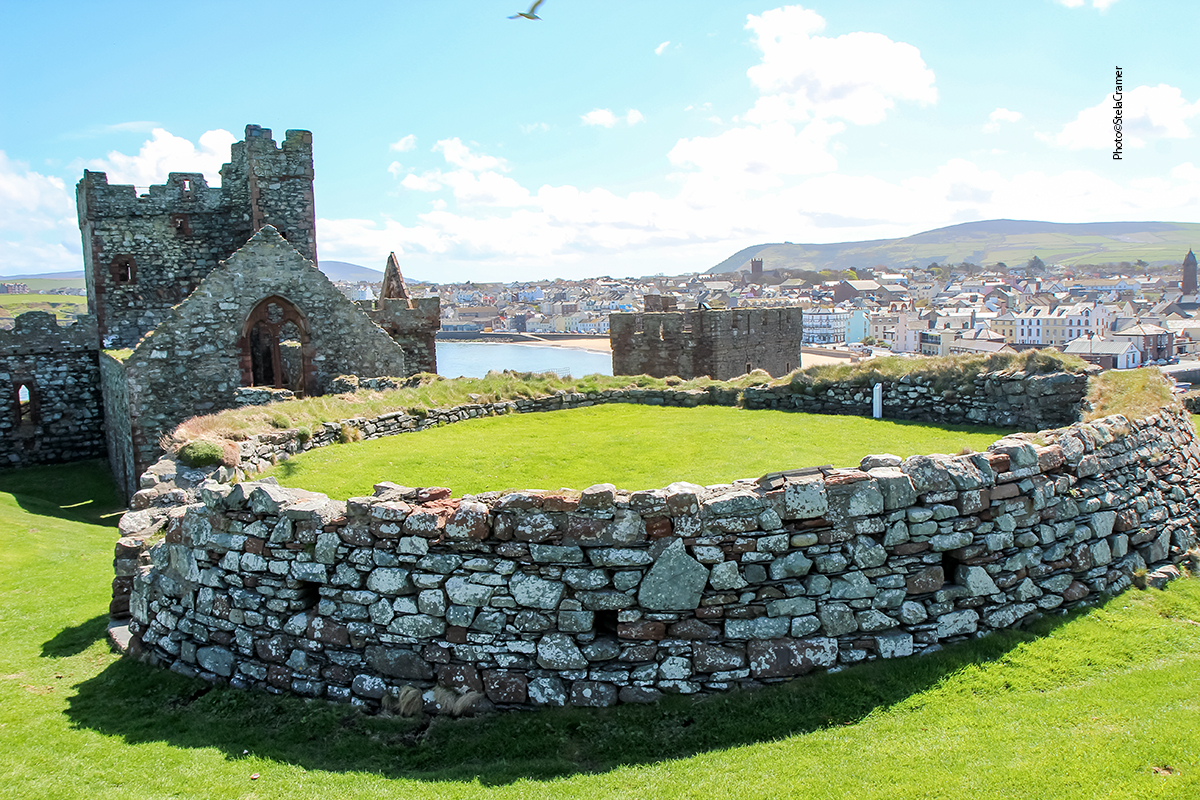
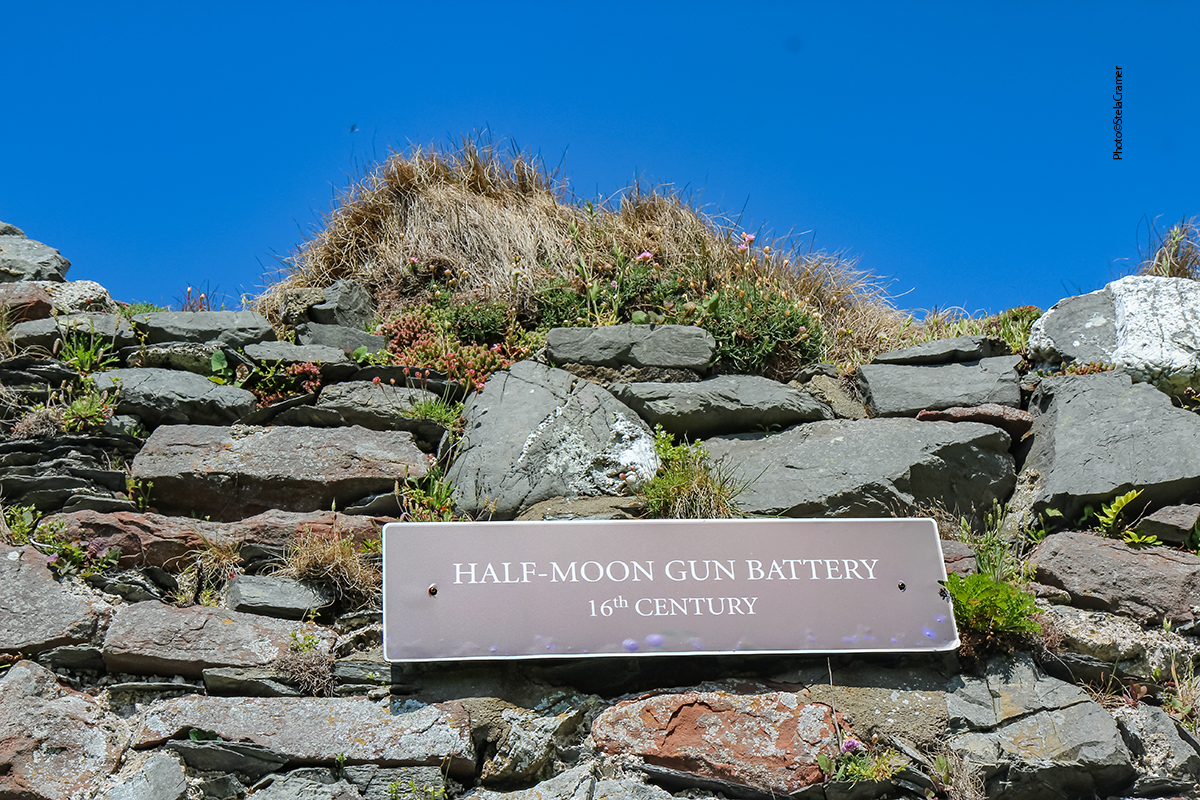
Bateria meia-lua: mais uma construção defensiva do sec. 16 / Half-moon gun battery: one more defensive building
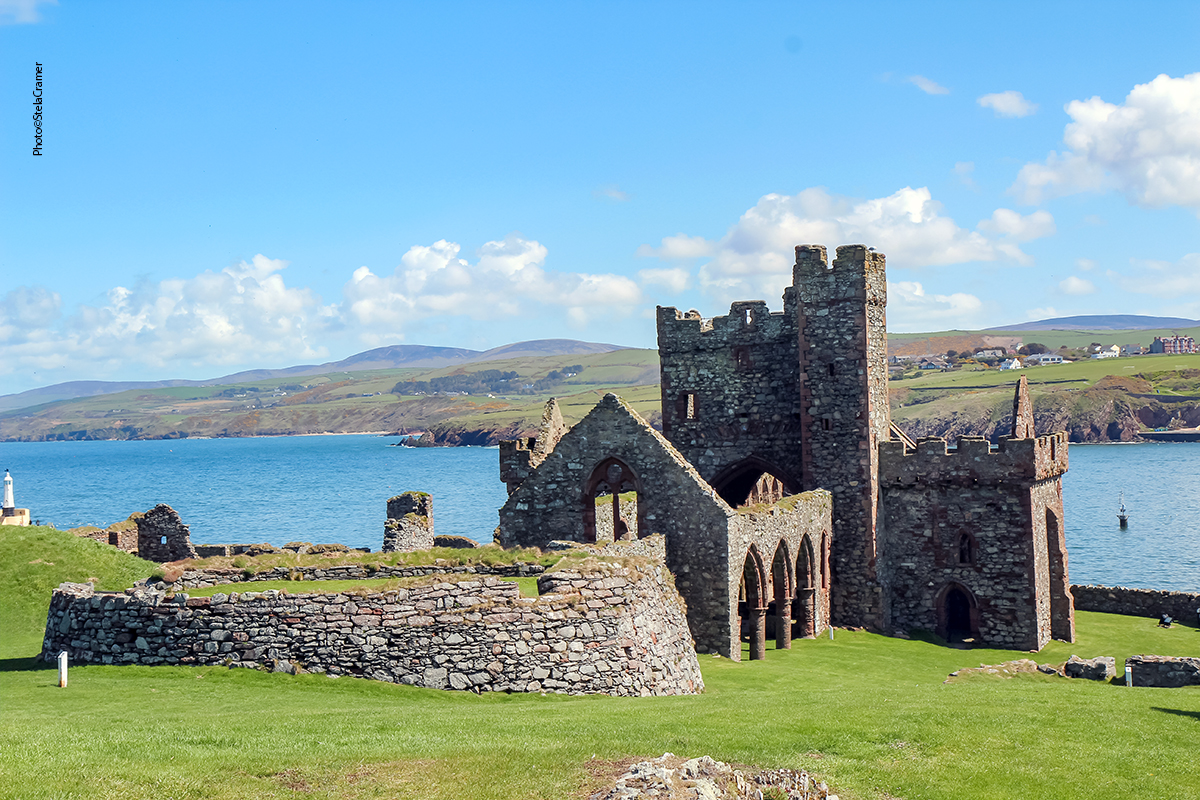
A catedral e a meia-lua / The cathedral and the half-moon
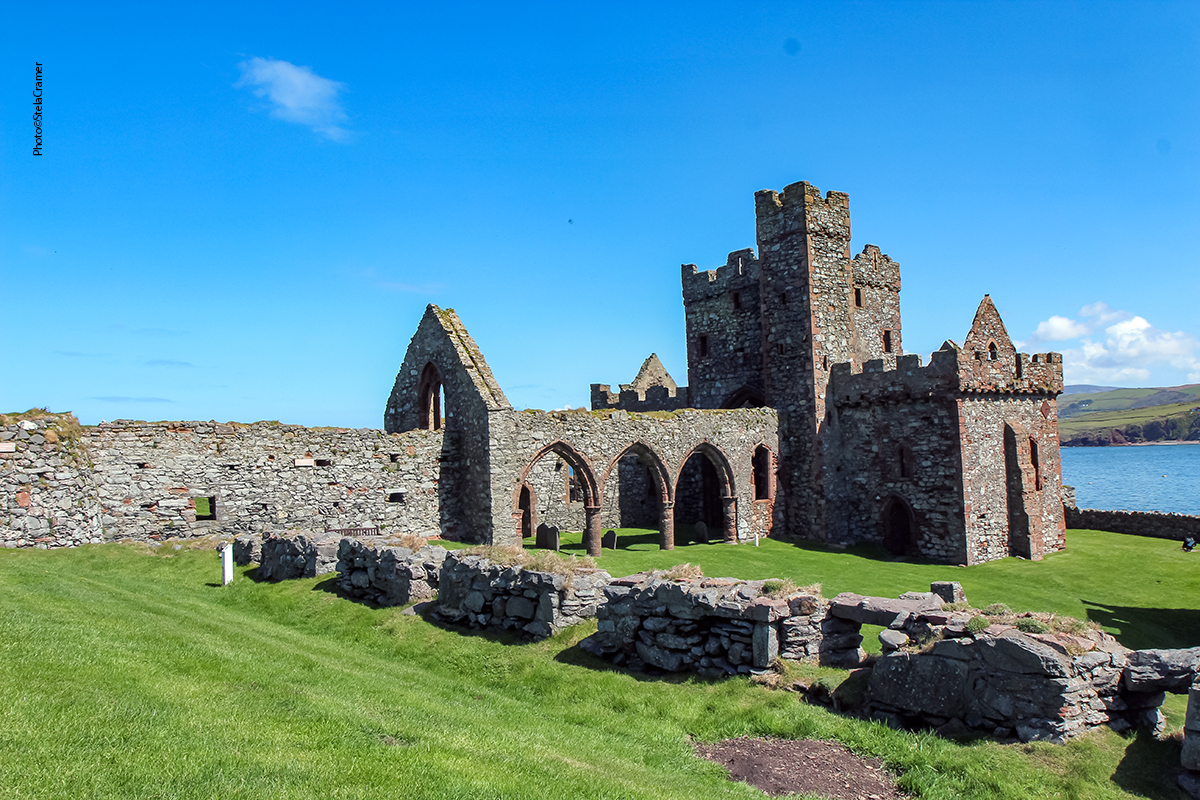
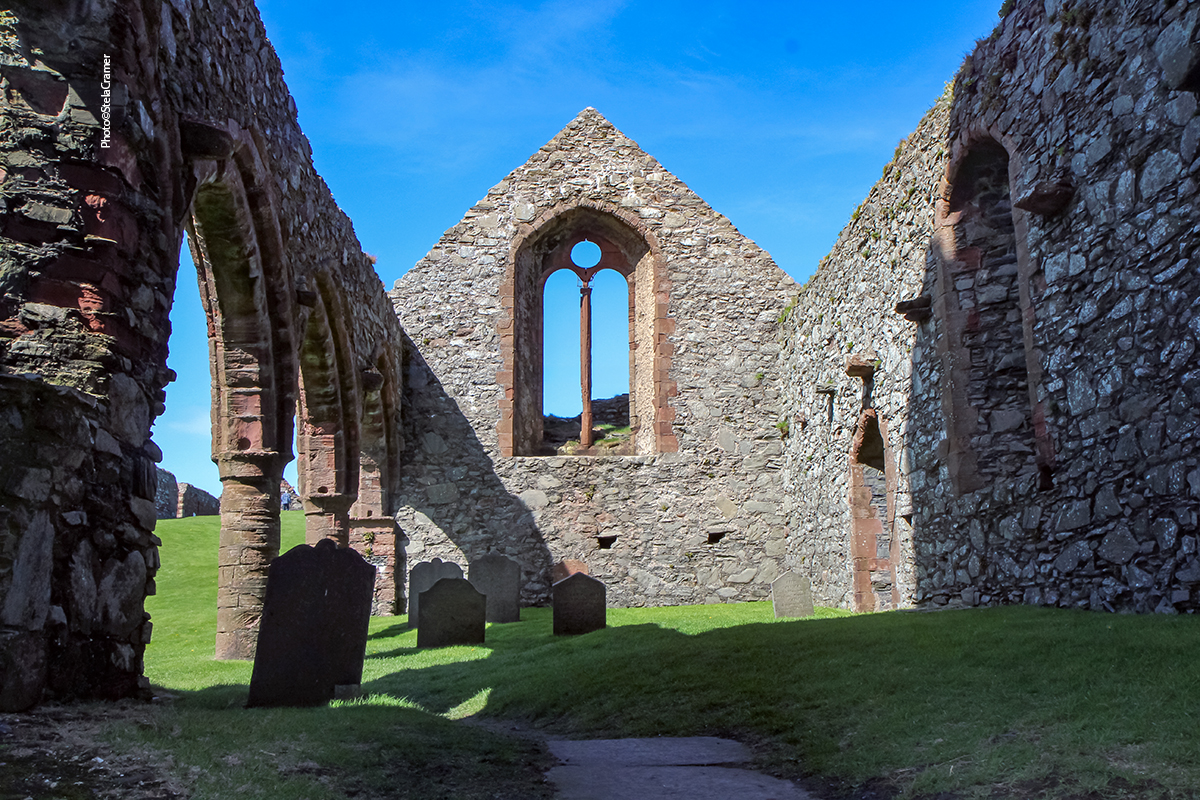
A antiga nave da catedral é atualmente um cemitério. / There is a cemetery in what was once the cathedral’s nave.
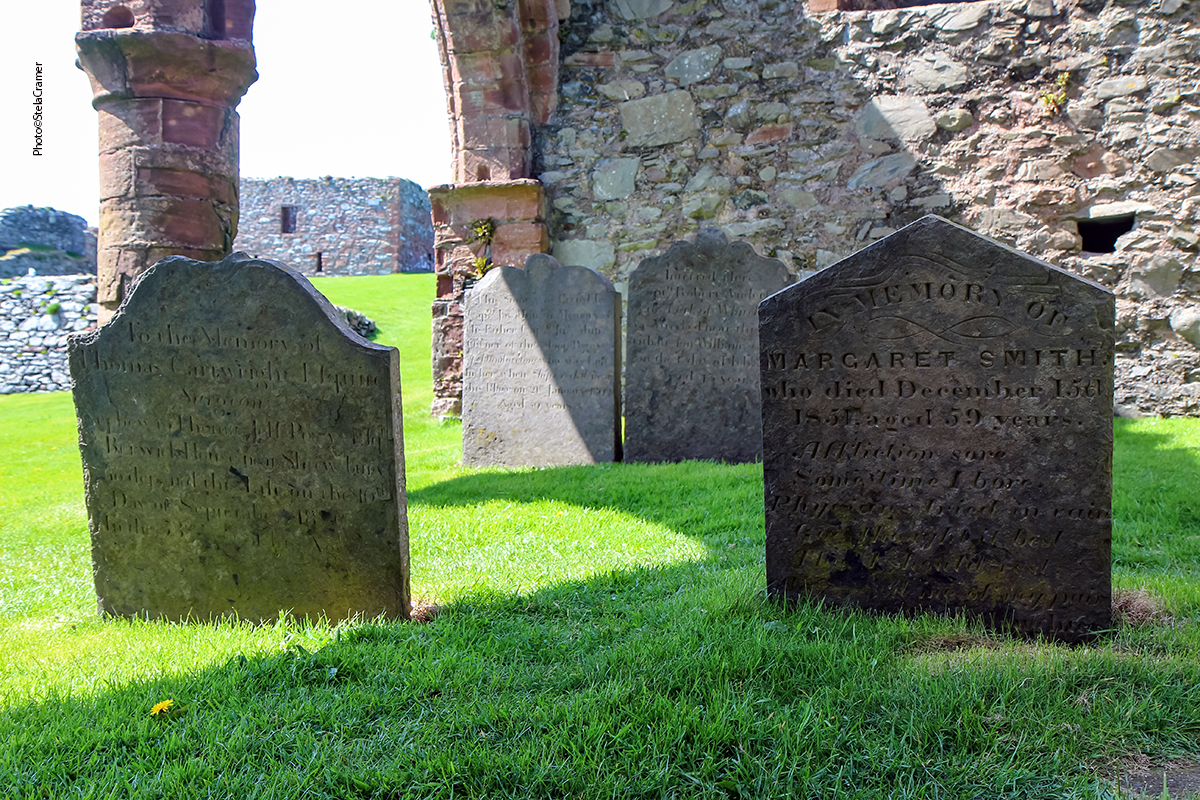
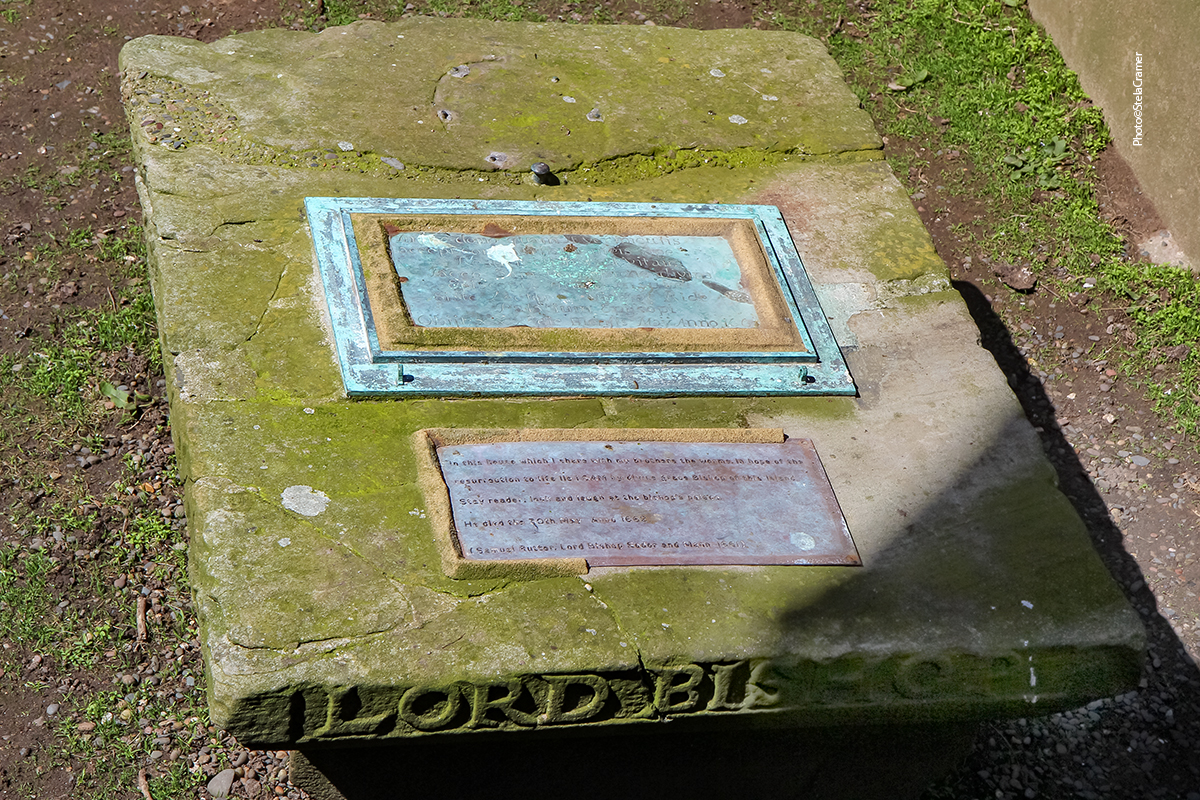
Túmulo do Bispo Rutter, de 1661. Depois dos noruegueses, a Igreja assumiu o Castelo por conta da Catedral que ali existia, até o século 18.

After the rule of Norway, the castle continued to be used by the Church, due to the cathedral built there, until the 18th century. This is Bishop Rutter’s tomb, buried in 1661.
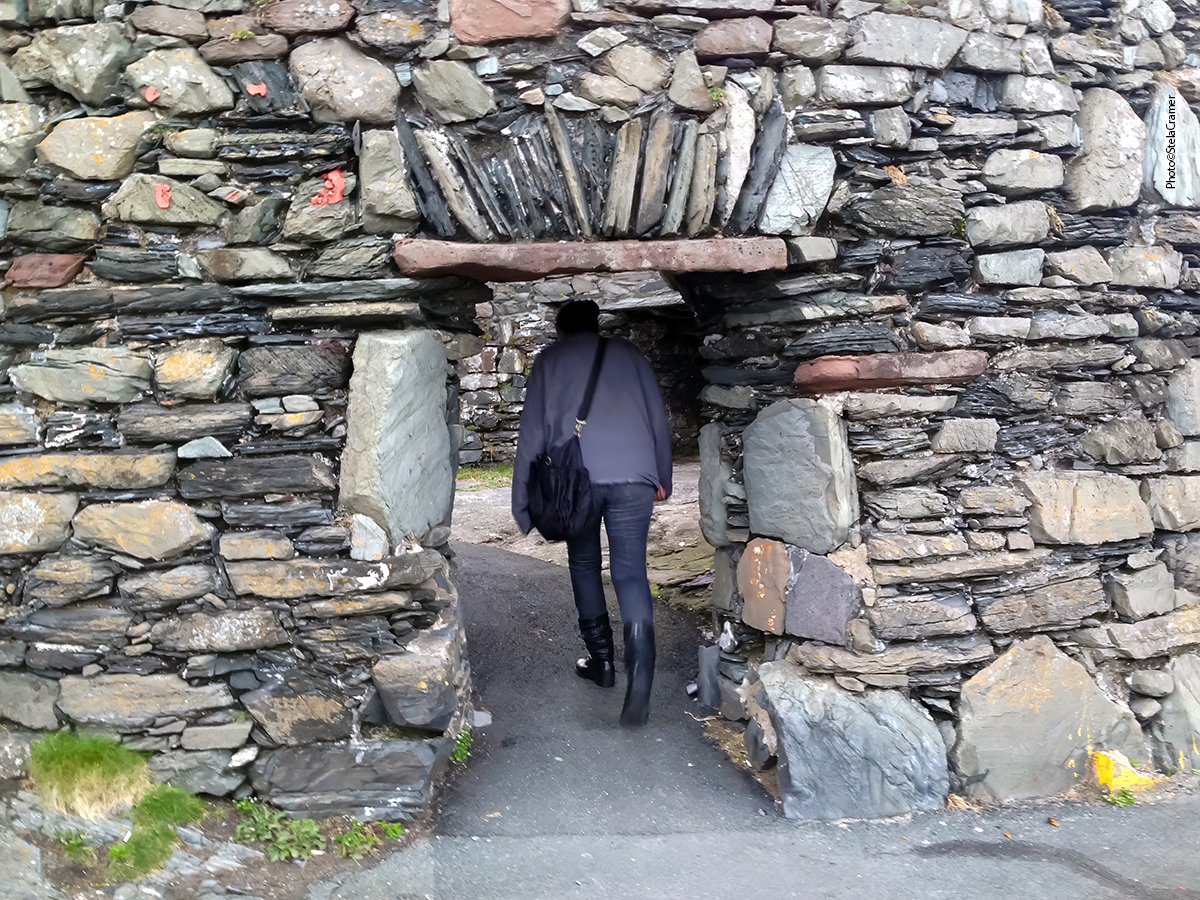
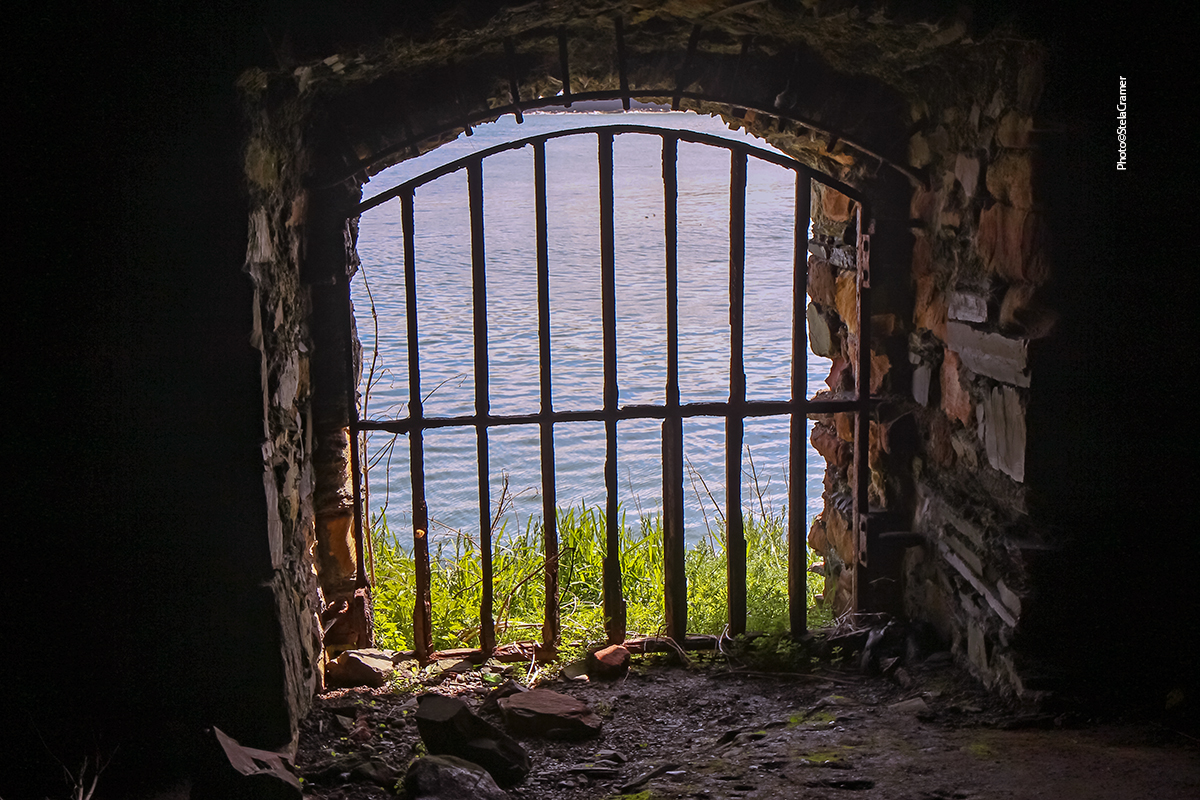
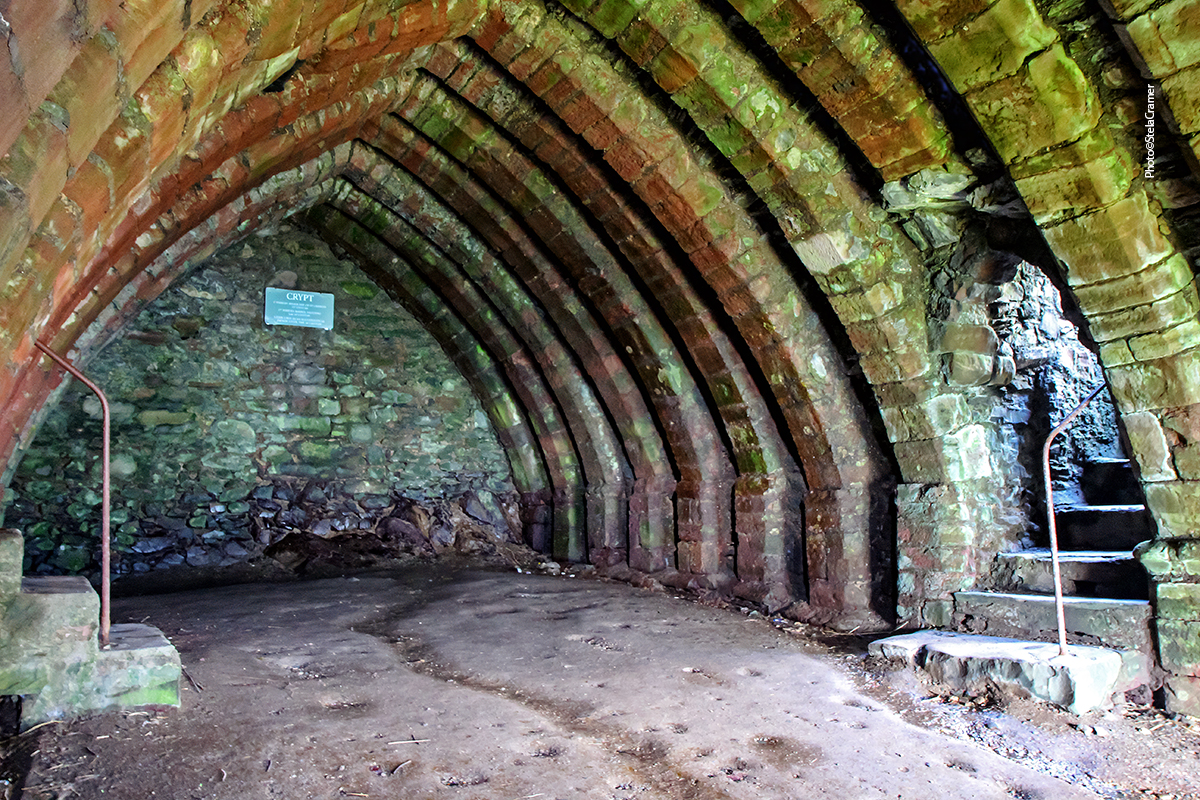
A cripta sob a catedral / The crypt under the cathedral
Ficamos no Castelo até a hora de fechar, ou seja, o dia todo. Felizmente, para pessoas famintas, cansadas e com sede, no Reino Unido há sempre um bom pub por perto!

We left the Castle by closing time, meaning, we stayed there the whole day. Fortunately, for tired, hungry and thirsty people, in the UK there’s always a good pub nearby!
Read Full Post »


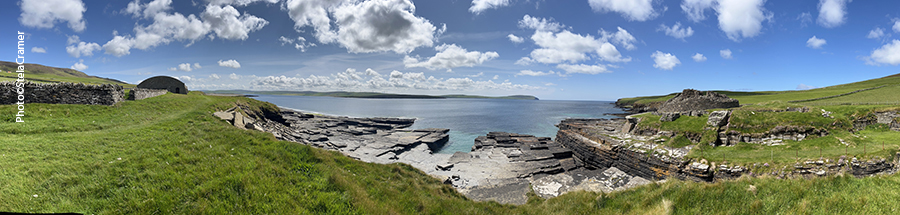
Midhowe, Isle of Rousay, Mainland in the background

O dia do tour em Rousay – 8 de junho de 2023 – amanheceu lindo e ensolarado; estava até quente! Aliás os póprios escoceses estavam surpresos com o calor. Meu guia, Patrick, brincou que eu havia trazido o sol do Brasil. A luz e o céu azul, não muito comuns no Reino Unido, propiciaram algumas fotos de paisagens desta ilha habitada por pouco mais de 200 pessoas.

June 8th / 2023, the day of the Rousay Tour, was a hot sunny day! Even the Scots were astonished with the heat. My guide, Patrick joked that I had brought the sun from Brazil. The bright blue sky, unusual in the UK, made possible some landscape photos of this isle inhabited by few more than 200 people.

Casas curiosas / Odd houses

Patrick Macguire, o guia / Patrick Macguire, the guide. Rousay Tours, phone +44 1856 821234

Verão na Escócia! Summertime in Scotland !

Após buscar alguns passageiros que chegaram de ferry, o tour seguiu a estreita estrada B9064, que contorna a ilha num total de 20 km, ao longo dos quais se encontram os sítios pré-históricos. Dos 100 já identificados, apenas alguns foram escavados e descritos.

After picking up some passengers that arrived with the ferry, the tour followed a single narrow lane, B9064, that makes a 13-mile circuit of the island, along which are the prehistoric sites. Over 100 have been identified but only a few have been excavated and characterized.

Yetnasteen Stone

Passamos por um megalito de 2m de altura, chamado Yetnasteen Stone (“pedra gigante” em nórdico antigo): diz a lenda que trata-se de um gigante que foi transformado em pedra pela exposição à luz do dia. Mas toda noite de Ano Novo, quando o relógio bate meia-noite, ele é liberado o tempo necessário para ir beber um gole de água fresca no lago próximo. Como a pedra fica dentro de uma propriedade privada, só pudemos avistá-la de passagem, pela janela da van.

Yetnasteen Stone: in Old Norse, Jotunna-steinn means “giant stone”; the legend says it’s a giant who’s been turned to stone when exposed to daylight, but at the stroke of midnight at New Year he’s released for just long enough to take a drink from the nearby freshwater loch. We could only see the 2m-tall slab from the van’s window, because it stands in private land.

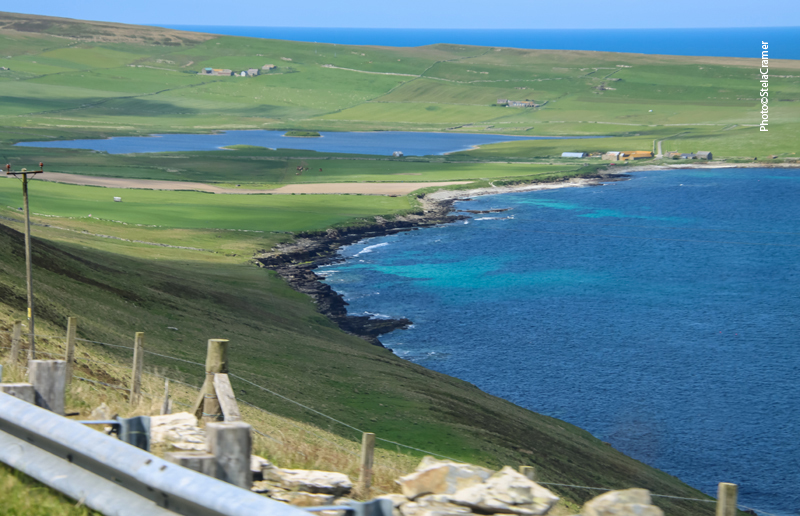
A escultura “Deuses da Terra, Deuses do Mar”, de Ian Hamilton Finlay, no penhasco de onde se avista a Baía de Saviskaill, e a ilha de Westray ao longe. Foi esculpida numa pedra de 15 toneladas trazida da Cornualha! Me pergunto porque escolheram trazer uma pedra do outro extremo do Reino Unido, a 1.368 km de distância.

The sculpture ‘Gods of the Earth, Gods of the Sea’, by Ian Hamilton Finlay, overlooking Saviskaill Bay, and Isle of Westray in the distance. It’s carved out of 15 tonnes of Portland Stone… from Cornwall ! I wonder why they chose to bring a stone from the other extreme of UK…850 miles away.

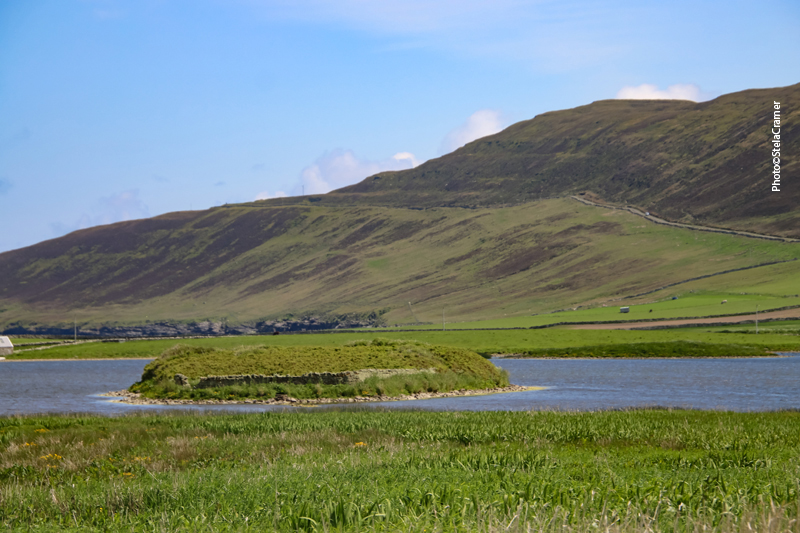
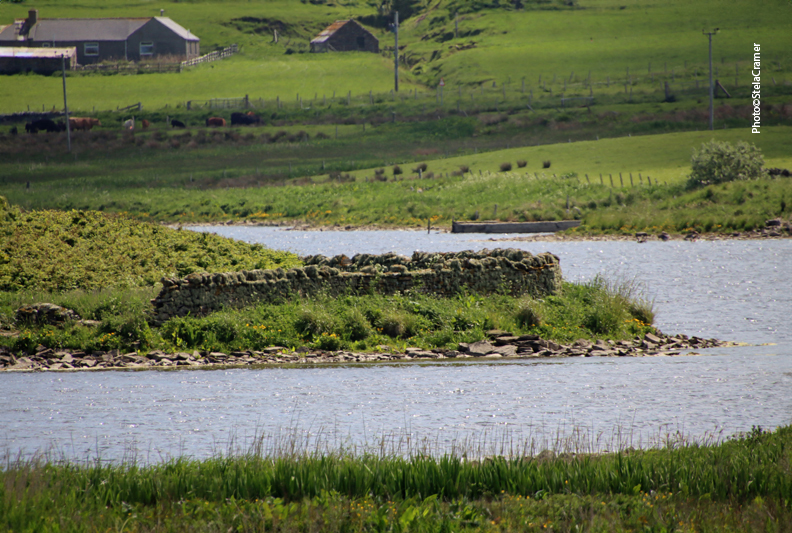
A Baía de Saviskaill e, na foto abaixo, o Lago Wasbister. Pode-se ver uma ilhota ao longe no lago. Saviskaill Bay and Wasbister Lake (photo below). You can see an islet in the far side of the lake.

As ruínas que se vê na ilhota , segundo Patrick, são Vikings, mas ainda não foram escavadas.
In the islet there are viking ruins, non yet excavated, according to Patrick.

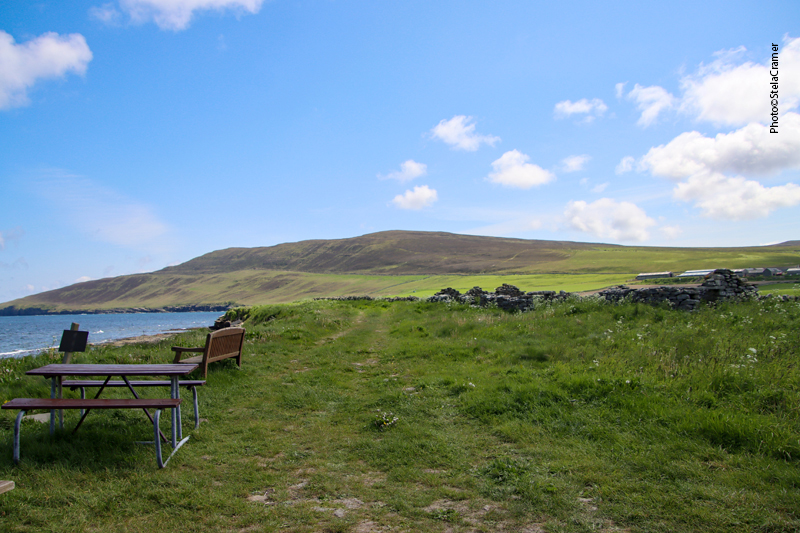
Seguimos para um picnic junto ao mar, em Saviskaill Bay, onde uma surpresa nos aguardava, além da bela paisagem. Rousay é um “Local de Interesse Científico Especial” devido à sua geologia, fauna e vida selvagem, colônias de pássaros e animais marinhos como lontras e focas. Elas estavam lá esperando por nós. Mas o melhor ainda estava por vir.

We stopped for a picnic by the sea, in Saviskaill Bay, where we had a surprise. Rousay is a Site of Special Scientific Interest because of its geology, wildflowers and bird life. Its wildlife includes otters and seals. And there they were, waiting for us. But the best was yet to come.

Seals / Focas em Saviskaill Bay

Read Full Post »


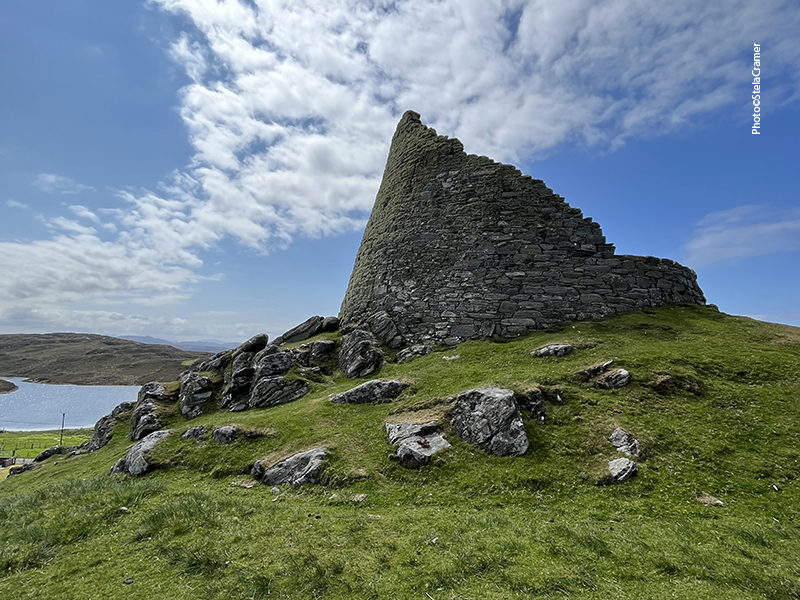
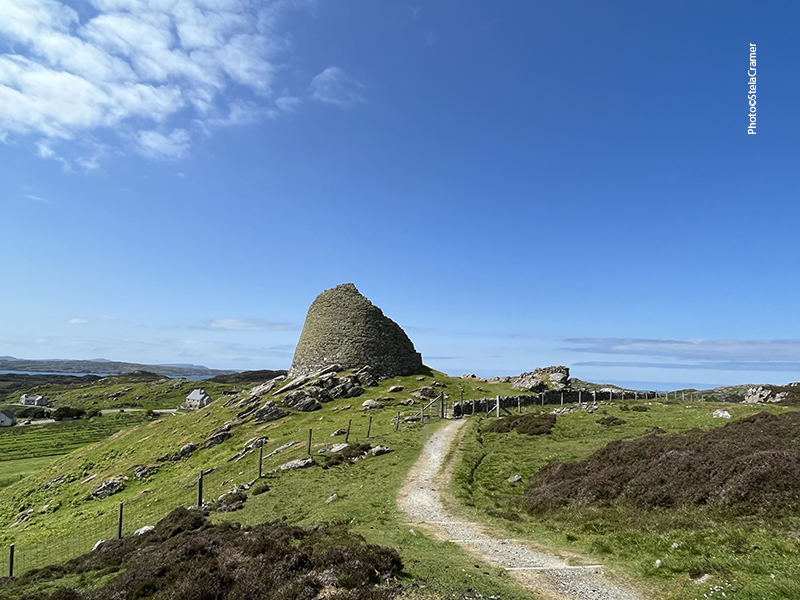
Dun Carloway, na Ilha de Lewis / in the Isle of Lewis

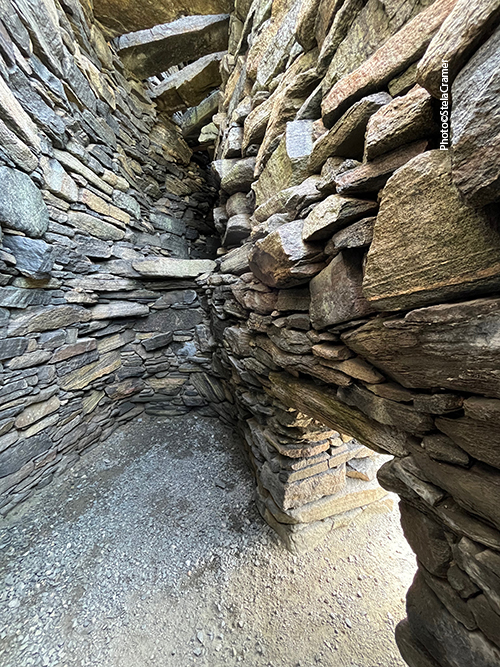
Como já sabemos, “Brochs” são um tipo de construção, da Idade do Ferro, apenas encontrada na Escócia. Vamos entrar em um dos mais bem preservados: Dun Carloway, provavelmente do sec. I

As we already know, Brochs are a kind of building unique to Scotland, from the Iron Age. Let’s go inside one of the best preserved: Dun Carloway, probably built in the 1st century AD.

A parede a leste ainda tem 9 m de altura. / On the east side, the old wall is still 9 metres tall.
O pátio central tem 7.4 m de diâmetro. / The inner courtyard’s internal diametre is 7.4 m
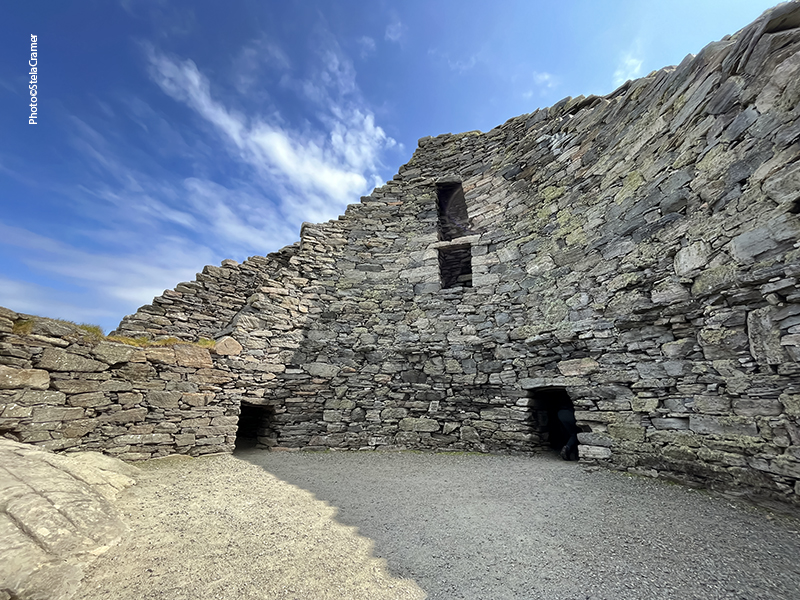
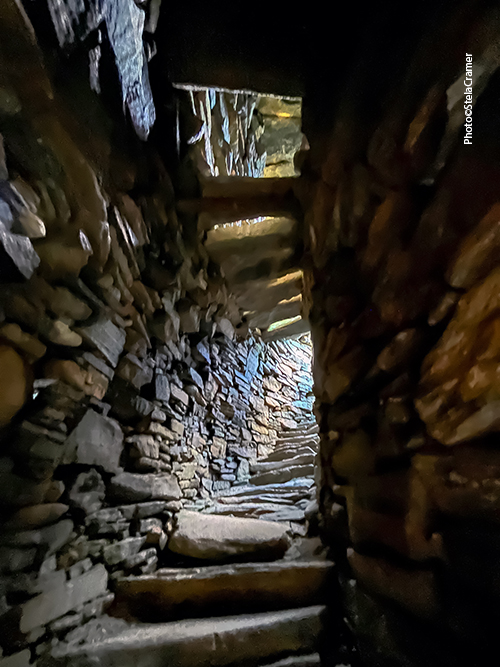
A abertura a leste leva às escadas entre as paredes. Vamos subir! / The opening on the eastern side leads to the stairs located between the walls. Let’s go up!
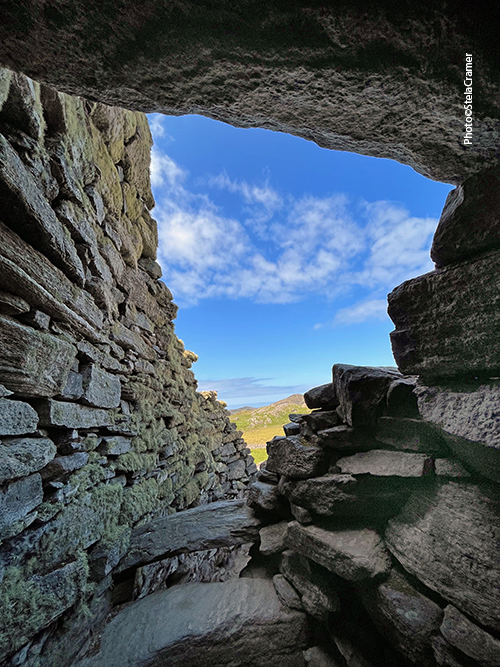
As vigas no alto deviam sustentar o piso do “segundo andar” entre as paredes. / The beams on top should hold the second floor
Detalhe da engenhosa alvenaria de séculos atrás, ainda firme / Detail of the skillful stonemasonry from centuries ago, still solid standing
A espessura destas paredes varia entre 2.9 a 3.8 m / The walls vary in thickness from 2.9 to 3.8 metres
A escada ocupa um quarto da circunferência do broch. Não há traços do que havia no final dela. / The staircase runs along one quarter of the circumference of the broch. There are no traces left of whatever it led to.

O Broch se manteve intacto ao longo dos séculos e ainda foi aproveitado como fortificação: o clã Morrison, em 1601, ainda o utilizava! Mas seus inimigos por fim o destruíram. Como em muitos outros monumentos, pedras foram retiradas para uso em outras construções.

The broch survived the years and was occasionally used in later times as a stronghold: the Morrisons of Ness put Dun Carloway into use in 1601, but their enemies eventually destroyed the broch. As in many other monuments, stones have been removed and re-used in other buildings

Voltando / Returning

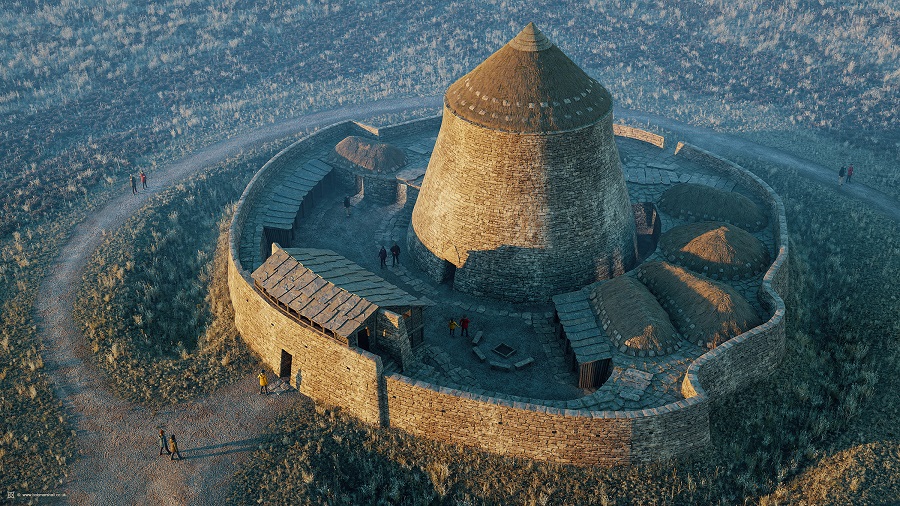
A região de Caithness possui o maior número de Brochs existentes. Assim, foi criado um projeto para construir um utilizando as mesmas ferramentas e técnicas da Idade do Ferro. Será uma importante atração turística. O desenho do projeto inclui aspectos variados encontrados nos originais, “a interpretação mais verídica possível de como seria um Broch original”. Abaixo, link para o website do projeto.

Caithness County can lay claim to have more brochs than anywhere else. So there’s a project to recreate one, using tools and techniques only available to their Iron Age counterparts, as a visitor attraction. The design reflects the wider architectural repertoire of brochs, “as honest an interpretation of what a Broch looked like as we may ever arrive at.” Project website link:

https://www.thebrochproject.co.uk

Reconstrução digital de um Broch em Caithness, Escócia / Digital reconstruction of an iron age broch in Caithness, Scotland – Images: ©Bob Marshall

Read Full Post »