Feeds:
Posts
Comentários

Posts Tagged ‘Norma Lorre Goodrich’


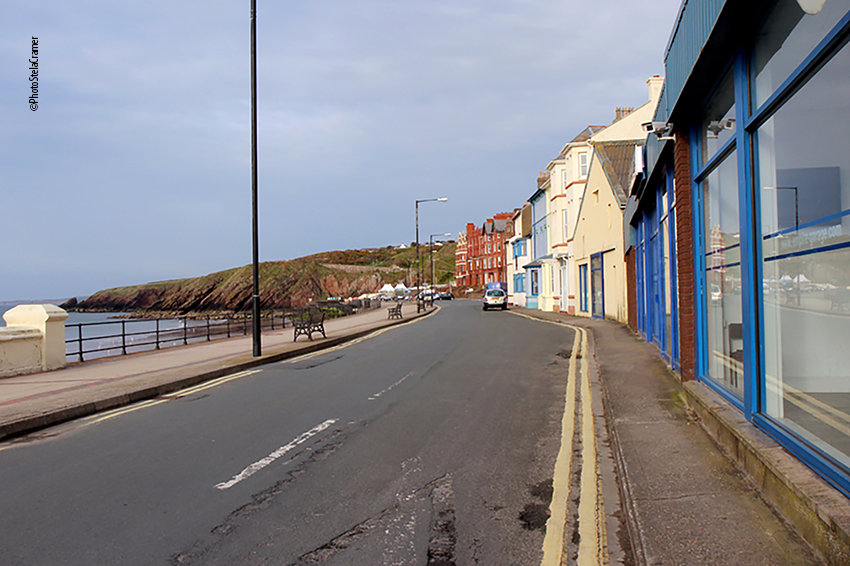
Atravessamos praticamente a Ilha toda para chegar a Peel, onde tínhamos reservado um B&B bem próximo ao castelo: The Fernleigh, em Marine Parade.

We crossed quite the whole island to reach Peel, where we had booked a B&B, the closest possible to the Castle: the Fernleigh, in Marine Parade.

As construções mais antigas de Peel são de arenito avermelhado. O Fernleigh é o penúltimo edifício à esquerda na foto. Nosso quarto era no terceiro andar, bem de frente para o mar… e o castelo!

The older buildings of Peel were built of reddish Peel Sandstone. The Fernleigh is the penultimate building to the left, and our room was on the third floor, facing the sea… and the Castle!

Além da localização com vista privilegiada e proprietários super solícitos, o café da manhã era maravilhoso, sempre à base de especialidades locais tais como queijos, geléias… e peixes. Pela primeira vez na vida passamos dias comendo pratos de peixe no café da manhã, inclusive o Kipper defumado, produzido ali desde o século XIX.

Besides the privileged view from the room and the lovely hosts, breakfast was outstanding, serving local delicacies such as cheese and jam… and fish. We had never before eaten fish on breakfast! These days we tried assorted ones, including the Kippers, that have been produced in Peel since at least the 19th century.

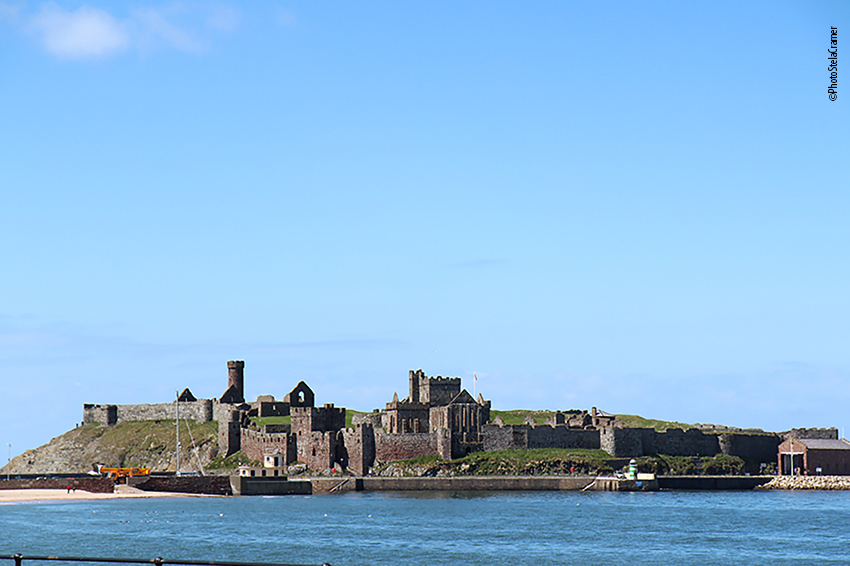
Peel Castle, visto pela janela do quarto! Largamos a bagagem e saímos correndo para aproveitar a linda tarde.

Peel Castle seen from our window! We dropped our luggage and left immediately, to enjoy the wonderful afternoon.

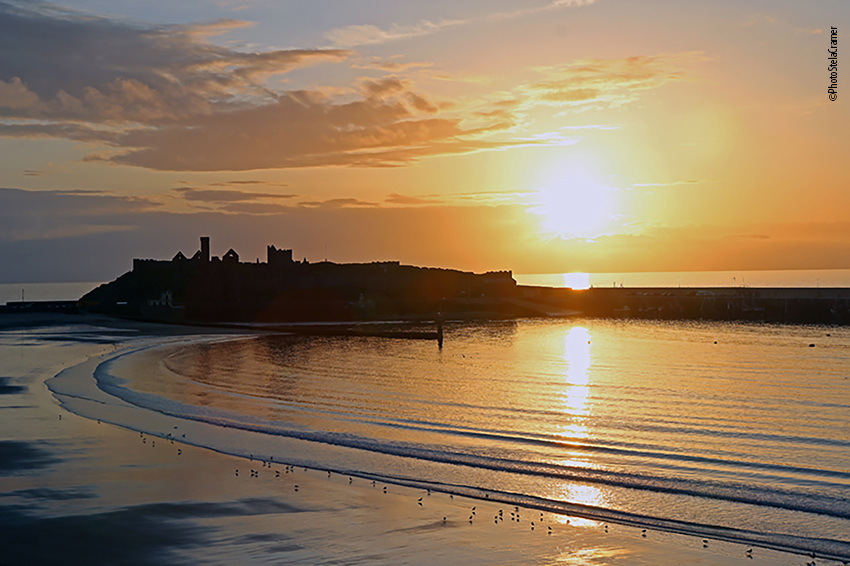
Peel Castle in the sunset

O castelo de Peel ficava a dez minutos a pé do nosso B&B, mas pelo horário já estava fechado para visitantes. Só conseguimos visitá-lo dias depois, porque chovia muito e estávamos esperando um dia de sol.

Peel Castle was a ten minutes walk from our B&B, but it was already closed this day. We could only visit it a few days later, because it was raining and we were waiting for a sunny day.

Marine Parade – The Promenade à tarde / In the afternoon

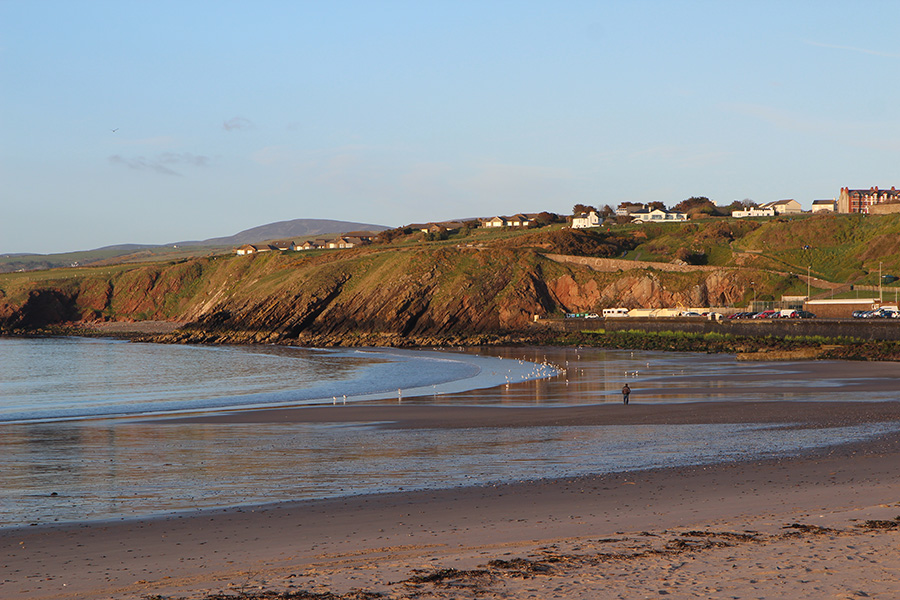
Algumas fotos da praia em Peel / Some photos of Peel Sea shore

O símbolo da Ilha de Mann é o Triskelion, composto por três pernas usando armadura, com esporas de ouro. Na bandeira, sobrepõe-se ao fundo vermelho- a bandeira oficial de Mann desde Dezembro de 1932.

The Isle’s symbol is a triskelion composed of three armoured legs with golden spurs, upon a red background. It has been the official flag of Mann since 1 December 1932.

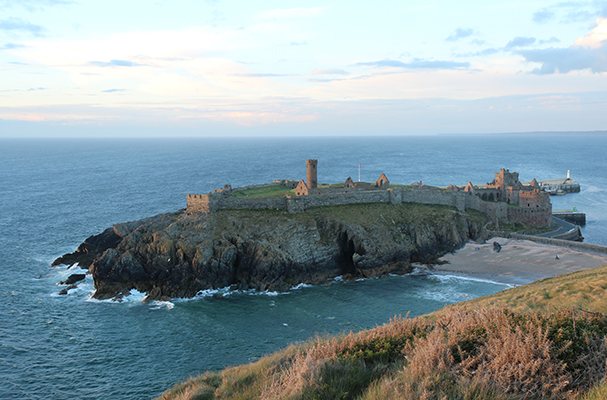
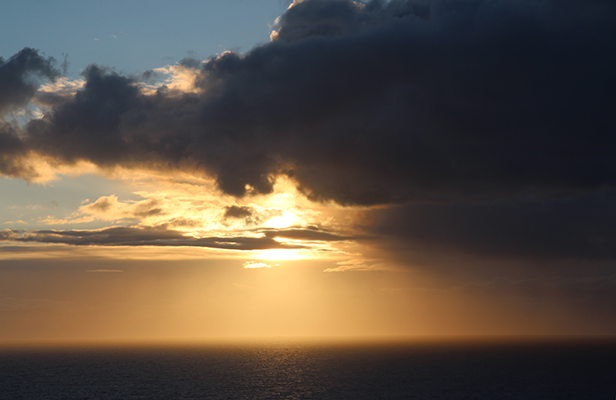
Embora não tenhamos entrado no Castelo logo no primeiro dia em Mann, fizemos uma boa caminhada em toda a volta. Fomos presenteadas com um lindo por-do-sol dourado.

Although we’d not been able to visit the Castle on our first day in Mann, we walked around it all and were gifted with a wonderful golden sunset.

Irei repetir os Posts 115 e 116 já publicados antes neste blog, que tratam especificamente do Castelo de Peel. Caso queira ver logo, pode digitar na lupa de busca.

I will repost the entries 115 and 116, previously published here, all about Peel Castle. In case you want to see it at once, write Post 115 (or Post 116) in the Search.

Read Full Post »


Peel Castle

Peel Castle

Para enxergar Avalon na ilha de St. Patrick, em Peel, é preciso levar em consideração a ação humana sobre a paisagem natural.

To see Avalon in St. Patrick’s Isle, Peel, one must consider the human action upon natural landscape.

O porto agora liga a Ilha de St. Patrick a Peel. /The harbour now attaches St. Patrick's Isle to Peel.

O porto agora liga a Ilha de St. Patrick a Peel. /The harbour now attaches St. Patrick’s Isle to Peel.

Antes da construção do porto, St. Patrick’s era uma ilha de fato e o mar devia bater forte, pois foi preciso construir também um molhe para que os navios pudessem entrar no porto. Durante a maré alta a travessia devia ser quase impossível, especialmente com nevoeiro – as famosas Brumas de Avalon que ocultavam o santuário.

Before the harbour was built, St. Patrick’s was actually an isle and the sea should be billowy, because a breakwater also had to be built to allow boats to enter the harbour. During high tide, the crossing should be almost impossible, specially with fog – the famous Mists of Avalon that kept the sanctuary hidden.

Esta praia não existia antes da construção do porto. / This beach didn’t exist before the harbour was built.

Este senhor não poderia passear aqui com seu cão no século I.  This gentleman couldn't walk his dog here in the I Century.

Este senhor não poderia passear aqui com seu cão no século I.
This gentleman couldn’t walk his dog here in the I Century.

A economia local gira em torno do porto./ Local economy is anchored in the harbour.

A economia local gira em torno do porto./
Local economy is anchored in the harbour.

Ponte giratória para pedestres  sobre a entrada do porto / Pedestrian swing bridge above the harbour's automatically operated gate-flap

Ponte giratória para pedestres sobre a entrada do porto / Pedestrian swing bridge above the harbour’s automatically operated gate-flap

Peel é o mais movimentado porto de pesca na Ilha de Man e também é usado para importação de óleos combustíveis. Ali se localiza uma indústria de processamento de peixes e moluscos, e do tradicional “kipper” defumado. O castelo dá de frente para a entrada do porto, que depende da maré. Um sistema para retenção da água foi construído em 2005.

Peel Harbour is the most active fishing port in the Isle of Man and is also used to import fuel oils. There is a fish and shellfish processing industry as well as the traditional art of kipper curing. The castle overlooks the entrance to the inner harbour, which is tidal. A water retention scheme was built in July 2005.

Infelizmente tal obra enfeia e atrapalha a visão do castelo. / Unfortunately such buildings spoiled the beautiful castle view.

Infelizmente tal obra enfeia e atrapalha a visão do castelo. /
Unfortunately such buildings spoiled the beautiful castle view.

O castelo, o porto e a cidade / The Castle, the Harbour and the town

O castelo, o porto e a cidade / The Castle, the Harbour and the town

Mapa de Peel Castle/ Peel Castle's map

Mapa de Peel Castle/ Peel Castle’s map

Detalhe do portão de entrada / Entrance Gate's detail

Detalhe do portão de entrada / Entrance Gate’s detail

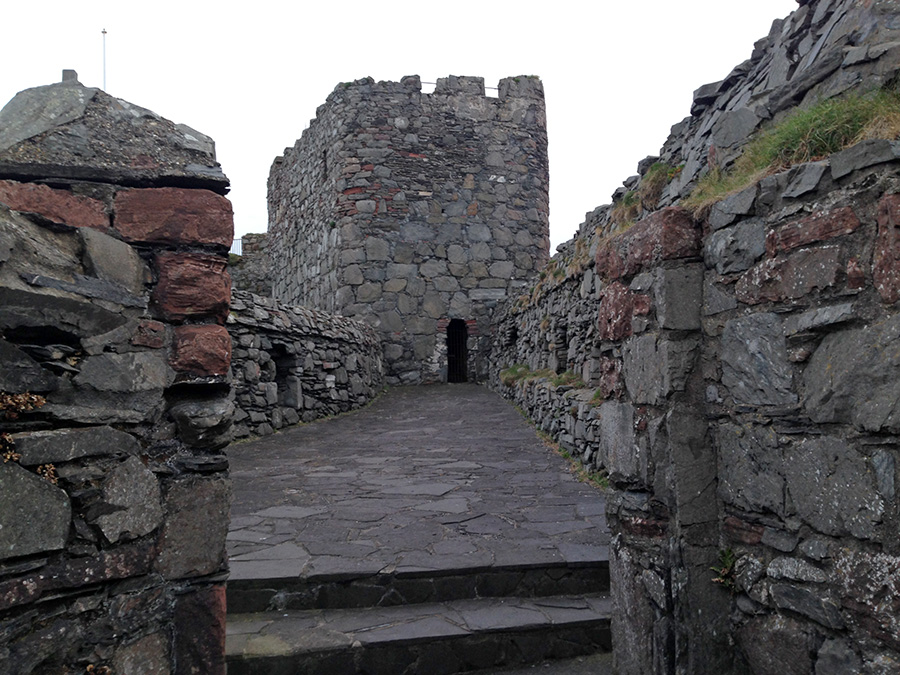
Ramparts

Gatehouse Tower

St. German's Cathedral

St. German’s Cathedral

Apartments

Apartments

Entrada da cripta / Crypt entrance

Entrada da cripta / Crypt entrance

Cripta sinistra/ Sinister Crypt

Cripta sinistra/ Sinister Crypt

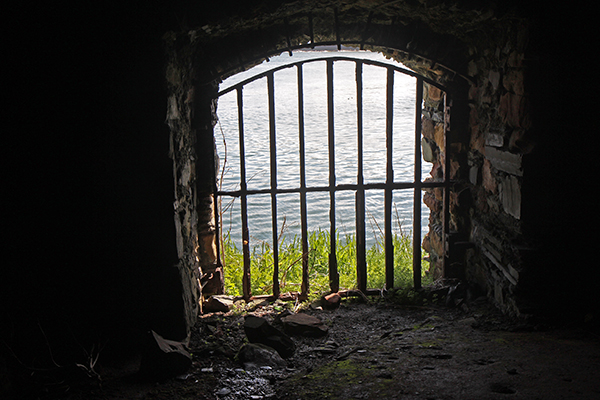
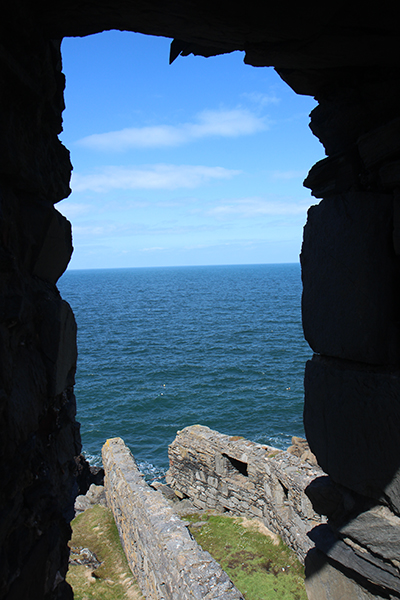
Pela janela, a água entra na cripta na maré alta. Muitos devem ter se afogado ou congelado aqui./ Seawater floods the crypt in high tide. Many people must have drowned ou frozen to death here.

Pela janela, a água entra na cripta na maré alta. Muitos devem ter se afogado ou congelado aqui./
Seawater floods the crypt in high tide. Many people must have drowned ou frozen to death here.

Detalhe do túmulo de um bispo./  A bishop's tomb detail.

Detalhe do túmulo de um bispo./ A bishop’s tomb detail.

Canhões / Cannons

Canhões / Cannons

Canhões que já defenderam a cidade / Cannons that have already defended the town

Canhões que já defenderam a cidade / Cannons that have already defended the town

Outra visão panorâmica dentro do Castelo / Another panoramic view from inside the Castle

Outra visão panorâmica dentro do Castelo / Another panoramic view from inside the Castle

St. Patrick's Chapel

St. Patrick’s Chapel

St. Patrick's Church and the Tower in the background / Igraja de St. Patrick e torre ao fundo

St. Patrick’s Church and the Tower in the background / Igraja de St. Patrick e torre ao fundo

Gaivotas fazendo saliência / Seagulls fucking

Gaivotas fazendo saliência / Seagulls fucking

Looking West / Vista para Oeste

Looking West / Vista para Oeste

peelLandscape1

Looking West /Olhando na direção Oeste

Quebra-mar / Breakwater

Quebra-mar / Breakwater

Marine Parade - The Promenade  à tarde / In the afternoon

Marine Parade – The Promenade à tarde / In the afternoon

Marine parade - The Promenade

Marine parade – The Promenade, ao anoitecer /  nightfall

Sunset / por do sol em Peel

Sunset / por do sol em Peel

Vista noturna / Night view

Vista noturna / Night view

Nosso excelente B&B. Muitas fotos do castelo foram tiradas da janela do quarto. / Our outstanding B&B. Many photos of the castle were taken from the room window.

Nosso excelente B&B. Muitas fotos do castelo foram tiradas da janela do quarto. /
Our outstanding B&B. Many photos of the castle were taken from the room window.

O B&B Fernleigh em Peel foi o melhor da viagem. Super recomendo. A proprietária, June, é uma fofa e o café da manhã delicioso, super farto, sempre com diferentes queijinhos e outras delícias orgânicas da região. O endereço está abaixo:

The Fernleigh B&B in Peel was doubtlessly the best on the entire trip. I recommend it from the bottom of my heart. June, the owner, is a lovely lady and the breakfast delicious, abundant, always with different cheeses and other organic delicacies locally produced. The address is:

The Fernleigh – Marine Parade, Peel IM5 1PB.
Tel/Fax: 01624 842435.
Email: fernleigh@manx.net

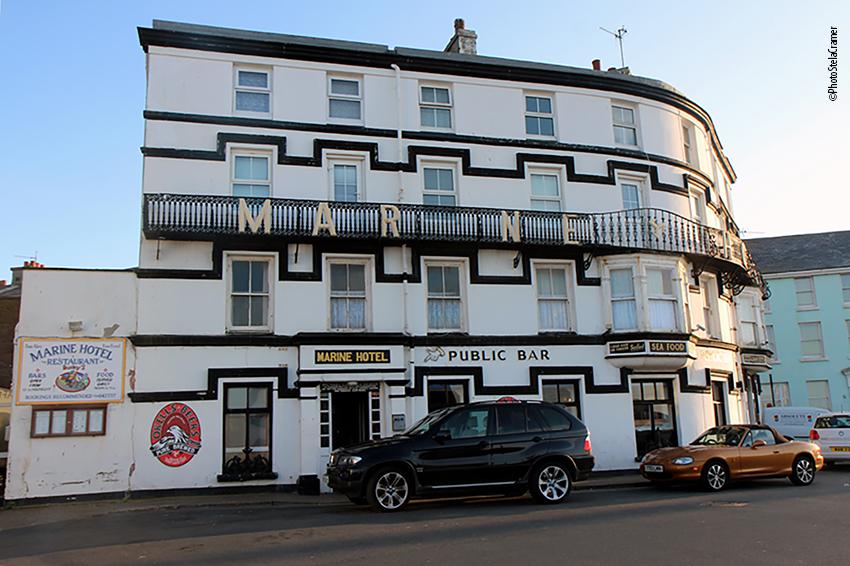
The Marine Hotel Pub

The Marine Hotel Pub – great food / Comida ótima

Uma selfie para encerrar. A selfie to finish the post.

Uma selfie para encerrar.
A selfie to finish the post.

Read Full Post »


Avalon!

Avalon!

Algo novo aconteceu. Se você leu os Posts 092 e 093, já sabe que Dra. Norma Goodrich situou Avalon na Ilha de St. Patrick, atualmente ligada por uma calçada ao porto de Peel na Ilha de Man – o “coração do Reino Unido” por ser o ponto central entre Inglaterra, Escócia, Gales e Irlanda. Bem, fui lá. Aqui estão fotos do Castelo de Peel.

Peel Castle by nightfall

Peel Castle by nightfall

Something new happened. If you’ve read the Posts 092 and 093, you’re aware that Dra. Norma Goodrich located Avalon in St.Patrick’s Isle, which is nowadays connected by a causeway to Peel Harbor, in the Isle of Man – “heart of UK” – the central spot between England, Scotland, Wales and Ireland. Well, I’ve been there. Here I present photos of Peel Castle.

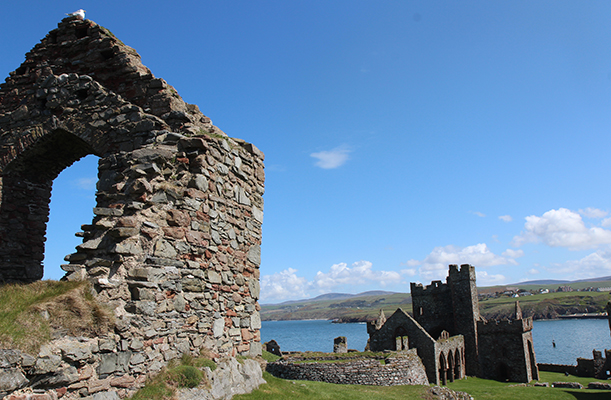
Peel Castle foi construído no século 11 pelos Vikings, no reinado de Magnus Barefoot. / Peel Castle was built in the 11th century by the Vikings, under the rule of King Magnus Barefoot.

Peel Castle foi construído no século 11 pelos Vikings, no reinado de Magnus Barefoot. / Peel Castle was built in the 11th century by the Vikings, under the rule of King Magnus Barefoot.

Inside Peel Castle. The first Viking fortifications were built of wood / Interior do castelo. As primeiras fortificações dos Vikings eram feitas de madeira.

Inside Peel Castle. The first Viking fortifications were built of wood / Interior do castelo. As primeiras fortificações dos Vikings eram feitas de madeira.

Entrada / Entrance

Entrada / Entrance

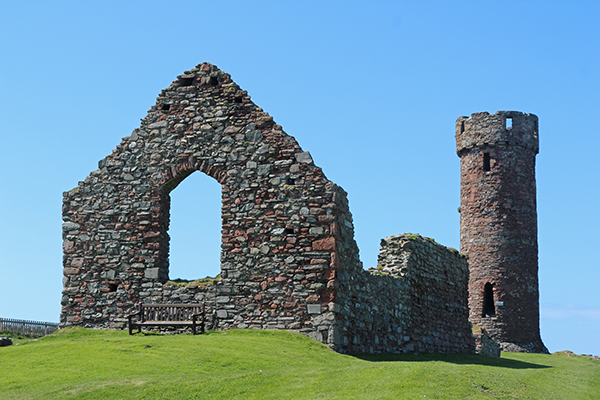
Havia na ilha construções celtas de pedra, mais antigas. /There were older stone Celtic monastic buildings on the island

Havia na ilha construções celtas de pedra, mais antigas. /There were older stone Celtic monastic buildings on the island

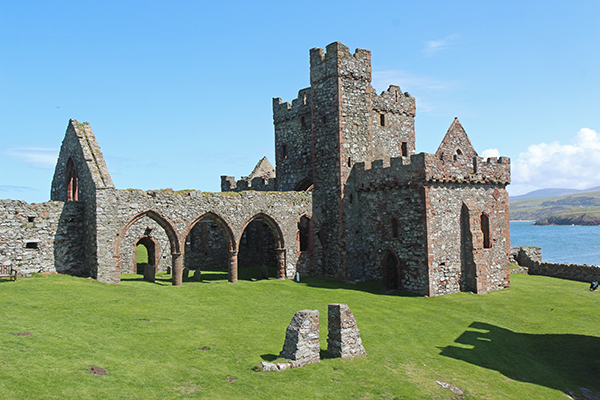
Depois do domínio Viking, o castelo continuou a ser usado pela Igreja devido à catedral que ali tinha sido construída. Mas o local acabou sendo abandonado no século 18. / After the rule of the Vikings, the castle continued to be used by the Church due to the cathedral built there but was eventually abandoned in the 18th century.

Depois do domínio Viking, o castelo continuou a ser usado pela Igreja devido à catedral que ali tinha sido construída. Mas o local acabou sendo abandonado no século 18. / After the rule of the Vikings, the castle continued to be used by the Church due to the cathedral built there but was eventually abandoned in the 18th century.

Escavações em 1982-87 revelaram um extenso cemitério, assim como vestígios do forte de madeira original de Magnus Barefoot. Mas isso não está em exibição... / Excavations in 1982-87 revealed an extensive graveyard as well as the remains of Magnus Barefoot's original wooden fort. But such are not in display...

Escavações em 1982-87 revelaram um extenso cemitério, assim como vestígios do forte de madeira original de Magnus Barefoot. Mas isso não está em exibição… Estes túmulos são bem mais recentes./ Excavations in 1982-87 revealed an extensive graveyard as well as the remains of Magnus Barefoot’s original wooden fort. But such are not in display… These graves are much more recent.

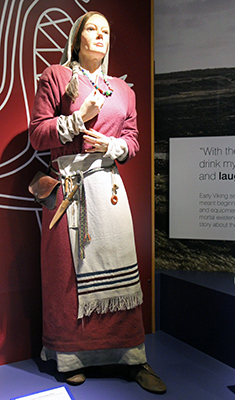
Um dos mais espetaculares achados foi o túmulo da "Dama Pagã" do século 10. A reconstrução da figura se encontra no Museu de Man, mostrando um colar Viking de contas e moedas de prata de 1030 / The most spectacular finds were the 10th century grave of "The Pagan Lady" which included a fine example of a Viking necklace and a cache of silver coins dating from about 1030. This model is actually in the Manx Museum.

The Pagan Lady

Um dos mais espetaculares achados foi o túmulo da “Dama Pagã” do século 10. A reconstrução da figura se encontra no Museu de Man, mostrando um colar Viking de contas e moedas de prata de 1030. Pelo status revelado, esta poderia ser a Senhora de Avalon! Um dos souvenirs vendidos na entrada do castelo é o conjunto de contas para fazer um colar semelhante.

The most spectacular finds were the 10th century grave of “The Pagan Lady” which included a fine example of a Viking necklace and a cache of silver coins dating from about 1030. This model is actually in the Manx Museum. She might have been the High Priestess of Avalon, by her apparent status ! At the Castle’s reception, among other souvenirs, there are kits of beads and string to make a similar necklace.

My guess is that here was the ancient worship place. In the background, the original Peel cathedral. / Meu palpite é que aqui era o antigo santuário. Ao fundo, a Catedral de Peel.

My guess is that here was the ancient worship place. Behind it, the former Cathedral of St. German. In the background, the town of Peel./ Meu palpite é que aqui era o antigo santuário. Mais atrás, a Catedral de Saint-German. Ao fundo a cidade de Peel

Turistas, a maioria alemães / Tourists, most Germans

Turistas, a maioria alemães / Tourists, most Germans

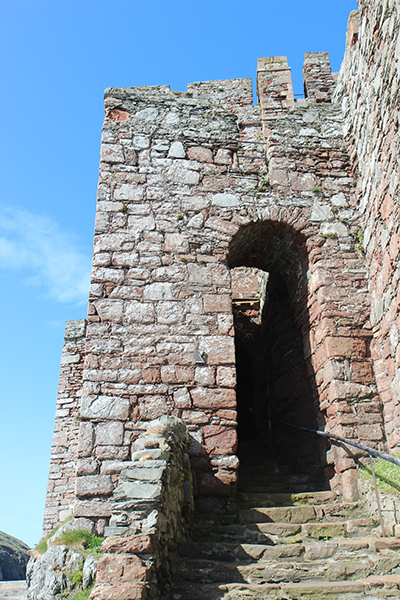
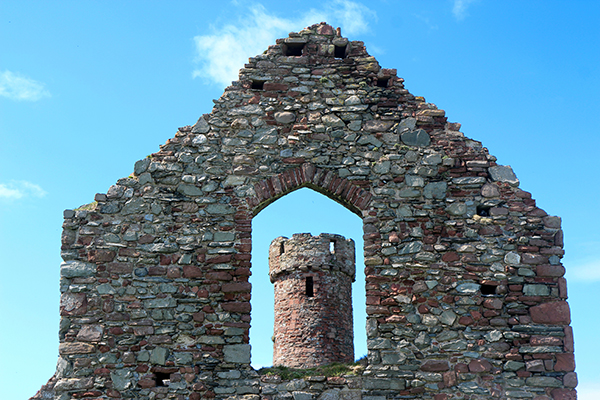
A maioria das paredes e torres foram construídas com arenito vermelho, abundante na região / The majority of the walls and towers were built  from red sandstone, abundantly found in the area

A maioria das paredes e torres foram construídas com arenito vermelho, abundante na região / The majority of the walls and towers were built from red sandstone, abundantly found in the area

O Arsenal e a torre Redonda / The Armoury and Round Tower

O Arsenal e a Torre Redonda / The Armoury and Round Tower

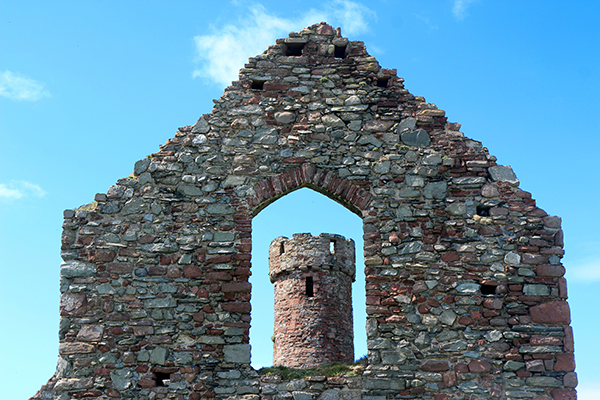
A Torre Redonda data dos séculos 10 e 11 / The Round Tower was built in the X-XI centuries

A Torre Redonda data dos séculos 10 e 11 / The Round Tower was built in the X-XI centuries

Amurada norte / North Ramparts

Amurada norte / North Ramparts

Postos de guarda ao longo das amuradas / Guard posts along the ramparts

Postos de guarda ao longo das amuradas / Guard posts along the ramparts

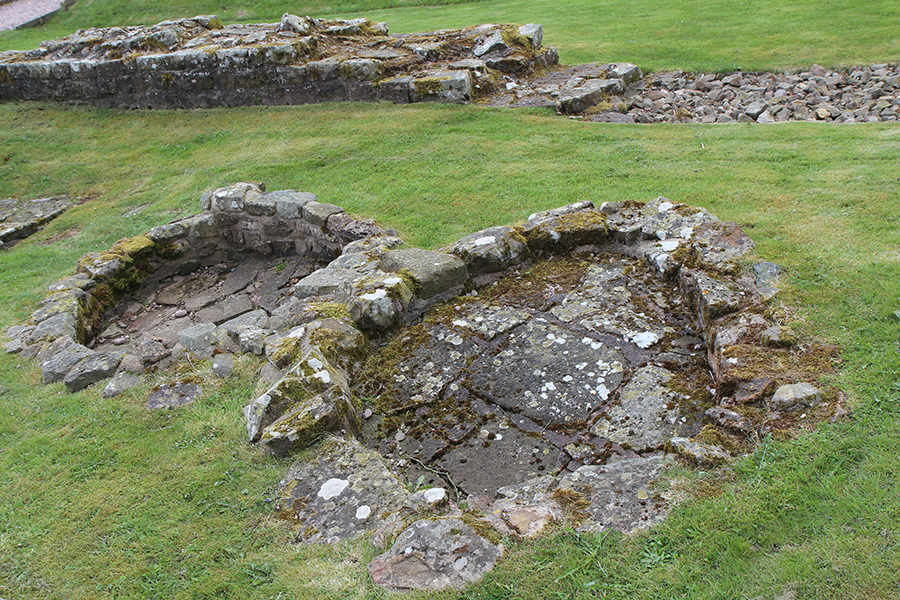
Parte mais antiga, cozinha no primeiro plano / Most ancient ruins; kitchen in the foreground

Parte mais antiga, cozinha no primeiro plano / Most ancient ruins; kitchen in the foreground

Posto de guarda a oeste / Guard post facing west

Posto de guarda a oeste / Guard post facing west

Vista oeste -dia / Daylight west landscape

Vista oeste -dia / Daylight west landscape

Vista oeste, por do sol / West landscape, sunset

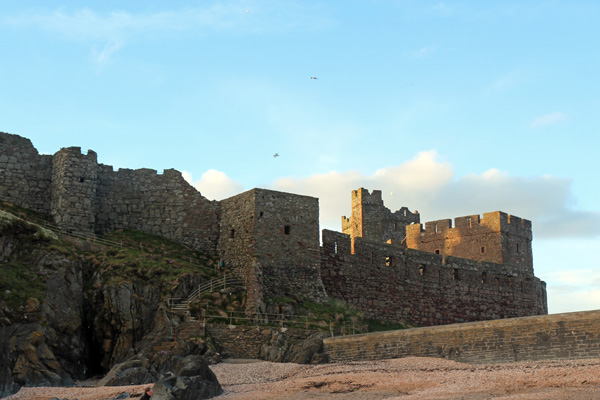
Enorme amurada norte vista da praia / Massive North ramparts seen from the beach

Aqui quase não existe areia / There's almost no sand here

Aqui quase não existe areia / There’s scarcely sand here

Magic sunset in Avalon

Magic sunset in Avalon

+ Magic Sunset in Avalon

Another magic sunset in Avalon

Read Full Post »


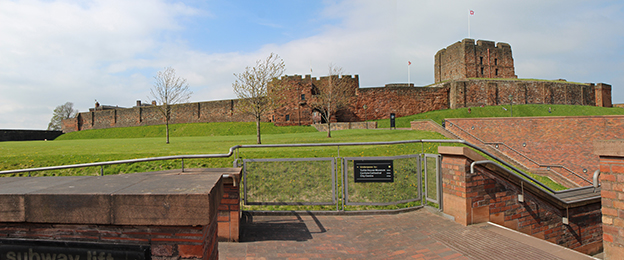
Carlisle Castle

Carlisle Castle

Esta cidade foi onde terminei a caminhada. Na verdade o fim do percurso é em Bowness-on-Solway, uma vila com cerca de 100 casas no estuário de Firth, fronteira entre Inglaterra e Escócia, o extremo oeste da Muralha de Adriano. Em vez de prosseguir eu tinha que voltar a Londres, pois perdera o passaporte no início da caminhada e precisava ir ao consulado brasileiro para obter o documento que me permitiria embarcar de volta para casa. Assim, a exploração da área teve que ficar para a próxima vez.

Mosaico representando uma cena medieval na passagem para pedestres / Medieval scene tiled in the pedestrian's passage

Mosaico representando uma cena medieval na passagem para pedestres / Medieval scene tiled in the pedestrian’s passage

In this city my journey ended, although the western end of Hadrian’s Wall is in Bowness-on-Solway, a village of about 100 houses on the Solway Firth separating England and Scotland. But I had to go back to London, because I had lost my passport when I started walking and had to go to Brazilian Consulate to get a document required to board the plane back home. So I had to postpone exploring that area.

Centro da cidade num dia chuvoso / A rainy day downtown

Centro da cidade num dia chuvoso / A rainy day downtown

” Carlisle era o segundo mais importante centro cristão na época de Arthur, a julgar pelos achados arqueológicos. Como Londres, Caerleon e Chester, foi anteriormente um vicus , ou centro militar romano. Do ponto de vista logístico era o tipo de centro capaz de suprir alimento e forragem para um exército e seus cavalos, um centro agrícola. No tempo dos romanos, seus quase 300 quilômetros quadrados eram cercados por muros e protegidos ainda pela geografia natural do terreno…. Provavelmente o Rei Arthur foi coroado em Carlisle” . (Citando “Arthur”, de Norma Goodrich).

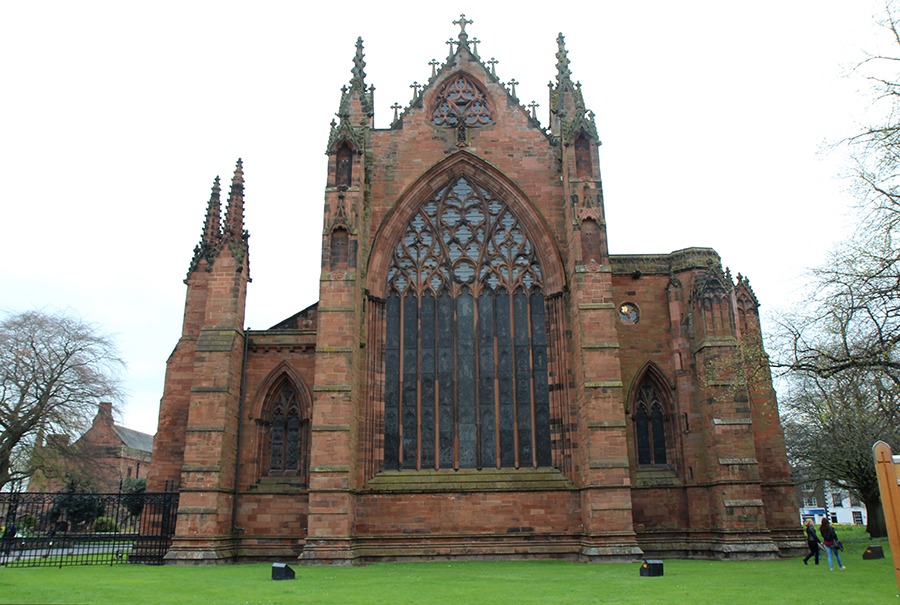
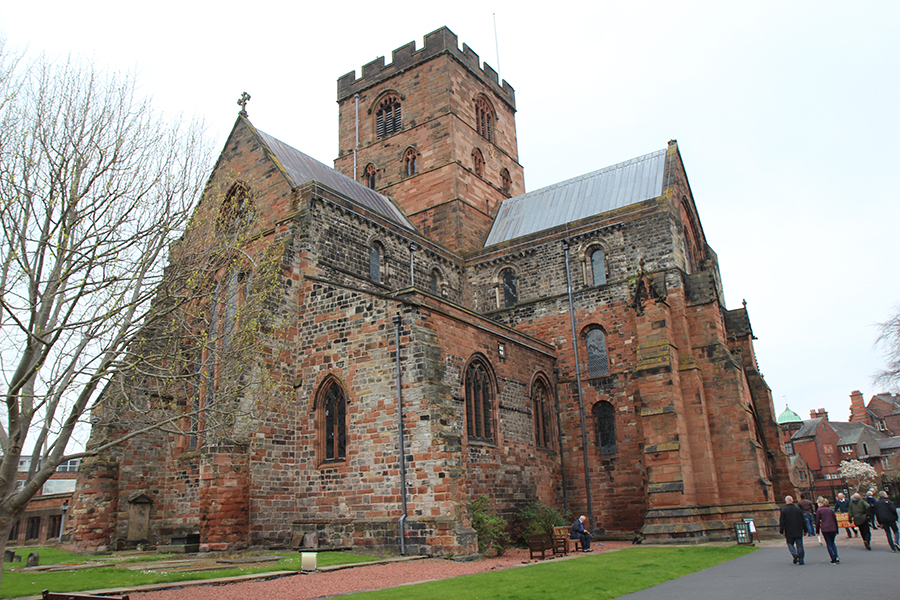
Carlisle Cathedral

Carlisle Cathedral

Em volta da Catedral / Around the Cathedral

Em volta da Catedral / Around the Cathedral

Carlisle was the second most important Christian center in Britain in Arthur’s day, judging from archaeological finds. Like London, Caerleon and Chester, it had previously been a vicus, or a Roman military center. From a logistical point of view, it was the kind of center capable of supplying foodstuffs and fodder for an army and their horses, an agricultural center. In Roman times its seventy-four acres were enclosed by walls and protected by the natural geography of the land. King Arthur was probably crowned at Carlisle.” (quote: Arthur, by Norma Goodrich).

Jardins da Catedral , certamente mais bonitos num dia de sol/ Cathedral's garden, surely more beautiful in a sunny day

Jardins da Catedral , certamente mais bonitos num dia de sol/ Cathedral’s garden, surely more beautiful in a sunny day

Confesso que tive um choque ao ler as conclusões da autora provando que Arthur era cristão, pois as Brumas de Avalon e demais livros o apresentam criado em Avalon, por druidas e sacerdotisas da Antiga Religião. Entretanto, o cristianismo celta era bem diferente do que hoje conhecemos. Praticamente não há registros, suprimidos pela ascensão da Igreja Romana ao longo da Idade Média e destruídos por sucessivos conquistadores. Restou a descrição de algumas cerimônias por Geoffrey de Monmouth e alguns textos de Bede, Nennius e Gildas. A Dra. Goodrich afirma que “embora se diga que as provas mais antigas da existência do Cristianismo na Britannia datam do ano 120, quando o Imperador Adriano ergueu a Muralha , a religião parecia estar florescendo no tempo do Rei Arthur – uma época de piedade cristã, segundo ela. E que Saint Gildas, cujo testemunho sustenta a existência do Rei (475-542) , era um brilhante escritor cristão”.

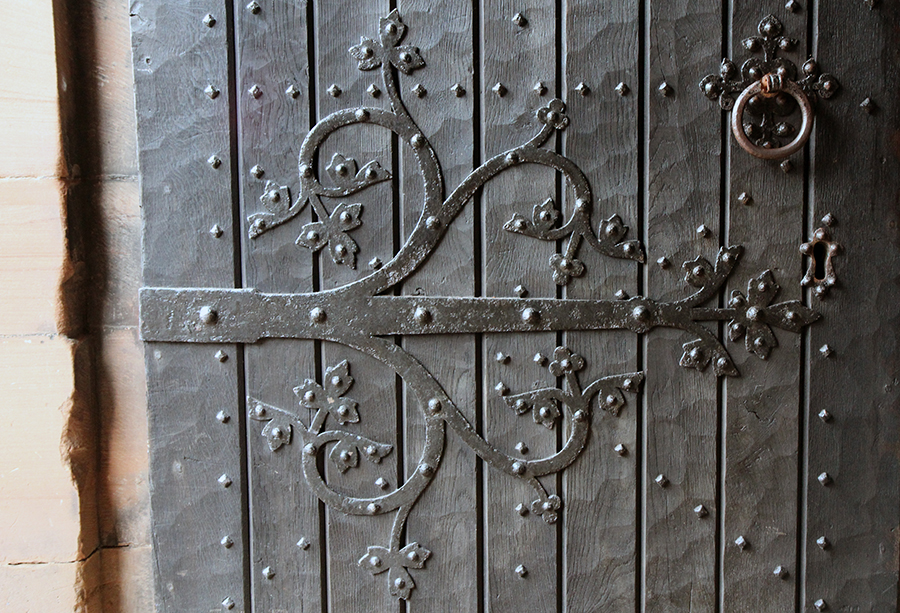
Detalhe- porta da Catedral / Detail: Cathedral 's door

Detalhe- porta da Catedral / Detail: Cathedral ‘s door

I confess it was a shock to read the researcher’s conclusions proving Arthur a Christian , because The Mists of Avalon and other books show him being raised in Avalon by druids and priestesses of the Old Religion. Still, the Celt Christianism was very different of the one we acknowledge today. Few records survived, mostly suppressed by the uprise of the Roman Church through the Middle Ages or destroyed by consecutive conquerors. What was left was Geoffrey of Monmouth’s accounts of ceremonies and a few texts by Bede, Nennius e Gildas. Dr. Goodrich states that “while the earliest proofs of Christianity in Britain are said to go back no further than the year 120, when Emperor Hadrian erected his wall, religion was aparently flourishing by King Arthur’s time – an Age of Christian piety. Saint Gildas, whose testimony supports Arthur (c. 475-542), was a brilliant Christian writer”.

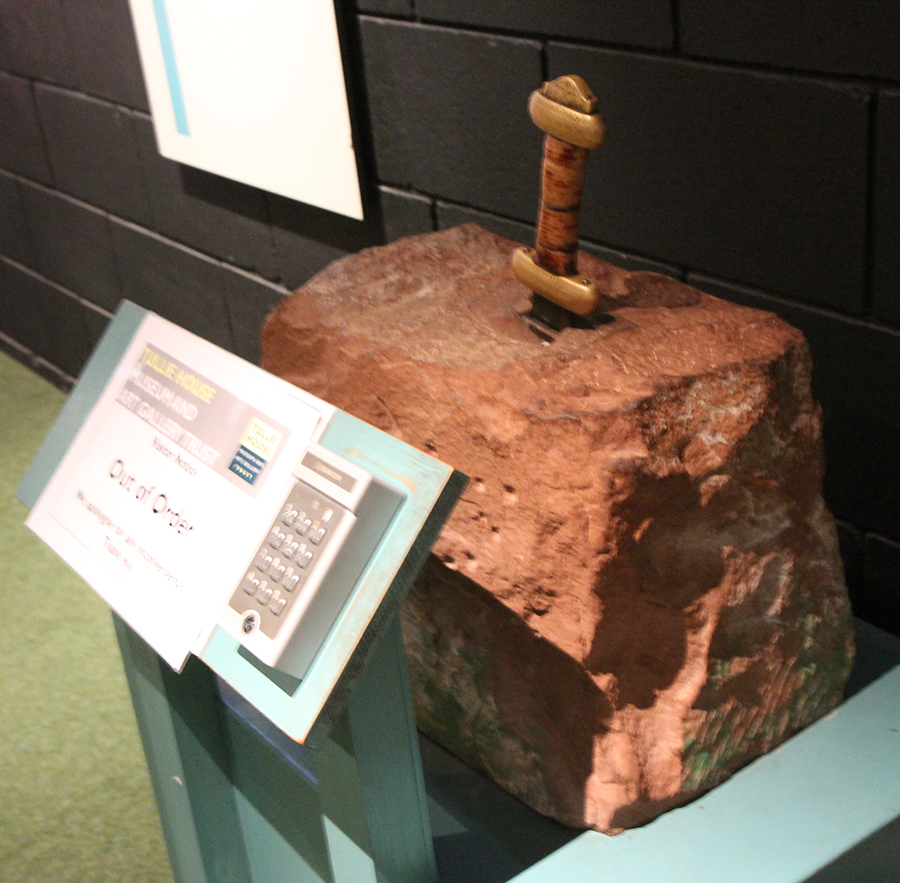
Excalibur de brinquedo no museu Tully House, Carlisle / A toy Excalibur at Tully House Museum

Excalibur de brinquedo no museu Tully House, Carlisle /
A toy Excalibur at Tully House Museum

Seja como for, devia ser algo muito diferente mesmo pois  por volta do ano 429, para os ortodoxos no continente europeu, “ a heresia era frequente pois os britânicos preferiam suas próprias tradições às de todas as igrejas do mundo”.
Anyway, it should be particular indeed, because around the year 429, for the orthodoxy on the European continent, “heresy was already rife in Britain, for the Britons preferred their own traditions before all the churches in the world”.

O círculo de pedras de Castlerigg representado no museu Tully House/ Castlerigg landscape in the Tully House

O círculo de pedras de Castlerigg representado no museu Tully House/
Castlerigg landscape in the Tully House

Da mesma forma, ainda estou sob o impacto da prova da existência de Arthur – e também Merlin, Guinevere, Lancelot e os demais cavaleiros. Minha jornada espiritual passou a ser histórica também. Peço um pouco de paciência pois vou precisar de uns dias para conseguir fechar um texto sobre isso.
I’m also still under the impact of the proof of Arthur’s existance, and Merlin’s, Guinevere’s, Lancelot’s and the other knights’ too. My spiritual journey has became historic as well.  I beg of you a bit of patience because I’ll need a few days to write a proper text about all this.

Meu quarto no B&B de Carlisle. / My room in the B&B at Carlisle

Meu quarto no B&B de Carlisle. / My room in the B&B at Carlisle

Read Full Post »


birdoswaldPanorama1

Muralha de adriano junto a Birdoswald (à esquerda, entre as árvores)./ Hadrian’s wall next to Birdoswald (among the trees, to the left)

Arthur foi vitorioso nas doze batalhas que travou contra invasores, porém pouco se sabe sobre a Última Batalha, na qual o Rei enfrentou seu próprio filho Mordred, a quem abateu mas foi mortalmente ferido. Isto aconteceu num lugar chamado Camlan. Para resumir, segundo Norma Goodrich, Camlan seria “Camboglanna Roman Fort”, hoje conhecido como Birdoswald, o último forte antes de Carlisle na Muralha de Adriano.
Exatamente o lugar para onde eu estava me encaminhando, e retrato nas fotos abaixo.

Quase lá / Almost there

Quase lá / Almost there

birdoswald034

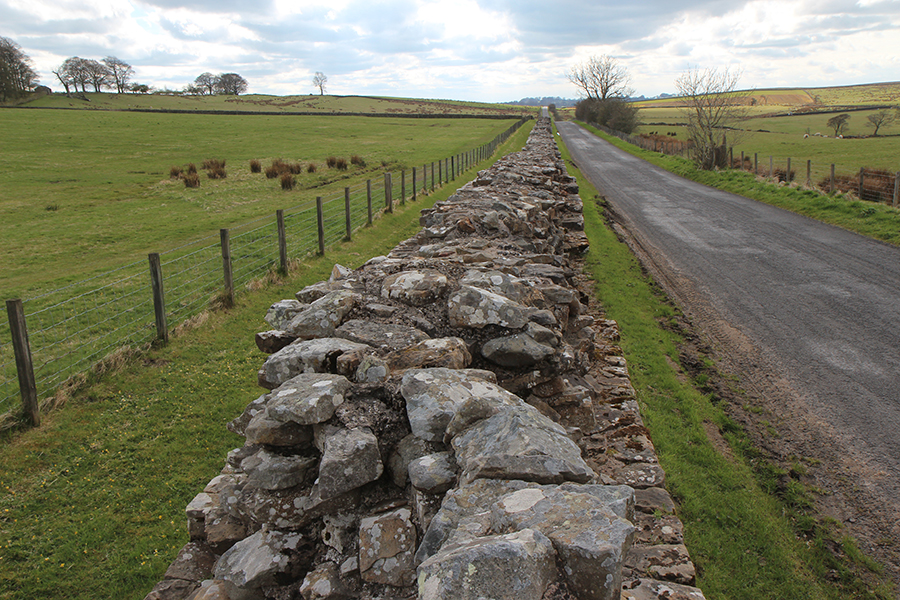
O mais longo trecho de muralha ininterrupta passa por Birdoswald / The longest steady stretch of continuous Wall pervades Birdoswald

birdoswald032

A passagem de uma nuvem muda toda a cor do lugar/ The landscape colors change as clouds go by

A passagem de uma nuvem muda toda a cor do lugar/ The landscape colors change as clouds go by

Arthur succeeded to defeat his enemies in twelve battles. But no one knew for certain where was or is his last battleground, somewhere called Camlan, where the King faced his own son Mordred, whom he did kill but got deadly wounded himself. To cut it short, according to Norma Goodrich, Camlan is translated “Camboglanna Roman Fort”, nowadays called Birdoswald, the last fort in Hadrian’s Wall before Carlisle.
That happened to be exactly the place I was heading to, shown in the photographs below.

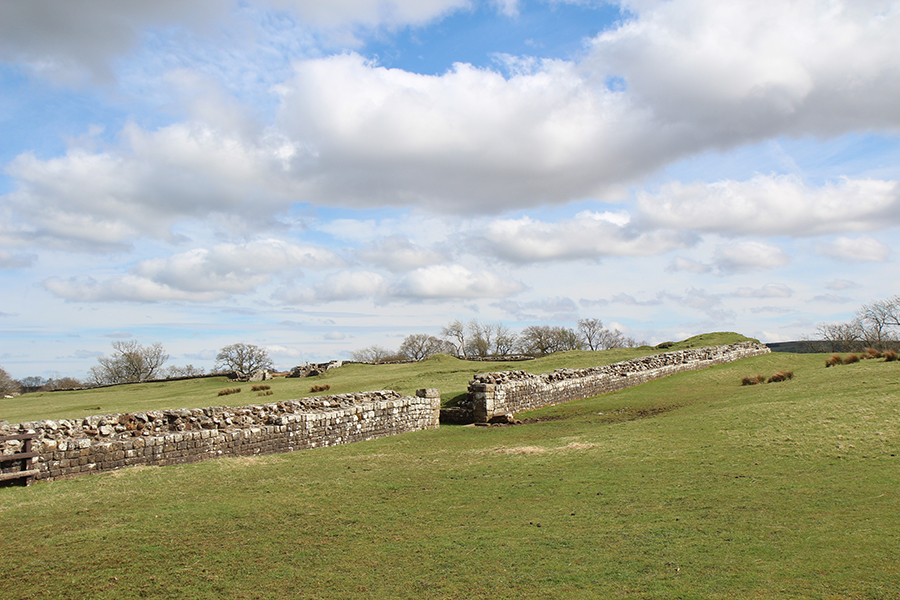
Birdoswald East Gate / Portão Leste

Birdoswald East Gate / Portão Leste

birdoswald031

Portão Norte / North Gate

Porém, no Cicerone Guide escrito por Mark Richards, Camboglanna aparece em outro lugar: em Castlesteads, numa propriedade privada sem acesso ao público, onde um mercador da Cia das Índias Ocidentais construiu sua mansão e jardins no século 18, sobre as ruínas do forte. A Wikipedia esclarece que durante muito tempo acreditou-se que Camboglanna fosse Birdoswald, mas era um erro. O nome romano de Birdoswald é Banna. Camboglanna parece significar “vale em curva” pois dali se vê uma curva no rio Irthing, e fica 11km a oeste de Birdoswald.

Birdoswald West Gate / Portão Oeste

Birdoswald West Gate / Portão Oeste

Birdoswald panorama from West Gate

Birdoswald panorama from West Gate

But in the Cicerone Guide by Mark Richards, Camboglanna appears somewhere else: in Castlesteads, inside private property with no access for the public. It’s nowadays a great house built by a wealthy merchant from the East India Company in the 18th century. The house and its walled gardens rest upon the Roman fort ruins, destroyed when the house was built. According to the Wikipedia, there was some confusion over the Roman name for the fort. At one time Camboglanna was the accepted name for Birdoswald, but this is now believed to be an error. The Roman name for Birdoswald is now thought to be Banna. The name “Camboglana” is believed to mean “Crook Bank”, or “Bent Valley” because it overlooks a bend in the river Irthing, almost 7 miles west of Birdoswald.

Eu não era a única visitante / I was not the only visitor

Eu não era a única visitante / I was not the only visitor

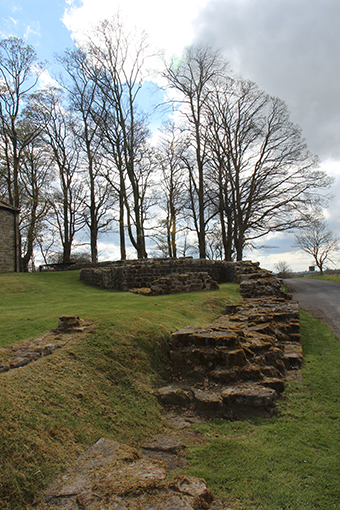
Roman ruins

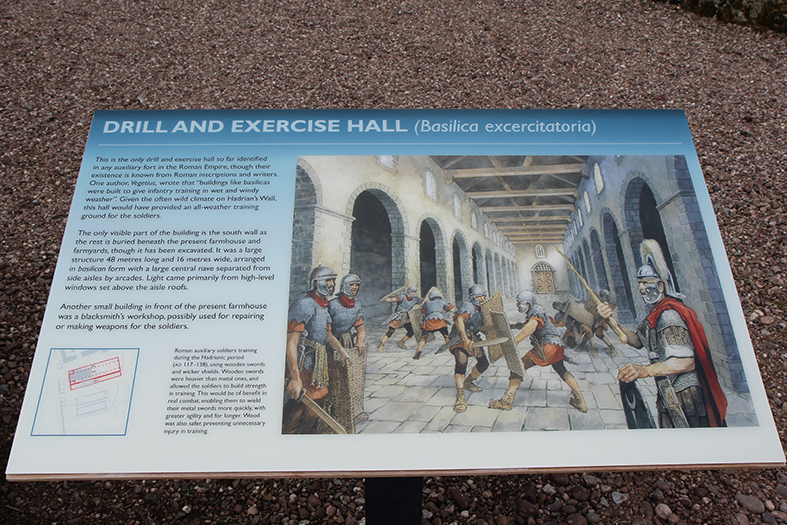
Sala de treinamento e exercício / Drill and exercise halls

birdoswald008

Aqui entramos na região de Cumbria, depois de Northumberland.

Here we’re no longer in Northumberland, but in Cumbria.

Pasto a leste, direção de onde vim / Pastures to the East, where I had come from

Pasto a leste, direção de onde vim / Pastures to the East, where I had come from

East Gate from inside

Vista de dentro do Portão Leste / East Gate from inside

birdoswald028

birdoswald024

Mesmo lugar, com nuvem / Same place, cloudy

birdoswald026

Os novos habitantes / New inhabitants

birdoswald004

A casa de fazenda é um exemplo de utilização agrícola das estruturas romanas ao longo da Muralha/ The farm house is an example of the agricultural use of Roman structures along the Wall

Ali funciona atualmente o pequeno museu e um café /  Nowadays it houses a small museum and café

Ali funciona atualmente o pequeno museu e um café /Nowadays it houses a small museum and café

birdoswald002

birdoswald010

Há acomodação na casa da fazenda para visitantes que queiram ficar neste lugar histórico. / Birdoswald offers farmhouse-style accommodation for those wishing to stay within this historic site.

birdoswald011

Roman halls


birdoswald009

birdoswald022

Horário de visitação / Opening time from 1 April – 30 September: 10:00 – 18:00

birdoswald023

Ingresso/ Price: Adult £5.60; Child (5-15 years) £3.40 ; Concession £5.00 (estudantes e pessoas acima de 60 anos)

birdoswald025

3 November 2014 – 15 February: Abre apenas sábado e domingo / Only weekends, 10:00 – 16:00

birdoswald027

Endereço/ Address: Gilsland, Brampton, Cumbria – CA8 7DD Telephone: 016977 47602

birdoswald020

Portão Sul / South Gate

birdoswald021

Read Full Post »


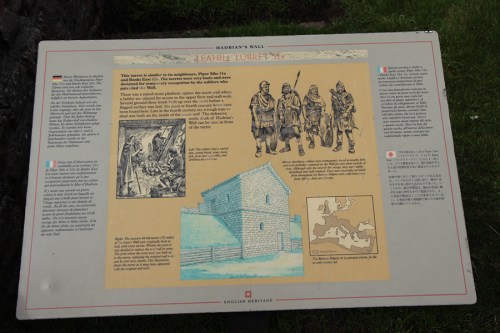
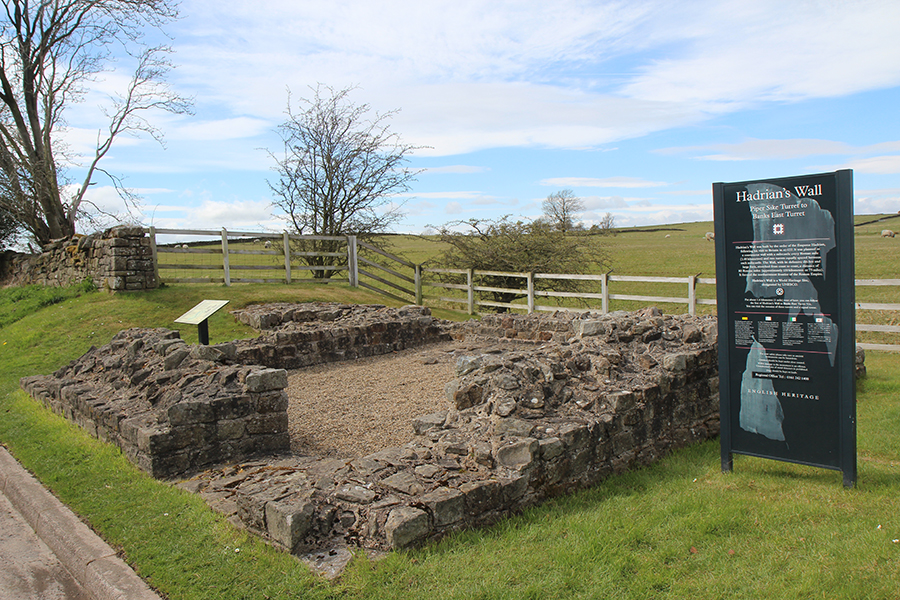
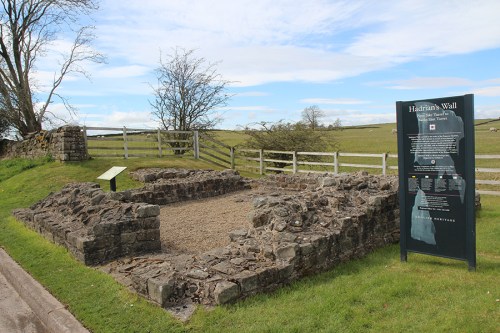
Turret 51

Turret 51A, Hadrian’s Wall

Continuamos com King Arthur, de Norma L. Goodrich: “Delimitamos o reino de Arthur nos quatro cantos: Dumbarton (NW), Carlisle (SW), Stirling (NE) e Berwick (SE). Estas cidades hoje são importantes centros, à exceção do porto de Berwick, que foi em grande parte destruído durante as guerras entre Inglaterra e Escócia que se seguiram.”
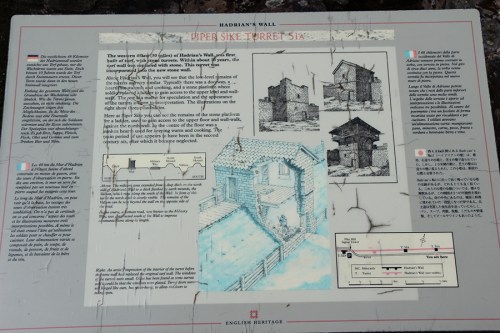
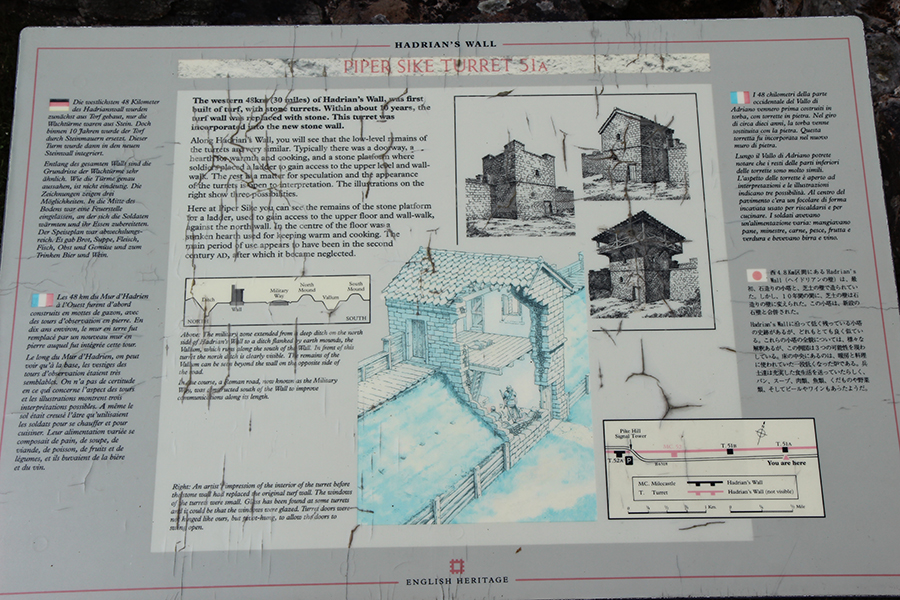
Placa informativa da Turret 51 / Signpost

Placa informativa da Turret 51A / Signpost

Piper Sike Turret 51

Piper Sike Turret 51A

Let’s keep reading King Arthur by Norma L. Goodrich:
“ We delimited King Arthur’s kingdom at its four corners: Dumbarton (NW), Carlisle (SW), Stirling (NE) and Berwick (SE).  These are key centers today, with the possible exception of the seaport of Berwick, which was largely destroyed during the subsequent wars between Scotland and England.”

Turret 51B

Turret 51B

“Para quem acredita no Arthur histórico, o principal problema é a localização dos seus castelos. Camelot permanece o mais importante de todos, onde provavelmente estariam abrigados os tesouros do Rei. Estes foram citados pelo enciclopedista Lambert de Saint-Omer em seu livro “Liber floridus”, que precedeu Geoffrey of Monmouth em mais de uma década: “Existe um palácio na Grã Bretanha, na terra dos Pictos, do guerreiro Arthur, construído com arte maravilhosa e diversa, no qual todos os feitos épicos de suas conquistas e guerras podem ser vistos esculpidos”.”

Hadrian's Wall Turret 51B

Hadrian’s Wall Turret 51B

Placa informativa, Turret 51B/ Signpost
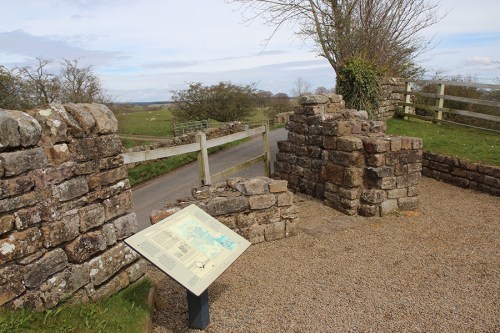
Placa informativa, Turret 51B/ Signpost

Turret 51B, à beira da estrada

Turret 51B, à beira da estrada / By the highway

“For those who think of King Arthur as historical, the chief problem must be the emplacements of King Arthur’s castles. Camelot must remain most important of all, and it is likely that it housed the king’s treasures. These were reported by the encyclopedist Lambert de Saint-Omer in his book “Liber floridus”, which antedated Geoffrey of Monmouth by more than a decade: “There is a palace in Britain, in the land of the Picts, of the warrior Arthur, built with marvelous art and variety, in which all the epic deeds of his conquests and of his wars are to be seen sculpted”.”
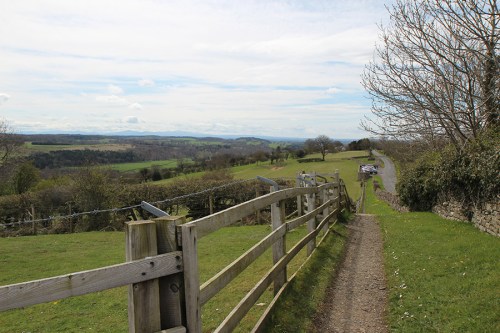
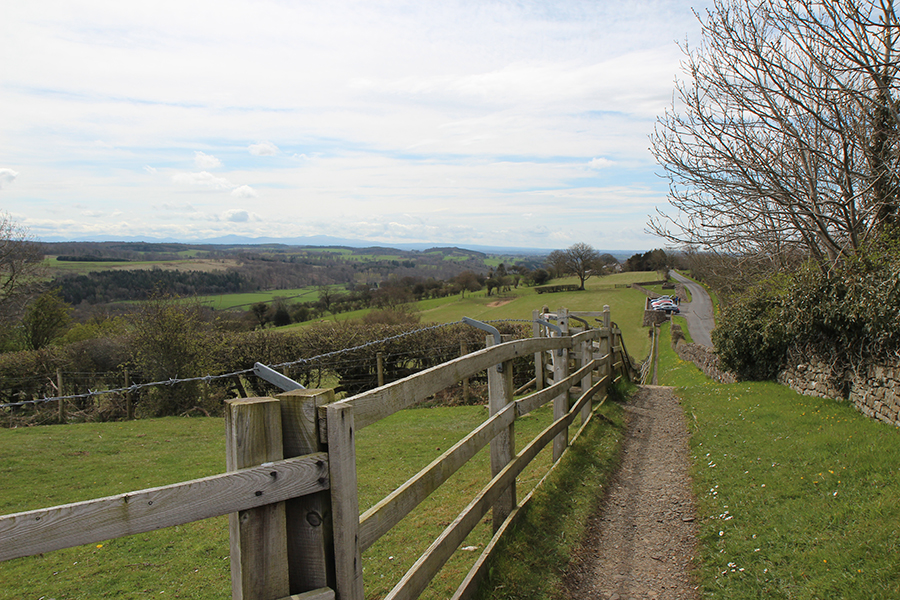
Trilha segue paralela à estrada

Trilha segue paralela à estrada/ Footpath parallel to the road

“Camelot, como sabemos, por muito tempo foi considerado fictício. Já foi identificado como sendo Colchester, Cadbury e Winchester, mas estudiosos por fim concluíram que não era o nome de nenhum lugar na Grã -Bretanha. Sir Thomas Malory parecia inclinado a acreditar que Camelot era o nome dado ao castelo onde e enquanto o Rei ali estivesse residindo, qualquer que fosse o lugar. O livro “Perlesvaus” * afirma que havia dois Camelots.”
NOTA: * significa Percival – o cavaleiro que por fim encontrou o Santo Graal. Este livro também é chamado Li Hauz Livres du Graal, A Nobre História do Santo Graal, trata-se de um antigo romance Arthuriano francês da primeira década do século XIII, do qual sobreviveram três manuscritos, dois fragmentos e duas gravuras do século XVI. Nada se sabe sobre o autor.
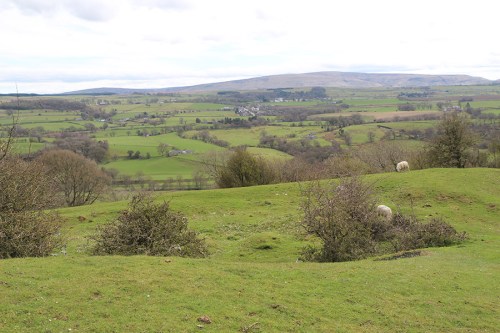
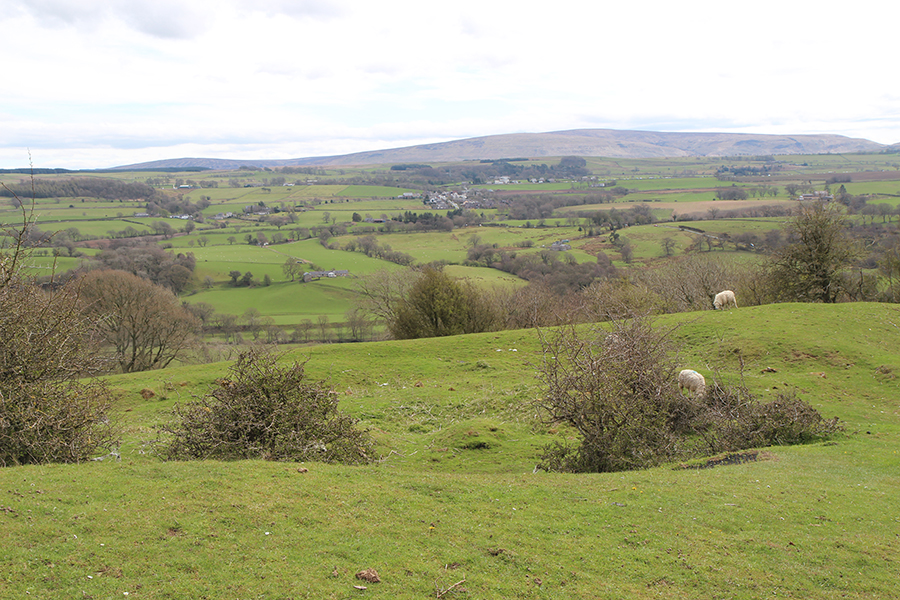
Linda região de pastagens/ Lovely pasture landscape

Linda região de pastagens/ Lovely pasture landscape

“Camelot, we know, has long been considered fictitious. It has been identified as Colchester, Cadbury and Winchester, but scholars finally concluded that it was not the name of any place in Britain. Sir Thomas Malory seems to have been inclined to believe that Camelot was King Arthur’s castle when the king was in residence there, at whatever site that may have been. The book “ Perlesvaus * ” states that there were two Camelots.”
 NOTE: *means Percival – the knight who eventually found the Holy Grail. This book is also called Li Hauz Livres du Graal , The High History of the Holy Grail, is an old French Arthurian romance dating to the first decade of the 13th century. It survives in three manuscripts, two fragments, and two 16th-century printings. Nothing is known of the author.
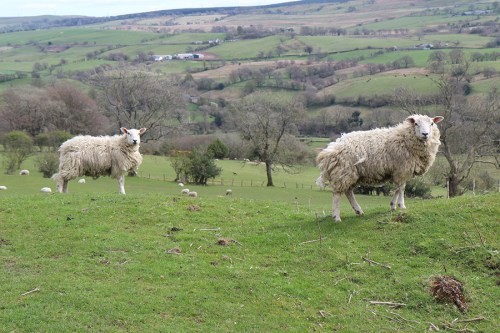
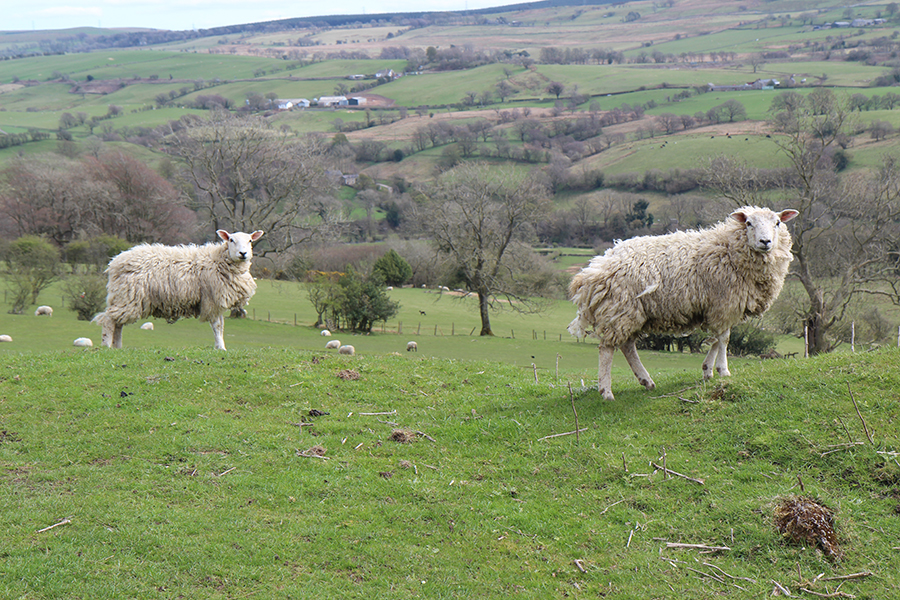
Ovelhas

Ovelhas / Sheep

“Claramente Carlisle é apontado como sendo o principal castelo de Arthur, portanto seria um deles, e o outro foi identificado por O.G.S. Crawford:  Castelo de Stirling, chamada “chave para a Escócia”. William of Worcester também escreveu que “Rei Arthur presidia a Távola Redonda na fortaleza militar de Stirling, também conhecida como Snowdon West Castle.”
Norma Goodrich afirma que Camelot  se situava em King’s Knot, abaixo da face norte do penhasco em Stirling: “ A topografia é inconfundível, de acordo com todas as descrições feitas por diversos autores.”
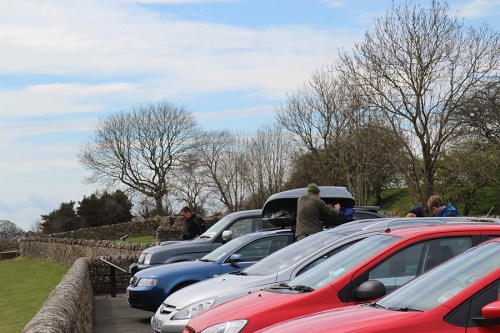
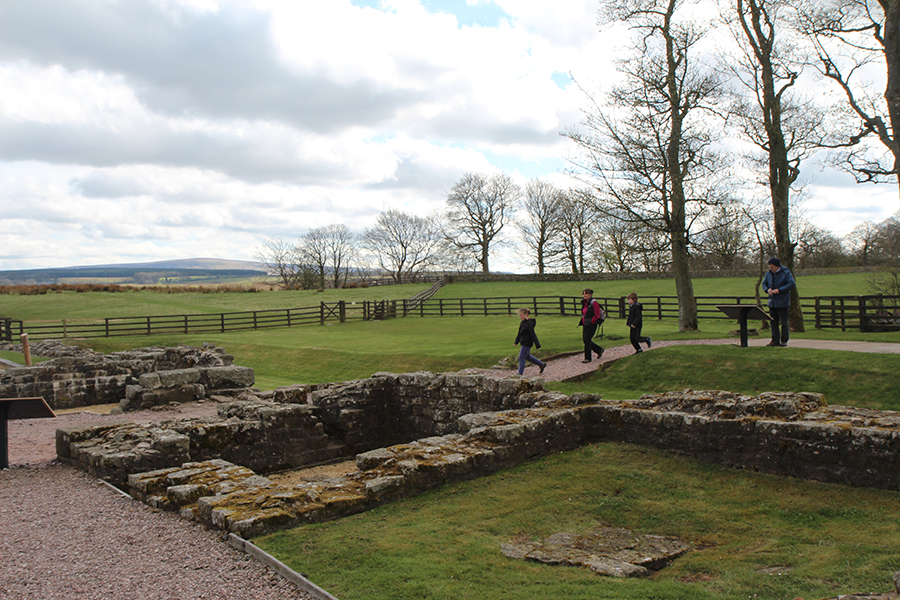
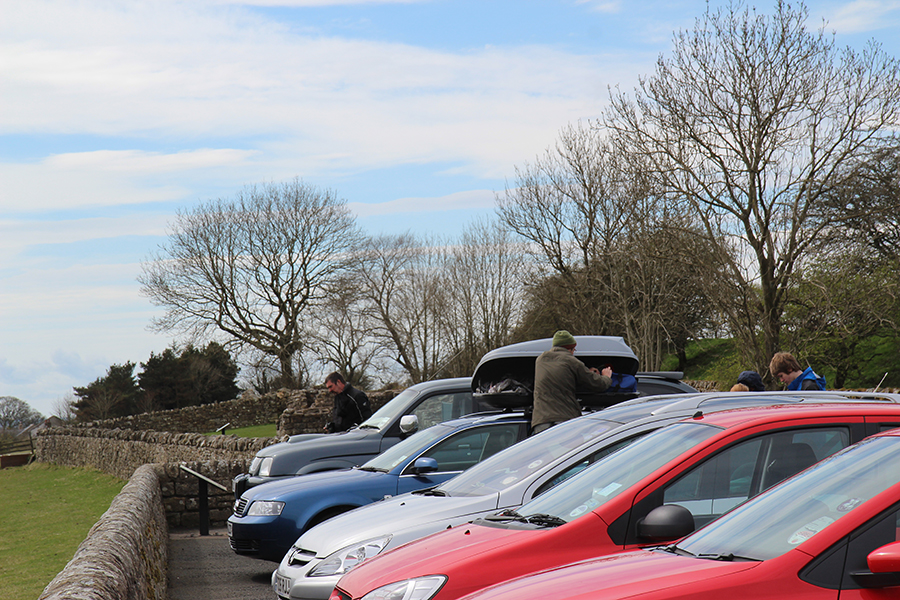
Estacionamento próximo às ruínas / Parking lot beside the ruins

Estacionamento próximo às ruínas / Parking lot beside the ruins

“Clearly Carlisle is indicated as King Arthur’s principal castle, so it was probably one, and the other has been identified by O.G.S. Crawford as Stirling Castle, called the “key to Scotland”. William of Worcester also wrote that “King Arthur presided over the Round Table in the military fort of Stirling, otherwise known as Snowdon West Castle. “
Norma Goodrich states that Camelot was located at King’s Knot, below the western-facing cliff at Stirling: “ The topography is unmistakable, fitting all descriptions by several authors.”

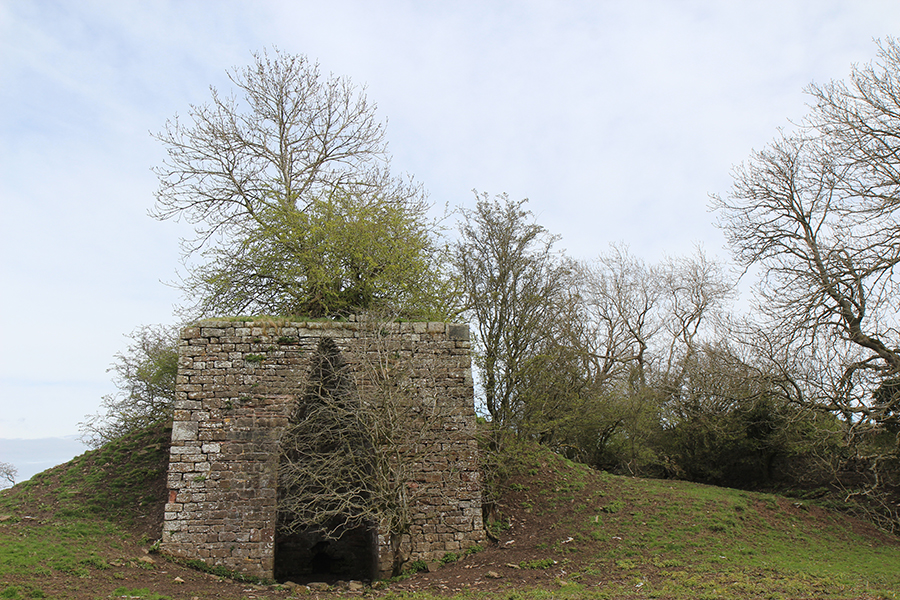
Pike Hill Signal Tower

Pike Hill Signal Tower

“Tanto na Idade das Trevas como hoje, pode-se chegar à garganta de Stirling, entre os imponentes montes Campsie-Gargunnock a oeste e o estuário do Rio Forth a leste. O corredor norte-sul, conhecido por muitas batalhas, tem dez milhas de comprimento e quatro de largura. O forte pré-histórico ficava, como a fortaleza moderna e os quartéis ainda em uso hoje, sobre a enorme parede inexpugnável, avistando do alto dos íngremes penhascos a cidade de Dumbarton a oeste. Praticamente a única montanha em toda a extensão de planícies. Stirling, visto da Muralha de Antonino, é ainda mais impressionante. O Castelo de Stirling dominava a única e estreita travessia do estuário do Rio Forth que, durante a cheia, atingia a largura de uma milha. Junto ao castelo, olhando para baixo dos penhascos a oeste, pode-se ver claramente a planície abaixo do King’s Knot. Trata-se de um monte octogonal cujo nome significa “castelo do monte”, do tipo sobre o qual eram construídos castelos com paliçadas de madeira nos tempos ancestrais. Sobre este monte outrora ergueu-se Camelot, de onde o Rei Arthur presidia a Távola Redonda.”
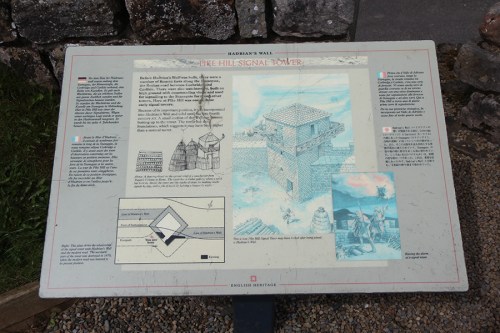
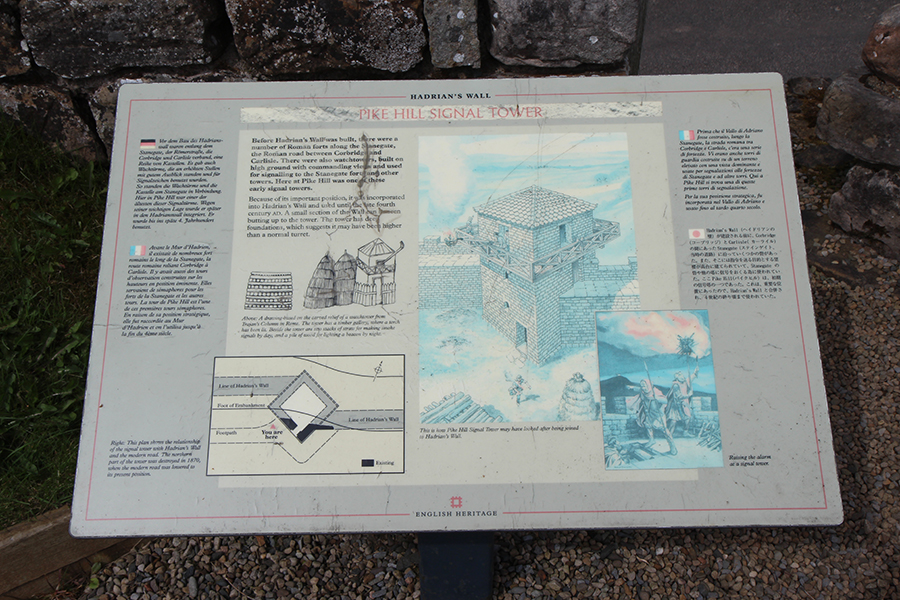
Pike Hill Signal Tower Signpost

Pike Hill Signal Tower Signpost

“Whether in the Dark Ages or today, one can stand at the Stirling Gap, beside the lofty Campsie-Gargunnock Hills to the west and the Forth estuary to the East. The north-south corridor, famous for many battles, is ten miles long and four miles wide. The prehistoric fort sat, like the modern fortress and barracks still in use today, upon the great impregnable wall, looking down its precipitious cliffs toward Dumbarton on the west.
One mountain almost alone in the expanse of flatlands. Stirling seen from the Antonine Wall is an even more impressive mass. Stirling Castle commanded the only and very narrow crossing of the flooded Forth River estuary. At peak flood the Forth stretched one mile wide across flatlands. Standing beside the castle and looking down the west cliffs of Stirling, one can plainly see on the meadowland below the King’s Knot. This is an octogonal mound, whose name means  “castle mound”, upon which the wooden palisaded castles were built in ancient times. Upon this mound once stood King Arthur’s Camelot. At his castle he chaired the Round Table.”

footpath

footpath

Assim, enquanto eu trilhava a Muralha de Adriano a caminho do Forte Romano de Birdoswald, estav muito mais perto de Arthur do que podia imaginar.
So, as I treaded along Hadrian’s Wall, approaching Birdoswald Roman Fort, I was much closer to Arthur than I could imagine.

mais turrets

mais turrets

Vista da região de Stirling no Google Maps / Stirling overview


Read Full Post »


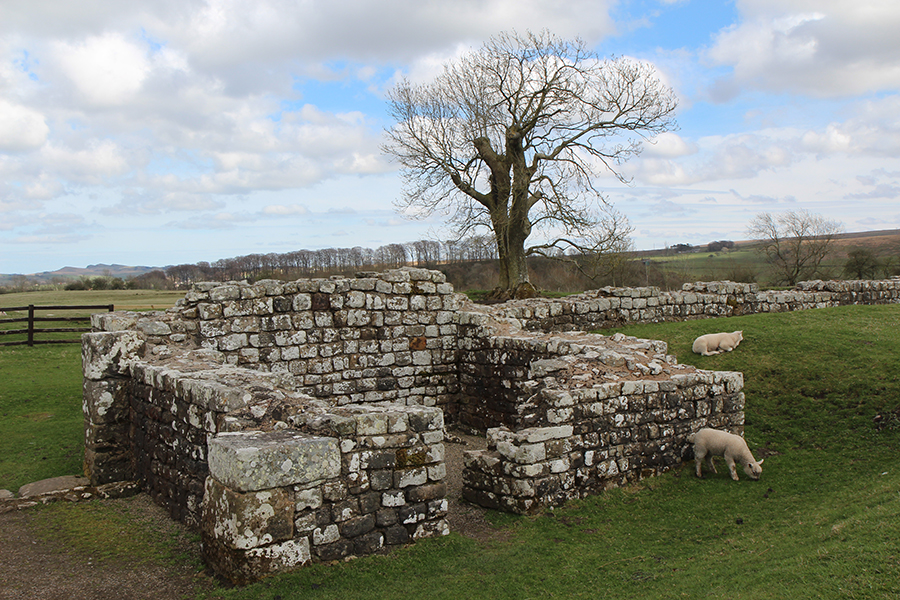
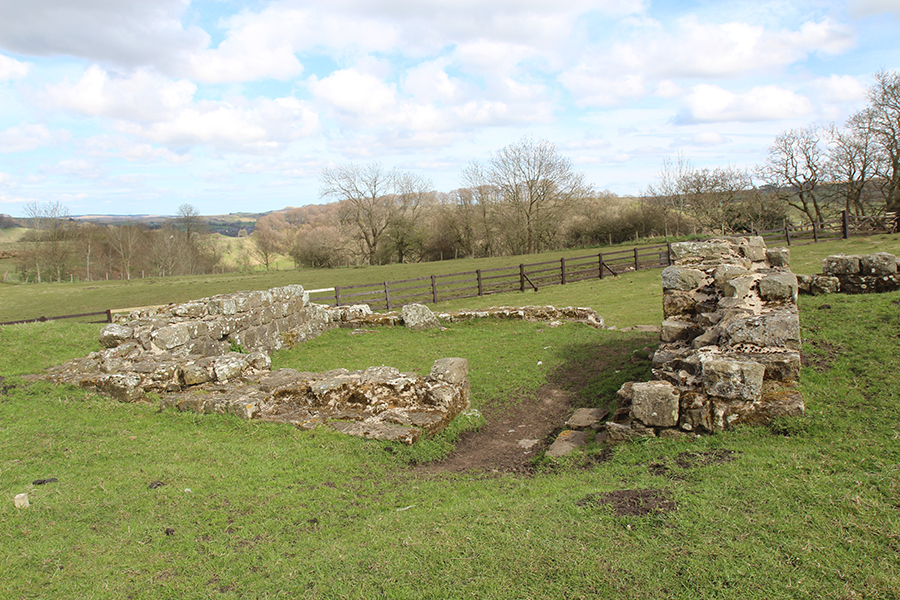
Os estábulos de Arthur na Muralha de Adriano / Arthur's Stables in Hadrian's Wall

Os estábulos de Arthur na Muralha de Adriano / Arthur’s Stables in Hadrian’s Wall

Neste post transcrevo trechos de “King Arthur”, da autora Norma Lorre Goodrich, que realizou extensa pesquisa sobre a existência histórica do Rei e escreveu uma série de livros sobre o assunto. Resumindo, a autora situa Arthur na Escócia! Isso muda tudo. Num primeiro momento me desesperei, porque significa que grande parte do que fotografei na verdade não tem relação com o Rei, embora tenha sido uma viagem estupenda. Por outro lado, viva a minha intuição, ao decidir trilhar a Muralha de Adriano. Sem saber, estava muito mais perto do Arthur real.

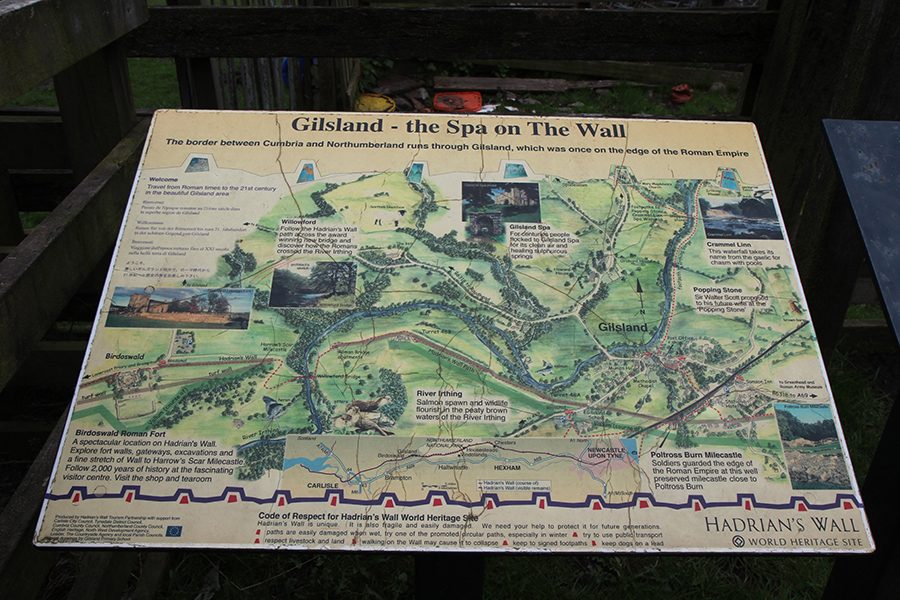
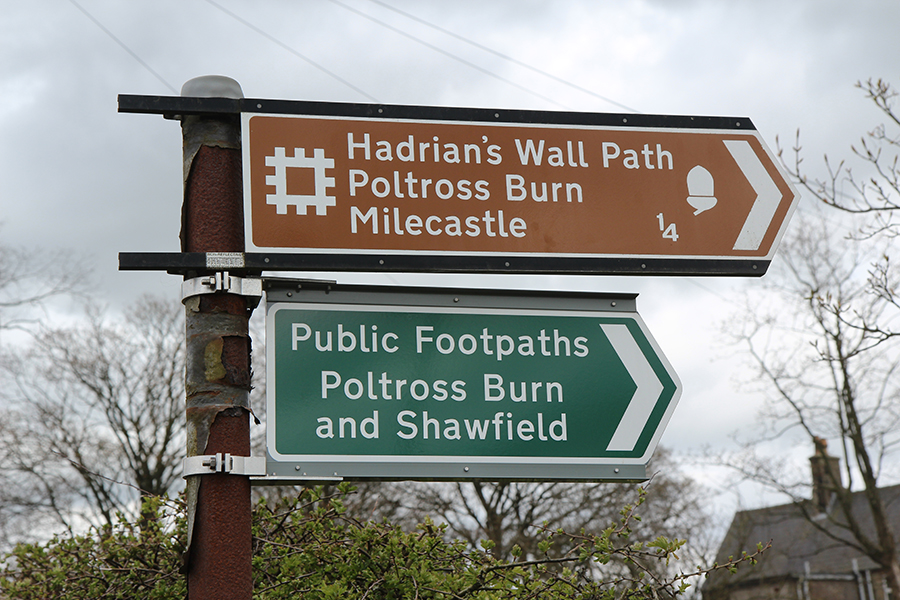
Mapa da região. Abaixo, à direita, está Poltross Burn, Milecastle 48, os Estábulos de Arthur / Map of the area. In the bottom right is located Poltross Burn, the Milecastle 48, or Athur's Stables.

Mapa da região, entre Greenhead eo forte romano de Birdoswald. Abaixo, à direita, está Poltross Burn, Milecastle 48, os Estábulos de Arthur / Map of the area between Greenhead and Birdoswald Roman Fort. In the bottom right is located Poltross Burn, the Milecastle 48, or Athur’s Stables.

In this entry I quote “King Arthur” by Norma Lorre Goodrich, who researched deeply and wrote a series of books on the historical subject. To cut it short, the author places Arthur in Scotland! That changes everything. At first, I fell into despair because it means that most of what I have photographed has actually no relation with tha King, albeit it’s been a terrific trip. On the other hand, I thanked my intuition, that led me to walk Hadrian’s Wall footpath. I was much closer to the real Arthur, although I didn’t know it.

O caminho cruza a estrada de ferro / The path crosses a railway

O caminho cruza a estrada de ferro / The path crosses a railway

Transcrevendo: “Minha intenção básica era oferecer as primeiras provas históricas da existência do Rei Arthur. Quem era o Rei Arthur, ou Arturus? Porque este rei britânico nunca foi encontrado? Onde era seu reino?
Os estudiosos da Idade Média se confrontaram com as mesmas questões que nós atualmente. Tendo poucos recursos e praticamente nenhum acesso ao trabalho de outros estudiosos, eles falharam em encontrar respostas convincentes. Tendo em vista a escassez de bibliotecas – frequentemente sua inexistência, assim como a de disciplinas tais como história, arqueologia, antropologia e linguística – e a insuficiência de meios de transporte, podemos perguntar como essas pessoas poderiam desenrolar um fio que os conduzisse de volta aos dias do Rei Arthur. Tais dias desapareceram junto com a Idade das Trevas. E ainda, sem o auxílio de dicionários, estes escritores e estudiosos copiaram à mão, decifraram, ponderaram e traduziram o melhor que puderam um grande número de manuscritos que tratavam do Rei Arthur, seu reino e sua corte. Muitos deles simplesmente acabaram desistindo do assunto, e ao fazê-lo permitiram que o Rei Arthur e seu mundo deslizassem mais e mais para o reino da mitologia.”

Poltross Burn

Near Poltross Burn

Quoting: “ Primary among my intentions was to offer the first historical proof of the existence of King Arthur. Who was K.A., or Arturus? Why has this king of Britain not been found? Where was his kingdom?
The scholars of the Middle Ages were confronted by the same questions as we are today. Having few resources and virtually no access to colleagues and their work, they failed to reply convincingly to them. Given their scanty libraries (more often, none at all), the lack of such disciplines as history, anthropology, archaeology, and linguistics, and the paucity of means of travel, one might well ask how they could possibly unwind any thread that led all the way back to King Arthur’s day. That day had been swallowed up along with the Dark Ages. And yet, without benefit of a dictionary, these writers and scholars hand copied, deciphered, pondered and translated as best as they could an inordinately large number of manuscripts dealing with K. A., his kingdom and his court. Many of them simply gave up and in so doing let King Arthur and his world slip deeper and deeper into the realm of mythology.”

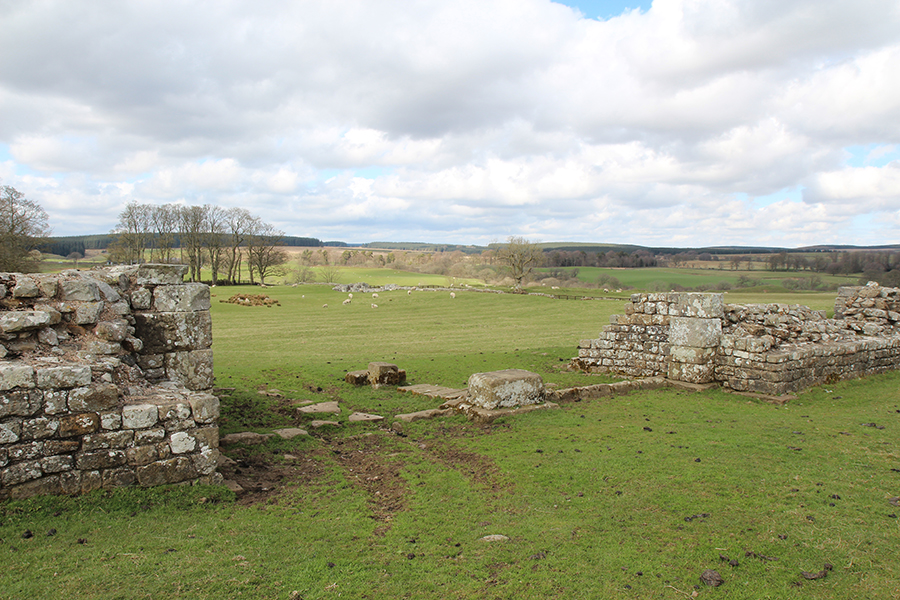
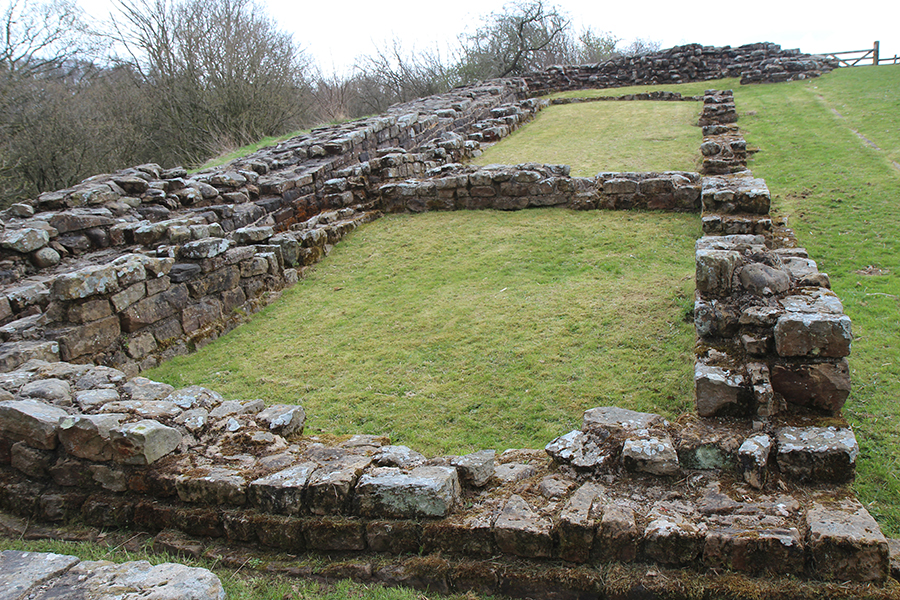
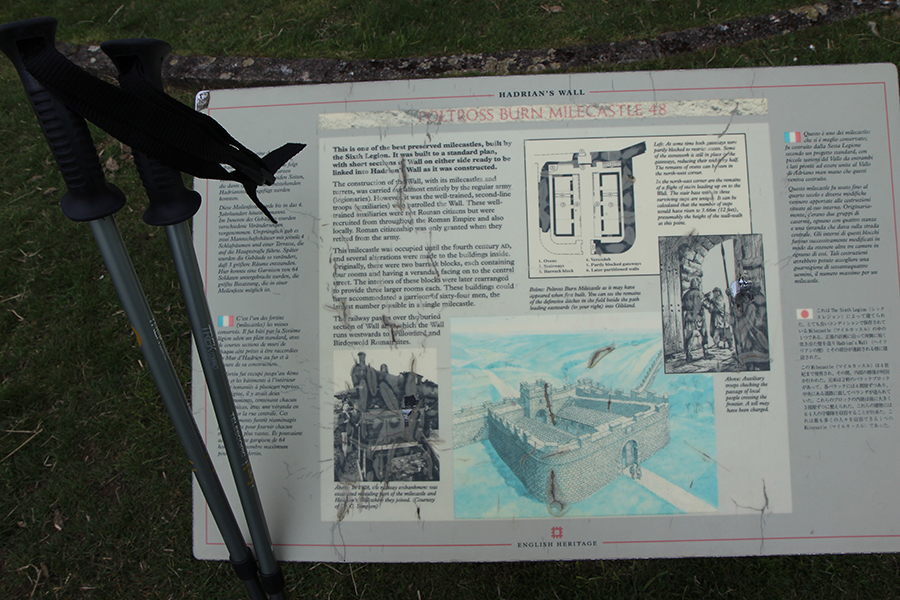
Os estábulos de Arthur, onde seus cavalos eram criados /  Arthur's Stables, where his horses were bred

Os estábulos de Arthur, onde seus cavalos eram criados /
Arthur’s Stables, where his horses were bred

“Pouco se ouviu sobre Arthur depois de 542, portanto esta deve ser a data de sua morte. É significativo, entretanto, que crianças de origem nobre e real começaram a receber o nome de Arthur após o ano 542. Um nome curioso, que não existia até antes do Rei, cuja versão em Latim, “Arturus”, nunca foi encontrado em nenhum outro lugar. Portanto, o nome provavelmente deriva do rei perdido da Idade das Trevas, ou da Grã-Bretanha pré-histórica. Arthur não era um personagem da Idade Média, ou Era da Cavalaria, quando o cavalheirismo estava no auge. Seus 150 ou mais guerreiros não eram cavaleiros galantes. Ele não nasceu no Castelo de Tintagel, que só veio a ser construído na época dos castelos de pedra, nos séculos 12 e 13. Quando formos procurar seu local de nascimento, não vamos buscar ruínas de um castelo medieval, mas sim uma quase imperceptível trincheira de terra batida – a construção característica da Idade das Trevas.”

Embora Arthur tenha defendido sua terra de muitos ataques por mar, seus cavaleiros ficaram famosos/  Arthur's mounted warriors  became the famous ones, although the king defended his land from many sea raids

Embora Arthur tenha defendido sua terra de muitos ataques por mar, seus cavaleiros ficaram famosos/
Arthur’s mounted warriors became the famous ones, although the king defended his land mostly from  sea raiders

“Little was heard of Arthur after 542, so presumably this is the date of his death. Significantly, however, youths of noble and royal birth began to bear the name Arthur after the year 542. A strange name, it has not been found prior to K.A., and its Latin version, Arturus, has never been found anywhere else. Thus, the name probably is derived from the lost king of the Dark Ages, or of prehistoric Britain.
Arthur was not a figure of the Middle Ages or of the Age of Chivalry, when knighthood was in flower. His 150 or so warriors were not gallant knights gaily bedight. He was not born at Tintagel Castle, which was not built until the age of stone castles, in the 12th and 13th centuries. When it comes time to seek his probable birthplace, the search will be not for the ruins of a medieval castle but for a barely discernible castle mound of piled earth – a construction characteristic of the Dark Ages.”

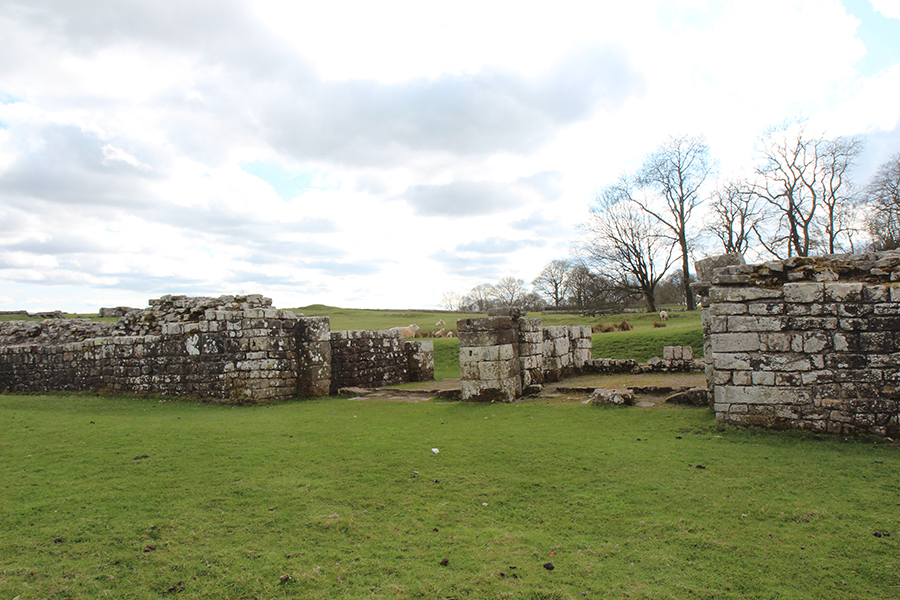
Detalhe da construção / Building detail

Detalhe da construção / Building detail

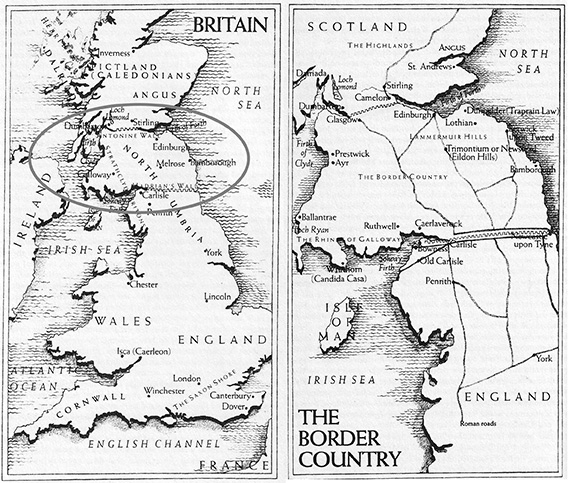
“Historiadores relatam que Arthur defendeu com sucesso a Grã-Bretanha de invasões por mar ; afirmam que ele interrompeu as invasões dos Saxões por um período considerável e que venceu todas as batalhas que lutou com exceção da última, quando foi mortalmente ferido. Poucos são os que ainda insistem que ele teria lutado na Cornualha, ou que lá teria nascido, por uma simples razão: os Saxões NÃO estavam invadindo a Cornualha durante o tempo em que Arthur viveu. Historiadores Anglo-Saxões dizem que as batalhas de Arthur não poderiam ter sido vencidas na Inglaterra pois, de acordo com vários manuscritos, os Saxões efetivamente conquistaram a Inglaterra na época de Arthur. Temos que localizar Arthur não nos territórios onde ele não venceu, mas sim naqueles onde a invasão dos Saxões falhou. Quando Arthur nasceu, as tropas Romanas haviam finalmente se retirado por completo e deixado a ilha sem governantes. Grande parte da Grã-Bretanha ainda falava apenas idiomas Celtas. A maioria destas populações propriamente Celtas ainda habita a área chamada Strathclyde, região fronteiriça entre as Muralhas de Adriano e de Antonino, a única vasta área que não foi conquistada pelos Anglo-Saxões.”

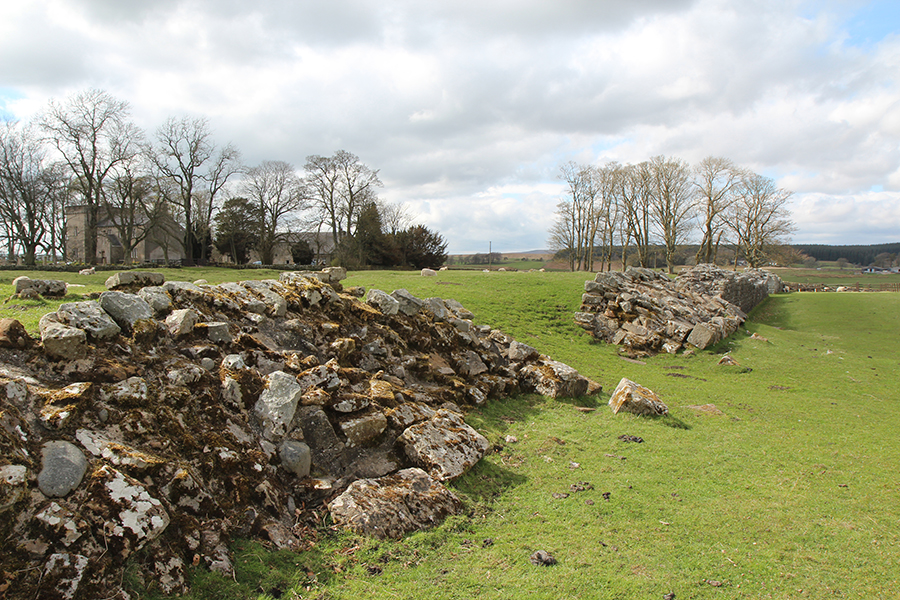
Outra vista dos estábulos/ Another view of the stables

Outra vista dos estábulos/
Another view of the stables

“Historians still tell us that K.A. successfully defended all Britain from invasion by the sea. They had it on excellent authority that he halted the Saxon invaders for a considerable period of time and won all his engagements except the last one, in which he was fatally wounded. Very few scholars still insist that he fought in Cornwall or that he was born there, for the simple reason that the Saxons were NOT invading Cornwall during Arthur’s lifetime. Historians of the Anglo-Saxons say that Arthur could not have won his battles in England, because they know from the several manuscripts of the Anglo-Saxon Chronicles that the Saxons conquered England in King Arthur’s lifetime. We will think of Arthur as not in those territories which he could not have conquered but in those which the Saxons failed to overrun. By the time of Arthur’s birth, when the Roman troops had finally withdrawn completely and left the island without governors, certain large areas of Britain still spoke only Celtic tongues. The largest of these properly Celtic populations still resides in the area called Strathclyde, a border area between the Hadrianic and Antonine Walls, the only large area unconquered by the Anglo-Saxons.”

Mapa da Grã-Bretanha e da região onde Arthur reinou de fato, segundo Norma Goodrich / Map of Britain, enlarging the location of Arthur's true kingdom, according to Norma Goodrich

Mapa da Grã-Bretanha e da região onde Arthur reinou de fato, segundo Norma Goodrich / Map of Britain, enlarging the location of Arthur’s true kingdom, according to Norma Goodrich

Read Full Post »