Feeds:
Posts
Comentários

Archive for julho \31\America/Sao_Paulo 2012


Urqwhart Castle, às margens do Loch Ness / Urqwhart Castle on Loch Ness shore

Dormi cedo, porque, no dia seguinte, embarcaria numa excursão ao Loch Ness. Os tours saem diariamente e não é preciso fazer reserva. Optei por um passeio que se estendia até Clava Cairn, um túmulo da Idade do Bronze que fiquei curiosa para conhecer. O Loch Ness foi meio frustrante, pois o dia se cobriu com um manto cinza e as fotos não prestaram. Paramos num mirante à beira do lago onde o motorista mostrou um álbum de recortes de jornais com depoimentos das pessoas que diziam ter visto Nessie, o monstro do Loch Ness e especialistas analisando fotos. Passou na TV do ônibus um vídeo sobre o mesmo assunto. Mas para nós, Nessie não deu o ar de sua graça.

I went to sleep early because the next day I would take a tour to Loch Ness. These are daily tours and booking in advance is not required. I chose a company that extended the tour to Clava Cairn, a Bronze Age tomb that roused my curiosity. The Loch Ness was a bit disappointing. The day was clad in grey and the photographs resulted poor. The bus parked by the lakeside and the driver, who was also the guide, circulated a book of newspapers clipping about the appearances of Nessie, the Loch Ness monster – witnesses statements, photo analysis by experts and so on, while we watched a video on the same subject. But Nessie didn’t give us the grace of her presence.

O guia da excursão convidando os turistas a embarcar na lancha /
The tour guide inviting us to get in the motorboat
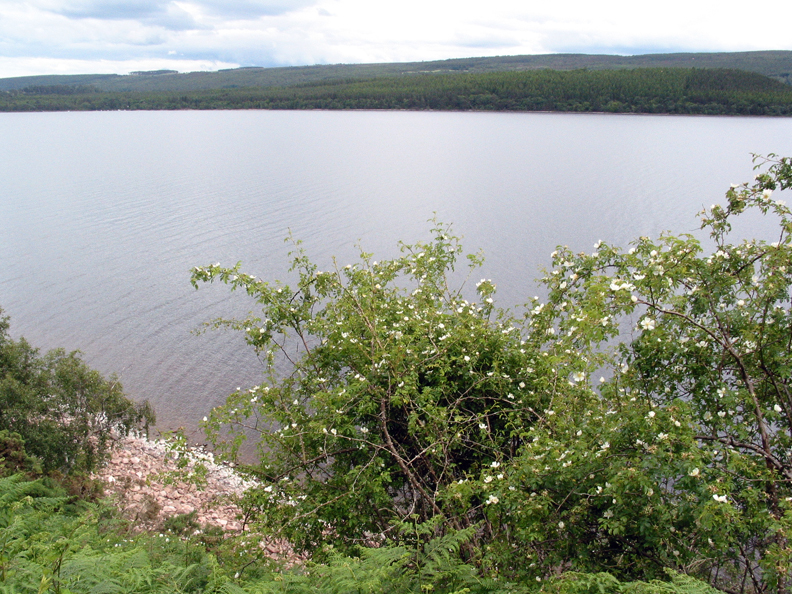
O Loch Ness, sem sinal de Nessie / The Loch Ness, with no sign of Nessie

O mais perto que chegamos do castelo / The closest we’ve been to Urqwart Castle

Seguimos adiante até um pequeno cais onde uma lancha nos levou às ruínas do castelo de Urqwhart, uma das maiores fortalezas escocesas da época medieval; porém, o barco não parou ali, contornou o penhasco e voltou. Dali nos encaminhamos ao centro turístico onde vendiam souvenirs e havia uma exposição do mesmo material que o motorista havia mostrado. Felizmente, havia uma boa lanchonete. Meia hora depois, seguimos enfim para Clava Cairn, que foi bem interessante. Existem cerca de 50 túmulos como este nas proximidades de Inverness: uma única câmara mortuária coberta por pedras empilhadas cuja entrada era uma estreita passagem, orientada para sudoeste, direção do por do sol no solsticio de inverno.

We went ahead towards a small quay, where a motorboat was waiting to take us to the ruins of Urquhart Castle, one of the largest strongholds of medieval Scotland. But the boat didn’t make a halt there, just skirted the Castle and came back. From there we were taken to a touristic centre with souvenirs for sale and an exhibition of the same stuff we’ve seen about Nessie’s appearances. Fortunately there was a good snack bar! Half an hour later we moved on to Clava Cairn, and that was really interesting. There are about 50 cairns of this type in an area round about Inverness: a single burial chamber linked to the entrance by a short passage and covered with a cairn of stones, with the entrance oriented south west towards midwinter sunset.
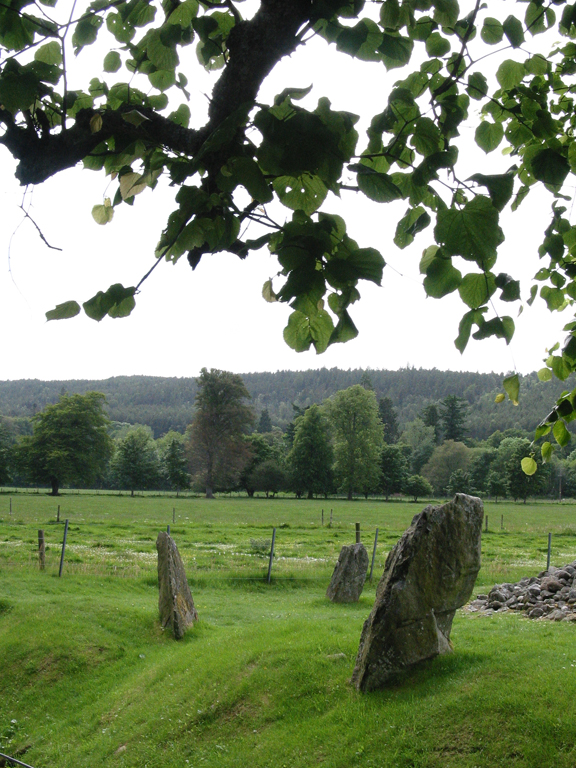
Clava Cairn: megalitos em volta do túmulo / Standing stones surrounding the tomb

Era comum nas sociedades ancestrais construir esses túmulos de pedra que podiam ser cobertos com vegetação, parecendo elevações naturais do terreno para protegê-los de saques e profanação. /
These ancient tombs built of stone when covered with grass would go unnoticed as natural terrain elevations, to prevent plunder and profanation.

Vista de cima / The tomb seen from above

A entrada ficava escondida por pedras e mato, grande o suficiente apenas para uma pessoa entrar se arrastando. /
The entrance, hidden by stones and bushes, was scarcely large enough for someone to crawl in
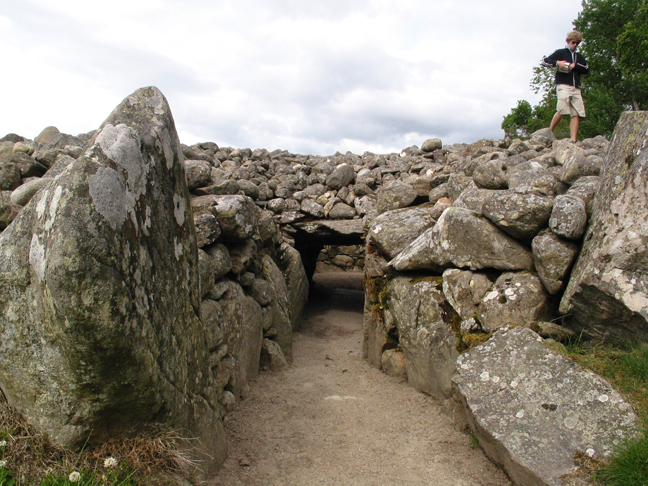
Vamos entrar? Let’s go inside?

O motorista acumulava a função de guia. Tinha um microfone e ia contando a história da Escócia enquanto dirigia. Os escoceses fazem piada dos ingleses, como os brasileiros fazem dos argentinos. Depois que o país caiu sob o jugo da Inglaterra, não conseguiu mais recuperar a independência. O motorista narrou algumas passagens em que isso quase aconteceu, mas, por alguma fatalidade ou absurdo do destino, não se concretizou. O relato do homem era totalmente passional, ele se indignava, esbravejava, quase largava o volante do ônibus. Parecia meu pai contando a história da França, não só pelo modo de falar, mas também fisicamente; por isso no fim da excursão, de volta a Inverness, uma saudade enorme veio à tona, saí andando pela cidade até achar um banco de praça escondidinho onde não houvesse ninguém para testemunhar minhas lágrimas.

The driver/guide had a microphone, he drove on telling us Scotland’s story. The Scottish make jokes on English, just like Brazilians on Argentines. After the country fell under English rule they never recovered independence. The driver told us historical events when this almost happened, but by misfortune or fate never substantiated.  He had a striking resemblance to my father, not only physically but in his manners as well. His speech was passionate, rampaging, even releasing hold of the steering wheel. I missed so much my father! So when the tour was over, back in Inverness, I walked the streets feeling miserable, looking for a hidden park bench where my tears would go unnoticed.
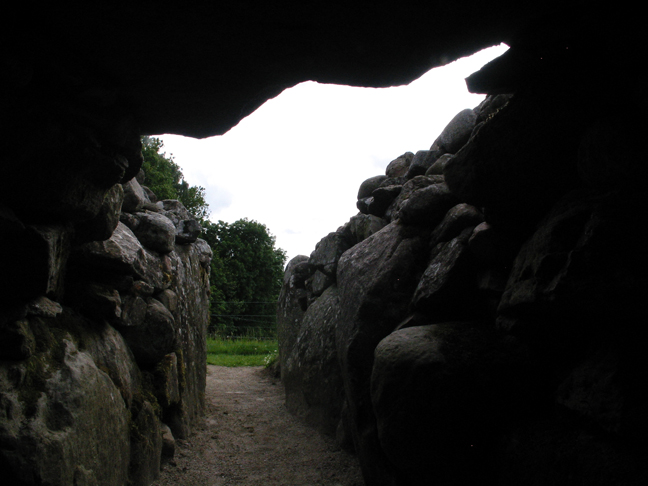
Dentro da câmara mortuária / Inside the burial chamber

Read Full Post »


Inverness!

A viagem de Edimburgh a Inverness levou praticamente o dia todo. Após check out fiquei esperando um shuttle para a rodoviária e só peguei o ônibus de 12:30h, que chega lá às 16h (são 156 milhas, quase 250 km),mas houve um atraso, contrariando a pontualidade britânica. O ônibus parou entre nada e lugar nenhum e os passageiros ficaram plantados ali mais de meia hora para trocar de veículo e seguir viagem. Tive sorte novamente: a menina sentada ao meu lado trabalhava na Fundação Findhorn! Para chegar lá deveria ir para Forres, cidade de onde há linhas regulares de ônibus e são menos de 15 minutos do centro até a entrada da Fundação. Ao saber que eu tinha estado na passeata em Edimburgo, ficou interessada em copiar minhas fotos e ofereceu me hospedar em troca. Morava num trailer dentro da Fundação, como muitas outras pessoas ali. Eu só precisaria chamá-la na recepção quando chegasse. Fomos conversando durante a subida para as Highlands (região das terras altas escocesas onde fica Inverness), vi um alce na floresta junto à estrada e Melissa me disse que era um ótimo presságio, pois esses bichos são ariscos e não se deixam avistar com facilidade. Acreditei.

It took me the whole day to go from Edinburgh to Inverness, about 156 miles away. After check-out I waited for the shuttle to the station and caught the 12:30h coach, which should arrive at 16h. But despite british timekeeping, something happened and we stopped on the road, in the middle of nowhere, half an hour waiting to board another coach and keep going. I was lucky once more: the girl sitting next to me worked in Findhorn Foundation. She told me how to get there: I should go to Forres, from where there are regular bus lines that would drop me off right in front of the Foundation gates in 15 minutes. Melissa was very interested in copying my photos of the march in Edinburgh, and offered in exchange to lodge me in the trailer where she lived in Findhorn. I should call her in the reception as soon as I arrived there. We chatted all the journey, while the coach mounted the Highlands, and when I pointed her a deer among the trees by the road, she told me it was a good omen, because deer are skittish and not easily spotted. I believed her.

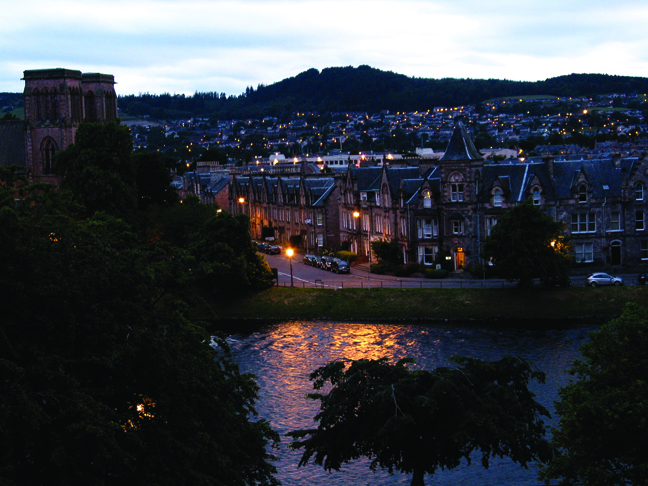
Inverness à noite / by night

Inverness é linda. Cheguei no fim da tarde e me dirigi a um albergue próximo da estação, onde acreditava ter feito reserva pela Internet dois dias antes. Entretanto, não tinham computado a reserva, nem mesmo sabiam que estavam na página de reservas online do site oficial da cidade! Mas me arrumaram uma acomodação. O quarto tinha três beliches e cheirava azedo. Três rapazes, dois americanos e um espanhol, estavam sentados conversando e, quando me viram entrar, pediram mil desculpas, atribuindo o mau-cheiro a um indiano, que, segundo eles, era muito porco, não tomava banho e deixava as meias fedidas debaixo da cama. Mais tarde conheci o tal indiano, que se dizia holandês, e era, de fato, esquisitíssimo. Precisava urgentemente de implantes em todos os dentes, que  eram pretos, tortos e encavalados. Contudo, andava elegantemente vestido, não cheirava mal e dizia estar procurando emprego. O leito acima do seu era ocupado por uma canadense que entrava muda e saía calada.

Inverness is beautiful. I arrived late in the afternoon and headed for a hostel near the station where I believed to have booked a bed two days earlier, in the town official website. But they knew nothing about it, not even that they were listed on the site. Anyway they found accomodation for me. The room had three bunks and smelled sour. Three guys, two americans and a spanish, were there talking but when they saw me, started apologizing, imputing the stench to another guest, an indian who, according to them, was dirty, never showered and used to leave his stinking socks under the bed. Later I made acquaintance with the so-called indian, who claimed to be dutch, and was really a weirdo. His teeth were rotten, but he was odorless (!), dressed elegant and told me he was looking for a job. The bunk above his was taken by a canadian girl who would come and go without a single word.

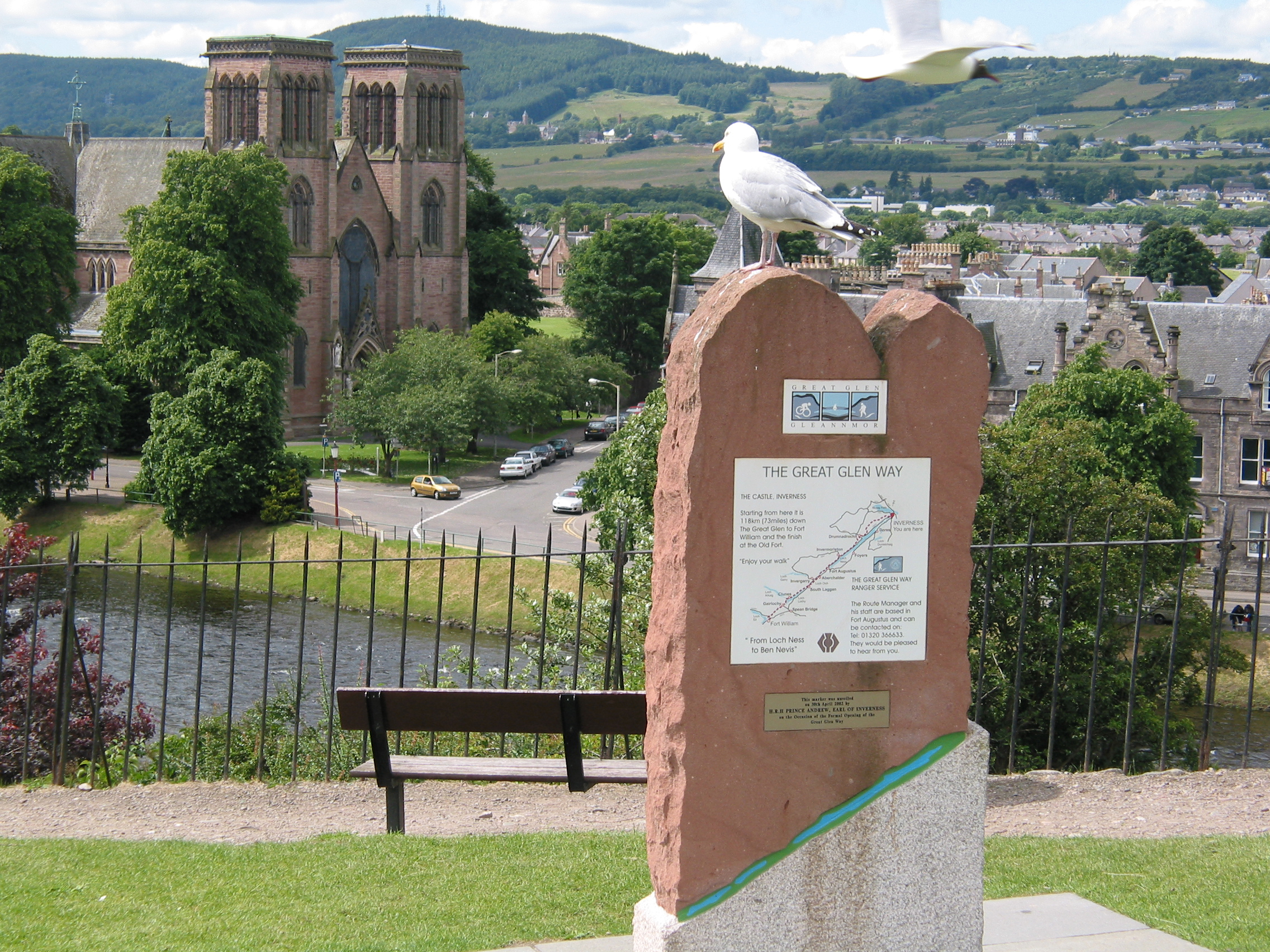
Praça em frente ao Castelo de Inverness / Square in front of Inverness Castle…

…com vista para o rio Ness e a Catedral de St. Andrew, com suas curiosas torres inacabadas pois a verba acabou antes da construção estar completa /
…overlooking the river Ness and St. Andrew’s Cathedral, with this curiously square-topped look to its spires, as funds ran out before they could be completed.

Os rapazes saíram e eu fui tomar banho, de Havaianas, tomando cuidado para não encostar em nada. pois o banheiro estava molhado e sujo, coisa bastante incomum. Mas tomar banho de chinelo é uma boa prática em albergues, por mais limpos que estejam você nunca sabe se algum portador de micose passou por ali antes. Pela mesma razão, é bom dormir dentro do saco de dormir sob as cobertas.

The guys left and went to the bathroom which, unlike other hostels I’ve been, was dirty and wet, so I tried not to touch anything and showered wearing my Havaianas sandals. This is a good habit, just as sleeping inside your sleeping bed under the coverlets. Even when it’s all clean and neat, you never know if somebody infected was there before you.

Inverness Castle

Os escoceses, como os irlandeses, eram considerados selvagens e inimigos dos ingleses. Sempre em pé de guerra, invadiam fronteiras para pilhar animais, colheita, escravos, mulheres, ouro, prata e o que mais pudesse ser obtido nessas incursões. Não que os ingleses não fizessem o mesmo – parece que invadir terras vizinhas era costume de todos os povos na Idade Média. Curioso é que os escoceses eram os Pictos  e os Scots irlandeses. Os pictos eram tão temíveis que ainda durante a ocupação romana foi construída uma muralha (O Muro de Adriano) para impedir, ou dificultar suas investidas. Inverness foi uma das principais fortalezas dos Pictos.

Arthur viveu no século I d.C., e sua preocupação era unir os britânicos contra esses invasores e principalmente contra os saxões, guerreiros germânicos que vinham de navio para se estabelecer numa terra mais rica, com clima mais ameno. E obviamente para saquear também. Depois, os jutos (povo escandinavo) resolveram fazer o mesmo. A música “Immigrant’s Song”, do Led Zeppelin, fala sobre isso: “We come from the land of ice and snow.” …”our only goal will be the western shore”.

The Scottish, as the Irish, were considered savages and enemies of the English. Always in state of unrest, invaded the borders to plunder livestock, food, women, slaves, silver, gold and whatever else they could get. I won’t say English people didn’t do the same. Invasion and plunder seem to have been routine in the Middle Ages. It’s curious that the scottish tribes were the Picts; the irish were called Scots. Picts were so terrible that still under roman domain a wall was built, the Hadrian’s Wall, to prevent their assaults. Inverness was one of the chief strongholds of the Picts.

Arthur lived in the 1st century and his concern was to unite the british against these invaders, specially the saxons, germanic warriors that sailed towards England’s green and pleasant land, richer soil, milder weather. Then came the jutes, from Scandinavia. Led Zeppelin’s hit “Immigrant’s Song” is all about it: “We come from the land of ice and snow.” … ”our only goal will be the western shore”.

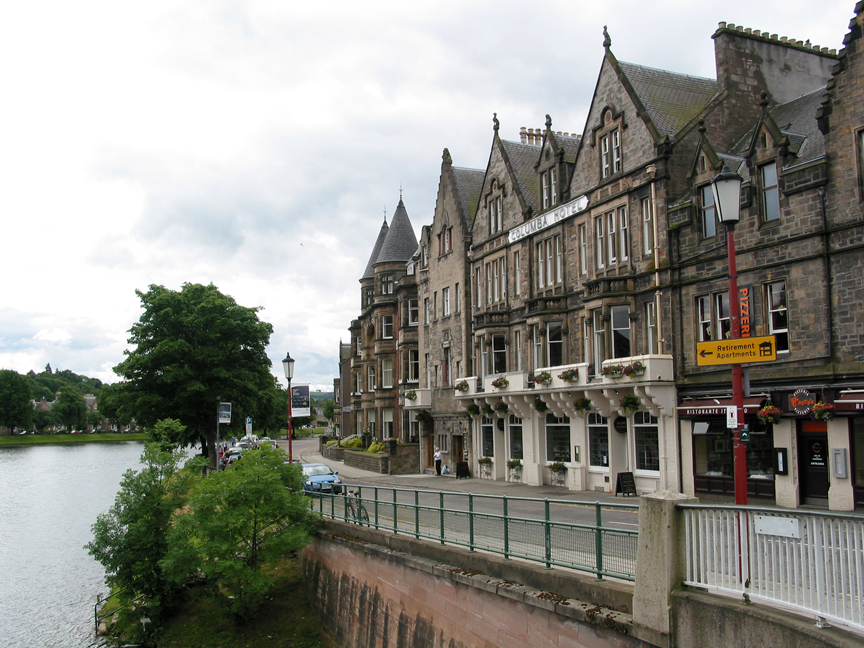
Casas às margens do rio Ness / Houses by the river Ness

Read Full Post »


Royal Mile, a rua principal do centro histórico / Old town main street

Ainda na Royal Mile, museu do Whisky, a caminho do Castelo / Walking towards the Castle, the Whisky Museum

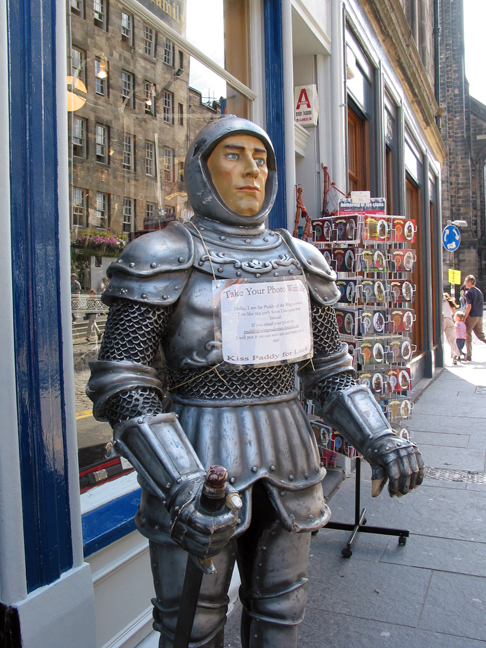
Hello, I’m Sir Paddy!
Tire uma foto comigo! Take a picture with me!

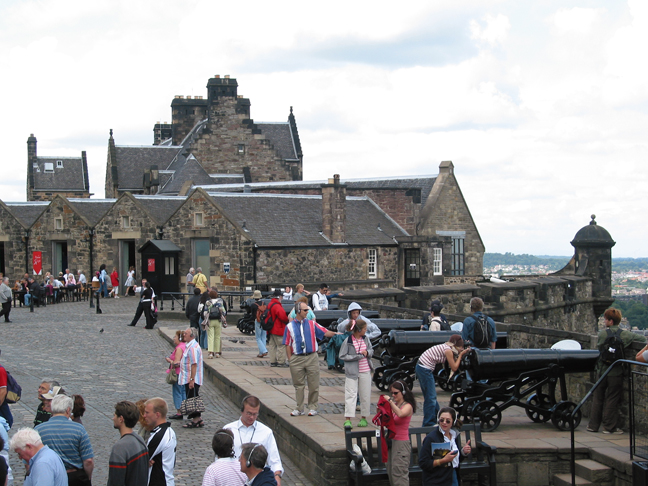
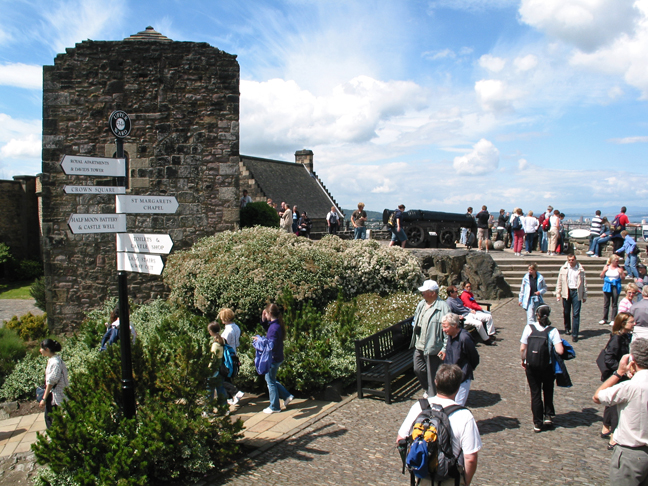
Chegando ao Castelo de Edimburgo / Arriving at Edinburgh Castle

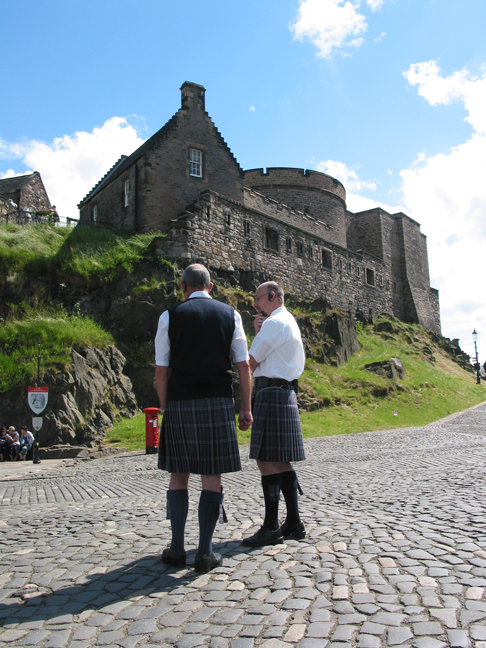
Os primeiros escoceses de kilt que avistei
First scottish men I saw wearing kilts

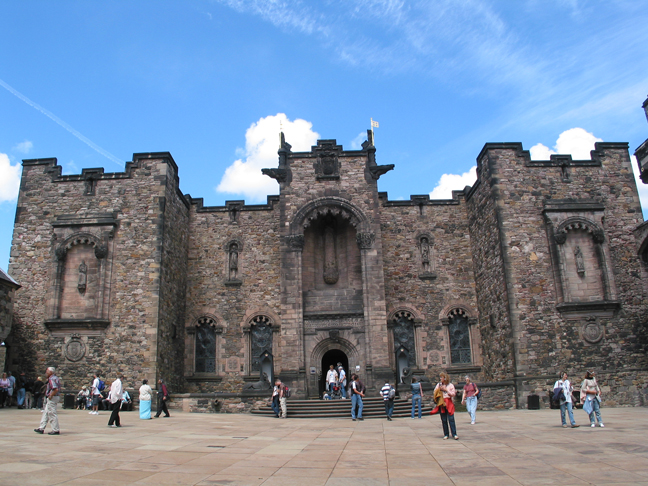
Entrada / Entrance

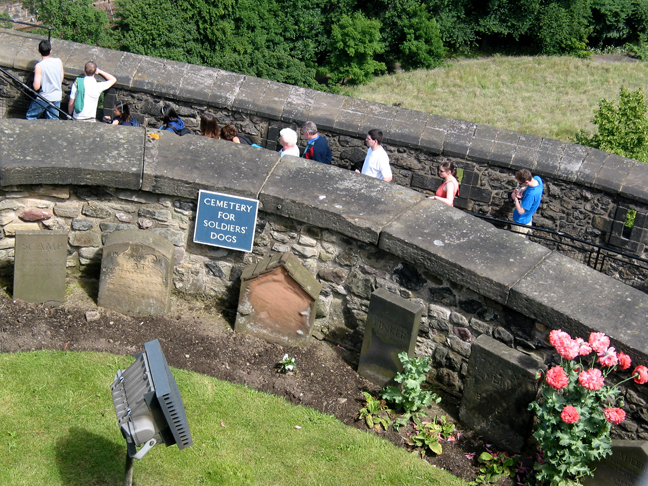
Cemitério dos cães dos soldados / Pet Cemetery

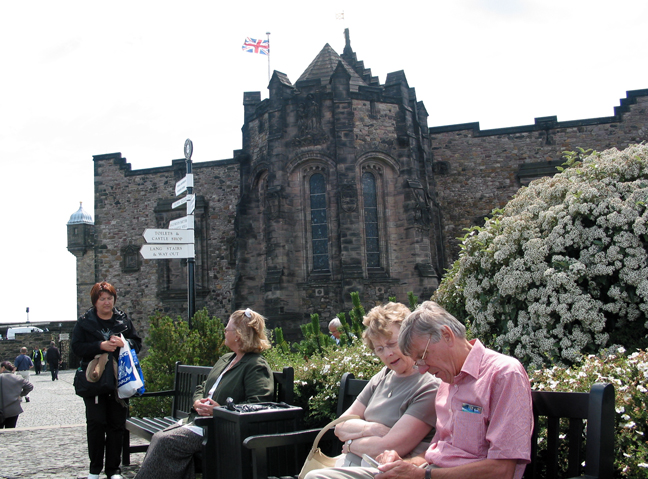
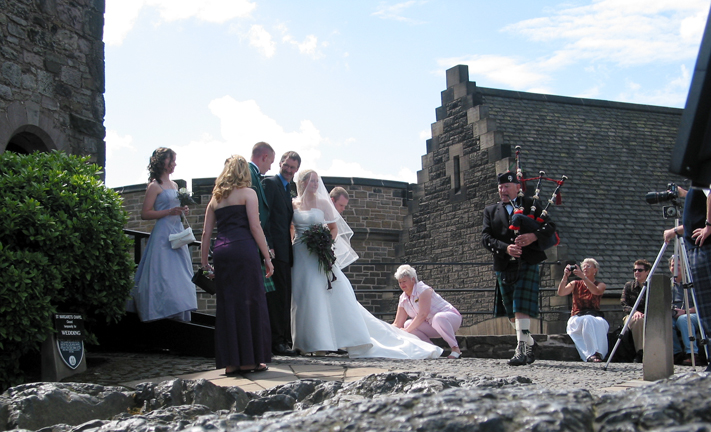
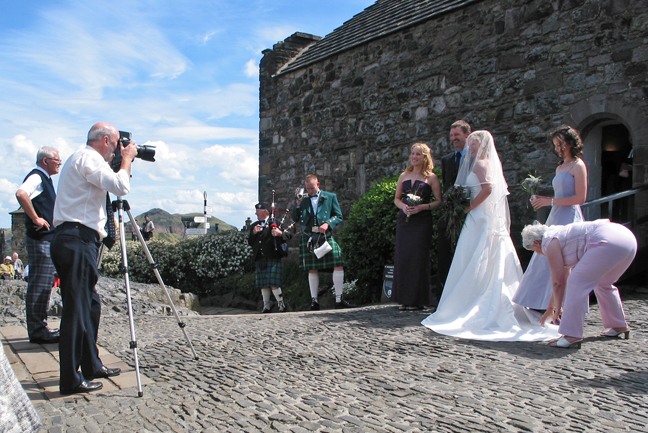
Casamento na Capela do Castelo
A marriage taking place in the Chapel

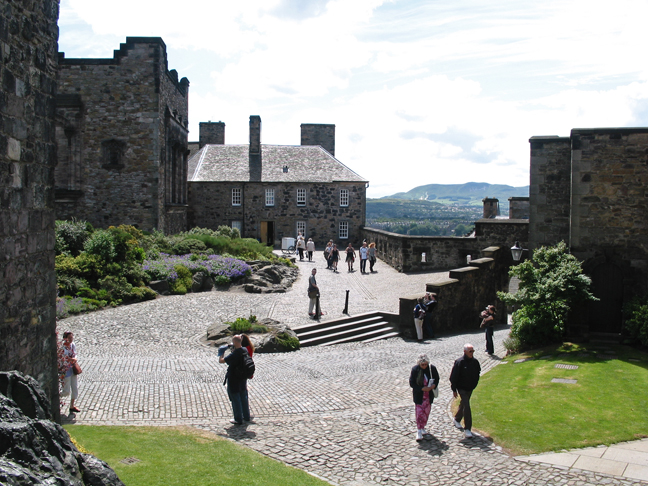
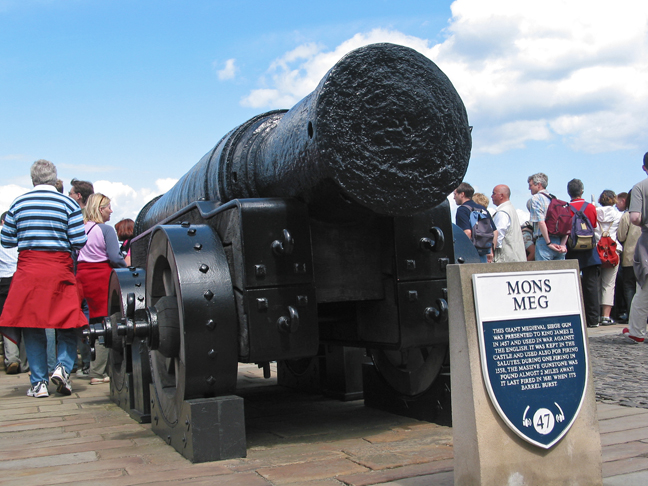
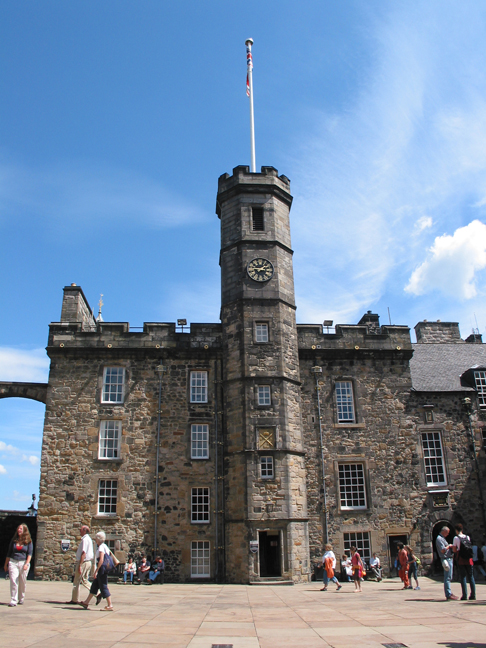
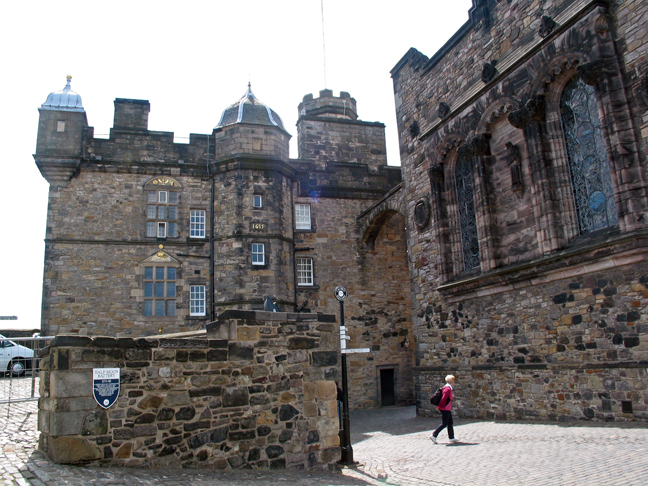
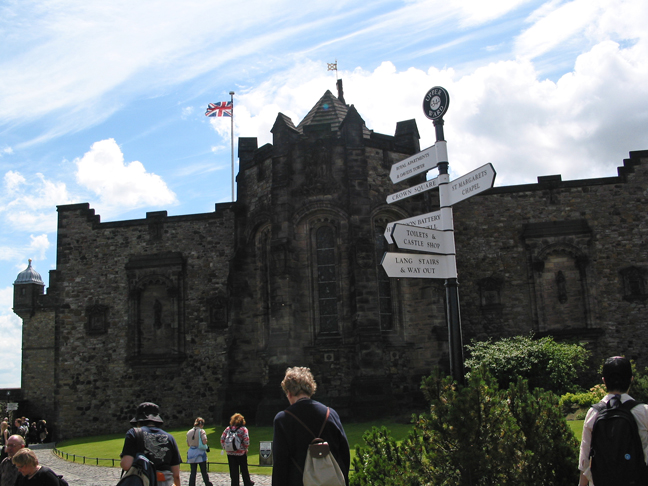
O castelo é impressionante, enorme e cheio de história. Para saber mais consulte o link abaixo. It’s a massive place full of history. More information about it: Edinburgh_castle

Read Full Post »


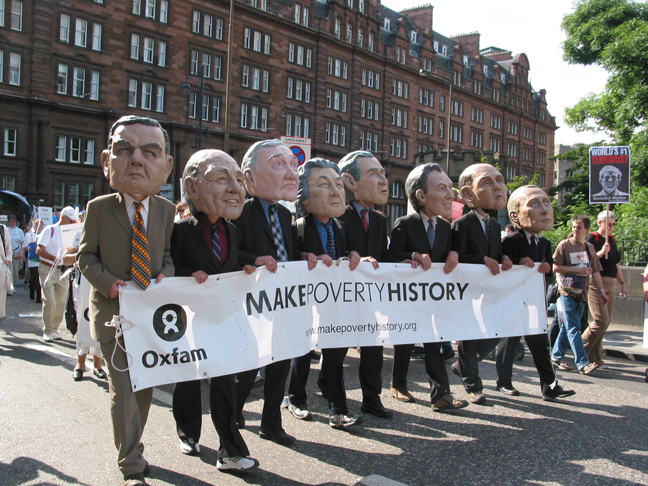
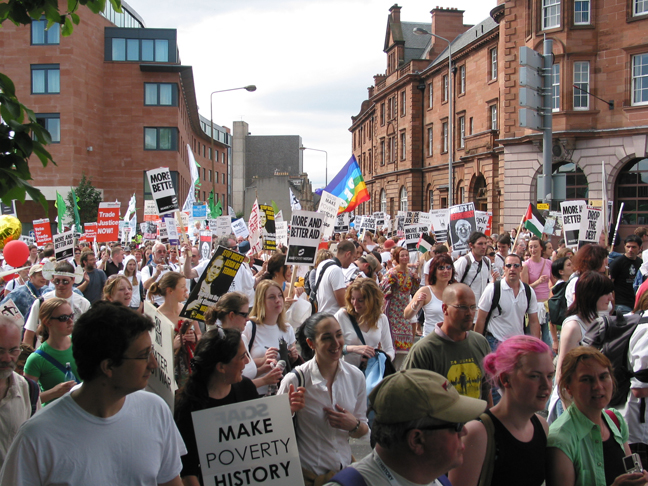
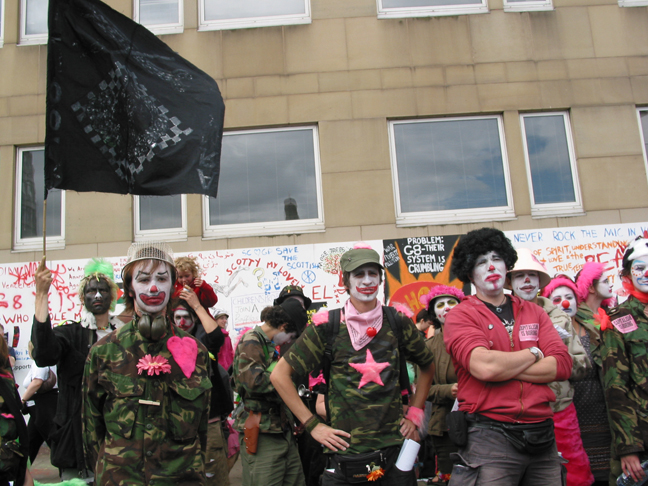
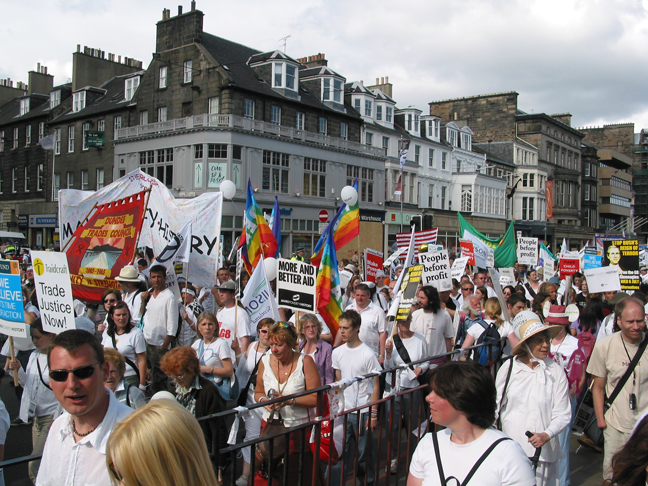
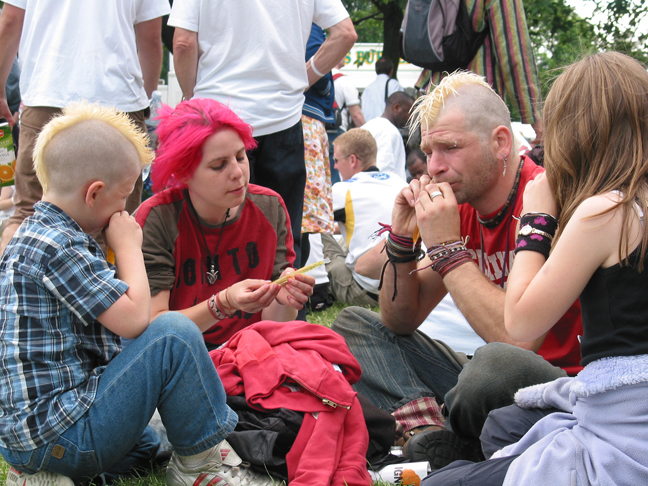
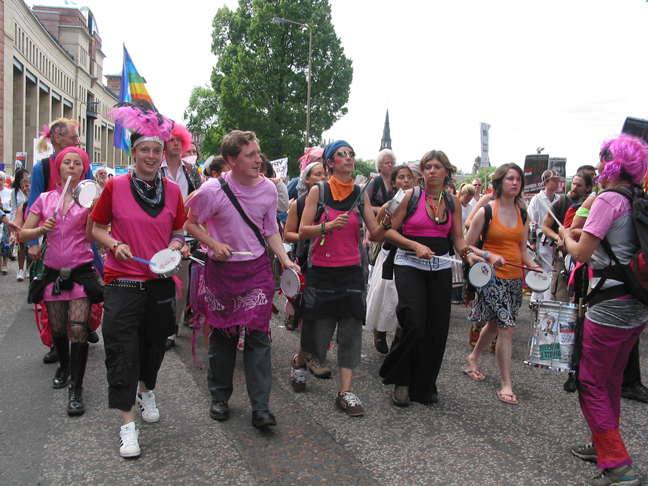
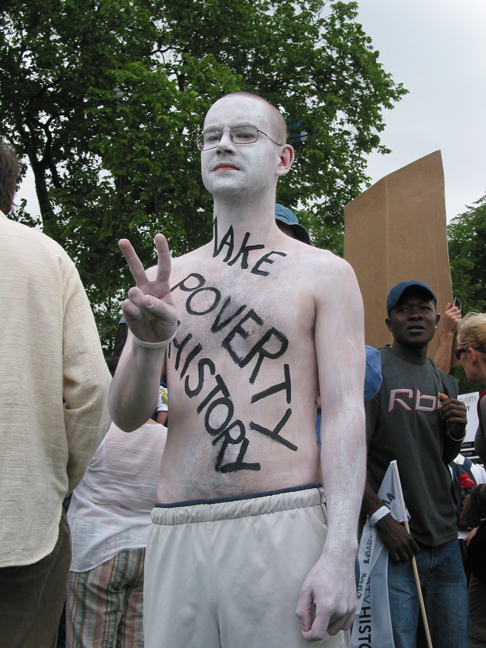
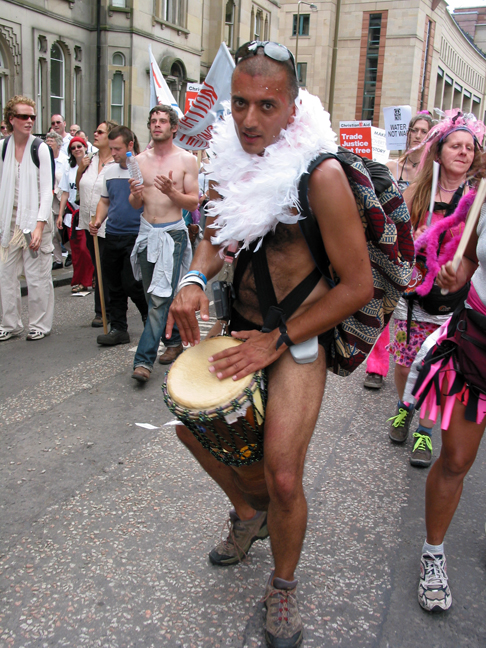
Algumas fotos da passeata. Some of my photos of the march. Edinburgh, 2nd July, 2005

Read Full Post »


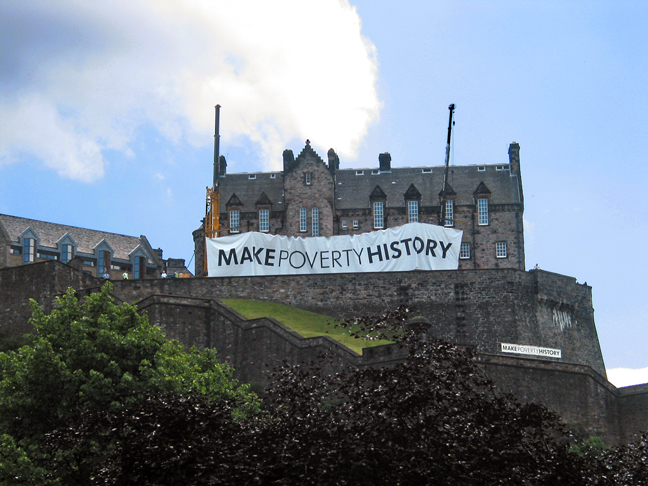
Castelo de Edimburgo no clima da passeata
Edimburgh Castle in the demonstration vibe

Cheguei a Edimburgo sexta-feira, 1º de julho de 2005. A cidade estava cheia, porque haveria uma passeata (Make Poverty History) no sábado durante o encontro do G8  e, na segunda-feira, a abertura do tradicional festival anual de teatro. Consegui vaga num albergue bem no centro, apenas para aquela noite. Fui conhecer o castelo e depois caminhar pela cidade. O dia estava ensolarado e diversos artistas que vinham para o festival se apresentavam pelas ruas. Todavia, passei o maior perrengue nesta bela cidade.

It was friday when I arrived in Edimburgh, July the 1st, 2005. The town was crowded because there was a demonstration scheduled for Saturday, when the G8 meeting would happen, and the tradicional music & theatre festival started next monday. I got a bed in a downtown hostel for one night only and went for a walk, to visit the Castle and the city. It was a sunny day and lots of artists who came for the festival were playing in the streets. However, I’ve been through a distressful time in this amazing city.

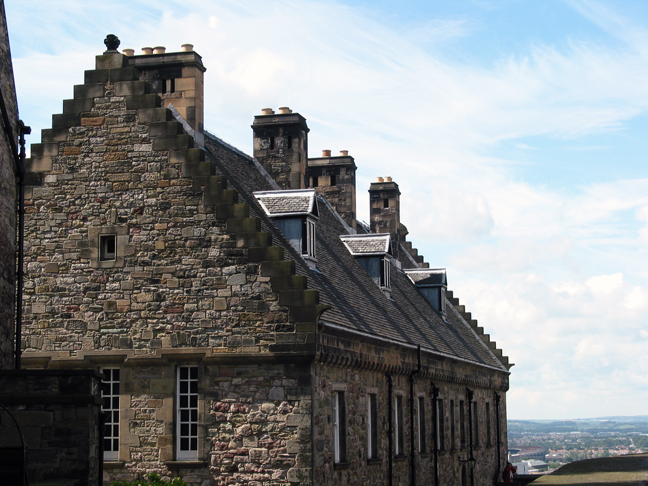
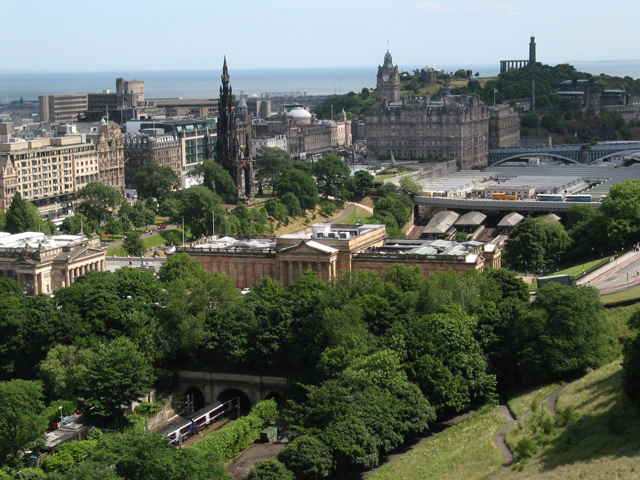
Vista da cidade do alto do Castelo/ Town view from the Castle (1)

View from the castle (2)

Ainda vista do castelo, ao longe a montanha chamada de Assento de Arthur
Still from the Castle, King Arthur’s seat in the distance

O recepcionista do albergue me expulsou no dia seguinte. Eu tinha pernoitado e, ao acordar, deixei a mala num canto, com a bagagem de outros hóspedes, para acompanhar a passeata. Voltei suja e cansada. Logo que me viu entrar, o cara me chamou e disse de modo grosseiro que eu não estava registrada para aquele dia e, portanto, deveria pegar minhas coisas e ir embora; que fosse ao centro de informações turísticas para achar outro albergue e, se não houvesse vaga, o problema era meu. Felizmente, deixou-me ir ao banheiro, então, aproveitei para tomar banho antes de sair. Um vento glacial me acompanhou ao tal centro de informações, que já estava fechado.
Começou a chover e não passava nenhum ônibus. Por causa da passeata, o trânsito havia sido
desviado e ninguém sabia informar nada. Todas as lanchonetes e restaurantes  estavam fechados. Plantei-me num ponto de ônibus, mas nenhum veio. Depois de duas horas e meia em pé na rua deserta, molhada e congelando, saí andando a esmo até achar outro ponto, onde pelo menos havia outros seres humanos. Minhas lágrimas nem escorriam, secavam com o vento antes de tocar o chão. Já era noite fechada quando enfim apareceu um ônibus. Sem a menor idéia de para onde se dirigia, embarquei.

The hostel clerk cast me out next day. I woke up to join the demonstration, leaving my luggage in the corner, with everyone else’s. Hours later, hungry, dirty and tired I came back. As soon as he saw me, he stated rudely that I was not booked for the night, so I should take my stuff and leave, go to the tourist information service to find another hostel, and my problem if there was none available. At least he allowed me to use the bathroom, so I took a shower before going away. An icy wind was blowing while I headed for the tourist center, only to find it closed. A cold rain started and there was no bus in sight. Traffic had been changed for the demonstration and nobody was able to inform anything. Restaurants and cafes were closed. I stuck around a bus stop but none came. After two and a half hours standing in the cold rain I set off wandering the desert streets aimless until  another bus stop came in sight, where there were, at least, other human beings. My tears weren’t falling at all, they dried in the wind before touching the ground. Night had fallen long ago when a bus finally appeared. I jumped in without the slightest idea of where it was heading for.

Mesas ao ar livre no restaurante do castelo, onde fiz a última refeição de verdade de que me lembrava / Outdoors tables at the Restaurant in the Castle, where I had the last proper meal I could remember
O motorista disse que passaria em frente a um albergue, o Globetrotter Inn , para onde iam quase todos os passageiros. Era muito longe, mas tinha vaga e era confortável. Deixei a mala embaixo da cama e corri para o refeitório. Nem me lembrava quando tinha comido pela última vez. Foi uma grata surpresa encontrar um self service bem sortido, e acabei me enturmando com umas pessoas de Manchester que tinham ido especialmente para a passeata. Eram simpaticíssimos; fizeram muitas perguntas sobre o Brasil, manifestaram a vontade de conhecer meu país. O calor humano e o vinho que compartilharam comigo me fizeram esquecer os maus momentos. Gostaria de tê-los visitado depois.
Dormi feito uma pedra. Na manhã seguinte percebi que minha sorte estava começando a mudar ao encontrar um colar com um enorme pingente de água marinha no fundo de uma prateleira na cabeceira do beliche. O rapaz na recepção disse que eu devia guardá-lo, pois quem o esquecera já tinha ido embora. Obviamente, era uma imitação, mas estava numa embalagem lacrada e poderia servir de presente para alguém na volta ao Brasil. Junto havia um guia tipo Quatro Rodas, que também coloquei na mala. A leitura ajudaria a encarar mais duas horas de ônibus até a rodoviária, onde iria embarcar para Inverness. Abriu um sol lindo naquele dia, mas eu só queria ir embora dali.

The driver told me there was a hostel on the way, the Globetrotter Inn (46 Marine Drive, Edinburgh EH4 5EP, Scotland), where almost all the passengers were going. It was too far away, but there was a bed available, comfortable enough. I left my suitcase under the bed and ran to the dining hall. I couldn’t remember when my last meal had been. It was a pleasant surprise to find a well-assorted self service! At last I made friends with some people from Manchester, who had gone specially for the demonstration. They were lovely; asked many questions about Brazil and told me they had a fancy to   know my country. Their warmth and the wine yhey shared with me made me forget the bad moments. I wish I had the chance to visit them in Manchester!
I slept like a stone. Next morning, my luck seemed to be changing: I found a necklace in a shelf by my bed, with a big aquamarine pendant. The guy at the reception desk told me to keep it, because whoever had forgotten it was long gone. It was of course a counterfeit, but the package was sealed and it would be a good gift for someone in Brazil. I found a book as well, a travelling guide, which I could read in the long way to Edimburgh Bus Station, where I would take a coach to Inverness the next morning. Sunrise brought a gorgeous sunny day, but all I wanted was to leave that city behind.

Abaixo, um link com fotos e o endereço do Globetrotter Inn.

I found this link with photos of The Globetrotter Inn. The address is :

46 Marine Drive, Edinburgh EH4 5EP, Scotland

The_Globetrotter_Inn_Edinburgh.html&h_show=photos


Read Full Post »


Victoria Station, onde tantas vezes estive, indo e voltando
Victoria Station, where I’ve been so many times, coming or going

Uma coisa engraçada nos ônibus do Reino Unido é a paranóia dos motoristas com a bagagem de mão. Se for um pouquinho maior do que determinado tamanho ou estiver muito estufada, exigem que seja colocada no compartimento de bagagem. Como já tinha percebido esse detalhe, embarcava me mantendo sempre de frente para o motorista, ainda que precisasse subir os degraus de costas para que ele não visse o tamanho da mochila nas minhas costas, senão nem me deixaria entrar. E a escondia imediatamente debaixo da cadeira, atrás das minhas pernas, embora devesse guardá-la na prateleira acima dos assentos.
Para esta longa viagem ( de Londres a Edimburgo, 656km) levava casacos, cachecol, lanche, câmera e o livro Harry Potter and the Half-Blood Prince, um tijolo. Mas o volume passou despercebido quando o motorista foi checar se estava tudo em ordem no ônibus antes de dar a partida.

Something funny in UK coaches is the drivers’ paranoia concerning hand luggage.
If it’s an inch bigger than a certain size or too overweighted, they oblige you to put it in the luggage compartment under the vehicle. As soon as I took notice of this detail I made a plan, and it worked quite well. Whenever I was boarding I never turned my back to the driver so he couldn’t see my backpack size, otherwise he wouldn’t let me in. I would circumvent the man, climbing the steps backward if necessary. And immediately hid the backpack under the seat, behind my legs, although hand luggage is supposed to be kept in the compartment above the seats.
For this overnight journey (from london to Edimburgh, around 408 miles) I had brought coats, scarf, a snack, camera and “Harry Potter and the Half-Blood Prince”, a book thick as a brick. The driver went all the way through the corridor to check out if everything was in order before starting the engine, still the backpack went unnoticed.

Estrada para Edimburgo / On the road to Edimburgh

Presenciei uma cena bizarra na Victoria Station por causa de bagagem. Um negão entrou carregando um galão de vinte litros e, interpelado pelo motorista, disse que era óleo. Confusão à vista: o motorista disse que era proibido transportar óleo no ônibus. Mas o tal óleo – de cozinha talvez – não existia na cidade do passageiro, que tinha ido a Londres especialmente para comprar aquilo e se recusava a abandonar a mercadoria.
– Nesse caso, o senhor não pode viajar – afirmou o motorista.
– Mas eu paguei a passagem – rebateu o homem.
E a discussão começou. Dez minutos depois, o motorista mandou chamar uma guarda da estação, também negra, para ver se convencia o sujeito:
– Senhor, lamento, mas são normas da empresa, não posso permitir.
O passageiro insistiu. Não digo que as pessoas se amontoaram em volta, como teria acontecido na Rodoviária Novo Rio, porque os ingleses são muito discretos, mas o bate boca já estava chamando atenção e os demais passageiros amarrando a cara devido ao atraso. Foi chamado outro funcionário, mais graduado, que se mostrou irredutível do mesmo jeito. Nem no bagageiro era permitido levar óleo. Enfim, depois de quarenta minutos, o galão foi finalmente colocado num compartimento separado do resto da bagagem e o ônibus partiu.

I witnessed a bizarre occurrence concerning luggage in Victoria Station. A big black man was boarding the coach carrying a demijohn of around 5 galons. Heckled by the driver, he said it was oil, and the trouble started. The driver told him it was expressly forbidden to carry oil in the coach. But such oil (probably cooking oil) was not available in the passenger’s town. He had gone all the way to London just to buy it and refused to leave it behind.
“– You can’t travel then”, the driver stated.
“– But I paid for the ticket”, refuted the passenger.
The quarrel began, and after ten minutes of argument the driver sent for an officer, black herself, to talk him into the matter:
“– I’m sorry, Sir, these are the company rules, there’s nothing I can do”.
And the passenger insisted. There was not a crowd gathering around, as would surely happen in Brazil, for English people are very discreet, but the squabble was drawing people’s attention and the other passengers were already ugly-faced for the delay.
Another station officer appeared, adamant as well: it was forbidden to carry oil, even in the luggage compartment. At last, forty minutes later, the demijohn was put in another compartment, apart from the luggage, and the coach departed.

Vista da janela do ônibus a caminho de Edimburgo
View from the coach window, on my way to Edimburgh

A viagem levou a noite toda. O ônibus ia lotado, o carinha ao meu lado era um fofo e logo começamos a conversar. Ele percebeu que eu estava inconfortável naquele assento apertado e me emprestou uma almofadinha inflável que se encaixa em volta do pescoço, salvou minha vida. Embora fosse verão, fazia um frio absurdo. No meio da madrugada o ônibus fez uma parada. Jimi tinha cigarros, e saímos para fumar no estacionamento, quase congelamos no vento cortante.

The journey took all night. The coach was full, the guy sitting next to me was very nice and soon we were engaged in a conversation. He noticed how uncomfortable I was in that narrow seat and lent me an air cushion to put around my neck, that saved my life.
Despite being summertime, it was utterly cold. Early morning there was a stop, Jimi had cigarrettes and we got out to smoke in the parking lot. It was freezing there in the biting wind.

Aurora se anuncia / Dawn closing by

Não consegui dormir, mesmo com a almofada . Ao romper da aurora, já estava com a câmera grudada no vidro da janela.
Lamentei não ter um celular naquela hora para manter contato com Jimi. Ele poderia me ligar quando terminassem seus compromissos, mas eu nem sabia onde iria me hospedar. Então só trocamos e-mails e até hoje somos amigos no Facebook.

I tossed and turned but could not sleep. Came dawn, my camera was already pressed in the windowpane.
So sad I didn’t have a mobile to keep in touch with Jimi. He would call me when he was finished with his appointments, but I didn’t knew where I was going to stay in Edimburgh. But we exchanged e-mails and still today we’re friends in Facebook.

closer


Read Full Post »


Till the next time we say goodbye, Glastonbury!

No último dia da minha estadia no ashram, escapei de lavar a louça do almoço para não perder o horário do ônibus. Fui encontrar Selina e Jonathan na praça principal, onde nos despedimos. Ela ia para Leiceston pegar o trem para a Cornualha. Ele pegaria um avião de volta para os Estados Unidos. Eu ia de ônibus até Bristol e, de lá, para Londres onde fiquei uns dias para me recuperar e organizar fotos. Procurava dar uma força na casa, fazer um baby-sitting básico para que meus anfitriões economizassem preciosas libras, mas não queria abusar da sua hospitalidade.
A sequência lógica seria ir à Cornualha, pois os dias estavam lindos e ensolarados, entretanto eu queria ir à Escócia antes. Quando criança, li que havia um lugar onde, apesar de o solo não ser nada propício para a agricultura, pessoas plantaram e colheram abóboras e outros legumes gigantescos com a ajuda dos seres elementais, com quem conseguiam se comunicar. Esse lugar era Findhorn e tornara-se uma fundação onde são ministrados cursos e workshops de meditação, danças rituais circulares, agricultura orgânica, entre outros. A proposta é que os participantes vivenciem a espiritualidade aplicada ao cotidiano.

I escaped doing the dishes the last day in the Ashram, thanks to the bus timetable. Jonathan and Selina were leaving too, we met to bid farewell in the centre. She was on her way to Leiceston, to take a train to Cornwall and he was flying back to USA. I took a bus to Bristol and from there a coach to London, for a few days to catch my breath and organize the photos. I tried to be helpful to my host friends and did some baby-sitting to save them precious pounds, but I didn’t want to linger too long and abuse their hospitality.
The next logical destination would be Cornwall, because days were gorgeous, but I chose Scotland instead. As a child I had read about a place called Findhorn where a bunch of people planted vegetables and, despite the soil was unsuitable for agriculture, giant pumpkins and other stuff were grown, with the help of the devas (elemental beings) with whom these people were in touch, according to them. Findhorn became a Foundation that offers nowadays a range of workshops, as meditation, circular dances and other programmes in the environment of a working ecovillage, where students are supposed to apply spiritual values in daily life.

Paisagem nas Ilhas Orkney / Orkney landscape

Findhorn é banhada pelo Mar do Norte, onde ficam as Ilhas Orkney, onde, segundo As Brumas de Avalon, reinava Lot, com quem se casou Morgause, irmã de Igraine. De acordo com o livro, ambas eram filhas de Merlin, por isso tinham o sangue real de Avalon. Foi Morgause quem criou Mordred, filho de Arthur com sua meia-irmã Morgana. Esta era sacerdotisa de Avalon, onde se realizou o ritual de iniciação de Arthur, que devia entrar sozinho na floresta e, munido apenas de uma faca, enfrentar e matar um enorme cervo, tomando para si o título de Gamo-Rei. Tal ritual era fundamental para que as tribos do povo antigo reconhecessem seu direito ao trono. Mordred foi gerado quando Arthur voltou vitorioso da prova; era parte do ritual deitar-se com uma sacerdotisa virgem, justamente Morgana. Eles não se reconheceram, pois tinham sido separados havia muito tempo.

Findhorn is located on the shore, bathed by the North Sea, which surrounds the Orkney Islands.
According to The Mists of Avalon, Morgause married Lot, Lord of Orkney. She was Igraine’s sister; both were Merlin’s daughters, therefore descendants of the royal Avalon bloodline. Morgause raised Mordred, son of Arthur with his half-sister Morgana. She was priestess in Avalon, where took place Arthur’s initiation rite: he was to enter the forest alone and with one single knife kill a massive deer, taking upon himself the title of Deer King. Such rite was required otherwise the old tribes wouldn’t accept his leadership. Mordred was begot when Arthur came out of the woods victorious: he was supposed to lay with a virgin priestess to complete the rite, and that was Morgana. They didn’t recognize each other, because their lives had fallen apart too long ago.

Ring of Brodgar, Orkney Islands, Scotland

A escolha recaiu sobre Morgana pois se pretendia que o herdeiro do rei Arthur fosse da linhagem real de Avalon, comprometido com a antiga religião, disposto a evitar que os católicos a extinguissem. Mas Morgana assustou-se com a idéia de ter um filho do próprio irmão e o entregou para que a tia o criasse no reino distante de Orkney, o que foi um erro, segundo Marion Z. Bradley. Morgause era uma mulher ambiciosa que queria ser rainha. O garoto foi criado para odiar o pai e querer tomar seu lugar. Em outras versões da história Morgause não existe, e atribui-se à própria Morgana seu caráter cruel e malévolo. Já o escritor Bernard Cornwell, em suas Crônicas de Arthur, apresenta Mordred como filho legítimo de Uther Pendragon, herdeiro do trono, sendo Arthur seu irmão mais velho, bastardo, que faz o juramento de manter o reino coeso até que o garoto tivesse idade para governar.
Eu sabia também que nas Ilhas Orkney havia um gigantesco círculo de pedras chamado Anel de Brodgar, que despertara minha curiosidade. Isso foi motivo suficiente para pegar a estrada para Edimburgo, a capital da Escócia. De lá, acharia o caminho para Findhorn, Ilhas Orkney e também para a Capela Rosslyn, do livro O Código Da Vinci.

Morgana was chosen because Arthur’s heir should also be of the royal bloodline of Avalon, to avoid the extinction of the old religion by the hands of catholics. But the idea of giving birth to a son of her own brother scared Morgana so as soon as the baby was born she handed him over to her aunt, who fostered Mordred in the distant kingdom of Orkney. According to Marion Z. Bradley’s tale that was a great mistake. Morgause was an a greedy woman who wanted to be queen. The boy was raised to hate his father and plot to take his place. In many versions of the story Morgause doesn’t exist and this wickedness is assigned to Morgana’s role. The author Bernard Cornwell in his Arthur’s Chronicles, presents Mordred as Uther’s legitimate son and Arthur as an elder bastard who was sworn to keep the kingdom together until his brother comes of age.
I was also aware of a massive Stone Circle in Orkney, the Ring of Brodgar, which aroused my curiosity. Putting it all together, was reason enough to hit the road to Edimburgh, Scotland. From there I would find my way to Findhorn, Orkney Islands and Rosslyn Chapel as well, which appears in “Da Vinci’s Code” book.

Read Full Post »


Depois das ruínas, o jardim. We’ve seen ruins, let’s walk the garden now.

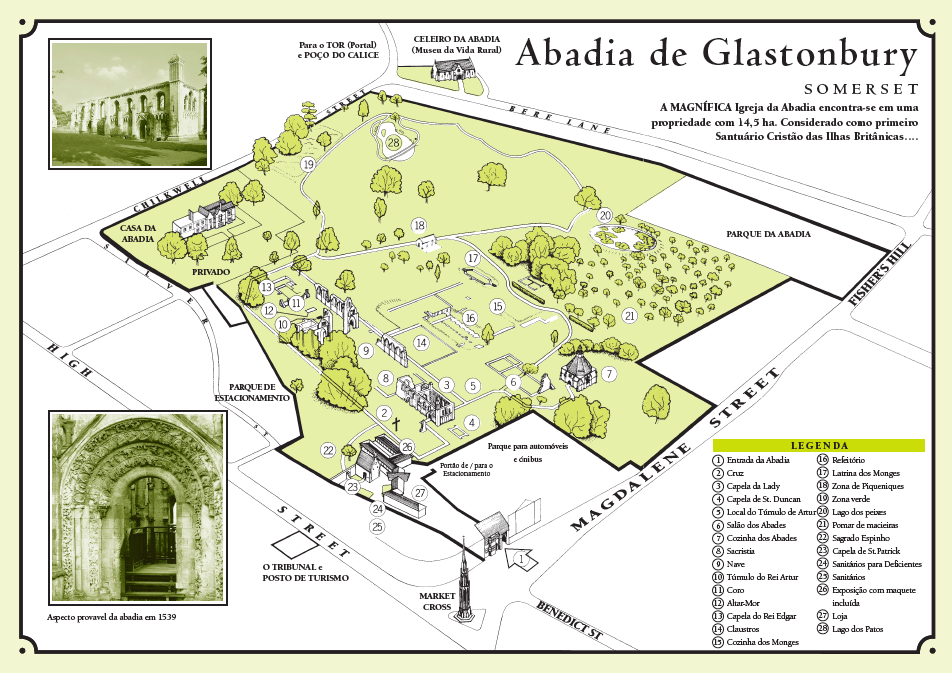
Abaixo o mapa desse lugar tão especial e a tabela com os preços de entrada. Os portões abrem às 9h da manhã. Em junho, julho e agosto só fecham às 20h. Março, abril e maio às 18h. Setembro, outubro e novembro às 17h e os demais meses (inverno) às 16h. Mais informações no site da Abadia.

Below goes the map of this unique place and the fares of admittance. The opening time is 9 a.m. but the closing time changes according to the season. In June, July and August it goes up to 8 pm. March, April and May 6 pm. September, October and november 5 pm and in wintertime the gates close at 4 pm.More information can be found in the site of the Abbey:

www.glastonburyabbey.com

Mapa em inglês / Map in English

Mapa em português / Map in portuguese

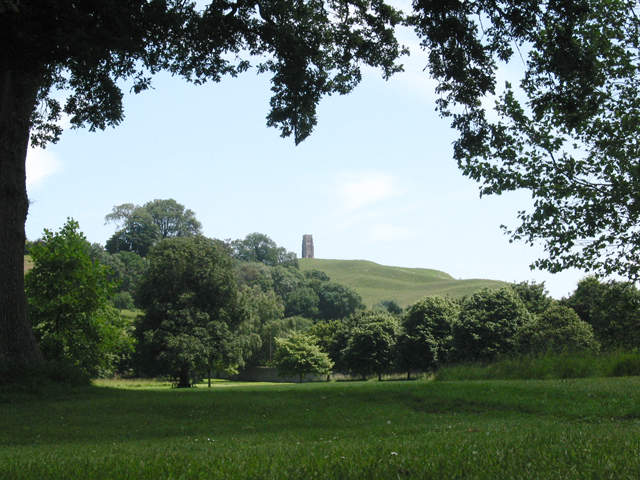
Vista do Tor / Tor View from the Abbey Garden.

O lago dos peixes / The Fish Pond

Um dos maiores carvalhos, junto ao lago. O carvalho é uma árvore sagrada para os druidas. One of the highest oak trees, close to the Fish pond. The oak is a sacred tree for druids.

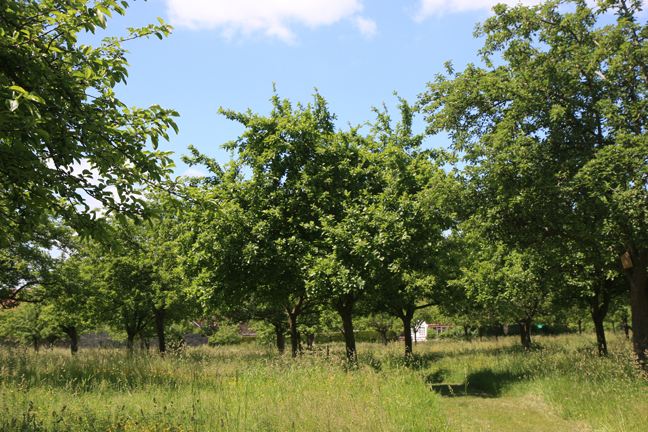
O pomar de macieiras. Avalon era antigamente conhecida como a Ilha das Maçãs.
The apple trees orchard. Avalon was known, in times of old, as the Isle of Apples.

Maçãs, embora pareçam romãs!
Apples, although they look like pomegranates!

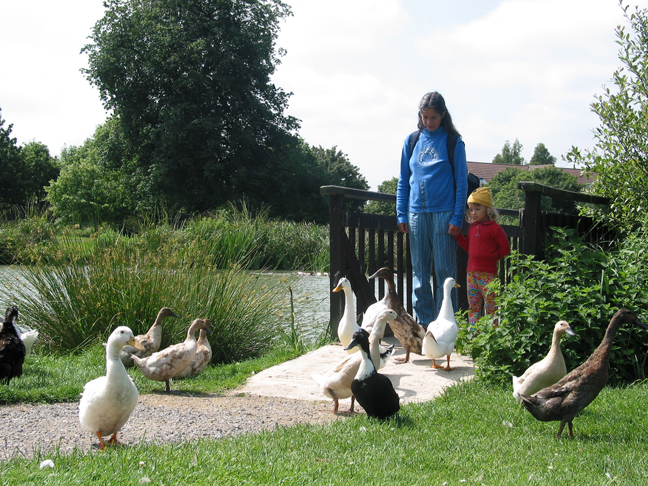
O lago dos patos / The Duck Pond

Os patos não são tão amistosos quanto deveriam, bati esta foto e saí correndo.
Ducks, not as friendly as they should be. I took the photo and ran.

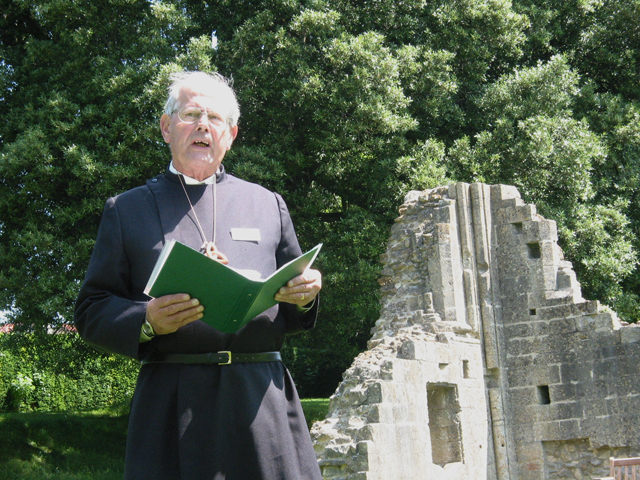
Um padre junto à cruz na entrada / A priest close to the Cross in the entrance

O padre é na verdade um capelão, e faz orações diariamente onde ficava o altar. The priest is actually a chaplain, who leads prayers everyday in the spot where once stood the High Altar.

Junto à loja de souvenirs encontra-se o Museu da Abadia.
The Museum, next to the Gift Shop.

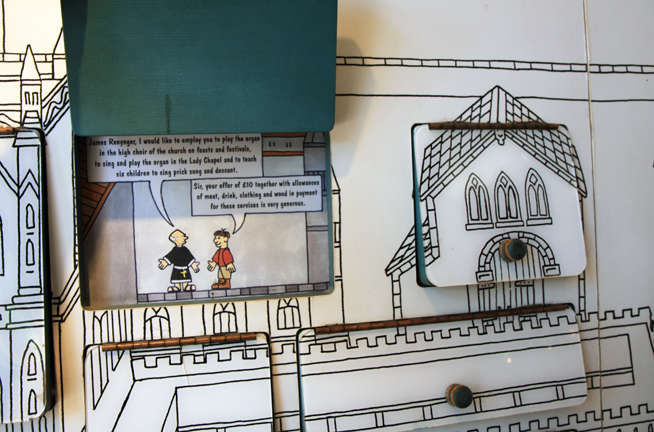
Painel interativo no Museu
Interactive panel in the Museum

Abrindo as janelinhas há informações sobre a vida na Abadia, ilustradas com personagens representando as pessoas que ali viviam e trabalhavam. As crianças adoram.
Behind each lid, characters present information on ancient life and work at the Abbey. Children love it!

Painel sobre Arthur. A ilustração mostra os monges desenterrando seu enorme caixão de carvalho, sobre o qual uma cruz trazia a inscrição: “His iacet inclitus Arturius in insula Avalonia” que significa ” Aqui jaz o Rei Arthur, enterrado na Ilha de Avalon”.
Panel about Arthur; monks are depicted unburying his massive oaken coffin, beneath a cross with the inscription “His iacet inclitus Arturius in insula Avalonia”, what means “Here lies King Arthur buried in the Isle of Avalon”.

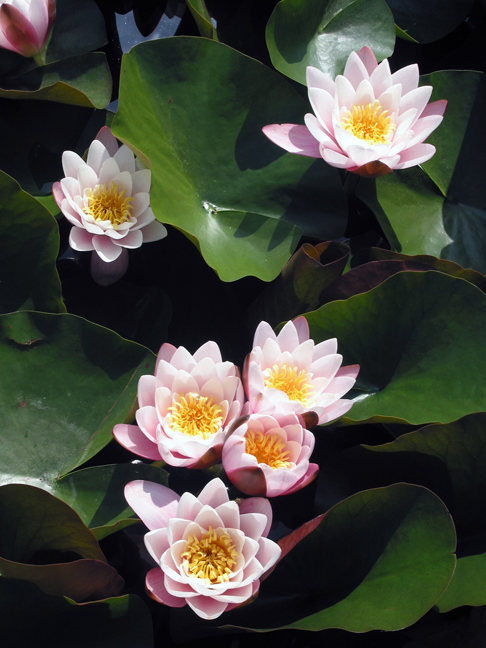
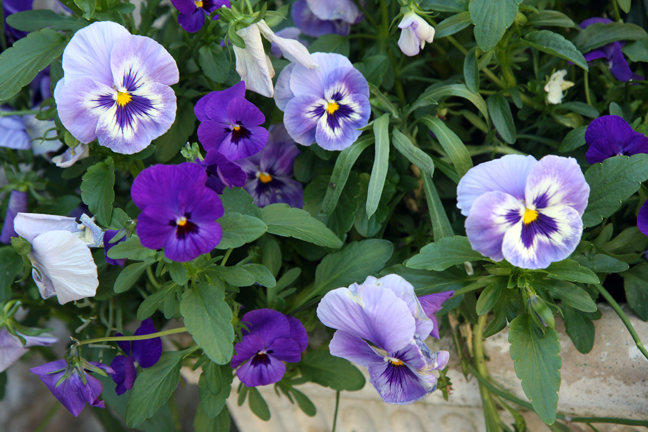
Fecho este post com as flores do amor-perfeito / It’s the end of this post, Forget-me-not!

Read Full Post »


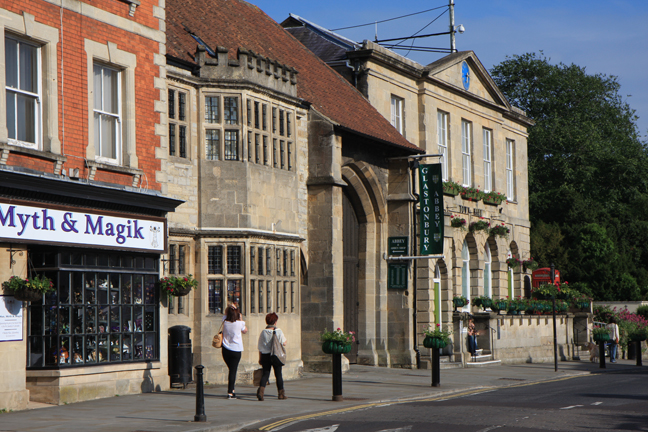
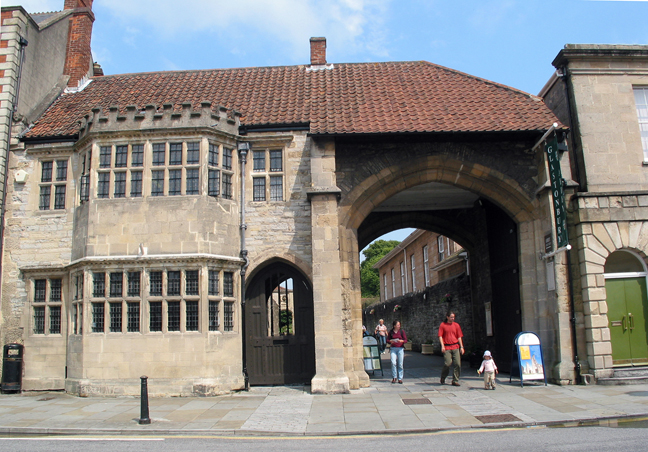
Abadia de Glastonbury / Glastonbury Abbey, Magdalene Street.

Este post é basicamente um álbum de fotos, fazendo um tour pela Abadia e Museu.
Somei fotos tiradas em diferentes dias, por isso a variação de luz.

This post is basically a photo album, a tour in Glasto Abbey and Museum. I added photos taken at different times and days, that’s why the light is not uniform.

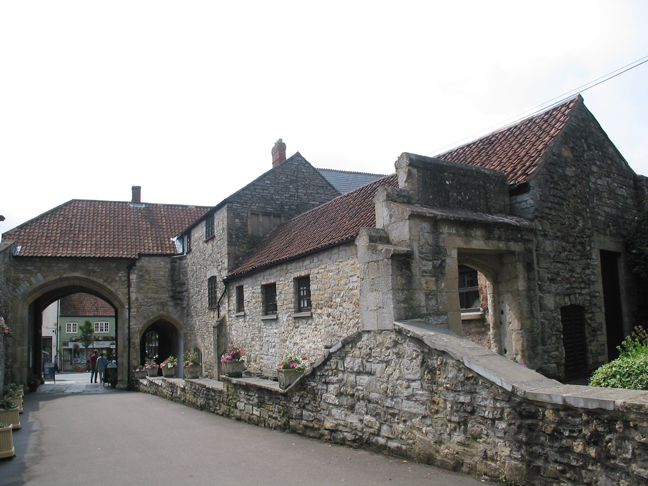
Entrada / Entrance

Corredor de entrada, ao fundo loja de souvenirs e museu./
Entrance, at its end souvenir shop and museum.

Olhando para trás, ao fundo Magdalene Street.
Looking back at Magdalene St.

Estátua de José de Arimatéia, que trouxe o catolicismo à Grã- Bretanha.
Joseph of Arimathea statue. He brought catolicism to Britain.

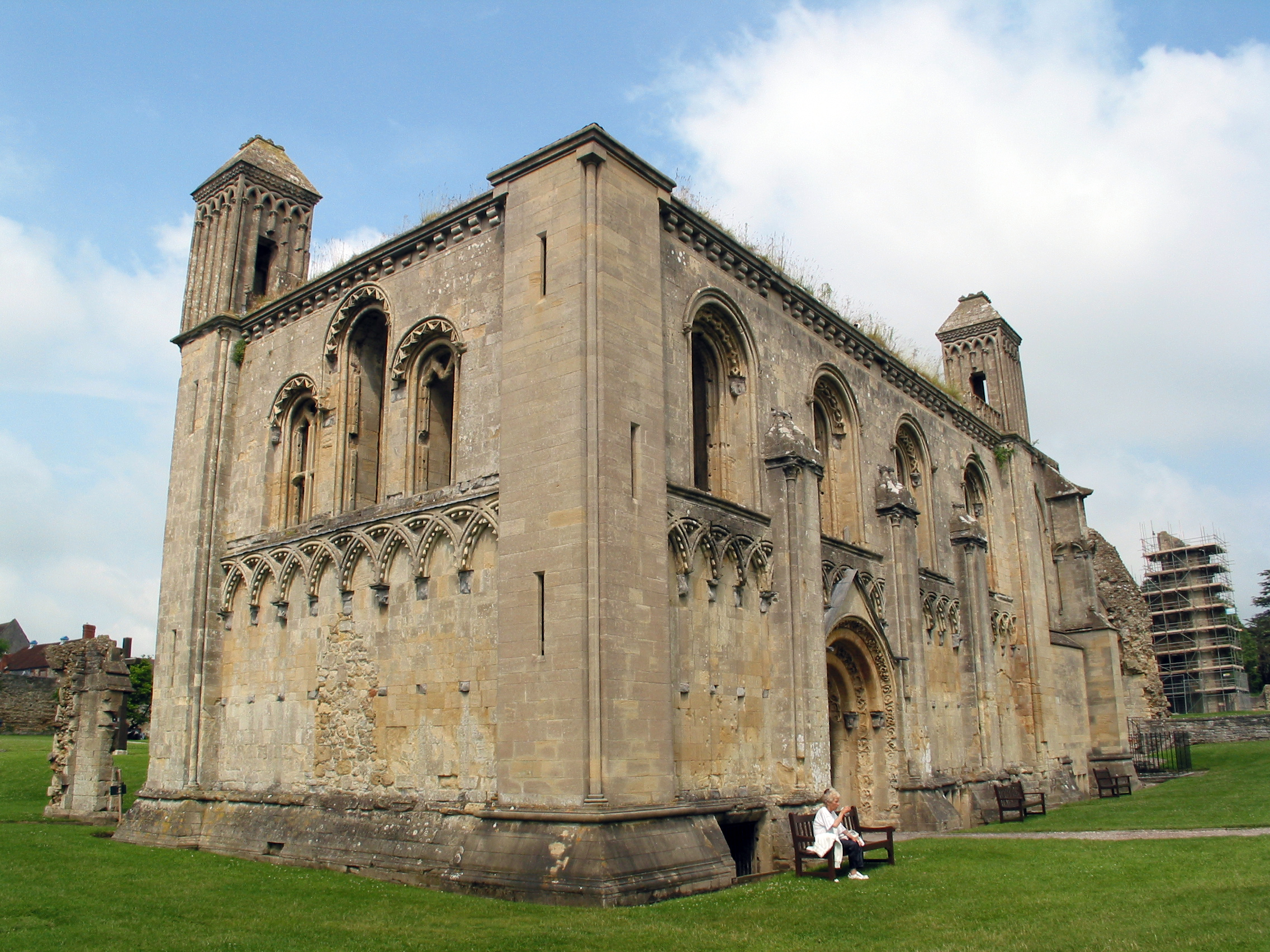
Capela da Senhora à esquerda, jardins à frente e lanchonete à direita
Lady Chapel to the left, garden ahead and coffee shop to the right

Lady Chapel

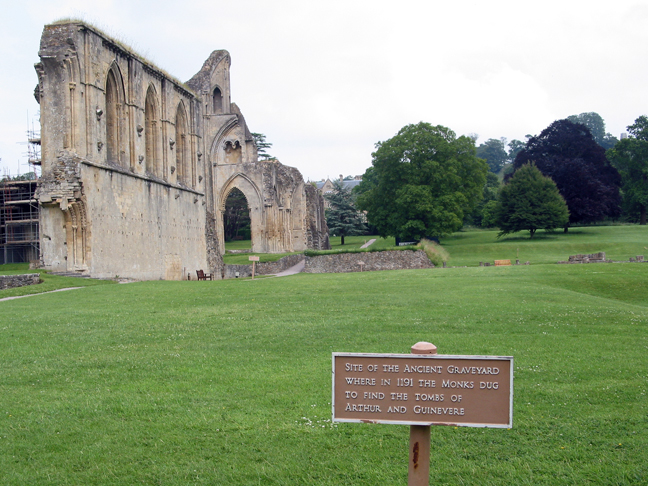
Local onde encontraram o túmulo de Arthur, ao fundo a Nave da Abadia
Site where Arthur’s grave was found; the Nave in the background

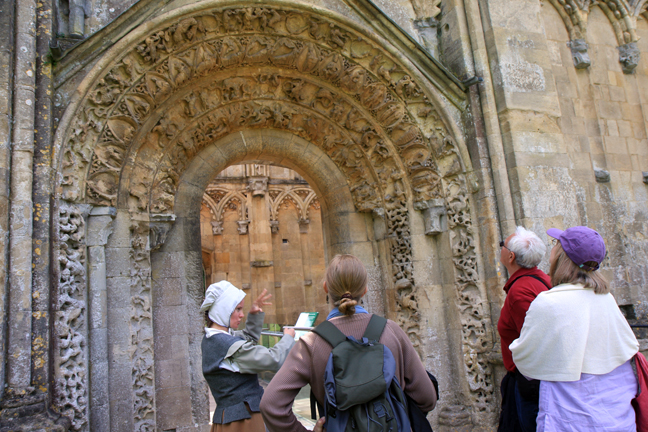
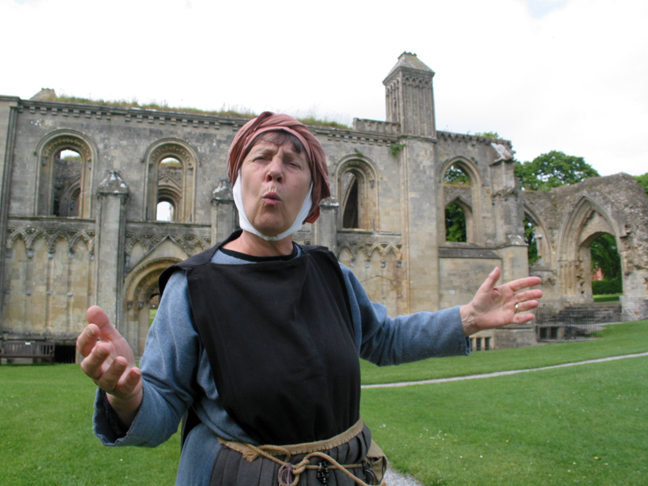
Guia em trajes de época mostrando detalhes do portal da Capela da Senhora
Guide wearing period clothes showing tourists details of Lady Chapel’s gate

Inside Lady Chapel

Saindo da Capela em direção à Nave
Walking from Lady Chapel towards the Nave

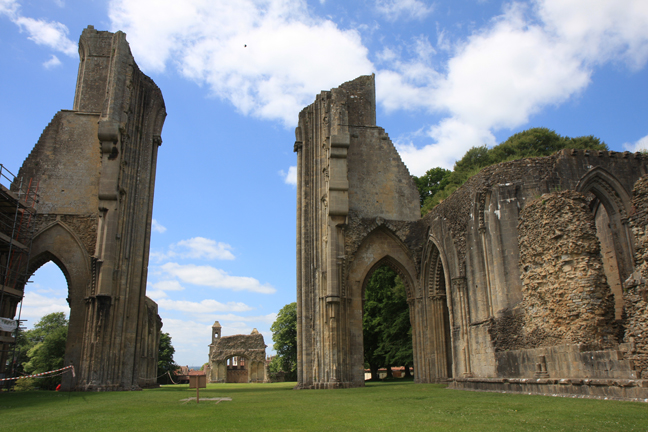
A nave restaurada; ao centro o local onde foi construído o mausoléu de Arthur em 1278
The restored Nave; in the centre the place where Arthur’s Tomb was built in 1278

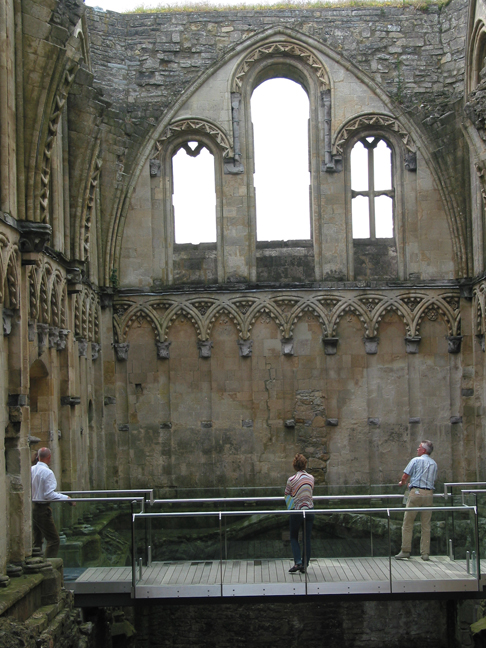
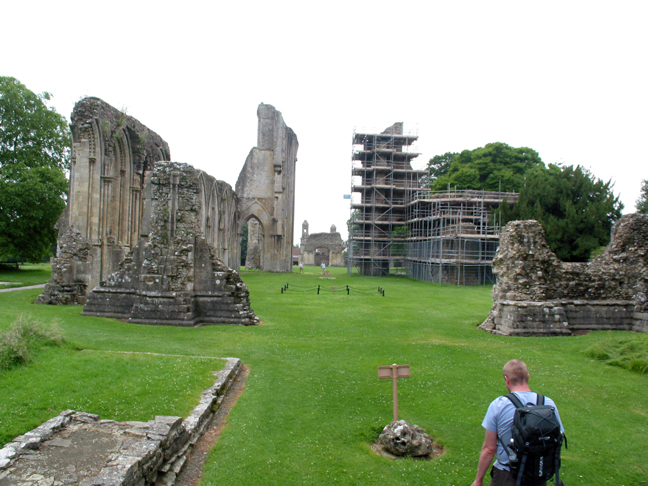
Vista da Capela do Rei Edgar, altar principal, coro e nave ainda em restauração, em 2005
Overview of Edgar Chapel, High Altar, choir and Nave still in restoration, in 2005

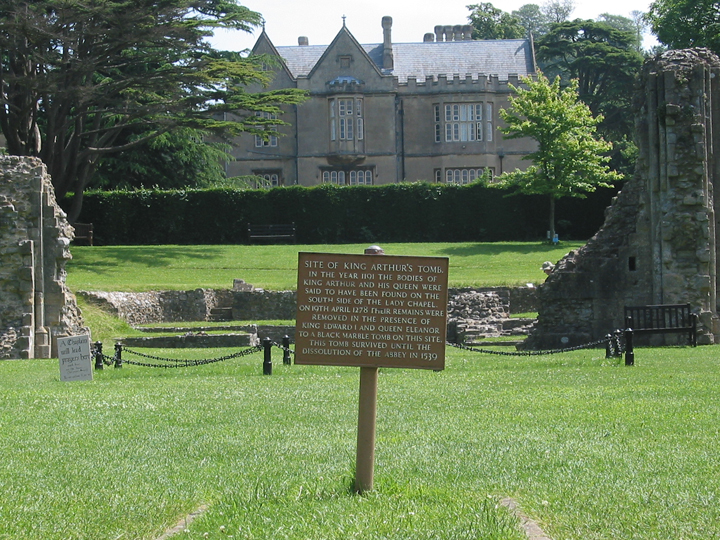
O que sobrou do túmulo de Arthur; ao fundo a Casa da Abadia, fechada a visitação
What remains of Arthur’s Tomb. In the background, the Abbey House, private.

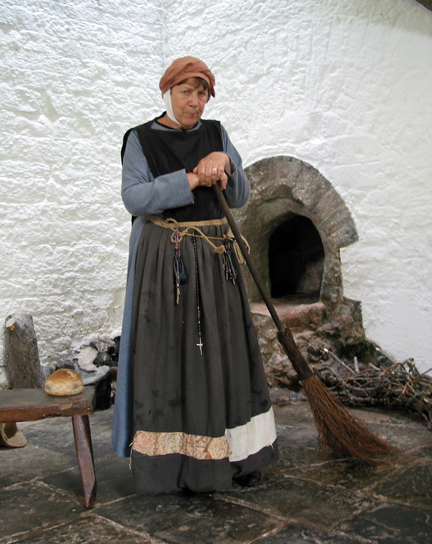
Guia vestida de cozinheira
Guide dressed as a cook

A cozinha dos monges é uma das construções históricas mais bem preservadas da Inglaterra.
The Monk’s kitchen is one of the best preserved historic sites in England.

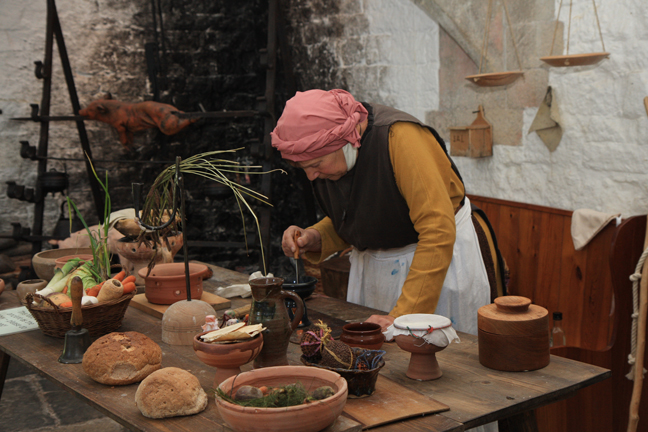
Ambientação no interior da cozinha com a cozinheira trabalhando, utensílios e alimentos de época.
Inside the kitchen, the period atmosphere is recriated with the cook working, food and vessels

Read Full Post »