Feeds:
Posts
Comentários

Posts Tagged ‘Westray’


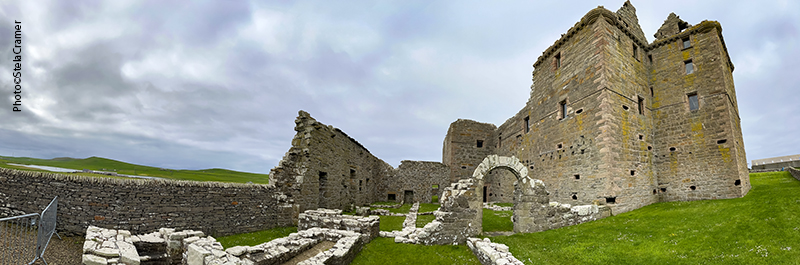
Noltland Castle
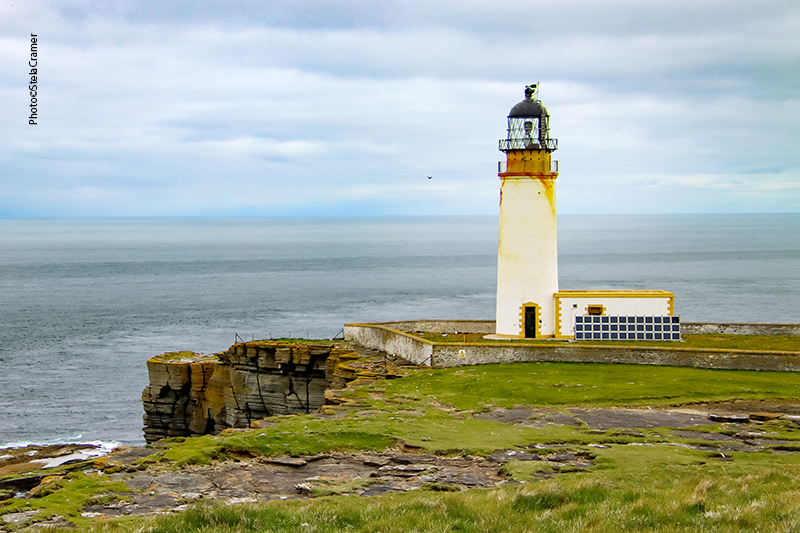
Farol de Noup Head / Noup Head Lighthouse

O motorista, que também é dono de um dos dois mercados da cidade, já tinha compromissos naquele dia e não podia fazer um tour completo para mim, mas sugeriu me levar aos lugares, me deixando por uma ou duas horas enquanto fazia outras coisas. Desta forma pude visitar o Castelo de Noltland, o farol em Noup Head e Castle O’Burrian- o habitat dos puffins – antes da forte chuva que caiu à tarde. Dei graças aos céus por não ter conseguido alugar uma bicicleta.

Depois de visitar o Castelo, avistei a van vindo me buscar no horário combinado. O motorista, ao abrir a porta, perguntou se eu tinha perdido alguma coisa… e já me entregou uma lente, que havia caído da minha mochila sem eu perceber! Me dei conta que o zíper ficara aberto, e quase imediatamente avistei na grama do chão o par de meias extra que também tinha guardado no mesmo bolso da mochila.
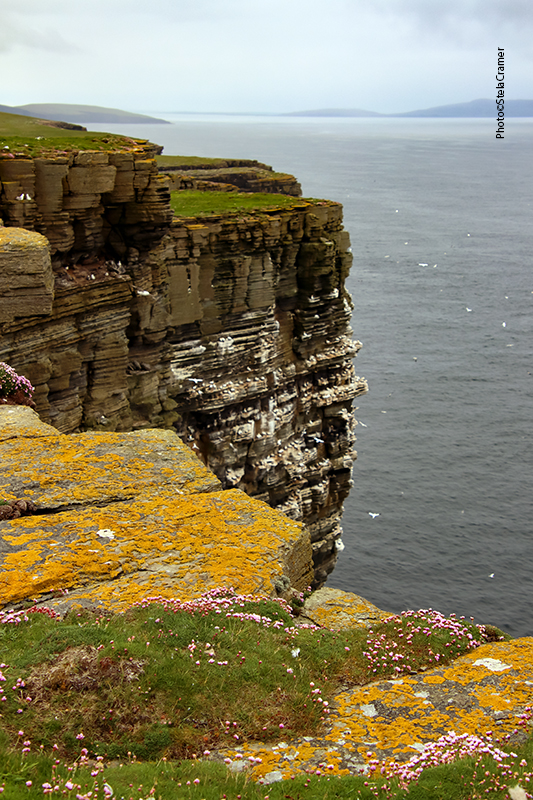
79 metros acima do nível do mar, o farol de Noup Head fica no alto de penhascos onde habitam milhares de pássaros. / 79 metres above sea level, Noup Head Lighthouse stands above cliffs that are home to thousands of birds.

The driver, who also owns one of the two local stores, could not take me to a full day tour because he already had commitments, but suggested to take me to some places of interest, leave me there and pick me up after a while, in-between his appointments. So I could visit the Noltland Castle, Noup Head Lighthouse and Castle O’Burrian, the puffins habitat, before the hard rain that fell in the afternoon. I praised the Gods for having NOT found a rental bicycle.

After visiting the Castle, when the van came to pick me up, the driver asked if I had lost anything… and handed me one of my lens, that had fallen from my backpack without me noticing it! I realized that the zipper was open, and almost immediately saw, lying on the grass of the parking lot, the extra pair of socks that I had put in the same pocket.
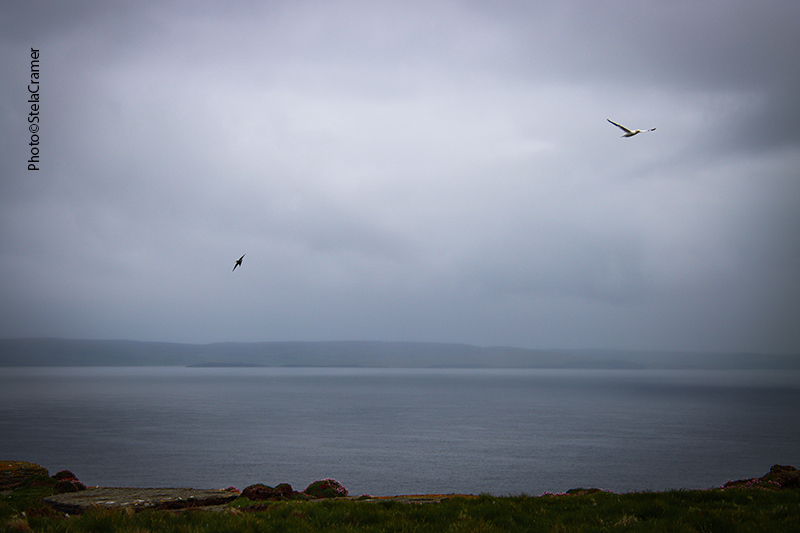
Mainland vista do alto dos penhascos de Noup Head, antes da chuva / Mainland view from Noup Head cliffs, before the rain

O que não percebi foi que tinha posto, por pressa ou por engano, meu cartão de crédito no mesmo bolso. Como tinha pago quase todas as despesas online, não precisei do cartão até o dia seguinte, quando desembarquei do ferry em Kirkwall, e percebi que não estava em parte alguma. Tirei tudo da mala e da mochila, e nada. Já ia contactar o banco para fazer o cancelamento, quando recebi uma mensagem do motorista em Westray. Um casal de turistas tinha encontrado o cartão no estacionamento do castelo, e deixado com a atendente no mercado dele! Nem acreditei. E o melhor, eu nem precisaria voltar a Westray para buscar, pois no dia seguinte um funcionário ia com o caminhão para buscar produtos em Kirkwall. Ficou combinado que eu o encontraria na chegada do primeiro ferry. Mandei uma foto e minha descrição para a pessoa me reconhecer e fui tomar uma pint para comemorar. Aliás tomei uma taça de champagne.

Se tivesse que voltar a Westray, perderia mais da metade do dia seguinte no ferry, entre ida e volta. Ia arruinar meu cronograma, pois tinha reserva de duas noites em Rousay, outra das ilhas Orkney, conhecida como o “Egito escocês” devido à quantidade de sítios arqueológicos. O ferry para Rousay saía de outro porto, Tingwall, e embora os horários dos ônibus fossem coordenados com a chegada e saída dos barcos, eu só chegaria lá no fim da tarde. Felizmente, às 10 da manhã do dia seguinte, quando o ferry atracou vindo de Westray, logo vi o caminhão do mercado encostando numa vaga e um escocês bonitão vindo ao meu encontro. Nos identificamos, e ele, sorrindo, me entregou um envelope, no qual alguém escrevera meu nome e descrição: cabelos castanhos, óculos, com uma mala, uma mochila e uma câmera pendurada. Na verdade acho que estava rindo da minha cara. Quem poderia ser tão pateta para perder o cartão de crédito no meio de uma viagem?!? De toda forma, agradeci a ele e a todos os demais envolvidos e me despedi com dois beijinhos. Dentro do envelope estava meu cartão, intacto.
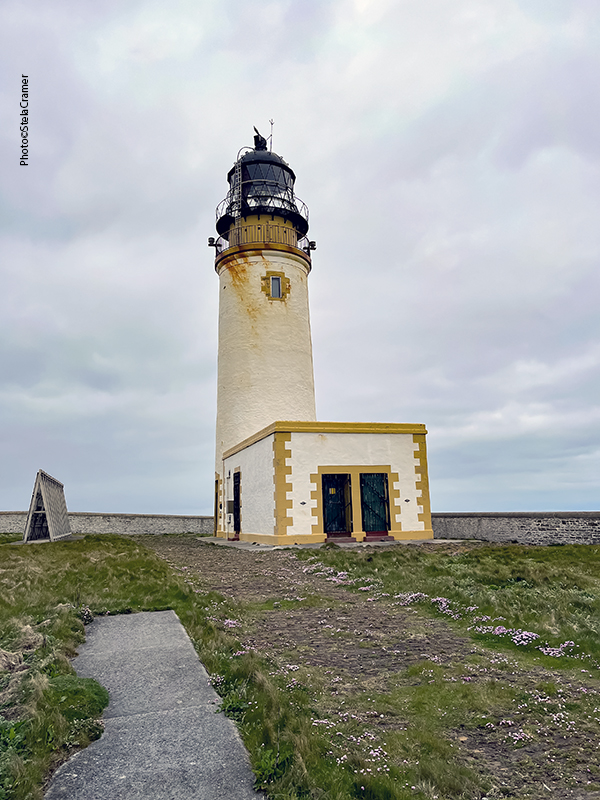
Construído em 1898, o farol foi o primeiro na Escócia equipado com uma lente flutuante sobre mercúrio líquido, para melhor estabilidade. Foi automatizado em 1964 e convertido para energia eólica e solar em 2000 / Built in 1898, this was the first Scottish lighthouse to have a lens carried on a mercury float for better stability. It became automatic in 1964 and was converted to wind and solar power in 2000.

What I didn’t remember was that, for some reason, I had put my Credicard in that same pocket instead of keeping it in my wallet as usual. As most expenses had been paid online, I didn’t think about it until the next day, after getting off the ferry in Kirkwall. I searched thoroughly all my luggage. The card was nowhere to be seen. I was going to contact the bank to cancel it when a message came through. It was my guide Jonathan. A couple of tourists had found my card in the parking lot and returned it to the clerk in the driver’s store. I couldn’t believe my ears. People knew I had made the Papay tour with Jonathan, therefore he had my contact.
The best was that I would not need to go back to Westray to retrieve my card. The next day, 7th June, was a Wednesday, the store truck was going to Kirkwall for supplies. I should just meet the driver at the ferry station, which was right across the street. So I sent him my picture and description, and went for a celebration pint. Actually, I ordered a glass of Champagne.

If I had to go back to Westray I’d practically lose the next day, taking the ferry there and back. That would ruin my plans. I had a booking for next two nights in Rousay, another of the Orkney Islands, called “the Scottish Egypt” for its archaeological sites. The ferry to Rousay left from another harbour, Tingwall, and although the bus timetables were coordinated with the vessels, I’d only get there late in the afternoon.
Fortunately, next day at 10 a.m. I saw the ferry docking and, among the disembarking vehicles, the store truck. It parked and out of it came a handsome Scotsman walking towards me. He had my description ( brunette, prescription glasses, with a suitcase, a backpack and a camera) written in an envelope, which he gave me with a smile. I believe he was actually laughing at me. Who could be so stupid as to lose the credit card in a trip? Anyway, I was so thankful! Returning the smile, I expressed my everlasting gratitude and kissed him goodbye. Inside the envelope was my credit card, safe and sound.

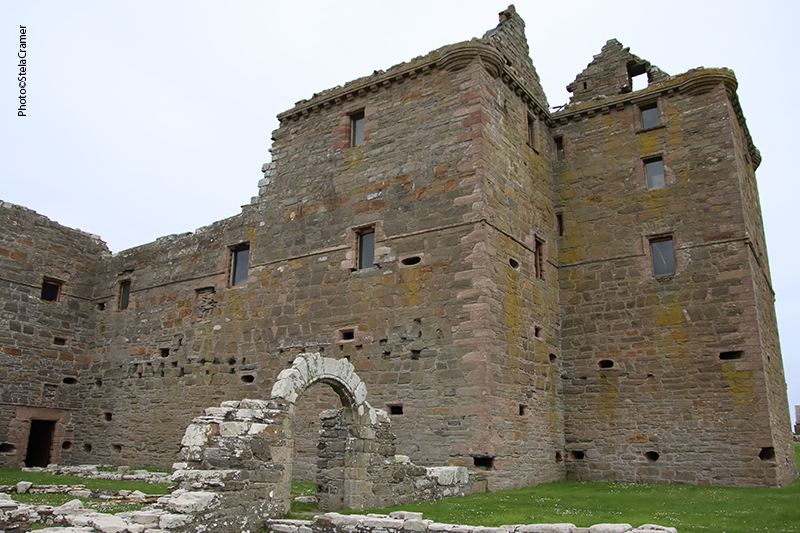
A construção do Castelo de Noltland data do sec. 16, mas jamais foi totalmente completada. O que se vê hoje é o resultado do trabalho em diferentes etapas e momentos distintos./
The castle dates mainly to the later 16th century, although it was never fully completed. what is on view today was the work of different hands at different times.
O Castelo impressiona por sua incomum arquitetura para defesa, tendo as paredes mais de 2 m de espessura. Construído no alto de uma colina, com visão total da Baía de Pierowall, qualquer pessoa ou grupo se aproximando do castelo seria avistado imediatamente. 71 seteiras possibilitavam atirar nos inimigos de todos os ângulos. Os andares de baixo não possuem janelas por onde invasores pudessem entrar. /
The Castle is notable for its defensive architecture, unusual for the period, with 7 ft thick walls.
Built on a slope overlooking Pierowall Bay, anyone approaching the castle, from any direction, would be spotted easily. 71 gunloops provided the opportunity to shoot at enemies from any angle. The lower floors, hav no accessible windows that could be exploited in an assault.
Gilbert Balfour, que construiu o Castelo, não era uma boa pessoa. Estava sempre envolvido em tretas políticas. inclusive na conspiração para assassinato do segundo marido de Mary, a rainha da Escócia… embora trabalhasse para ela! Balfour acabou executado por traição, em 1576, na Suécia. /
Gilbert Balfour, who built the castle, was not a good person. Master of the Royal Household to Mary, Queen of Scots, and was involved in the plot to kill her second husband. Balfour ended up executed for treason in Sweden in 1576.
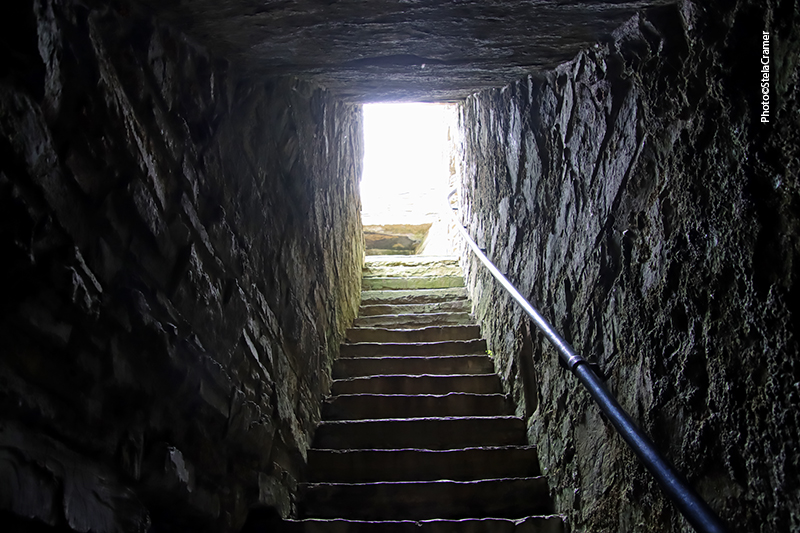
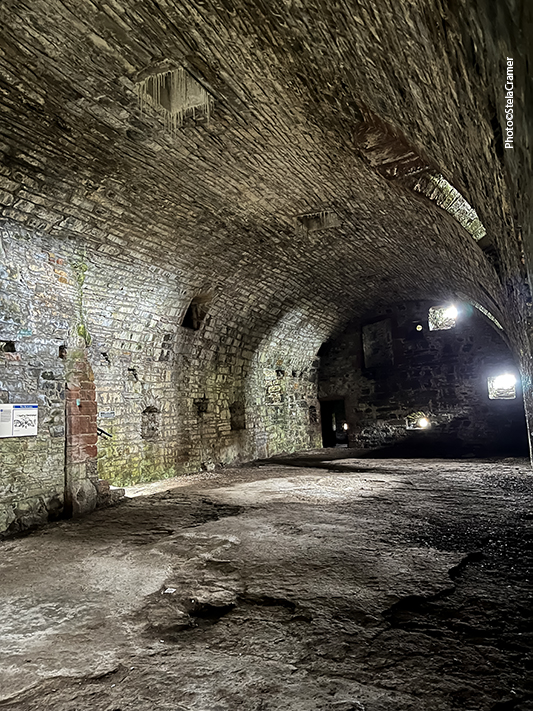
As sinistras escadarias / Sinister stairways
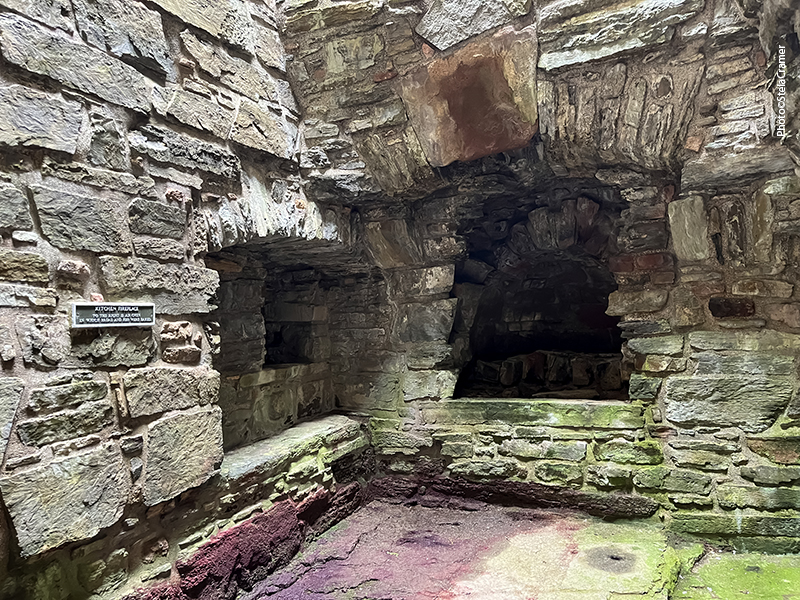
Cozinha / Kitchen
Antigo moinho no início da trilha para Castle O’ Burrian /
Old mill at the entrance to Castle O’ Burrian footpath

Read Full Post »


Pierowall, a cidade mais importante de Westray / Pierowall, Westray’s main village
O hotel onde fiquei, no centro de Pierowall. Ao fundo, à esquerda, o Centro Histórico. / My hotel in downtown Pierowall. Heritage Center in the background, left.

O Hotel Pierowall pertence a uma senhora que o gerencia com as filhas, todas muito simpáticas. Há outras opções de hospedagem, mas basicamente casas para alugar, mais distantes do centro. Viajando sozinha, fazia mais sentido ficar perto de transporte, com café da manhã e restaurante para jantar. Aliás, a comida era excelente! O restaurante estava sempre movimentado, com turistas e locais. Encontrei o hotel, assim como contato dos guias, no site Orkney.com .

Pierowall Hotel is a family business; the lady who runs it and her daughters are just lovely. There are other lodging options, but mostly self-catering and houses for rent, further away. As a solo traveller, it was convenient to stay near all transport, with breakfast included, and restaurant on site for dinner. By the way, excellent food. Place was busy on daily basis with visitors and locals. I found the hotel and guide’s contact in the Orkney.com website.

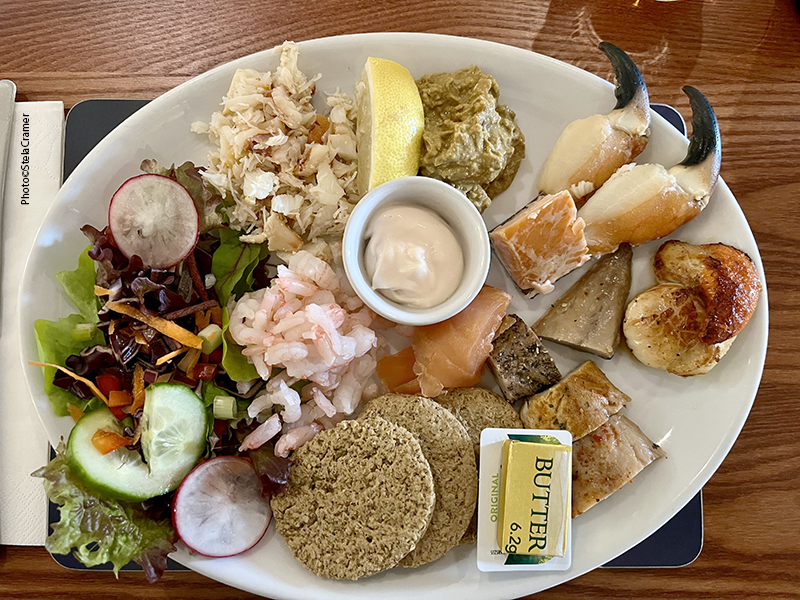
O delicioso prato de frutos do mar consiste em camarão, caranguejo, lagosta,salmão, haddock e vieiras, tudo fresquinho, pescado no local. / Yummy Seafood plate with fresh local shrimp, crab, lobster, salmon, haddock and scallops.
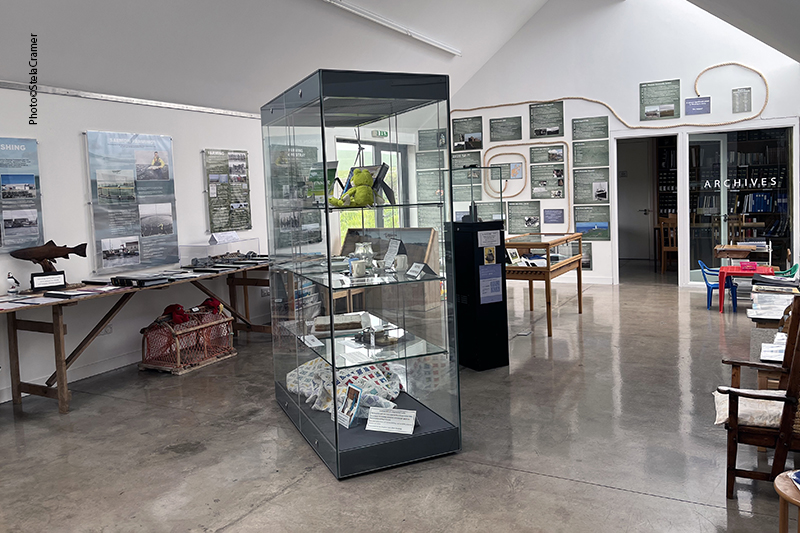
Centro histórico / Heritage Center
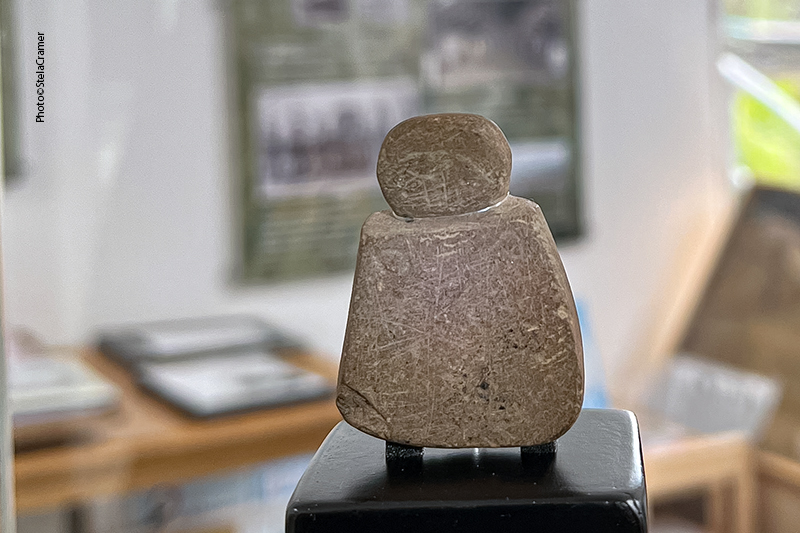
“Westray Wife”, em exibição no Centro histórico / on display at the Heritage Centre

Uma pequena estatueta entalhada em arenito foi encontrada numa escavação em Westray (Links of Noltland) em 2009 e logo batizada “Vênus de Orkney”, ou “Mulher de Orkney”. É a mais antiga representação da figura humana encontrada na Escócia. A escavação abre durante a temporada, fiquei triste por ainda estar fechada, mas nessas situações penso sempre que é um bom motivo para voltar lá um dia. Retornar é sempre mais fácil do que ir pela primeira vez. Enquanto isso, aqui fica um link para visualização em 3D.

A tiny carved sandstone figurine was found at the Links of Noltand excavation in 2009 and immediately named ‘the Orkney Venus’ (known locally as ‘the Westray Wife’). It’s the earliest representation of a human found in Scotland. The Links of Noltand excavation is open seasonally; I was frustrated because it wasn’t open yet. But that’s a good reason to go back there one day. Returning is always easier than going for the first time. Meanwhile, the link above provides a 3D view of the site.

Também em exibição no Centro histórico está a “Pedra de Westray” – uma pedra entalhada encontrada numa câmara mortuária Neolítica cujo motivo é semelhante ao tipo encontrado no Vale Boyne, na Irlanda, que visitaremos mais adiante/ The Heritage Centre also exhibits The ‘Westray Stone’ – a neolithic carved stone from a chambered tomb which closely resembles the art style of the Boyne Valley in Ireland, which we’ll visit soon.
Acervo de objetos marítimos no Centro Histórico / Maritime collection in display at the Heritage Center
Lindo quilt em exibição / A gorgeous quilt in exhibit
Ossada de baleia no jardim do museu / Whale skeleton in the Center’s garden
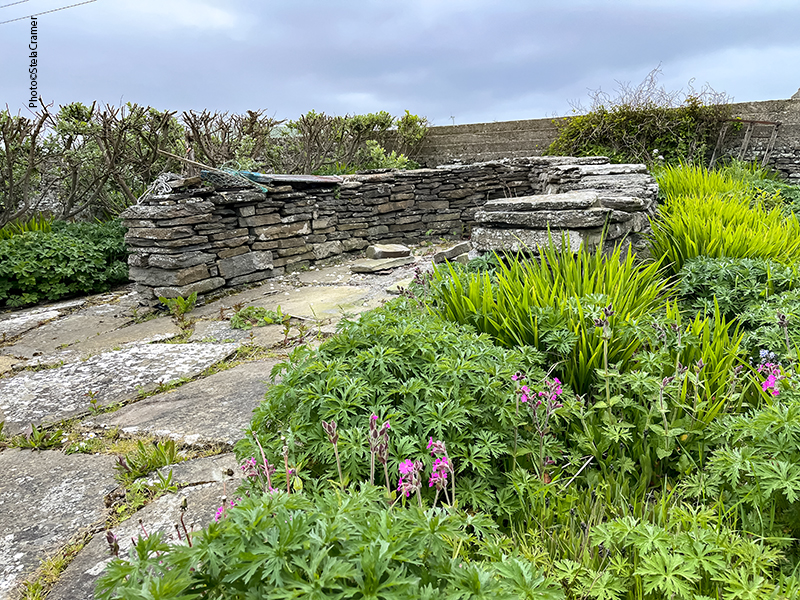
Tangle dykes

“Tangle dykes” eram estruturas de pedra onde eram armazenadas longas algas (tangle), parecidas com corda, que eram coletadas na praia e ficavam ali secando durante o inverno, e no verão despachadas por navio para processamento. Faziam espessantes e estabilizantes utilizados na fabricação das coisas mais variadas, desde sorvete até massa para modelagem de dentes. A atividade se encerrou em 1998; nesta época as pessoas que coletavam as algas recebiam 176 libras por tonelada de alga seca, equivalente a 4 toneladas da alga original.

Tangle dykes were stone structures where locals used to gather long rope-like seaweed over the winter and dried them on the dykes before being shipped away for processing into thickeners and stabilizers in items as diverse as ice cream and modelling material for teeth impressions. By the time the tangle industry ceased in 1998,the tangle gatherers were paid 176 pounds per dry tonne, equivalent to 4 tonnes of wet tangle.

“Boat Noust”, also in the Center’s garden / também no jardim do Centro Histórico

Boat Noust é um abrigo para barcos, a fim de protegê-los da maré alta e das tempestades, construídos de pedra num corte em forma de ferradura. A quantidade de nousts em Westray mostra que em 1870 haviam 254 barcos na ilha. Noust é uma palavra de origem nórdica, como muitas outras, assim como nomes de pessoas e lugares. As Ilhas Orkney pertenciam à Noruega. Em 1468, as ilhas foram cedidas ao rei James III da Escócia, como garantia de pagamento do dote da sua noiva, Margaret da Dinamarca, filha do rei Christian I da Noruega. Passou o tempo e o dote nunca foi pago, assim o arquipélago foi definitivamente absorvido pelo Reino da Escócia em 1472. Atualmente – disse-me um dos guias com quem conversei – existe uma facção popular (mais forte nas Ilhas Shetland) pedindo sua reintegração à Noruega.

Boat Noust is a hull shaped opening cut into the bank, to shelter a boat and keep it safe from storms and high tides. The number of nousts in Westray indicates that in 1870 there were 254 boats on the island. Noust is a nordic word, as many others, including names of people and places. The Orkney Islands were once part of Norway. In 1468, the islands were pledged by Christian I, King of Norway, as security against the payment of the dowry of his daughter Margaret of Denmark, betrothed to James III of Scotland. Time went by and the dowry was never paid, so Orkney was absorbed by the Kingdom of Scotland in 1472. Nowadays, according to one of the tour guides I’ve met, there is a group (stronger in the Shetlands) claiming reinstatement to Norway.

Gill Pier, Pierowall, Westray
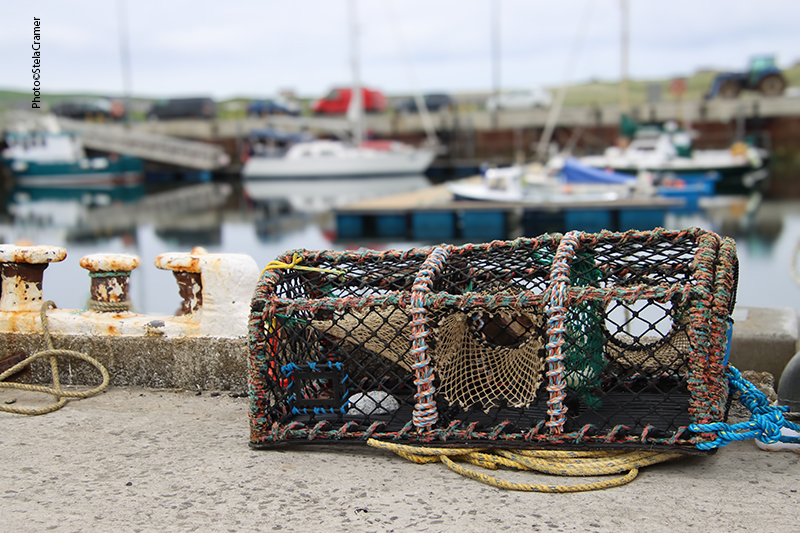
Armadilha para caranguejo / Crab trap
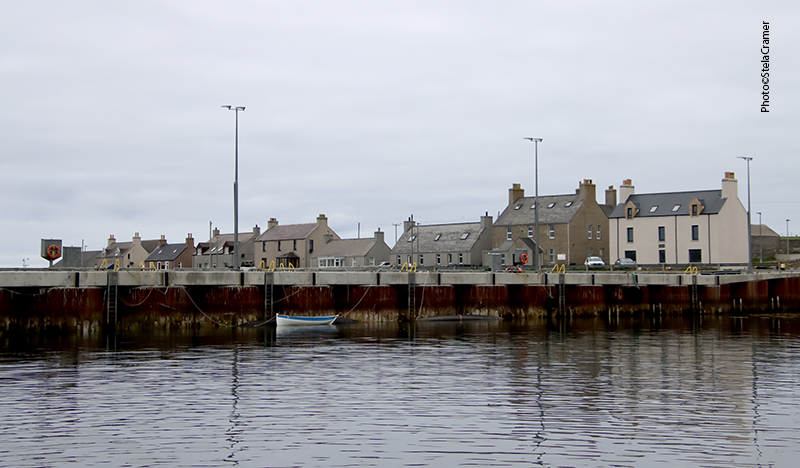
Vistas da B9066, rua principal, na orla de Pierowall / Pictures taken along B9066, Pierowall’s shoreline main street.
Lady Kirk Pierowall’s Church and Cemetery

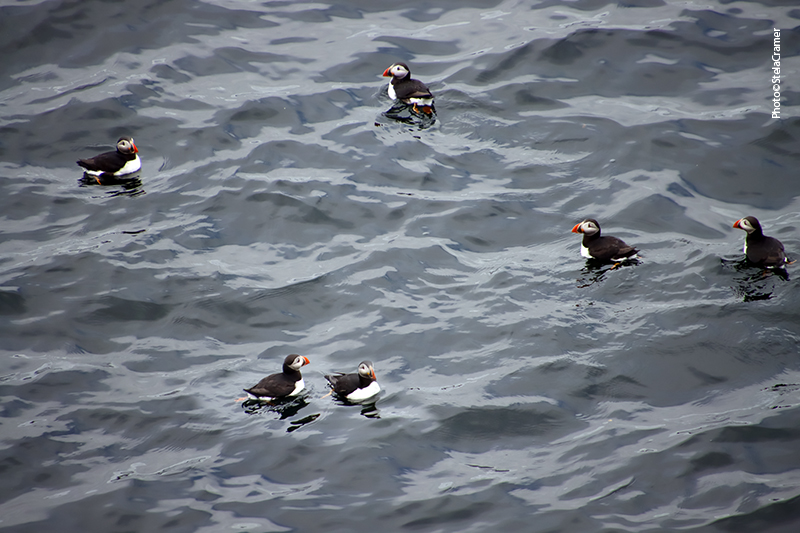
Westray possui cerca de 600 habitantes, e milhares de aves marinhas. Há muito mais aves do que gente. Aqui o santuário dos puffins, que consegui por fim avistar e fotografar.

Westray’s resident population is around 600 people, and thousands of seabirds. There are way more birds than people. Here is the puffins’ sanctuary, where I was able to, at last, watch and depict them.

Castle O’Burrian
Puffins!!!
” Hello, Stela!!!”

Read Full Post »


Pegamos o barco para Holm of Papa Westray (também chamada de Papay Holm), uma ilhota na costa leste, atravessando a baía de South Wick, conhecida por ter três câmaras mortuárias Neolíticas, das quais a maior (ao Sul) é impressionante, com uma longa passagem de entrada e diversas pequenas câmaras acessíveis pela área central.

Jonathan preparando o barco para a travessia. Longe ao fundo, a Câmara ao Norte / Jonathan preparing the boat for the crossing; the North Cairn far in the background

A short boat trip across South Wick took us to the Holm of Papa Westray, an islet off the eastern shore notable for its three Neolithic Chambered Cairns, the largest of which (South Cairn) is the most impressive, with a very long entrance passage and numerous burial chambers off a central area.

North Cairn
Contornamos a ilha para ver os penhascos do outro lado, formações impressionantes, ricas em vida selvagem / We went around the islet to see the impressive geos, abundant with wildlife
Segundo Jonathan, aqui aportavam os barcos Vikings/ Viking boats moored here, according to Jonathan

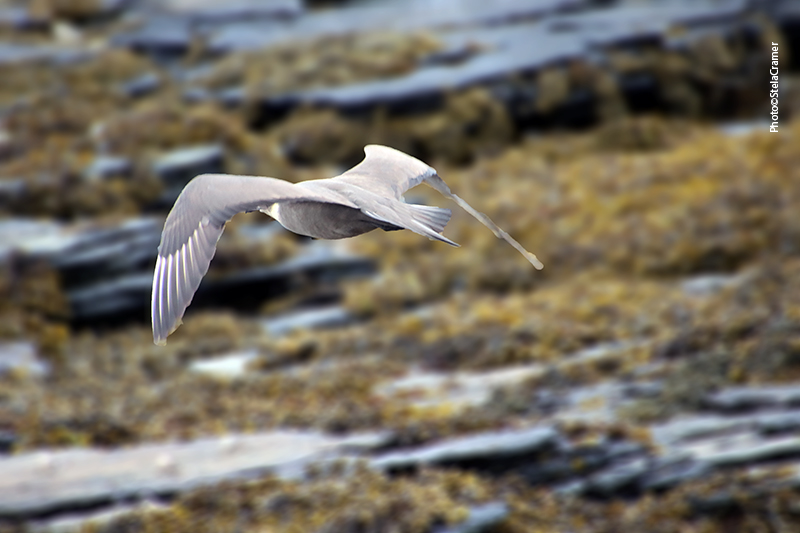
Cerca de 150 espécies de pássaros podem ser avistados na ilha, que é Área de Interesse Científico Específico, além de Área de Proteção Especial, para a reprodução de aves como a Arctic Skua (nas fotos).

Around 150 species of bird have been seen around the island, which is a Site of Special Scientific Interest, and a Special Protection Area as an important breeding site for birds as the Arctic Skua (in the photos).

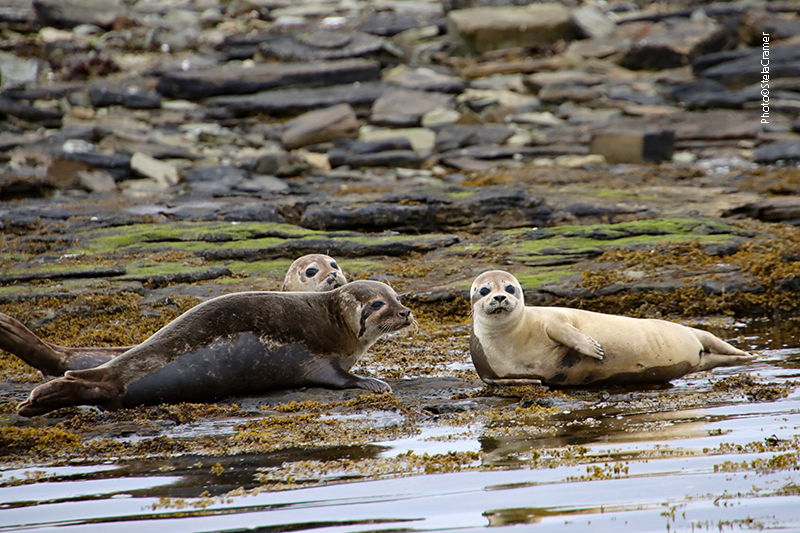
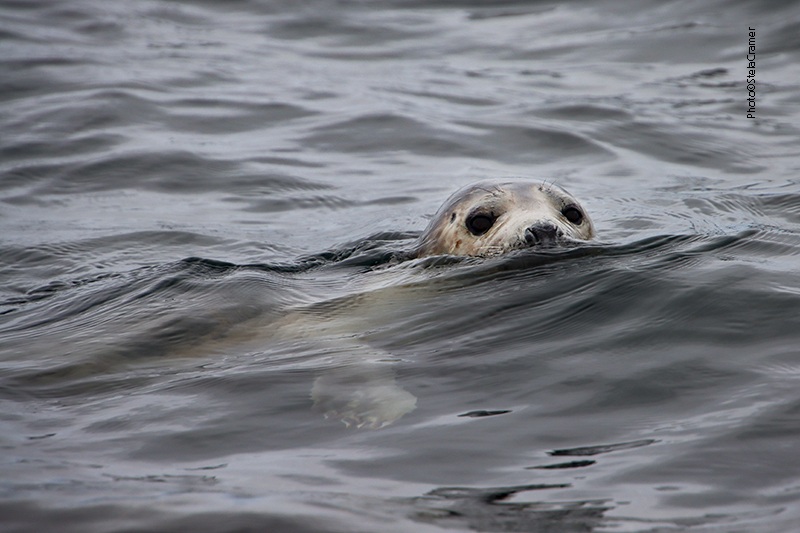
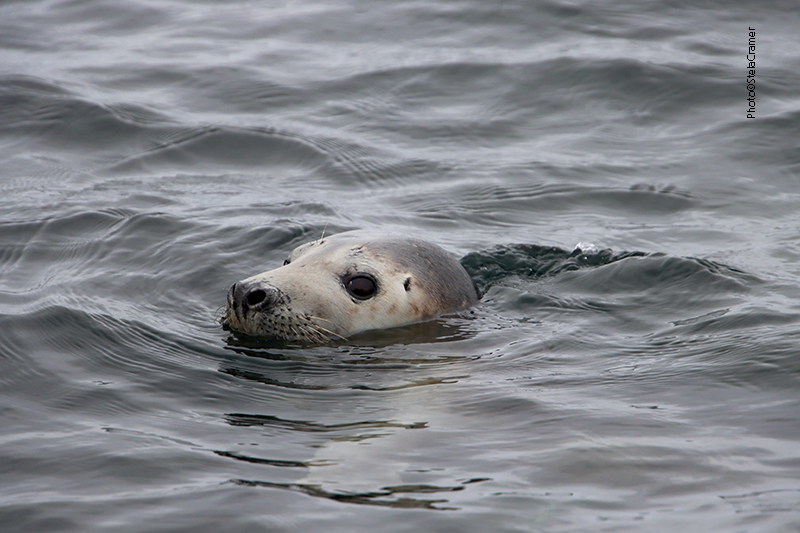
Simpáticas focas e outros bichos vieram nos receber / Lovely seals and other assorted creatures showed up to welcome us

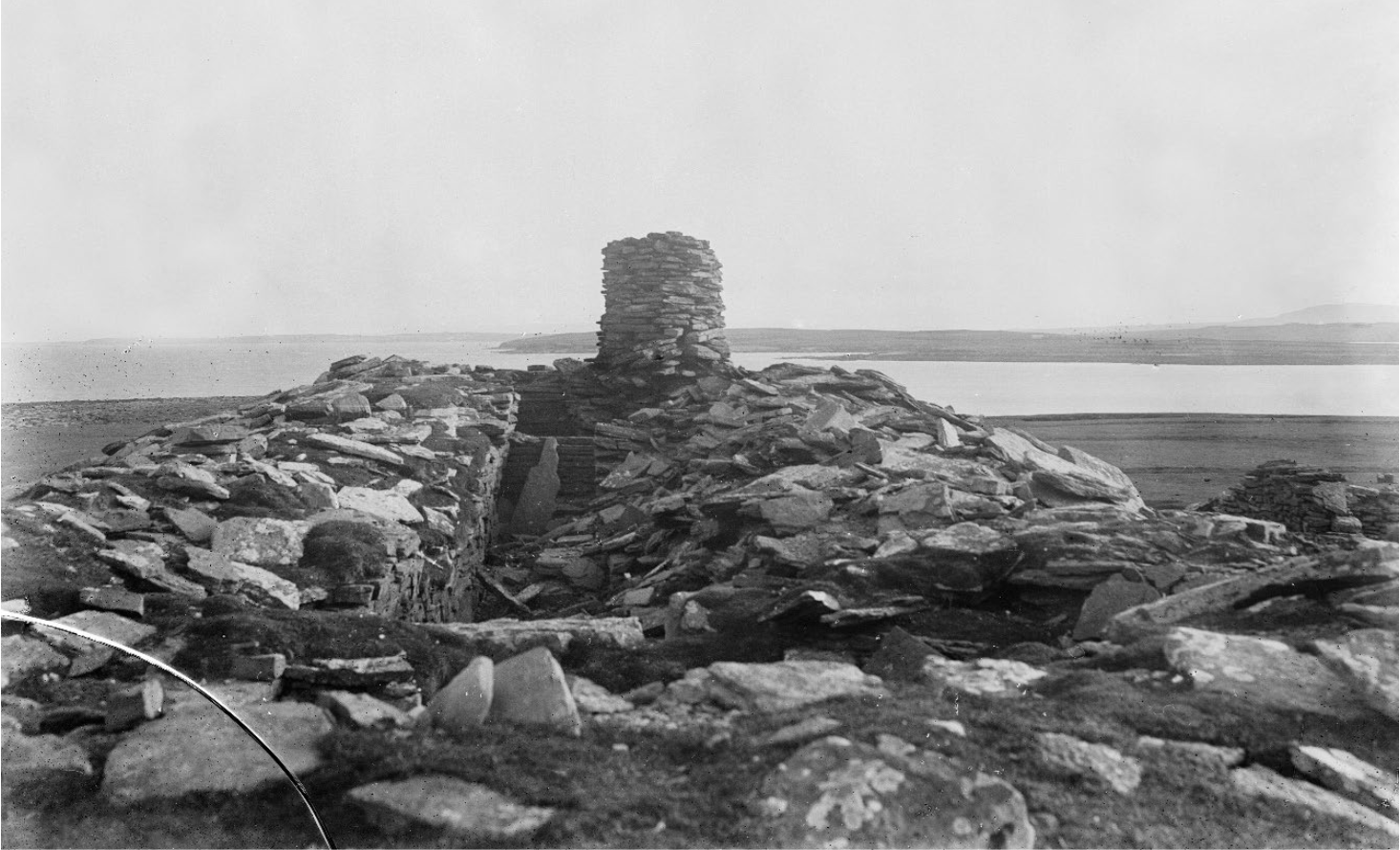
Após cinco minutos de caminhada chegamos à Câmara Mortuária ao Sul, um monumento de 5.000 anos. Consiste numa câmara principal retangular, com subdivisões, da qual saem outras doze pequenas câmaras. Foi escavado em 1849, mas depois disso ficou exposto aos elementos e estava se deteriorando, até que em 1930 passou a ser protegido pelo Estado. Construíram uma cobertura de concreto com turfa por cima para preservar a estrutura.

A five-minutes walk took us to The Holm of Papa Westray South Chambered Cairn, a 5.000 years old monument comprising a large subdivided rectangular chamber, from which twelve small cells open out. It’ been excavated in 1849, but after that, left open to elements, the site deteriorated badly until it was taken into State Guardianship in 1930, roofed in concrete and turfed over to preserve it.

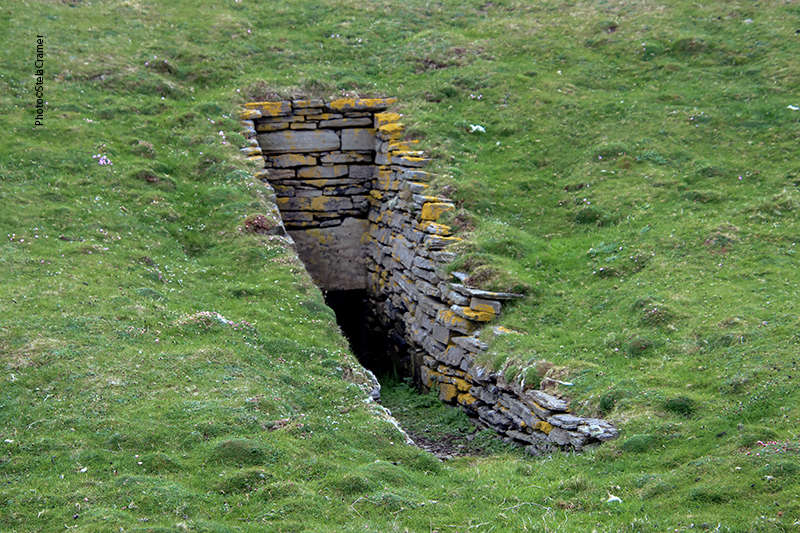
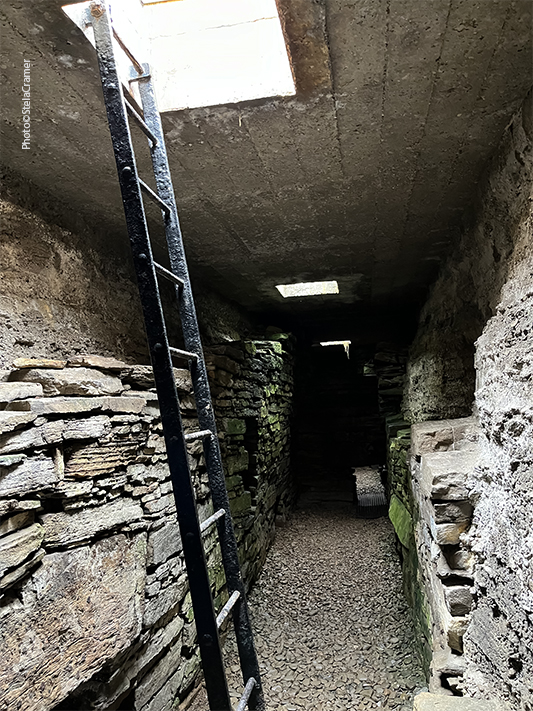
Atualmente o visitante desce por uma das escotilhas na cobertura, que tem uma escada, mas a entrada original construída no Neolítico era por uma longa e estreita passagem. Este acesso agora está bloqueado por uma grade.

Today, visitors descend into the chamber through a hatch in the cairn’s reconstructed roof and down a vertical ladder, but in Neolithic times entry was through a long, low and narrow passage, now blocked by a grill.

Entrada original do monumento / Original entrance
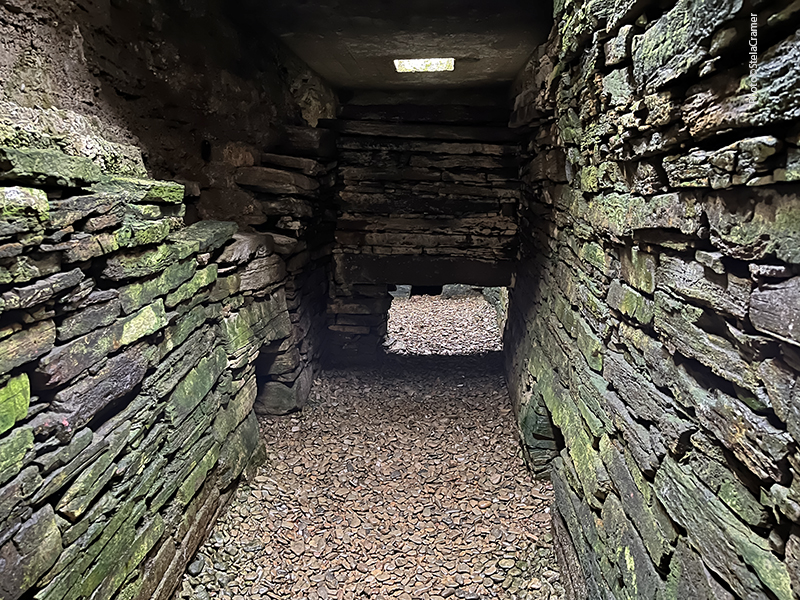
Câmara central, ao fundo a parede transversal noroeste /
Main chamber, north-west transverse wall in the background

A câmara principal se divide em três, sendo a parte central com 13.5m de comprimento. De cada lado, uma estreita passagem aberta numa parede transversal dá acesso a uma câmara menor. O compartimento a noroeste (foto acima) mede 2,2m, enquanto a sudoeste (foto abaixo) temos um espaço maior, com 3,4m.

Câmara central, ao fundo a parede transversal sudoeste /
Main chamber, south-west transverse wall in the background

The main chamber is divided into three parts, with the largest, central part measuring 13.5m in length. At either end are smaller spaces entered by small openings in the transverse walls. At the north-east end this compartment is 2.2m long, at the south-west end (photo above) it is 3.4m.

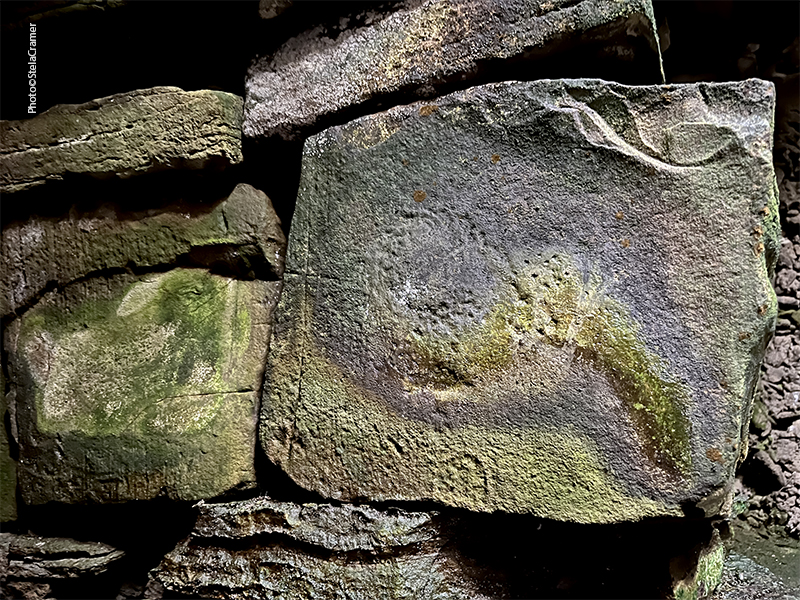
Os desenhos encontrados neste monumento são da maior importância. Na câmara menor a sudoeste, temos um lintel decorado com o motivo que pesquisadores chamam de “sobrancelhas” (um par de círculos sob dois arcos).

The artwork found in this cairn are extremely important. In the south-west end cell, a decorated lintel bears two pecked ‘eyebrow’ motifs (a pair of cup-marks under double arcs).

Motivos entalhados em zigzag / Zigzag incised motifs

É muito raro encontrar tais exemplos de arte em seu lugar original. Os desenhos aqui são variados e encontram paralelo em artefatos de outros sítios, como Skara Brae, Links of Noltland e Ness of Brodgar. Entretanto, Papay Holm ao Sul é o único monumento funerário Neolítico em Orkney onde ambos os motivos (furados e entalhados) foram encontrados juntos.

It is very rare for such artwork to survive in its original setting. The designs here are varied and can be paralleled at artifacts from other sites such as Skara Brae, Links of Noltland and the Ness of Brodgar. However, Papay Holm South is the only Orcadian Neolithic funerary site in which both pecked and incised decoration have been identified.

Passagem na parede transversal noroeste / Passage in north-west transverse wall

Não há provas quanto à finalidade do monumento; entretanto, comparando com outros sítios semelhantes em Orkney, se acredita que foi construído para abrigar os restos mortais de uma comunidade.

No evidence for the uses of the cairn survives, however it is assumed, on comparison with other similar sites in Orkney, that it was constructed with the intention of holding the mortal remains of a community.

Câmara menor a noroeste / North-west smaller chamber

A Câmara Mortuária de Papay Holm ao Sul é um exemplo bem preservado da chamada “Câmara tipo Maeshowe”: uma câmara retangular com entrada por uma longa passagem pela lateral, com acesso a cubículos menores, decoração em muitas pedras e uso de blocos muito grandes na construção, posicionados cuidadosamente em determinados pontos, usando inclusive pedrinhas de fixação para ajustar com precisão o alinhamento e orientação. Tais monumentos mostram a habilidade dos construtores Neolíticos, tanto no planejamento como na construção em si. Veremos Maeshowe na sequência.

Detalhe de pedra bem maior, precisamente utilizada na construção / Detail: a much larger stone skillfully placed in the building

Holm of Papa Westray South chambered cairn is a well-preserved example of a “Maeshowe-type of Cairn”: a rectangular chamber entered at the side via a long passage, with cells leading off the chamber, several decorated stones and many very large blocks of stone used in the construction, carefully placed in certain locations, often using small pinning stones to precisely adjust their alignment and orientation. These monuments displays the skill of the Neolithic builders in both planning and construction. We’ll visit Maeshowe next.

O nível do mar elevou-se desde que Papay Holm foi construído, formando a quantidade de pequenas ilhas que hoje formam o arquipélago Orkney. Durante o período Neolítico, entretanto, seria composto de menos e maiores extensões de terra. É provável que Papay Holm, Papa Westray e Westray fossem uma coisa só.

Sea levels have risen since the cairn was constructed, giving rise to the large number of small islands which today form the Orkney archipelago. During the Neolithic period, however, Orkney would have comprised of fewer, larger landmasses. It is likely that the Holm of Papa Westray formed part of a larger landmass which also took in what today are the islands of Papa Westray and Westray.

Foto tirada em 1930, aproximadamente, antes da construção do teto de proteção em concreto / Photo taken around 1930, before building the protective concrete roof

As focas vieram se despedir quando embarcamos para retornar a Papa Westray. Uma delas nos acompanhou por um bom tempo!

The seals came to say goodbye when we boarded the boat back to Papa Westray. One kept us company for a long time!

Read Full Post »