Feeds:
Posts
Comentários

Posts Tagged ‘Scotland’


O tempo estava fechado quando o trem saiu./ Weather was awful when the train left the station.

O tempo estava fechado quando o trem saiu. / Weather was awful when the train left the station.

O ônibus para Glasgow saía às 22h. Passaria a noite sem conseguir dormir naquela cadeira apertada, mas economizaria um pernoite. O ônibus fedia e parou umas vinte vezes no meio do nada sem qualquer razão aparente. Ninguém entrou ou saiu naquelas paradas: parecia apenas que não queriam que os infelizes passageiros dormissem. Cheguei a Glasgow por volta das sete da manhã e caminhei cinco minutos da estação rodoviária até a ferroviária. Aliás, há duas estações, a Central e a Queen Station, da última saía meu trem para Oban dali a uma hora mais ou menos. Tive tempo para comer uma baguete no Upper Crust, uma das franquias que existe em todas as estações principais, sanduíches enormes e gostosos que super recomendo.

após cerca de uma hora de viagem, o sol começou a surgir timidamente.../ After one hour the sun , very shy, began to show uo

Garelochhead: aqui começa , para todos os efeitos, a linha Oeste das Terras altas escocesas / This is the section where the West Highland Line itself is generally accepted to begin.

The coach from Bristol to Glasgow was scheduled for 10pm. I would save one night of hostel by sleeping in the coach… if I could get to sleep. Besides the stench inside it, there were many stops for no reason at all in desert places where nobody got in nor off. Apparently that was only to keep passengers awake. But we reached Glasgow at 7 am. From the coach station to the train station was a five minutes walk. (By the way, there are two train stations: the Central and the Queen. My train was leaving from the last one). I had one hour to eat a baguette at Upper Crust, my favourite place to eat in all train stations.
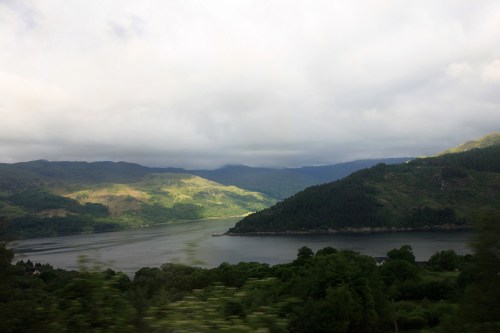
A luz do sol faz toda a diferença./ Sunlight makes all the difference in the landscape

A luz do sol faz toda a diferença na paisagem./ Sunlight makes all the difference in the landscape

Pela janela do trem, vistas do Gareloch e Loch Long / The train offers high-level views of the Gareloch and Loch Long

Pela janela do trem, vistas do Gareloch e Loch Long / The train offers high-level views of the Gareloch and Loch Long

Sabia que o trajeto de Glasgow a Oban, no litoral, era uma das viagens de trem mais bonitas da Escócia, e tive a chance de conferir. A viagem durou três horas e a estação de trem em Oban ficava ao lado do terminal do ferryboat (uma barca) que me levaria a Craignure, em Mull. Eu havia planejado as conexões com precisão. Anos antes teria feito tudo errado e perdido um tempão…
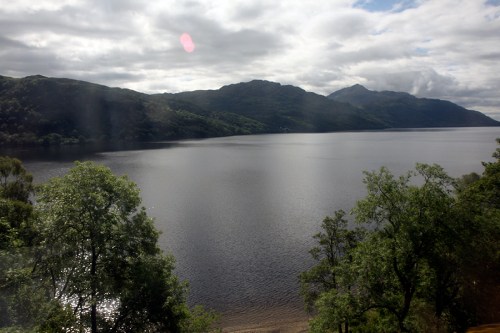
Ao longo da margem noroeste do Loch Lomond / Alongside the northwesterly shores of Loch Lomond

Ao longo da margem noroeste do Loch Lomond / Alongside the northwesterly shores of Loch Lomond

The way from Glasgow to Oban is known as one of the most scenic train trips of Scotland. I had the chance to check it out. It took three hours. Oban train station was right beside the Ferry Terminal, where I was going to board a ferryboat to Craignure, in the Isle of Mull. All these connections had been carefully planned, so no time would be wasted.
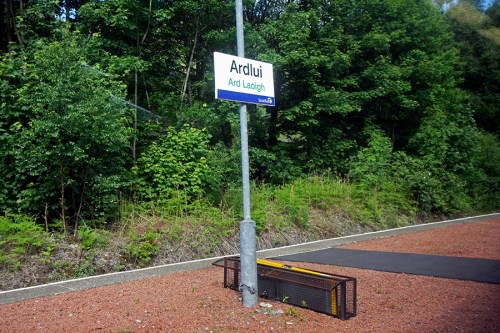
Os nomes das estações, sempre em inglês e gaélico / The names of the stations, always in English and Gaelic

Os nomes das estações, sempre em inglês e gaélico / The names of the stations, always in English and Gaelic

Existe ônibus entre nada e lugar nenhum! / There is a bus between nothing and nowhere!
Existe ônibus entre nada e lugar nenhum! / There is a bus between nothing and nowhere!

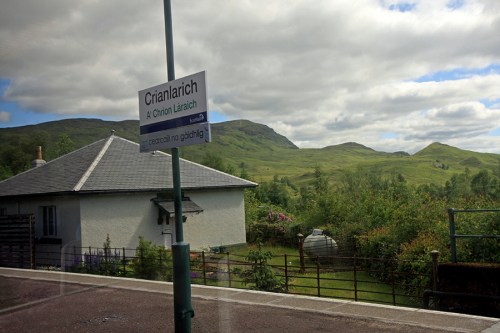
Um lugar importante do trajeto! Aqui em Crianlarich a rodovia e a estrada de ferro se encontram./ Significant points on the journey include Crianlarich, an important Highland junction of both road and rail
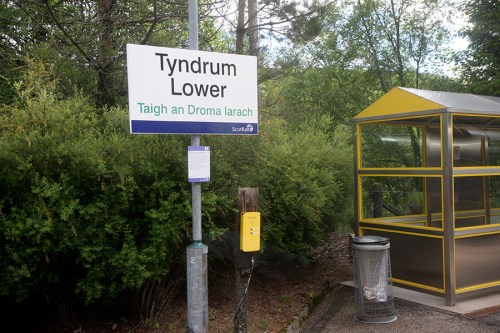
Um lugar importante do trajeto! Aqui em Crianlarich a rodovia e a estrada de ferro se encontram./ Significant points on the journey include Crianlarich, an important Highland junction of both road and rail

Tyndrum, o menor povoado da Escócia, é também o lugar britânico mais ao norte, e possui duas estações de trem! / Tyndrum, the smallest place in Scotland, and the northernmost place in Britain, with two railway stations.
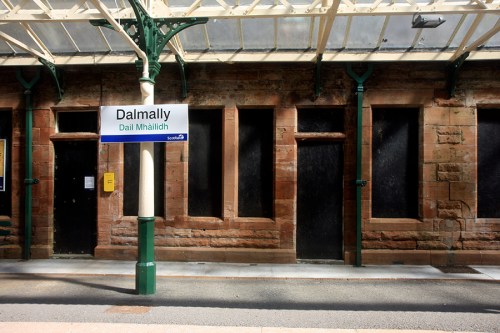
Tyndrum, o menor povoado da Escócia, é também o lugar britânico mais ao norte, e possui duas estações de trem! / Tyndrum, the smallest place in Scotland, and the northernmost place in Britain, with two railway stations.

Mais uma pequena estação... um dia ainda vou descer num lugar desse para ver como é a cidade. / Another little station... someday I'll get off in such a place to take a look at the villlage

Mais uma pequena estação… um dia ainda vou descer num lugar desse para ver como é a cidade. / Another little station… someday I’ll get off in such a place to take a look at the villlage
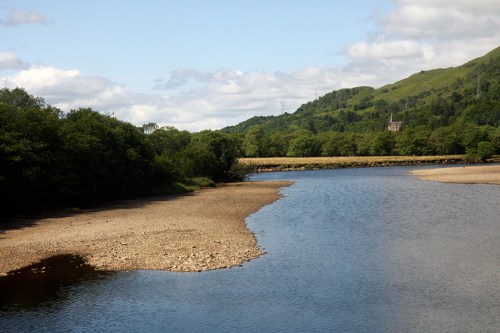
Pass of Brander

Pass of Brander

Kilchurn Castle, Loch Awe

Kilchurn Castle, Loch Awe – o ponto alto da paisagem / the most beautiful landscape of the whole trip
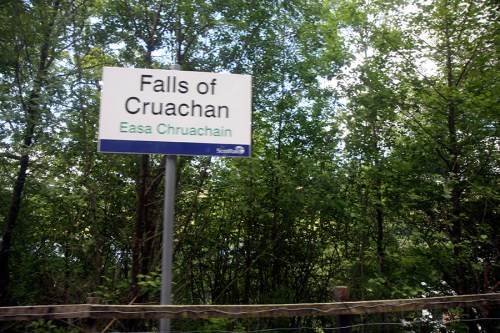
Aqui há uma hidrelétrica, construída entre 1959 e 1965; a primeira do mundo a ter um sistema reversível entre bombas e turbinas. / Cruachan power station was constructed between 1959 and 1965. It was the first reversible pump/turbine storage hydro system to be built in the world.

Aqui há uma hidrelétrica, construída entre 1959 e 1965; a primeira do mundo a ter um sistema reversível entre bombas e turbinas. / Cruachan power station was constructed between 1959 and 1965. It was the first reversible pump/turbine storage hydro system to be built in the world.

Mas do trem não se vê a hidrelétrica... / But, from the train, you can't see the power station.

Mas do trem não se vê a hidrelétrica… / But, from the train, you can’t see the power station.
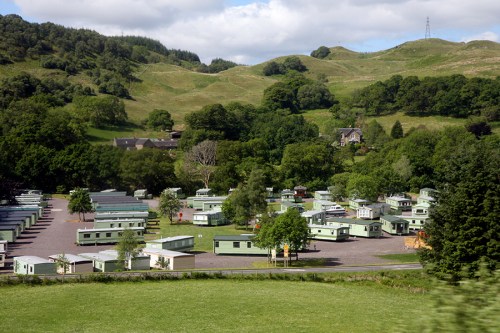
É um ponto turístico.Pessoas vão visitar a hidrelétrica que fica um quilômetro para dentro da montanha Ben Cruachan. /The power station lies at the heart of the Ben Cruachan, one kilometer inside.
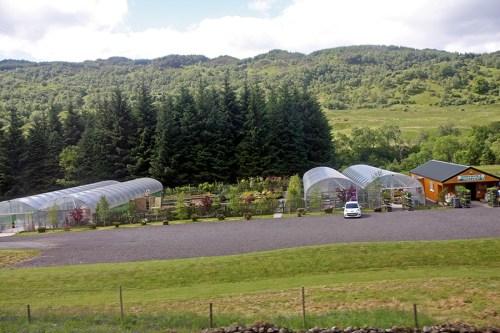
É um ponto turístico.Pessoas vão visitar a hidrelétrica que fica sob a montanha Ben Cruachan. /The power station lies at the heart of the Ben Cruachan, one kilometer inside.

greenhouses / estufas

Aqui nos aproximamos do litoral, já se encontra água salgada / Salt water is reached at Taynuilt, close to the seashore

Aqui nos aproximamos do litoral, já se encontra água salgada / Salt water is reached at Taynuilt, close to the seashore

Mais uma linda paisagem / One more lovely landscape

Mais uma linda paisagem… / One more lovely landscape…

... e a última estação antes de Oban/ ... and the last stop before Oban

… e a última estação antes de Oban!/ … and the last stop before Oban!

Ainda tive tempo, antes de embarcar no ferry, para comer scallops (umas vieiras enormes), refogadas na manteiga, com fatias de pão preto torrado e coleslaw (salada de salpicão de cenoura e repolho). Simplesmente divino! Por gulodice, teria comido mais!
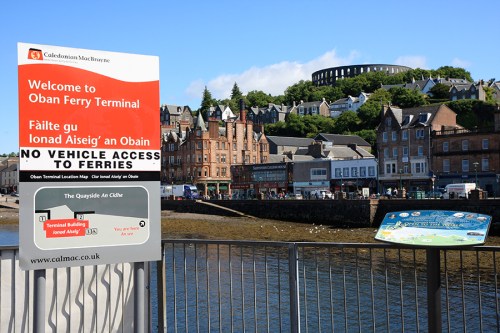
Oban!
Oban!

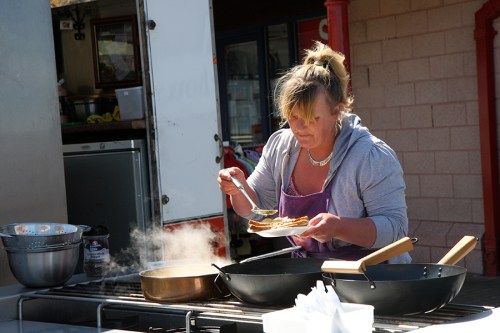
Cozinha ao ar livre / Cooking on the street
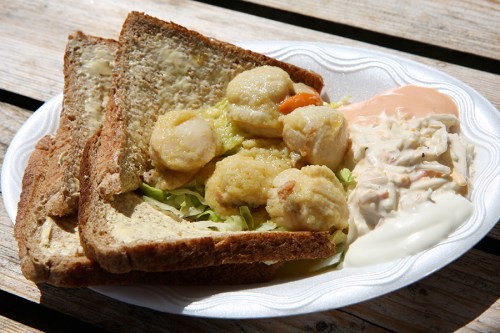
Cozinha ao ar livre / Cooking on the street

Scottish scallops!

Scottish scallops!

I still had time to eat scallops before the ferry crossing. Braised in butter, with dark toast and coleslaw, just divine. I’d have eaten more, for gluttony…
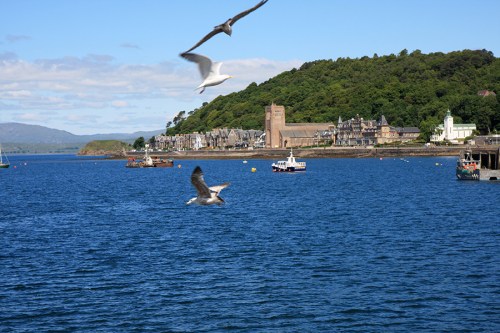
Vista do Terminal/ View from Oban Ferry Terminal
Vista do Terminal/ View from Oban Ferry Terminal


Caledonian Mac Brayne , ou CalMac, a maior operadora de ferries da Escócia, transportando carga e passageiros / is the major operator of passenger and vehicle ferries, and ferry services in Scotland.

Caledonian Mac Brayne , ou CalMac, a maior operadora de ferries da Escócia, transporta carga e passageiros / is the major operator of passenger and vehicle ferries, and ferry services in Scotland.

Isto foi em 12 de junho de 2010. Este ano tive a felicidade de voltar a Oban e constatar que o trailer dos Scallops ainda está lá, no mesmo lugar! Prosperando, ao que tudo indica, pois há várias mesas agora e muita gente comendo. Os preços, entretando, agora estão bem salgados para nós brasileiros…

This happened in 2010, July 12th. This year I was so happy as to be back in Oban and find the same Seafood trailer there, at the same place! Apparently prosperous, because now they have a number of tables and lots of customers. The prices, unfortunately, are too high for us Brazilians…

Minha amiga Vicky degustando frutos do mar ao ar livre, em Oban / My friend Vicky tasting delicious outdoor Oban seafood
Minha amiga Vicky degustando frutos do mar ao ar livre, em Oban / My friend Vicky tasting delicious outdoor Oban seafood


Read Full Post »


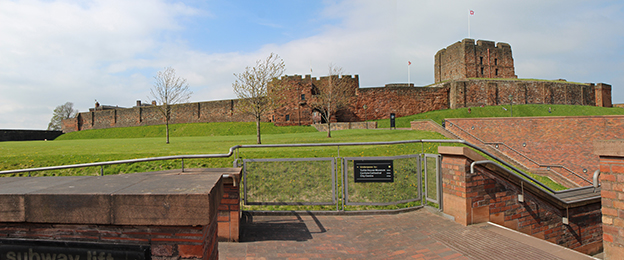
Carlisle Castle

Carlisle Castle

Esta cidade foi onde terminei a caminhada. Na verdade o fim do percurso é em Bowness-on-Solway, uma vila com cerca de 100 casas no estuário de Firth, fronteira entre Inglaterra e Escócia, o extremo oeste da Muralha de Adriano. Em vez de prosseguir eu tinha que voltar a Londres, pois perdera o passaporte no início da caminhada e precisava ir ao consulado brasileiro para obter o documento que me permitiria embarcar de volta para casa. Assim, a exploração da área teve que ficar para a próxima vez.

Mosaico representando uma cena medieval na passagem para pedestres / Medieval scene tiled in the pedestrian's passage

Mosaico representando uma cena medieval na passagem para pedestres / Medieval scene tiled in the pedestrian’s passage

In this city my journey ended, although the western end of Hadrian’s Wall is in Bowness-on-Solway, a village of about 100 houses on the Solway Firth separating England and Scotland. But I had to go back to London, because I had lost my passport when I started walking and had to go to Brazilian Consulate to get a document required to board the plane back home. So I had to postpone exploring that area.

Centro da cidade num dia chuvoso / A rainy day downtown

Centro da cidade num dia chuvoso / A rainy day downtown

” Carlisle era o segundo mais importante centro cristão na época de Arthur, a julgar pelos achados arqueológicos. Como Londres, Caerleon e Chester, foi anteriormente um vicus , ou centro militar romano. Do ponto de vista logístico era o tipo de centro capaz de suprir alimento e forragem para um exército e seus cavalos, um centro agrícola. No tempo dos romanos, seus quase 300 quilômetros quadrados eram cercados por muros e protegidos ainda pela geografia natural do terreno…. Provavelmente o Rei Arthur foi coroado em Carlisle” . (Citando “Arthur”, de Norma Goodrich).

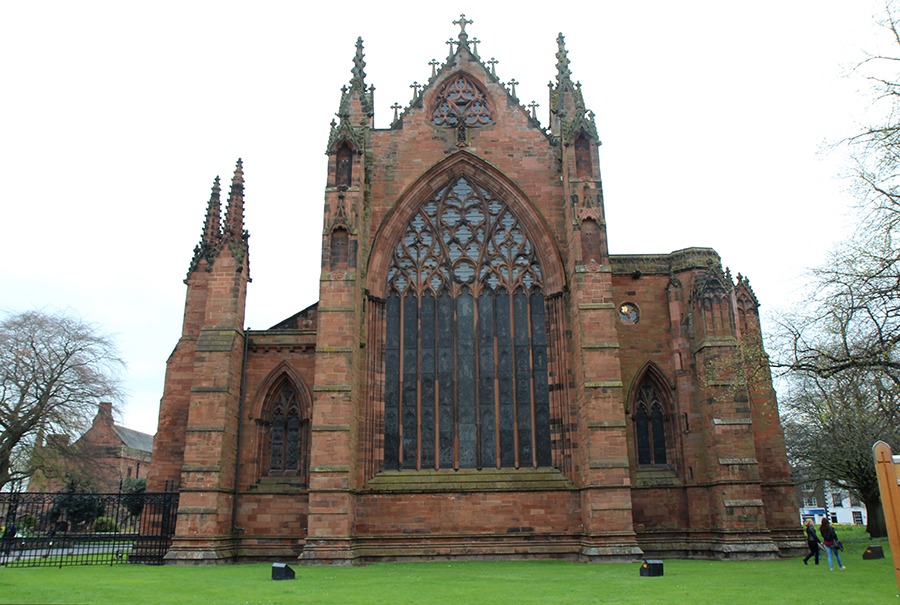
Carlisle Cathedral

Carlisle Cathedral

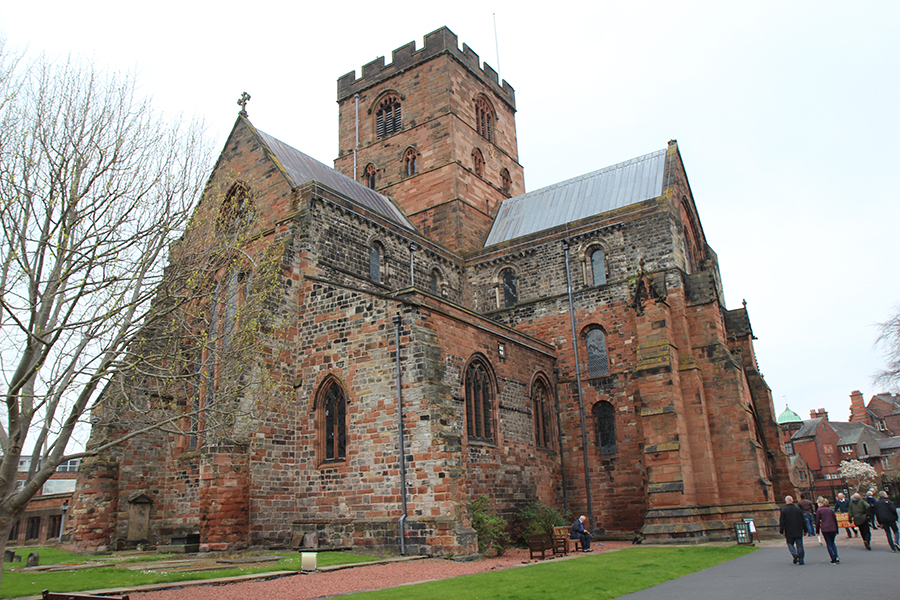
Em volta da Catedral / Around the Cathedral

Em volta da Catedral / Around the Cathedral

Carlisle was the second most important Christian center in Britain in Arthur’s day, judging from archaeological finds. Like London, Caerleon and Chester, it had previously been a vicus, or a Roman military center. From a logistical point of view, it was the kind of center capable of supplying foodstuffs and fodder for an army and their horses, an agricultural center. In Roman times its seventy-four acres were enclosed by walls and protected by the natural geography of the land. King Arthur was probably crowned at Carlisle.” (quote: Arthur, by Norma Goodrich).

Jardins da Catedral , certamente mais bonitos num dia de sol/ Cathedral's garden, surely more beautiful in a sunny day

Jardins da Catedral , certamente mais bonitos num dia de sol/ Cathedral’s garden, surely more beautiful in a sunny day

Confesso que tive um choque ao ler as conclusões da autora provando que Arthur era cristão, pois as Brumas de Avalon e demais livros o apresentam criado em Avalon, por druidas e sacerdotisas da Antiga Religião. Entretanto, o cristianismo celta era bem diferente do que hoje conhecemos. Praticamente não há registros, suprimidos pela ascensão da Igreja Romana ao longo da Idade Média e destruídos por sucessivos conquistadores. Restou a descrição de algumas cerimônias por Geoffrey de Monmouth e alguns textos de Bede, Nennius e Gildas. A Dra. Goodrich afirma que “embora se diga que as provas mais antigas da existência do Cristianismo na Britannia datam do ano 120, quando o Imperador Adriano ergueu a Muralha , a religião parecia estar florescendo no tempo do Rei Arthur – uma época de piedade cristã, segundo ela. E que Saint Gildas, cujo testemunho sustenta a existência do Rei (475-542) , era um brilhante escritor cristão”.

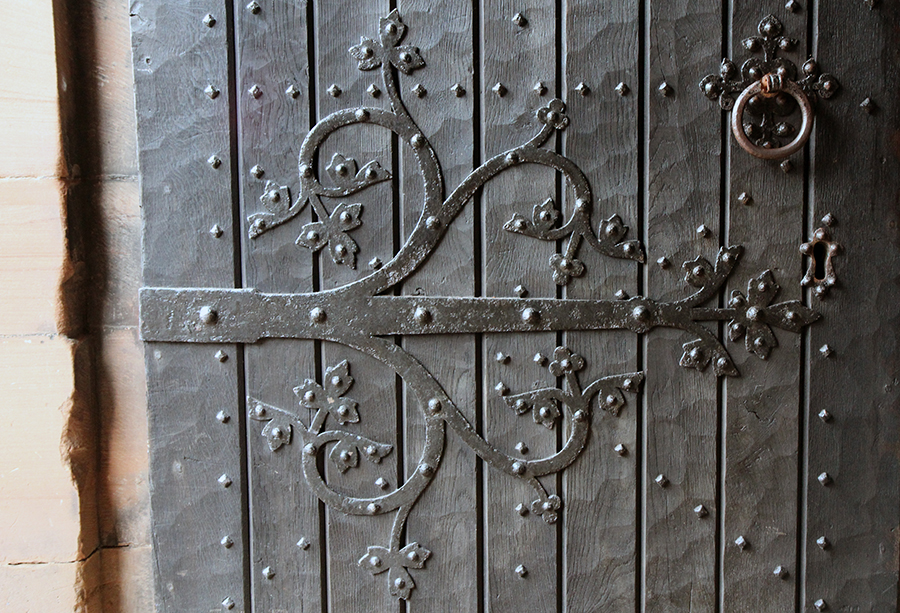
Detalhe- porta da Catedral / Detail: Cathedral 's door

Detalhe- porta da Catedral / Detail: Cathedral ‘s door

I confess it was a shock to read the researcher’s conclusions proving Arthur a Christian , because The Mists of Avalon and other books show him being raised in Avalon by druids and priestesses of the Old Religion. Still, the Celt Christianism was very different of the one we acknowledge today. Few records survived, mostly suppressed by the uprise of the Roman Church through the Middle Ages or destroyed by consecutive conquerors. What was left was Geoffrey of Monmouth’s accounts of ceremonies and a few texts by Bede, Nennius e Gildas. Dr. Goodrich states that “while the earliest proofs of Christianity in Britain are said to go back no further than the year 120, when Emperor Hadrian erected his wall, religion was aparently flourishing by King Arthur’s time – an Age of Christian piety. Saint Gildas, whose testimony supports Arthur (c. 475-542), was a brilliant Christian writer”.

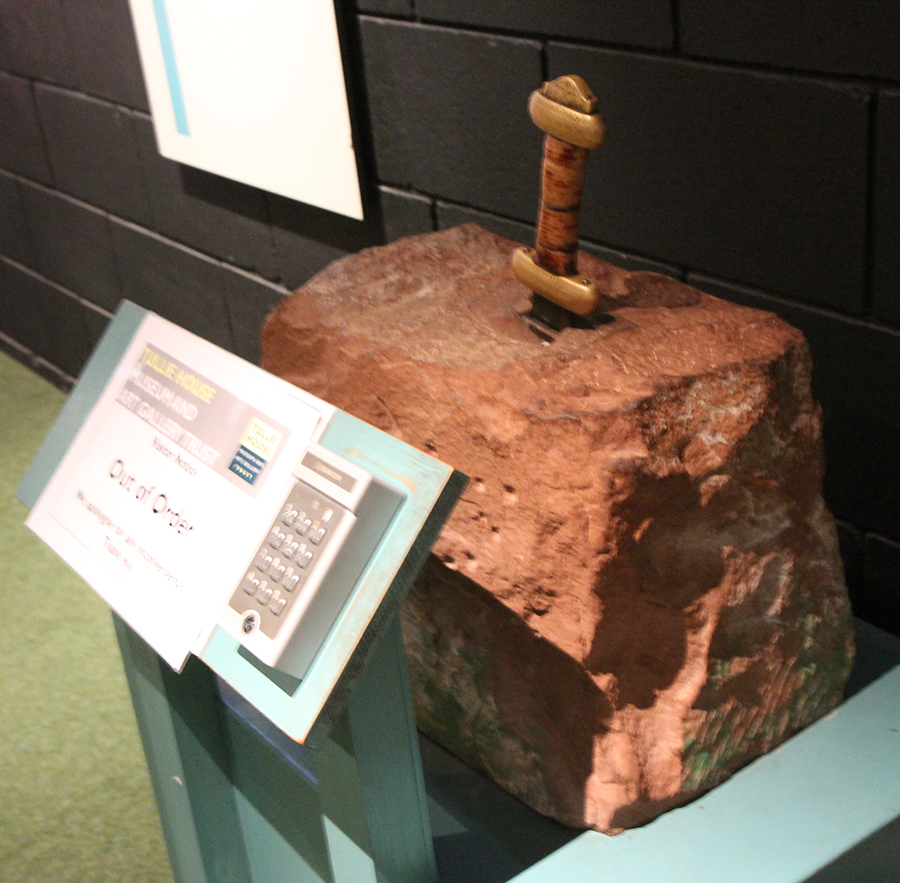
Excalibur de brinquedo no museu Tully House, Carlisle / A toy Excalibur at Tully House Museum

Excalibur de brinquedo no museu Tully House, Carlisle /
A toy Excalibur at Tully House Museum

Seja como for, devia ser algo muito diferente mesmo pois  por volta do ano 429, para os ortodoxos no continente europeu, “ a heresia era frequente pois os britânicos preferiam suas próprias tradições às de todas as igrejas do mundo”.
Anyway, it should be particular indeed, because around the year 429, for the orthodoxy on the European continent, “heresy was already rife in Britain, for the Britons preferred their own traditions before all the churches in the world”.

O círculo de pedras de Castlerigg representado no museu Tully House/ Castlerigg landscape in the Tully House

O círculo de pedras de Castlerigg representado no museu Tully House/
Castlerigg landscape in the Tully House

Da mesma forma, ainda estou sob o impacto da prova da existência de Arthur – e também Merlin, Guinevere, Lancelot e os demais cavaleiros. Minha jornada espiritual passou a ser histórica também. Peço um pouco de paciência pois vou precisar de uns dias para conseguir fechar um texto sobre isso.
I’m also still under the impact of the proof of Arthur’s existance, and Merlin’s, Guinevere’s, Lancelot’s and the other knights’ too. My spiritual journey has became historic as well.  I beg of you a bit of patience because I’ll need a few days to write a proper text about all this.

Meu quarto no B&B de Carlisle. / My room in the B&B at Carlisle

Meu quarto no B&B de Carlisle. / My room in the B&B at Carlisle

Read Full Post »


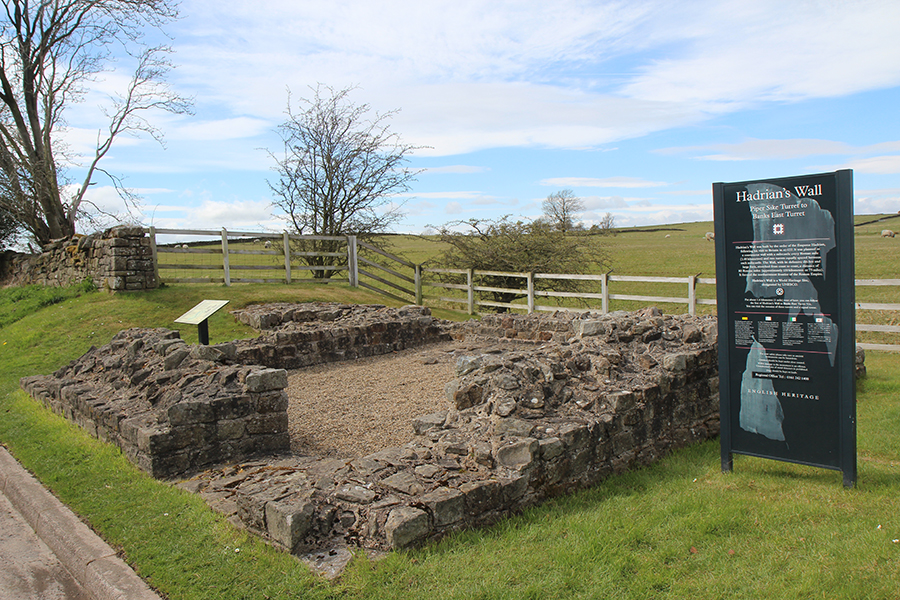
Turret 51

Turret 51A, Hadrian’s Wall

Continuamos com King Arthur, de Norma L. Goodrich: “Delimitamos o reino de Arthur nos quatro cantos: Dumbarton (NW), Carlisle (SW), Stirling (NE) e Berwick (SE). Estas cidades hoje são importantes centros, à exceção do porto de Berwick, que foi em grande parte destruído durante as guerras entre Inglaterra e Escócia que se seguiram.”

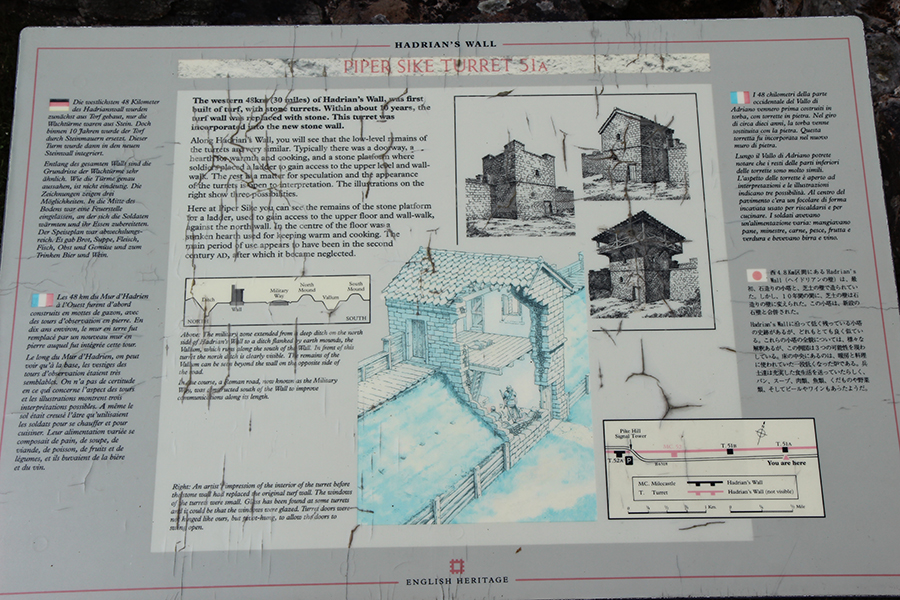
Placa informativa da Turret 51 / Signpost

Placa informativa da Turret 51A / Signpost

Piper Sike Turret 51

Piper Sike Turret 51A

Let’s keep reading King Arthur by Norma L. Goodrich:
“ We delimited King Arthur’s kingdom at its four corners: Dumbarton (NW), Carlisle (SW), Stirling (NE) and Berwick (SE).  These are key centers today, with the possible exception of the seaport of Berwick, which was largely destroyed during the subsequent wars between Scotland and England.”

Turret 51B

Turret 51B

“Para quem acredita no Arthur histórico, o principal problema é a localização dos seus castelos. Camelot permanece o mais importante de todos, onde provavelmente estariam abrigados os tesouros do Rei. Estes foram citados pelo enciclopedista Lambert de Saint-Omer em seu livro “Liber floridus”, que precedeu Geoffrey of Monmouth em mais de uma década: “Existe um palácio na Grã Bretanha, na terra dos Pictos, do guerreiro Arthur, construído com arte maravilhosa e diversa, no qual todos os feitos épicos de suas conquistas e guerras podem ser vistos esculpidos”.”

Hadrian's Wall Turret 51B

Hadrian’s Wall Turret 51B

Placa informativa, Turret 51B/ Signpost

Placa informativa, Turret 51B/ Signpost

Turret 51B, à beira da estrada

Turret 51B, à beira da estrada / By the highway

“For those who think of King Arthur as historical, the chief problem must be the emplacements of King Arthur’s castles. Camelot must remain most important of all, and it is likely that it housed the king’s treasures. These were reported by the encyclopedist Lambert de Saint-Omer in his book “Liber floridus”, which antedated Geoffrey of Monmouth by more than a decade: “There is a palace in Britain, in the land of the Picts, of the warrior Arthur, built with marvelous art and variety, in which all the epic deeds of his conquests and of his wars are to be seen sculpted”.”

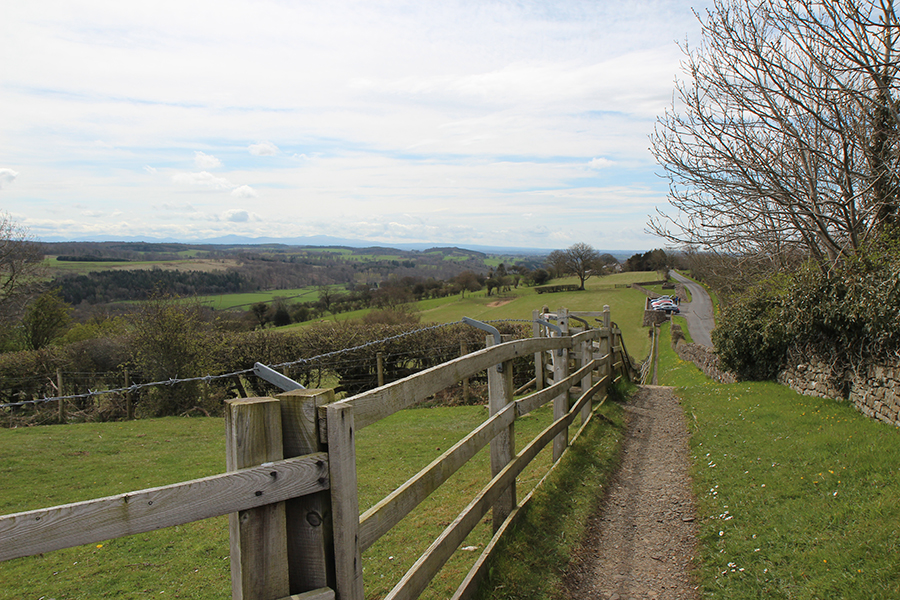
Trilha segue paralela à estrada

Trilha segue paralela à estrada/ Footpath parallel to the road

“Camelot, como sabemos, por muito tempo foi considerado fictício. Já foi identificado como sendo Colchester, Cadbury e Winchester, mas estudiosos por fim concluíram que não era o nome de nenhum lugar na Grã -Bretanha. Sir Thomas Malory parecia inclinado a acreditar que Camelot era o nome dado ao castelo onde e enquanto o Rei ali estivesse residindo, qualquer que fosse o lugar. O livro “Perlesvaus” * afirma que havia dois Camelots.”
NOTA: * significa Percival – o cavaleiro que por fim encontrou o Santo Graal. Este livro também é chamado Li Hauz Livres du Graal, A Nobre História do Santo Graal, trata-se de um antigo romance Arthuriano francês da primeira década do século XIII, do qual sobreviveram três manuscritos, dois fragmentos e duas gravuras do século XVI. Nada se sabe sobre o autor.

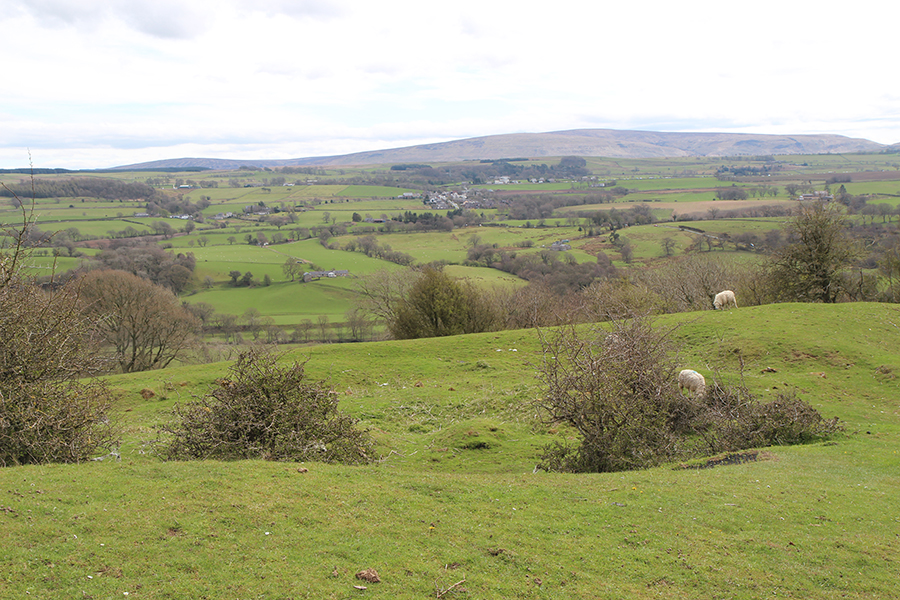
Linda região de pastagens/ Lovely pasture landscape

Linda região de pastagens/ Lovely pasture landscape

“Camelot, we know, has long been considered fictitious. It has been identified as Colchester, Cadbury and Winchester, but scholars finally concluded that it was not the name of any place in Britain. Sir Thomas Malory seems to have been inclined to believe that Camelot was King Arthur’s castle when the king was in residence there, at whatever site that may have been. The book “ Perlesvaus * ” states that there were two Camelots.”
 NOTE: *means Percival – the knight who eventually found the Holy Grail. This book is also called Li Hauz Livres du Graal , The High History of the Holy Grail, is an old French Arthurian romance dating to the first decade of the 13th century. It survives in three manuscripts, two fragments, and two 16th-century printings. Nothing is known of the author.

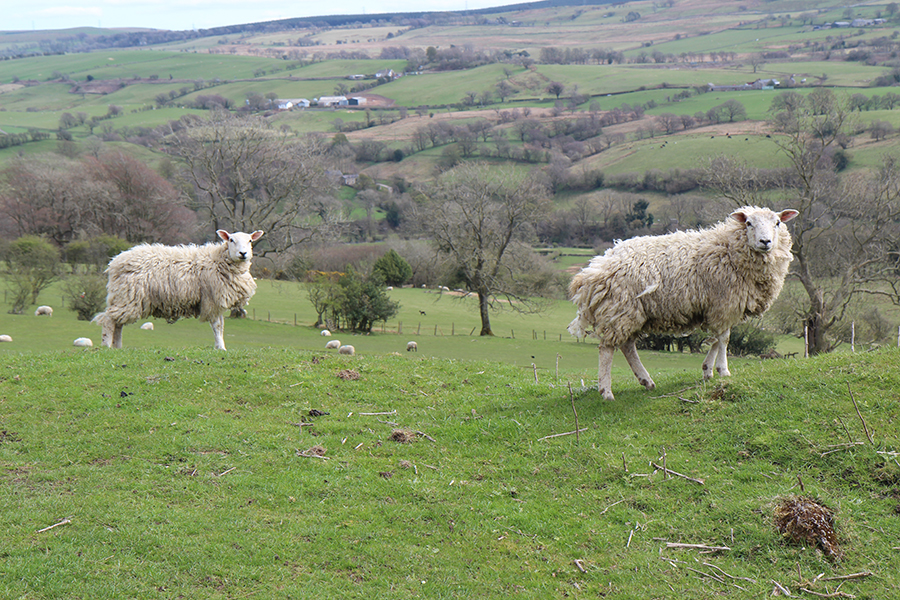
Ovelhas

Ovelhas / Sheep

“Claramente Carlisle é apontado como sendo o principal castelo de Arthur, portanto seria um deles, e o outro foi identificado por O.G.S. Crawford:  Castelo de Stirling, chamada “chave para a Escócia”. William of Worcester também escreveu que “Rei Arthur presidia a Távola Redonda na fortaleza militar de Stirling, também conhecida como Snowdon West Castle.”
Norma Goodrich afirma que Camelot  se situava em King’s Knot, abaixo da face norte do penhasco em Stirling: “ A topografia é inconfundível, de acordo com todas as descrições feitas por diversos autores.”

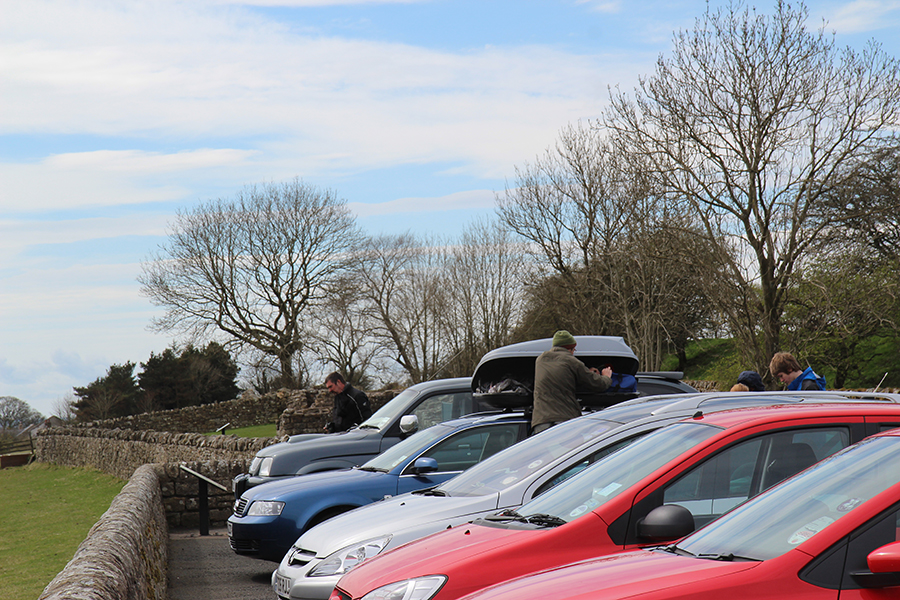
Estacionamento próximo às ruínas / Parking lot beside the ruins

Estacionamento próximo às ruínas / Parking lot beside the ruins

“Clearly Carlisle is indicated as King Arthur’s principal castle, so it was probably one, and the other has been identified by O.G.S. Crawford as Stirling Castle, called the “key to Scotland”. William of Worcester also wrote that “King Arthur presided over the Round Table in the military fort of Stirling, otherwise known as Snowdon West Castle. “
Norma Goodrich states that Camelot was located at King’s Knot, below the western-facing cliff at Stirling: “ The topography is unmistakable, fitting all descriptions by several authors.”

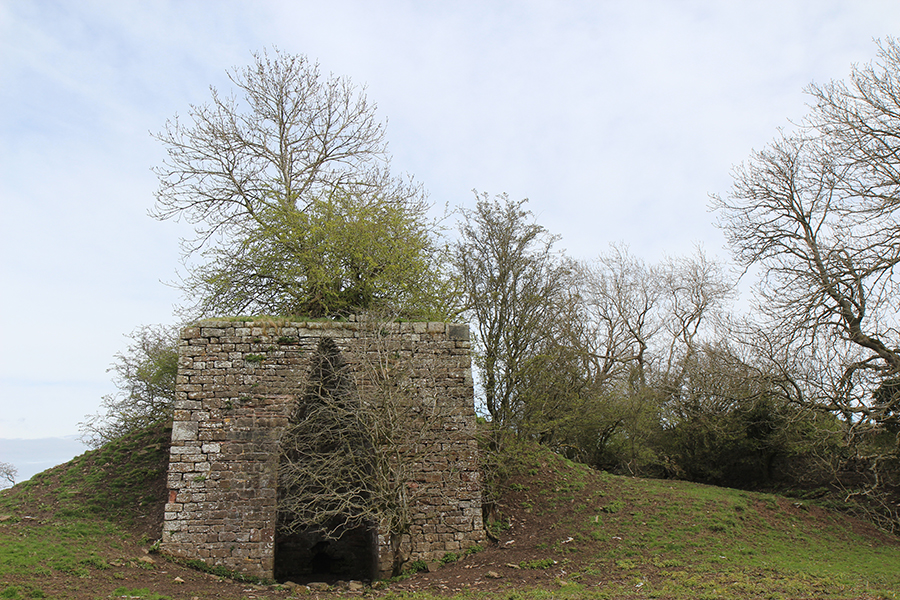
Pike Hill Signal Tower

Pike Hill Signal Tower

“Tanto na Idade das Trevas como hoje, pode-se chegar à garganta de Stirling, entre os imponentes montes Campsie-Gargunnock a oeste e o estuário do Rio Forth a leste. O corredor norte-sul, conhecido por muitas batalhas, tem dez milhas de comprimento e quatro de largura. O forte pré-histórico ficava, como a fortaleza moderna e os quartéis ainda em uso hoje, sobre a enorme parede inexpugnável, avistando do alto dos íngremes penhascos a cidade de Dumbarton a oeste. Praticamente a única montanha em toda a extensão de planícies. Stirling, visto da Muralha de Antonino, é ainda mais impressionante. O Castelo de Stirling dominava a única e estreita travessia do estuário do Rio Forth que, durante a cheia, atingia a largura de uma milha. Junto ao castelo, olhando para baixo dos penhascos a oeste, pode-se ver claramente a planície abaixo do King’s Knot. Trata-se de um monte octogonal cujo nome significa “castelo do monte”, do tipo sobre o qual eram construídos castelos com paliçadas de madeira nos tempos ancestrais. Sobre este monte outrora ergueu-se Camelot, de onde o Rei Arthur presidia a Távola Redonda.”

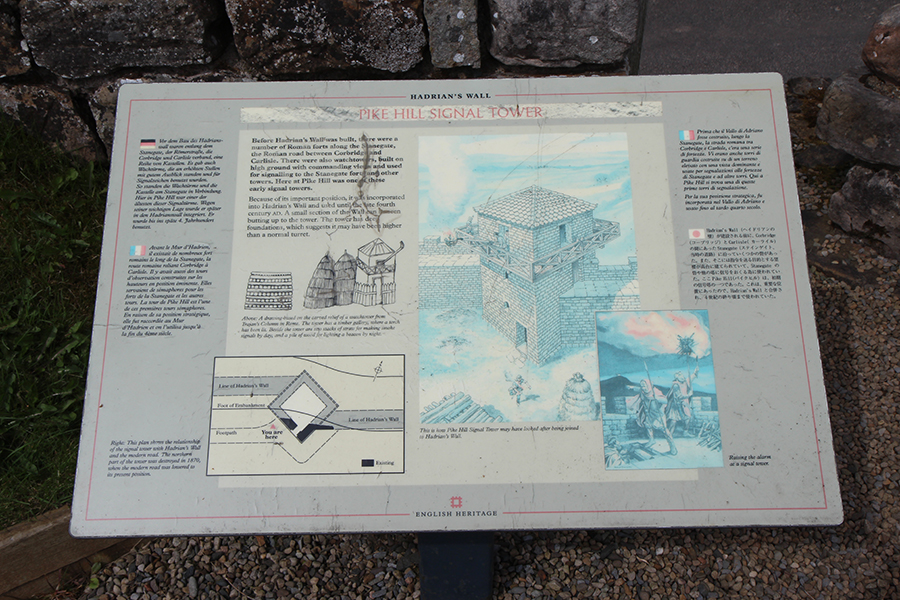
Pike Hill Signal Tower Signpost

Pike Hill Signal Tower Signpost

“Whether in the Dark Ages or today, one can stand at the Stirling Gap, beside the lofty Campsie-Gargunnock Hills to the west and the Forth estuary to the East. The north-south corridor, famous for many battles, is ten miles long and four miles wide. The prehistoric fort sat, like the modern fortress and barracks still in use today, upon the great impregnable wall, looking down its precipitious cliffs toward Dumbarton on the west.
One mountain almost alone in the expanse of flatlands. Stirling seen from the Antonine Wall is an even more impressive mass. Stirling Castle commanded the only and very narrow crossing of the flooded Forth River estuary. At peak flood the Forth stretched one mile wide across flatlands. Standing beside the castle and looking down the west cliffs of Stirling, one can plainly see on the meadowland below the King’s Knot. This is an octogonal mound, whose name means  “castle mound”, upon which the wooden palisaded castles were built in ancient times. Upon this mound once stood King Arthur’s Camelot. At his castle he chaired the Round Table.”

footpath

footpath

Assim, enquanto eu trilhava a Muralha de Adriano a caminho do Forte Romano de Birdoswald, estav muito mais perto de Arthur do que podia imaginar.
So, as I treaded along Hadrian’s Wall, approaching Birdoswald Roman Fort, I was much closer to Arthur than I could imagine.

mais turrets

mais turrets

Vista da região de Stirling no Google Maps / Stirling overview


Read Full Post »


Os estábulos de Arthur na Muralha de Adriano / Arthur's Stables in Hadrian's Wall

Os estábulos de Arthur na Muralha de Adriano / Arthur’s Stables in Hadrian’s Wall

Neste post transcrevo trechos de “King Arthur”, da autora Norma Lorre Goodrich, que realizou extensa pesquisa sobre a existência histórica do Rei e escreveu uma série de livros sobre o assunto. Resumindo, a autora situa Arthur na Escócia! Isso muda tudo. Num primeiro momento me desesperei, porque significa que grande parte do que fotografei na verdade não tem relação com o Rei, embora tenha sido uma viagem estupenda. Por outro lado, viva a minha intuição, ao decidir trilhar a Muralha de Adriano. Sem saber, estava muito mais perto do Arthur real.

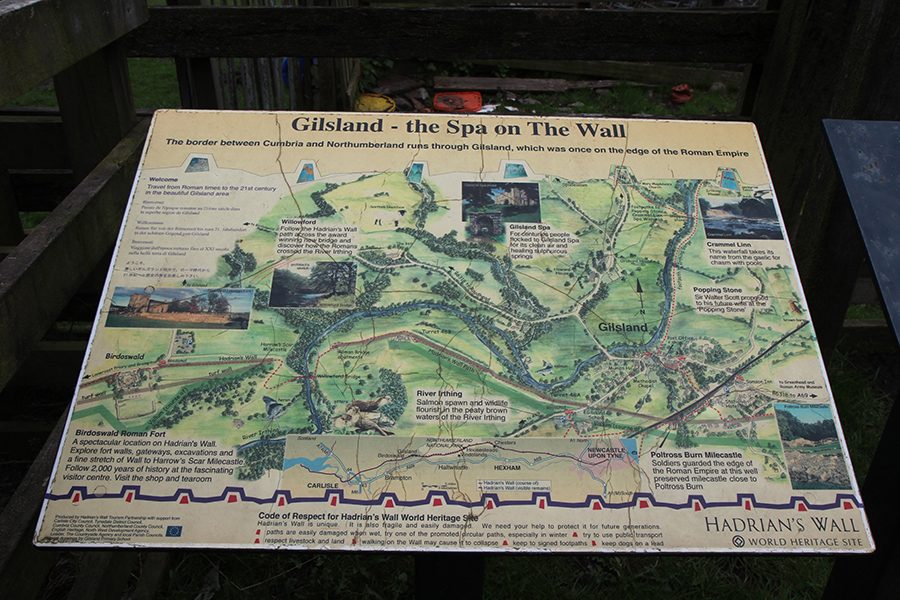
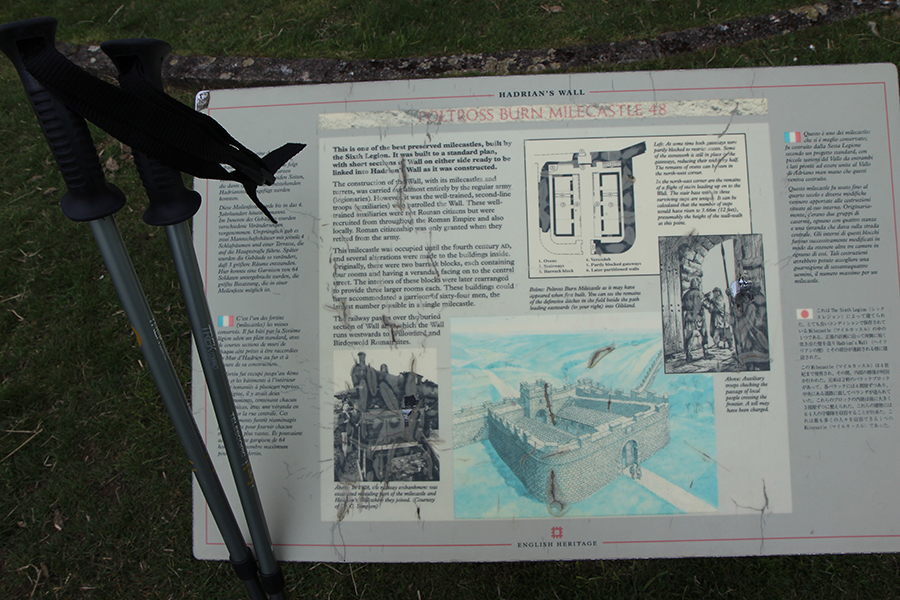
Mapa da região. Abaixo, à direita, está Poltross Burn, Milecastle 48, os Estábulos de Arthur / Map of the area. In the bottom right is located Poltross Burn, the Milecastle 48, or Athur's Stables.

Mapa da região, entre Greenhead eo forte romano de Birdoswald. Abaixo, à direita, está Poltross Burn, Milecastle 48, os Estábulos de Arthur / Map of the area between Greenhead and Birdoswald Roman Fort. In the bottom right is located Poltross Burn, the Milecastle 48, or Athur’s Stables.

In this entry I quote “King Arthur” by Norma Lorre Goodrich, who researched deeply and wrote a series of books on the historical subject. To cut it short, the author places Arthur in Scotland! That changes everything. At first, I fell into despair because it means that most of what I have photographed has actually no relation with tha King, albeit it’s been a terrific trip. On the other hand, I thanked my intuition, that led me to walk Hadrian’s Wall footpath. I was much closer to the real Arthur, although I didn’t know it.

O caminho cruza a estrada de ferro / The path crosses a railway

O caminho cruza a estrada de ferro / The path crosses a railway

Transcrevendo: “Minha intenção básica era oferecer as primeiras provas históricas da existência do Rei Arthur. Quem era o Rei Arthur, ou Arturus? Porque este rei britânico nunca foi encontrado? Onde era seu reino?
Os estudiosos da Idade Média se confrontaram com as mesmas questões que nós atualmente. Tendo poucos recursos e praticamente nenhum acesso ao trabalho de outros estudiosos, eles falharam em encontrar respostas convincentes. Tendo em vista a escassez de bibliotecas – frequentemente sua inexistência, assim como a de disciplinas tais como história, arqueologia, antropologia e linguística – e a insuficiência de meios de transporte, podemos perguntar como essas pessoas poderiam desenrolar um fio que os conduzisse de volta aos dias do Rei Arthur. Tais dias desapareceram junto com a Idade das Trevas. E ainda, sem o auxílio de dicionários, estes escritores e estudiosos copiaram à mão, decifraram, ponderaram e traduziram o melhor que puderam um grande número de manuscritos que tratavam do Rei Arthur, seu reino e sua corte. Muitos deles simplesmente acabaram desistindo do assunto, e ao fazê-lo permitiram que o Rei Arthur e seu mundo deslizassem mais e mais para o reino da mitologia.”

Poltross Burn

Near Poltross Burn

Quoting: “ Primary among my intentions was to offer the first historical proof of the existence of King Arthur. Who was K.A., or Arturus? Why has this king of Britain not been found? Where was his kingdom?
The scholars of the Middle Ages were confronted by the same questions as we are today. Having few resources and virtually no access to colleagues and their work, they failed to reply convincingly to them. Given their scanty libraries (more often, none at all), the lack of such disciplines as history, anthropology, archaeology, and linguistics, and the paucity of means of travel, one might well ask how they could possibly unwind any thread that led all the way back to King Arthur’s day. That day had been swallowed up along with the Dark Ages. And yet, without benefit of a dictionary, these writers and scholars hand copied, deciphered, pondered and translated as best as they could an inordinately large number of manuscripts dealing with K. A., his kingdom and his court. Many of them simply gave up and in so doing let King Arthur and his world slip deeper and deeper into the realm of mythology.”

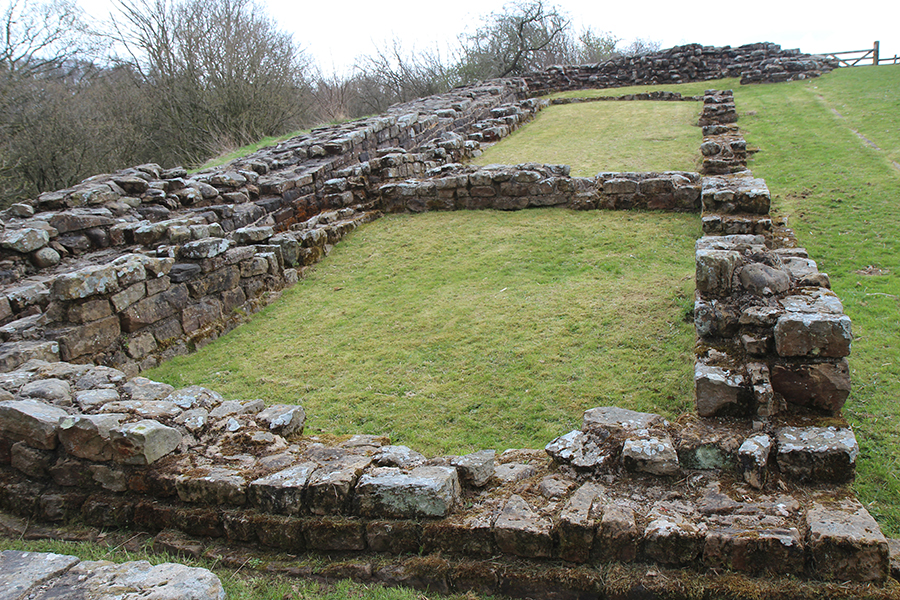
Os estábulos de Arthur, onde seus cavalos eram criados /  Arthur's Stables, where his horses were bred

Os estábulos de Arthur, onde seus cavalos eram criados /
Arthur’s Stables, where his horses were bred

“Pouco se ouviu sobre Arthur depois de 542, portanto esta deve ser a data de sua morte. É significativo, entretanto, que crianças de origem nobre e real começaram a receber o nome de Arthur após o ano 542. Um nome curioso, que não existia até antes do Rei, cuja versão em Latim, “Arturus”, nunca foi encontrado em nenhum outro lugar. Portanto, o nome provavelmente deriva do rei perdido da Idade das Trevas, ou da Grã-Bretanha pré-histórica. Arthur não era um personagem da Idade Média, ou Era da Cavalaria, quando o cavalheirismo estava no auge. Seus 150 ou mais guerreiros não eram cavaleiros galantes. Ele não nasceu no Castelo de Tintagel, que só veio a ser construído na época dos castelos de pedra, nos séculos 12 e 13. Quando formos procurar seu local de nascimento, não vamos buscar ruínas de um castelo medieval, mas sim uma quase imperceptível trincheira de terra batida – a construção característica da Idade das Trevas.”

Embora Arthur tenha defendido sua terra de muitos ataques por mar, seus cavaleiros ficaram famosos/  Arthur's mounted warriors  became the famous ones, although the king defended his land from many sea raids

Embora Arthur tenha defendido sua terra de muitos ataques por mar, seus cavaleiros ficaram famosos/
Arthur’s mounted warriors became the famous ones, although the king defended his land mostly from  sea raiders

“Little was heard of Arthur after 542, so presumably this is the date of his death. Significantly, however, youths of noble and royal birth began to bear the name Arthur after the year 542. A strange name, it has not been found prior to K.A., and its Latin version, Arturus, has never been found anywhere else. Thus, the name probably is derived from the lost king of the Dark Ages, or of prehistoric Britain.
Arthur was not a figure of the Middle Ages or of the Age of Chivalry, when knighthood was in flower. His 150 or so warriors were not gallant knights gaily bedight. He was not born at Tintagel Castle, which was not built until the age of stone castles, in the 12th and 13th centuries. When it comes time to seek his probable birthplace, the search will be not for the ruins of a medieval castle but for a barely discernible castle mound of piled earth – a construction characteristic of the Dark Ages.”

Detalhe da construção / Building detail

Detalhe da construção / Building detail

“Historiadores relatam que Arthur defendeu com sucesso a Grã-Bretanha de invasões por mar ; afirmam que ele interrompeu as invasões dos Saxões por um período considerável e que venceu todas as batalhas que lutou com exceção da última, quando foi mortalmente ferido. Poucos são os que ainda insistem que ele teria lutado na Cornualha, ou que lá teria nascido, por uma simples razão: os Saxões NÃO estavam invadindo a Cornualha durante o tempo em que Arthur viveu. Historiadores Anglo-Saxões dizem que as batalhas de Arthur não poderiam ter sido vencidas na Inglaterra pois, de acordo com vários manuscritos, os Saxões efetivamente conquistaram a Inglaterra na época de Arthur. Temos que localizar Arthur não nos territórios onde ele não venceu, mas sim naqueles onde a invasão dos Saxões falhou. Quando Arthur nasceu, as tropas Romanas haviam finalmente se retirado por completo e deixado a ilha sem governantes. Grande parte da Grã-Bretanha ainda falava apenas idiomas Celtas. A maioria destas populações propriamente Celtas ainda habita a área chamada Strathclyde, região fronteiriça entre as Muralhas de Adriano e de Antonino, a única vasta área que não foi conquistada pelos Anglo-Saxões.”

Outra vista dos estábulos/ Another view of the stables

Outra vista dos estábulos/
Another view of the stables

“Historians still tell us that K.A. successfully defended all Britain from invasion by the sea. They had it on excellent authority that he halted the Saxon invaders for a considerable period of time and won all his engagements except the last one, in which he was fatally wounded. Very few scholars still insist that he fought in Cornwall or that he was born there, for the simple reason that the Saxons were NOT invading Cornwall during Arthur’s lifetime. Historians of the Anglo-Saxons say that Arthur could not have won his battles in England, because they know from the several manuscripts of the Anglo-Saxon Chronicles that the Saxons conquered England in King Arthur’s lifetime. We will think of Arthur as not in those territories which he could not have conquered but in those which the Saxons failed to overrun. By the time of Arthur’s birth, when the Roman troops had finally withdrawn completely and left the island without governors, certain large areas of Britain still spoke only Celtic tongues. The largest of these properly Celtic populations still resides in the area called Strathclyde, a border area between the Hadrianic and Antonine Walls, the only large area unconquered by the Anglo-Saxons.”

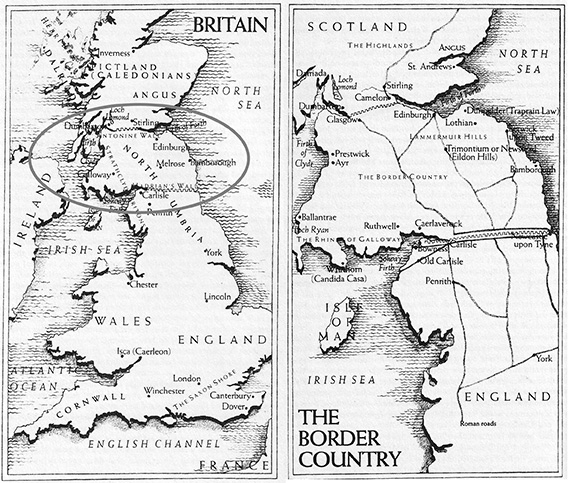
Mapa da Grã-Bretanha e da região onde Arthur reinou de fato, segundo Norma Goodrich / Map of Britain, enlarging the location of Arthur's true kingdom, according to Norma Goodrich

Mapa da Grã-Bretanha e da região onde Arthur reinou de fato, segundo Norma Goodrich / Map of Britain, enlarging the location of Arthur’s true kingdom, according to Norma Goodrich

Read Full Post »


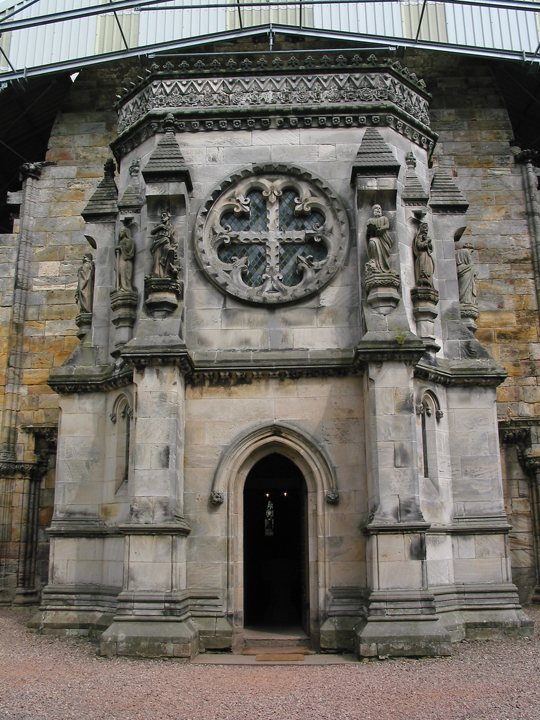
Fachada, com andaimes e visitantes / Facade with scaffoldings and visitors

Ao deixar as Highlands, senti que parte de mim ficava ali e nada iria me alegrar nunca mais até que eu voltasse para buscar essa parte. Mas as libras estavam contadas, as passagens de volta na mão e dali eu retornaria a Londres. Ficaria uns dias e por fim seguiria para a Cornualha, para o Castelo de Igraine em Tintagel. Assim, chegando a Edimburgo peguei o ônibus para Roslin, tendo o tempo exato para comer um sanduíche na rodoviária. Roslin é a cidade onde fica a Capela Rosslyn, a viagem leva cerca de vinte minutos. Há ponto praticamente em frente à Capela.

Interior, cheio de turistas / Crowd of tourists inside the Chapel

I was so frustrated by leaving the Highlands, as if a bit of me was staying there and nothing would ever restore my joyfullness until I went back to retrieve it. But my pounds were running out, return tickets were paid for, so from there I would be on the road back to London. After a couple of days I’d head to Cornwall, to visit Igraine’s Castle at last. From Edimburgh, after eating a sandwich I took a bus to Roslin ( where the Rosslyn Chapel is); about twenty minutes later I dropped off nearly at the Chapel’s gates.

Entrada principal / Main entrance

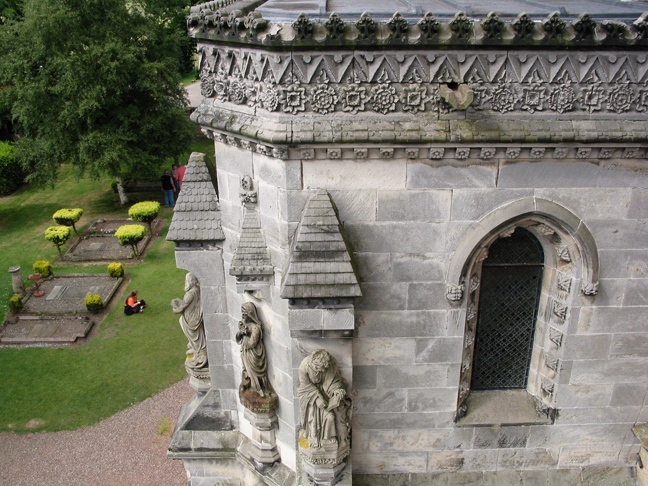
A Capela Rosslyn data de meados do século XV, foi construída por um nobre chamado William Sinclair, cuja familia descendia de reis normandos. A ela estão associadas inúmeras lendas e histórias envolvendo a Maçonaria e os Templários, pois seus símbolos estão esculpidos por toda a parte.
Como só há registros de Casas Maçônicas a partir do fim do sec. XVI, é provável que tais esculturas tenham sido acrescentadas quando, em 1860,o arquiteto David Bryce, maçom declarado, foi incumbido da restauração de parte da igreja. Entretanto também se encontram imagens pagãs como o Homem Verde (rosto humano envolto em folhagem, símbolo de fertilidade e renovação) do qual existem mais de 100 representações dentro e fora da Capela.

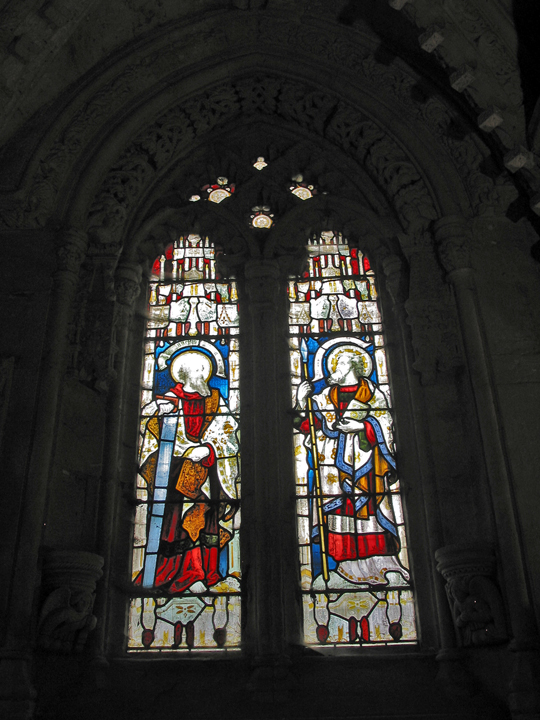
Vitrais / Glassworks

Rosslyn Chapel was built in the 15th century, by William Sinclair, whose noble family descended from Norman kings. There’s a bunch of tales and legends linking Rosslyn to Freemasonry and the Templars, because the carvings in the chapel reflect their imagery. But the earliest records of Freemasonic lodges date back only to the late 16th. The more likely explanation is that this sculptures were added later, in the 1860s when architect David Bryce, a known freemason, was charged with the restoration work on areas of the church including many of the carvings. But there’s also about a hundred carvings of Green Men (human face surrounded by greenery) in and around the Chapel, a pagan symbol of fertility and renewal.

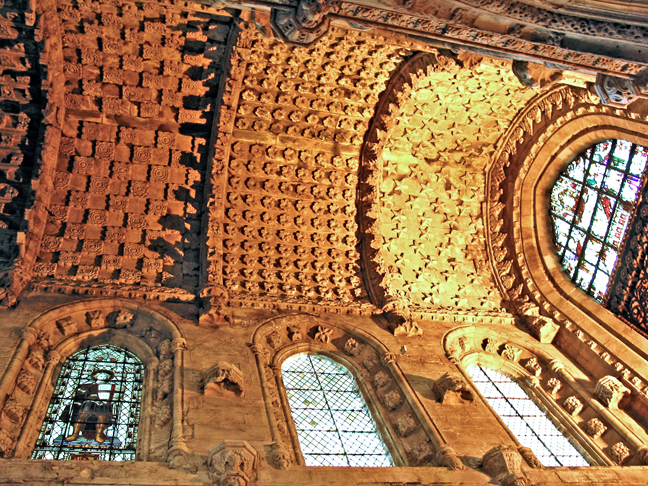
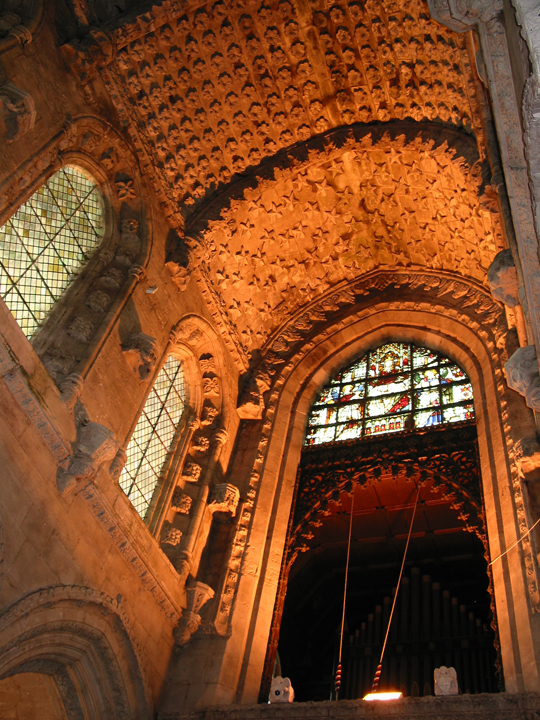
Intrincadas esculturas do teto/ Ceiling knotty carvings

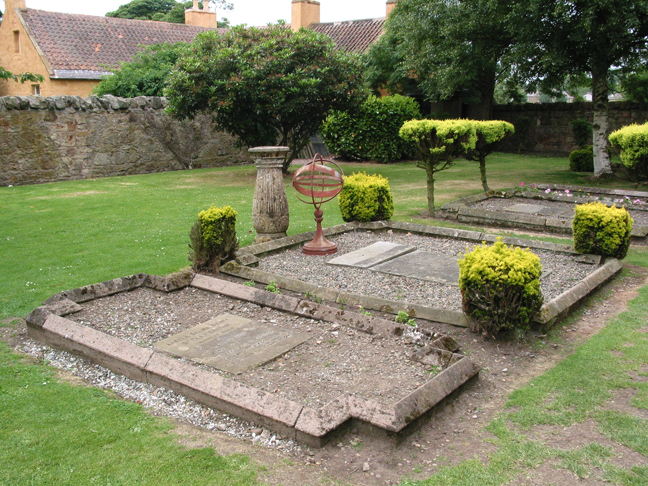
Existe uma cripta descendo um lance de escadas nos fundos da Capela, que durante anos permaneceu lacrada, e permanecia fechada para visitantes. Há quem diga que esta cripta é apenas a entrada para um subterrâneo maior, onde estariam escondidos tesouros como o santo Graal, o ouro dos Templários, as jóias originais da coroa da Escócia e mesmo a cabeça mumificada de Jesus Cristo. O que se tem certeza é que ali estão enterradas gerações de Sinclairs.

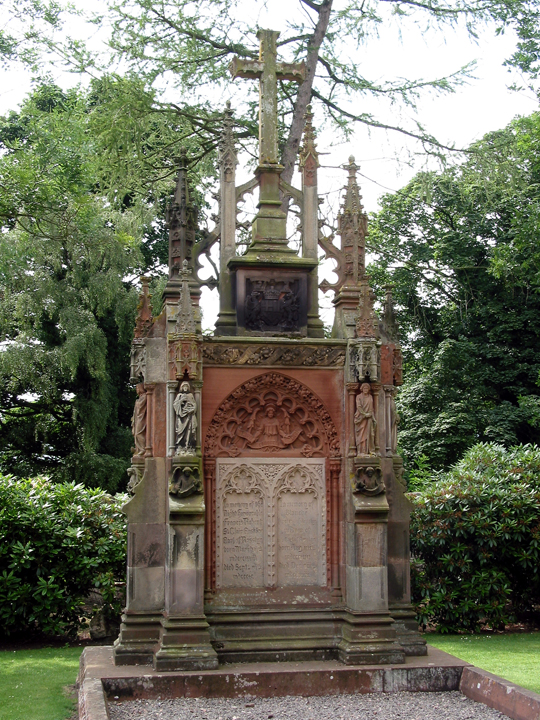
Memorial Sinclair no jardim / Sinclair memorial in the Chapel’s gardens

There’s a crypt accessible from a descending stair at the rear of the chapel that has for many years been sealed shut, and was still closed for visitors then. Some believe it’s the entrance to a more extensive subterranean vault where treasures are hidden, such as the Holy Grail, the original crown jewels of Scotland, Templar’s gold and even the mummified head of Jesus. What we know for sure is that the crypt was a burial place for several generations of the Sinclairs.

Túmulos de Sinclairs no jardim / Sinclairs’ graves in the backyard

Estas (abaixo) são as colunas do Mestre, do Viajante e, a mais famosa, do Aprendiz, em espiral. Copiei a lenda da Wikipedia: “O mestre pedreiro não acreditava que o aprendiz pudesse fazer a complicada escultura da coluna sem ver a original que inspirara aquele desenho. Ele mesmo viajou para  ver a original, mas quando retornou, o aprendiz já tinha terminado a coluna. Num surto de raiva e inveja, o mestre matou o aprendiz  com um golpe de marreta. Como castigo, o rosto do mestre foi esculpido bem em frente à coluna para que, pela eternidade, tivesse que olhar para o trabalho de seu aprendiz.”

As três colunas, todas diferentes. The three different pillars

These three pillars are named the Master Pillar, the Journeyman Pillar, and most famously, the spiral Apprentice Pillar. Its legend is, according to Wikipedia: “The master mason did not believe that the apprentice could perform the complicated task of carving the column without seeing the original which inspired the design. He travelled to see the original himself, but upon his return was enraged to find that the upstart apprentice had completed the column anyway. In a fit of jealous anger the mason took up his mallet and struck the apprentice on the head, killing him. As punishment for his crime, the master mason’s face was carved into the opposite corner to forever gaze upon his apprentice’s pillar.”

Scaffoldings everywhere / Andaimes por toda parte

Mas apesar disso tudo não achei a menor graça na Capela. Tinha comprado a passagem com retorno a Edimburgo unicamente para visitá-la, e por causa disso tivera que me separar da melhor amiga que tinha feito na viagem. Afinal de contas, o famoso Código Da Vinci é uma ficção e o lugar estava em obras por causa de infiltrações. Havia um sobreteto como protecão contra a chuva e andaimes enormes por toda parte para estragar as fotos. A escuridão e a quantidade de esculturas recobrindo cada centímetro das paredes e do teto tornaram impossível localizar um Green Man sequer que eu pudesse fotografar com nitidez. Tive de comprar um cartão postal. Para ser sincera, estava com tanta raiva que furtei o postal, aliás três. Ao sair, na loja de souvenirs comprei o booklet da capela, paguei por ele, mas no meio das páginas meti os cartões.

Consegue ver um Homem Verde junto à primeira janela do lado esquerdo?
Can you find a Green Man next to the first window on the left?

In spite of all this, I couldn’t take any delight in the Chapel. I had bought the return ticket to Edinburgh only to visit it; for that I parted with the best friend I had made in the whole journey. And after all, the famous Da Vinci Code is a fiction and the place was under repairs for water infiltration. There was a massive roof cover to keep the rain out and scaffoldings all around to spoil my photos. It was dark inside and in the maze of carvings that covered every inch of the Chapel I couldn’t find one single Green Man suitable for a clear shot. I had to buy a postcard. To be honest I was so angry I stole a postcard, actually three. Before leaving, in the souvenir store, I bought a booklet about the Chapel; I paid for it, but the cards went hidden between the pages.

Detalhes externos / External carved details

Atualmente, vindo do centro de Edimburgo, você deve pegar o ônibus número 15 e saltar no ponto “Hotel”, a dois minutos de caminhada da Capela. Abaixo a tabela de horários, mas havendo dúvida consulte o site da empresa de ônibus.

Currently the number 15 bus comes from the centre of Edinburgh to Roslin Village.  If you get off the bus at the ‘Hotel’ stop, then Rosslyn Chapel is a 2 minute walk along Chapel Loan. I copied its schedule, but if you have any doubts try the bus company site:

www.lothianbuses.com 

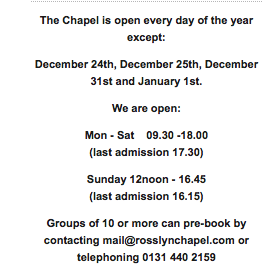
Aqui os preços, horário de visitas e link para o site oficial da Capela Rosslyn.

Here are the fares, opening times and link to Rosslyn Chapel official site:

www.rosslynchapel.org.uk


Monumento aos mortos na 1ª Guerra Mundial próximo à Capela
Monument to citizens deceased in First World War close to the Chapel

Read Full Post »


Inverness Castle

Chegamos em Inverness à noite, mas ainda estava claro e o pessoal do albergue ia a um pub, onde uma banda de rock estaria tocando. A música estava ótima, tomamos cerveja, dançamos e só fomos embora quando o pub fechou. Apenas quando fui me deitar percebi que meus óculos haviam desaparecido. Procurei-os em toda a parte, falei com a faxineira do albergue, voltei ao pub, mas não estavam em lugar nenhum. Teria de prosseguir viagem só com as lentes de contato, que ficaram meio ardidas depois daquele incidente.

Catedral vista do jardim do Castelo / Cathedral seen from the Castle Gardens.

We arrived back in Inverness at night, but daylight lingered and everybody in the hostel was going to a pub where there was going to be live rock. The band was quite good, we had some beers, danced and only left when the pub was about to close. Only when I was going to bed I realized my glasses were missing. I looked for them everywhere, asked the cleaning woman, went back to the pub, but they were nowhere to be found. I’d have to go on only with the contacts, which had turned sour after that incident.

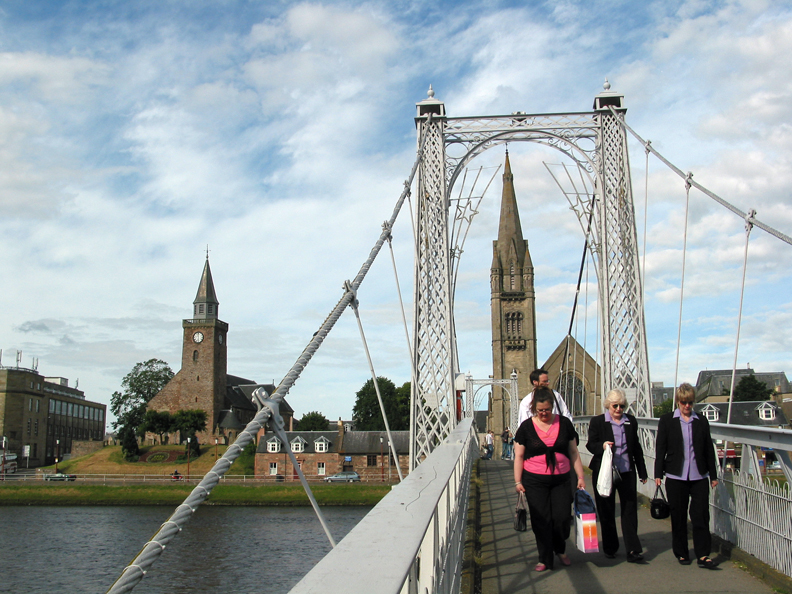
Ponte sobre o rio Ness / Bridge over River Ness

Um casal da Espanha havia chegado ao Bazpackers. A moça usava um vestido estampado por cima da calça jeans, cuja barra estava toda rasgada, pois se arrastava uns dez centímetros no chão, e não trocou de roupa em nenhum momento. Os dois falavam alto, e esparramaram o conteúdo de suas mochilas por todo o chão do quarto, as pessoas tinham de pular por cima das coisas. Achei muita falta de noção e confesso que pisei nas roupas espalhadas.

Victorian Market

A Spanish couple had arrived to Bazpackers. The girl wore a flower printed dress over the jeans, which hem was ragged because it was dragging four inches on the ground. She never changed clothes. They spoke very loud and spread their backpack contents all over the floor, people had to jump over it all. I found that so clueless that I must confess, I stepped on the scattered clothes.

Antiga Igreja, de 1915 / Old High Church

Na noite depois do pub, enquanto tirava a roupa e vestia uma camiseta de dormir , fiquei cantando “About a Girl”, do Nirvana, baixinho, porém um roommate ouviu e me disse no dia seguinte:
– Você estava cantando!
O carinha era um imigrante da República Tcheca, estava procurando trabalho há duas semanas.
– Arrumei um trabalho! – disse-me ele todo sorridente, estendido no beliche de cima.
– Que bom! Vamos comemorar! – eu disse, enquanto procurava desesperadamente meus óculos na bolsa e na mochila. Convidei-o para ir ao pub, mas ele ia começar muito cedo seu primeiro dia de trabalho, em uma obra, e não podia se atrasar.

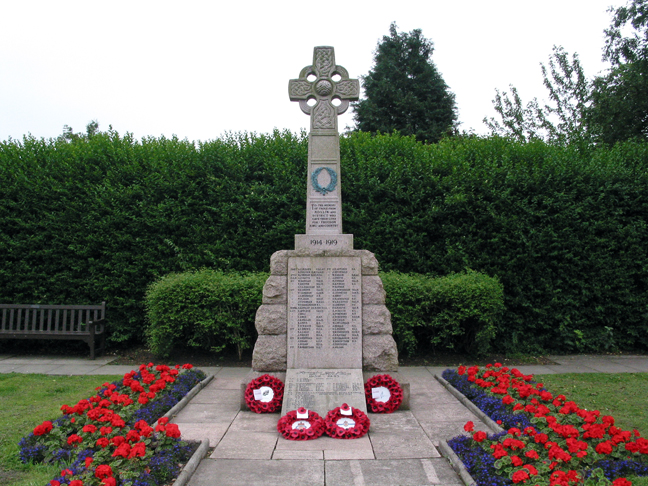
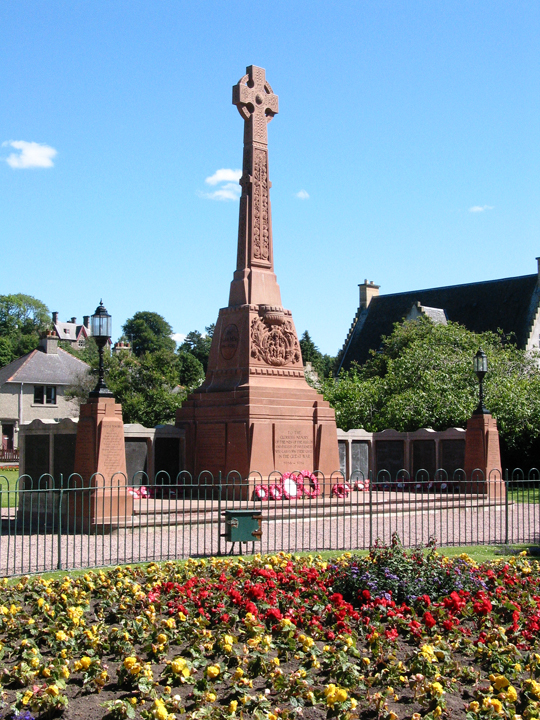
Monumento aos soldados mortos na Primeira Guerra Mundial
Monument to dead soldiers of 1st World War

That night after the pub, while I was changing into sleeping T-shirt, I was singing Nirvana’s About a Girl very low, but one of the roommates heard it, for the next day he told me:
– You were singing!
The guy was a immigrant from Czech Republic who had been looking for a job for about two weeks.
– I’ve got a job! – he said smiling, outstretched in his upper bunk bed.
– Good! Let’s celebrate! – I said, while desperately searching my backpack and bag for the lost  glasses. I invited him to go for a pint, but he declined because next day was his first at work, in a construction site, and he couldn’t be late.

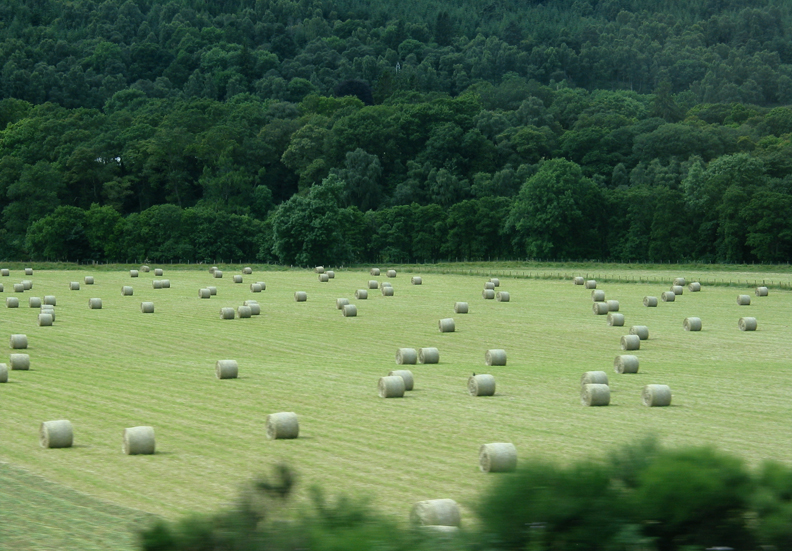
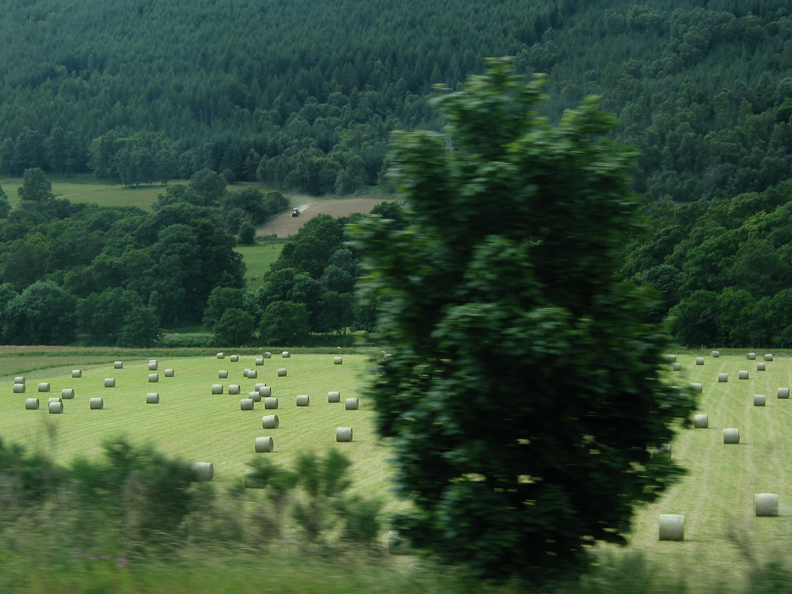
Rolos de feno nos campos / Haystacks in the fields

Fomos juntas à rodoviária, eu e Jules. Ela não tinha decidido aonde ia. Eu, já quase sem dinheiro, tinha volta marcada para Edimburgo; de lá, ia conhecer a Capela Rosslyn e retornar a Londres. Mas estava muito triste, pois seria ótimo seguirmos viagem juntas. No guichê, depois de muito pensar e ver horários, ela decidiu ir a Ullapool, uma praia a noroeste. Tentei trocar minha passagem, mas era um tíquete de ida e volta agendado em Londres, a moça da bilheteria não podia trocar. Sendo assim, ali nos despedimos quando entrei no ônibus e pela segunda vez a dor me mordeu na viagem. Estava só novamente.
Enquanto estávamos em Orkney, houve um atentado terrorista no metrô de Londres. O motorista escocês que me reconduziu a Edimburgo parou no acostamento e pediu que os passageiros fizessem um minuto de oração silenciosa pelas vítimas. Todos atenderam.

Hora de dizer adeus e seguir em frente.
Time to say goodbye and move on.

Jules and me went to the bus station together. She hadn’t made up her mind about her next destiny. I was short of money and had my round trip ticket back to Edinburgh. From there I was going to Rosslyn Chapel and, finally, back to London. But I was very sad because it would be great if we could keep on travelling together. At the ticket office, after hours of asking and thinking, she decided to go to Ullapool, a beach northwest. I even tried to change my ticket but it was a return, bought in London, the clerk couldn’t change it. So we said goodbye as I boarded my bus and, for the second time in the trip, pain bit me hard. I was alone again.
While we were in Orkney Islands, there was a terrorist attack in London subway. The Scot driver who brought me back to Edinburgh suddenly pulled the bus off the highway and asked the passengers to make one minute of silent prayer for the victims. Everybody joined him.

Read Full Post »


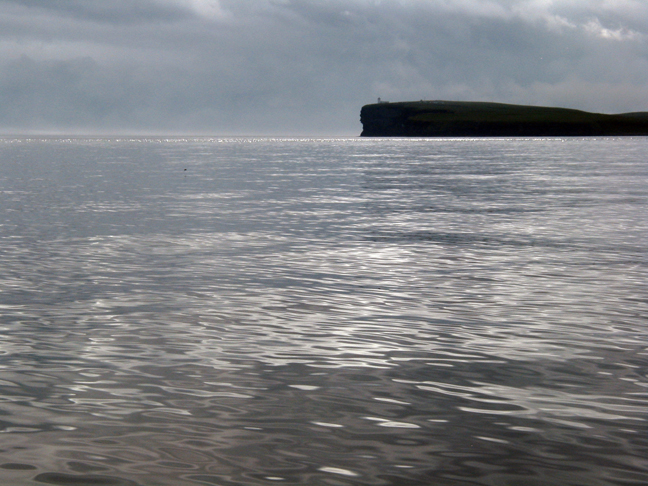
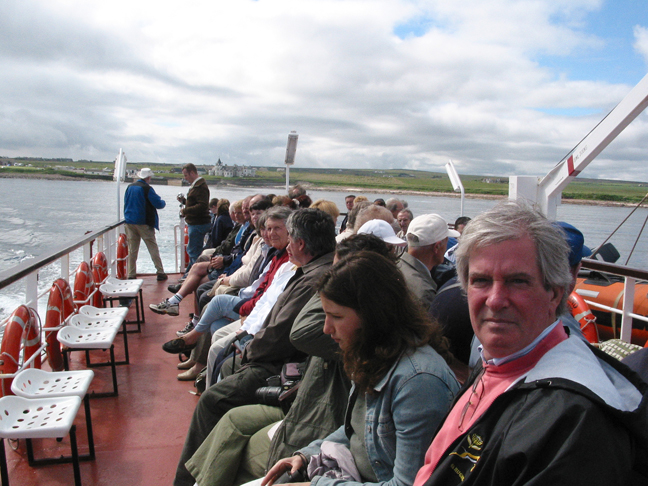
Atravessando o estuário de Pentland / Crossing the Firth of Pentland

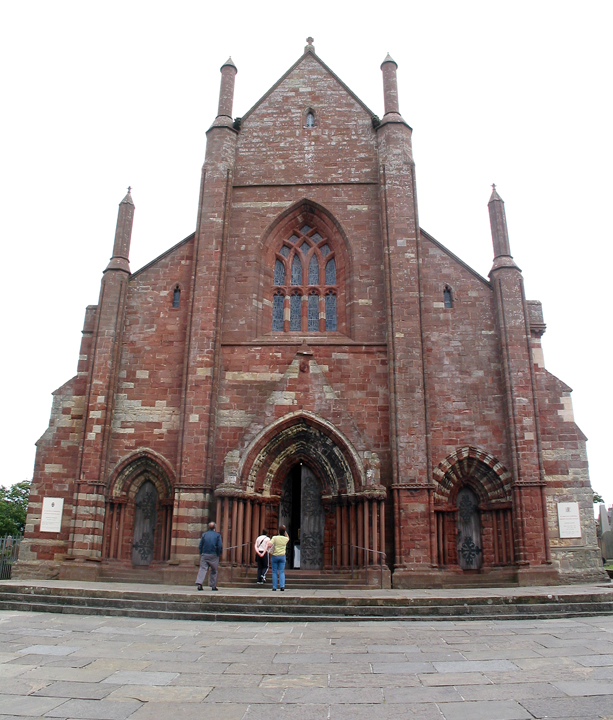
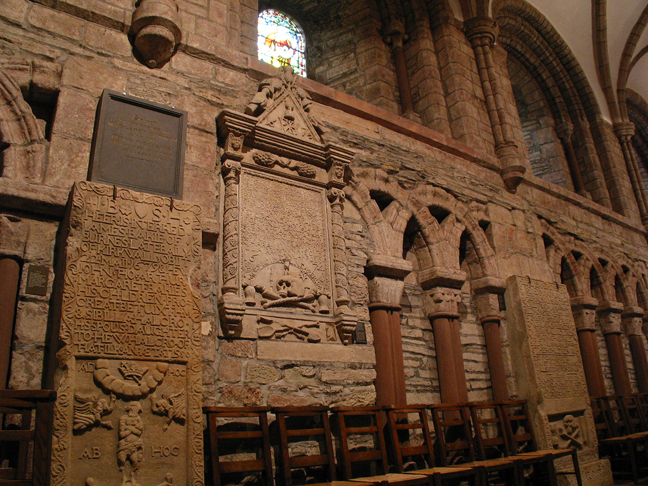
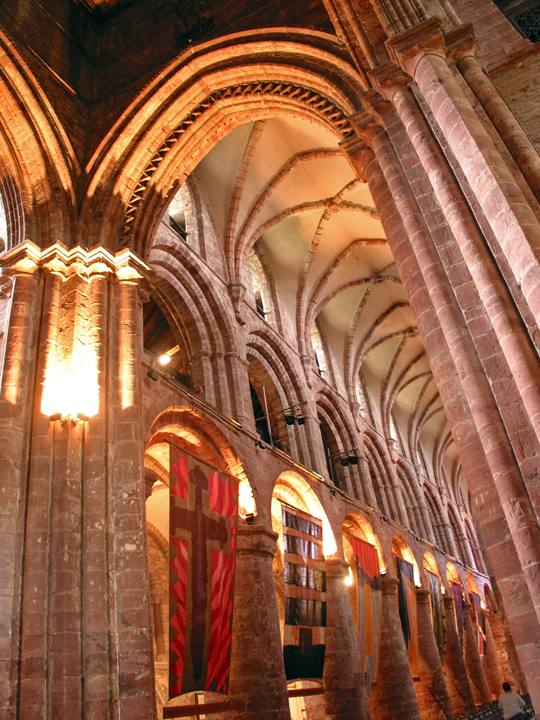
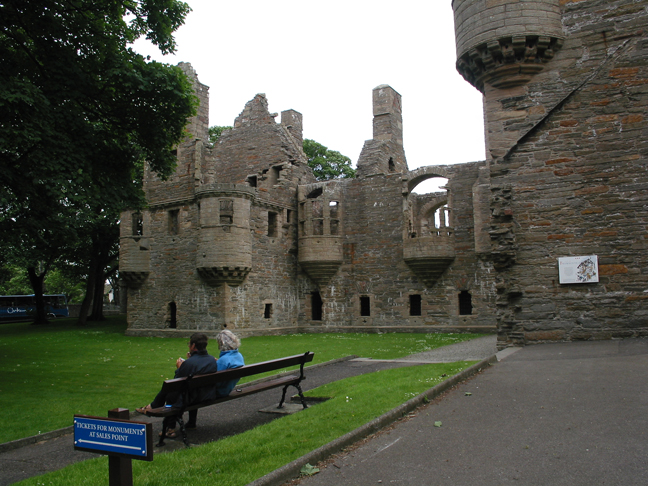
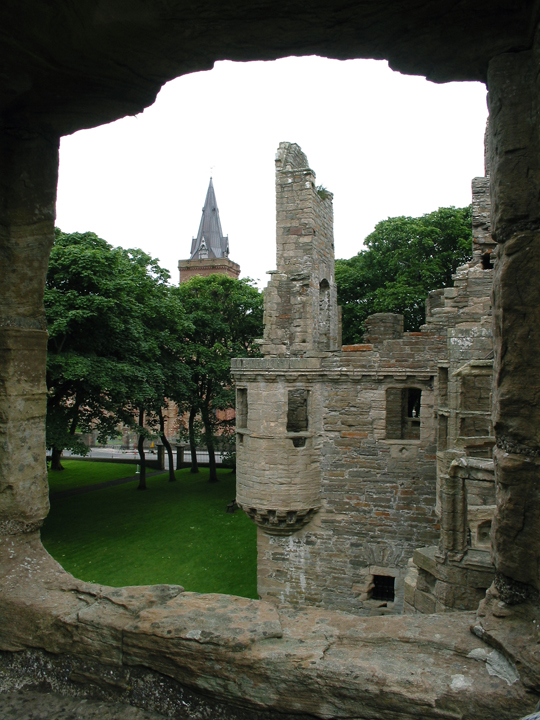
Após a almoço embarcamos no ferryboat para cruzar o estuário de Pentland. A travessia levou 40 minutos, sob o vento cortante do Mar do Norte. Outro ônibus nos esperava para prosseguir viagem até Kirkwall, principal cidade de Orkney, onde houve uma parada para visitar a catedral de St. Magnus, que data do século XII. Ao lado da igreja encontram-se as ruínas do Palácio do Conde. O tempo fechou, ameaçando chuva. Fiquei tensa, quarenta minutos me pareceram a eternidade, mas depois de um café e algumas fotos a excursão prosseguiu.

Mais perto / Closer

After lunch we boarded the ferry to cross Pentland Firth, 40 minutes under the freezing North Sea wind. In the end, another bus was waiting to carry us further, to  Kirkwall, main Orkney town. There was a stop to visit St. Magnus, a XII century Cathedral. Next to it are the ruins of the former Earl’s Palace. We stood there for what seemed eternity, plenty of time for pictures and a coffee and the weather went worse, threatening rain, so I was quite tense. But eventually the tour departed.  

St. Magnus Cathedral

Interior sinistro da enorme catedral / Inside the massive Cathedral… creepy!

Ruínas do Palácio do Conde, no meio de um parque em Kirkwall
The Earl’s Palace ruins with a park around, in Kirkwall

A torre da catedral vista do Palácio do conde
Cathedral Tower seen from the Earl’s Palace

Enfim raios de sol. / Sunlight at last.

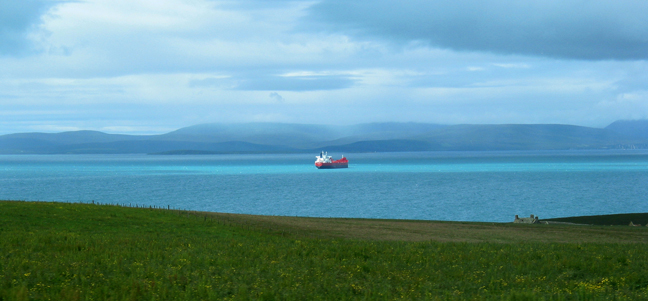
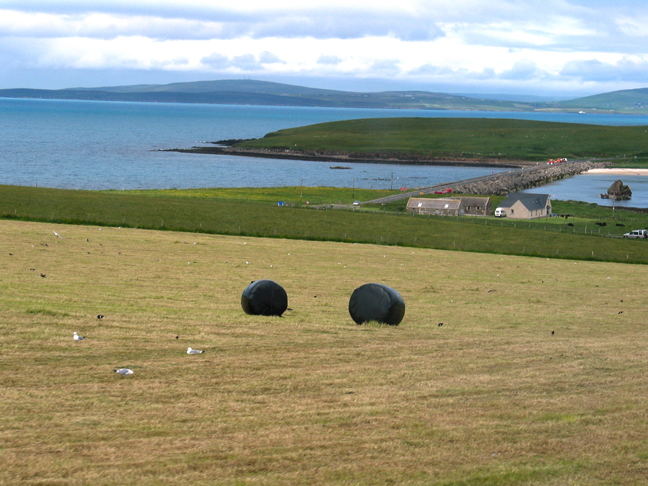
A estrada ia costurando as ilhas como um patchwork. São setenta ao todo, das quais apenas vinte são habitadas. Percorremos quilômetros entre nada e lugar nenhum, campos arados pontilhados por rolos de feno aguardando serem recolhidos sabem os deuses por quem, pois não se via uma alma sequer.

Pontes interligam as ilhas, algumas minúsculas / Bridges between the tiny islands

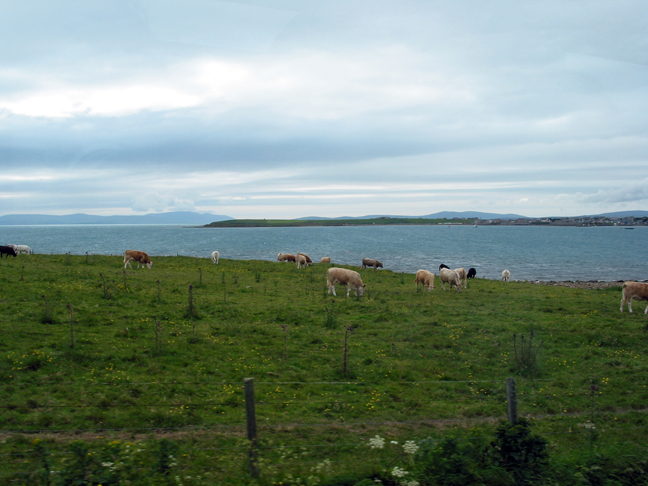
Paisagem através da janela do ônibus / Landscape seen through the bus window

Casco de um barco naufragado / Wreckage of an old boat

The road sewed together, like a patchwork , approximately 70 islands of which 20 are inhabited. A long way between nothingness and nowhere. Miles of plough fields dotted with haystacks waiting to be collected, the Gods only know by whom, for there wasn’t a single living being in sight.

Skara Brae!

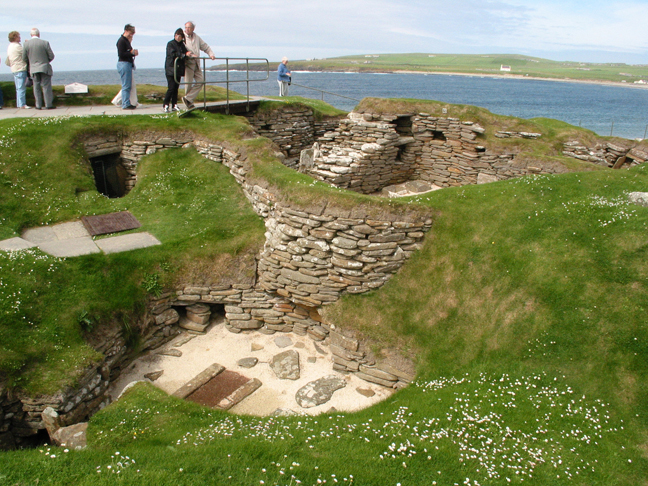
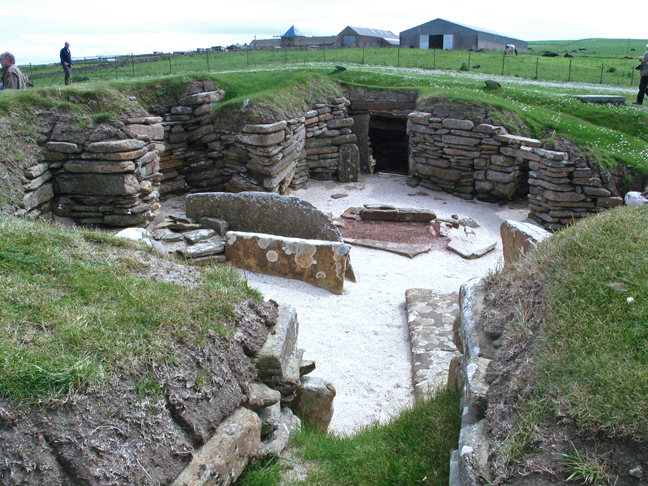
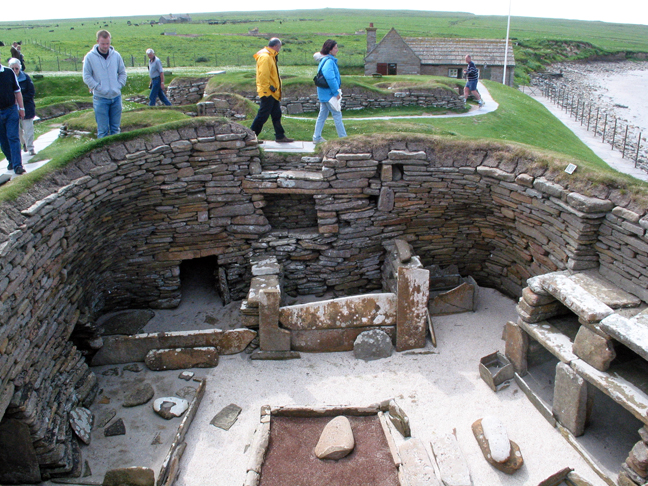
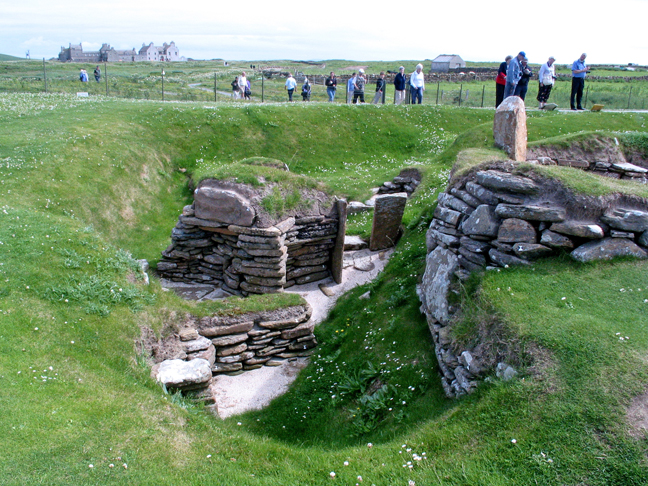
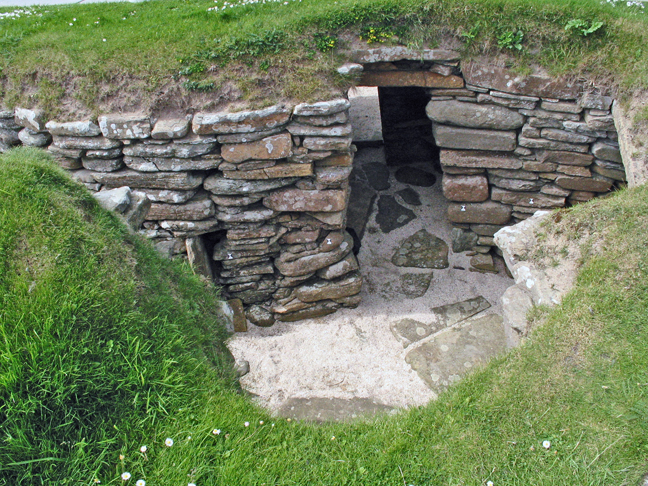
Por fim chegamos a Skara Brae, sítio arqueológico que guarda um dos mais antigos vestígios de ocupação humana de que se tem notícia, datado entre 3180 e 2500 a.C. Uma relíquia do Neolítico com tal grau de preservação que ganhou da UNESCO o título de Patrimônio Histórico Mundial. São dez habitações de pedra enterradas no solo, ligadas por passagens também de pedra, que abrigaram não mais de cinquenta seres humanos. Lugar absolutamente inóspito, o vento glacial constante nas Orkneys impede o crescimento de qualquer árvore, só se vê grama num raio de quilômetros.

Contornando as escavações / Circling around the excavations

We arrived at last in Skara Brae, archaeological site that keeps traces of the most ancient known human settlements, dating back to 3180 BCE – 2500 BCE. It’s Europe’s most complete Neolithic village. Due to its excellent preservation, it was given UNESCO World Heritage Site status. It consists of ten clustered stone houses sunk into the ground for insulation against Orkney’s harsh winter climate, where once lived no more than fifty people. An inhospitable place, an empty wilderness where the frosty wind prevents any tree from growing, all you see in a radius of miles is grass.

As casas foram cobertas pela areia gradualmente, e tudo indica que já tinham sido abandonadas quando isso ocorreu, mas não se sabe por que.
Burial in sand was gradual and it seems that the houses had already been abandoned — for what reason, no one can tell.

Skara Brae é mais antigo que Stonehenge e que as pirâmides. Na trilha para o sítio arqueológico, passa-se por uma réplica em tamanho real de uma das habitações, com vasilhas de barro, cestos de peixe seco, pilhas de lenha, peles e mobília de uma alvenaria feita com pedra, areia e palha. Os habitantes deviam ser esquimós, pois o gelo cobre tudo no inverno. Ali em pleno verão, ao meio-dia, apesar do sol ter aparecido, meu nariz e orelhas já estavam congelados assim como as mãos, que insistiam em empunhar a câmera.

Quase todas as casas tem mobiliário semelhante, com as camas e aparador no mesmo lugar. / Most of the houses have similar furniture, with the beds and dresser in the same places in each house.

Skara Brae is older than Stonehenge and the pyramids in Egypt. On the footpath to the archaeological site there’s a life size model of one of the houses, with all its pottery inside, baskets of dry fish, furs and stone-built pieces of furniture. The inhabitants must have been Eskimos, for in winter ice covers everything. It was midsummer, it was midday, the sun had decided to shine but I had my nose and ears frozen, as well as my hands that wouldn’t let go of the camera.

A aldeia tinha um sistema de drenagem que incluía um vaso sanitário tosco em cada habitação.
A drainage system was even incorporated into the village’s design, including a primitive form of toilet in each dwelling.

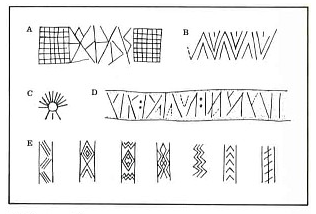
Os desenhos gravados nos objetos encontrados em Skara Brae são semelhantes aos encontrados no Vale do Boyne, Irlanda, sugerindo uma conexão entre estas culturas. / The spiral ornamentation on artifacts found at Skara Brae match stylistically objects found in the Boyne Valley in Ireland, suggesting a linkage between the two cultures.

Jules e eu sentamos na areia (pois Skara Brae é numa praia) e ficamos pensando o que seres humanos estariam fazendo em um lugar desses. Como chegaram ali? Será que já nasceram ali? Mas de onde vieram seus pais? Que combustível usavam? O que comiam? Apenas peixe, algas, ou será que plantavam cereais? Ou criavam gado e ovelhas? Ninguém sabe ao certo, mas as escavações indicam que durante seiscentos anos essa população sobreviveu. O frio e o sal preservaram suas construções, que hoje estão ali como prova do triunfo do espírito humano sobre a adversidade numa época remota.

Vista aérea de Skara Brae e o aspecto que devia ter, imagens do Google
Aerial view and how the village should have looked like, from Google Images

Jules and me sat in the sand (because Skara Brae stands in a beach) wondering what the fuck would human beings be doing in such a place. How did they get there? Were they born there? Where did their parents come from? What kind of fuel did they employ? What did they eat, fish and seaweed only? Or did they cultivate some cereal? Did they raise cattle and sheep as well? No one knows for sure, but excavations indicate that these people survived for about six hundred years. The cold and the salt preserved their buildings, that today stand there as a proof of triumph of the human spirit over adversity in early ages.

Read Full Post »


Me, Jules, Michelle and Nessie!

De volta a Inverness, desta vez dei sorte com o hostel. O Bazpackers era limpíssimo, tinha um jardim com mesas onde gente simpática conversava e dois recepcionistas brasileiros, ambos chamados Marcelo. Enturmei-me com uma menina do Canadá, uma da África do Sul e outra inglesa mesmo, que ia embora no dia seguinte. A canadense era magrinha, ruiva de olhos azuis, sardenta e comprava legumes no mercado para cozinhar suas refeições no albergue. A sul-africana, Jules, era gorducha, usava roupa de homem e só comia enroladinhos de salsicha, para “não perder tempo de viagem”.

Back to Inverness, I eventually found a excellent hostel, the Bazpackers, so tidy and neat, with a pleasant yard where tables provided people a meeting point. Two of the receptionists were Brazilian, both called Marcelo. I made friends with a girl from Canada, another from South Africa and a third, British, who was leaving the next day. The Canadian was thin, red haired, blue eyed, freckled faced and used to buy daily fresh vegetables to cook her meals in the hostel kitchen. The South African, Jules, was plump, wore men’s clothes and would eat only sausage rolls to “waste no travel time”.

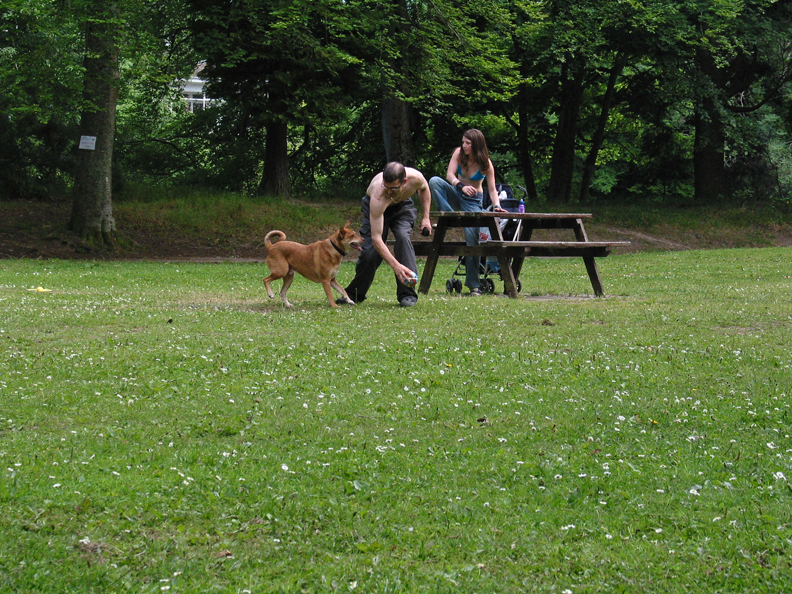
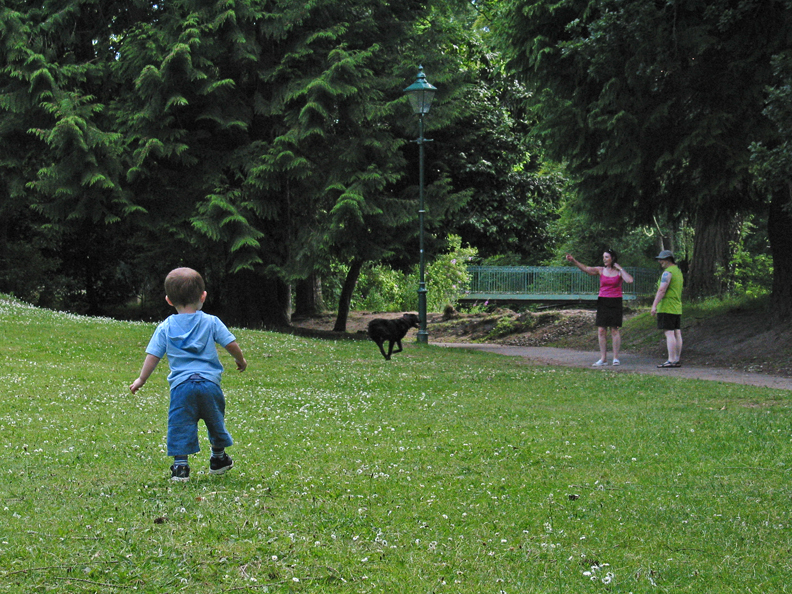
Pessoas brincando com seus cães no lindo parque às margens do rio.
People walking their dogs in the beautiful park surrounding the river.

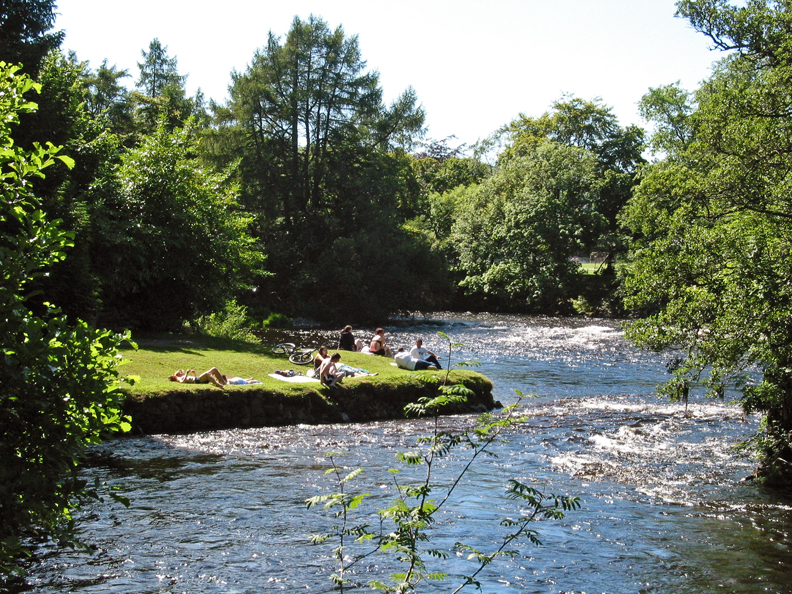
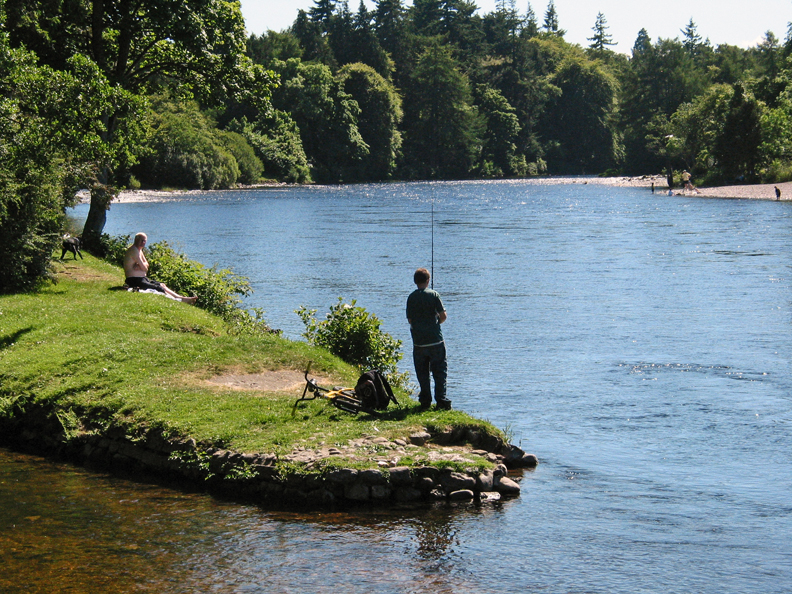
Fomos andar no belíssimo parque que beirava o rio Ness, de águas cristalinas, onde havia muita gente pescando… salmão! Jules dizia “Good thinking, Batman!” toda vez que uma boa ideia surgia na conversa. Ela era uma figura, super engraçada, de cara ficamos super amigas  e no dia seguinte fomos juntas à destilaria da Glenfiddich, que era seu uísque preferido. Michelle não quis ir, tinha combinado sair com um dos Marcelos.

We went for a walk in the gorgeous park settled along the River Ness, where many people were salmon fishing in those crystalline waters. Every time when we’re chatting and a brilliant idea came out of it Jules would say “Good thinking, Batman!” She was so funny, we made instant friendship and the next day went together to visit her favourite whisky distillery, Glenfiddich. Michelle didn’t go with us, she had a date with one of the Marcelos.

Inverness, 11 de julho de 2005 / July the 11th, 2005

Moleque pescando salmão / Kid salmon fishing

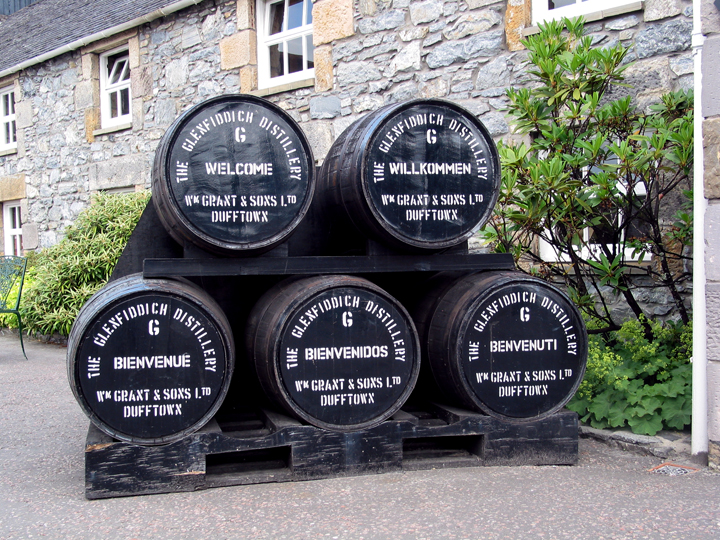
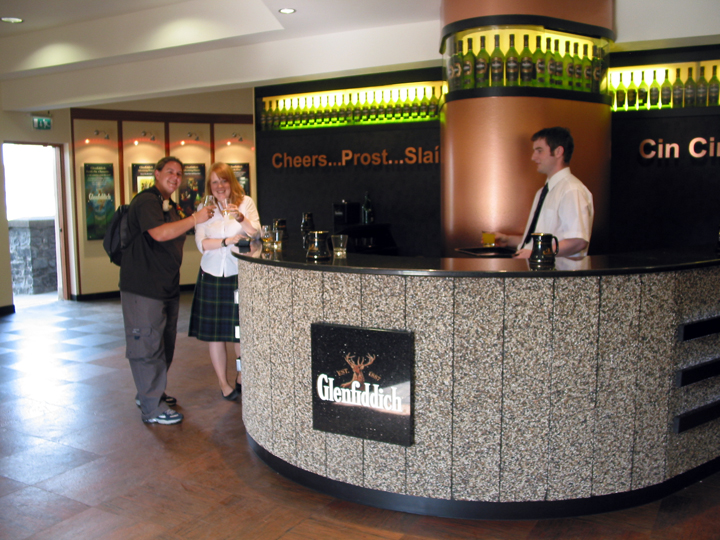
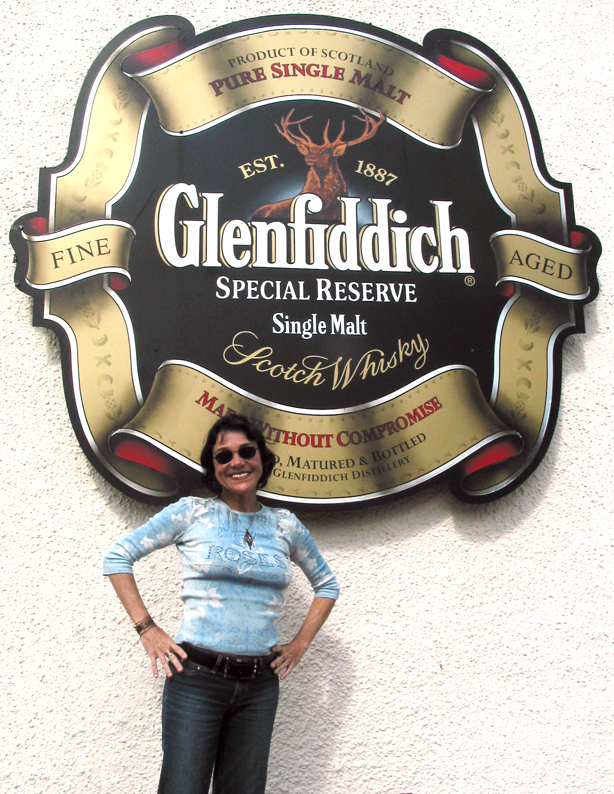
Quando entramos no ônibus e fomos pagar a passagem, lembrei de pedir ao trocador: “Return!” Custava praticamente o mesmo preço da passagem só de ida! No fim da visita à destilaria tinha degustação, e aporrinhamos tanto os funcionários, que acabamos bebendo muito mais que os outros visitantes. Ou seja, ficamos de pileque. Na volta, a caminho do albergue, passamos por um pub com música ao vivo e ainda tomamos algumas pints ali com o dinheiro que economizamos na passagem.

Glenfiddich Distillery Keith, Dufftown, Keith, Banffshire AB55 4DH, Reino Unido
01340 820373

I remembered to ask for a return ticket when we boarded the bus, and it costed almost the same as the one way ticket. After the tour in the distillery there was a degustation and we bugged the staff so much that in the end we were given much more whisky than the other tourists. In other words, we got drunk. Back in Inverness, on our way to the hostel there was a pub with live music and we’ve still hung around there and had a couple of pints with the money we’d saved.

Visita à Glenfiddich / The Glenfiddich Distillery Tour

No dia seguinte, acordamos cedo para uma excursão às Ilhas Orkney. No post 029 já falei sobre esse reino distante onde Mordred, o único filho de Arthur foi criado por sua tia Morgause, irmã de Igraine, que se tornara rainha de Orkney ao casar-se com o Rei Lot.

Os funcionários foram muito fofos apesar de termos enchido o saco deles.
Although we’ve surely pissed off the staff, they were very friendly and nice to us.

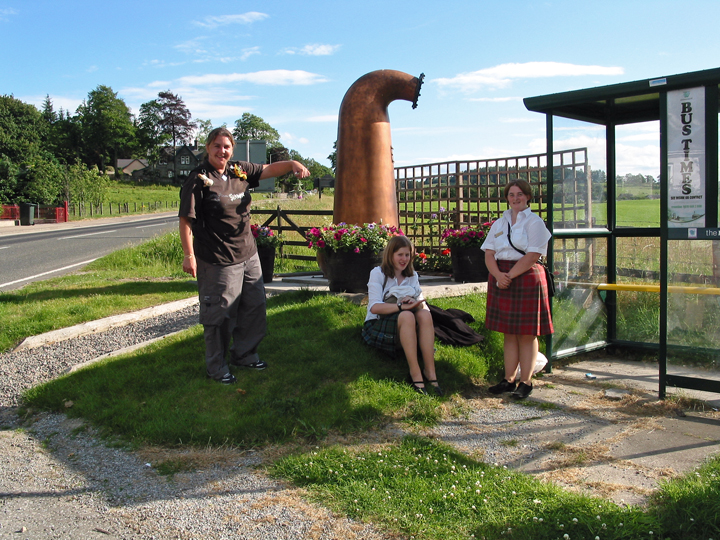
Ponto do ônibus em frente à destilaria.
Glenfiddich’s bus stop at the distillery’s entrance.

Early next morning we boarded a tour to Orkney Islands. I’ve said something about this place in Post 029, a far away kingdom where Arthur’s only son Mordred was raised by her aunt Morgause, Igraine’s sister who became a Queen by marrying Lot, the king of this realm.

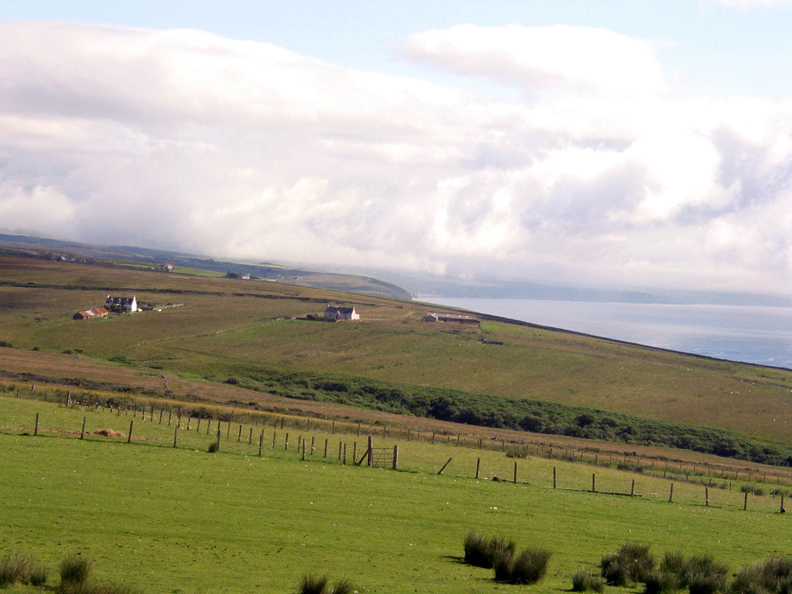
Caminho entre Inverness e John O’ Groats, da janela do ônibus.
The landscape from Inverness to John O’Groats through the bus window.

A viagem era muito longa, fomos parar bem ao norte do mundo. Era impossível entender o que o guia falava. Mesmo para Jules, cujo idioma pátrio era o inglês, o sotaque carregado do sujeito só permitia captar um mínimo de informações básicas. Levamos quase cinco horas até descer do ônibus em John O’Groats, a última cidade no extremo norte da Escócia, no condado de Caithness. Ali houve uma parada para almoço antes de prosseguir viagem num ferryboat. Consegui convencer minha amiga a almoçar uma sopa de legumes, que vinha acompanhada de cesta de pães e, apesar do sabor acentuado de molho de tomate, nos deixou satisfeitas, até por ser o prato mais barato do cardápio.

That was a long way north. The guide’s strong scottish accent made it impossible to understand him. Even Jules, a native english speaker, was able to get only tiny bits of basic information. It took us almost five hours to drop off the bus at John O’ Groats, the northernmost spot of Scotland, in Caithness County. There was a lunch break before boarding the ferryboat to resume the trip. I’ve got to persuade my friend to have a proper lunch – a vegetable soup, the cheapest menu option, which came with a basketful of bread and filled well our stomachs despite the strong taste of tomato sauce.

John O’Groats

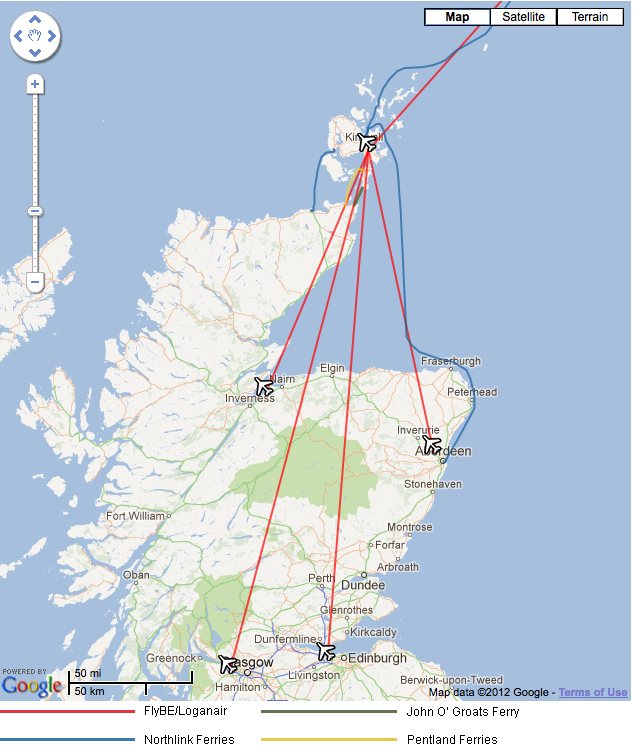
Há outras linhas de ferry para as Ilhas Orkney, e pode-se chegar lá de avião também, saindo de Aberdeen, Glasgow, Edinburgh e Inverness, como assinalado no mapa abaixo, que tirei da página “getting here” neste site super abrangente, que contém todas as informações para sua viagem:

http://www.visitorkney.com

There are other ferryboat services to Orkney Islands and also flights from Aberdeen, Glasgow, Edinburgh and Inverness, as shown in the map below that I copied from the embracing site above,  where all information you need is under the link “ getting here”.

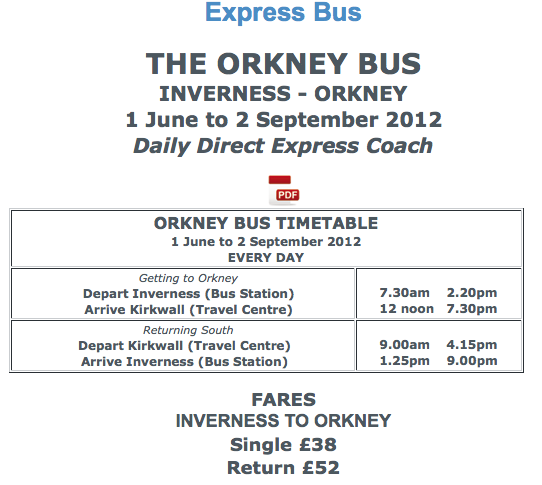
Jules e eu optamos por uma excursão que ia e voltava no mesmo dia, totalizando 14h de viagem, cujos detalhes atualizados também colei aqui. O ônibus sai diariamente da plataforma 1 da Rodoviária de Inverness às 7:30 da manhã, e pode-se comprar o ticket na hora.

Jules and me have chosen an one-day bus tour , 14 h. duration, which updated details are copied below. Coaches leave daily from Platform 1 at Inverness Bus Station, 7:30 a.m. There’s no need to buy the tickets in advance.

Fiquem espertos: postarei na sequência as fotos desse passeio alucinante.

Don’t miss next entry: photos of this unforgettable tour.

Read Full Post »


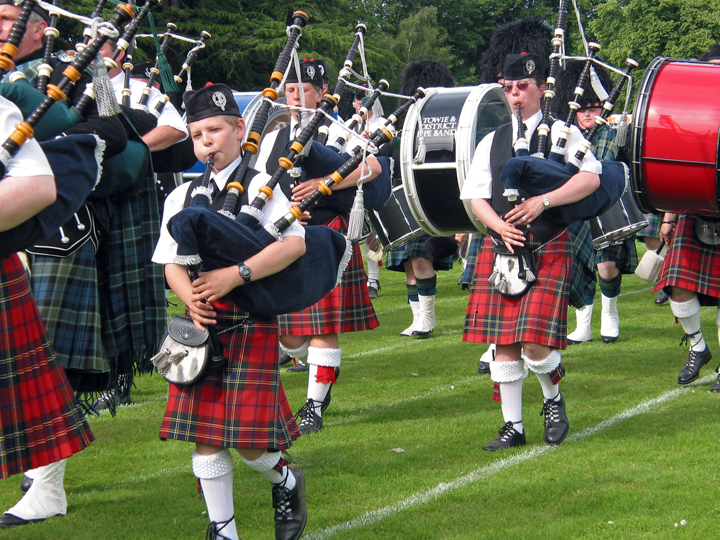
Desfile nos Highland Games / Parade

Os brasileiros me disseram que, no dia seguinte, haveria um evento imperdível em Forres: os Highland Games, que celebram a tradição e cultura céltica. Acabei indo sozinha mais cedo pois as pessoas tinham aulas até as cinco horas. Embarquei na van que fazia transporte gratuito entre Cluny Hill e a Fundação, e não foi preciso andar muito para localizar o evento no parque próximo à Pedra das Bruxas.

My Brazilian friends were talking about the Highland Games which were taking place the next day in Forres, unmissable, for It’s an event celebrating Scottish and Celtic culture and heritage. Eventually I went alone, earlier, because people had classes until 5pm. I took the free shuttle to Cluny Hill and dropped off in the park in Forres, near the Witches Stone, where the Games were going on.

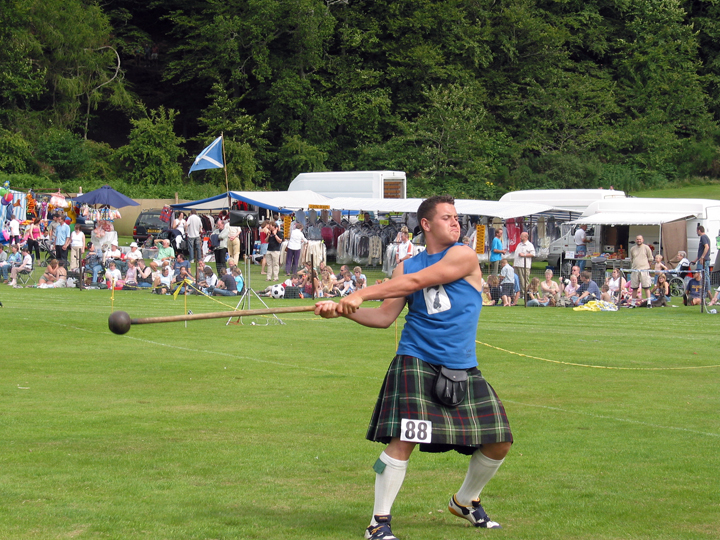
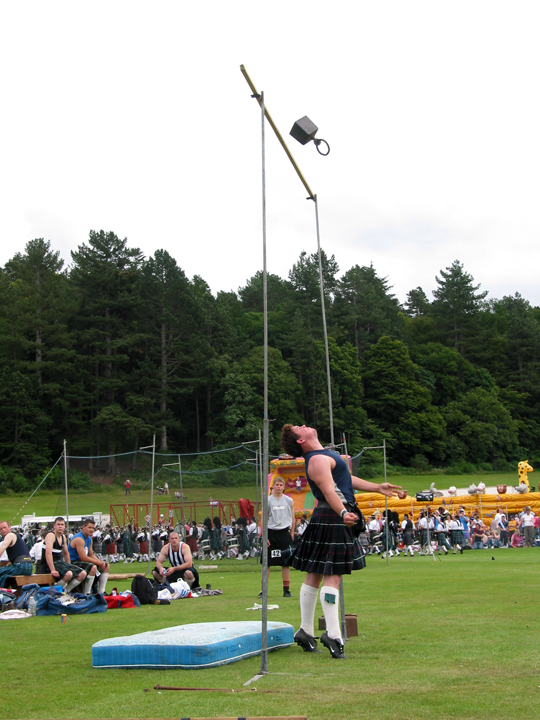
Arremesso de martelo (que devia pesar duas toneladas) / Hammer throw

A área estava cercada para os jogos com uma lona em toda sua extensão e a entrada custava cinco libras, mas um pouco adiante havia um pedaço rasgado e algumas crianças brincavam de passar de um lado para o outro. Quando me aproximei, uma delas olhou bem para mim, fez um gesto me chamando e disse: Vem! Obedeci rapidamente, com satisfação.

The area was isolated by a tarpaulin all around it and the entrance fee costed 5 pounds. So I took a walk around it and found a place where the tarpaulin was torn and some kids were playing, running inside/ outside. When I approached them, a boy took a good look at me and said “Come!”, making a gesture for me to follow him, what I did at once, gladly.

Arremesso de peso em altura / Weight over the bar, also known as weight for height

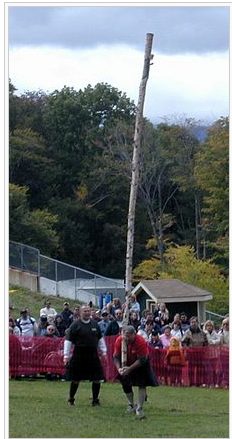
Lá dentro havia pula-pula, tobogã e outros brinquedos infláveis, barraquinhas vendendo comida, bebida e objetos usados na tenda da Caridade. As provas da competição eram dignas de Asterix e Obelix, e os competidores pareciam mesmo os invencíveis gauleses. Infelizmente já tinha terminado a que eu mais queria ver, o “Caber Toss”, na qual os competidores tinham de sair correndo segurando um tronco gigantesco e arremessá-lo para o alto de tal forma que ao tocar o chão tivesse dado uma volta completa no ar. Achei uma foto na Wikipedia.

There was playground with inflatable toys, carts selling food, drink and a Charity Thrift Tent. The games were worthy of Asterix and Obelix, and the players definitely looked like the invincible Gauls. Unfortunately what I wished to watch the most was over: the Caber Toss. A long tapered pine pole or log is stood upright and hoisted by the competitor who balances it vertically holding the smaller end in his hands (see Wikipedia photo below). Then the competitor runs forward attempting to toss it in such a way that it turns end over end with the upper (larger) end striking the ground first.

Caber Toss

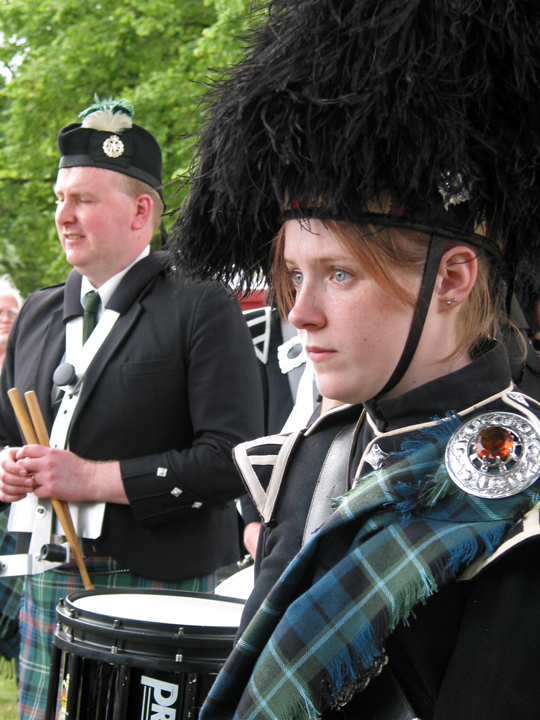
Concurso de bandas de gaita de foles / Pipe Bands competition

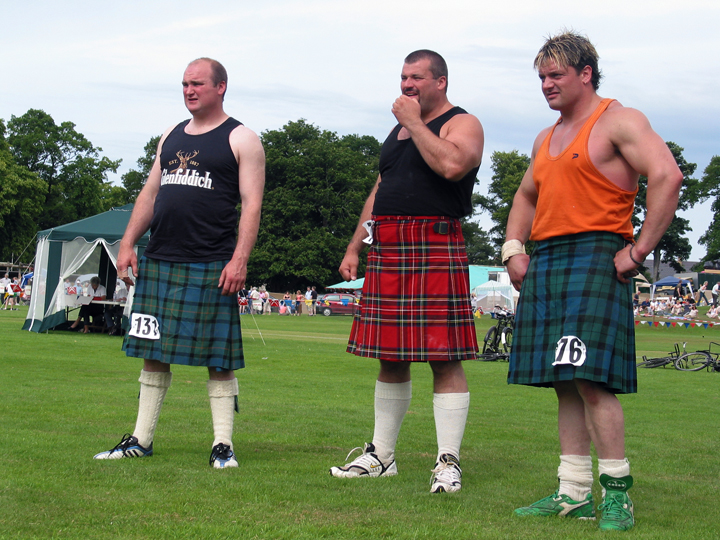
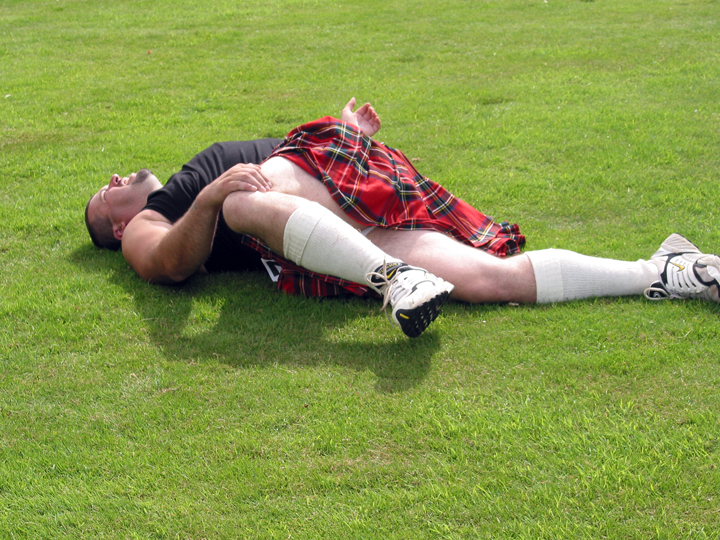
Ri bastante desses caras, verdadeiros armários, de Kilt.
These big guys looked funny indeed in kilts. Ooooops!

Adorei a Escócia. Na volta, havia um grupo de velhinhas no ponto de ônibus. Perguntei qual deveria tomar para chegar à Fundação, mas nenhuma delas sabia. Porém me disseram para esperar. O ônibus delas parou, uma foi falar com o motorista, voltou com a informação, que me fez repetir para certificar-se que eu entendera e por fim embarcou. Agradeci muito, e quando o ônibus arrancou, todas as velhinhas estavam acenando pela janela, me dando tchau, todas  sorridentes. Muito fofas! Quase chorei.

I was in love with Scotland. Later in the afternoon, in a bus stop, I asked a group of fluffy old ladies which number was the bus to the Foundation and none was quite sure, but they told me to wait a while, for their bus was approaching and when it came to a halt one of them talked to the driver and came back with the information. She bade me repeat it to be sure I had understood before boarding, what I did and thanked her gratefully. When the bus took off, all the ladies were at the windows waving me goodbye, smiling so sweet that tears came to my eyes.

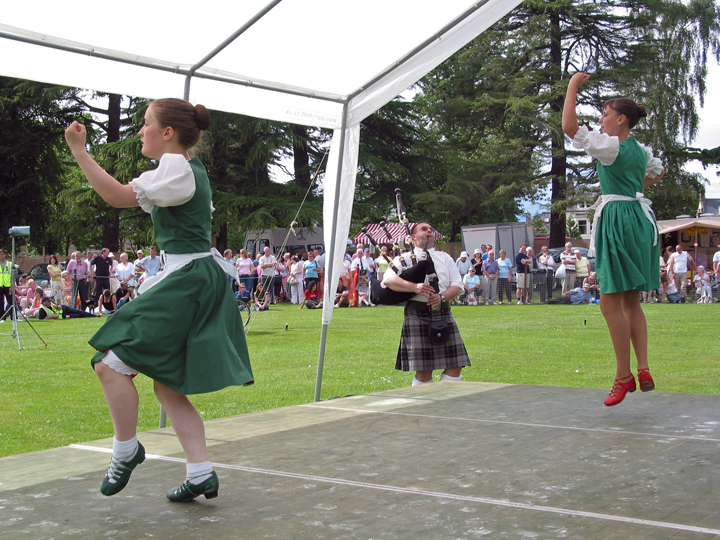
Concurso de danças típicas / Traditional Dance Competition

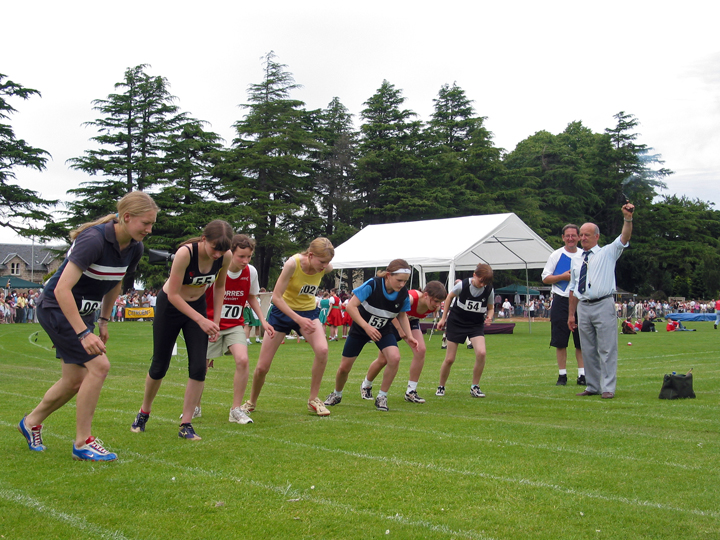
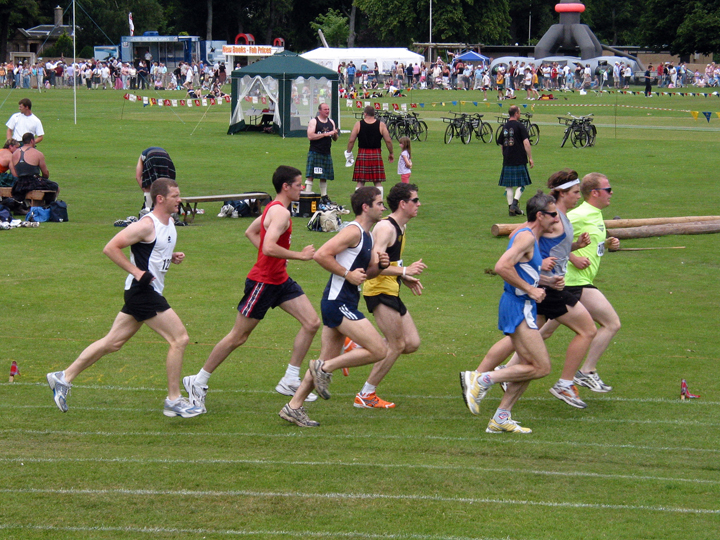
Corrida / Running

Entrega de prêmios / Awards delivery

Concentração / Concentration

Juiz adormecido / The sleeping referee

À noite haveria um baile na Fundação, pelo qual todos esperavam ansiosamente. Um grupo grego chamado Xenos iria tocar. Fiquei pensando como entrar sem pagar as cinco libras do ingresso. Mas não havia ninguém por perto com autoridade para me liberar a entrada em troca de algum trabalho, então fui sondar o Universal Hall, onde iria ser a festa. Tinha uma entrada principal, uma nos fundos que dava para os camarins, e um corredor entre o palco e o salão. E lá, num canto, estava…  uma vassoura! Peguei e comecei a varrer. Primeiro, toda a entrada e área em volta. Depois, a entrada dos fundos, por fim o corredor. Quando não restava uma folhinha sequer no chão, surgiu na minha frente um dos diretores, que olhou bem em volta e perguntou-me se eu tinha combinado com não sei quem de fazer a limpeza em troca do ingresso. Abri a boca meio sem saber o que dizer, mas ele não esperou pela resposta. Falou que a tal pessoa precisara se ausentar, mas que eu tinha feito um “excelente trabalho” e deveria entrar naquele momento, porque o espetáculo estava para começar. Guardei a vassoura e obedeci.

There was a ball in the Foundation that night, with live music played by a Greek band, Xenos, and people were so excited about it. I was wondering if there was some work I could do in exchange for the ticket. It costed 5 pounds and there was no one around who could help me, so I headed to Universal Hall, where the party was to take place. There was a main entrance, a back door to the dressing rooms and a corridor opening to the stage and to the ballroom. There, in a corner, leaning against the wall, was… a broom! I grabbed it and started sweeping the floor, first all around the main entrance, then all around the back door and when I was about to finish with the corridor, not a single leaf left on the floor, a door opened right in front of me and through it came one of the directors. He saw what I had done and asked if I had made an arrangement with a certain woman about it. I’d never actually seen her, and opened my mouth not sure about what to say, but he didn’t wait for my answer. He told me the lady had left earlier, but I had done an “excellent job” and should now go to the ballroom because the show was about to start. So I kept the broom and obeyed him.

Danças Sagradas Circulares, algo além da minha capacidade de coordenação motora.
Circular Sacred Dances, something I had never enough motor coordination skills to perform.

No início, me animei. O grupo tocava música folclórica, meio cigana; saí dançando e as pessoas entraram no clima. Em minutos, todos estavam em transe rodopiando pelo salão, sorrindo e suando em bicas. Contudo, pouco depois comecei a achar a música repetitiva e, por fim, chata mesmo. Tinha uma moça tocando uma cornetinha que já estava me irritando. Em determinado momento, saí discretamente e fui dormir.

At first I was pretty high spirited. Xenos played folk music, kind of gipsy tunes, and when I started dancing people joined in the mood. In a little while they all looked like crazy whirling dervishes, smiling, sweat running down their hair, faces and bodies. Later, however, I realized the music was repetitive and a few minutes more, I was definitely fed up of that girl playing an irritating bugle, so I left the place unnoticed and went to bed.

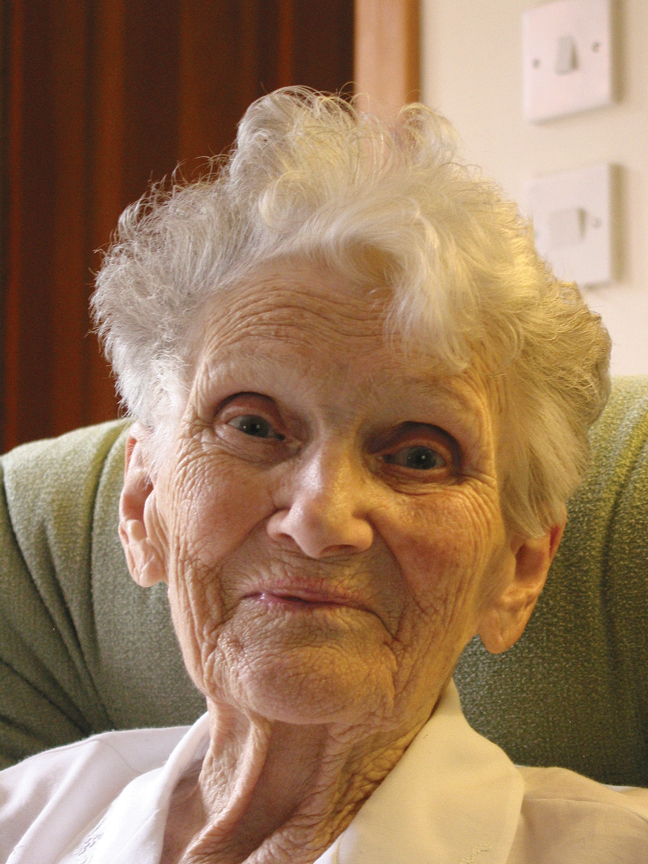
Eileen Caddy

Fiquei sabendo que haveria uma excursão à ilha de Iona, que confundi com Mona, esta no País de Gales, onde ficava a mais importante escola dos druidas, último a ser arrasado pelos romanos. Porém o ônibus estava cheio, não consegui lugar. Assim sendo, deixei um recado para Melissa no quadro de avisos da recepção agradecendo a força e voltei para Inverness. Antes, porém, consegui visitar e fotografar Eileen Caddy, uma das fundadoras de Findhorn, uma senhora fofa que aos 88 anos continuava escrevendo mensagens espirituais diárias ditadas pelas divindades. Pedi sua bênção antes de me despedir, e fiz isso em boa hora: ela veio a falecer no ano seguinte, dia 13 de dezembro de 2006.

I was told there would be a tour to Iona, which I mistook for Mona, this one in Wales, where the most important druid school had been, the last to stand against the Roman ravage. But the coach was full, there was not one single seat left for me. So I left Melissa a note in the wall at the reception, thanking her for having helped me and took the road back to Inverness. Before that, however, I had the chance to pay a visit and take a picture of Eileen Caddy, one of Findhorn’s founders, a sweet old lady that, at the age of 88, was still engaged in writing down daily spiritual messages under divine guidance. I was given a blessing before saying goodbye, and that came in good time, for she passed away the following year, in December 13, 2006.

Adeus, Findhorn. Aprendi muita coisa aqui.
Farewell, Findhorn. I learned so much in here.

Read Full Post »


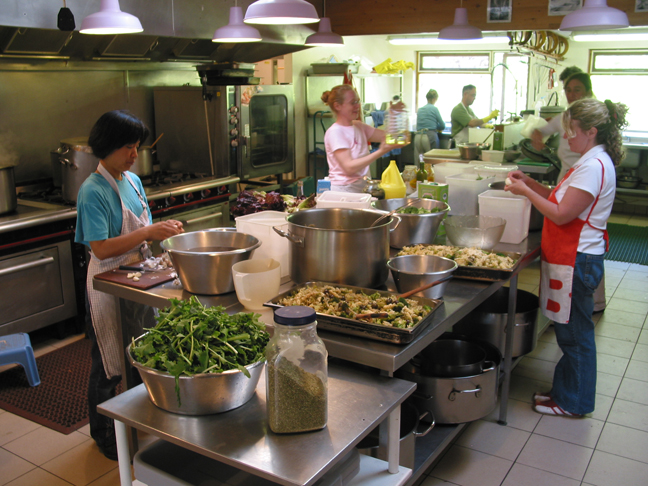
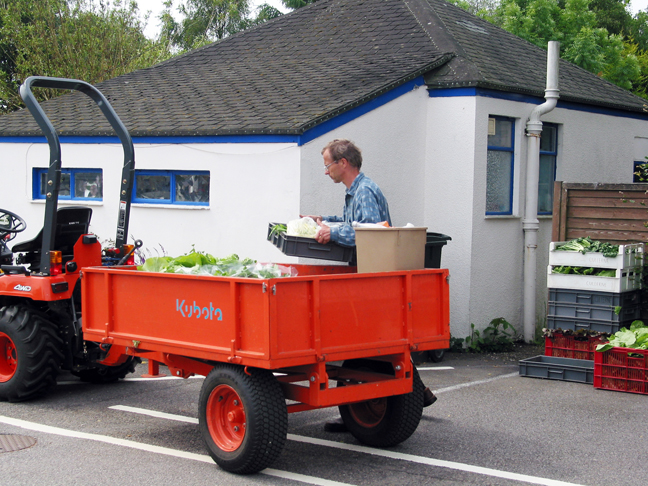
Trabalho comunitário na cozinha / Communitary work in the kitchen

Dia 9 de julho de 2005 trabalhei como voluntária na cozinha da Fundação. Como foi bom descascar ervilhas e cebolas, mexer com facas e panelas. Estava com saudade disso, e o trabalho também me valeu o delicioso almoço. No dia seguinte, eu teria de pagar para almoçar, por isso só entrei no salão de refeições para falar com os brasileiros no fim do horário de refeição. Reparei, no entanto, que não havia mais ninguém pegando os vales de quem entrava. Todos já estavam acabando de comer, sobrara bastante comida nas travessas e eu estava faminta.  Fiz um prato, sentei e comi. Felizmente, ninguém estranhou, nem tampouco veio me cobrar .

2005, July the 9th I volunteered to work in the kitchen. It felt so good to peel onions and peas, handle knives and pots, I was missing cooking, and for the work I was given (delicious!) lunch. Next day I would have to pay for my meal, but I entered the common room almost at closing time, just to talk to the other brazilians. However, nobody was there collecting lunch vouchers anymore. People were quite finished and there was still plenty of food on the buffet. Starving,  I fixed myself a plate, sat down, ate and fortunately no one appeared to make any fuss about it.
Em 2005 havia apenas um moinho para gerar energia eólica, atualmente já são quatro, que abastecem a comunidade de toda a eletricidade necessária. A energia excedente vai abastecer a rede local./
There was only one wind turbine back in 2005. Now there are four, supplying more than 100% of the community’s electricity needs.If production exceeds demand the surplus is exported to the grid.

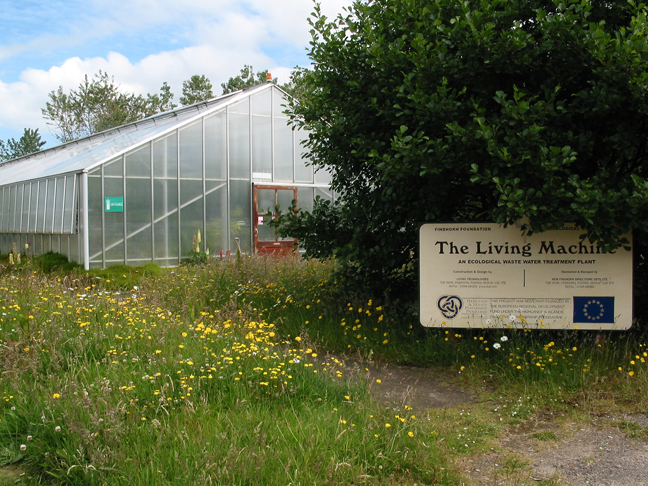
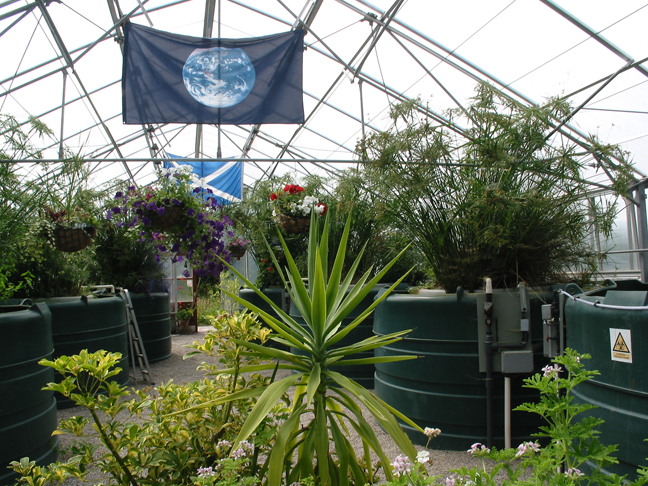
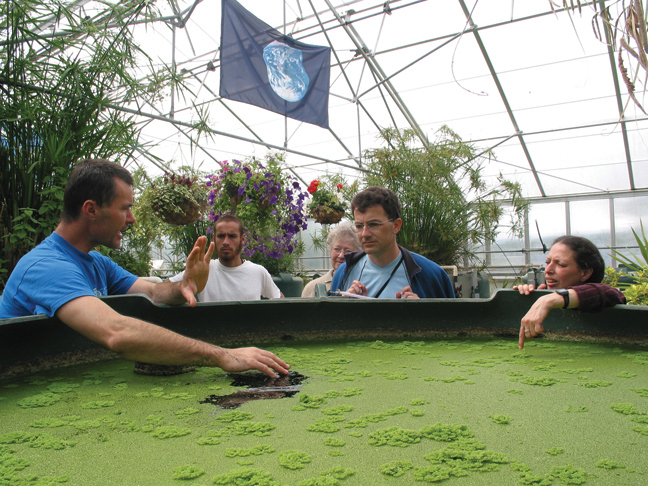
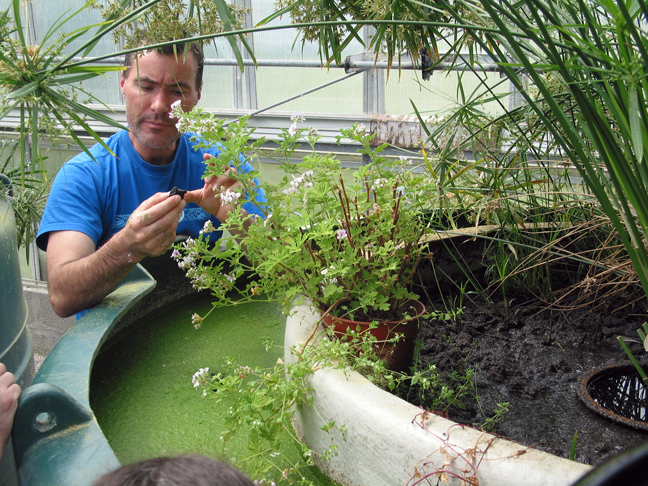
O grupo de brasileiros me mantinha informada sobre acontecimentos e atividades. Haveria um tour guiado pela Fundação incluindo a estação de tratamento ecológico de esgoto chamado Living Machine (Máquina Viva) cuja tecnologia me interessara conhecer. Me inscrevi e paguei as duas libras cobradas pela visita. Após percorrer diversas salas de atividades e meditação, inclusive o Santuário da Natureza, chegamos ao enorme galpão. A Máquina Viva reproduz em escala intensiva o processo de depuração que ocorre normalmente na natureza. Consiste numa sequência de tanques, onde desemboca o encanamento do esgoto. Em cada tanque há um ecossistema diferente composto por bactérias, algas, micro organismos, plantas, caracóis e peixes que se alimentam da sujeira,quebrando suas moléculas . A água que resulta desse processo, depois de passar por todos os tanques, está limpa (embora não potável) podendo ser devolvida ao mar ou reutilizada para regar plantas, lavar roupa e diversas outras finalidades. Não são utilizados produtos químicos e o custo é relativamente baixo. Sensacional!

Galpão da Máquina Viva / The Living Machine greenhouse

The Brazilians were updating me on activities and events. That afternoon, a guided tour to the Foundation was scheduled and it included the Living Machine, an ecological water treatment station which technology had caught my interest. To join the group I paid a two pounds fee. After visiting the facilities, studios, and meditation rooms including the Nature Sanctuary,  we got in the Living Machine. It was a massive greenhouse containing a series of tanks where sewage arrives through pipes. “Diverse communities of bacteria, algae, micro-organisms, numerous species of plants and trees, snails, and fish interact as whole ecologies in each one of these tanks and biofilters. These mirror processes that occur in the natural world, but do so more intensively. At the end of the series of tanks, the resulting water is pure enough to discharge directly into the sea or to be recycled. The technology is not only capable of meeting tough new sewage outflow standards, but uses no chemicals, and has a relatively inexpensive capital cost attached.” (quote from Findhorn Foundation Website)
Brilliant.

Aspecto da estação de tratamento de esgoto ecológica.
That’s how an ecological sewage treatment station looks like.

Tanques interconectados numa sequência que favorece a depuração da água.
The sequence of tank interconnection favors water depuration.

Essa estação trata todo o esgoto dos 500 habitantes da Ecovila. / This station treats sewage from the population of up to 500 people living at the Findhorn Ecovillage.

Vista da Ecovila / Ecovillage landscape

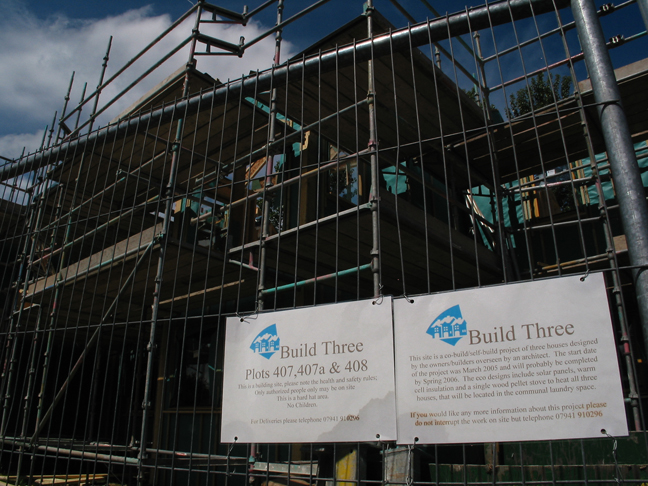
Construções ecológicas: para cada duas ou até três casas da Ecovila há uma área comum de cozinha e lavanderia (nesta casa, a parte central preta), minimizando o impacto ambiental. Emprega-se material reciclado e certificado, conforme detalhado na placa da obra. / Ecological buildings: each two or even three houses in the Ecovillage share facilities (laundry, kitchens – here, the black wal lin the middle ) avoiding unnecessary duplication, minimizing ambiental impact. All supplies are recycled and certificated, as stated in the sign shown below.

A construção e manutenção de tais casas pode ser executada pelos próprios donos.
Such houses are suitable for Self Building and Maintenance.

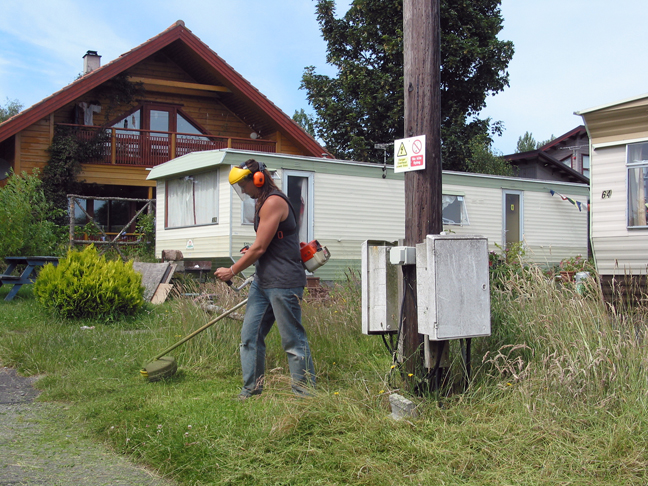
Os moradores da Ecovila estão sempre em atividade…
Ecovillage people are always busy…

… de um jeito ou de outro.
… in one way or another.

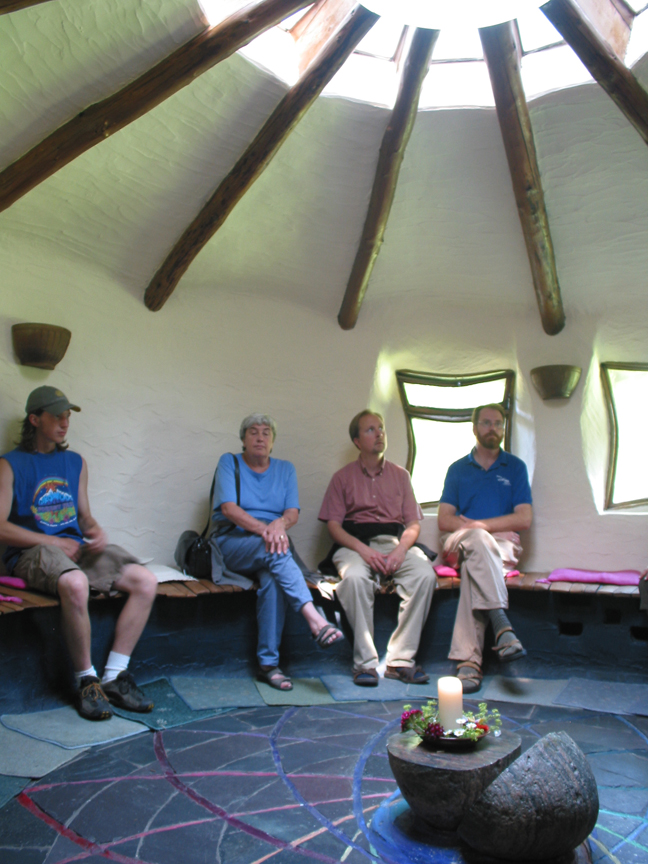
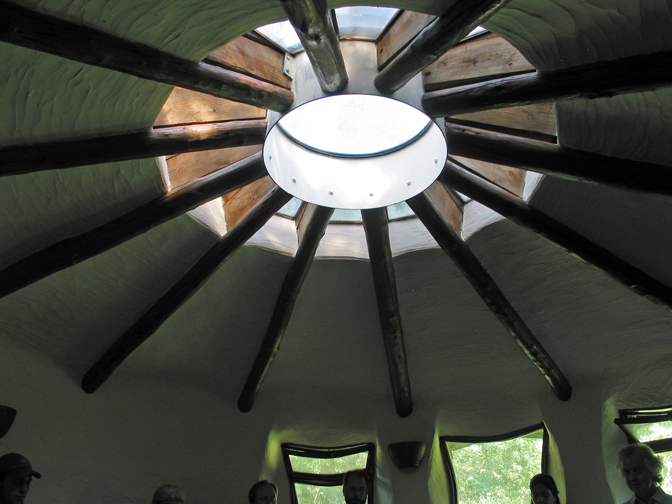
Detalhe do teto no Santuário da Natureza.
Roof detail, inside Nature’s Sanctuary

Detalhes de arte e ecologia. Através das clarabóias a luz natural dá destaque à linda pintura. / Artistic and ecologic details: through the skylight, natural light highlights the delicate painting.

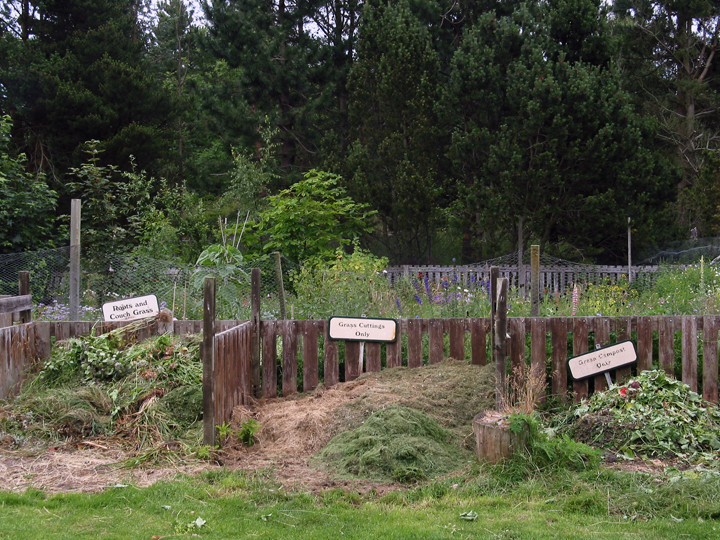
Compostagem / Composting

Bicicletas e madeira de florestas de gestão sustentável.
Bikes and locally grown and harvested timber from managed forests.

Brechó para troca de coisas e roupas usadas.
Thrift store for second hand stuff exchange.

Findhorn Foundation Website:

http://www.findhorn.org

Read Full Post »

« Newer Posts - Older Posts »