Feeds:
Posts
Comentários

Posts Tagged ‘távola redonda’


Pendragon presente / presence

O autor Gerald de Wales, em seu “Itinerarium Cambriae” de 1191, escrito sobre uma viagem de recrutamento para a terceira Cruzada no País de Gales em 1188, diz sobre Caerleon: “ Aqui os Embaixadores Romanos tiveram audiência na corte do grande Rei Arthur”.

In his 1191 Itinerarium Cambriae, written about a tour of Wales in 1188 to recruit for the Third Crusade, the author Gerald of Wales says of Caerleon, “the Roman ambassadors here received their audience at the court of the great king Arthur.”
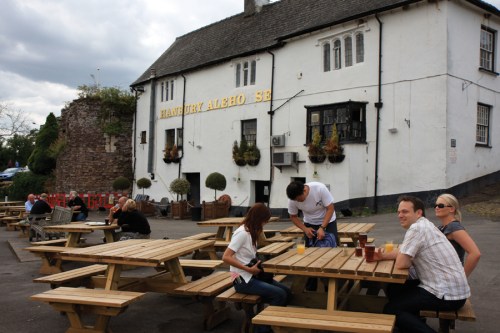
Lord Tennyson hospedou-se no Henbury Arms em 1856, quando trabalhava em seu longo poema “Idílios do Rei”, inspirado no Rei Arthur e Cavaleiros da Távola Redonda. Havia uma teoria de que a Távola Redonda se situava no Anfiteatro Romano em Caerleon. / In 1856, Lord Tennyson lodged at the Hanbury Arms while working on his long poem Idylls of the King. His inspiration was the legend of King Arthur and the knights of the round table. There was a theory that the round table was located at the remains of Caerleon’s Roman amphitheatre.

Geoffrey de Monmouth, o primeiro autor a escrever longamente sobre o Rei Arthur, considera Caerleon a capital de Arthur, e uma das mais importantes cidades britânicas em sua “História dos Reis da Grã-Bretanha”.

Geoffrey of Monmouth, the first author to write at length of King Arthur, makes Caerleon Arthur’s capital , one of the most important cities in Britain in his Historia Regum Britanniæ.
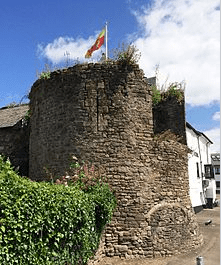
A Torre Redonda, ao lado do Hanbury Arms, é tudo que restou do Castelo de Caerleon./ The Round Tower, at the Hanbury Arms public house, last remnant of Caerleon Castle

Sir Thomas Malory considera Arthur coroado em Caerleon. O autor associa o ainda visível anfiteatro romano à Távola Redonda presente nas narrativas Arthurianas, sugerindo que a lenda possivelmente tenha se originado daí: “Porque se localizava num agradável lugar em Glamorgan, no Rio Usk, não longe do Canal de Bristol*. … pois o nobre rio que mencionei corre paralelo a este em uma das margens, onde os reis e príncipes que vinham de além mar podiam chegar de navio. Mas a outra margem, protegida por pradarias e florestas, destacava-se pelos palácios reais… Caerleon foi preparada para a anunciada festa”. ((Historia Regum Britanniae / História dos Reis da Grã-Bretanha)
*O Canal de Bristol até a época dos Tudors, e ainda hoje no País de Gales e na Cornualha, era conhecido como Mar de Severn.

Edifício do Priorado de Caerleon

Sir Thomas Malory has Arthur re-crowned there. The still-visible Roman amphitheatre at Caerleon has been associated with Arthur’s ‘Round-Table’s element of the tales; and has been suggested as a possible source for the legend: “For it was located in a delightful spot in Glamorgan, on the River Usk, not far from the Severn Sea*... For the noble river I have named flows along it on one side, upon which the kings and princes who would be coming from overseas could be carried by ship. But on the other side, protected by meadow and woods, it was remarkable for royal palaces… Caerleon was made ready for the announced feast.” (Historia Regum Britanniae /History of the Kings of Britain)
* – Until Tudor times the Bristol Channel was known as the Severn Sea, and it is still known as this in both Welsh and Cornish.
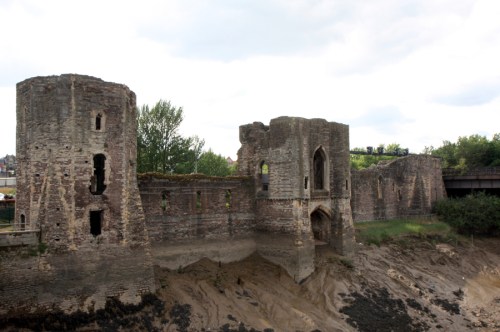
Ruínas do Castelo de Newport , também às margens do Rio Usk / Newport Castle ruins, also by the River Usk

Embora Geoffrey possa ter se inspirado na dimensão das ruínas, assim como na importância de Caerleon como centro urbano do Reino de Gwent, no inicio da Idade Média, a mais importante fonte histórica da ligação de Arthur com o “acampam ento da legião” é a lista das doze batalhas de Arthur na “Historia Brittonum” ( História Britânica) escrita por Nennius no século IX. Ele se refere à nona delas como a Batalha da Cidade da Legião. As hipóteses sobre o local desta batalha incluem Carlisle, Chester, York e Caerleon – também, segundo Geoffrey of Monmouth, local da corte de Arthur e do convento de Guinevere. Entretanto, é mais provável que a “urbs legionis” ( cidade da Legião) mencionada seja Chester, ou mesmo York. “Camelot” aparece pela primeira vez em Lancelot, escrito por Chrétien de Troyes, embora este autor também mencione Caerleon.
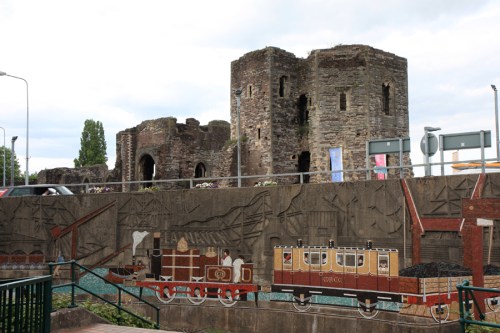
Em Newport, caminho para Caerleon, as ruínas dividem a paisagem com o espaço urbano / In Newport, on the way to Caerleon, the Castle ruins amongst urban landscape
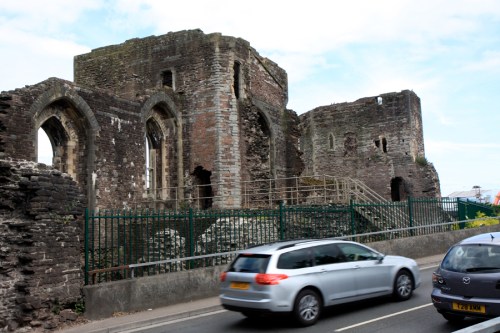
Though the huge scale of the ruins along with Caerleon’s importance as an urban centre in early medieval Kingdom of Gwent may have inspired Geoffrey, the main historical source for Arthur’s link with “the city of the legion” is the list of the twelve battles of Arthur in the 9th century Historia Brittonum by Nennius.He refers to the Battle of the City of the Legion as 9th battle. Hypothesized sites for this battle include Carlisle, Chester, York and Caerleon – also, according to Geoffrey of Monmouth, the site of Arthur’s court and Guinevere’s convent. However the “urbs legionis” mentioned there may rather more probably be Chester , or even York.  “Camelot” first appears in Chrétien de Troyes’ Lancelot, though Chrétien also mentions Caerleon.

Agora só resta o lado leste do castelo./ Now, only the east side of the castle remains

A escritora Mary Stewart, em sua narrativa das lendas Arthurianas, também menciona Carleon como sendo um lugar da corte de Arthur.

Mary Stewart’s account of the Arthurian legends also mentions Caerleon as a place where Arthur held court.

Read Full Post »


Se esta era a Távola Redonda, deveria haver centenas de cavaleiros! / If this was the Round Table, there must have been hundreds of Knights!

Dizem que o túmulo de Arthur em Glastonbury é falso, uma invenção dos monges para atrair peregrinos e dinheiro. A história prova que os focos de resistência britânica contra todas as invasões se concentraram na fronteira com a Escócia, na Cornualha e País de Gales – onde fica Caerleon. Isso pode confirmar a teoria de que ali se encontravam os melhores guerreiros e generais, e entre eles podiam estar Arthur e seus cavaleiros. O autor Stephen E. Lawhead atribui a Aurelianus Ambrosius a paternidade de Arthur.

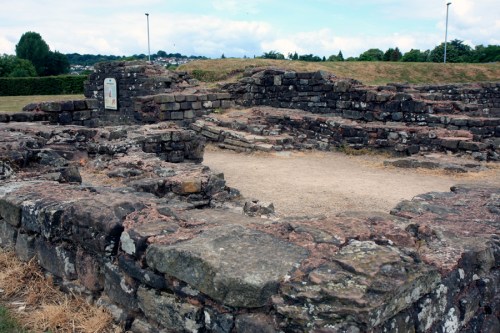
Sítio arqueológico da fortaleza romana de Isca Augusta / Archaeological site of Isca Augusta Roman barracks

Some say that Arthur’s grave at Glastonbury is fake, priests’ fabrication to attract pilgrims and their money. History shows that the main spots of British resistance against all invasions were concentrated in the Scottish borders, Cornwall and Wales – where Caerleon is located. That may confirm a theory of these places having counted on the best warriors and generals, Arthur and his Knights among these. The author Stephen E. Lawhead imputes Arthur’s fatherhood to Aurelianus Ambrosius.

Murais nas ruas sugerindo que Caerleon era a Camelot de Arthur / Street boards suggesting that Caerleon was Arthur’s Camelot

Assim, o País de Gales também reclama a origem de Arthur. De toda forma, é significativo que o Pendragon, título de Uther, seja o símbolo do país. A lenda também conecta o mago Merlin a Gales. A estória é a seguinte: o rei Vortigern* decidiu construir uma fortaleza em Snowdonia (uma região de Gales) e escolheu um local estratégico. Porém, uma coisa estranha ocorreu quando os trabalhadores começaram a lançar as fundações e paredes de pedra do castelo. Tudo que era construído durante o dia desabava misteriosamente durante a noite.

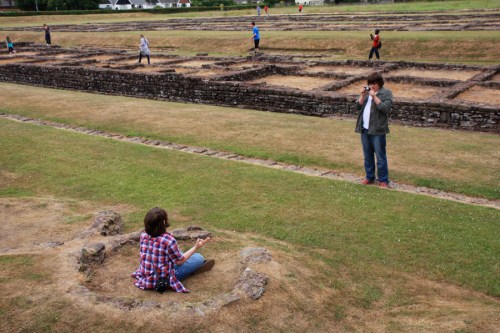
Vista do sítio arqueológico da fortaleza romana de Isca Augusta / View of the archaeological site of Isca Augusta Roman barracks

So, Wales claims  Arthur’s origins too. Anyway, it’s meaningful that the Pendragon, Uther’s title, is the symbol of Wales. The legend also links the wizard Merlin to Wales. It goes like this: King Vortigern* had decided to build a stronghold in Snowdonia ( a region in Wales) and had chosen a proper place, strategically located. But the weirdest thing happened when the building began. The foundations, the stone walls, everything that was built in the daytime collapsed mysteriously by night.

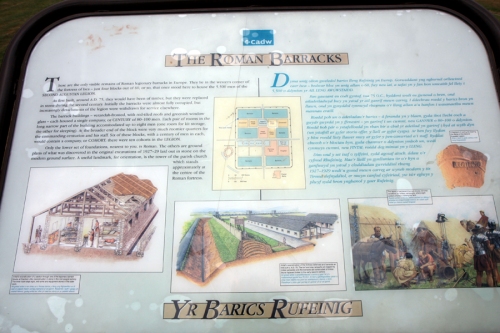
Painéis explicativos nas ruínas / Explanatory panels in the ruins

Os magos da corte de Vortigern recomendaram que o sacrifício de uma criança que não tivesse pai fosse feito no local, para que o sangue derramado fortalecesse a terra. Tal criança foi localizada e trazida à presença do rei. Tratava-se, entretanto, de Merlin, que seria reconhecido como o maior druida de todos os tempos.

* Vortigern foi um general do sec. V, um rei dos britânicos, ou pelo menos assim considerado pelo escritor Bede. Diz-se que ele contratou os mercenários saxões Hengist e Horsa para lutar contra os Pictos e os Escoceses. Porém estes acabaram por se voltar contra ele, e mataram seu filho. Hengist conquistou Kent, tornando-se o primeiro de uma linhagem de reis. Por este erro, atribui-se a Vortigern a perda da Grã- Bretanha para os saxões.

Outra vista das ruínas do quartel de Isca Augusta / Another view of Isca Augusta’s barracks ruins

Vortigern’s magicians consulted their oracles and recommended a blood sacrifice to strengthen the soil. The victim should be a fatherless child, and such a kid was eventually found and brought to the King’s presence. But the child happened to be Merlin, who would be renowned as the greatest Druid ever.

* Vortigern was a 5th-century warlord, a king of the Britons, at least connoted as such in the writings of Bede. He’s said to have hired the saxon mercenaries Hengist and Horsa to fight the Picts and the Scots. But they eventually betrayed him, killing his son and Hengist successfully conquered Kent, becoming the forefather of its kings. So, Vortigern is blamed for his misjudgement and the loss of Britain to the saxons.

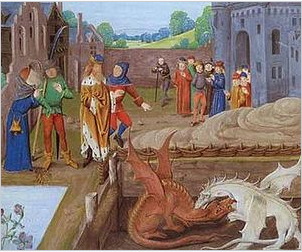
O encontro de Vortigern e Merlin, de acordo com Geoffrey de Monmouth em sua História dos Reis Britânicos / Vortigern meeting the young Merlin, as related in Geoffrey of Monmouth’s Historia Regum Britanniae

Merlin se dirigiu ao rei afirmando que aqueles magos ignoravam que, sob o lugar escolhido para a construção, havia um lago subterrâneo, onde habitavam dois dragões, um vermelho e um branco, que lutavam durante a noite e dormiam de dia. A construção desabava em consequência da luta.

Merlin told Vortigern that his magicians ignored that under the exact building ground, there was an underground pond, home to two dragons, one red and the other white, who would sleep the day and wake up at night to fight each other. Their fierce battle caused the building to collapse.

Há escolas em volta das ruínas. Aqui, estudantes no intervalo de aula / The ruins are surrounded by schools. Here, students during class break

Vortigern ordenou que os servos cavassem; o lençol d’água foi localizado e, à noite, escondidos, os nobres presenciaram o surgimento das criaturas. O dragão branco parecia vencer o vermelho, mas, no último instante, este revidava e derrotava seu oponente que, ao se retirar para as profundezas, derrubava toda a estrutura da fortaleza. Intrigado, o rei pediu ao garoto que interpretasse o significado daquela visão.

Vortigern ordered his subjects to dig in the spot; the pond was found and, at night, the noblemen, hidden in the bushes, witnessed the dragons show up. The white one at first appeared to beat the red but, in the last moment, the red would fight back and defeat his opponent. The white dragon’s retreat to the depths made the whole built structure fall to the ground. The king, puzzled, asked the boy to interpret the meaning of such vision.

Turistas se divertem / Tourists having fun

Estudantes se divertem / Students having fun

Merlin explicou que o dragão branco representava o povo invasor que quase chegaria a dominar a ilha de uma ponta à outra, enquanto que o vermelho representava o povo bretão que se levantaria e viria a expulsar os invasores. Impressionado, Vortigern libertou Merlin e o elevou à categoria de seu conselheiro. Daí o dragão vermelho ser o emblema dos galeses.

Merlin explained that the white dragon impersonated the invaders, who would almost succeed to conquer the isle from one end to the other. The red dragon was the British people, who would raise to defeat and kick out the invaders. Impressed, Vortigern freed Merlin and made him his counsellor. And this is why the red dragon is the Welsh symbol.

Outra escola – primária – junto às ruínas / Other school – elementary – neighbor to the barracks

Eu tinha comprado, na loja de souvenirs do Cardiff Castle, um irresistível dragãozinho vermelho de pelúcia. Nem lembrei que teria de carregá-lo na mochila todo o resto da viagem.
I had bought an irresistible stuffed red dragon at Cardiff Castle’s souvenir shop. It hadn’t crossed my mind that I’d have to carry it in my backpack all along the trip.


Read Full Post »


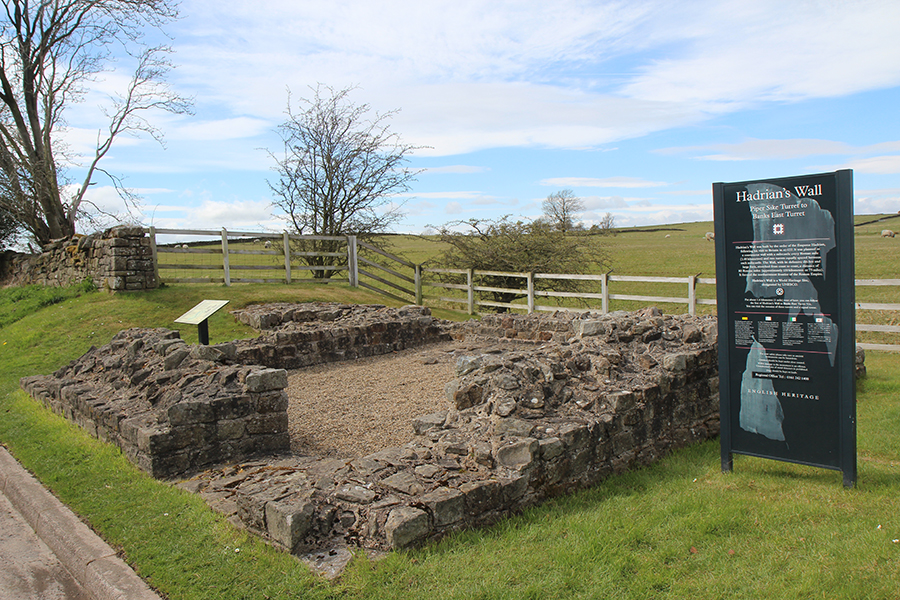
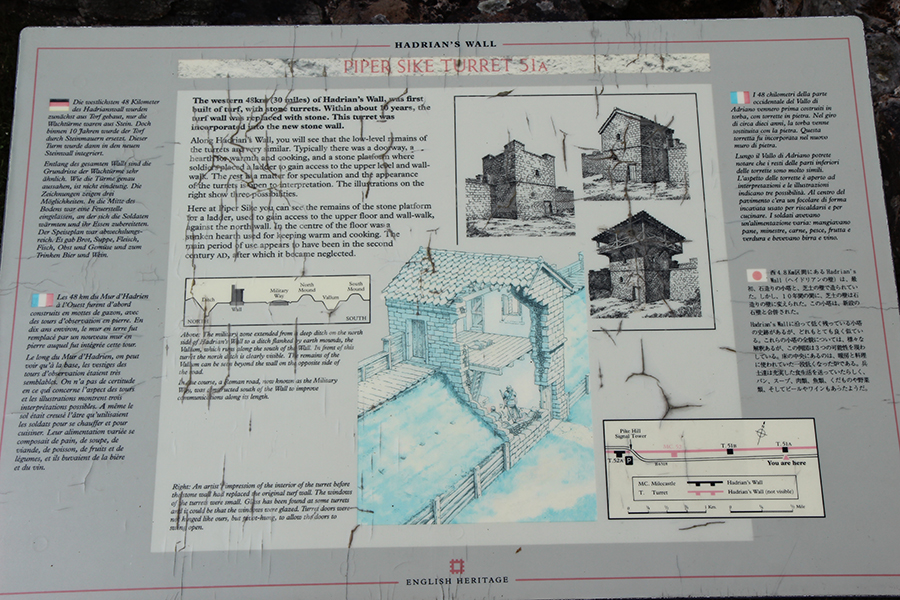
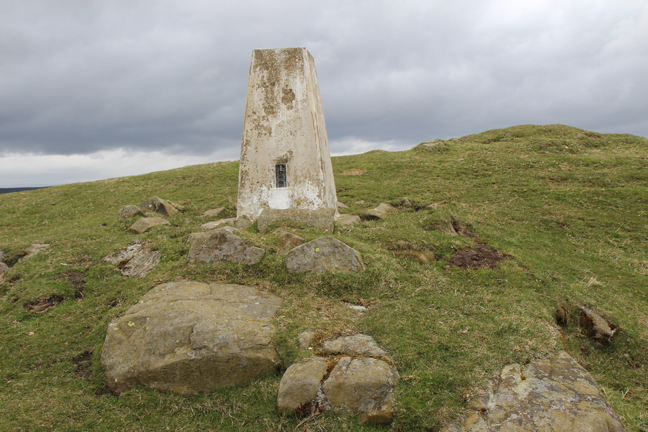
Turret 51

Turret 51A, Hadrian’s Wall

Continuamos com King Arthur, de Norma L. Goodrich: “Delimitamos o reino de Arthur nos quatro cantos: Dumbarton (NW), Carlisle (SW), Stirling (NE) e Berwick (SE). Estas cidades hoje são importantes centros, à exceção do porto de Berwick, que foi em grande parte destruído durante as guerras entre Inglaterra e Escócia que se seguiram.”

Placa informativa da Turret 51 / Signpost

Placa informativa da Turret 51A / Signpost

Piper Sike Turret 51

Piper Sike Turret 51A

Let’s keep reading King Arthur by Norma L. Goodrich:
“ We delimited King Arthur’s kingdom at its four corners: Dumbarton (NW), Carlisle (SW), Stirling (NE) and Berwick (SE).  These are key centers today, with the possible exception of the seaport of Berwick, which was largely destroyed during the subsequent wars between Scotland and England.”

Turret 51B

Turret 51B

“Para quem acredita no Arthur histórico, o principal problema é a localização dos seus castelos. Camelot permanece o mais importante de todos, onde provavelmente estariam abrigados os tesouros do Rei. Estes foram citados pelo enciclopedista Lambert de Saint-Omer em seu livro “Liber floridus”, que precedeu Geoffrey of Monmouth em mais de uma década: “Existe um palácio na Grã Bretanha, na terra dos Pictos, do guerreiro Arthur, construído com arte maravilhosa e diversa, no qual todos os feitos épicos de suas conquistas e guerras podem ser vistos esculpidos”.”

Hadrian's Wall Turret 51B

Hadrian’s Wall Turret 51B

Placa informativa, Turret 51B/ Signpost

Placa informativa, Turret 51B/ Signpost

Turret 51B, à beira da estrada

Turret 51B, à beira da estrada / By the highway

“For those who think of King Arthur as historical, the chief problem must be the emplacements of King Arthur’s castles. Camelot must remain most important of all, and it is likely that it housed the king’s treasures. These were reported by the encyclopedist Lambert de Saint-Omer in his book “Liber floridus”, which antedated Geoffrey of Monmouth by more than a decade: “There is a palace in Britain, in the land of the Picts, of the warrior Arthur, built with marvelous art and variety, in which all the epic deeds of his conquests and of his wars are to be seen sculpted”.”

Trilha segue paralela à estrada

Trilha segue paralela à estrada/ Footpath parallel to the road

“Camelot, como sabemos, por muito tempo foi considerado fictício. Já foi identificado como sendo Colchester, Cadbury e Winchester, mas estudiosos por fim concluíram que não era o nome de nenhum lugar na Grã -Bretanha. Sir Thomas Malory parecia inclinado a acreditar que Camelot era o nome dado ao castelo onde e enquanto o Rei ali estivesse residindo, qualquer que fosse o lugar. O livro “Perlesvaus” * afirma que havia dois Camelots.”
NOTA: * significa Percival – o cavaleiro que por fim encontrou o Santo Graal. Este livro também é chamado Li Hauz Livres du Graal, A Nobre História do Santo Graal, trata-se de um antigo romance Arthuriano francês da primeira década do século XIII, do qual sobreviveram três manuscritos, dois fragmentos e duas gravuras do século XVI. Nada se sabe sobre o autor.

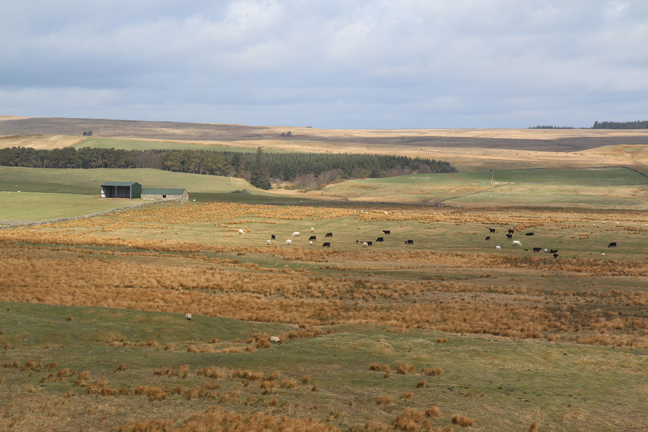
Linda região de pastagens/ Lovely pasture landscape

Linda região de pastagens/ Lovely pasture landscape

“Camelot, we know, has long been considered fictitious. It has been identified as Colchester, Cadbury and Winchester, but scholars finally concluded that it was not the name of any place in Britain. Sir Thomas Malory seems to have been inclined to believe that Camelot was King Arthur’s castle when the king was in residence there, at whatever site that may have been. The book “ Perlesvaus * ” states that there were two Camelots.”
 NOTE: *means Percival – the knight who eventually found the Holy Grail. This book is also called Li Hauz Livres du Graal , The High History of the Holy Grail, is an old French Arthurian romance dating to the first decade of the 13th century. It survives in three manuscripts, two fragments, and two 16th-century printings. Nothing is known of the author.

Ovelhas

Ovelhas / Sheep

“Claramente Carlisle é apontado como sendo o principal castelo de Arthur, portanto seria um deles, e o outro foi identificado por O.G.S. Crawford:  Castelo de Stirling, chamada “chave para a Escócia”. William of Worcester também escreveu que “Rei Arthur presidia a Távola Redonda na fortaleza militar de Stirling, também conhecida como Snowdon West Castle.”
Norma Goodrich afirma que Camelot  se situava em King’s Knot, abaixo da face norte do penhasco em Stirling: “ A topografia é inconfundível, de acordo com todas as descrições feitas por diversos autores.”

Estacionamento próximo às ruínas / Parking lot beside the ruins

Estacionamento próximo às ruínas / Parking lot beside the ruins

“Clearly Carlisle is indicated as King Arthur’s principal castle, so it was probably one, and the other has been identified by O.G.S. Crawford as Stirling Castle, called the “key to Scotland”. William of Worcester also wrote that “King Arthur presided over the Round Table in the military fort of Stirling, otherwise known as Snowdon West Castle. “
Norma Goodrich states that Camelot was located at King’s Knot, below the western-facing cliff at Stirling: “ The topography is unmistakable, fitting all descriptions by several authors.”

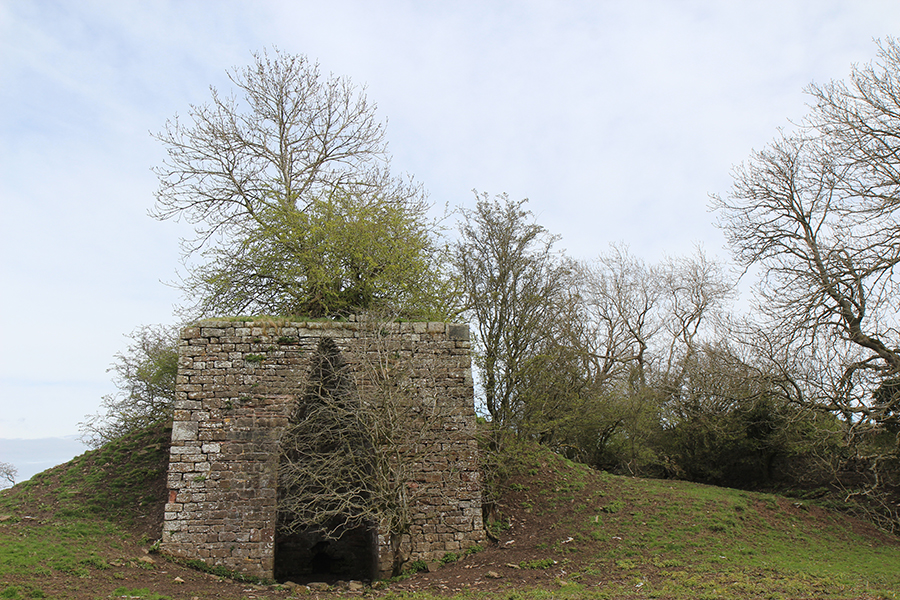
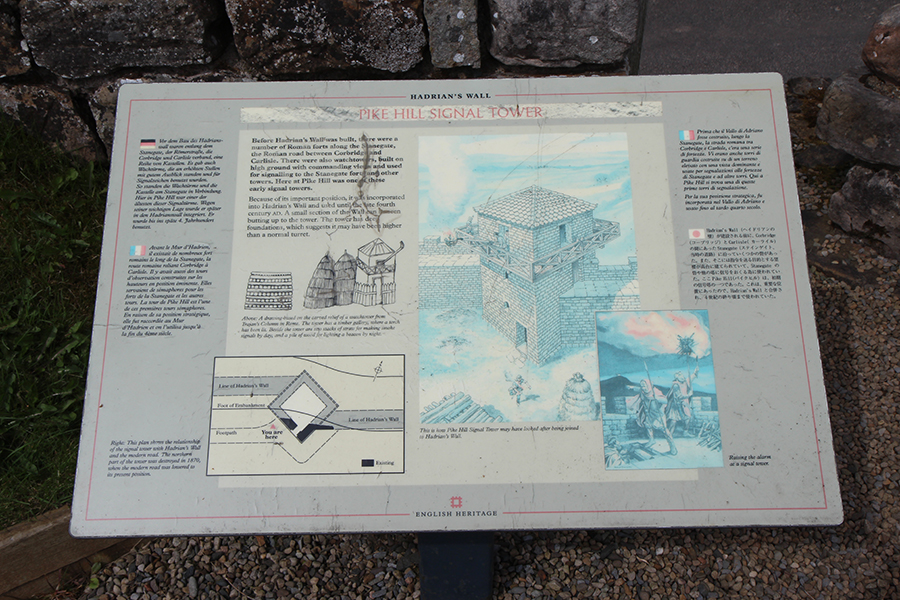
Pike Hill Signal Tower

Pike Hill Signal Tower

“Tanto na Idade das Trevas como hoje, pode-se chegar à garganta de Stirling, entre os imponentes montes Campsie-Gargunnock a oeste e o estuário do Rio Forth a leste. O corredor norte-sul, conhecido por muitas batalhas, tem dez milhas de comprimento e quatro de largura. O forte pré-histórico ficava, como a fortaleza moderna e os quartéis ainda em uso hoje, sobre a enorme parede inexpugnável, avistando do alto dos íngremes penhascos a cidade de Dumbarton a oeste. Praticamente a única montanha em toda a extensão de planícies. Stirling, visto da Muralha de Antonino, é ainda mais impressionante. O Castelo de Stirling dominava a única e estreita travessia do estuário do Rio Forth que, durante a cheia, atingia a largura de uma milha. Junto ao castelo, olhando para baixo dos penhascos a oeste, pode-se ver claramente a planície abaixo do King’s Knot. Trata-se de um monte octogonal cujo nome significa “castelo do monte”, do tipo sobre o qual eram construídos castelos com paliçadas de madeira nos tempos ancestrais. Sobre este monte outrora ergueu-se Camelot, de onde o Rei Arthur presidia a Távola Redonda.”

Pike Hill Signal Tower Signpost

Pike Hill Signal Tower Signpost

“Whether in the Dark Ages or today, one can stand at the Stirling Gap, beside the lofty Campsie-Gargunnock Hills to the west and the Forth estuary to the East. The north-south corridor, famous for many battles, is ten miles long and four miles wide. The prehistoric fort sat, like the modern fortress and barracks still in use today, upon the great impregnable wall, looking down its precipitious cliffs toward Dumbarton on the west.
One mountain almost alone in the expanse of flatlands. Stirling seen from the Antonine Wall is an even more impressive mass. Stirling Castle commanded the only and very narrow crossing of the flooded Forth River estuary. At peak flood the Forth stretched one mile wide across flatlands. Standing beside the castle and looking down the west cliffs of Stirling, one can plainly see on the meadowland below the King’s Knot. This is an octogonal mound, whose name means  “castle mound”, upon which the wooden palisaded castles were built in ancient times. Upon this mound once stood King Arthur’s Camelot. At his castle he chaired the Round Table.”

footpath

footpath

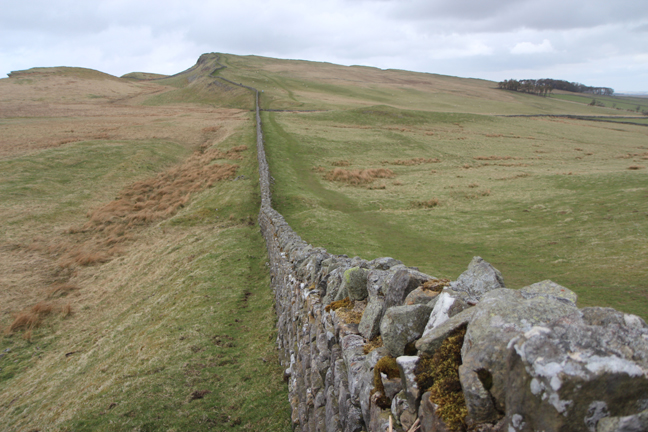
Assim, enquanto eu trilhava a Muralha de Adriano a caminho do Forte Romano de Birdoswald, estav muito mais perto de Arthur do que podia imaginar.
So, as I treaded along Hadrian’s Wall, approaching Birdoswald Roman Fort, I was much closer to Arthur than I could imagine.

mais turrets

mais turrets

Vista da região de Stirling no Google Maps / Stirling overview


Read Full Post »


Os estábulos de Arthur na Muralha de Adriano / Arthur's Stables in Hadrian's Wall

Os estábulos de Arthur na Muralha de Adriano / Arthur’s Stables in Hadrian’s Wall

Neste post transcrevo trechos de “King Arthur”, da autora Norma Lorre Goodrich, que realizou extensa pesquisa sobre a existência histórica do Rei e escreveu uma série de livros sobre o assunto. Resumindo, a autora situa Arthur na Escócia! Isso muda tudo. Num primeiro momento me desesperei, porque significa que grande parte do que fotografei na verdade não tem relação com o Rei, embora tenha sido uma viagem estupenda. Por outro lado, viva a minha intuição, ao decidir trilhar a Muralha de Adriano. Sem saber, estava muito mais perto do Arthur real.

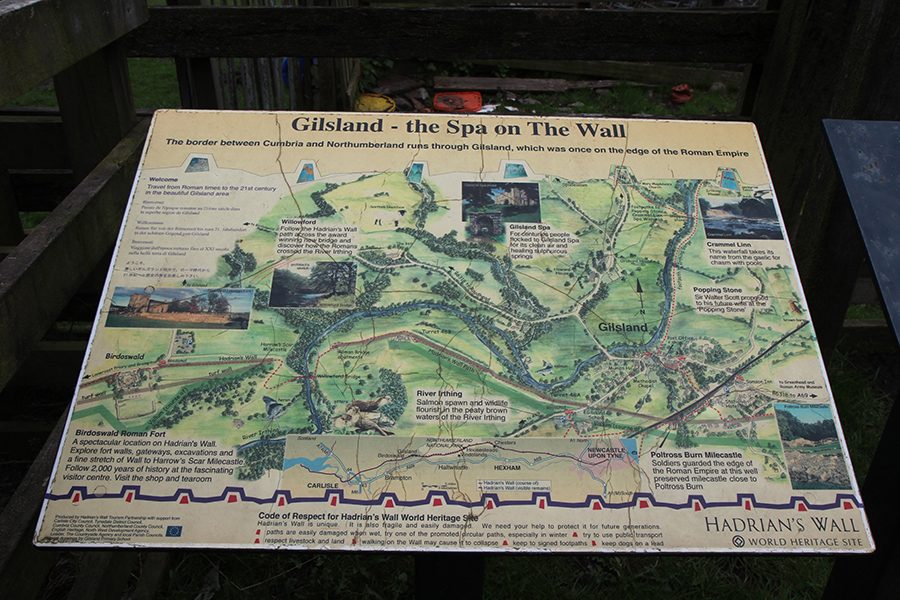
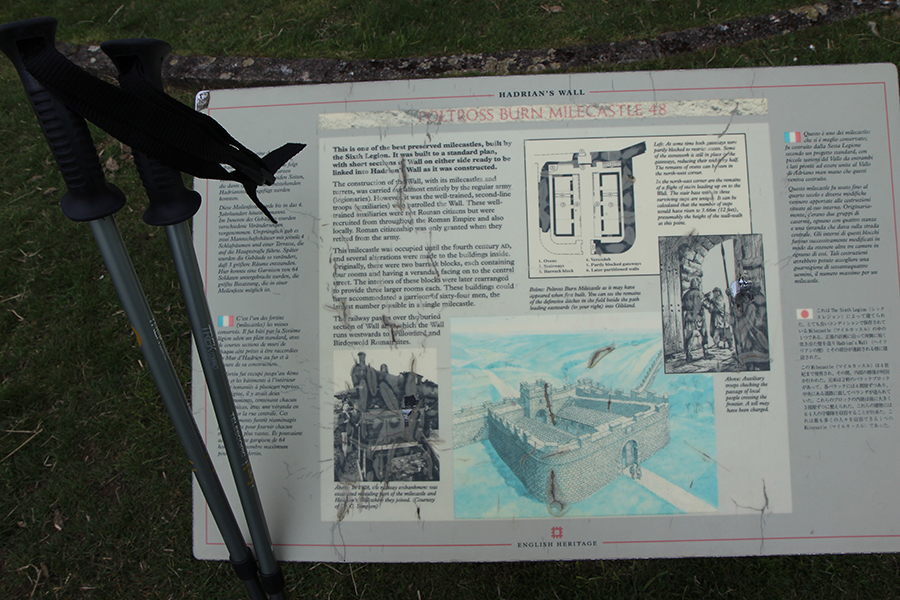
Mapa da região. Abaixo, à direita, está Poltross Burn, Milecastle 48, os Estábulos de Arthur / Map of the area. In the bottom right is located Poltross Burn, the Milecastle 48, or Athur's Stables.

Mapa da região, entre Greenhead eo forte romano de Birdoswald. Abaixo, à direita, está Poltross Burn, Milecastle 48, os Estábulos de Arthur / Map of the area between Greenhead and Birdoswald Roman Fort. In the bottom right is located Poltross Burn, the Milecastle 48, or Athur’s Stables.

In this entry I quote “King Arthur” by Norma Lorre Goodrich, who researched deeply and wrote a series of books on the historical subject. To cut it short, the author places Arthur in Scotland! That changes everything. At first, I fell into despair because it means that most of what I have photographed has actually no relation with tha King, albeit it’s been a terrific trip. On the other hand, I thanked my intuition, that led me to walk Hadrian’s Wall footpath. I was much closer to the real Arthur, although I didn’t know it.

O caminho cruza a estrada de ferro / The path crosses a railway

O caminho cruza a estrada de ferro / The path crosses a railway

Transcrevendo: “Minha intenção básica era oferecer as primeiras provas históricas da existência do Rei Arthur. Quem era o Rei Arthur, ou Arturus? Porque este rei britânico nunca foi encontrado? Onde era seu reino?
Os estudiosos da Idade Média se confrontaram com as mesmas questões que nós atualmente. Tendo poucos recursos e praticamente nenhum acesso ao trabalho de outros estudiosos, eles falharam em encontrar respostas convincentes. Tendo em vista a escassez de bibliotecas – frequentemente sua inexistência, assim como a de disciplinas tais como história, arqueologia, antropologia e linguística – e a insuficiência de meios de transporte, podemos perguntar como essas pessoas poderiam desenrolar um fio que os conduzisse de volta aos dias do Rei Arthur. Tais dias desapareceram junto com a Idade das Trevas. E ainda, sem o auxílio de dicionários, estes escritores e estudiosos copiaram à mão, decifraram, ponderaram e traduziram o melhor que puderam um grande número de manuscritos que tratavam do Rei Arthur, seu reino e sua corte. Muitos deles simplesmente acabaram desistindo do assunto, e ao fazê-lo permitiram que o Rei Arthur e seu mundo deslizassem mais e mais para o reino da mitologia.”

Poltross Burn

Near Poltross Burn

Quoting: “ Primary among my intentions was to offer the first historical proof of the existence of King Arthur. Who was K.A., or Arturus? Why has this king of Britain not been found? Where was his kingdom?
The scholars of the Middle Ages were confronted by the same questions as we are today. Having few resources and virtually no access to colleagues and their work, they failed to reply convincingly to them. Given their scanty libraries (more often, none at all), the lack of such disciplines as history, anthropology, archaeology, and linguistics, and the paucity of means of travel, one might well ask how they could possibly unwind any thread that led all the way back to King Arthur’s day. That day had been swallowed up along with the Dark Ages. And yet, without benefit of a dictionary, these writers and scholars hand copied, deciphered, pondered and translated as best as they could an inordinately large number of manuscripts dealing with K. A., his kingdom and his court. Many of them simply gave up and in so doing let King Arthur and his world slip deeper and deeper into the realm of mythology.”
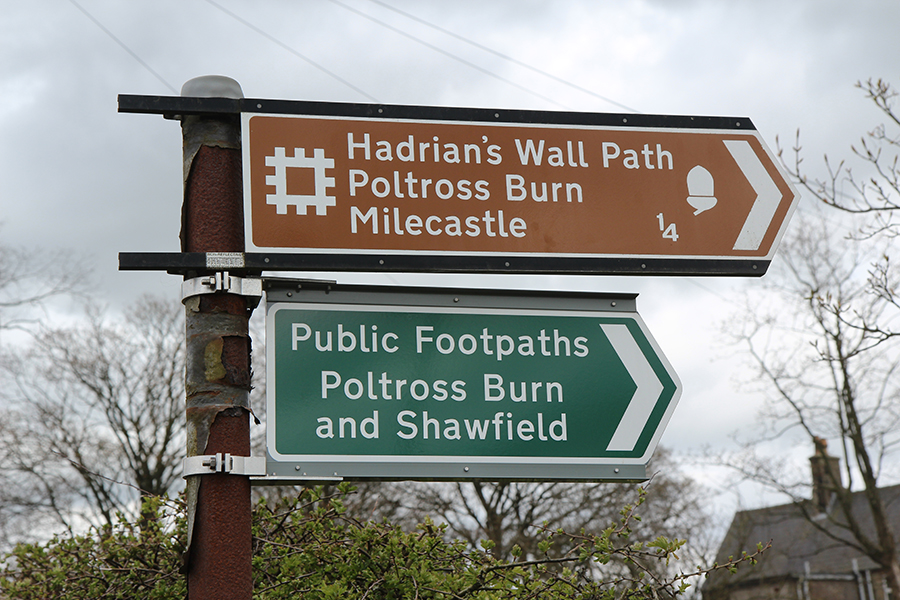
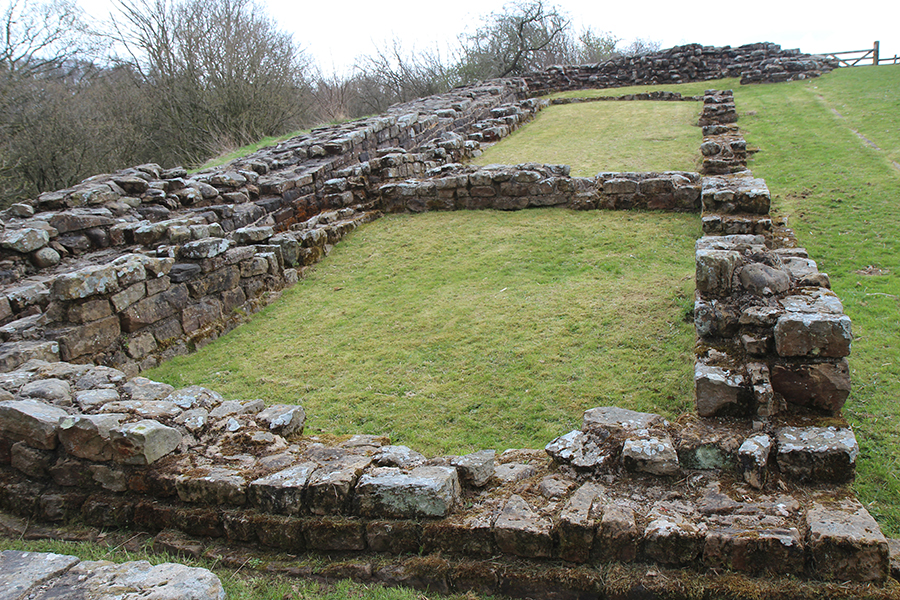
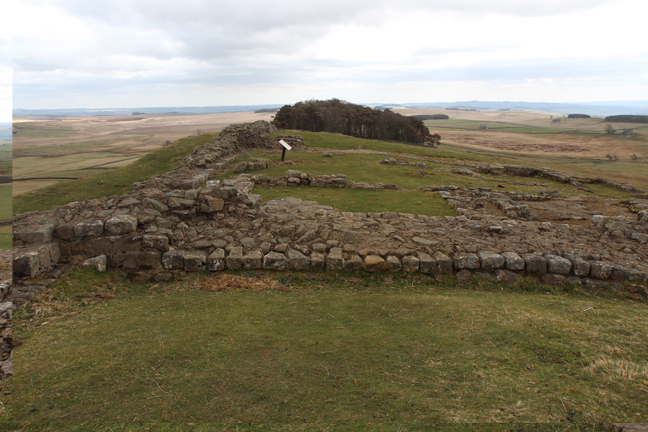
Os estábulos de Arthur, onde seus cavalos eram criados /  Arthur's Stables, where his horses were bred

Os estábulos de Arthur, onde seus cavalos eram criados /
Arthur’s Stables, where his horses were bred

“Pouco se ouviu sobre Arthur depois de 542, portanto esta deve ser a data de sua morte. É significativo, entretanto, que crianças de origem nobre e real começaram a receber o nome de Arthur após o ano 542. Um nome curioso, que não existia até antes do Rei, cuja versão em Latim, “Arturus”, nunca foi encontrado em nenhum outro lugar. Portanto, o nome provavelmente deriva do rei perdido da Idade das Trevas, ou da Grã-Bretanha pré-histórica. Arthur não era um personagem da Idade Média, ou Era da Cavalaria, quando o cavalheirismo estava no auge. Seus 150 ou mais guerreiros não eram cavaleiros galantes. Ele não nasceu no Castelo de Tintagel, que só veio a ser construído na época dos castelos de pedra, nos séculos 12 e 13. Quando formos procurar seu local de nascimento, não vamos buscar ruínas de um castelo medieval, mas sim uma quase imperceptível trincheira de terra batida – a construção característica da Idade das Trevas.”

Embora Arthur tenha defendido sua terra de muitos ataques por mar, seus cavaleiros ficaram famosos/  Arthur's mounted warriors  became the famous ones, although the king defended his land from many sea raids

Embora Arthur tenha defendido sua terra de muitos ataques por mar, seus cavaleiros ficaram famosos/
Arthur’s mounted warriors became the famous ones, although the king defended his land mostly from  sea raiders

“Little was heard of Arthur after 542, so presumably this is the date of his death. Significantly, however, youths of noble and royal birth began to bear the name Arthur after the year 542. A strange name, it has not been found prior to K.A., and its Latin version, Arturus, has never been found anywhere else. Thus, the name probably is derived from the lost king of the Dark Ages, or of prehistoric Britain.
Arthur was not a figure of the Middle Ages or of the Age of Chivalry, when knighthood was in flower. His 150 or so warriors were not gallant knights gaily bedight. He was not born at Tintagel Castle, which was not built until the age of stone castles, in the 12th and 13th centuries. When it comes time to seek his probable birthplace, the search will be not for the ruins of a medieval castle but for a barely discernible castle mound of piled earth – a construction characteristic of the Dark Ages.”
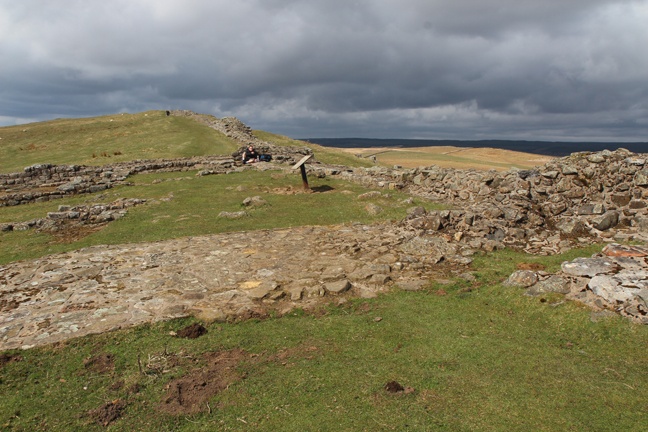
Detalhe da construção / Building detail

Detalhe da construção / Building detail

“Historiadores relatam que Arthur defendeu com sucesso a Grã-Bretanha de invasões por mar ; afirmam que ele interrompeu as invasões dos Saxões por um período considerável e que venceu todas as batalhas que lutou com exceção da última, quando foi mortalmente ferido. Poucos são os que ainda insistem que ele teria lutado na Cornualha, ou que lá teria nascido, por uma simples razão: os Saxões NÃO estavam invadindo a Cornualha durante o tempo em que Arthur viveu. Historiadores Anglo-Saxões dizem que as batalhas de Arthur não poderiam ter sido vencidas na Inglaterra pois, de acordo com vários manuscritos, os Saxões efetivamente conquistaram a Inglaterra na época de Arthur. Temos que localizar Arthur não nos territórios onde ele não venceu, mas sim naqueles onde a invasão dos Saxões falhou. Quando Arthur nasceu, as tropas Romanas haviam finalmente se retirado por completo e deixado a ilha sem governantes. Grande parte da Grã-Bretanha ainda falava apenas idiomas Celtas. A maioria destas populações propriamente Celtas ainda habita a área chamada Strathclyde, região fronteiriça entre as Muralhas de Adriano e de Antonino, a única vasta área que não foi conquistada pelos Anglo-Saxões.”

Outra vista dos estábulos/ Another view of the stables

Outra vista dos estábulos/
Another view of the stables

“Historians still tell us that K.A. successfully defended all Britain from invasion by the sea. They had it on excellent authority that he halted the Saxon invaders for a considerable period of time and won all his engagements except the last one, in which he was fatally wounded. Very few scholars still insist that he fought in Cornwall or that he was born there, for the simple reason that the Saxons were NOT invading Cornwall during Arthur’s lifetime. Historians of the Anglo-Saxons say that Arthur could not have won his battles in England, because they know from the several manuscripts of the Anglo-Saxon Chronicles that the Saxons conquered England in King Arthur’s lifetime. We will think of Arthur as not in those territories which he could not have conquered but in those which the Saxons failed to overrun. By the time of Arthur’s birth, when the Roman troops had finally withdrawn completely and left the island without governors, certain large areas of Britain still spoke only Celtic tongues. The largest of these properly Celtic populations still resides in the area called Strathclyde, a border area between the Hadrianic and Antonine Walls, the only large area unconquered by the Anglo-Saxons.”

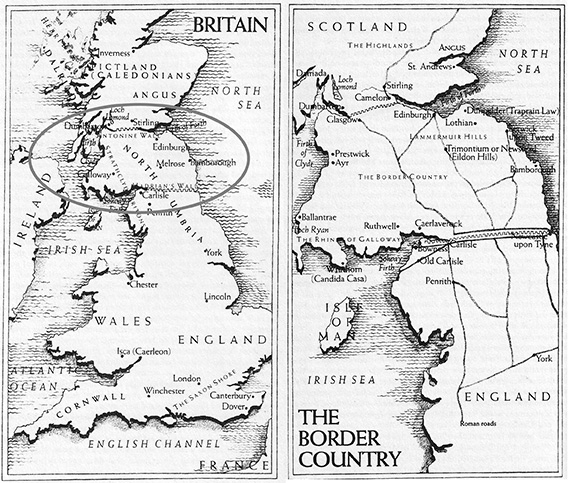
Mapa da Grã-Bretanha e da região onde Arthur reinou de fato, segundo Norma Goodrich / Map of Britain, enlarging the location of Arthur's true kingdom, according to Norma Goodrich

Mapa da Grã-Bretanha e da região onde Arthur reinou de fato, segundo Norma Goodrich / Map of Britain, enlarging the location of Arthur’s true kingdom, according to Norma Goodrich

Read Full Post »


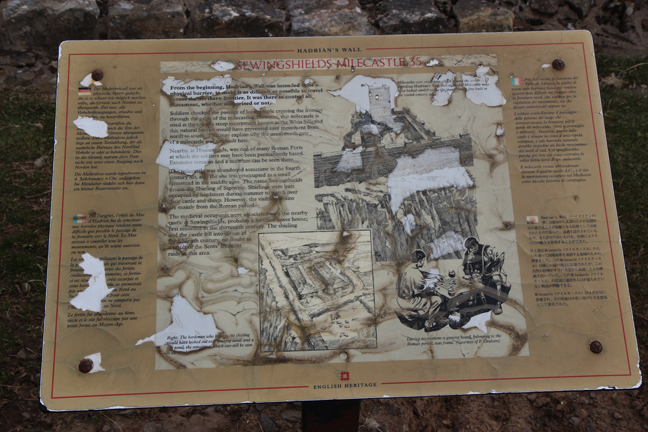
Sewingshields

Sewingshields

Les estava sentado no Milecastle 35, chamado Sewingshields.
Vim a saber que o lugar foi um castelo e tem conexão com a história do Rei Arthur. Em uma das inúmeras batalhas contra invasores ele teria ficado lá com sua corte. Isso faz sentido: o primeiro desembarque dos nórdicos na Britannia foi registrado no século I em Lindisfarne, ilha na costa de Northumberland, região onde fica a Muralha. Resumo aqui a lenda que li mas não sei se a fonte é confiável. Pode ser uma história plantada, mais um lugar querendo ser o verdadeiro túmulo do Rei. A liga sobre a mesa remete à Ordem da Jarreteira, criada em 1348  pelo rei Eduardo III, inspirada na Távola Redonda.

Landscape

Paisagem em volta / Landscape around

Les was sitting by Milecastle 35, a place called Sewingshields. I learned later that Sewingshields once had its own castle, where the story is that King Arthur held court while fighting the invading Anglo-Saxons in the vicinity of Hadrian’s Wall. It makes sense because the first viking raid party arrived in the 1st century in Lindisfarne, an isle in Northumberland coast, region where the Wall stands. I copied the legend but I’m not sure if the source is reliable. There are plenty of places that claim to be the true King’s tomb. The garter on the table points to the Chevalry Order created in 1348 by King Edward III, who took his inspiration from King Arthur’s Round Table.

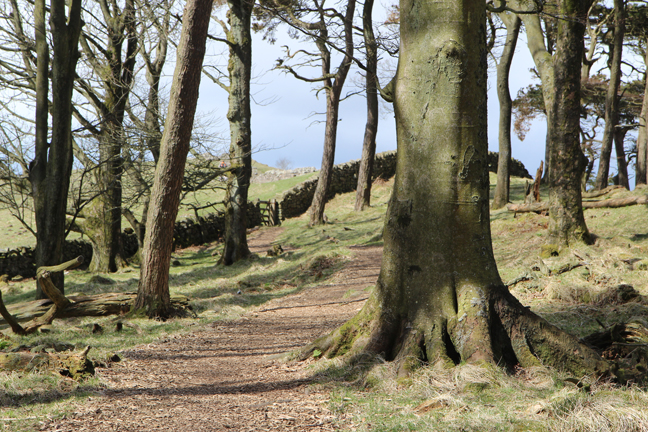
Florestinha antes de Sewingshields / Woods before Sewingshields

Florestinha antes de Sewingshields / Woods before Sewingshields

No século 19, um pastor estava sentada tricotando quando seu novelo de lã caiu no meio do mato que cobria as ruínas. Tentando recuperá-lo, ele se deparou com uma passagem  que levava a uma câmara subterrânea. Lá estava o Rei com seus cavaleiros, a Rainha Guinevere e cães de caça, todos profundamente adormecidos. Sobre uma mesa havia uma espada, uma liga e uma trompa. Era preciso pegar a espada, cortar a liga e soprar a trompa para acordar a turma, mas foi só o pastor pegar a espada e cortar a liga que o Rei abriu os olhos. O pastor vendo aquilo entrou em pânico, largou a espada e fugiu correndo. Não soprou a trompa, por isso os personagens permaneceram em seu sono. A passagem nunca mais foi encontrada.

In Sewingshields, looking back at the woods / olhando para a florestinha que ficou para trás

In Sewingshields, looking back at the woods / olhando para a florestinha que ficou para trás

Sometime in the 19th century, a Roman Wall shepherd was knitting in the ruins of Sewingshields castle when he accidentally dropped his wool. When chasing it through the mass of weeds and nettles that covered the overgrown ruin, he stumbled upon a secret passage, crawling with bats, lizards and toads. He boldly entered the passage and came across a blazing – but fuelless – fire in the centre of a subterranean hall.And around the hall were ranged King Arthur, his queen, his knights and his hounds, all in a deep sleep. On a table close to the fire were a bugle, a garter and a sword. Legend had it that whoever drew the sword from its scabbard, cut the garter and blew the bugle would rule the land. The shepherd removed the sword from its scabbard and cut the garter and saw Arthur and his knights open their eyes and look around. But the startled shepherd lost his nerve and re-sheathed the sword – at which point all the knights went back to sleep. Once he had recovered his composure, the shepherd returned to Sewingshields, but was never again able to find that secret passage.

As placas precisam ser trocadas com urgência! It's about time to put new  boards, English Heritage!

As placas precisam ser trocadas com urgência!
It’s about time to put new boards, English Heritage!

Achei engraçado o pastor estar fazendo tricô…
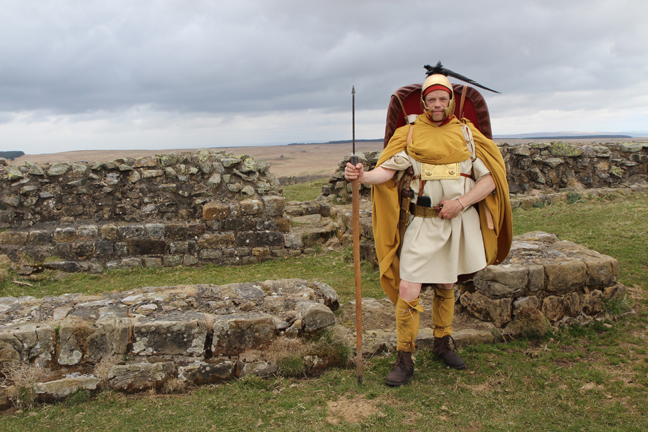
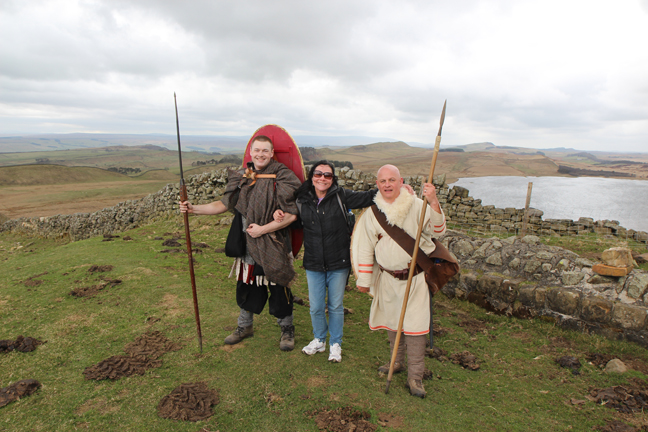
Bem, continuamos caminhando, o tempo definitivamente fechado, quando tive uma surpresa. Da direção oposta vinha um sujeito vestido de legionário romano, com escudo e tudo, que eu obviamente quis fotografar. E logo atrás vinham mais dois. A permissão para fotografar implicava em pingar moedas na latinha que um deles levava. Contribuí com o maior gosto! Os malucos estavam fazendo a caminhada fantasiados a fim de angariar fundos para os Médicos Sem Fronteiras. Enquanto eu fotografava e conversava, Les seguiu adiante e não tornamos a nos encontrar.

Goodbye!

Goodbye!

Funny that the shepherd was knitting!
Well, we were back to the trail, the weather definitely bad now, when I had a surprise. Opposite came a guy all dressed as Roman Legionary, even with a shield, of whom, of course, I had to take some photos. Two more were coming right behind him. The permission to photograph implied in dropping a few coins in a can, what I did happily because the guys were walking the path in these garments for charity, raising funds for the Doctors Without Borders. While we were talking, Les moved on and we never came to meet again.

Modern Legionary

Modern Legionaries

Your help is welcome too! Você também pode contribuir!
Visite o site dos Médicos Sem Fronteiras.

http://www.doctorswithoutborders.org

If you know these guys , please show them this page! Thanks

If you know these guys , please show them this page! Thanks

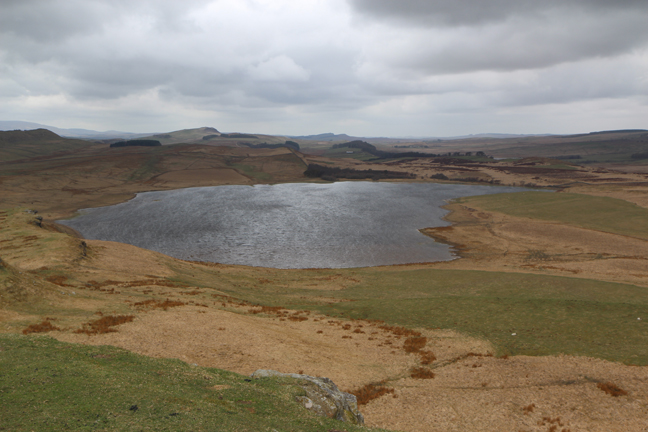
A trilha subia sempre e um enorme lago apareceu à direita, ao avistá-lo me invadiu aquela sensação de eternidade que é a melhor coisa dessas caminhadas. É quando você se depara com algo enorme, belo, solene e poderoso, que está ali há tempos e assim vai permanecer, enquanto você mesmo é apenas uma formiguinha passando, só com sua mochila, livre para naquele momento apenas existir, respirar, contemplar e se extasiar.

Broomlee Lough (Lake)

Broomlee Lough (Lake)

The footpath went always up and a massive lake appeared to the left.  With it came that eternity feeling, the best part of walking. It comes when you suddenly face something huge, beautiful, solemn and powerful that have been there for ages and so will stay, while yourself is nothing more than a little ant passing by, alone with your backpack, free just to be there, just breathe, and stare in awe.

Landscape of Northumberland National Park

Landscape of Northumberland National Park

Keep walking.

Keep walking.

Landmark

Landmark

Hadrian's Wall

Hadrian’s Wall

Hadrian's Wall Footpath

Housesteads stands hidden behind those trees. Atrás das árvores se esconde Housesteads.

Mais à frente, outra surpresa: ao sair de mais um cercado cheio de árvores, de repente bem diante de meus olhos, ali estava Housesteads.
A bit ahead, another surprise: after crossing another bunch of trees, suddenly right in front of my eyes there was Housesteads.

Read Full Post »


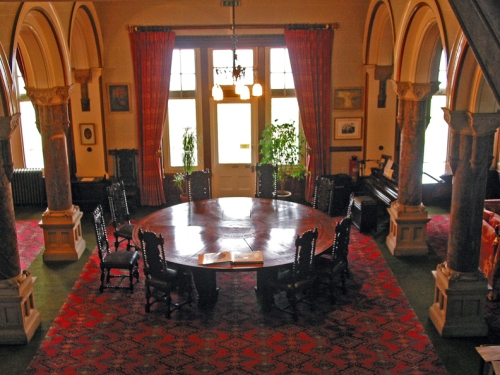
A Távola Redonda do hotel Camelot Castle / Camelot Castle Hotel's Round Table

A Távola Redonda do hotel Camelot Castle / Camelot Castle Hotel’s Round Table

Minhas duas noites no Camelot Castle já tinham se passado, portanto tratei de achar outro B&B, na avenida principal de Tintagel, pertinho do King Arthur’s Legs. Fiz meu check-out no e saí arrastando a mala. Antes porém tive a oportunidade de conhecer o dono do Camelot Castle. Era um artista plástico, Ted Stourton, que me mostrou todo o subterrâneo do castelo, onde fica seu ateliê de pintura e estúdio de música. Seus quadros são realmente lindos. Estão por toda parte no hotel, dá para perceber nitidamente os mais antigos e os mais recentes, acompanhar a evolução da expressão do artista. Ele disse que se soubesse que eu era fotógrafa, teria ficado hospedada de graça, pois o hotel acolhe artistas para desenvolver ali seu trabalho de criação. Infelizmente, tinha acabado de fechar a conta. Tempos depois, enviei mais de um e-mail solicitando nova acolhida, mas ainda não recebi resposta.

My two nights in Camelot Castle were over, so I found myself another B&B, in the main street, near the pub. When checking out, I had the chance to meet Ted Stourton, Camelot Castle’s owner. He’s a painter and showed me the castle’s dungeons where he has his atelier and music studio. His paintings are stunning indeed; they’re hanging in every wall inside the castle and taking a closer look one can see which are older and which are recent. It’s possible to notice the development of the artist’s expression. He told me that if he knew I was a photographer he would charge me nothing, because the hotel accepts for free artists at work. The place is supposed to inspire one’s creative process. Unfortunately I had just paid the bill, and he didn’t invite me to stay longer. Years later I sent an e-mail – more than one, actually- asking for free lodging while writing down my book, but I haven’t got an answer so far.

Minhas novas acomodações / My new lodging

Minhas novas acomodações / My new lodging

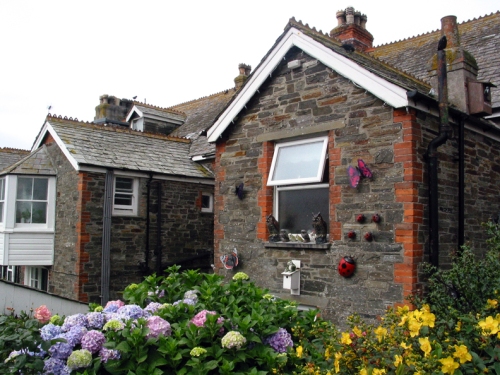
Quando Ted começou a falar sobre a Cientologia (aquela religião do Tom Cruise), insistindo na importância da leitura da Dianética, de Ron Hubbard, percebi que era chegado o momento de cair fora. A decoração do B&B para onde fui era hilária: havia borboletas de plástico colorido no jardim e dentro de casa, por toda a parte, bibelôs muito bregas. Todavia, o quarto era bom, com banheiro (acarpetado) em frente, limpinho. Servia um bom café da manhã, embora não tivesse cereais, como no Camelot Castle.

When Ted started talking about Scientology (Tom Cruise’s religion) and the must-read Dianetics by Ron Hubbard, I realized it was time to go. My new B&B was very kitsch; it had big plastic butterflies in the garden and, all over the house, cheesy pictures and bibelots. But the room was comfortable, and a clean bathroom right in front, carpeted, of course. The breakfast was good, although there were no cereals.

Michelle, Jewels & Kerry at Tintagel Castle

Michelle, Jewels & Kerry at Tintagel Castle

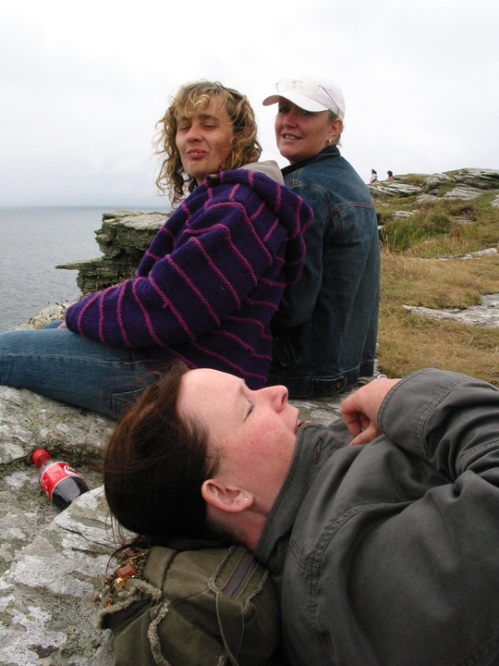
Tinha combinado de encontrar Michelle e Jewels à noite em outro pub. Quando cheguei lá, elas estavam aborrecidas com uns sujeitos que as assediavam de forma grosseira, por isso saímos dali para o King Arthur’s Legs. Tinha karaokê nessa noite. Kerry e Jewels foram jogar sinuca.Ficamos eu e Michelle na mesa e, de repente, dois caras se sentaram e nos convidaram para cantar. O mais velho engatou uma conversa com Michelle e o outro, carequinha, colou em mim. Tratava-se de uma guarnição do Exército da Escócia, que, por falta do que fazer nas férias, resolvera descer a pé de Glasgow até a Cornualha. Os soldadinhos se espalharam pelas mesas azarando as garotas. Estavam acampados no litoral a caminho de Newquay. Conversamos por horas e lá pelas tantas, o escocês já queria que eu fosse com ele para Newquay. Segundo ele, eu iria adorar caminhar pela trilha que costeia o mar, pois o visual era lindo, tudo espetacular. E eu era tão linda, ele estava tão apaixonado… quando respondi que aceitava, desde que ele carregasse minha mala, acredita que o soldado desconversou?!?! O pub já ia fechar. Saí rindo muito, abraçada com Jewels e Kerry igual àqueles três ursos bêbados de desenho animado.

I was to meet Michelle and Jewels by night, in another pub, but by the time I got there they were very upset. Some buggers were harassing them rudely, so we left to King Arthur’s Legs, where there would be karaoke. Kerry e Jewels went to the snooker table, leaving me and Michelle and, all of a sudden, a couple of guys appeared inviting us to sing with them. Soon they were sitting and we were all chatting. The older talked to Michelle and the younger, a bald one, to me. They belonged to a garrison of Royal Scottish Army who, having nothing better to do in vacations, decided to walk the coast all the way from Glasgow down to Cornwall. They were camping on the shore, on their way to Newquay, and the Scot now wanted me to go with him. I would love to walk the seaside trail, such a gorgeous landscape, and I was so beautiful, and he was so much in love… so I said yes, I would accept the invitation, with one condition, that he should carry my suitcase. Can you believe it, the soldier wavered and stepped back?!?! It was closing time, I left the pub laughing a lot, embraced with the girls, like those cartoon’s three drunk bears.

aatintagelCastle02

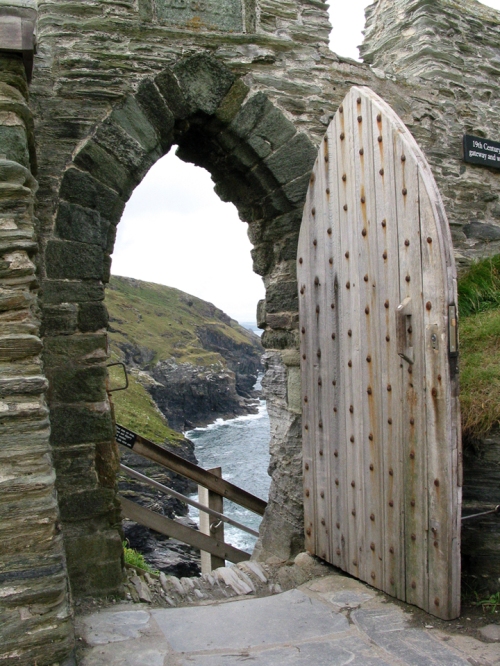
Tintagel Castle – Entrance

aatintagelCastleView1

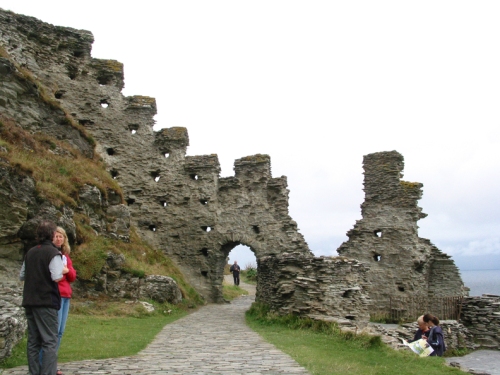
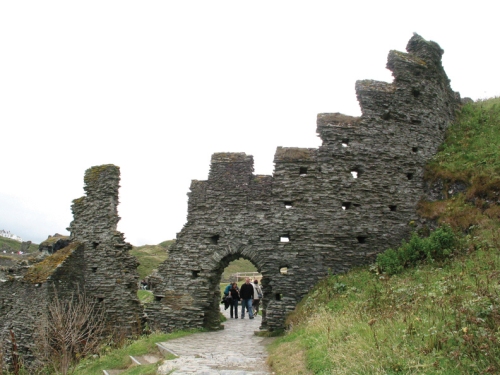
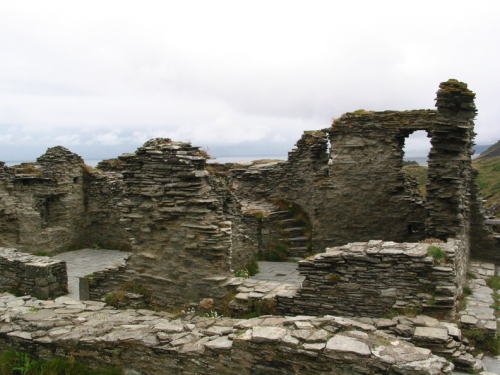
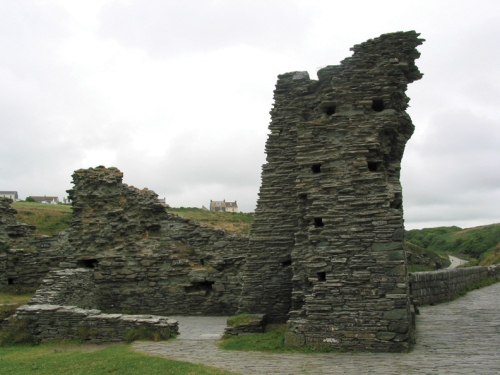
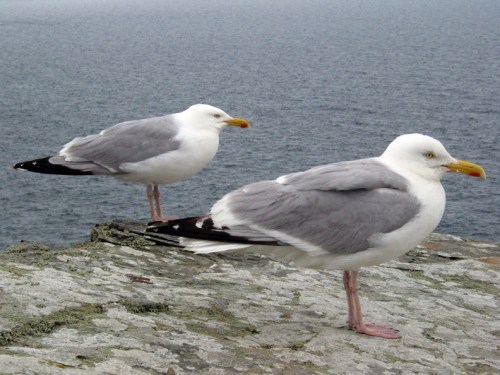
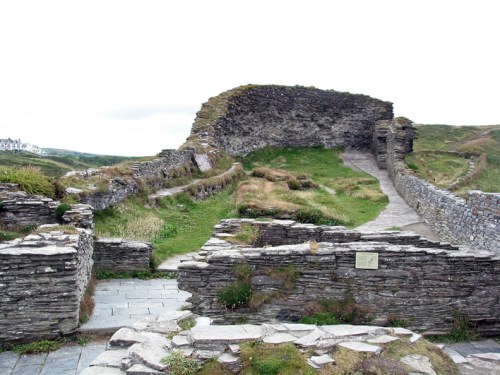
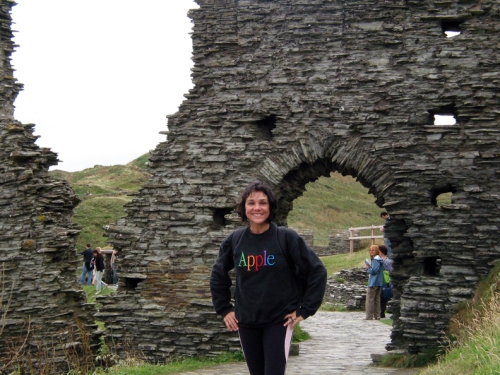
Combinamos visitar o castelo de Tintagel no dia seguinte. Faríamos um piquenique, cada uma levaria o que quisesse comer. Mas o dia cobriu-se com aquele manto cinza inglês, ameaçando chover. A verdade é que não tinha feito nenhum dia bonito ali, tirando o breve fim de tarde na praia e a primeira hora de sol da manhã seguinte. Isso me deixava frustrada. Queria fotos daquelas ruínas no lindo penhasco junto ao mar com céu azul, roxo ou laranja, qualquer cor menos cinza. Enquanto esperava minhas amigas, fiquei andando pelas ruínas. Fotografei gaivotas a meio metro de distância. Diferente das ovelhas, que se viravam e fugiam, elas praticamente posaram para mim. Não sei o que aconteceu com elas no camping, mas quando finalmente as meninas chegaram, foi só para dizer que haviam decidido ir embora naquele dia, e que nem iriam comer antes. Apenas andamos um pouco pelas ruínas.

Tintagel Castle

Tintagel Castle

aatintagelCastleView

Next day we were eventually going to visit Tintagel Castle and make a picnic there. Each one should take something to eat. But the day was covered in that british gray mantle, a hard rain menacing to fall. True is, there was not a single day of good weather ever since I arrived, left alone that sunny moment in the beach when I arrived and the first hour of next morning. The rain was frustrating my plans of nice picts of those astonishing ruins upon the massive cliff by the sea. I wanted a blue sky, and I would do with a purple sky, or an orange sky, anything but that persistent grey. While I waited for my friends, I strolled the ruins taking pictures. The seagulls, unlike the sheep, were willing to be pictured, and let me come real close to them. When the girls arrived at last, they didn’t tell me what had happened in the camping, but they were leaving immediately and wouldn’t even eat. So we just walked around for a while.

aaseagulls

Fiquei chateada, querendo ir junto, mas o carro estava cheio com as três e suas coisas.  Na saída, havia uma ladeira longa e íngreme até a avenida, onde tinham estacionado. Michelle, que era gordinha, sentiu-se mal na subida e entrou numa van que cobrava duas libras para percorrer aquele trecho. Na avenida, trocamos e-mails, telefones e nos despedimos. Insistiram que eu as procurasse quando voltasse a Londres, pois Bristol não era longe e poderíamos nos encontrar novamente. Tintagel ficou mais cinza para mim quando o carro delas sumiu na distância. Aliás, todas as fotos de Tintagel ficaram cinza, pois o tempo não abria. Mas eu não iria desistir assim tão fácil.

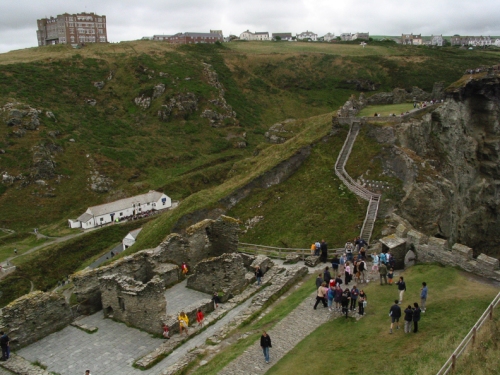
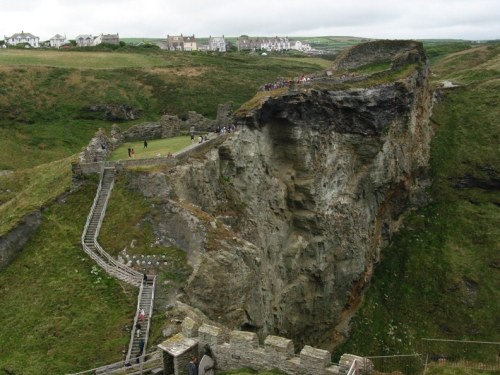
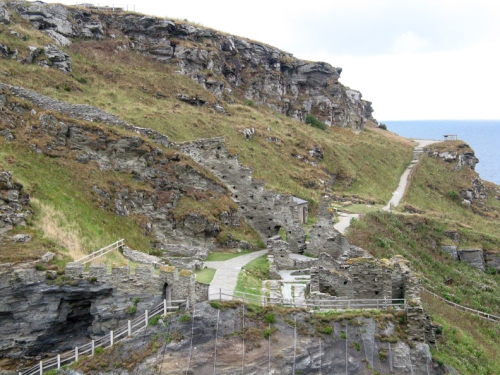
Por estas fotos dá para avaliar a subida do Castelo ao centro da cidade. / These pictures give an idea of the slope between the Castle and the main street.

Por estas fotos dá para avaliar a subida do Castelo ao centro da cidade. A entrada é pela casa branca embaixo, à esquerda / These pictures give an idea of the slope between the Castle and the main street. The entrance is through the white building down to the left.

aatintagelView

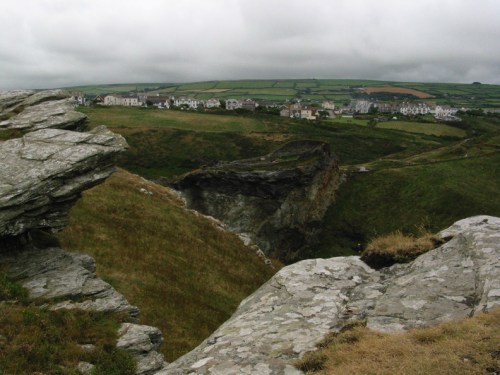
Tintagel vista do alto do antigo Castelo. Tintagel Overview from the top of the ancient Castle.

Tintagel vista do alto do antigo Castelo. Tintagel Overview from the top of the ancient Castle.

I was devastated, and would go with them if there was place for me in the car. But it was full with the three girls and their stuff. When we left the castle, there was a long steep slope to get back to the main street, where the car was parked. Michelle, who was plump, felt sick while walking and took a van to go all the way up, paying two pounds. We exchanged phone numbers, e-mails, and said goodbye. They insisted that I should call them when I got back to London, because Bristol wasn’t that far and maybe we could meet again. Grey Tintagel went darker as the car vanished in the distance. Moreover, all  photos from there were grey, because the bad weather didn’t recede. But I wasn’t giving up so easily.

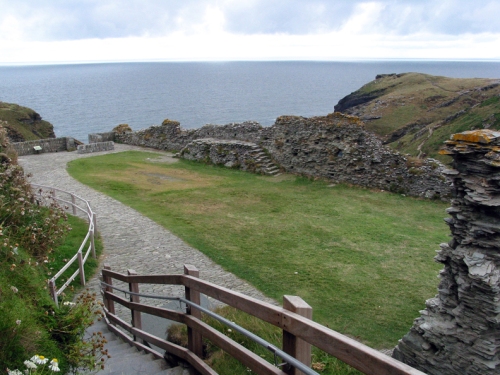
Mais vistas das ruínas./ More views of the ruins

Mais vistas das ruínas./ More views of the ruins

aacastle01

Este foi o céu mais perto do azul que consegui. /This was the closest to blue sky I was able to get.

aacastle

aacastleView

aadungeons

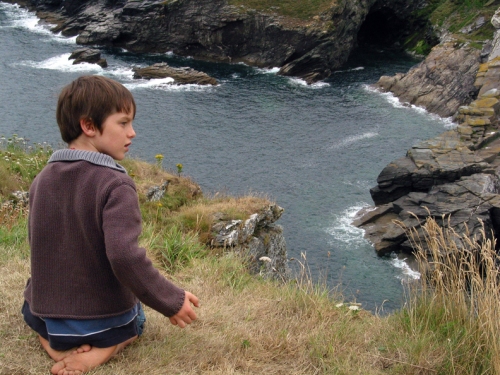
Boy enjoying the view / Garoto apreciando a vista

Boy enjoying the view / Garoto apreciando a vista

Eu fui! / I've been there!

Eu fui! / I’ve been there!


Read Full Post »


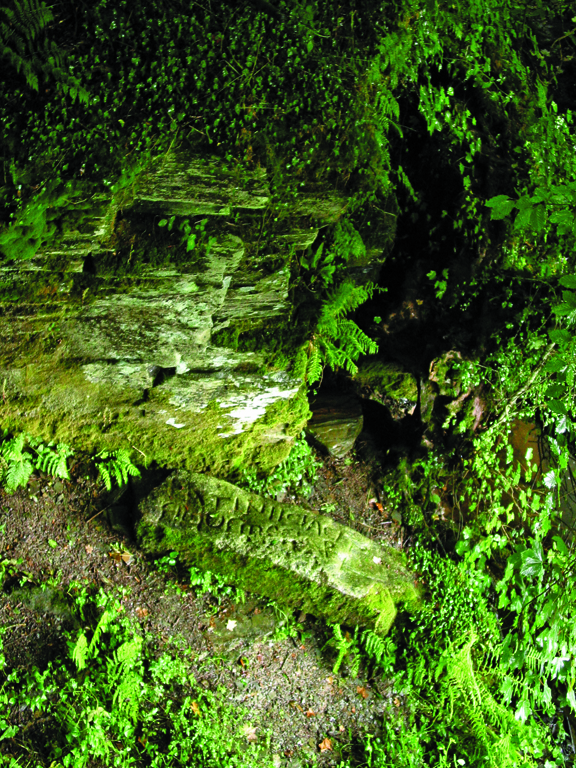
Arthur’s Stone

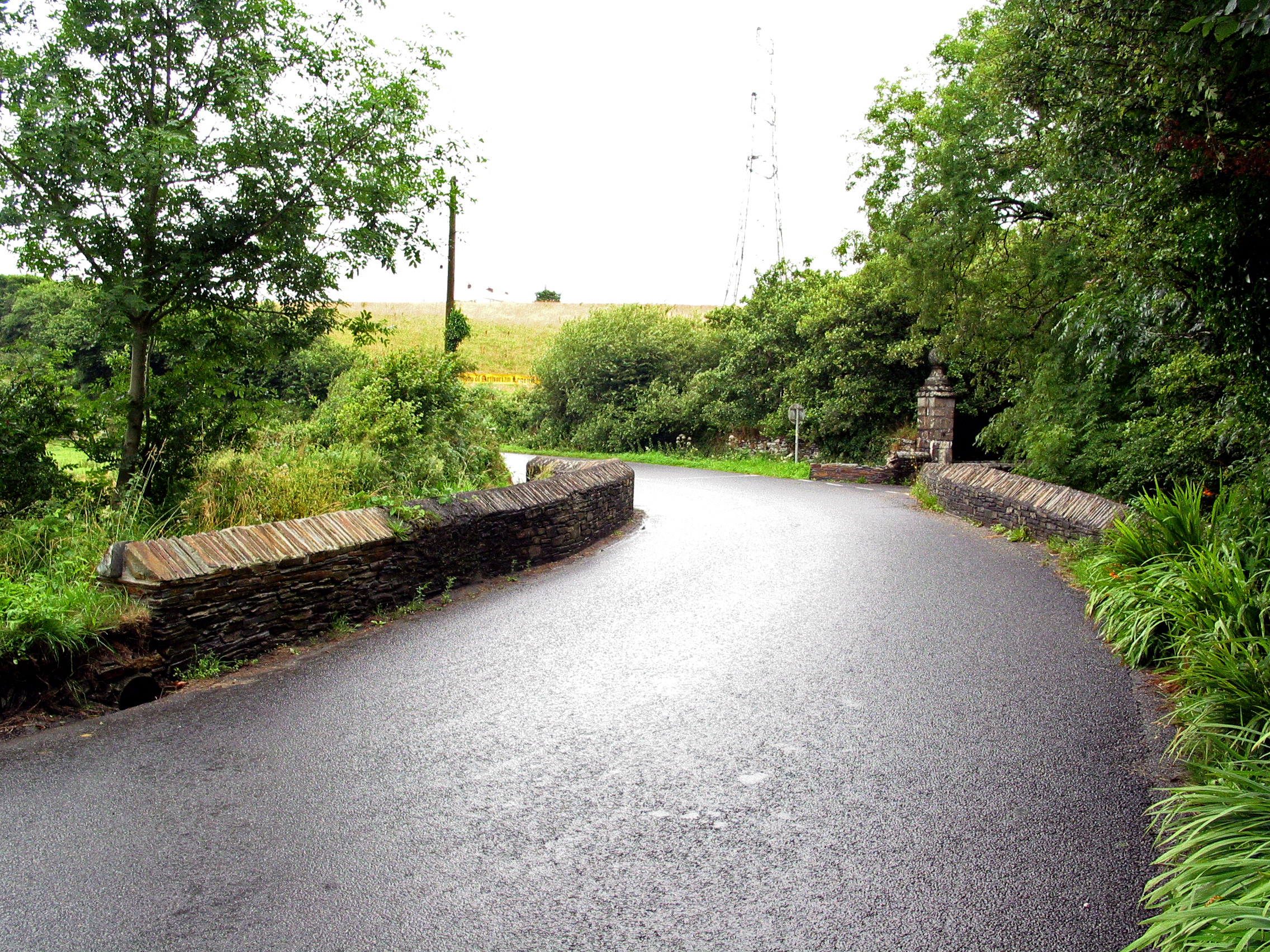
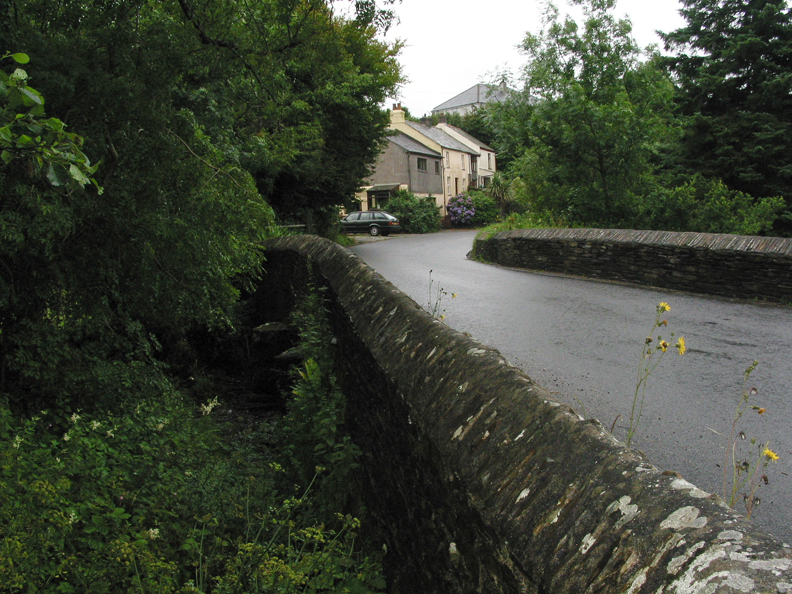
O trocador entendeu errado o nome da ponte – achou que eu ia para Wadebridge em Camelford, então me cobrou mais de duas libras pela passagem. Quando surgiu a placa indicando Slaughterbridge, percebi que o lugar era perto demais para aquela tarifa, fui reclamar. O homem disse que entendera errado porém não podia me devolver o dinheiro, porque já tinha destacado o tíquete. Eu teria que ir até o escritório da companhia para pedir reembolso. Fiquei uma arara; reclamei com o motorista, que foi muito grosseiro, o que me deixou chocada, mas era hora de descer do ônibus. Saltei em frente a um pavilhão chamado Arthurian Center. Agora sei que basta entrar numa ruela ao lado da ponte para chegar ao riacho em cujas margens se encontra a pedra de Arthur.

The collector of the bus misunderstood the name of the bridge – thought I was going to Wadebridge, in Camelford – so he charged me more than two pounds. When the sign “Slaughterbridge” appeared by the road I noticed that it was too close for such a fee, and complained about it. The man apologized for the mistake but he couldn’t give me back the money because the ticket had already been detached. I had to go all the way to the office to get a refund. I was pissed off and complained with the driver, who was extremely rude. But it was time to drop off, in front of a pavillion called Arthurian Center. Now I know that to find Arthur’s Stone one should go down a side lane beside the bridge. The stone is by the brook.

Slaughterbridge, da direita e da esquerda / Left and right

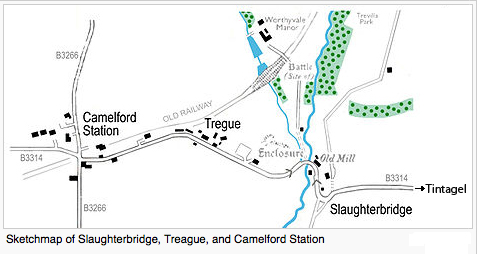
Como o tal Centro tinha uma placa dizendo “Sítio Arqueológico”, resolvi entrar para me informar. A entrada custava 3,50 libras. Havia uma exposição tosca de pinturas, cartazes desenhados à mão e um vídeo bizarro sem qualquer relação com Arthur: um sujeito vestido de preto andando; apareciam seus pés, a paisagem e uma entrevista sem pé nem cabeça com o cidadão. Fiquei assistindo apenas por que começou a chover torrencialmente. Quando a chuva diminuiu, saí em busca da pedra, seguindo a indicação de um funcionário. Havia uma trilha, mas dava mil voltas. Enfim, meia hora depois, encharcada e enlameada, cheguei ao rio e à pedra com inscrições celtas que atestam ali ter caído o rei. Depois é que fui perceber que o caminho terminava na estrada, na altura da ponte! Se tivesse entrado por ali, chegaria diretamente na pedra sem gastar minhas preciosas libras nem tomar aquele banho de chuva. Pelo menos passei pelo suposto campo da última batalha, onde fotografei a placa informativa .

The Arthurian Center had a sign written “Archaeological Site”, so I entered it n search of information. The admittance costed 3,50 pounds. There was a poor exhibition of paintings, handmade posters and a video without any relation to Arthur’s legend. It showed a bizarre interview with a man clad in black, who appeared walking, the camera focusing his feet and sometimes a landscape. I watched for a while because a hard rain had started. When it diminished I went for the stone, according to the clerk’s indications. There was a path, but it coiled a thousand times and it took me half an hour to get to the stream and the stone. I was soaked and muddy from hair to toe when I took the photo of the celtic inscriptions in the stone asserting that it was the place where the King fell down. Only after that I noticed that the way ended by the road. If I had gone that way, I’d have reached the stone without wasting my precious pounds nor rain bathing. At least the path went through the presumed last battle field, where I photographed the informative sign.

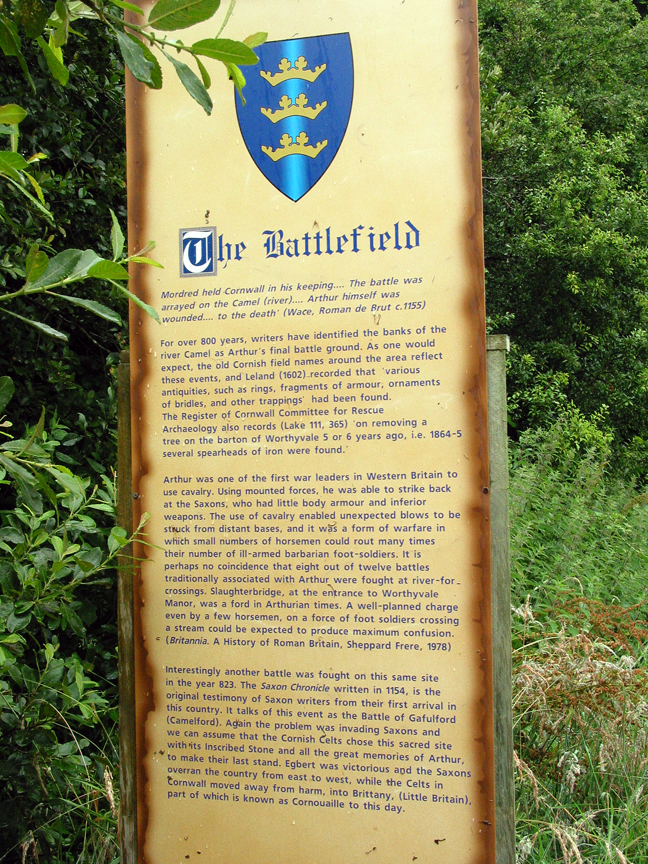
“A Cornualha estava em poder de Mordred… A batalha teve suas trincheiras no (rio) Camel… o próprio Arthur foi ferido… mortalmente.” (Wace, Roman de Brut, 1155)

“Por cerca de 800 anos os escritores tem reconhecido as margens do Rio Camel como o local da batalha final de Arthur. Como seria de se esperar, os nomes dos antigos campos no dialeto da Cornualha refletem estes eventos, e Leland (1602) registrou que foram encontrados objetos antigos tais como anéis, fragmentos de armaduras, enfeites de rédeas e outros adereços. O arquivo do Comitê da Cornualha para Resgate Arqueológico também registra (Lake 111, 365) a descoberta de diversas pontas de lança de ferro ao remover-se uma árvore no solar de Worthyvale há 5 ou 6 anos, ou seja, em 1864-5.

Arthur foi um dos primeiros líderes da Bretanha Ocidental a usar cavalaria na guerra. Empregando forças montadas ele foi capaz de contra-atacar os Saxões, que usavam pouca armadura e armas inferiores. O uso da cavalaria permitia ataques surpresa longe da base, sendo uma forma de guerra em que poucos cavaleiros podiam derrotar um número muito maior de soldados bárbaros a pé, precariamente armados. Talvez não seja coincidência que oito entre doze batalhas tradicionalmente associadas a Arthur foram travadas em passagens de rios. Slaughterbridge, na entrada do feudo de Worthyvale, era um vau nos tempos de Arthur. Um ataque bem planejado de soldados montados, ainda que poucos, a uma tropa de infantaria atravessando um córrego causaria certamente grande estrago. (Britannia. A History of Roman Britain, Sheppard Frere, 1978).

Curiosamente, outra batalha foi travada neste mesmo lugar no ano de 823. A Crônica Saxã escrita em 1154 é o testemunho autêntico dos escritores Saxões sobre sua chegada a este país, e menciona tal evento como a Batalha de Gafulford (Camelford). Novamente o problema eram invasores saxões e podemos presumir que os Celtas da Cornualha escolheram este lugar sagrado, com sua pedra inscrita e todas as lembranças de Arthur para seu confronto final. Egbert (líder  saxão) venceu e os Saxões devastaram o país de leste a oeste, enquanto os Celtas da Cornualha fugiram para a Bretagne (Pequena Bretanha, na França), parte da qual até hoje se chama Cornouaille (Cornualha).”

“Mordred held Cornwall in his keeping… The battle was arrayed on the Camel (river)… Arthur himself was wounded… to the death.” (Wace, Roman de Brut, 1155)
For over 800 years, writers have identified the banks of the river Camel as Arthur’s final battle ground. As one would expect, the old Cornish fields names around the area reflect these events, and Leland (1602) recorded that various antiquities, such as rings, fragments of armour, ornaments of bridles, and other trappings had been found. The Register of Cornwall Committee for Rescue Archaeology also records (Lake 111, 365) on removing a tree on the barton of Worthyvale 5 or 6 years ago, ( i.e. 1864-5 ) several spearheads of iron were found.

Arthur was one of the first war leaders in Western Britain to use cavalry. Using mounted forces, he was able to strike back at the Saxons, who had little body armour and inferior weapons. The use of cavalry enabled unexpected blows to be struck from distant bases, and it was a form of warfare in which small numbers of horsemen could rout many times their number of ill-armed barbarian foot-soldiers. It is perhaps no coincidence that eight out of twelve battles traditionally associated with Arthur were fought at fords. Slaughterbridge, at the entrance to Worthyvale Manor, was a ford in Arthurian times. A well-planned charge even by a few horsemen, on a force of foot soldiers crossing a stream could be expected to produce maximum confusion. (Britannia. A History of Roman Britain, Sheppard Frere, 1978).

Interestingly another battle was fought on this same site in the year 823. The Saxon Chronicle written in 1154, is the original testimony of Saxon writers from their first arrival in this country. It talks of this event as the Battle of Gafulford (Camelford). Again the problem was invading Saxons and we can assume that the Cornish Celts chose this sacred site with its inscribed Stone and all the great memories of Arthur, to make their last stand. Egbert was victorious and the Saxons overran the country from east to west,  while the Celts in Cornwall moved away from harm, into Brittany (Little Britain), part of which is known as Cornouaille to this day.”

Read Full Post »


Rua em Forres / Street in Forres

Fiquei bastante tempo junto à Pedra das Bruxas, fazendo minhas orações para as mulheres que foram queimadas ali, e só fui embora porque começou a ameaçar chuva. Não havia nem um ponto de ônibus na longa rua, mas achei um posto de gasolina e fui pedir informações. Não havia frentista, mas um homem entrou  para abastecer o carro,  a ele me dirigi. Por sorte, conhecia Findhorn e ofereceu carona até o local de onde saía um shuttle gratuito para a Fundação. Sem pestanejar entrei no carro. Em dez minutos chegamos a um lugar que, a pé, eu levaria o dia todo para alcançar: Cluny, no alto de um morro, que foi um hotel na década de 60 e hoje faz parte da Fundação Findhorn, aonde chegaremos. Agradeci efusivamente ao gentil escocês de meia idade que se dispôs a sair de seu caminho para me levar até lá.

I stood longtime by the Witches stone, alone with my prayers for the women that had been scorched there, but under the threat of a gathering storm I eventually left. There was no bus stop in the long street, only a gas station, where I could ask for direction. There was no attendant, but a car came in to fuel so I addressed the driver. Fortunately he knew Findhorn and offered me a ride to a place where I could take a free shuttle to the Foundation. I accepted without a blink. The way up to the top of a high hill took us ten minutes; by foot it would take me the whole day to reach Cluny Hill College, a former hotel which now belongs to Findhorn Foundation, where we’re just about to arrive. I thanked heartily the Scot gentleman who had kindly strayed off his path to take me there.

Forres

A salvo da chuva que realmente caiu com vontade, esperei uma hora pelo shuttle, minha mente ainda ocupada pela questão da dominação cultural. Sabemos que a história é geralmente contada pelo ponto de vista do vencedor. A história do Rei Arthur, foco deste blog, também foi acrescida de elementos que não pertenciam à original, em momentos distintos, servindo a diferentes propósitos. No livro Aventuras da Távola Redonda (2003), o Prof. Antonio L. Furtado (org.) divide a literatura Arthuriana em três momentos distintos:
1ª fase – Crônicas pseudo-históricas;
2ª fase – Romances de cavalaria;
3ª fase – Histórias exemplares.

Next shuttle would leave in one hour, which I spent quietly sitting sheltered from the hard rain, my mind still busy with cultural subdue. It’s said that History is always told by the winner’s point of view. To King Arthur’s story, the main focus of this blog, elements were added which didn’t exist in the original tale, serving different purposes. In his book Adventures of the Round Table (2003), Prof. Antonio L. Furtado (org.) splits Arthurian literature in three distinct periods:
1st. – Pseudo-historical chronicles;
2nd. – Chivalry romances;
3rd. – Exemplary tales.

Praça principal de Forres / Forres main square

A primeira fase trata de relatos de batalhas e outras citações nas quais aparece o nome de Arthur, como em A história dos Reis da Bretanha, de Geoffrey de Monmouth, e nos Anais de Cambria (cidade no País de Gales) do ano 516, onde está escrito que “na Batalha de Badon, em que Artur levou a cruz de Nosso Senhor Jesus Cristo por três dias e três noites sobre seus ombros, e os bretões foram vitoriosos”. Um autor chamado Nennius, do século IX, afirma em sua História dos Bretões, que na batalha do Monte Badon, “morreram, em um dia, 960 homens numa investida de Arthur, e ninguém os abateu senão ele somente. E em todas as batalhas saiu vencedor”. Um certo Lucius Artorius Castus é citado por ter atingido o posto de “dux bellorum”, isto é, o Duque de Guerra. Foram encontradas duas placas com inscrições que atestam esta afirmação e a situam entre meados dos séculos II e III. Estes são exemplos de escritos em prosa, em latim, que sustentam a existência real de um Arthur.

The first phase concerns battle accounts and other reports where Arthur’s name appears, like Geoffrey de Monmouth’s “History of the Kings of Britain” and the “Annals of Cambria”(Welsh city), year 516, where the author states that “in the Battle of Mount Badon, where Arthur led the forces under our Lord Jesus Christ’s Cross banner for three days and three nights over his shoulders, and the Britons were victorious, utterly defeating the Saxons”.  Nennius, a IXth century writer, asserts in his “Historia Brittonum” that in Mount Badon “960 men died in one single day under Arthur’s onslaught and nobody slaughtered them but himself alone, and of all battles he was the winner”.  A certain Lucius Artorius Castus is mentioned as “dux bellorum”, what means “commander of war(s)”. Two plaques were found bearing inscriptions that prove this man’s existence in the late 2nd century or early 3rd century. These are a few examples of texts, written in latin prose, that support an Arthur’s true existence.

Lancelot & Guinevere

Na segunda fase, o romance é introduzido nestas histórias, que tratavam antes apenas de cavaleiros, seus duelos, sua coragem, feitos de bravura e guerras vencidas – aliás, um tanto enfadonhas. Os romances de cavalaria viraram moda nos salões da corte francesa, formatados em versos neste idioma. Chrétien de Troyes (escritor que traduziu A História dos Reis da Bretanha, de Geoffrey de Monmouth, para o francês) recebeu de sua patronesse a “encomenda” de uma história de Camelot, onde seria acrescida a narrativa de um romance entre a rainha e o melhor cavaleiro do rei, Lancelot, que até então nem existia nos relatos pseudo-históricos. A mecenas era a condessa Maria de Champagne, filha de Eleanor da Aquitânia (mulher de Henrique II da Inglaterra) que empregou Chrétien entre 1160 e 1172, ou seja, início do século XII.

The second phase had place when Chivalry Romances became the new fashion trend in Royal Courts, translated into French poetry, embodying chivalrous love in tales that formerly consisted only of jousts, knight bravery, victories in battle, very boring stuff, by the way. The writer Chrétien de Troyes, who translated the “History of the Kings of Britain” into French was hired to produce a Camelot novel, and the love story between Guinevere and Lancelot was thus inserted. Arthur’s best knight didn’t even exist in the original tale. Chrétien’s sponsor was the Countess Mary of Champagne, daughter of  Eleanor of Aquitania (who married the English King Henry II), from 1160 to 1172, early XIIth century.

A busca do Cálice Sagrado / The quest for the Holy Grail

A terceira fase é formada por escritos em francês, em prosa, onde o Santo Graal entra na narrativa. Isto se dá justamente quando a Igreja Católica quer incitar os cristãos às Cruzadas, mais adiante no século XII. O catolicismo varreu do mapa a antiga religião, nunca mais se concebeu nenhuma versão da história de Arthur sem a busca do Graal. O interessante é que a cultura pagã foi preservada no próprio interior dos monastérios por druidas que, para sobreviver, declararam-se convertidos ao catolicismo. Estes sábios registraram por escrito suas tradições, que até então eram transmitidas oralmente através das gerações. Devemos a eles tudo que hoje se conhece da cultura celta.

In the third phase, written in French prose, the quest for the Holy Grail is added to Arthur’s story. That happened a bit later in the XIIth century, when Catholic Church was urging the Christians to join the Crusades. Catholicism overwhelmed the ancient rites. Not a single version of the Round Table legend was written, after that, without the Grail quest. What’s interesting is that pagan culture was preserved in the very heart of Catholic Monasteries, by druids who, in order to survive, pretended to be converted to this new religion. These wise men put down in written words all they could about their traditions which were, so far, orally transmitted through the generations. To them we owe all our present knowledge of celtic culture.

Morgana em “Excalibur”: a bruxa má / the bad witch

Morgana em “Brumas de Avalon”: a sacerdotisa
Morgana in “Mists of Avalon”: the priestess


As Brumas de Avalon, da americana Marion Zimmer Bradley, lançado em 1979, é a abordagem da lenda de Arthur sob o ponto de vista feminino, reelaborando todo o universo mítico da trama. Pela primeira vez o estereótipo de bruxa má é retirado do personagem de Morgana.

The Mists of Avalon, by Marion Zimmer Bradley, 1979, approaches King Arthur’s legend under a feminine point of view, changing the mythical universe of the plot and for the first time releasing Morgana’s character of the bad witch stereotype.

Read Full Post »


Todos os jovens desejavam se tornar cavaleiros. Arthur, tido como bastardo, tornou-se escudeiro de Kay, que pensava ser seu irmão mais velho.  O tempo passou e, quando Arthur tinha quinze anos, Sir Hector e Kay puseram-se em marcha para um torneio ao qual iriam todos os cavaleiros do reino, pois entre eles seria escolhido o sucessor de Uther, que não teve outros filhos. O território britânico continuava dividido em vários pequenos reinos – o feudalismo que estudamos nas aulas de História. Conta a lenda que a espada de Sir Kay desapareceu na hora do torneio. Arthur, então, saiu correndo para buscá-la. Talvez ele mesmo tivesse  esquecido de levá-la…  Mas no caminho perdeu-se na floresta, e deparou-se com uma pedra e uma bigorna onde estava cravada uma magnífica espada. Coisa digna de um rei. Em algumas versões existe apenas a pedra, sem bigorna (enorme bloco usado como ferramenta pelos ferreiros), mas  o disco de Rick Wakeman começa com o narrador lendo a frase gravada na pedra: “Who pulleth out this sword from the stone and anvil is the true born king of all Britain”, ou seja, “Aquele que tirar esta espada da pedra e da bigorna é o verdadeiro rei, por direito de nascença, de toda a Bretanha”.
Arthur não sabia ler – poucos além dos padres sabiam – mas viu aquela espada sem dono ou
propósito aparente, e resolveu levá-la para o irmão. Puxou a espada, que se desprendeu facilmente da
pedra, como se estivesse espetada em massa de modelar. Ninguém no torneio acreditou que o menino houvesse realizado tal feito. No entanto, Merlin surgiu e revelou a identidade secreta de Arthur, que acabou
reconhecido como rei, apesar da discordância dos nobres que cobiçavam o trono para si.

Every kid wanted to become a knight. Arthur, as a bastard, became a squire to his foster brother Kay.
Thus time went by and, when Arthur was fifteen, Sir Hector and Kay set their company in march to a tournament. Each and every knight of all realms was doing the same, because amongst them would be chosen King Uther’s sucessor, for he had no more sons with Igraine. British lands were still divided in lesser kingdoms – the feudalism we studied in History class. The tale tells that Kay’s sword disappeared when his time to joust was come, so Arthur hurried back to the camp to find it. Maybe he had forgotten it himself…
But Arthur, on his way, got lost in the forest and ran into a massive stone, with an anvil and a magnificent sword stuck in it. A sword fit for a king! Some authors only mention the stone, without anvil, but Rick Wakeman’s album starts with the  storyteller’s voice reading the words carved in the stone: “Who pulleth out this sword from the stone and anvil is the true born king of all Britain”.
Arthur couldn’t read – few people but the priests did – but saw that sword that seemed to belong to no one, in that weird place, and decided to take it to his brother. He easily pulled the sword free from the stone as if it was stuck in modeling clay. Back in the tournament, nobody believed that the boy had done that deed. Then Merlin appeared and revealed Arthur’s bloodline. He was crowned King in the end, despite many lords disagreed because they greeded the throne for themselves.

Read Full Post »