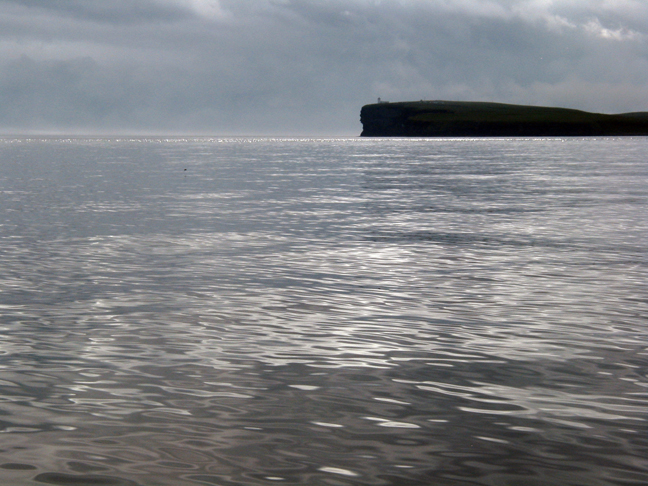
Atravessando o estuário de Pentland / Crossing the Firth of Pentland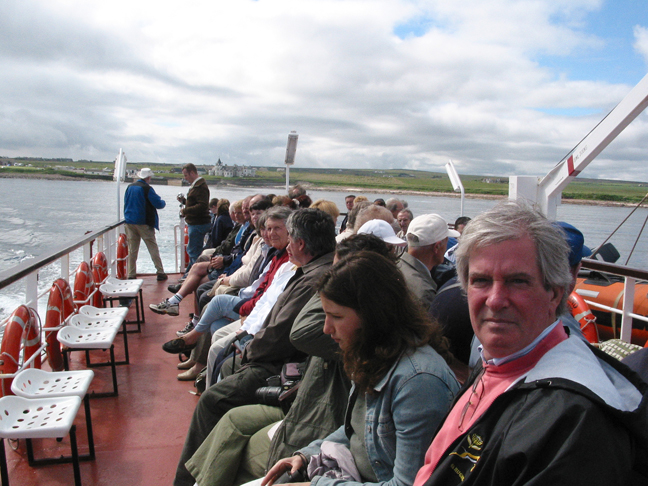
Após a almoço embarcamos no ferryboat para cruzar o estuário de Pentland. A travessia levou 40 minutos, sob o vento cortante do Mar do Norte. Outro ônibus nos esperava para prosseguir viagem até Kirkwall, principal cidade de Orkney, onde houve uma parada para visitar a catedral de St. Magnus, que data do século XII. Ao lado da igreja encontram-se as ruínas do Palácio do Conde. O tempo fechou, ameaçando chuva. Fiquei tensa, quarenta minutos me pareceram a eternidade, mas depois de um café e algumas fotos a excursão prosseguiu.

Mais perto / Closer
After lunch we boarded the ferry to cross Pentland Firth, 40 minutes under the freezing North Sea wind. In the end, another bus was waiting to carry us further, to Kirkwall, main Orkney town. There was a stop to visit St. Magnus, a XII century Cathedral. Next to it are the ruins of the former Earl’s Palace. We stood there for what seemed eternity, plenty of time for pictures and a coffee and the weather went worse, threatening rain, so I was quite tense. But eventually the tour departed.
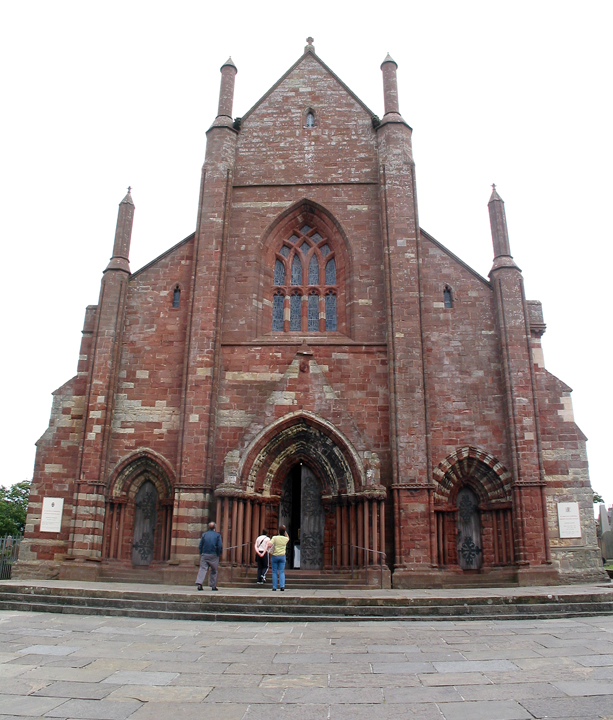
St. Magnus Cathedral
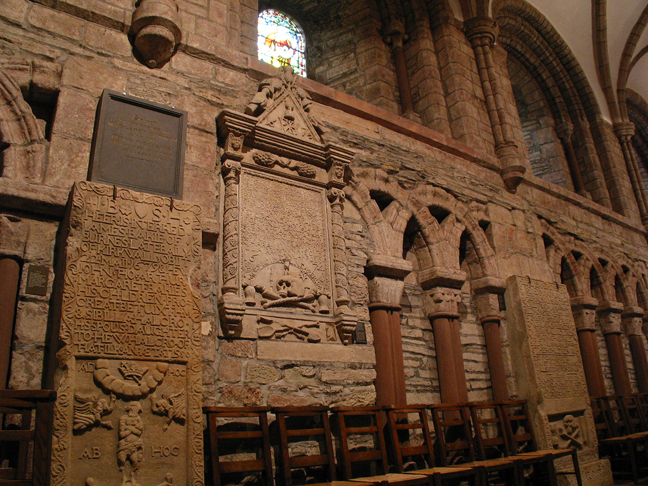
Interior sinistro da enorme catedral / Inside the massive Cathedral… creepy!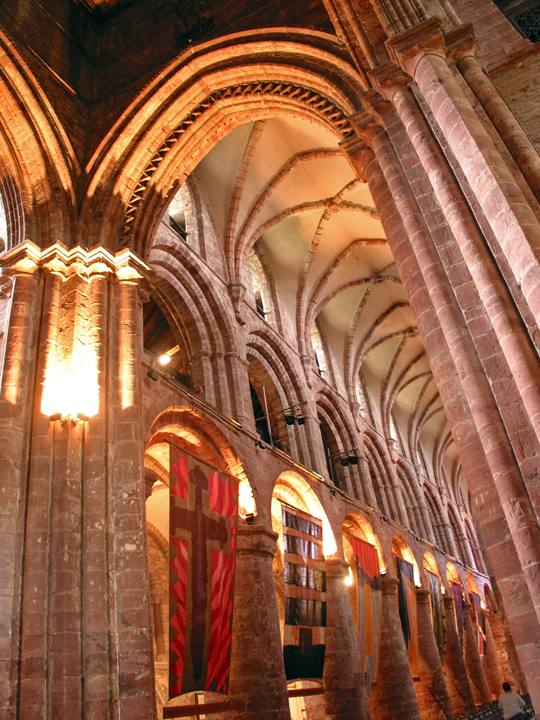

Ruínas do Palácio do Conde, no meio de um parque em Kirkwall
The Earl’s Palace ruins with a park around, in Kirkwall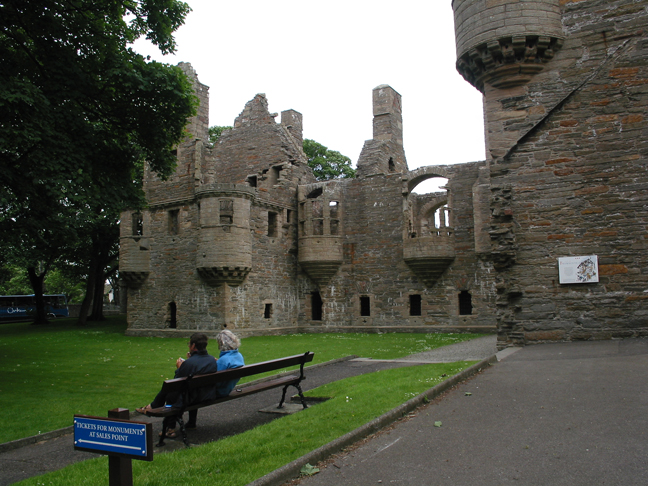
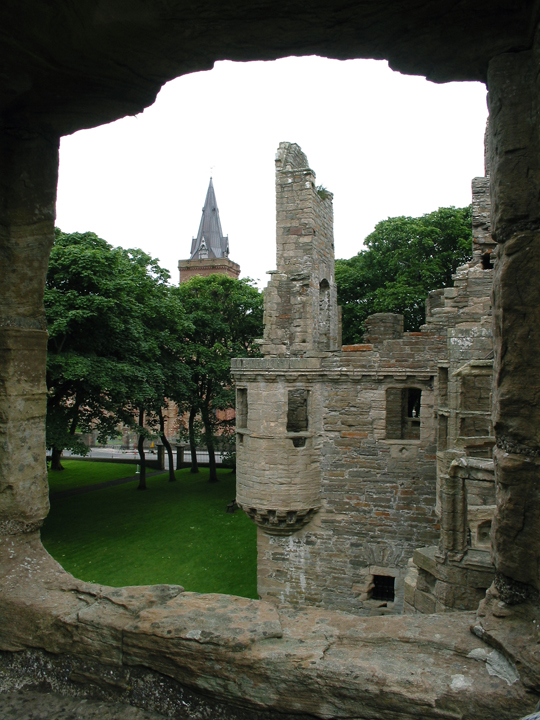
A torre da catedral vista do Palácio do conde
Cathedral Tower seen from the Earl’s Palace
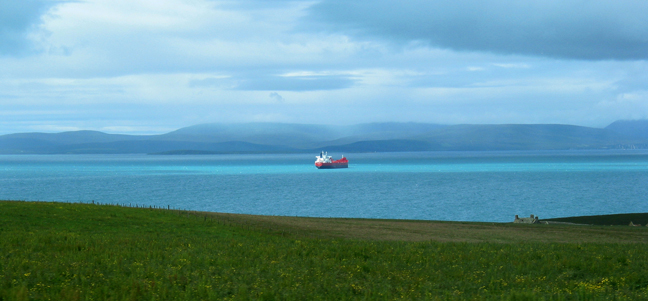
Enfim raios de sol. / Sunlight at last.
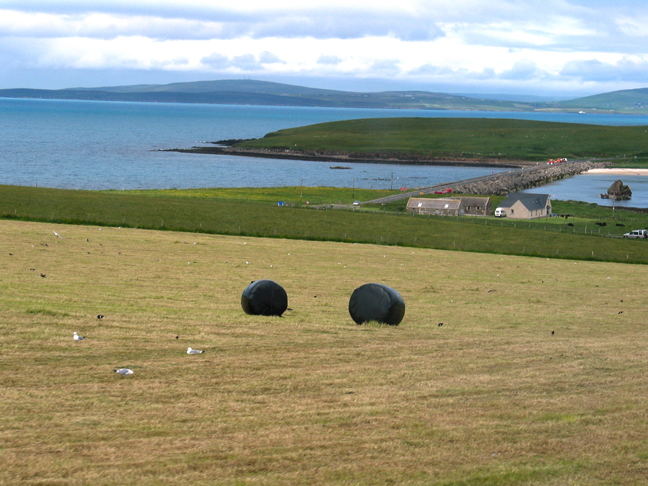
A estrada ia costurando as ilhas como um patchwork. São setenta ao todo, das quais apenas vinte são habitadas. Percorremos quilômetros entre nada e lugar nenhum, campos arados pontilhados por rolos de feno aguardando serem recolhidos sabem os deuses por quem, pois não se via uma alma sequer.
Pontes interligam as ilhas, algumas minúsculas / Bridges between the tiny islands

Paisagem através da janela do ônibus / Landscape seen through the bus window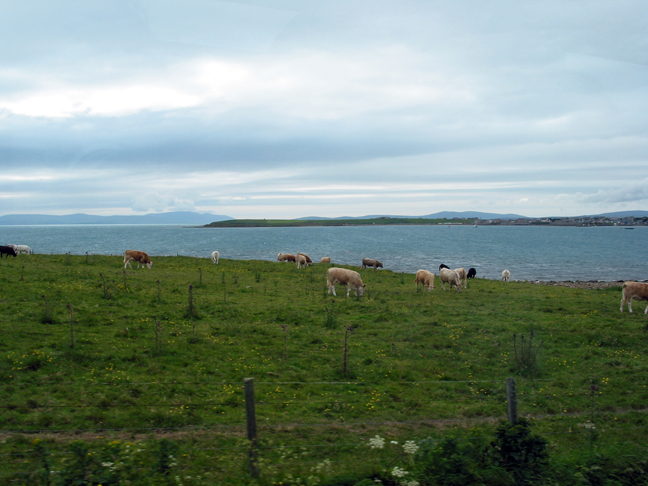

Casco de um barco naufragado / Wreckage of an old boat
The road sewed together, like a patchwork , approximately 70 islands of which 20 are inhabited. A long way between nothingness and nowhere. Miles of plough fields dotted with haystacks waiting to be collected, the Gods only know by whom, for there wasn’t a single living being in sight.
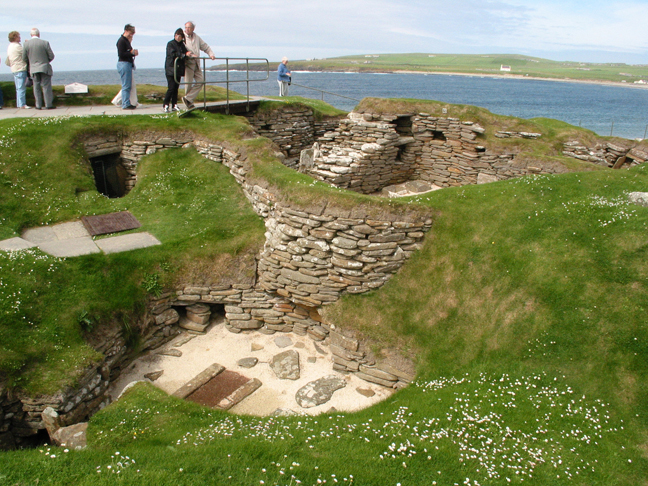
Skara Brae!
Por fim chegamos a Skara Brae, sítio arqueológico que guarda um dos mais antigos vestígios de ocupação humana de que se tem notícia, datado entre 3180 e 2500 a.C. Uma relíquia do Neolítico com tal grau de preservação que ganhou da UNESCO o título de Patrimônio Histórico Mundial. São dez habitações de pedra enterradas no solo, ligadas por passagens também de pedra, que abrigaram não mais de cinquenta seres humanos. Lugar absolutamente inóspito, o vento glacial constante nas Orkneys impede o crescimento de qualquer árvore, só se vê grama num raio de quilômetros.
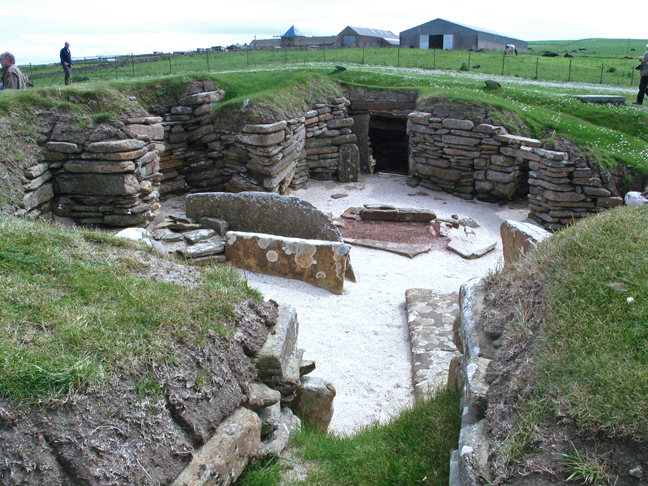
Contornando as escavações / Circling around the excavations
We arrived at last in Skara Brae, archaeological site that keeps traces of the most ancient known human settlements, dating back to 3180 BCE – 2500 BCE. It’s Europe’s most complete Neolithic village. Due to its excellent preservation, it was given UNESCO World Heritage Site status. It consists of ten clustered stone houses sunk into the ground for insulation against Orkney’s harsh winter climate, where once lived no more than fifty people. An inhospitable place, an empty wilderness where the frosty wind prevents any tree from growing, all you see in a radius of miles is grass.

As casas foram cobertas pela areia gradualmente, e tudo indica que já tinham sido abandonadas quando isso ocorreu, mas não se sabe por que.
Burial in sand was gradual and it seems that the houses had already been abandoned — for what reason, no one can tell.
Skara Brae é mais antigo que Stonehenge e que as pirâmides. Na trilha para o sítio arqueológico, passa-se por uma réplica em tamanho real de uma das habitações, com vasilhas de barro, cestos de peixe seco, pilhas de lenha, peles e mobília de uma alvenaria feita com pedra, areia e palha. Os habitantes deviam ser esquimós, pois o gelo cobre tudo no inverno. Ali em pleno verão, ao meio-dia, apesar do sol ter aparecido, meu nariz e orelhas já estavam congelados assim como as mãos, que insistiam em empunhar a câmera.

Quase todas as casas tem mobiliário semelhante, com as camas e aparador no mesmo lugar. / Most of the houses have similar furniture, with the beds and dresser in the same places in each house.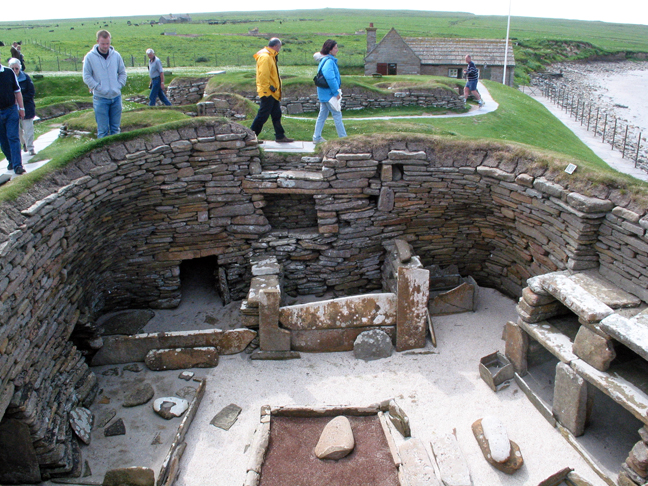
Skara Brae is older than Stonehenge and the pyramids in Egypt. On the footpath to the archaeological site there’s a life size model of one of the houses, with all its pottery inside, baskets of dry fish, furs and stone-built pieces of furniture. The inhabitants must have been Eskimos, for in winter ice covers everything. It was midsummer, it was midday, the sun had decided to shine but I had my nose and ears frozen, as well as my hands that wouldn’t let go of the camera.
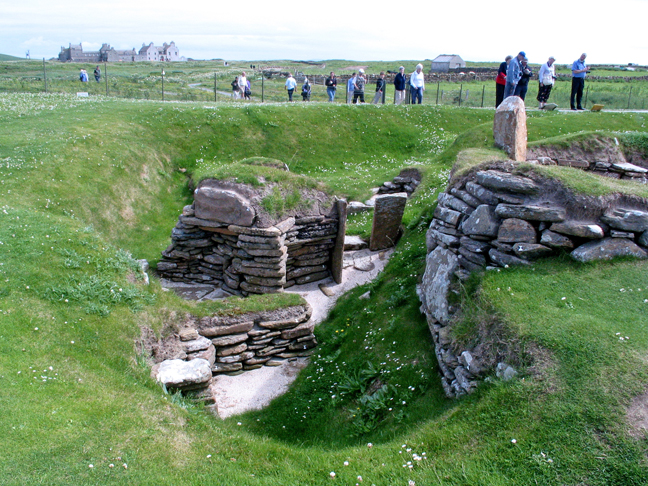
A aldeia tinha um sistema de drenagem que incluía um vaso sanitário tosco em cada habitação.
A drainage system was even incorporated into the village’s design, including a primitive form of toilet in each dwelling.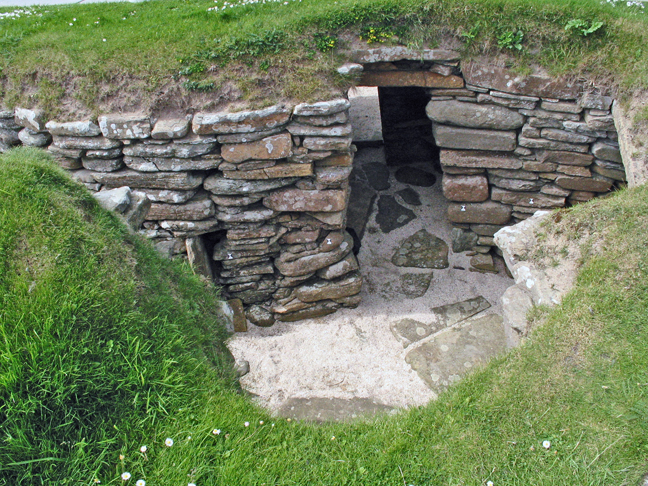
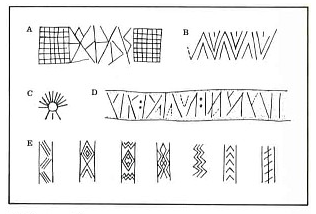
Os desenhos gravados nos objetos encontrados em Skara Brae são semelhantes aos encontrados no Vale do Boyne, Irlanda, sugerindo uma conexão entre estas culturas. / The spiral ornamentation on artifacts found at Skara Brae match stylistically objects found in the Boyne Valley in Ireland, suggesting a linkage between the two cultures.
Jules e eu sentamos na areia (pois Skara Brae é numa praia) e ficamos pensando o que seres humanos estariam fazendo em um lugar desses. Como chegaram ali? Será que já nasceram ali? Mas de onde vieram seus pais? Que combustível usavam? O que comiam? Apenas peixe, algas, ou será que plantavam cereais? Ou criavam gado e ovelhas? Ninguém sabe ao certo, mas as escavações indicam que durante seiscentos anos essa população sobreviveu. O frio e o sal preservaram suas construções, que hoje estão ali como prova do triunfo do espírito humano sobre a adversidade numa época remota.

Vista aérea de Skara Brae e o aspecto que devia ter, imagens do Google
Aerial view and how the village should have looked like, from Google Images
Jules and me sat in the sand (because Skara Brae stands in a beach) wondering what the fuck would human beings be doing in such a place. How did they get there? Were they born there? Where did their parents come from? What kind of fuel did they employ? What did they eat, fish and seaweed only? Or did they cultivate some cereal? Did they raise cattle and sheep as well? No one knows for sure, but excavations indicate that these people survived for about six hundred years. The cold and the salt preserved their buildings, that today stand there as a proof of triumph of the human spirit over adversity in early ages.
 Avalon