Tempos depois de ser coroado, Arthur se casou com Guinevere – ou Gwenwyfar, ou Gwenwyvar, em gaélico – filha de Leodegranz, senhor de uma província distante. Para buscá-la, às vésperas do casamento, Arthur envia uma escolta liderada por Lancelot, segundo a lenda, o melhor e mais belo de todos os cavaleiros (embora, provavelmente, também não tomasse banho). Lancelot e Guinevere se apaixonaram à primeira vista, mas ela era noiva de Arthur, e não podia recusar-se a se casar com o rei. Isso cria uma confusão danada. O autor Bernard Cornwell no livro “O Inimigo de Deus” trata do assunto de forma bem diferente. Em sua versão, Lancelot não era nada heróico; na verdade, tratava de fugir das lutas e depois pagava aos bardos para que cantassem feitos de bravura atribuídos a ele. Neste mesmo livro, Guinevere vence uma batalha para Arthur: no alto do monte Badon, onde os cavaleiros estavam sitiados, ela tem a ideia de atear fogo às carroças e jogá-las morro abaixo, dizimando o ataque inimigo com o fator surpresa e o poder das chamas. Já no filme “Rei Arthur”, de Antoine Fuqua, de 2004, com Keira Knightley e Clive Owen, Guinevere é apresentada como chefe de uma tribo de guerreiros selvagens, ferozes e exímios arqueiros.
Cada autor conta a história de um modo diferente, e foi justamente esse caleidoscópio que me fascinou. Em “As Brumas de Avalon”, a irmã de Arthur por parte de mãe, Morgana, sacerdotisa de Avalon, implica com Guinevere devido à religiosidade da moça, católica ao extremo. Identifiquei-me com Morgana por causa de Avalon, a ilha secreta, onde só iniciados podiam se aproximar, pois era preciso fazer uma invocação para surgir a barca que cruzaria as águas. Nessa ilha, ficava um santuário da antiga religião pagã professada pelos druidas e druidesas. Apenas as mulheres entravam nesse templo. Ali eram educadas para serem mais que druidesas: tornavam-se sacerdotisas. Seu treinamento não devia ser nada fácil, mas, após alguns anos, podiam caminhar sem fazer ruído. Podiam assumir uma aparência imponente ou assustadora, ou ainda passar despercebidas (a idéia de invisibilidade sempre me atraiu!); conheciam plantas e ervas para preparar remédios, pomadas e poções mágicas. As sacerdotisas entendiam a influência que os astros exerciam sobre os pobres mortais, e podiam ver o passado e o futuro. Isso sempre me pareceu fascinante, pois minha mãe costumava ter visões. Eu achava o máximo, também queria tê-las. Não posso reclamar: minha intuição funciona relativamente bem quando se trata de achar uma boa vaga para estacionar; quanto a ver espíritos ou receber mensagens… até hoje, eles me ignoram solenemente.
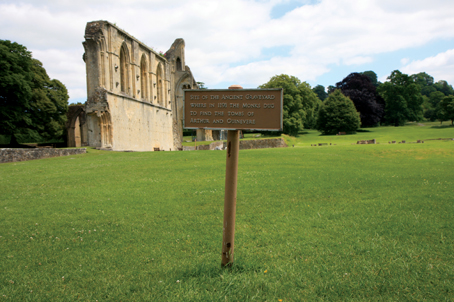
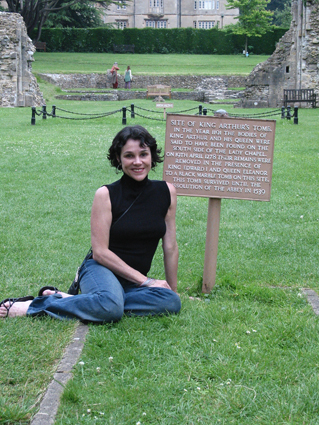
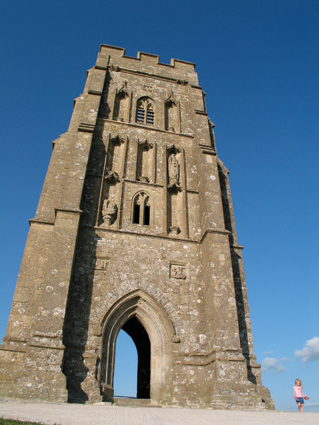
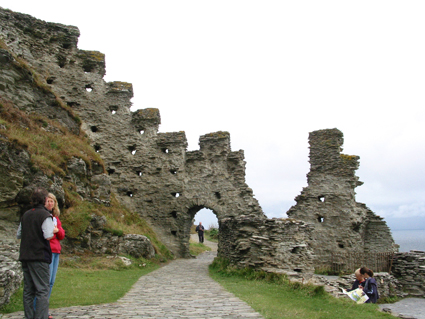
No fim da história, Arthur foi morto em uma batalha, por Mordred, seu próprio filho. Próximo a Tintagel, em Slaughterbridge (ponte sobre um pequeno riacho), há uma pedra com inscrições que atestam ser aquele o exato local onde o rei tombou. Todavia, seu túmulo oficial está na Abadia de Glastonbury, hoje em ruínas, preservadas pela English Heritage, instituição que cuida do patrimônio histórico britânico.
Some time after his coronation, Arthur married Guinevere – Gwenwyfar, or Gwenwyvar in gaelic – daughter of Leodegranz, lord of a distant region. To bring the bride in the eve of the ceremony, Arthur sends an escort leaded by Sir Lancelot, the best and most handsome of the knights, according to the legend… although he, too, probably didn’t bathe often. Lancelot and Guinevere fell in love at first sight, but as she was Arthur’s bride, and the stuff turned into a mess. She couldn’t refuse to marry the King. Love turned into curse.
The writer Bernard Cornwell, in his book “The Enemy of God”, shows another point of view on Lancelot: he was not a hero at all, just a coward noble who used to flee the battlefield and pay the bards to sing songs about his pretended bravery. In this same book he imputes to Guinevere the victory in the battle of Mount Badon, where Arthur’s knights were besieged by the saxons: it’s her idea to set fire to the carts and send them rolling down the hill, wiping the enemy out with the element of surprise and the power of the flames. In the movie “King Arthur”(2004, with Clive Owen and Keira Knightley) Guinevere is shown as the leader of a wild and fierce tribe of archers.
Each author presents a different tale, this living kaleidoscope was exactly what fascinated me. In “The Mists of Avalon”, Guinevere was a most pious girl, for that she earned a certain despise from Morgan (Arthur’s sister, Igraine’s daughter with the Duke of Gorlois, which was an Avalon priestess).
Avalon was a secret island where stood the ancient pagan Goddess Temple, which could only be reached by barge, and only the priestesses knew how to invoke the boatman. Only women and guests could enter this sacred place where the girls were educated and initiated in the Goddess’ misteries. They were trained to be not only druids, but priestesses. It was a hard work, but they learned herblore, music, to walk silent as a shadow, to assume any appearence ( majestic, frightening or even to go unnoticed – the invisibility power which has always appealed me) and to read the past and the future in the stars, fire or water. Reading “The Mists..” I felt immediately connected to Morgan. My mother used to have visions, and I always wanted the same to happen to me. I can’t complain so much: my intuition has always worked properly when it’s about finding a place to park my car. But the spirits and their messages have, so far, ignored me at all.
In the end of the tale, Arthur was killed in battle by his own son, Mordred. In Tintagel stands Slaughterbridge, the bridge over a tiny river where lays an old inscribed stone which is said to be the landmark of Arthur’s fall. But his official tomb is located in Glastonbury Abbey, ruins that are nowadays a grade I listed building, and a Scheduled Ancient Monument open as a visitor attraction.
Compartilhe meu blog se você gostou.Share my blog if you liked it!
Read Full Post »









 Avalon