Feeds:
Posts
Comentários

Posts Tagged ‘roman ruins’


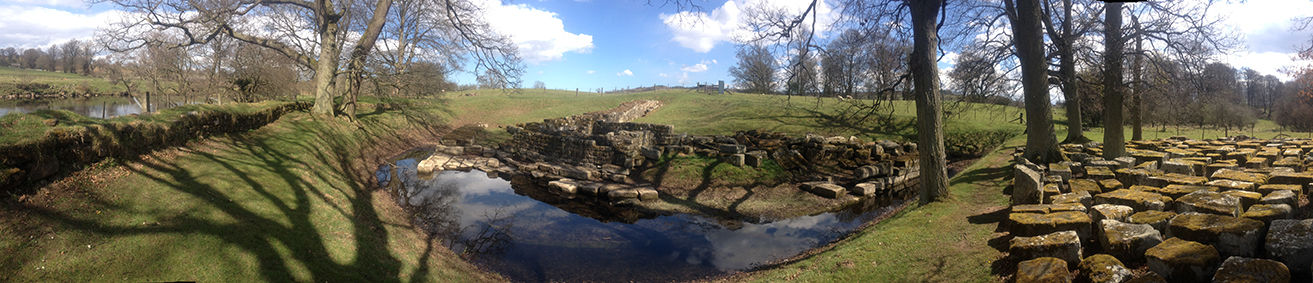
Panorama com vista das ruínas da antiga Capela de St. Patrick’s / Landscape with ruins of the ancient St. Patrick’s Chapel

Estávamos em Heysham unicamente para pegar o ferryboat para a Ilha de Man. Nem sabíamos que essa cidade existia até pesquisar transporte para Man. Entretanto o lugar se revelou uma magnífica surpresa! Após almoçar, andando na direção do mar pela rua principal, resolvemos visitar a Igrejinha de St. Peter. Uma pena que estava envolta em plásticos e andaimes, em restauração, tanto que não pude bater nenhuma foto. Existe uma cruz Anglo-Saxã, mas estava dentro da área cercada em obras. Apenas parte do cemitério podia ser visitado. Além dos lindos túmulos antigos encontramos uma passagem, um caminho entre antigas ruínas romanas, subimos alguns degraus e de repente estávamos de frente para o mar e para a Capela de St. Patrick! Um lugar alucinante.

Ruínas romanas, Capela de St. Patrick e Heysham ao fundo/ Roman ruins, St.Patrick’s Chapel and Heysham in the background

The only reason we were in Heysham was to take the ferryboat to the Isle of Man. We didn’t even know that this city existed! However it turned out to be a magnificent surprise! After lunch, on our way on Main Road to the shore, we found a sign indicating St. Peter’s Church, and decided to visit it. Unfortunately it was under repair, shrouded in scaffolds and plastic covers, so we couldn’t take photos. Inside the restricted area there’s also an ancient Anglo-Saxon cross. Only part of the graveyard was open to visitors. But beyond the beautiful ancient graves we’ve found a stairway, and a passage through ancient Roman ruins that led us to St. Patrick’s Chapel, by the sea, a stunning place!
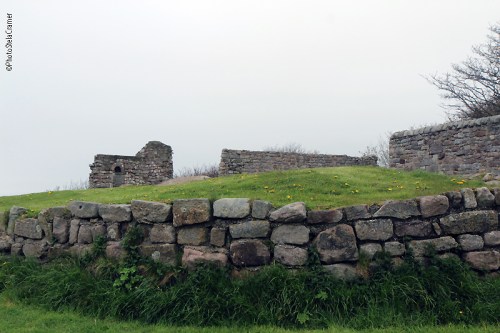
Vista ao nível do chão / Ground view
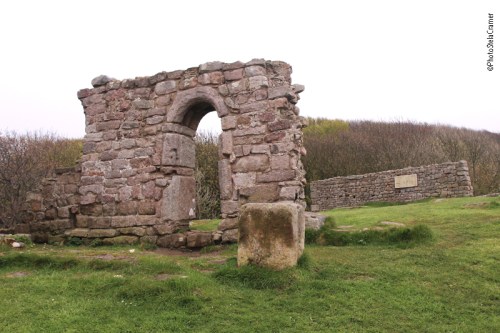
Capela de St.Patrick; ao fundo muro romano / St Patrick’s Chapel; Roman wall on the background
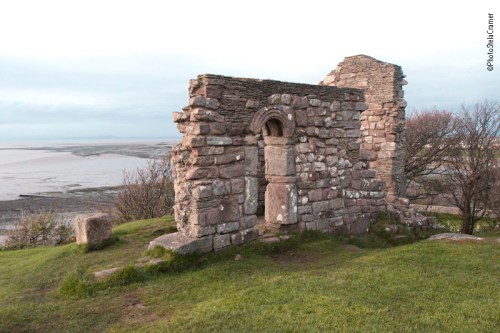
Esta pedra quadrada era uma espécie de relógio de sol. Ao fundo a baía de Morecambe, ao longo da qual se estende Heysham. / This square stone once was kind of a sundial. On the background, Morecambe Bay. Heysham stretches alongside it.

Vista da Capela em outra perspectiva / The Chapel from a different point of view
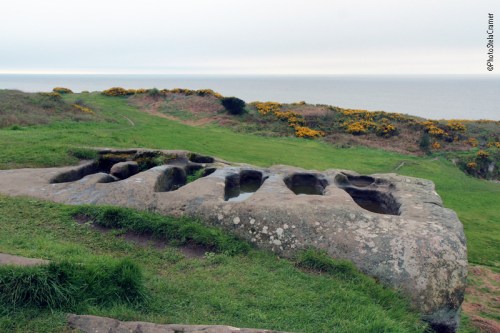
Junto à Capela há túmulos vikings ancestrais, do século XI / Beside the Chapel are these viking stone graves, thought to date from the 11th century
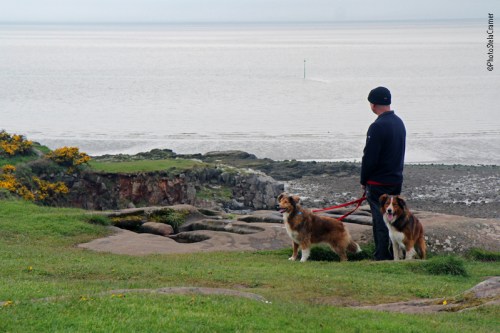
Os túmulos vikings são sempre virados para o Norte, de onde este povo veio. / Viking graves always look North, from where these people came
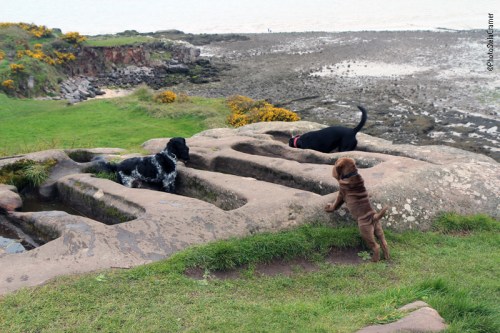
Estes túmulos aparecem na capa do CD “O Melhor do Black Sabbath”. Estes cães ( e seu dono) não ligam a mínima! / These stone graves appear on the cover of the CD “The Best of Black Sabbath”. These dogs (and their owner) show no respect!
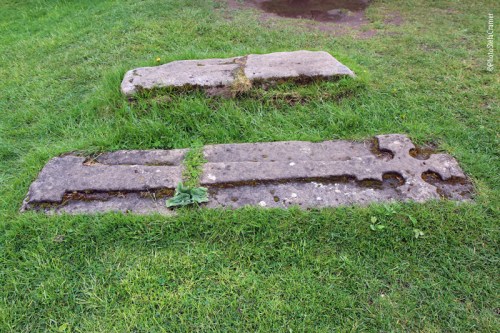
Supõe-se que um dos túmulos seja de uma criança, pelo tamanho / The small grave is supposed to be a child’s
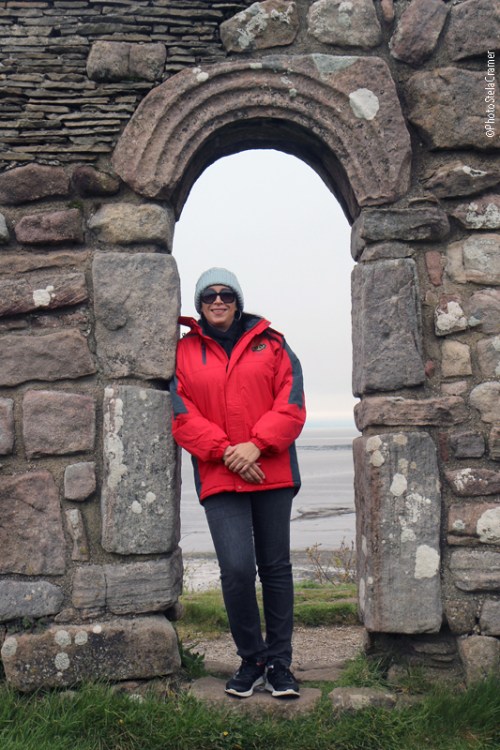
Vicky na Capela de St Patrick/ Vicky at St. Patrick’s Chapel

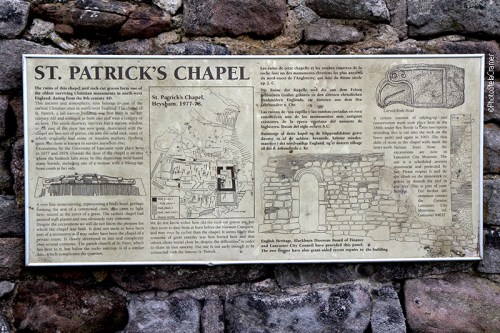
Painel informativo afixado no muro romano / Informative panel attached to the roman wall

Artefatos encontrados neste local, hoje no Museu de Lancaster, sugerem que aqui era um antigo cemitério, ou “barrow”. A área ainda é chamada de “the Barrows”./ Lancaster Museum holds artefacts from the area that suggest that this was an ancient burial ground, or barrow; the area is still known locally as “The Barrows”.
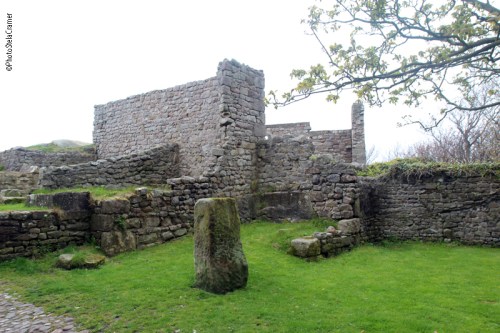
Ruínas romanas / Roman ruins
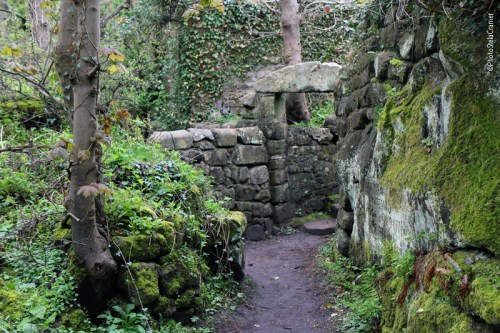
Andando por estas passagens estreitas nos sentimos num túnel do tempo / Walking through these narrow passages, we felt as we were crossing a time tunnel

Inscrições romanas na passagem. Pesquisando, ainda não achei nada sobre elas.  / Roman inscriptions on the wall. I’m doing some research but hadn’t found anything about them yet.
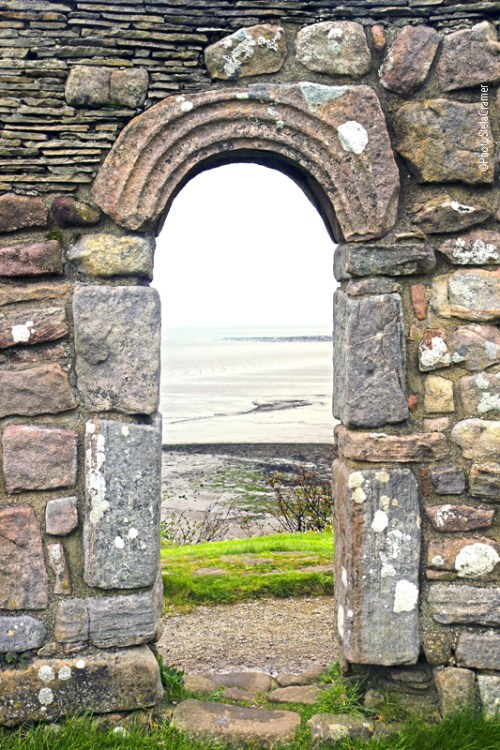
Morecambe Bay
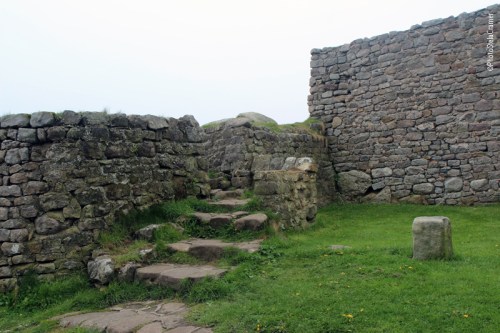
Do outro lado do muro / The other side of the wall
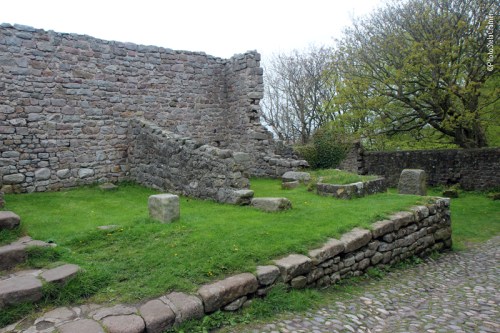
E por fim o sol apareceu, para nos acompanhar na caminhada pelo resto da tarde./ The sun eventually showed up, to keep us company for the rest of the afternoon walk.


Read Full Post »


Se esta era a Távola Redonda, deveria haver centenas de cavaleiros! / If this was the Round Table, there must have been hundreds of Knights!

Dizem que o túmulo de Arthur em Glastonbury é falso, uma invenção dos monges para atrair peregrinos e dinheiro. A história prova que os focos de resistência britânica contra todas as invasões se concentraram na fronteira com a Escócia, na Cornualha e País de Gales – onde fica Caerleon. Isso pode confirmar a teoria de que ali se encontravam os melhores guerreiros e generais, e entre eles podiam estar Arthur e seus cavaleiros. O autor Stephen E. Lawhead atribui a Aurelianus Ambrosius a paternidade de Arthur.
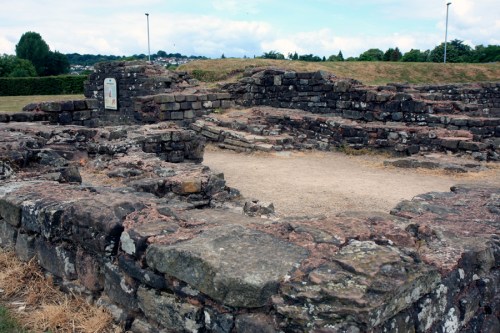
Sítio arqueológico da fortaleza romana de Isca Augusta / Archaeological site of Isca Augusta Roman barracks

Some say that Arthur’s grave at Glastonbury is fake, priests’ fabrication to attract pilgrims and their money. History shows that the main spots of British resistance against all invasions were concentrated in the Scottish borders, Cornwall and Wales – where Caerleon is located. That may confirm a theory of these places having counted on the best warriors and generals, Arthur and his Knights among these. The author Stephen E. Lawhead imputes Arthur’s fatherhood to Aurelianus Ambrosius.

Murais nas ruas sugerindo que Caerleon era a Camelot de Arthur / Street boards suggesting that Caerleon was Arthur’s Camelot

Assim, o País de Gales também reclama a origem de Arthur. De toda forma, é significativo que o Pendragon, título de Uther, seja o símbolo do país. A lenda também conecta o mago Merlin a Gales. A estória é a seguinte: o rei Vortigern* decidiu construir uma fortaleza em Snowdonia (uma região de Gales) e escolheu um local estratégico. Porém, uma coisa estranha ocorreu quando os trabalhadores começaram a lançar as fundações e paredes de pedra do castelo. Tudo que era construído durante o dia desabava misteriosamente durante a noite.

Vista do sítio arqueológico da fortaleza romana de Isca Augusta / View of the archaeological site of Isca Augusta Roman barracks

So, Wales claims  Arthur’s origins too. Anyway, it’s meaningful that the Pendragon, Uther’s title, is the symbol of Wales. The legend also links the wizard Merlin to Wales. It goes like this: King Vortigern* had decided to build a stronghold in Snowdonia ( a region in Wales) and had chosen a proper place, strategically located. But the weirdest thing happened when the building began. The foundations, the stone walls, everything that was built in the daytime collapsed mysteriously by night.

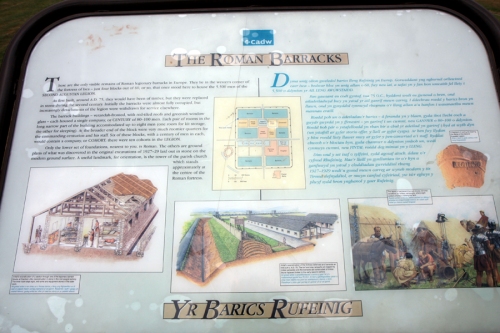
Painéis explicativos nas ruínas / Explanatory panels in the ruins

Os magos da corte de Vortigern recomendaram que o sacrifício de uma criança que não tivesse pai fosse feito no local, para que o sangue derramado fortalecesse a terra. Tal criança foi localizada e trazida à presença do rei. Tratava-se, entretanto, de Merlin, que seria reconhecido como o maior druida de todos os tempos.

* Vortigern foi um general do sec. V, um rei dos britânicos, ou pelo menos assim considerado pelo escritor Bede. Diz-se que ele contratou os mercenários saxões Hengist e Horsa para lutar contra os Pictos e os Escoceses. Porém estes acabaram por se voltar contra ele, e mataram seu filho. Hengist conquistou Kent, tornando-se o primeiro de uma linhagem de reis. Por este erro, atribui-se a Vortigern a perda da Grã- Bretanha para os saxões.

Outra vista das ruínas do quartel de Isca Augusta / Another view of Isca Augusta’s barracks ruins

Vortigern’s magicians consulted their oracles and recommended a blood sacrifice to strengthen the soil. The victim should be a fatherless child, and such a kid was eventually found and brought to the King’s presence. But the child happened to be Merlin, who would be renowned as the greatest Druid ever.

* Vortigern was a 5th-century warlord, a king of the Britons, at least connoted as such in the writings of Bede. He’s said to have hired the saxon mercenaries Hengist and Horsa to fight the Picts and the Scots. But they eventually betrayed him, killing his son and Hengist successfully conquered Kent, becoming the forefather of its kings. So, Vortigern is blamed for his misjudgement and the loss of Britain to the saxons.

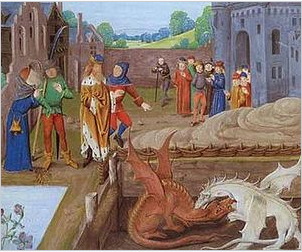
O encontro de Vortigern e Merlin, de acordo com Geoffrey de Monmouth em sua História dos Reis Britânicos / Vortigern meeting the young Merlin, as related in Geoffrey of Monmouth’s Historia Regum Britanniae

Merlin se dirigiu ao rei afirmando que aqueles magos ignoravam que, sob o lugar escolhido para a construção, havia um lago subterrâneo, onde habitavam dois dragões, um vermelho e um branco, que lutavam durante a noite e dormiam de dia. A construção desabava em consequência da luta.

Merlin told Vortigern that his magicians ignored that under the exact building ground, there was an underground pond, home to two dragons, one red and the other white, who would sleep the day and wake up at night to fight each other. Their fierce battle caused the building to collapse.

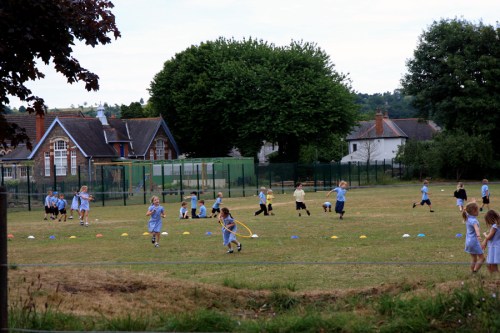
Há escolas em volta das ruínas. Aqui, estudantes no intervalo de aula / The ruins are surrounded by schools. Here, students during class break

Vortigern ordenou que os servos cavassem; o lençol d’água foi localizado e, à noite, escondidos, os nobres presenciaram o surgimento das criaturas. O dragão branco parecia vencer o vermelho, mas, no último instante, este revidava e derrotava seu oponente que, ao se retirar para as profundezas, derrubava toda a estrutura da fortaleza. Intrigado, o rei pediu ao garoto que interpretasse o significado daquela visão.

Vortigern ordered his subjects to dig in the spot; the pond was found and, at night, the noblemen, hidden in the bushes, witnessed the dragons show up. The white one at first appeared to beat the red but, in the last moment, the red would fight back and defeat his opponent. The white dragon’s retreat to the depths made the whole built structure fall to the ground. The king, puzzled, asked the boy to interpret the meaning of such vision.

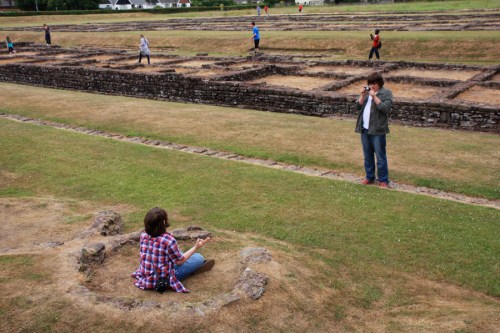
Turistas se divertem / Tourists having fun

Estudantes se divertem / Students having fun

Merlin explicou que o dragão branco representava o povo invasor que quase chegaria a dominar a ilha de uma ponta à outra, enquanto que o vermelho representava o povo bretão que se levantaria e viria a expulsar os invasores. Impressionado, Vortigern libertou Merlin e o elevou à categoria de seu conselheiro. Daí o dragão vermelho ser o emblema dos galeses.

Merlin explained that the white dragon impersonated the invaders, who would almost succeed to conquer the isle from one end to the other. The red dragon was the British people, who would raise to defeat and kick out the invaders. Impressed, Vortigern freed Merlin and made him his counsellor. And this is why the red dragon is the Welsh symbol.

Outra escola – primária – junto às ruínas / Other school – elementary – neighbor to the barracks

Eu tinha comprado, na loja de souvenirs do Cardiff Castle, um irresistível dragãozinho vermelho de pelúcia. Nem lembrei que teria de carregá-lo na mochila todo o resto da viagem.
I had bought an irresistible stuffed red dragon at Cardiff Castle’s souvenir shop. It hadn’t crossed my mind that I’d have to carry it in my backpack all along the trip.


Read Full Post »


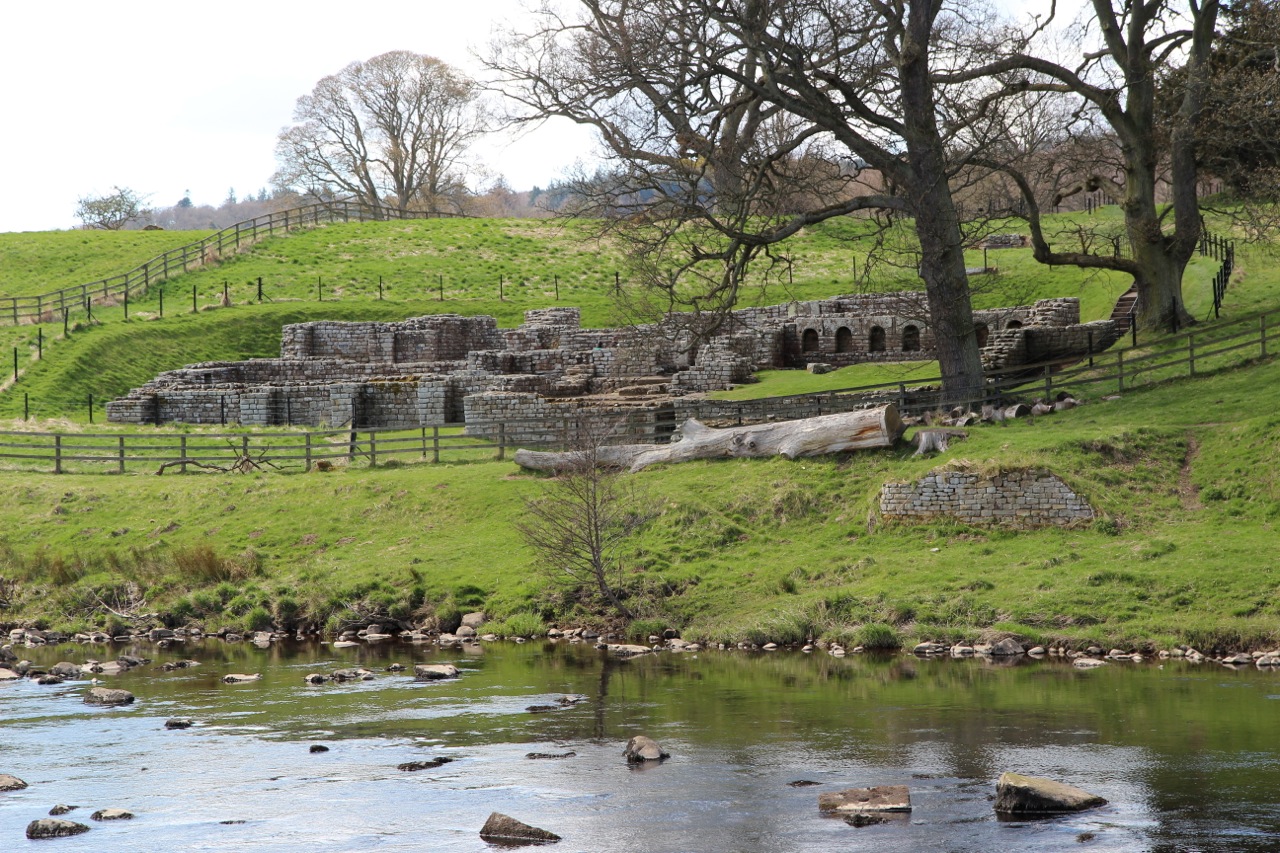
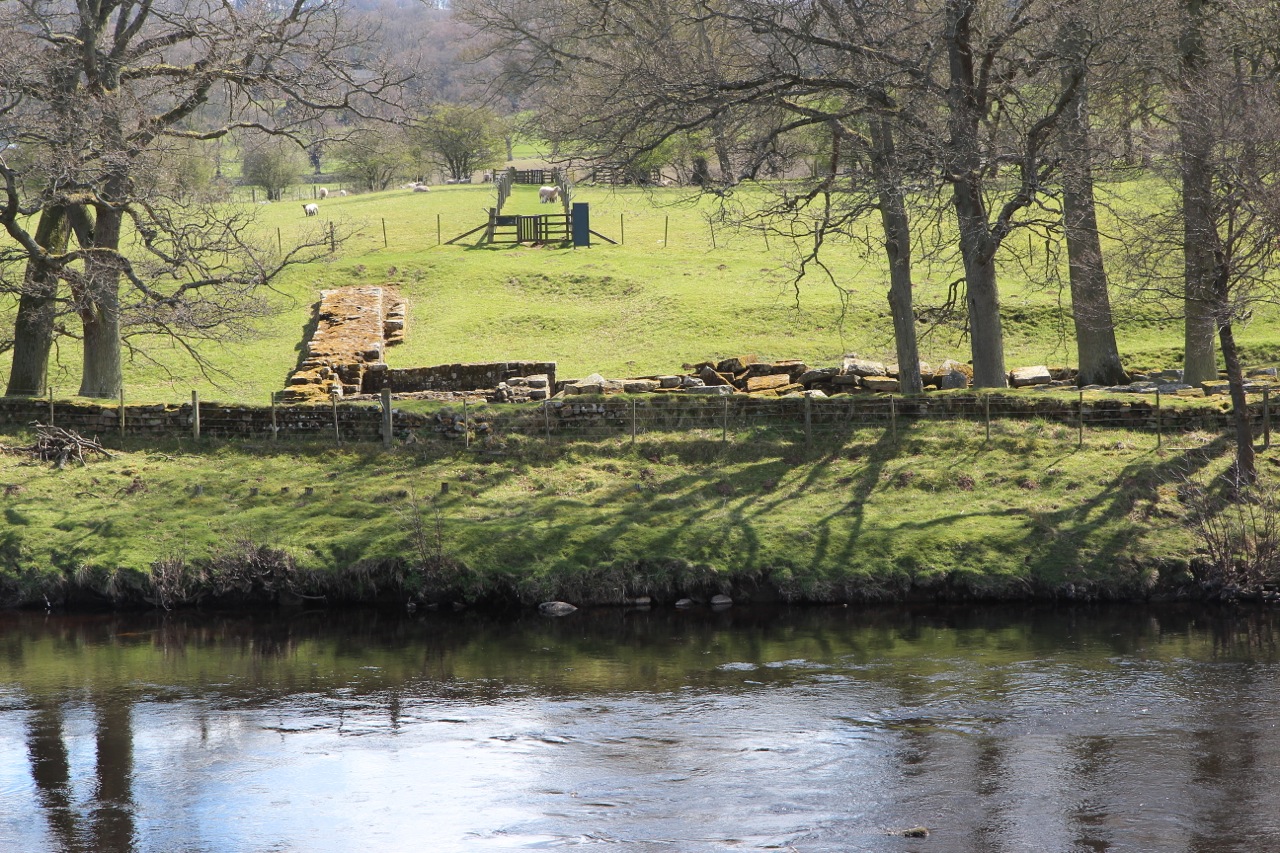
Banhos Romanos em Chesters, vista do outro lado do rio / Roman Baths in Chesters, view from across North Tyne River

Banhos Romanos em Chesters, vista do outro lado do rio /
Roman Baths in Chesters, view from across North Tyne River

Chesters Bath House

Chesters Bath House

A Casa de Banho em chesters é a mais completa em todo o Reino Unido. /The Bath House in Chesters constitute the most complete set of Roman baths to be seen in Britain.

A Casa de Banho em chesters é a mais completa em todo o Reino Unido. /
The Bath House in Chesters constitute the most complete set of Roman baths to be seen in Britain.

ChestersRomanBaths

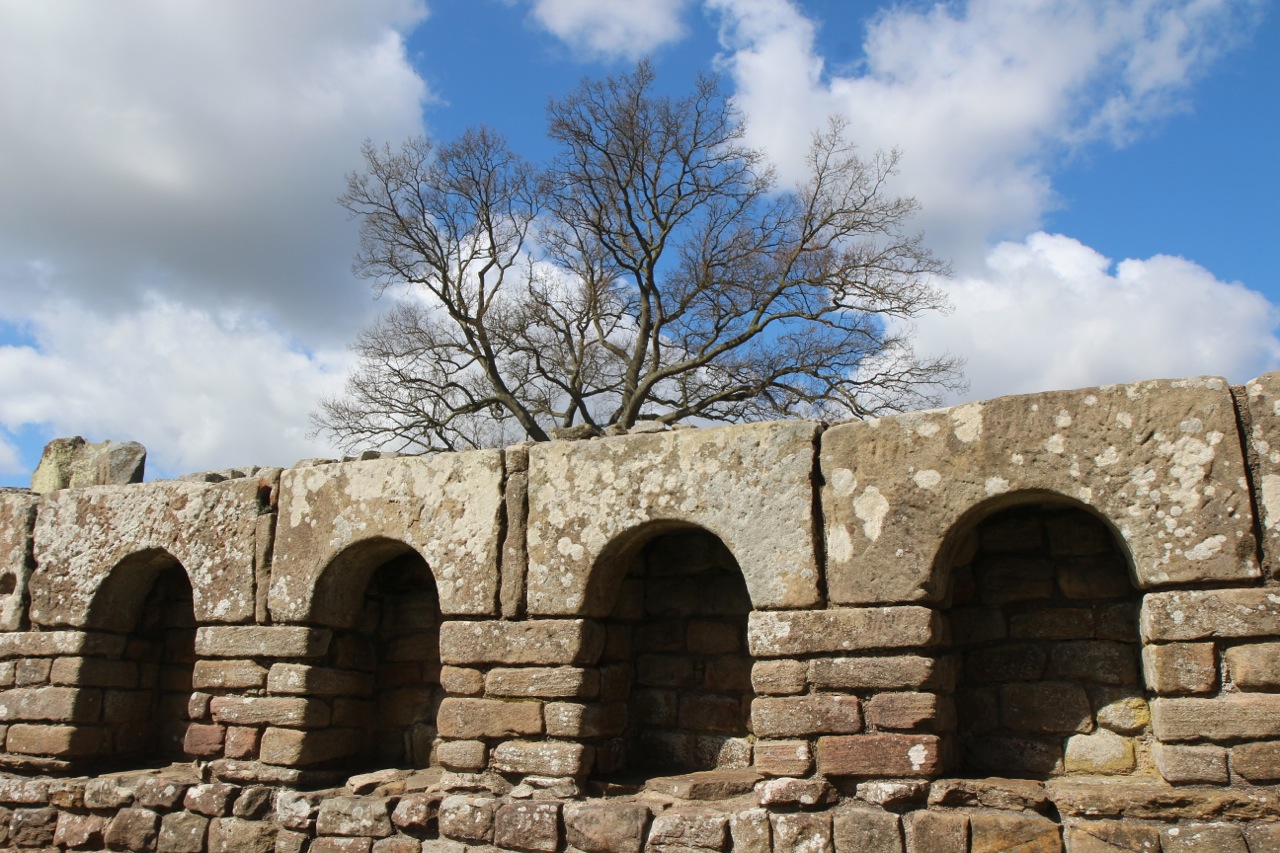
O acesso à Casa de Banho se fazia por um pórtico que levava ao vestiário. Ainda há vestígios do banco original de pedra situado na parede ao Norte; presume-se que os nichos fossem armários ou contivessem estátuas.

O acesso à Casa de Banho se fazia por um pórtico que levava ao vestiário.

Vestiários coletivos / Communal changing rooms

Vestiários coletivos. Ainda há vestígios do banco original de pedra situado na parede ao Norte. / Communal changing rooms with the remains of an original stone bench against the north wall.

chestersBathHouse3

Presume-se que os nichos fossem armários ou contivessem estátuas./
The niches in the north wall may have been cupboards or contained statues.

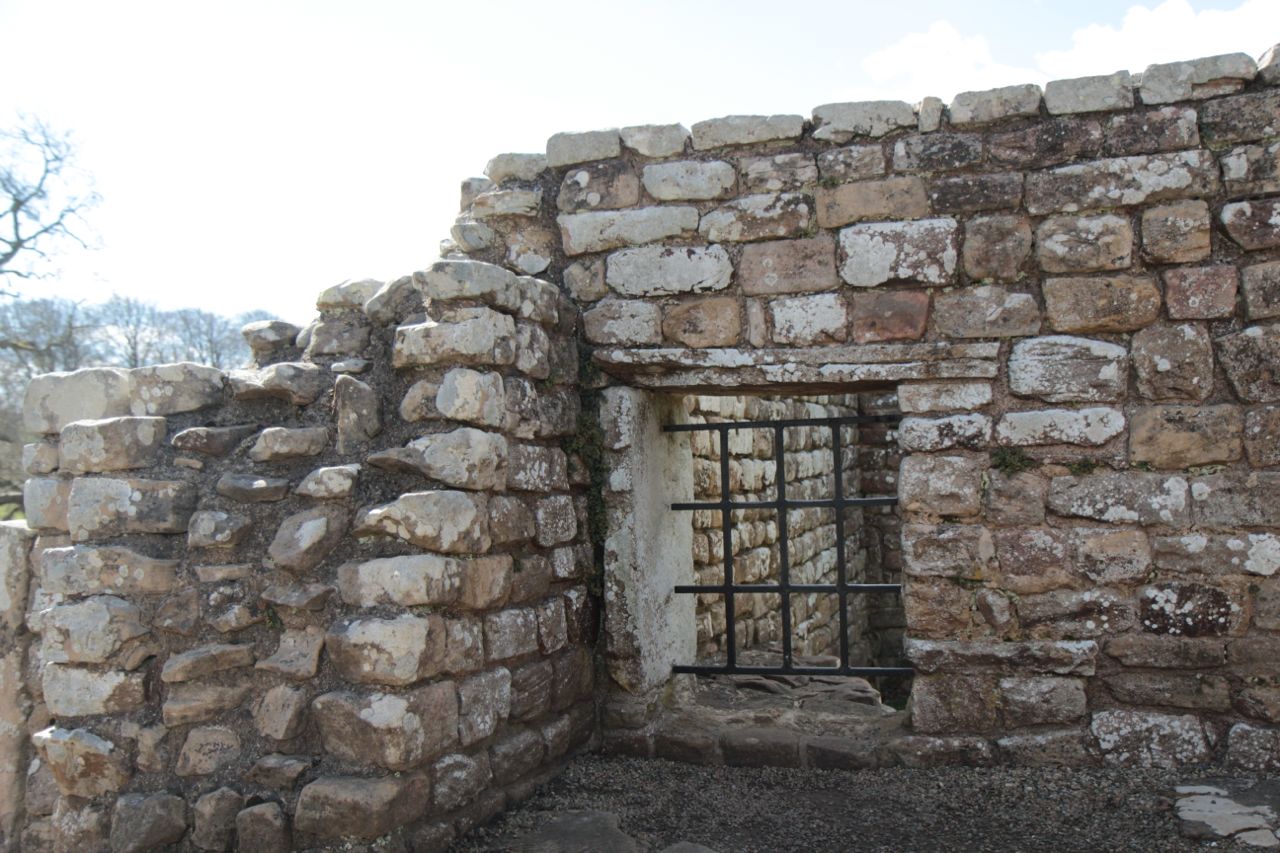
Na direção do Rio ficava a latrina, cuja descarga era a água corrente. / Towards the river there was a latrine, flushed by continuous running water.

Na direção do Rio ficava a latrina, cuja descarga era a água corrente. /
Towards the river there was a latrine, flushed by continuous running water.

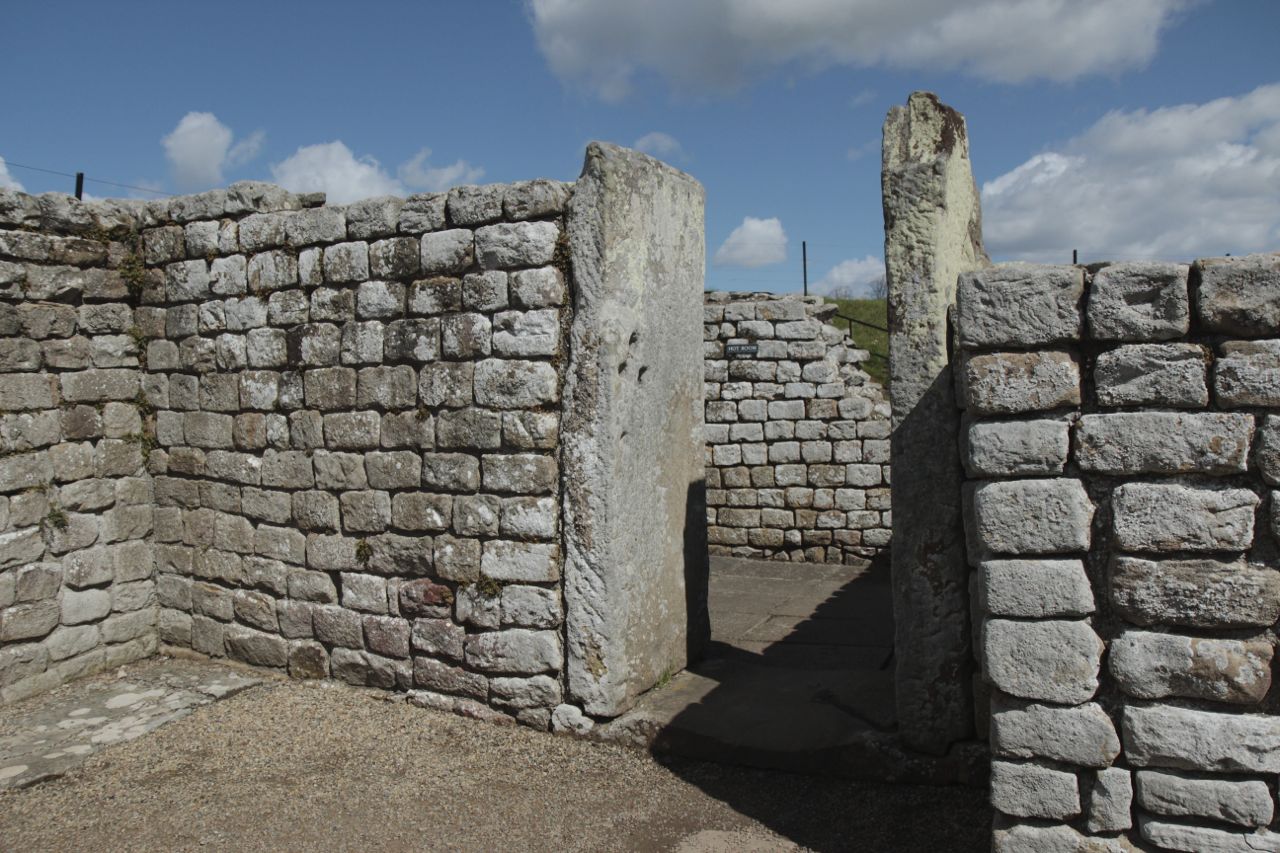
Do vestiário, uma porta no canto sudoeste levava ao Lobby onde o banhista tinha acesso a três differentes tratamentos. / A doorway at the south west corner led to a lobby within which the bather could choose between three treatments.

Do vestiário, uma porta no canto sudoeste levava ao Lobby onde o banhista tinha acesso a três diferentes tratamentos. Aqui entramos na Sala de Banho Quente/
A doorway at the south west corner led to a lobby within which the bather could choose between three treatments. Here is the Hot Room entrance.

Sala de Banho Quente

Sala de Banho Quente

Banho Quente

Banho Quente

Estas duas salas foram adicionadas posteriormente ao complexo: Banho quente e sauna/ These two rooms, late additions to the bath suite, provided hot and dry treatment (laconicum or sudatorium).

Estas duas salas foram adicionadas posteriormente ao complexo: Banho quente e sauna/ These two rooms, late additions to the bath suite, provided hot and dry treatment (laconicum or sudatorium).

Sauna / Hot Dry Room

Sauna / Hot Dry Room

A sauna era aquecida por uma fornalha a carvão separada para prover a alta temperature necessária./ The hot dry room was heated by its separate furnace which burnt charcoal to provide the necessary high temperature.

A sauna era aquecida por uma fornalha a carvão separada para prover a alta temperature necessária./
The hot dry room was heated by its separate furnace which burnt charcoal to provide the necessary high temperature.

Fornalha / Stoke Hole

Fornalha / Stoke Hole

Sala de Banho Frio

Sala de Banho Frio (Frigidarium)

Banho Frio / Cold Room (Frigidarium)

Banho Frio / Cold Room (Frigidarium)

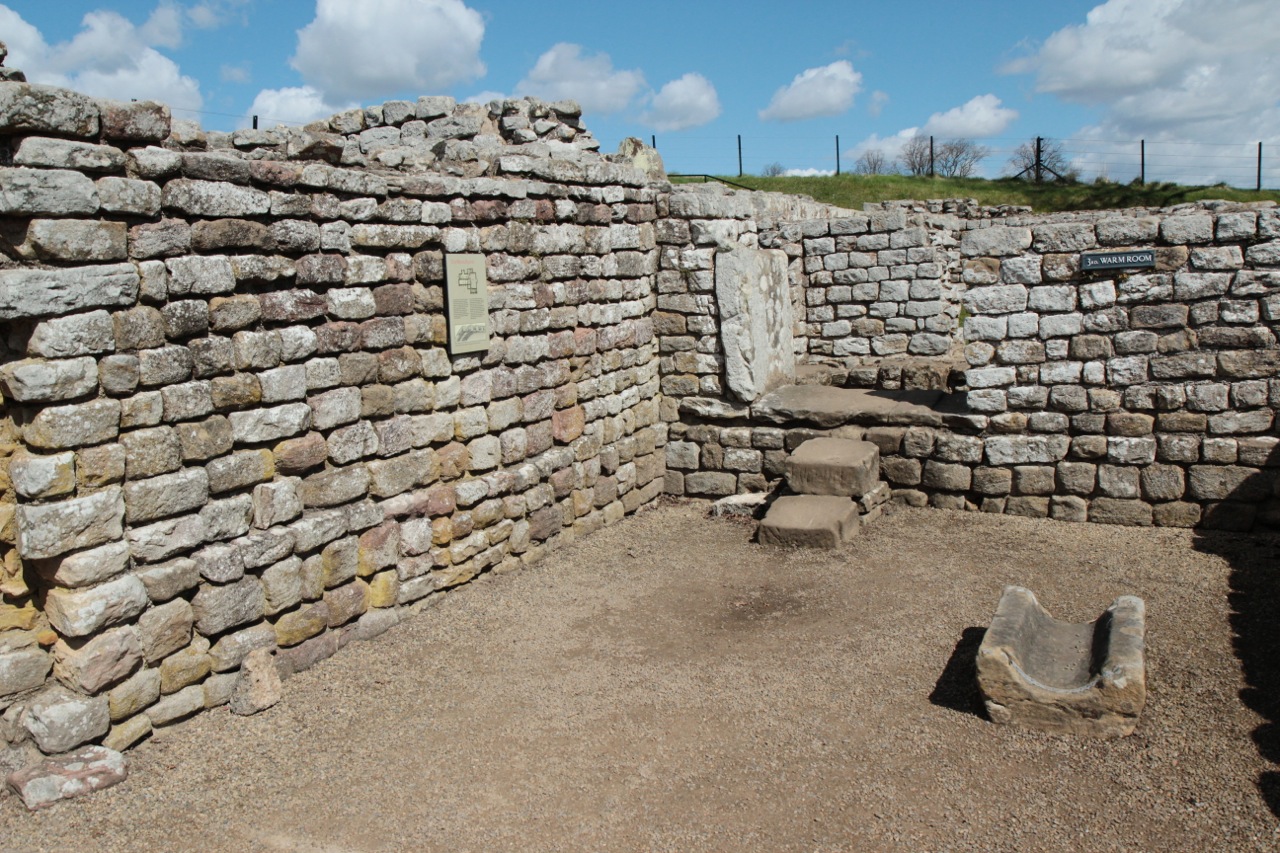
Warm Room

Warm Room

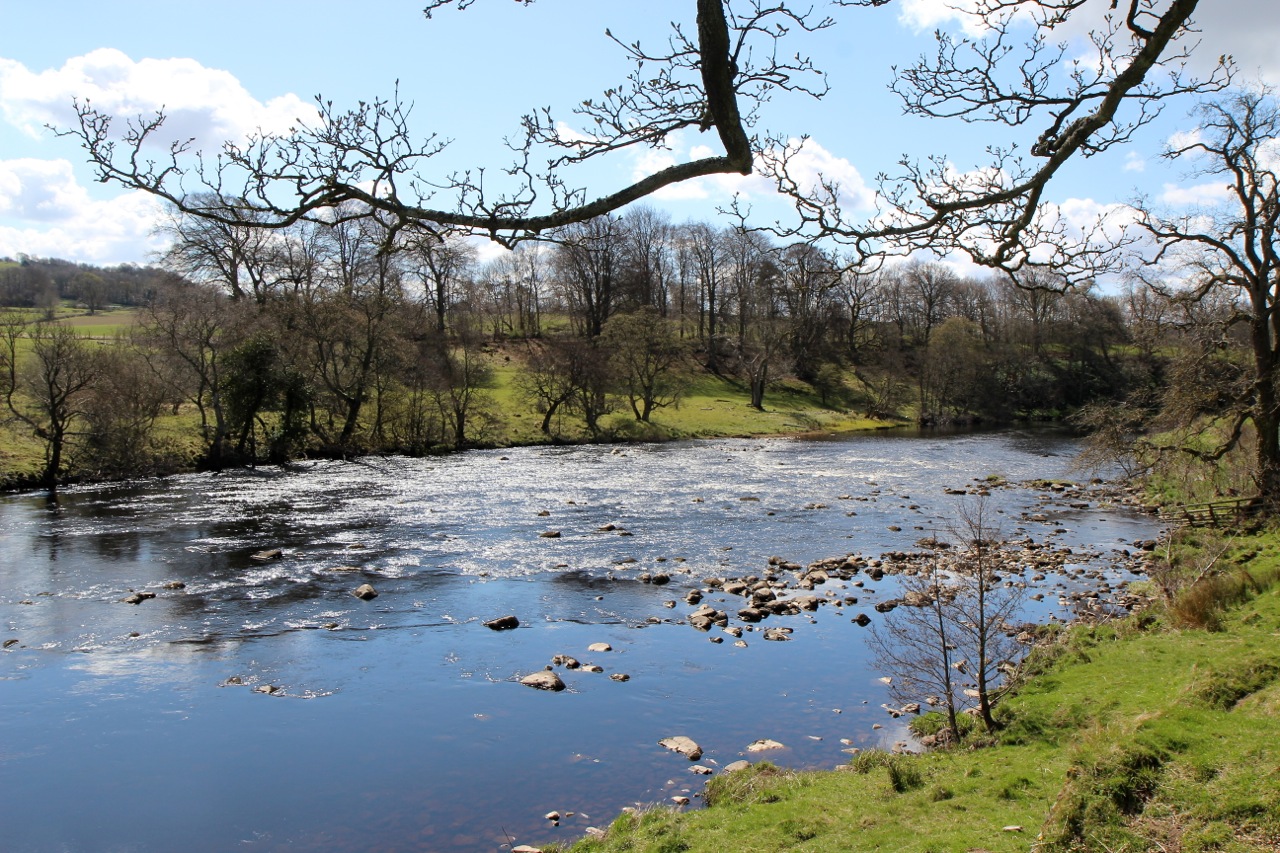
Vista do rio NorthTyne / North tyne River landscape

Vista do rio NorthTyne /North tyne River landscape

North Tyne River

North Tyne River

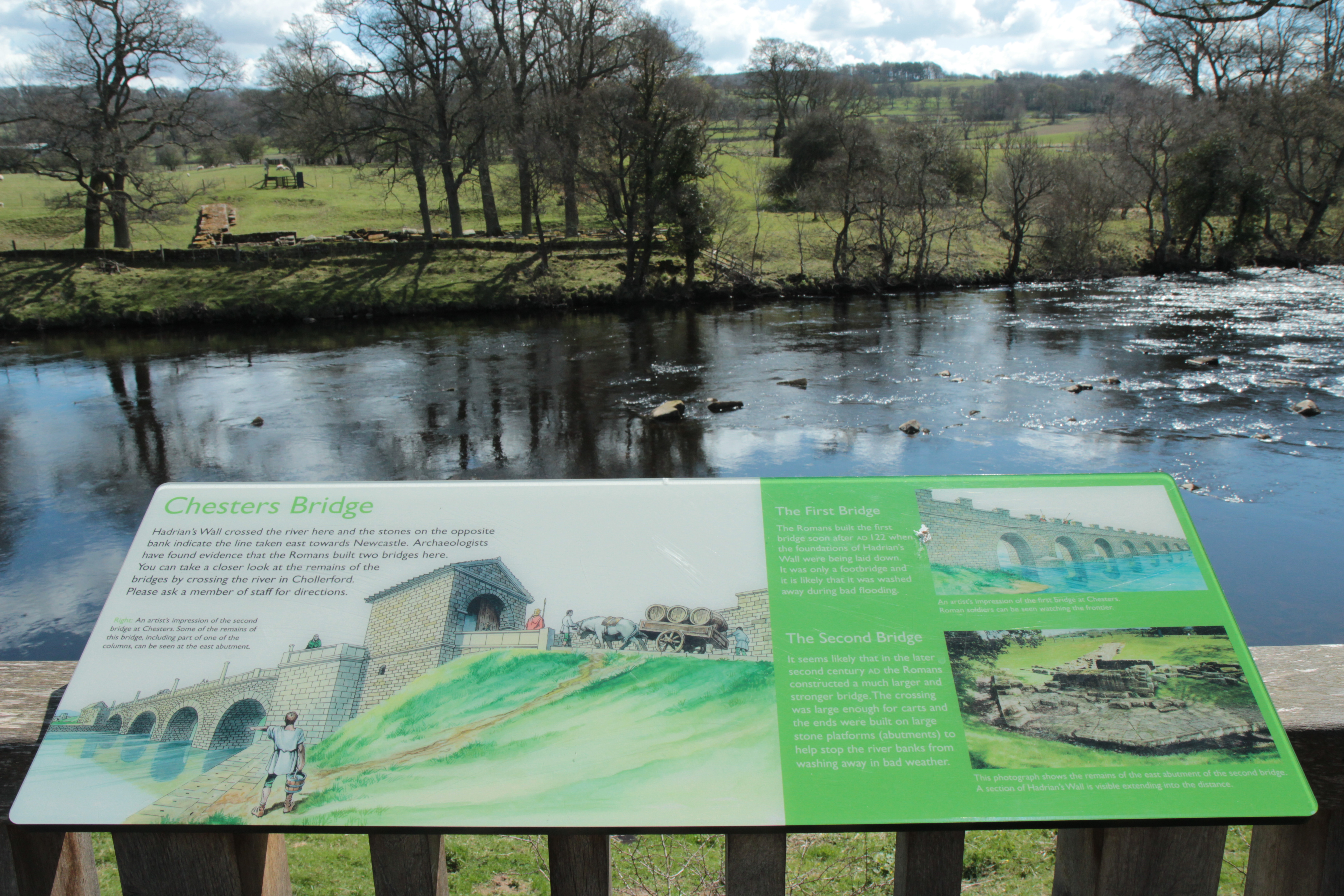
Vestígios da ponte romana do outro lado do rio / Remains of the Roman Bridge across the river

Vestígios da ponte romana do outro lado do rio / Remains of the Roman Bridge across the river

A ponte era larga o suficiente para a passagem de carroças e tinha plataformas de pedra nas extremidades para proteção contra inundações. / The bridge was large enough for carts and the ends were built on large stone platforms (abutments) to prevent the river banks to be washed away in floods.

A ponte era larga o suficiente para a passagem de carroças e tinha plataformas de pedra nas extremidades para proteção contra inundações. /The bridge was large enough for carts and the ends were built on large stone platforms (abutments) to prevent the river banks to be washed away in floods.

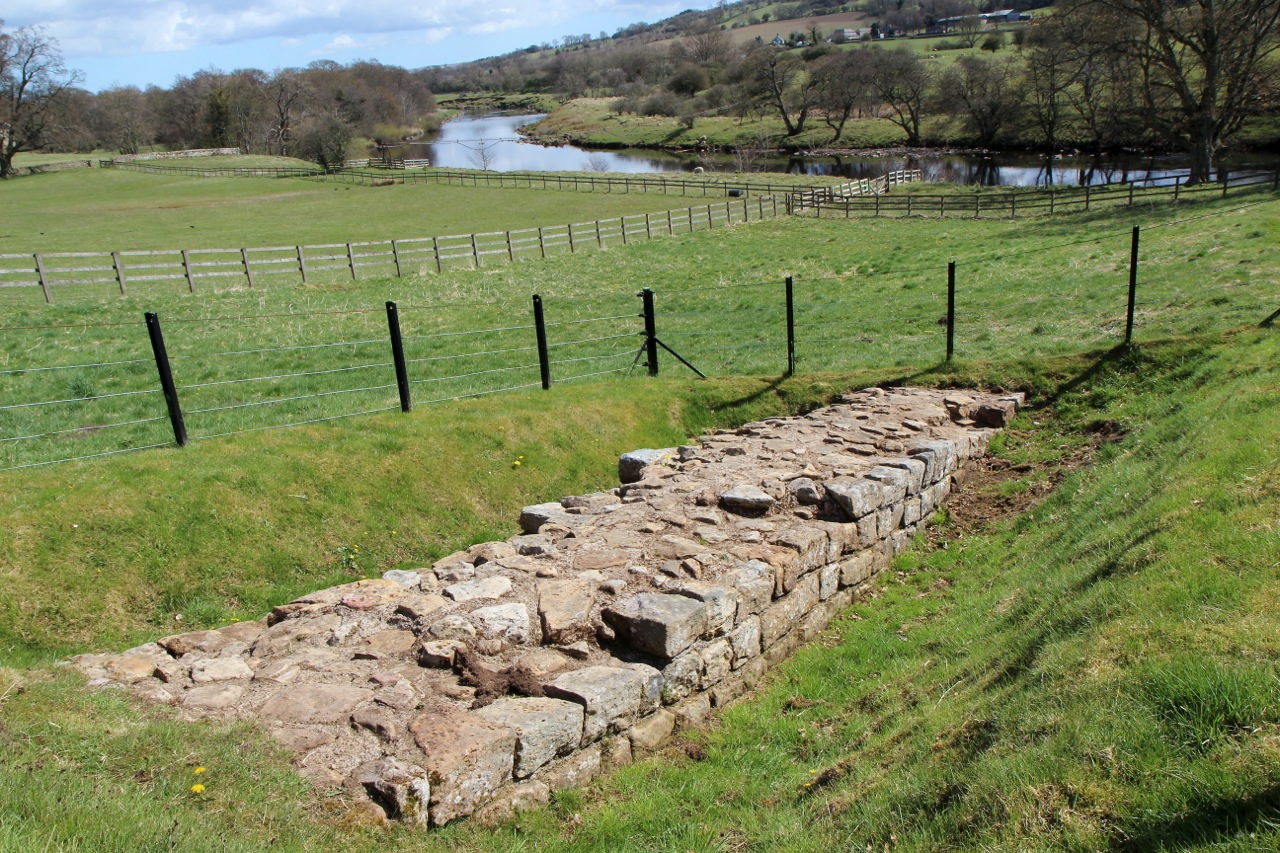
O que resta da ponte na margem oeste do rio, junto à casa de Banhos / Remains of the bridge in the West Bank close to the Bath House

O que resta da ponte na margem oeste do rio, junto à casa de Banhos /
Remains of the bridge in the West Bank close to the Bath House

Casa de Banhos vista do mirante / The Baths seen from the small belvedere

Casa de Banhos vista do mirante / The Baths seen from the small belvedere

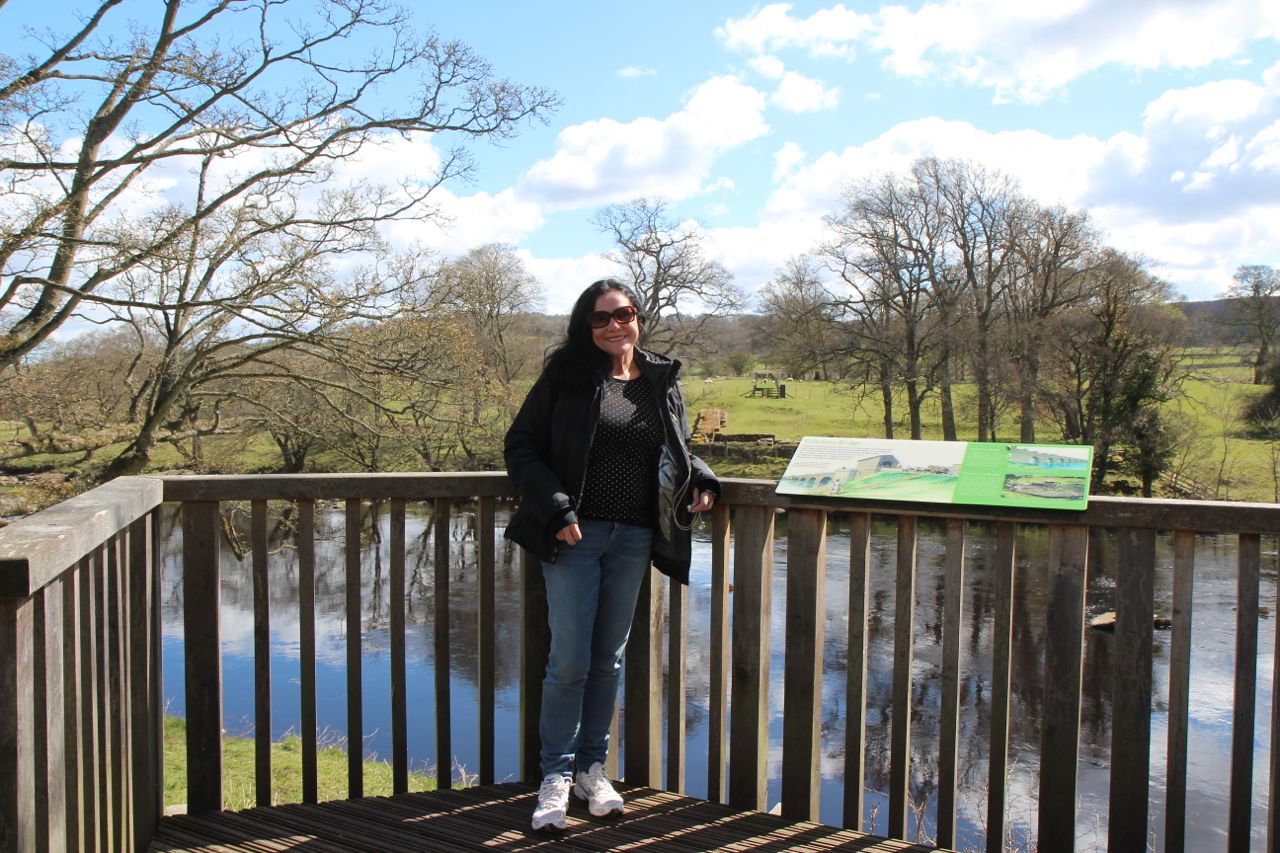
Eu no mirante / Me in the belvedere

Eu no mirante / Me in the belvedere

Read Full Post »