Feeds:
Posts
Comentários

Posts Tagged ‘Hadrian’s Wall footpath’


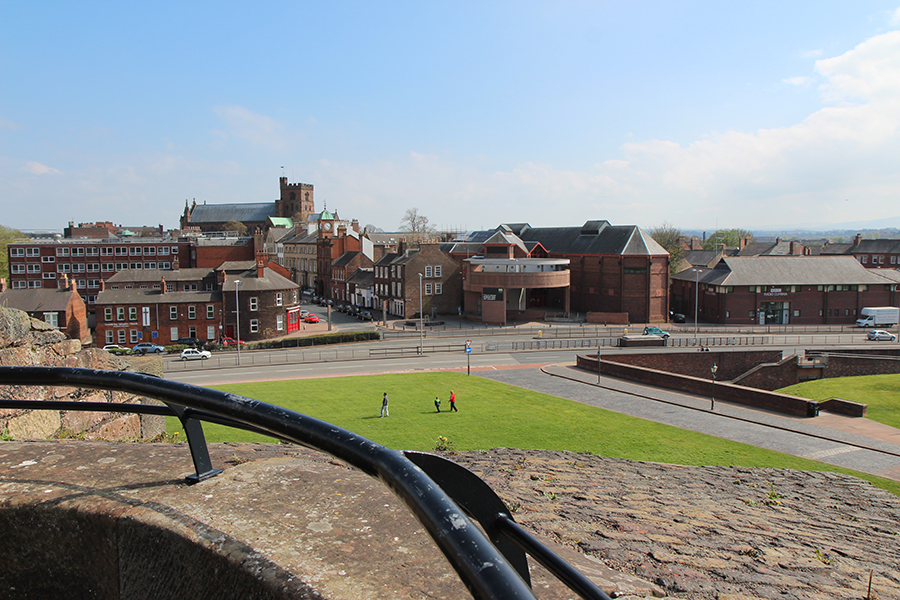
Tully House Museum, visto do Castelo de Carlisle / Seen from Carlisle Castle ramparts

Tully House Museum, visto do Castelo de Carlisle / Seen from Carlisle Castle ramparts

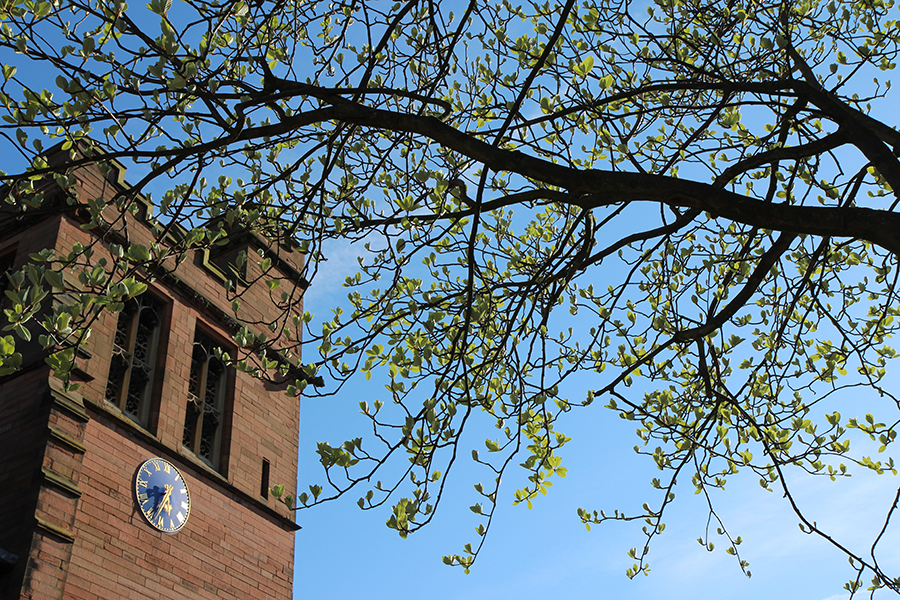
Encerro o capítulo sobre a Muralha de Adriano com mais algumas fotos batidas em Carlisle.
No próximo post volto à narrativa da viagem realizada em 2010, embora agora saiba que visitei os lugares errados…
Quando li as descobertas da pesquisadora Norma Goodrich num primeiro momento fiquei arrasada pois foi um esforço tão grande para chegar em certos locais… mas  valeu a caminhada. Toda jornada leva ao crescimento. Coisas engraçadas aconteceram também, fiz amizades que se conservam até hoje, vi lugares espetaculares, Arthurianos ou não. O que conta é a determinação de tornar um sonho realidade. A idéia de fazer a caminhada na Muralha foi pura intuição, e realmente me pôs na direção certa. Não cheguei a Bowness-on-Solway onde seria o fim do caminho, mas o farei na sequência, assim que puder.
Consegui resolver o problema da perda do passaporte: no consulado brasileiro em Londres rapidamente recebi um documento para poder regressar ao Brasil dia 12 de maio, segunda-feira. Com lágrimas nos olhos, como sempre…

Tempo esgotado / Time out

Tempo esgotado / Time out

I’ll finish the Hadrian’s Wall Footpath chapter with more photos taken in Carlisle.
In the next entry I’ll return to the narrative of the 2010 trip, although I’ve been to the wrong places…
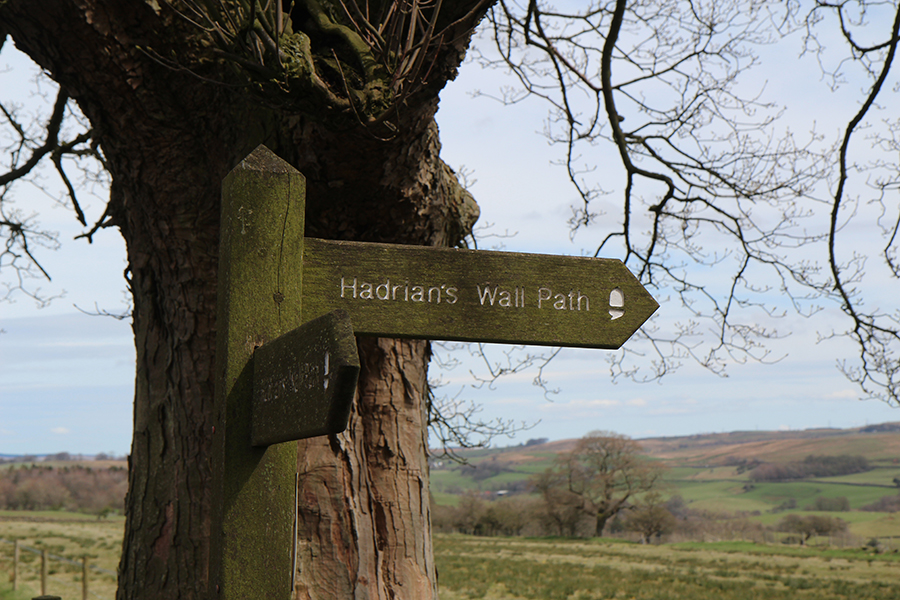
When I realized that, reading the books by researcher Norma Goodrich, at first I felt devastated because it’s been such a trial to get to some of those locations! But now I believe it was all worthy. Every journey leads to inner growth. The important is work hard to make a dream come true. I’ve been to awesome places, Arthurian or not. Funny situations happened too and I’ve made friends which I keep to this day. The idea of walking Hadrian’s Wall footpath was pure intuition, and it did put me in the right direction. I couldn’t make it to Bowness-on-Solway, where Hadrian’s footpath ends, but I will as soon as possible.
I’ve managed to get through the loss of my passport: in Brazilian Consulate in London I was quickly given a document to board the plane back to Brazil on Monday, 12th May. With tears in my eyes, as usual…

Andando pelas ruas/ Walking the streets

Andando pelas ruas/ Walking the streets

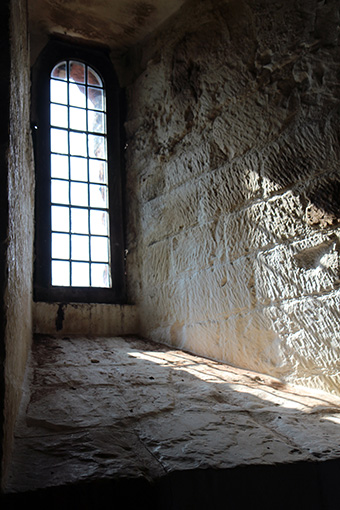
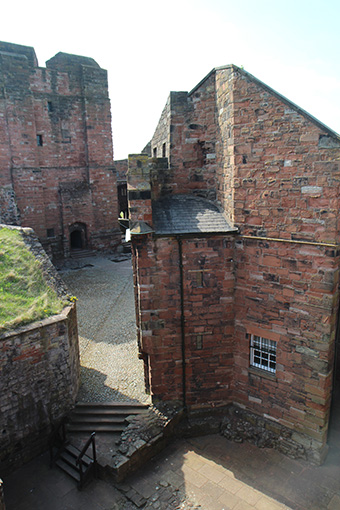
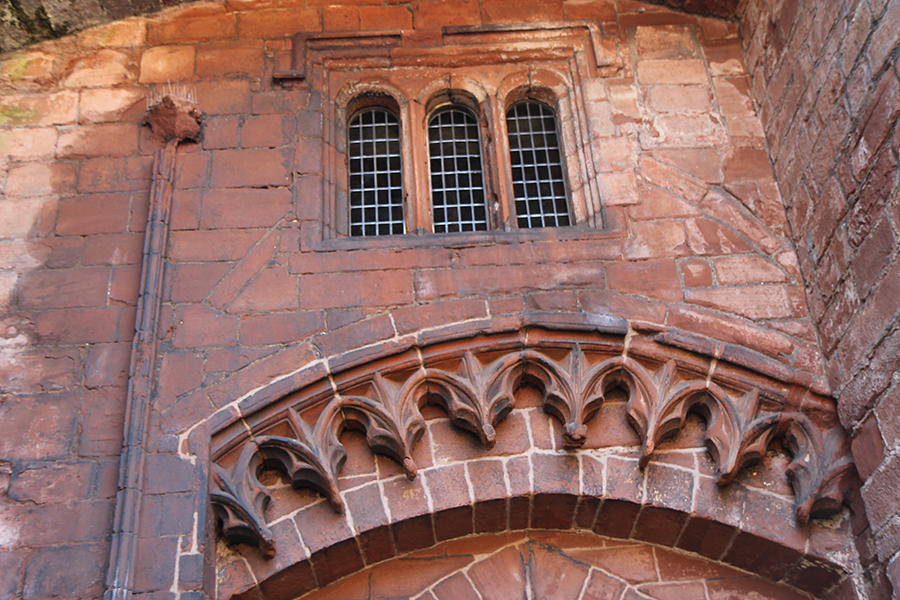
Carlisle Castle

Carlisle Castle

carlisleCastle14

carlisleCastle04

carlisleCastle07

carlisleCastle02

carlisleCastle16


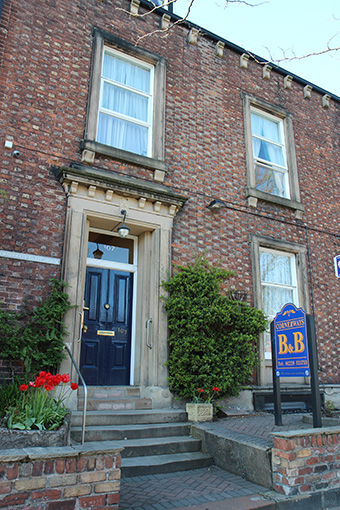
B&B in Carlisle

B&B in Carlisle

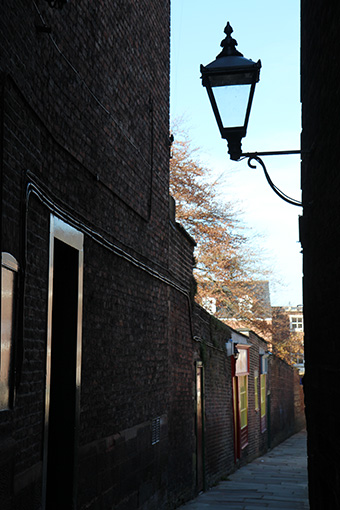
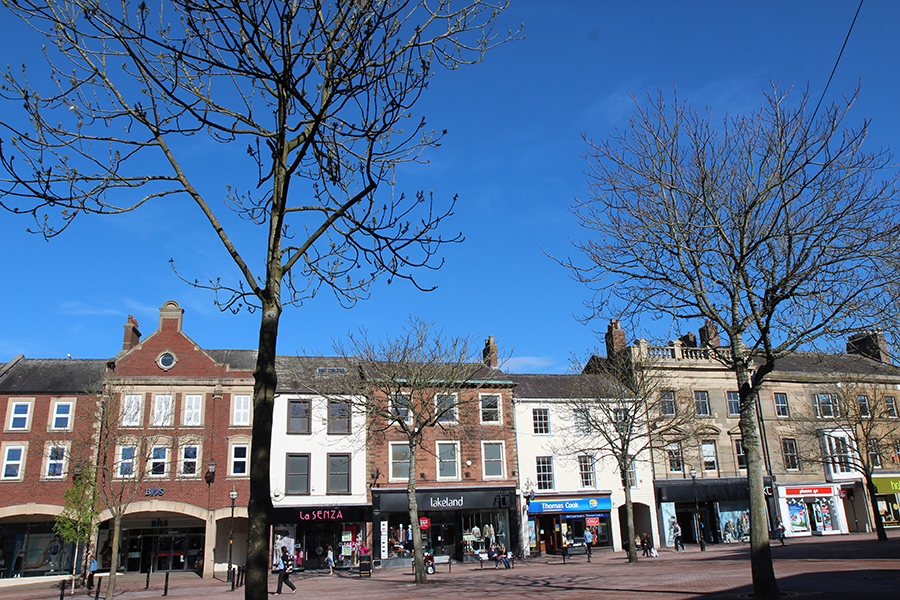
Rua no Centro / Downtown street

Rua no Centro / Downtown street

Read Full Post »


Castelos de Fadas / Fairy Castles

Castelos de Fadas / Fairy Castles

Distraída, saí de Lanercost na direção errada e tinha andado uns dez minutos quando senti que algo estava errado. Explico: minha primeira aventura como andarilha foi o Caminho de Santiago de Compostela, e ali não existe possibilidade de erro. Além das setas amarelas pintadas a cada dois metros, tinha sempre uma dezena de peregrinos passando, bastava segui-los. Então jamais me preocupei em ter um mapa. Mas aqui era diferente. Existe uma sinalização, porém mais esparsa. Várias vezes me vi no meio de pastagens sem saber ao certo para que lado ir. Na dúvida, seguia em frente, e acabou dando certo. Nessa tarde porém eu não podia errar. Me demorara mais do que o previsto entre os lindos túmulos ancestrais, e prolongara ao máximo o prazer de tomar uma tigela de sopa quentinha no restaurante, pois estava frio do lado de fora.
Chuva chegando / Rain is coming

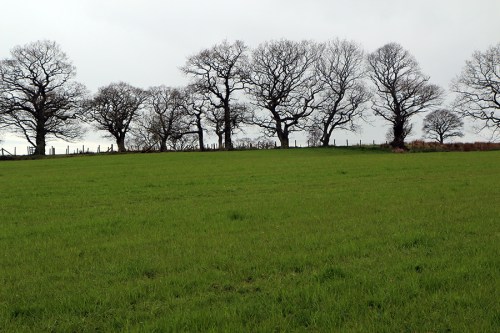
Chuva chegando / Rain is coming

I left Lanercost unheeding and took the wrong direction, but ten minutes later realized there was something amiss. Let me explain, my first footpath adventure was in St. James’  Way, where such mistake is impossible. There are yellow arrows painted every inch along the footpath and pilgrims, always a bunch of them, so I could just follow someone else, and never cared about having a map. But here things were different. There are wooden arrows pointing the way, but sparse. Many times I found myself kind of lost in the midst of pastures. In doubt, I would keep on straight ahead and that was working so far, but this day I could not make any mistakes. I had lingered too long in the ancient graveyard, and taken my time enjoying a steamy bowl of soup in the restaurant, because it was cold outside.
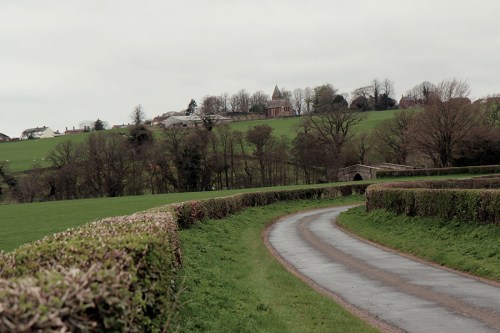
Vilarejo à vista / Tiny village comes into sight: Walton

Vilarejo à vista / Tiny village comes into sight: Walton

Já eram quase quatro da tarde quando refiz meus passos de volta ao Priorado para examinar com mais atenção o mapa afixado no ponto do ônibus, que indicava uma ruazinha de terra quase invisível. Eu tinha visto antes mas não acreditara ser o caminho certo… enfim apareceu a plaquinha do caminho, e outra pessoa caminhando. Veio me perguntar se a trilha era aquela. A moça tinha vindo de outra cidade para ver a filha se apresentar num concurso de canto coral, ali naquele povoado entre o nada e lugar nenhum! Viva a Inglaterra. Fomos conversando uns quinze minutos, então ela voltou para onde estava hospedada e eu prossegui mais animada, apesar do tempo fechado com pancadas de chuva.
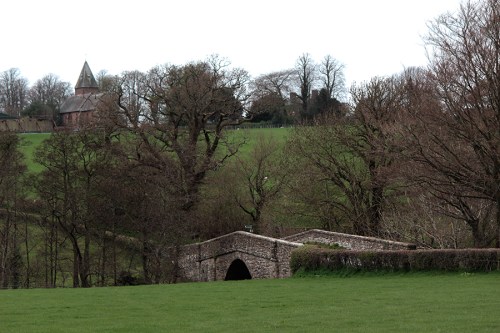
Ponte de Walton , campanário da igreja ao fundo / Walton Bridge with the church spire in the background

Ponte de Walton , campanário da igreja ao fundo . Ali uma surpresa me aguardava/
Walton Bridge with the church spire in the background. There was a surprise for me.

It was around 4 p.m. when I retraced my steps back to the Priory to check more closely Hadrian’s Footpath map by the bus stop. It indicated an almost invisible gravel road, which I had actually seen before, but didn’t believe that was the right way! Soon the wooden arrow  sign appeared AND another walker approached me to ask if that was the footpath. This lady had come from another town to watch her daughter’s performance in a choir contest. There was such an event going on , in that tiny village between nothing and nowhere! Gods save England.
We walked together for a while, talking, before she went back to her hotel and I kept walking happier, in spite of the bad weather with rain showers.
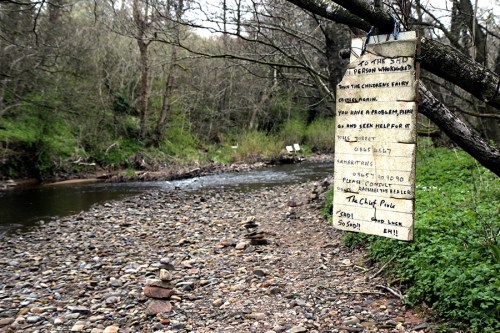
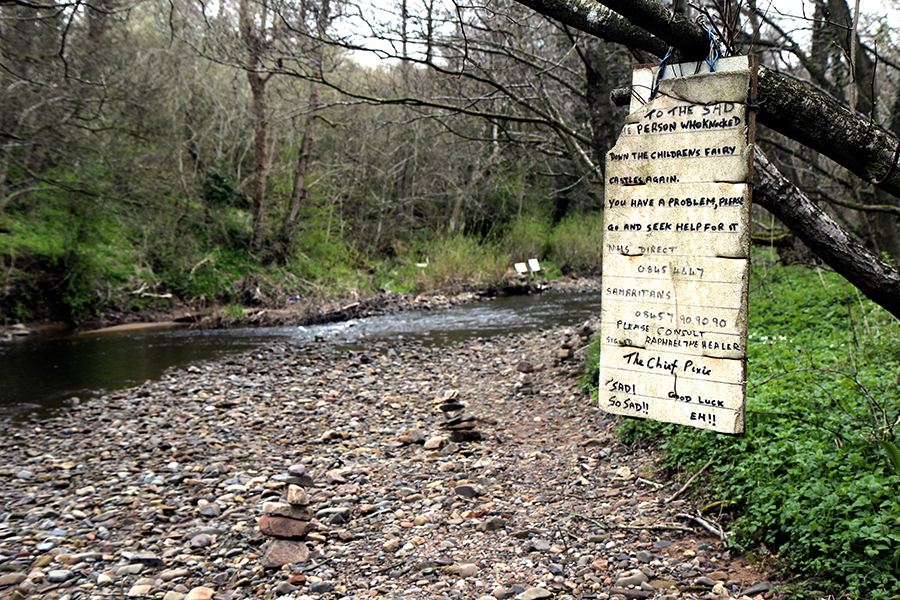
Recado do Duende Chefe / Message from the Pixie Chief

Recado do Duende Chefe / Message from the Chief Pixie

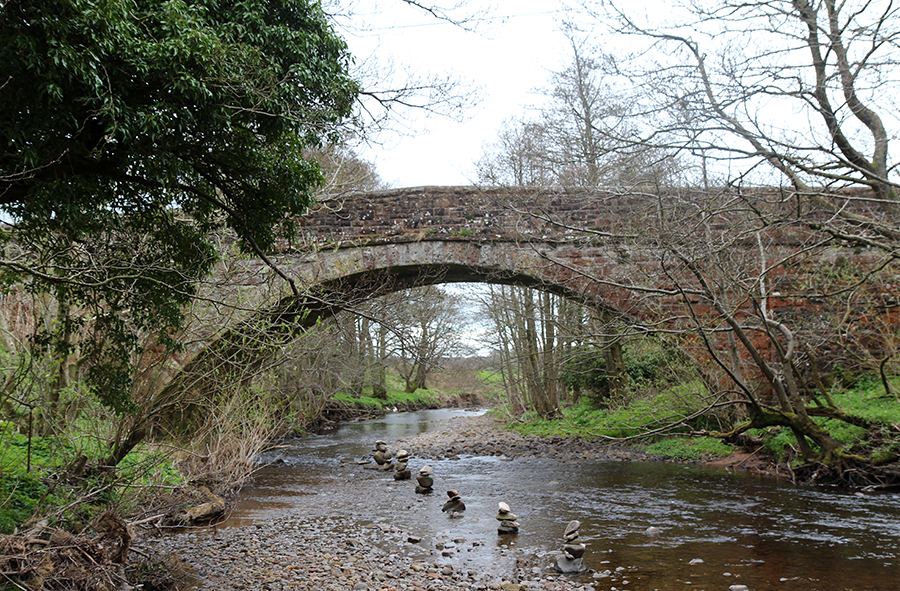
A fazenda Sandysike nem era tão longe, o caminho não era íngreme, atravessava pastos e mais pastos, felizmente sobre todos os portões havia indicação. A trilha leva a cruzar a ponte Dovecote, de onde se avista a torre da igreja de Walton. Mas o que me chamou a atenção foi uma quantidade de pilhas de pedras no leito. Quando desci para bater uma foto, me deparei com um enorme cartaz, pendurado numa árvore, com os seguintes dizeres:
“Para o infeliz que derrubou novamente os Castelos de Fadas das crianças. Você tem problemas, por favor procure ajuda.  (Número da linha direta dos Samaritanos). Por favor consulte Rafael, o Curandeiro. Boa sorte! Assinado: o Duende-Chefe”. Ainda dizia “Triste, muito triste”.
Aquilo me intrigou. Os Castelos de Fadas eram as pilhas de pedras, já tinha visto semelhantes em St. Nectan’s Glen e outros lugares, mas quem seria o Duende-Chefe, e por que razão um maluco se daria ao trabalho de derrubar os castelos, estragando a brincadeira das crianças? Eu não sabia, mas teria a resposta no dia seguinte.

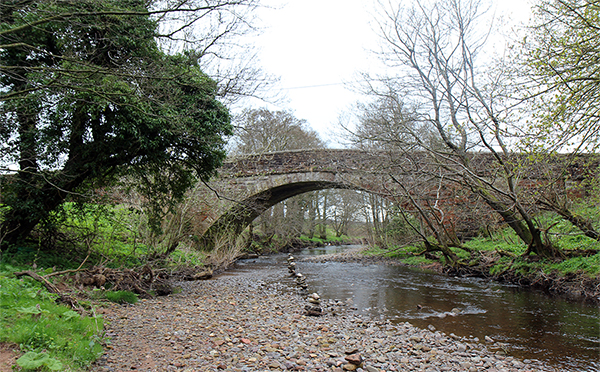
Castelos de Fadas sob a ponte Dovecote / Fairy Castles under Dovecote Bridge

Castelos de Fadas sob a ponte Dovecote / Fairy Castles under Dovecote Bridge

Sandysike Farm was not so far, but there was no Wall to follow, just crossing pastures and more pastures. Luckily, next to every stile and hand gate there’s a Hadrian’s Footpath sign. The road leads down to cross Dovecote Bridge, where the spire of Walton church comes into view. But I had my attention drawn by a number of stacked stones in the riverbed – the fairy castles. As I approached them to take a picture, I ran into a large showbill hanging in a tree, which said: “ To the sad person who knocked down the children’s Fairy Castles again. You have a problem, please go and seek help for it. NHS direct: 08457909090 Samaritans. Please consult Raphael the Healer . Good Luck! Signed , The Chief Pixie.” It added: “Sad! So sad!”.
I was intrigued. I had seen plenty of Fairy Castles  before, in St Nectan’s Glen and other places, but who was the Chief Pixie and why would some freak destroy the children’s work? Next day would bring me the answer.
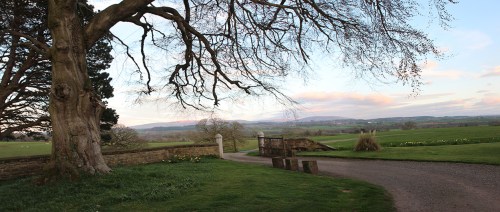
Sandysike

Sandysike

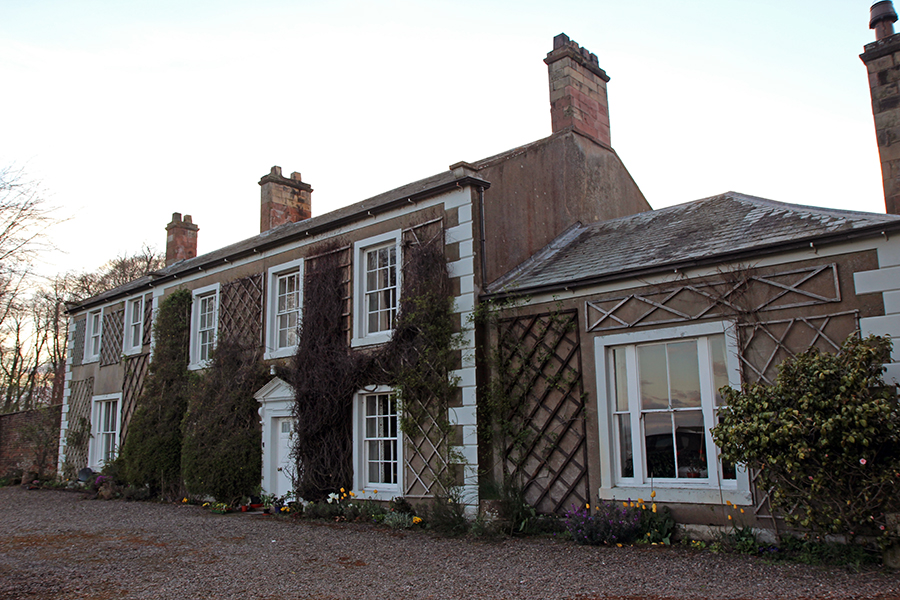
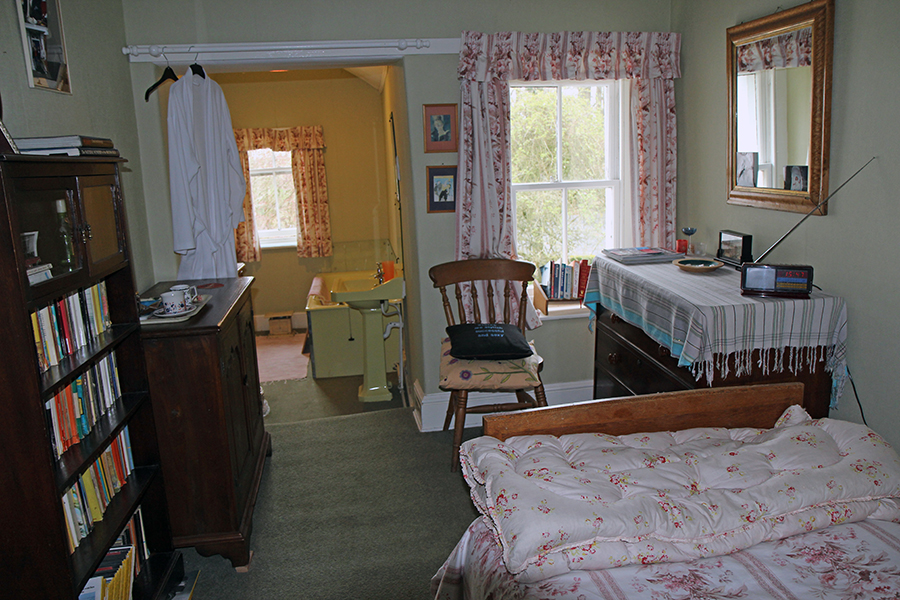
Cheguei a Sandysike pouco depois, ao por-do-sol.  O proprietário me recebeu dizendo: “Você é a brasileira? Oh! Você me deve dinheiro!” Comecei a rir. A vendedora de Lanercost já devia ter telefonado lembrando-o de me cobrar a caneca. A cozinha estava uma bagunça mas assim mesmo fui convidada a tomar chá. Chá é tão revigorante, de volta ao Brasil nunca mais parei de tomar pelo menos duas xícaras por dia. Por fim surgiu a esposa do simpático proprietário, que me encaminhou a um quarto fofo onde por um momento tive vontade de ficar para sempre. Pertencia à filha do casal, que não morava mais com eles. Havia um alojamento coletivo mais em conta, porém todos os leitos estavam reservados. Havia ainda meia dúzia de barracas no terreno, ocupadas por um grupo de veteranos de guerra, todos com perna mecânica. Após tomar um bom banho de banheira – tinha uma no quarto! – desci para jantar com os demais hóspedes, do quarto coletivo. O cardápio consistia em comida congelada: sopa e Torta do Pastor, um prato típico britânico. O pessoal das barracas fazia sua própria comida.

Sandysike Farm
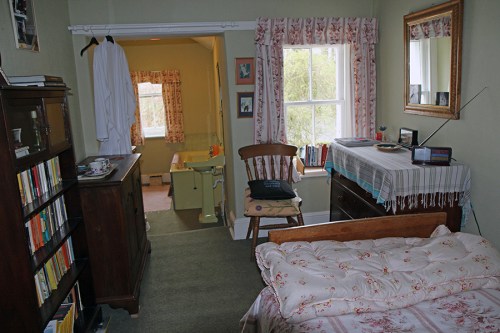
Sandysike Farm

Meu quarto aconchegante / My cosy room

Meu quarto aconchegante / My cosy room

By sunset I reached Sandysike. The owner welcomed me: “So you’re the Brazilian lady? Oh, you owe me money!” I laughed a lot. The saleswoman from Lanercost should already had called to warn him about the money concerning the mug . The kitchen was a mess but anyway I was invited to have some tea. How restorative is tea! Back in Brazil I still have a couple of cups daily. At last the farmer’s wife came and showed me to a cosy room where, for a while I felt like staying forever. It belonged to their daughter, who lived now somewhere else. There was a bigger room for backpackers but all beds were already taken. In the yard there were six tents occupied by a group of ex combatants, all with prosthetic legs. The room had a bathtub so I enjoyed it before going down for dinner with the other guests. The menu was frozen food: soup and Shepherd’s Pie. People in the tents made their own food.

Camping in Sandysike

Camping in Sandysike

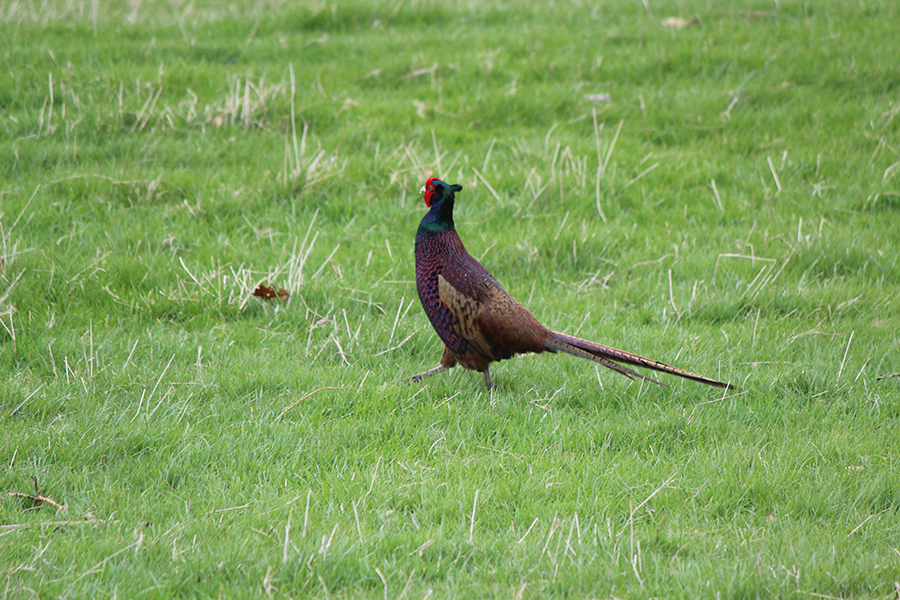
Um faisão avistado pela janela / Pheasant seen from my window

Um faisão avistado pela janela / Pheasant seen from my window

Esqueci de combinar com as pessoas para prosseguirmos juntos porque achei que isso aconteceria naturalmente. Entretanto já tinham partido na manhã seguinte quando terminei de tomar café e paguei a conta, incluindo o valor da caneca. Por isso tomei a direção errada novamente. Já estava voltando quando encontrei o fazendeiro descendo o caminho de triciclo. Era um sessentão, mas ainda bonito e forte, e insistiu em me dar uma carona até a estrada para Carlisle, o único caminho, segundo ele. Assim sendo não discuti e me empoleirei no banco do triciclo atrás do homem, de mochila e tudo. Muito emocionante mas durou apenas dez minutos. Chegando à rodovia o fazendeiro desejou-me sorte e disse que não era todo dia que tinha oportunidade de dar carona a uma linda brasileira. Agradeci e nos despedimos. Ele tinha algumas dezenas de ovelhas para tratar e eu doze milhas para caminhar até Carlisle. Porém logo percebi que realmente saíra da trilha, que seguia pela floresta e só cruzava a estrada mais adiante. Na verdade não fazia muita diferença, não havia ruínas nesse trecho, apenas pesadas nuvens negras que logo se desfizeram em grossas gotas de chuva. Foi quando encontrei o Duende Chefe em pessoa.
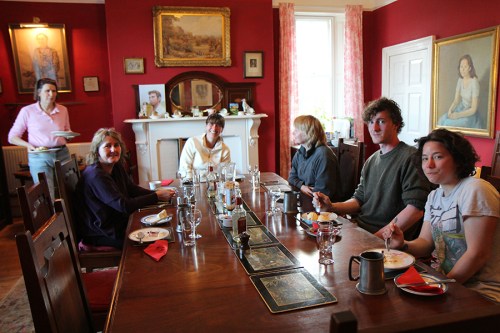
Sala de jantar / Dining room

Sala de jantar / Dining room

Jardim dos fundos / Backyard

Jardim dos fundos / Backyard

I forgot to talk about joining the others for next day’s walk, because I thought that would naturally happen. However, they were gone when I finished breakfast and checked out next morning… so again I took the wrong way, and was half way back when the farmer appeared driving a tricycle. The man was in his sixties but still handsome and strong. He insisted in giving me a ride to the road, the only way to Carlisle, according to him. So I didn’t discuss any further, just rode the tricycle behind him, backpack and all. It was thrilling to cross a couple of miles through the fields, but that ended ten minutes later. By the road the farmer wished me luck and said it was not everyday he had the chance to give a ride to a beautiful Brazilian. I thanked him and said goodbye. He had a flock of sheep to tend to and I had twelve miles to walk towards Carlisle. But soon I realized I wasn’t indeed in the footpath, that coiled through the woods to join the road a couple of miles ahead. Anyway it didn’t matter, there were no ruins in the stretch, only heavy dark clouds that soon melted in thick raindrops pouring over my head. And that was when I met the Chief Pixie himself.
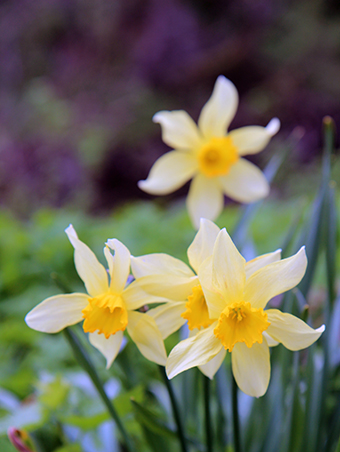
No jardim / Sandysike garden
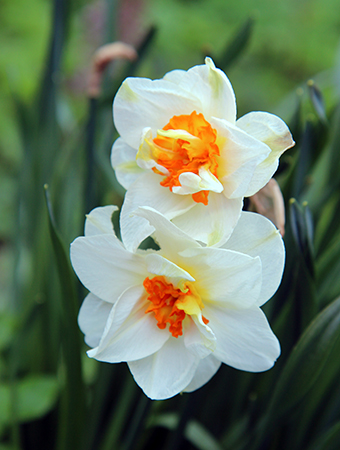
No jardim / Sandysike garden

Sandysike Garden (2)

Sandysike Garden (2)

Read Full Post »
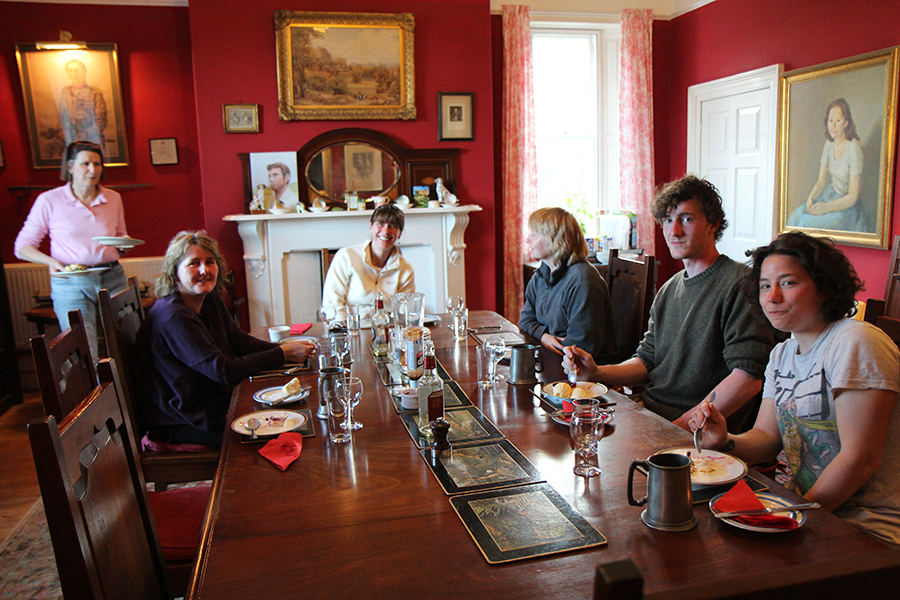

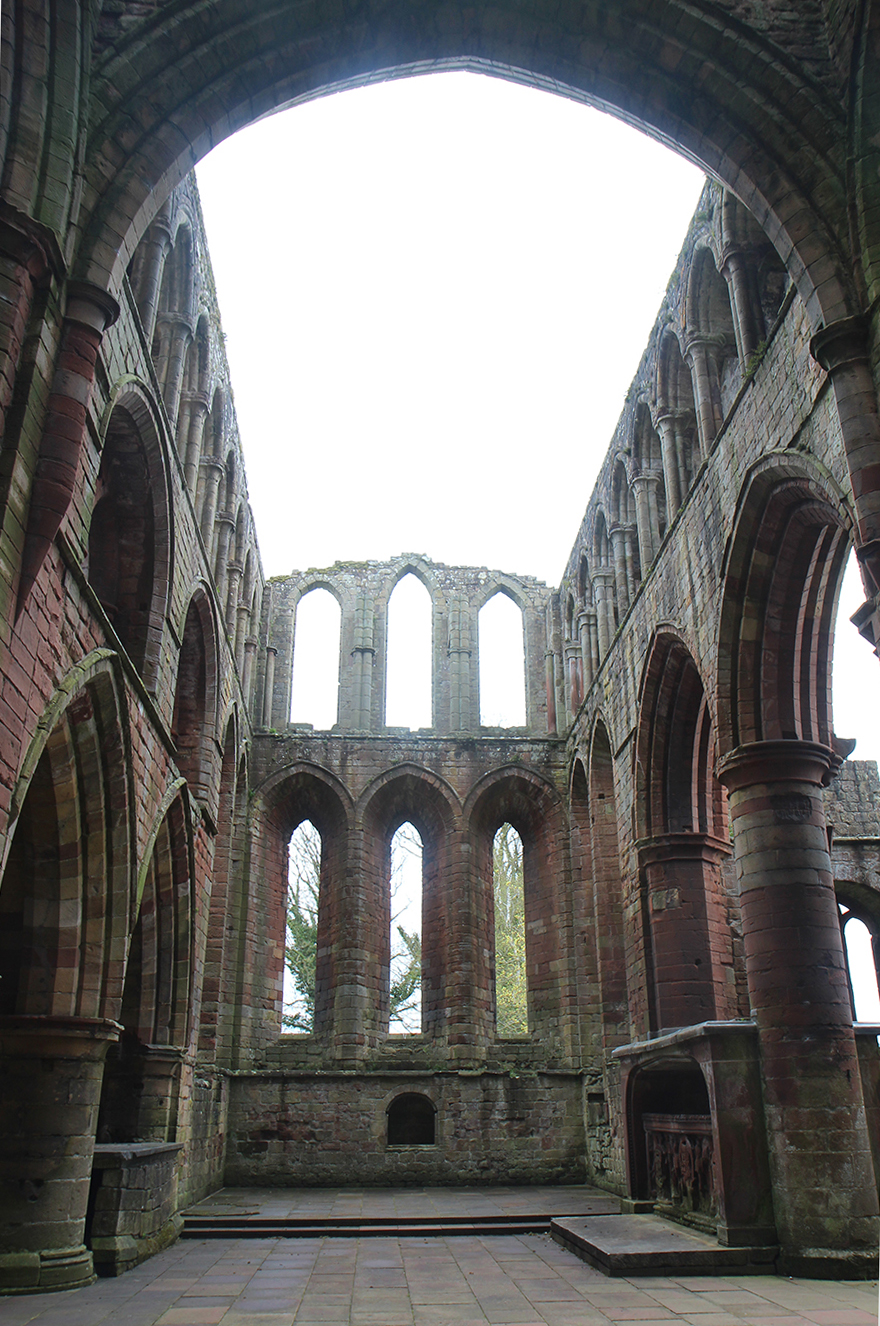
Lanercost Priory

Lanercost Priory

O Priorado de Lanercost fica a meio quilômetro ao sul da trilha, um pouco adiante de Birdoswald, mas era um domingo – aquele dia fatídico em praticamente não há ônibus circulando no Reino Unido – e chovia. Por isso optei por pegar o ônibus da Muralha de Adriano, o AD122, que passava num horário conveniente pela manhã. Só haveria outro muito mais tarde e na direção oposta. Eu queria conhecer o local, bater fotos, talvez comer alguma coisa lá e encarar a caminhada até Sandysike, fazenda onde iria pernoitar. Não tinha a menor idéia de quanto tempo levaria este trecho, nem das condições do terreno.

 Vista de dentro dos portões / Inside Lanercost gates

Vista de dentro dos portões / Inside Lanercost gates

Lanercost Priory is 500 yards south of Hadrian’s Wall Footpath, not far from Birdoswald, but it was Sunday – that damned day when buses vanish in the UK – and it was raining. So I decided to take Hadrian’s Wall Bus, the AD122, that stopped in Greenhead a suitable time in the morning. There would only be another one, much later, going the opposite way. I wanted to spend some time in Lanercost to see the place, take some photos, and maybe eat something there before walking to Sandysike, the farm where I was supposed to sleep. I didn’t have the slightest idea of how long or how hard this stretch would be.

Jardim nos fundos / Priory Backyard

Jardim nos fundos / Priory Backyard

St. Mary Magdalen's Church

St. Mary Magdalen’s Church

Dentro da Igreja / Inside the Church

Dentro da Igreja / Inside the Church

A enorme janela da Igreja, de onde se vê as ruínas do Priorado / Priory ruins seen from the massive church window

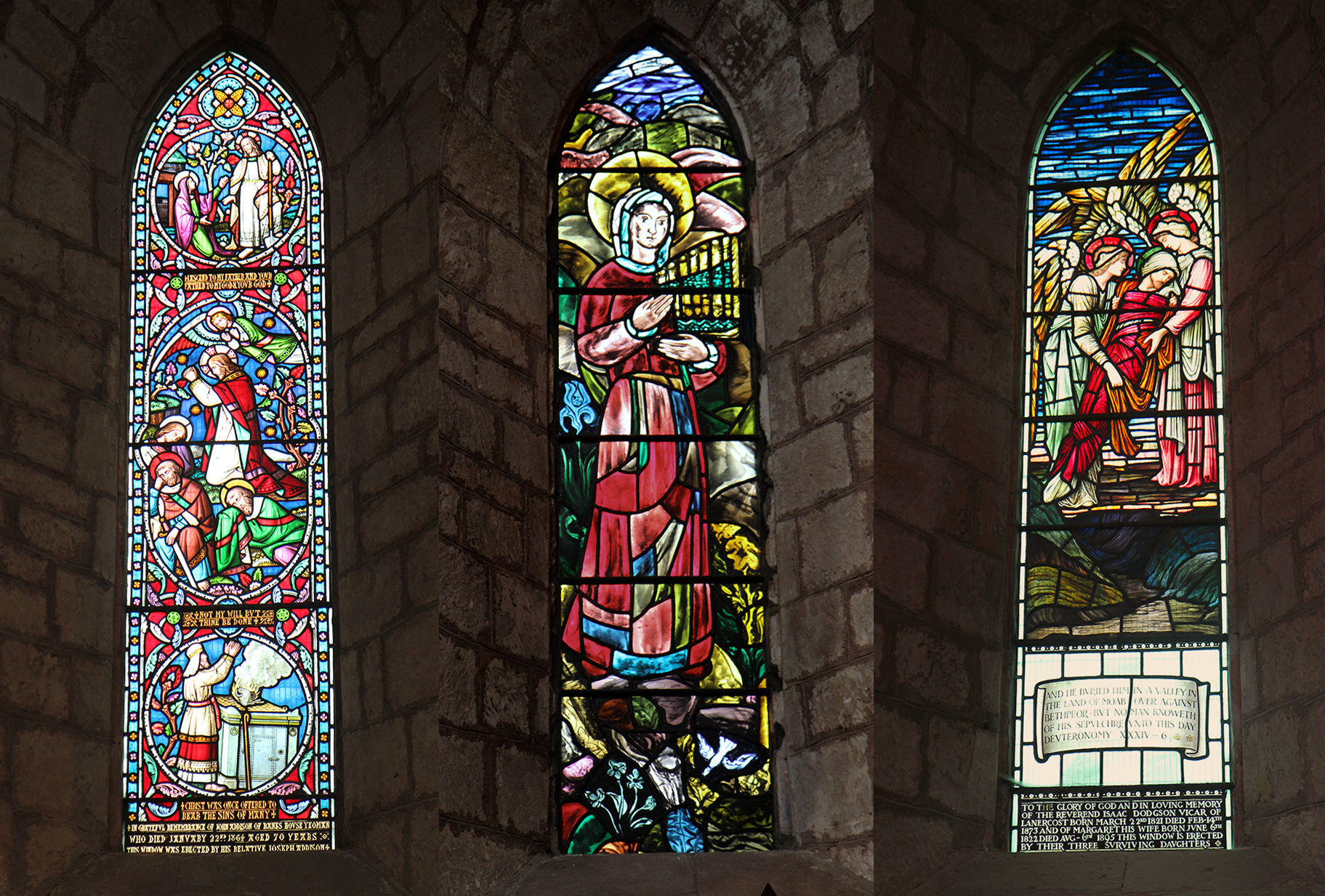
Vitrais (montagem) / Glassworks (combination)

Vitrais (montagem) / Glassworks (composition)

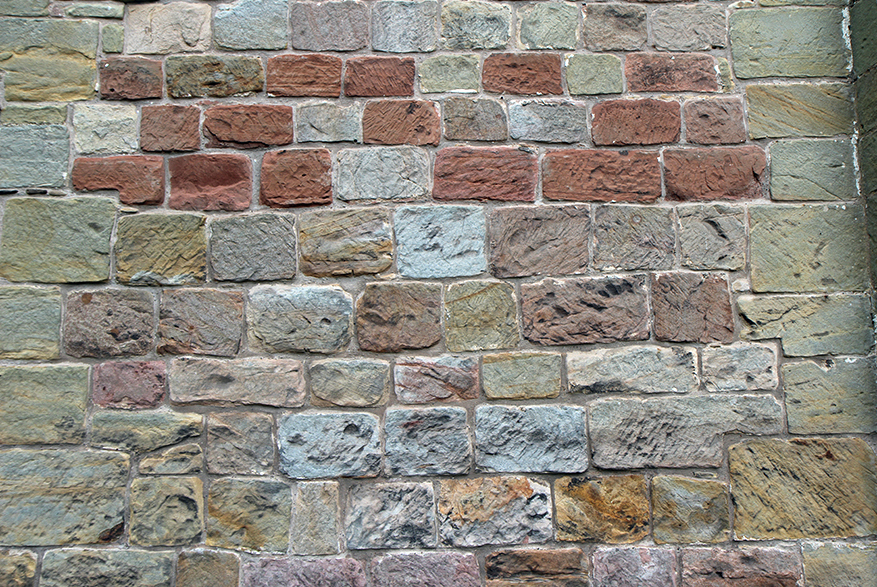
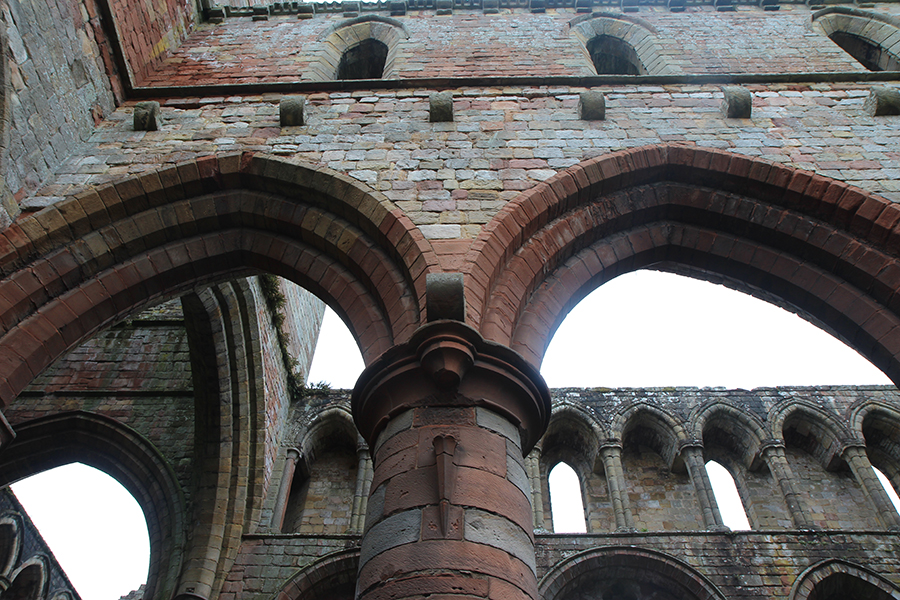
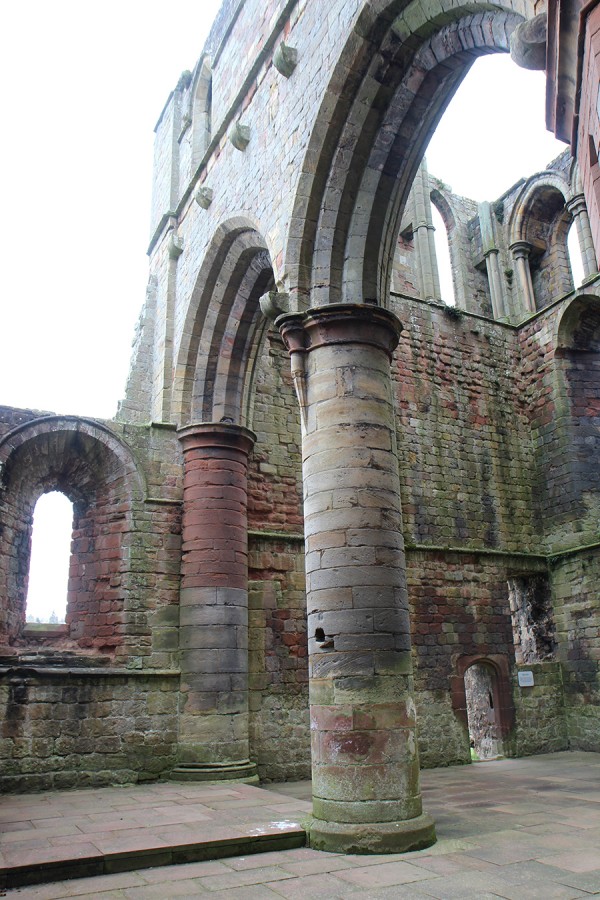
Cheguei antes da chuva e da missa. Havia um número de pessoas entrando na Igreja, dedicada a Santa Maria Madalena, incomum na região. Ao ver o tamanho da construção, toda feita com pedras retiradas da Muralha, dá pra entender facilmente porque a mesma desapareceu perto dos centros urbanos. Curiosamente há pedras de várias cores, que não vi em nenhum trecho de Muralha, avermelhadas, e verdes, provavelmente devido ao limo.

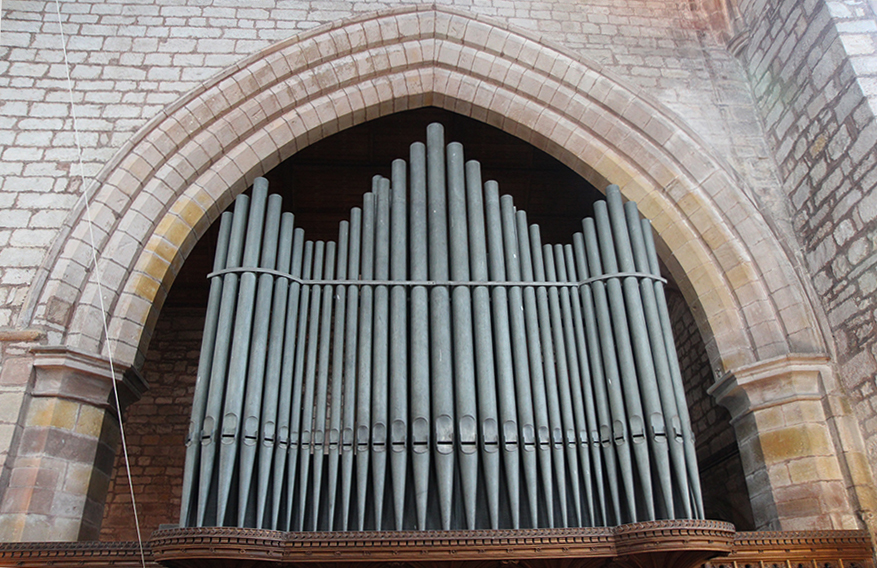
Os tubos do órgão/ The organ pipes

Os tubos do órgão/ The organ pipes

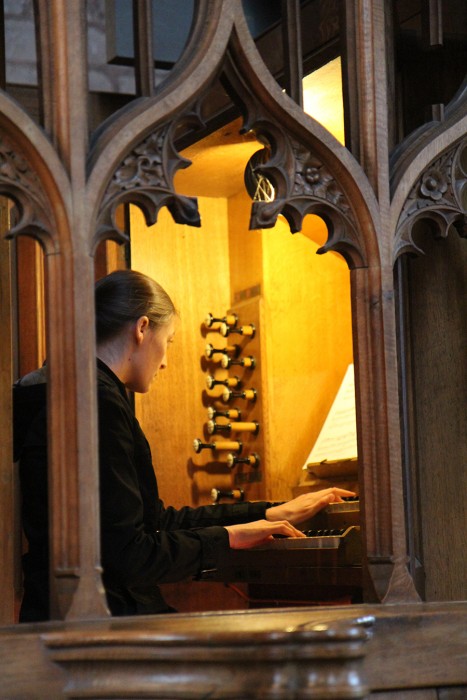
A tecladista / The organ player

A tecladista / The organ player

I arrived before the Mass and the rain. There was a number of people coming for the Sunday Service at the Church, dedicated to St. Mary Magdalene, what is unusual in the region. Regarding the massive place, all built with stones taken from Hadrian’s Wall, it becomes  clear why it’s disappeared near urban settlements. Oddly enough, there are reddish stones I haven’t seen in any stretch of Wall before, and some greenish, probably due to slime.

Cores das pedras  / Colors of the stones

Cores das pedras / Colors of the stones

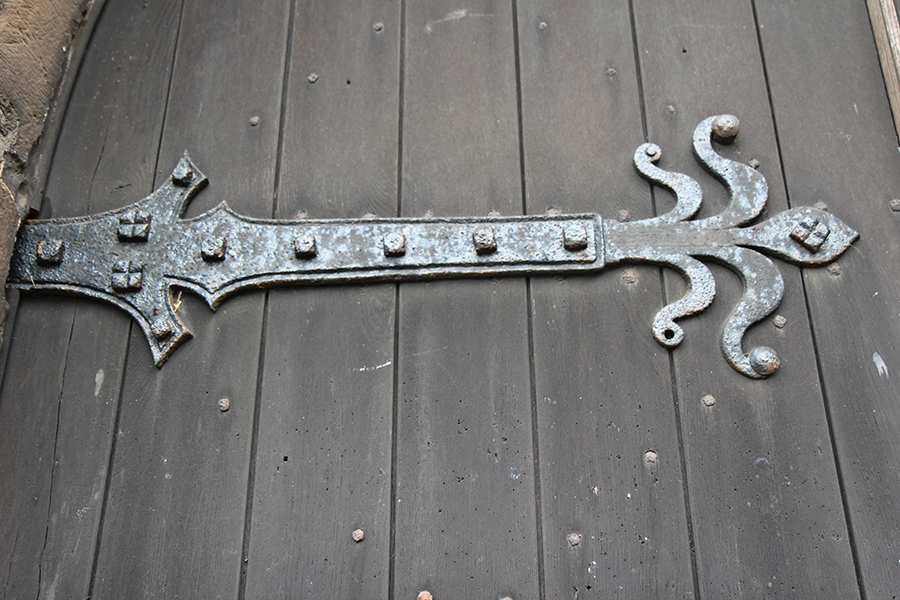
Dobradiça da porta / Door hinge

Detalhe: Dobradiça da porta / Detail: Door hinge

Detalhe: fechadura / Detail: doorlock

Detalhe: fechadura / Detail: doorlock

Não fiquei para a missa. Achei melhor aproveitar o tempo batendo fotos no exterior e no lindo cemitério antes que chovesse. Por fim, já com fome, fui buscar meus bastões de caminhada, que a moça da loja de souvenirs gentilmente guardara para mim. Foi quando vi uma linda caneca, com desenho de ovelhas, diferente de todas que vira até então. Achei que valia a pena comprar a lembrança, e procurei meu dinheiro na mochila, só para constatar que esquecera a pochete de dinheiro na mala, que a essa altura já estava  em Sandysike me esperando, pois eu contratara um serviço de transporte de bagagem, o Hadrian’s Haul, que cobrava 7 libras por trecho. Tinha apenas uns trocados no bolso, umas sete libras, a conta para uma tigela de sopa e um café.

Lanercost Priory - Ruins 03

Lanercost Priory – Ruins 01

Lanercost Priory - Ruins 01

Lanercost Priory – Ruins 02

Lanercost Priory – ruins 03

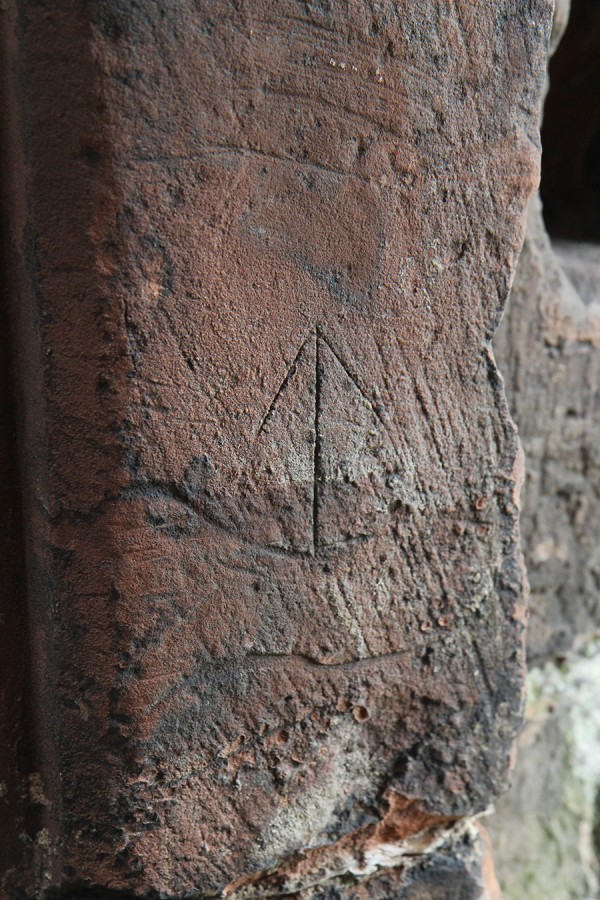
Assinatura do mestre pedreiro / Signature of the Master Mason

I didn’t stay for Mass. It was better to enjoy the weather, to stroll around and take photos outside and in the stunning graveyard before the rain started to fall. Eventually I got hungry and headed to the souvenir shop, to pick up my walking sticks which the kind lady there had kept for me. Then I saw this lovely mug, with a nice drawing of sheep, so different of all I had seen so far. It was worth to buy as souvenir, so I searched my backpack for the money purse, only to realize I had forgotten it inside my suitcase, that should be in Sandysike Farm by now. I had hired a baggage courier service, Hadrian’s Haul, that charged me 7 pounds each transfer. In my pocket there was only some change left, about seven pounds, just enough for a bowl of soup and a coffee.

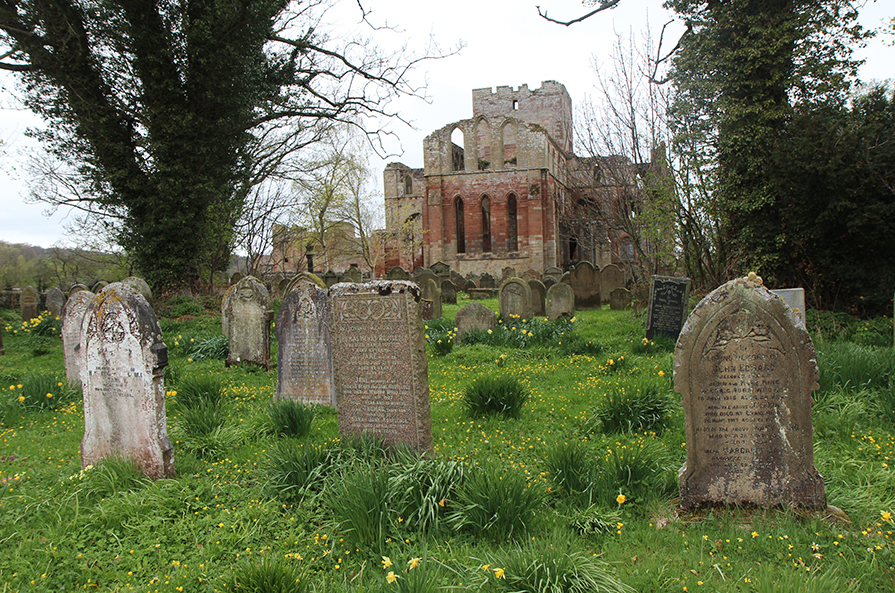
Cemitério atrás da construção / Graveyard behind the building

Cemitério atrás da construção / Graveyard behind the building

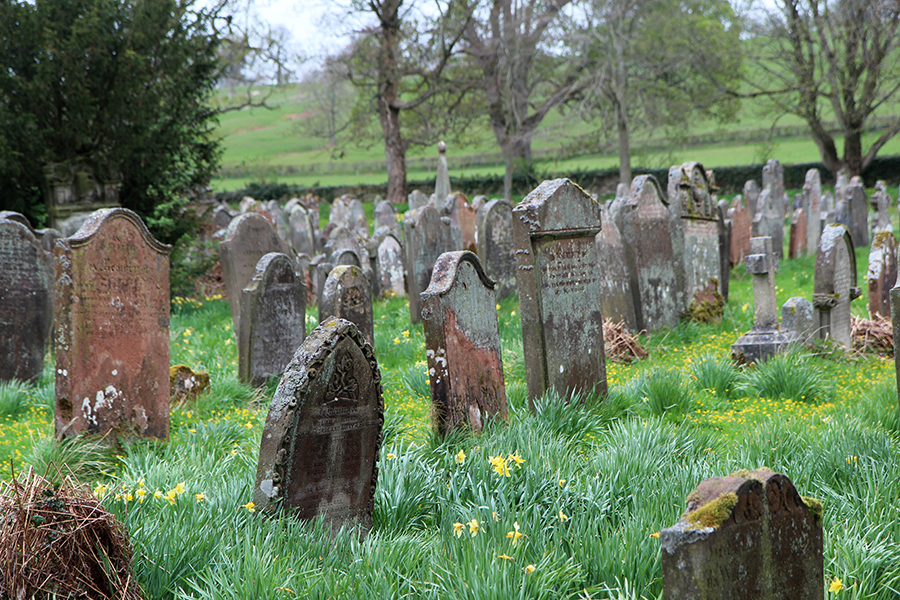
Antigas lápides / Ancient tombstones

Antigas lápides / Ancient tombstones

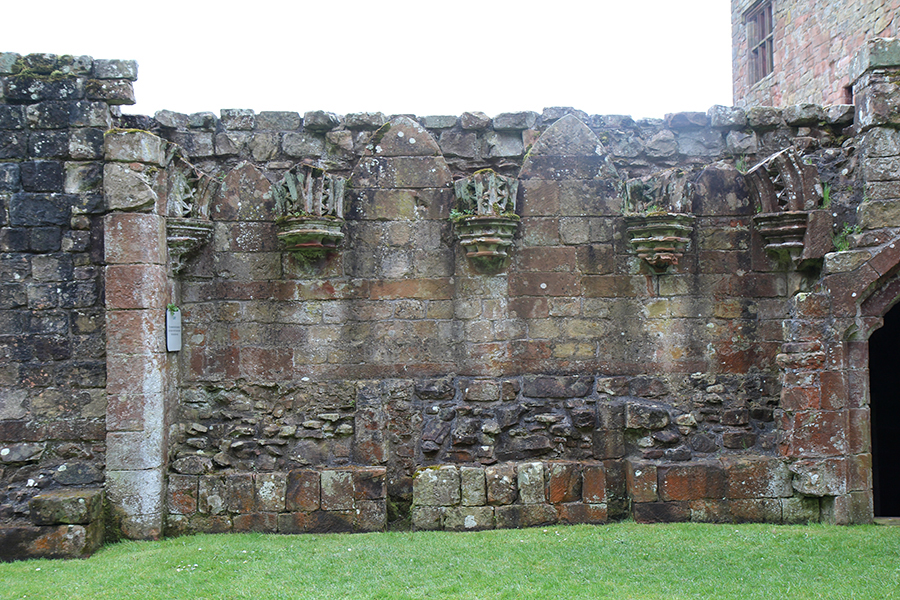
Claustro - vista 1 / Cloister, view 01

Claustro – vista 1 / Cloister, view 01

Claustro (vista2) / Cloister, view 02

Claustro (vista2) / Cloister, view 02

Claustro, vista 03 / Cloister, view 03

Claustro, vista 03 / Cloister, view 03

A vendedora viu minha cara de tristeza e ficou com pena. Perguntou onde eu estava hospedada, e solucionou o problema. Disse que conhecia o proprietário de Sandysike, eu podia levar a caneca e dar o dinheiro a ele, que efetuaria o pagamento quando passasse por ali. Viva a Inglaterra! Levei a caneca e uma pequena ovelha de pelúcia. No restaurante, entretanto, tive que me contentar com o café e a sopa. Mas estava deliciosa, fumegante e vinha com uma cesta de pão e manteiga fresca.

Entrada da loja de souvenirs / Souvenir Shop entrance

Entrada da loja de souvenirs / Souvenir Shop entrance

Área em restauração / Restoration works

Área em restauração no jardim junto ao claustro / Restoration works in the garden next to cloister

The saleswoman noticed my sad face and commiserated. She asked me where I was lodged and found a solution. She knew the farmer, Sandysike’s owner, so I could take the mug and give him the money. He would pay her later when he passed by. Gods save England! I took not only the mug but also a tiny plush sheep. In the restaurant, however, I had to be content with coffee and soup. But it was delicious, steamy, and came with bread and fresh butter.

Uma cela sinistra / A lurid cell

Uma cela sinistra / A creepy cell

Read Full Post »
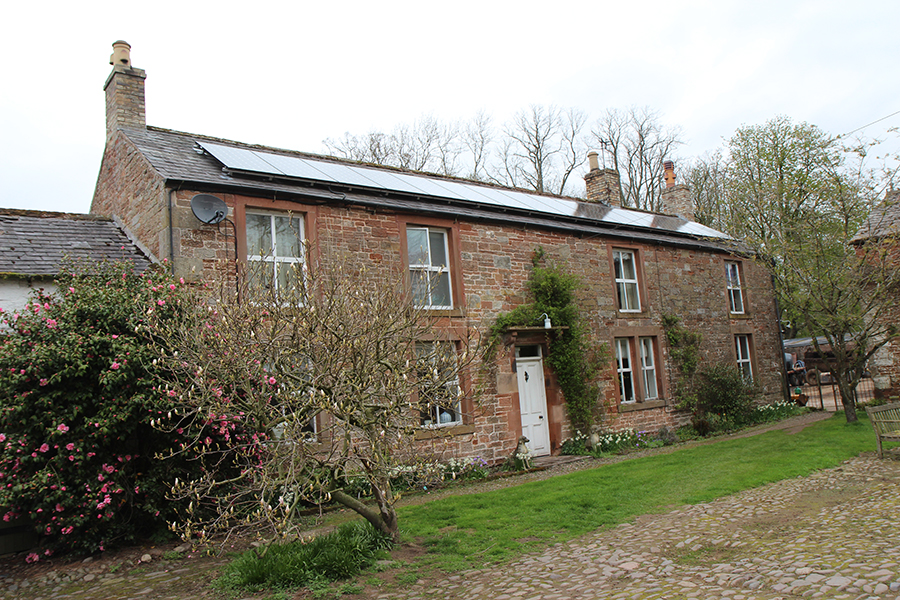

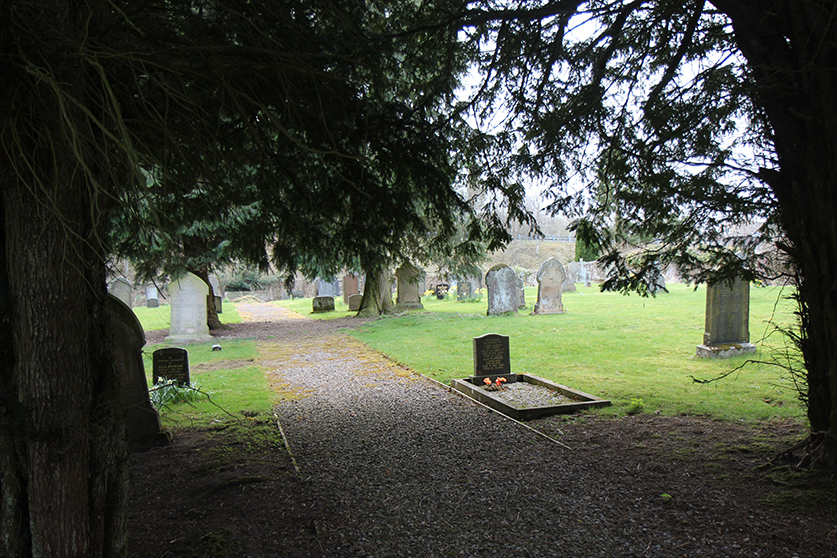
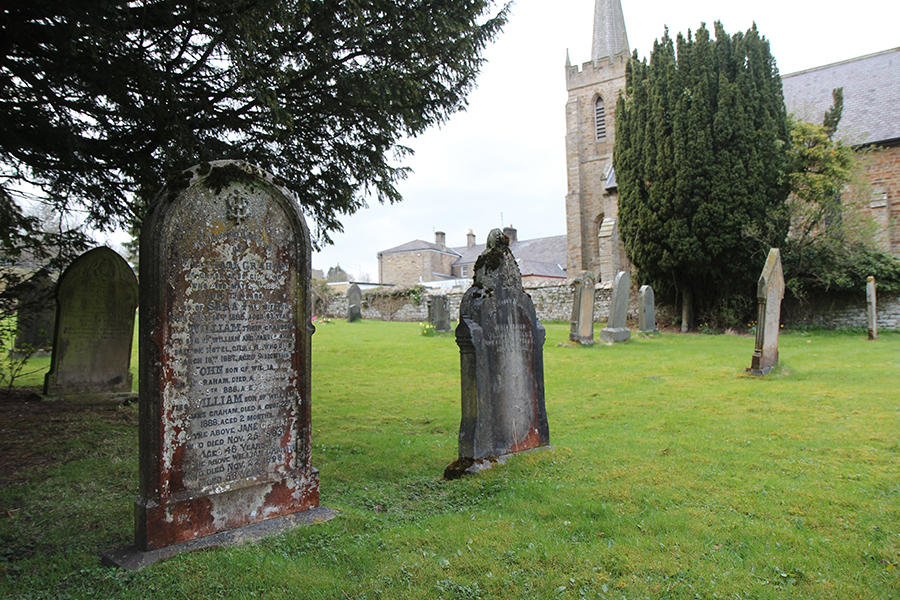
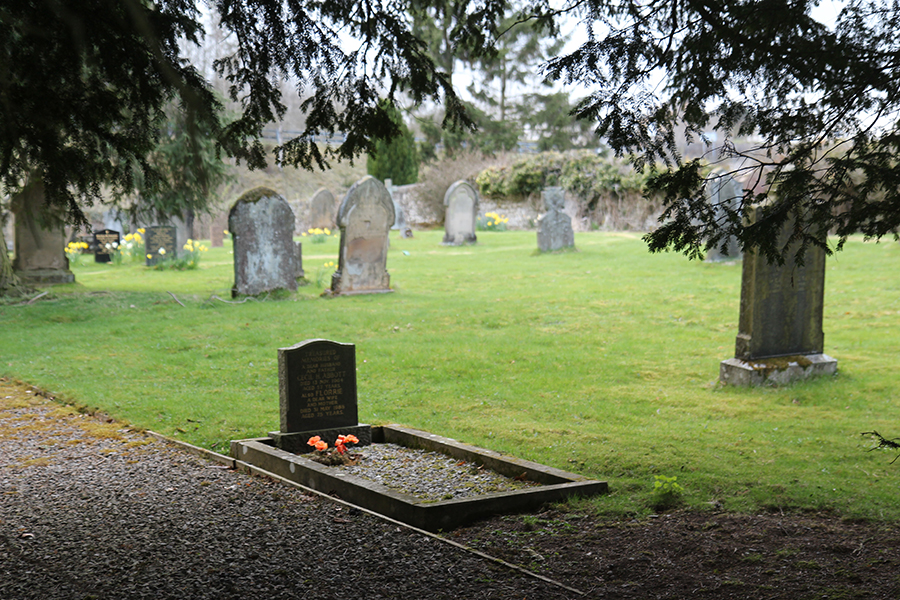
Cemitério / Graveyard in Greenhead

Cemitério / Graveyard in Greenhead

A tarde estava linda em Birdoswald mas durante a caminhada de volta ao Greenhead as nuvens se adensaram. Ainda assim cheguei ao povoado com luz suficiente para alguns registros, destacando o lindo cemitério.

After a lovely afternoon in Birdoswald, the clouds thickened while I was walking back to Greenhead. Still, when I arrived there was light enough for some more pics of the village,  its beautiful graveyard outstanding.

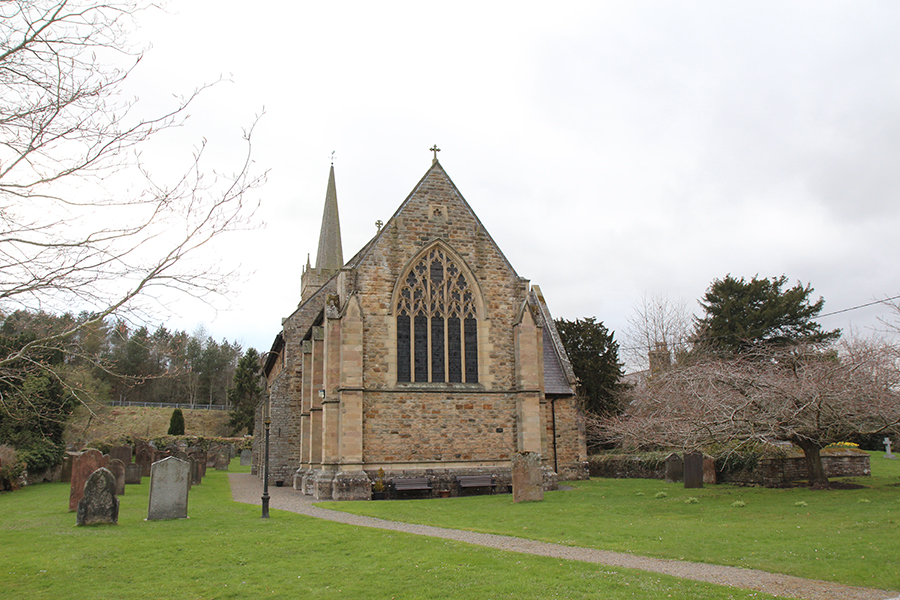
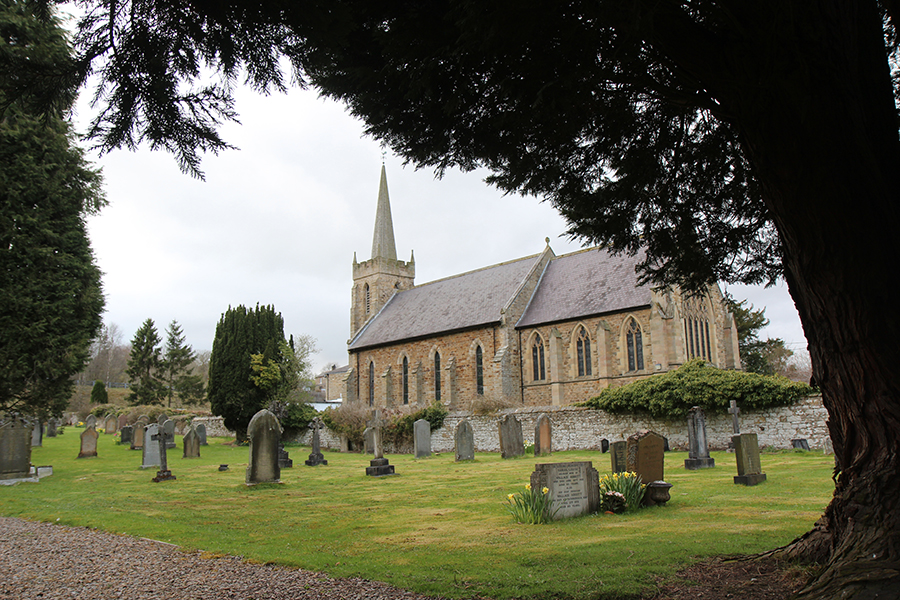
Igreja e cemitério / Church and graveyard

Igreja e cemitério / Church and graveyard

Túmulos antigos / Ancient tombs

Túmulos mais recentes/ Present day tombs

GreenheadGraveyard07

Túmulos antigos / Ancient tombs

Igreja / Church

Igreja / Church

Túmulo com cruz celta / Tomb with a Celtic Cross

Túmulo com cruz celta / Tomb with a Celtic Cross

Igreja vista do cemitério /  Church view from the cemetery

Igreja vista do cemitério /
Church view from the cemetery

Saudade eterna / Forever missing

Saudade eterna / Forever missing

Toda cidade tem uma cruz como esta, com os nomes dos cidadãos que morreram na guerra./ Every village has a cross like this, with the names of all citizens who died in war

Toda cidade tem uma cruz como esta, com os nomes dos cidadãos que morreram na guerra./
Every village has a cross like this, with the names of all citizens who died in war

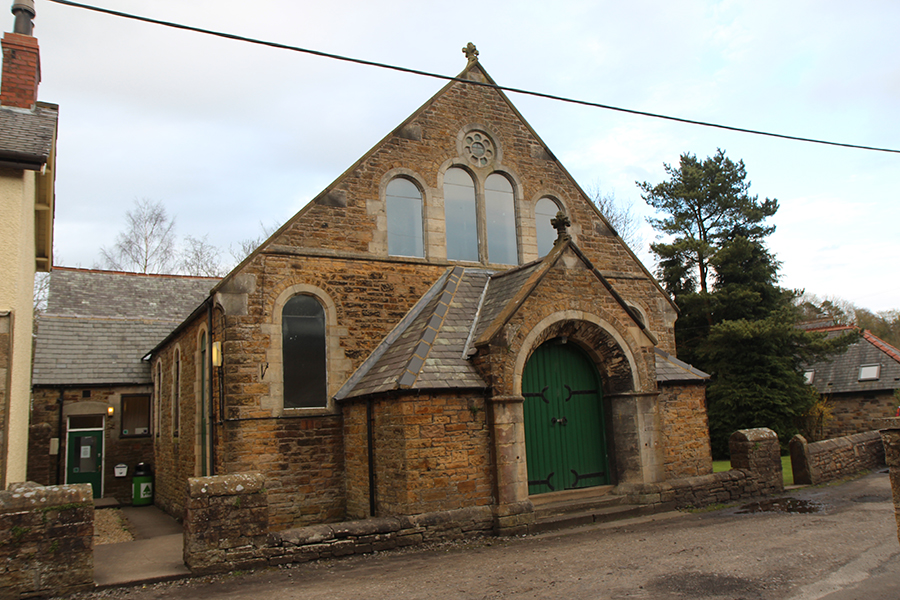
A antiga Igreja Metodista agora abriga um albergue/ A former Methodist chapel in the village is now a youth hostel.

A antiga Igreja Metodista agora abriga um albergue/
A former Methodist chapel in the village is now a youth hostel.

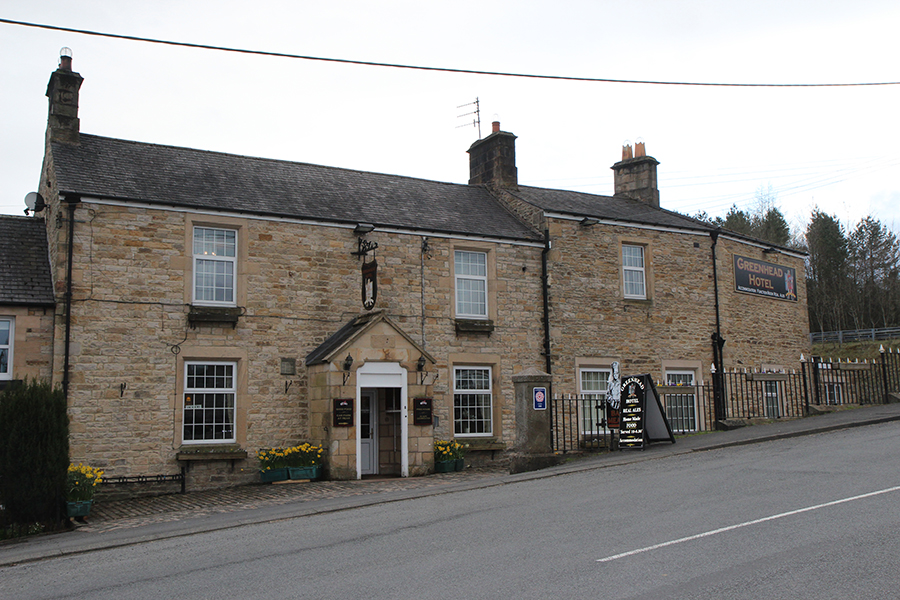
Greenhead, the Pub

Greenhead, the Pub

Vista noturna / Pub by night

Vista noturna / Pub by night

O dono do Pub / Greenhead's owner

O dono do Pub / Greenhead’s owner

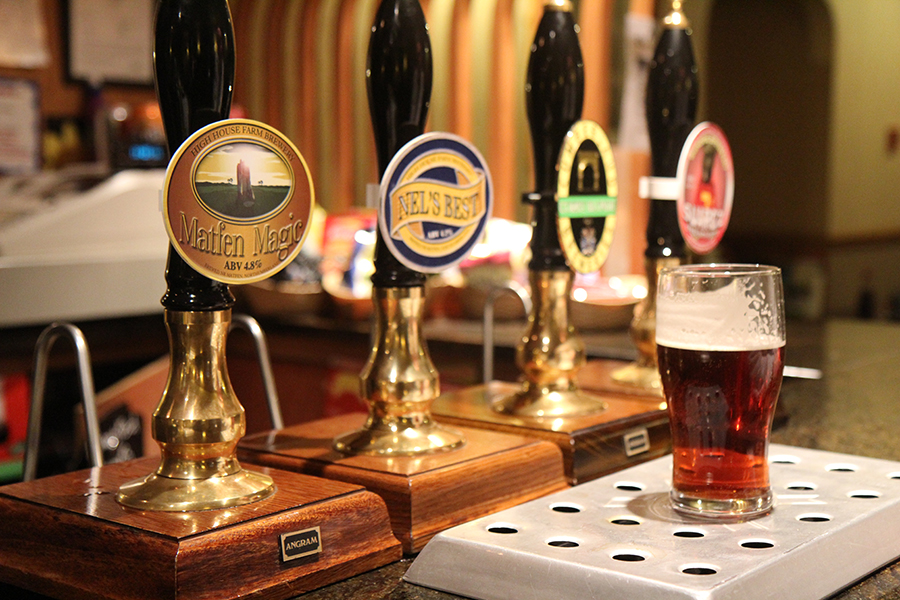
Cervejas locais / Local beers

Ótimas cervejas locais / Excellent local beers

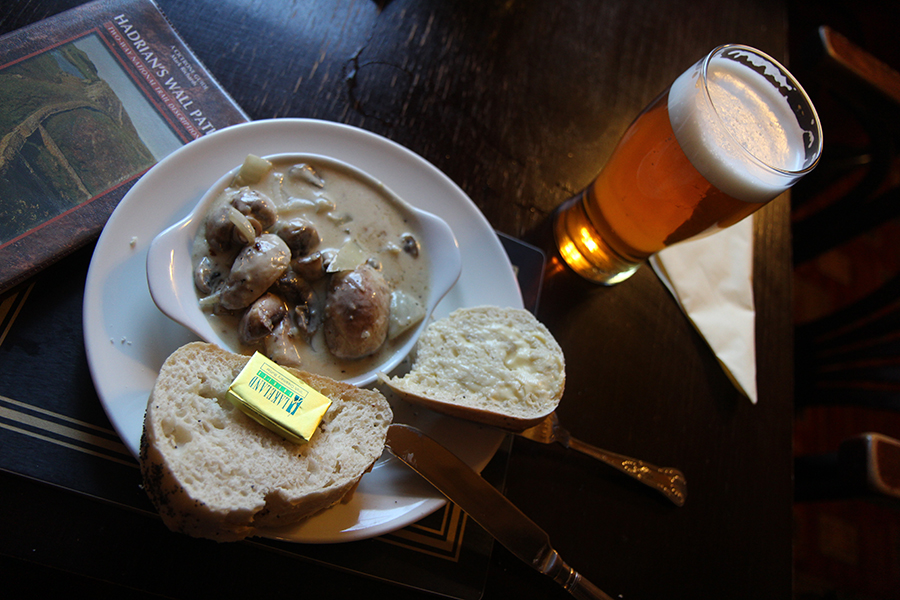
Meu jantar: cogumelos cremosos/ My dinner: creamy mushrooms

Meu jantar: cogumelos cremosos/
My dinner: creamy mushrooms

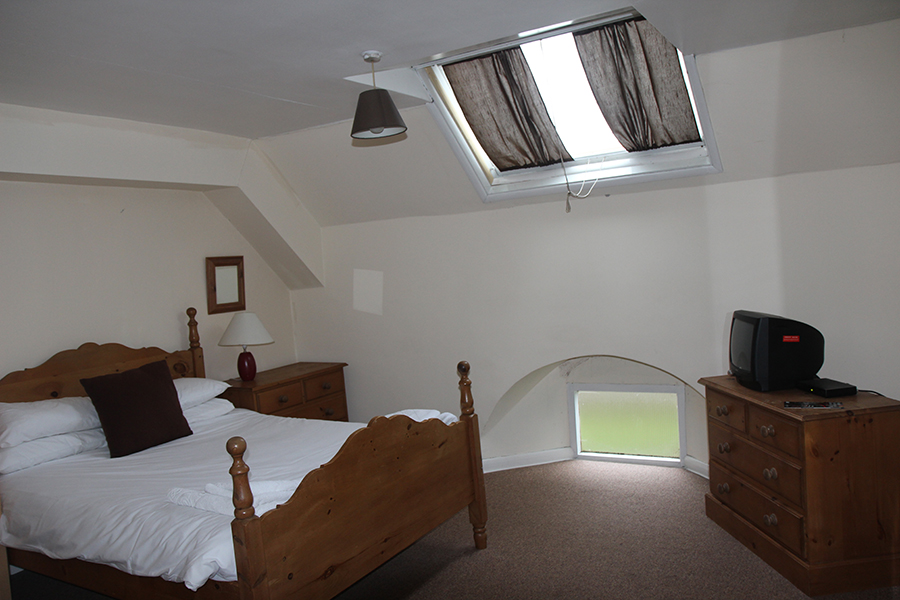
...e uma merecida noite de sono antes de cair na estrada novamente./ A well deserved night of sleep before hitting the road next morning

…e uma merecida noite de sono antes de cair na estrada novamente./
A well deserved night of sleep before hitting the road next morning

Read Full Post »

birdoswaldPanorama1

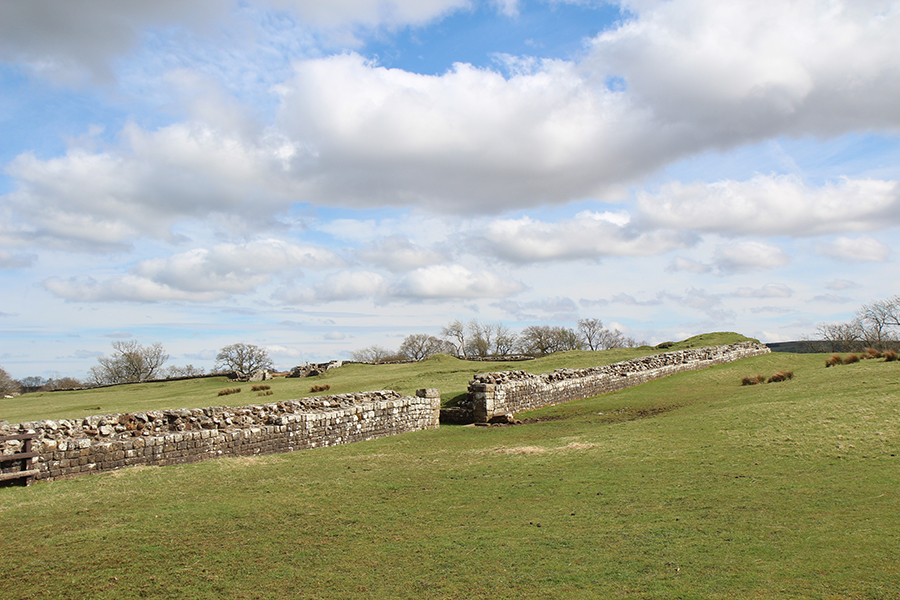
Muralha de adriano junto a Birdoswald (à esquerda, entre as árvores)./ Hadrian’s wall next to Birdoswald (among the trees, to the left)

Arthur foi vitorioso nas doze batalhas que travou contra invasores, porém pouco se sabe sobre a Última Batalha, na qual o Rei enfrentou seu próprio filho Mordred, a quem abateu mas foi mortalmente ferido. Isto aconteceu num lugar chamado Camlan. Para resumir, segundo Norma Goodrich, Camlan seria “Camboglanna Roman Fort”, hoje conhecido como Birdoswald, o último forte antes de Carlisle na Muralha de Adriano.
Exatamente o lugar para onde eu estava me encaminhando, e retrato nas fotos abaixo.

Quase lá / Almost there

Quase lá / Almost there

birdoswald034

O mais longo trecho de muralha ininterrupta passa por Birdoswald / The longest steady stretch of continuous Wall pervades Birdoswald

birdoswald032

A passagem de uma nuvem muda toda a cor do lugar/ The landscape colors change as clouds go by

A passagem de uma nuvem muda toda a cor do lugar/ The landscape colors change as clouds go by

Arthur succeeded to defeat his enemies in twelve battles. But no one knew for certain where was or is his last battleground, somewhere called Camlan, where the King faced his own son Mordred, whom he did kill but got deadly wounded himself. To cut it short, according to Norma Goodrich, Camlan is translated “Camboglanna Roman Fort”, nowadays called Birdoswald, the last fort in Hadrian’s Wall before Carlisle.
That happened to be exactly the place I was heading to, shown in the photographs below.

Birdoswald East Gate / Portão Leste

Birdoswald East Gate / Portão Leste

birdoswald031

Portão Norte / North Gate

Porém, no Cicerone Guide escrito por Mark Richards, Camboglanna aparece em outro lugar: em Castlesteads, numa propriedade privada sem acesso ao público, onde um mercador da Cia das Índias Ocidentais construiu sua mansão e jardins no século 18, sobre as ruínas do forte. A Wikipedia esclarece que durante muito tempo acreditou-se que Camboglanna fosse Birdoswald, mas era um erro. O nome romano de Birdoswald é Banna. Camboglanna parece significar “vale em curva” pois dali se vê uma curva no rio Irthing, e fica 11km a oeste de Birdoswald.

Birdoswald West Gate / Portão Oeste

Birdoswald West Gate / Portão Oeste

Birdoswald panorama from West Gate

Birdoswald panorama from West Gate

But in the Cicerone Guide by Mark Richards, Camboglanna appears somewhere else: in Castlesteads, inside private property with no access for the public. It’s nowadays a great house built by a wealthy merchant from the East India Company in the 18th century. The house and its walled gardens rest upon the Roman fort ruins, destroyed when the house was built. According to the Wikipedia, there was some confusion over the Roman name for the fort. At one time Camboglanna was the accepted name for Birdoswald, but this is now believed to be an error. The Roman name for Birdoswald is now thought to be Banna. The name “Camboglana” is believed to mean “Crook Bank”, or “Bent Valley” because it overlooks a bend in the river Irthing, almost 7 miles west of Birdoswald.

Eu não era a única visitante / I was not the only visitor

Eu não era a única visitante / I was not the only visitor

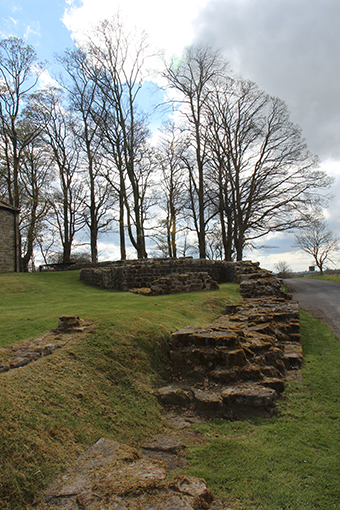
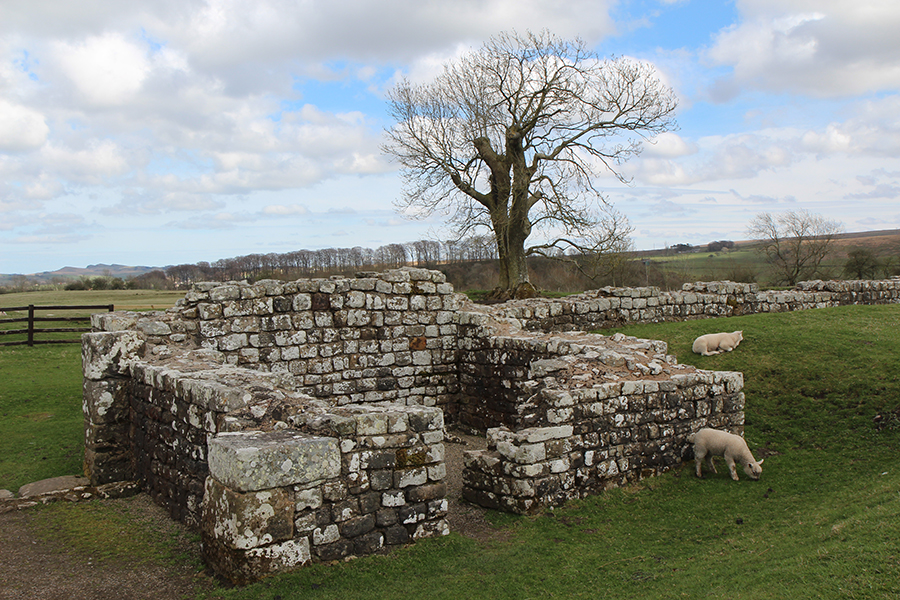
Roman ruins

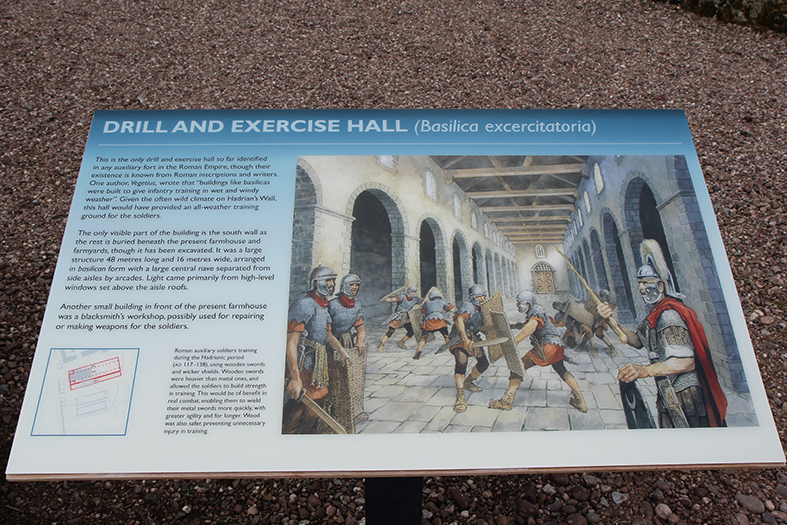
Sala de treinamento e exercício / Drill and exercise halls

birdoswald008

Aqui entramos na região de Cumbria, depois de Northumberland.

Here we’re no longer in Northumberland, but in Cumbria.

Pasto a leste, direção de onde vim / Pastures to the East, where I had come from

Pasto a leste, direção de onde vim / Pastures to the East, where I had come from

East Gate from inside

Vista de dentro do Portão Leste / East Gate from inside

birdoswald028

birdoswald024

Mesmo lugar, com nuvem / Same place, cloudy

birdoswald026

Os novos habitantes / New inhabitants

birdoswald004

A casa de fazenda é um exemplo de utilização agrícola das estruturas romanas ao longo da Muralha/ The farm house is an example of the agricultural use of Roman structures along the Wall

Ali funciona atualmente o pequeno museu e um café /  Nowadays it houses a small museum and café

Ali funciona atualmente o pequeno museu e um café /Nowadays it houses a small museum and café

birdoswald002

birdoswald010

Há acomodação na casa da fazenda para visitantes que queiram ficar neste lugar histórico. / Birdoswald offers farmhouse-style accommodation for those wishing to stay within this historic site.

birdoswald011

Roman halls


birdoswald009

birdoswald022

Horário de visitação / Opening time from 1 April – 30 September: 10:00 – 18:00

birdoswald023

Ingresso/ Price: Adult £5.60; Child (5-15 years) £3.40 ; Concession £5.00 (estudantes e pessoas acima de 60 anos)

birdoswald025

3 November 2014 – 15 February: Abre apenas sábado e domingo / Only weekends, 10:00 – 16:00

birdoswald027

Endereço/ Address: Gilsland, Brampton, Cumbria – CA8 7DD Telephone: 016977 47602

birdoswald020

Portão Sul / South Gate

birdoswald021

Read Full Post »


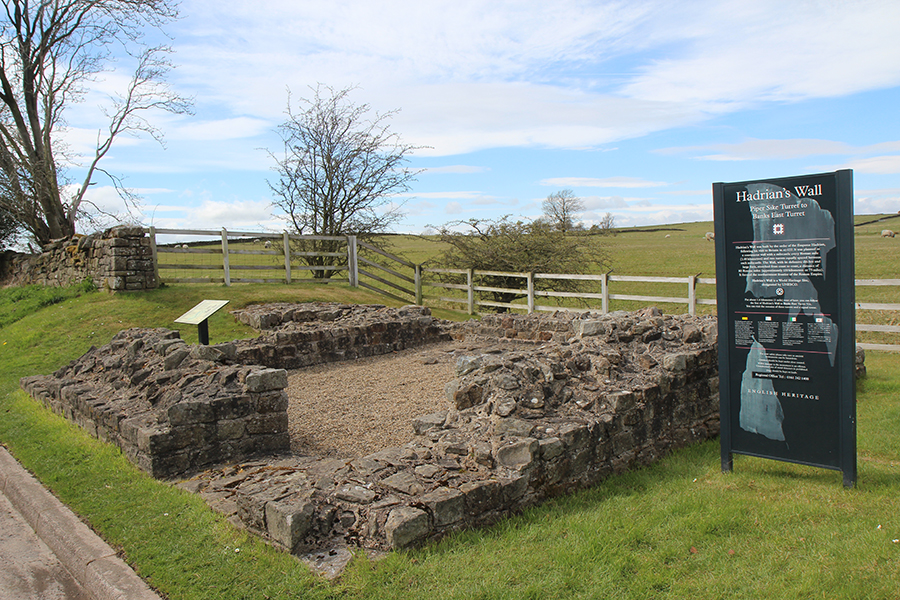
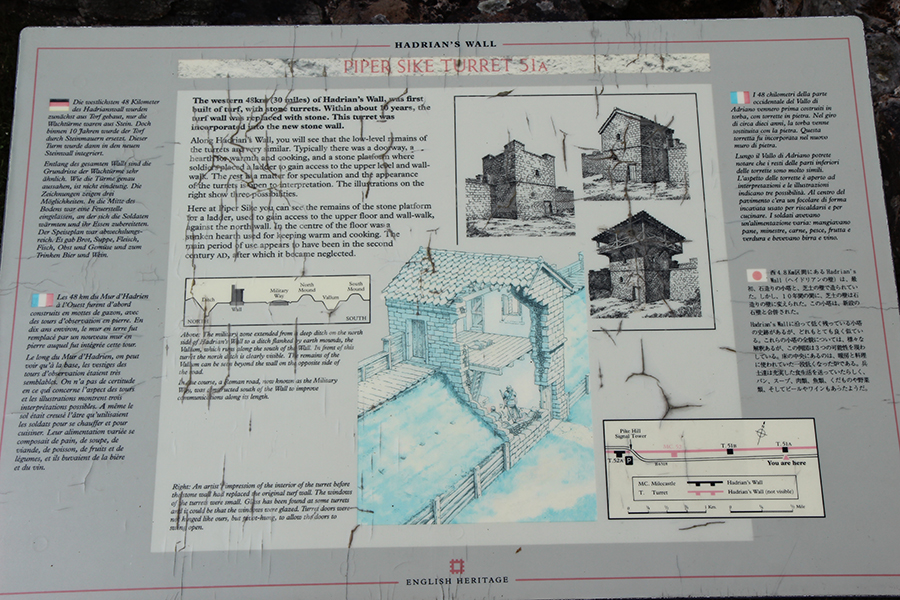
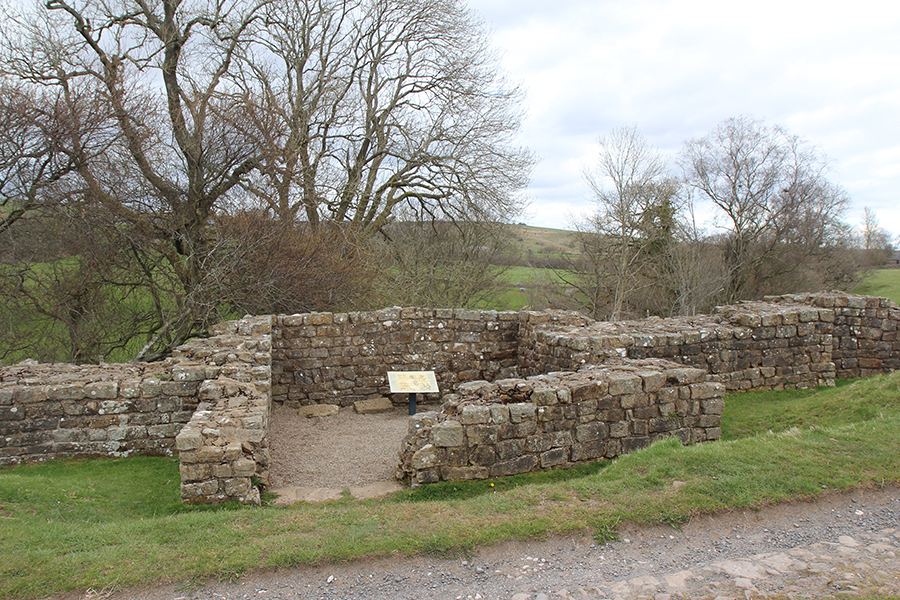
Turret 51

Turret 51A, Hadrian’s Wall

Continuamos com King Arthur, de Norma L. Goodrich: “Delimitamos o reino de Arthur nos quatro cantos: Dumbarton (NW), Carlisle (SW), Stirling (NE) e Berwick (SE). Estas cidades hoje são importantes centros, à exceção do porto de Berwick, que foi em grande parte destruído durante as guerras entre Inglaterra e Escócia que se seguiram.”

Placa informativa da Turret 51 / Signpost

Placa informativa da Turret 51A / Signpost

Piper Sike Turret 51

Piper Sike Turret 51A

Let’s keep reading King Arthur by Norma L. Goodrich:
“ We delimited King Arthur’s kingdom at its four corners: Dumbarton (NW), Carlisle (SW), Stirling (NE) and Berwick (SE).  These are key centers today, with the possible exception of the seaport of Berwick, which was largely destroyed during the subsequent wars between Scotland and England.”

Turret 51B

Turret 51B

“Para quem acredita no Arthur histórico, o principal problema é a localização dos seus castelos. Camelot permanece o mais importante de todos, onde provavelmente estariam abrigados os tesouros do Rei. Estes foram citados pelo enciclopedista Lambert de Saint-Omer em seu livro “Liber floridus”, que precedeu Geoffrey of Monmouth em mais de uma década: “Existe um palácio na Grã Bretanha, na terra dos Pictos, do guerreiro Arthur, construído com arte maravilhosa e diversa, no qual todos os feitos épicos de suas conquistas e guerras podem ser vistos esculpidos”.”

Hadrian's Wall Turret 51B

Hadrian’s Wall Turret 51B

Placa informativa, Turret 51B/ Signpost

Placa informativa, Turret 51B/ Signpost

Turret 51B, à beira da estrada

Turret 51B, à beira da estrada / By the highway

“For those who think of King Arthur as historical, the chief problem must be the emplacements of King Arthur’s castles. Camelot must remain most important of all, and it is likely that it housed the king’s treasures. These were reported by the encyclopedist Lambert de Saint-Omer in his book “Liber floridus”, which antedated Geoffrey of Monmouth by more than a decade: “There is a palace in Britain, in the land of the Picts, of the warrior Arthur, built with marvelous art and variety, in which all the epic deeds of his conquests and of his wars are to be seen sculpted”.”

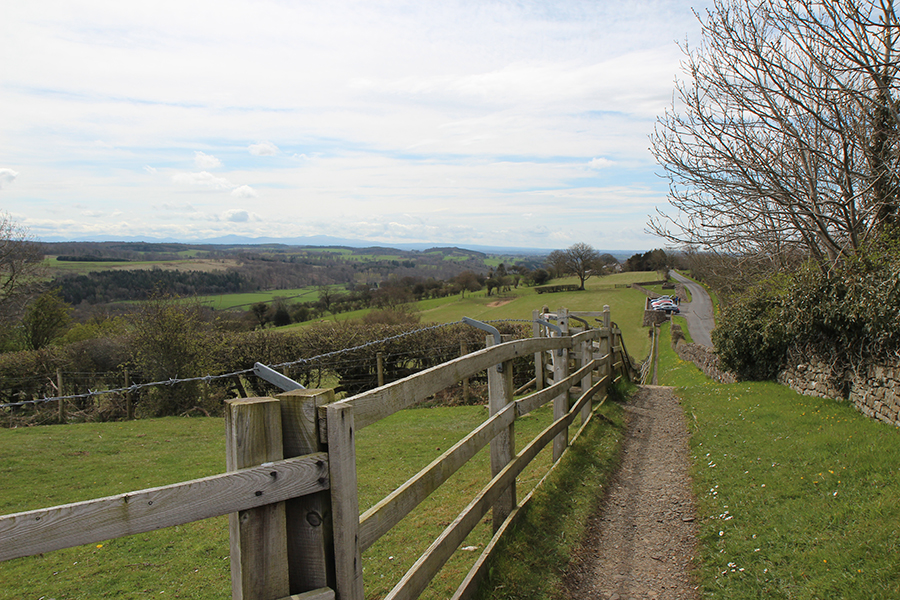
Trilha segue paralela à estrada

Trilha segue paralela à estrada/ Footpath parallel to the road

“Camelot, como sabemos, por muito tempo foi considerado fictício. Já foi identificado como sendo Colchester, Cadbury e Winchester, mas estudiosos por fim concluíram que não era o nome de nenhum lugar na Grã -Bretanha. Sir Thomas Malory parecia inclinado a acreditar que Camelot era o nome dado ao castelo onde e enquanto o Rei ali estivesse residindo, qualquer que fosse o lugar. O livro “Perlesvaus” * afirma que havia dois Camelots.”
NOTA: * significa Percival – o cavaleiro que por fim encontrou o Santo Graal. Este livro também é chamado Li Hauz Livres du Graal, A Nobre História do Santo Graal, trata-se de um antigo romance Arthuriano francês da primeira década do século XIII, do qual sobreviveram três manuscritos, dois fragmentos e duas gravuras do século XVI. Nada se sabe sobre o autor.

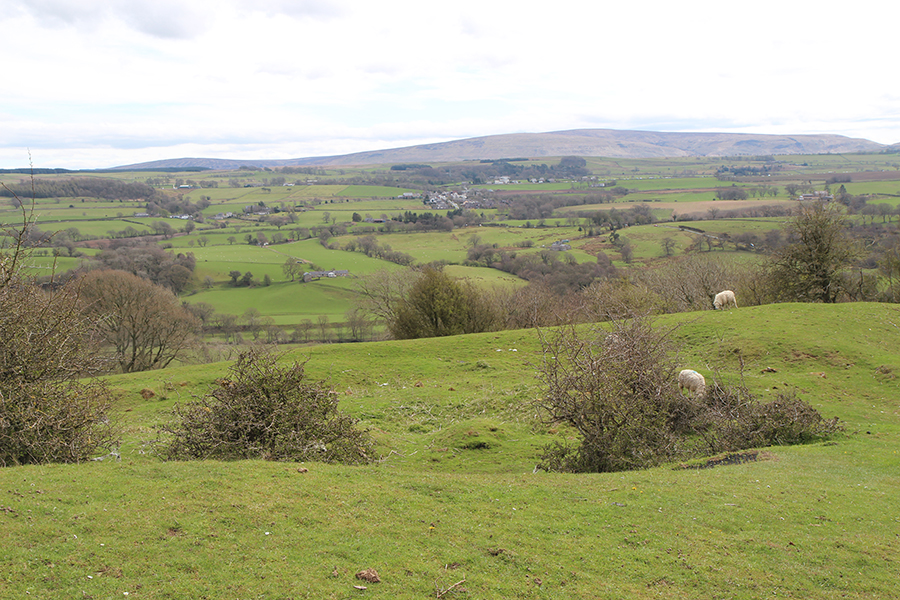
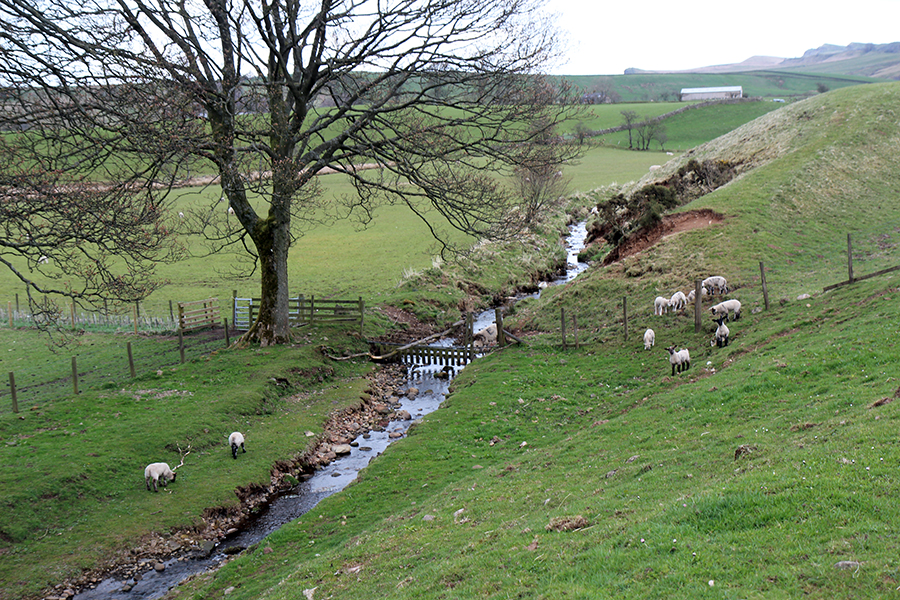
Linda região de pastagens/ Lovely pasture landscape

Linda região de pastagens/ Lovely pasture landscape

“Camelot, we know, has long been considered fictitious. It has been identified as Colchester, Cadbury and Winchester, but scholars finally concluded that it was not the name of any place in Britain. Sir Thomas Malory seems to have been inclined to believe that Camelot was King Arthur’s castle when the king was in residence there, at whatever site that may have been. The book “ Perlesvaus * ” states that there were two Camelots.”
 NOTE: *means Percival – the knight who eventually found the Holy Grail. This book is also called Li Hauz Livres du Graal , The High History of the Holy Grail, is an old French Arthurian romance dating to the first decade of the 13th century. It survives in three manuscripts, two fragments, and two 16th-century printings. Nothing is known of the author.

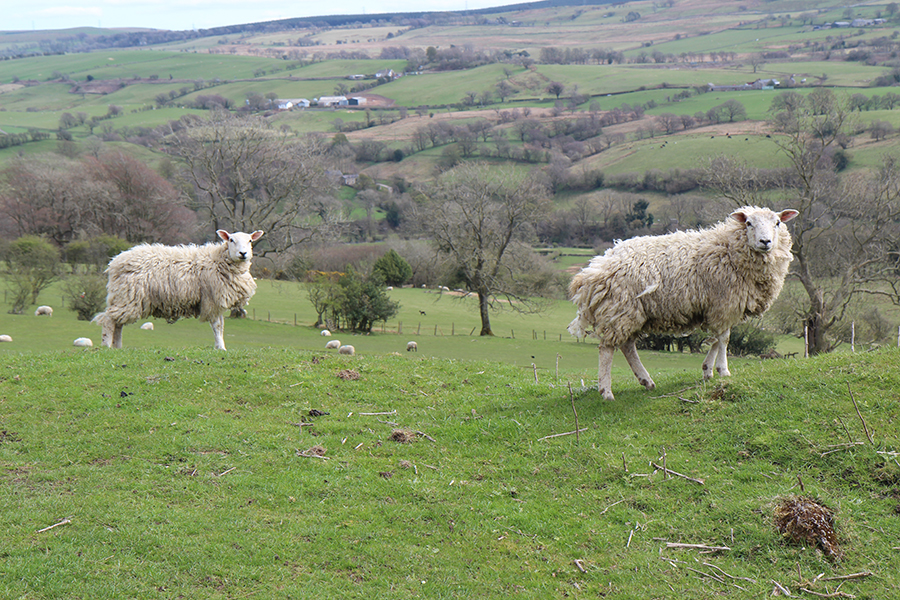
Ovelhas

Ovelhas / Sheep

“Claramente Carlisle é apontado como sendo o principal castelo de Arthur, portanto seria um deles, e o outro foi identificado por O.G.S. Crawford:  Castelo de Stirling, chamada “chave para a Escócia”. William of Worcester também escreveu que “Rei Arthur presidia a Távola Redonda na fortaleza militar de Stirling, também conhecida como Snowdon West Castle.”
Norma Goodrich afirma que Camelot  se situava em King’s Knot, abaixo da face norte do penhasco em Stirling: “ A topografia é inconfundível, de acordo com todas as descrições feitas por diversos autores.”

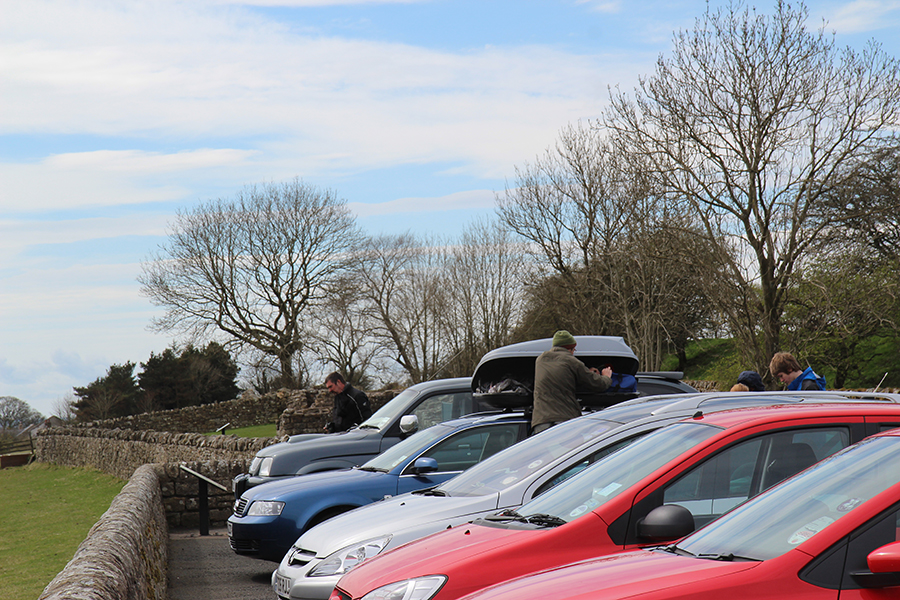
Estacionamento próximo às ruínas / Parking lot beside the ruins

Estacionamento próximo às ruínas / Parking lot beside the ruins

“Clearly Carlisle is indicated as King Arthur’s principal castle, so it was probably one, and the other has been identified by O.G.S. Crawford as Stirling Castle, called the “key to Scotland”. William of Worcester also wrote that “King Arthur presided over the Round Table in the military fort of Stirling, otherwise known as Snowdon West Castle. “
Norma Goodrich states that Camelot was located at King’s Knot, below the western-facing cliff at Stirling: “ The topography is unmistakable, fitting all descriptions by several authors.”

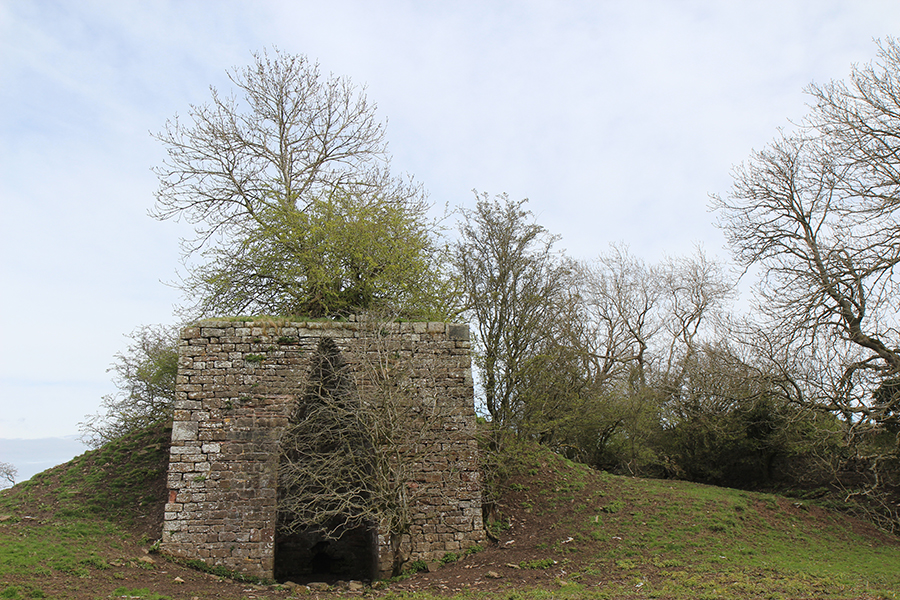
Pike Hill Signal Tower

Pike Hill Signal Tower

“Tanto na Idade das Trevas como hoje, pode-se chegar à garganta de Stirling, entre os imponentes montes Campsie-Gargunnock a oeste e o estuário do Rio Forth a leste. O corredor norte-sul, conhecido por muitas batalhas, tem dez milhas de comprimento e quatro de largura. O forte pré-histórico ficava, como a fortaleza moderna e os quartéis ainda em uso hoje, sobre a enorme parede inexpugnável, avistando do alto dos íngremes penhascos a cidade de Dumbarton a oeste. Praticamente a única montanha em toda a extensão de planícies. Stirling, visto da Muralha de Antonino, é ainda mais impressionante. O Castelo de Stirling dominava a única e estreita travessia do estuário do Rio Forth que, durante a cheia, atingia a largura de uma milha. Junto ao castelo, olhando para baixo dos penhascos a oeste, pode-se ver claramente a planície abaixo do King’s Knot. Trata-se de um monte octogonal cujo nome significa “castelo do monte”, do tipo sobre o qual eram construídos castelos com paliçadas de madeira nos tempos ancestrais. Sobre este monte outrora ergueu-se Camelot, de onde o Rei Arthur presidia a Távola Redonda.”

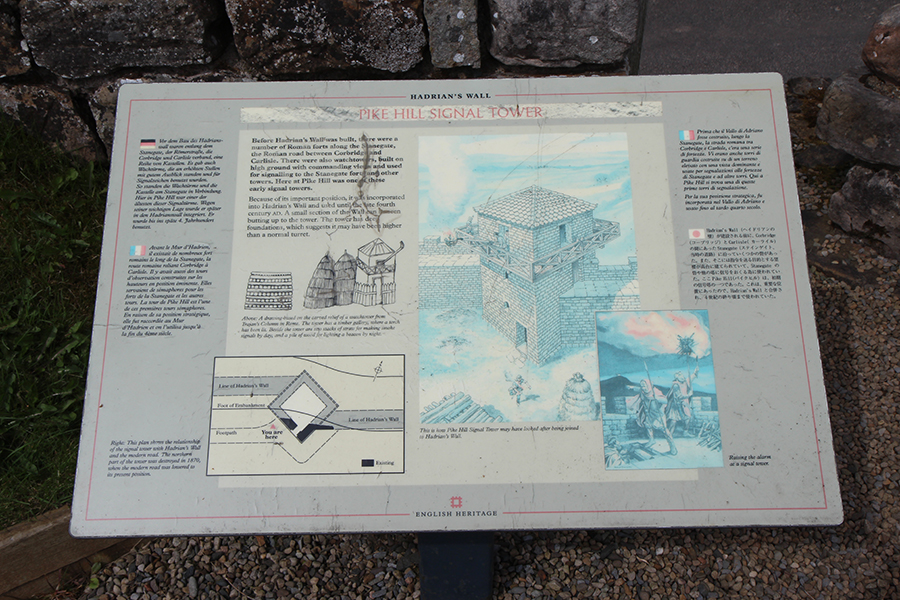
Pike Hill Signal Tower Signpost

Pike Hill Signal Tower Signpost

“Whether in the Dark Ages or today, one can stand at the Stirling Gap, beside the lofty Campsie-Gargunnock Hills to the west and the Forth estuary to the East. The north-south corridor, famous for many battles, is ten miles long and four miles wide. The prehistoric fort sat, like the modern fortress and barracks still in use today, upon the great impregnable wall, looking down its precipitious cliffs toward Dumbarton on the west.
One mountain almost alone in the expanse of flatlands. Stirling seen from the Antonine Wall is an even more impressive mass. Stirling Castle commanded the only and very narrow crossing of the flooded Forth River estuary. At peak flood the Forth stretched one mile wide across flatlands. Standing beside the castle and looking down the west cliffs of Stirling, one can plainly see on the meadowland below the King’s Knot. This is an octogonal mound, whose name means  “castle mound”, upon which the wooden palisaded castles were built in ancient times. Upon this mound once stood King Arthur’s Camelot. At his castle he chaired the Round Table.”

footpath

footpath

Assim, enquanto eu trilhava a Muralha de Adriano a caminho do Forte Romano de Birdoswald, estav muito mais perto de Arthur do que podia imaginar.
So, as I treaded along Hadrian’s Wall, approaching Birdoswald Roman Fort, I was much closer to Arthur than I could imagine.

mais turrets

mais turrets

Vista da região de Stirling no Google Maps / Stirling overview


Read Full Post »


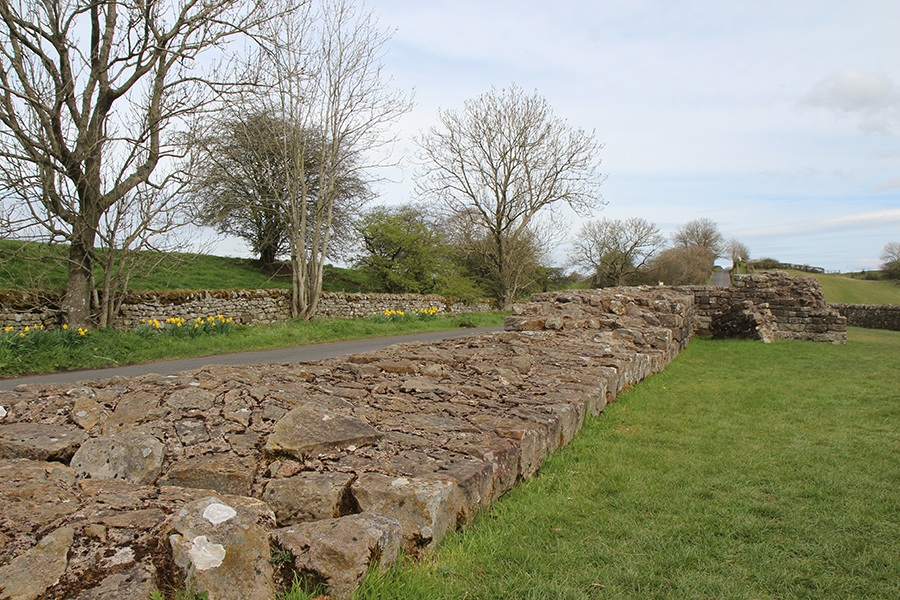
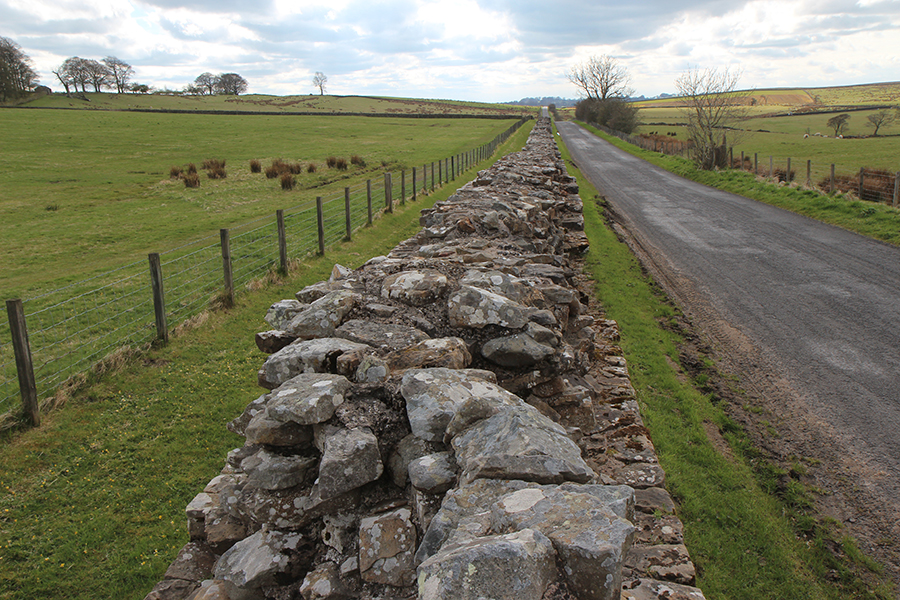
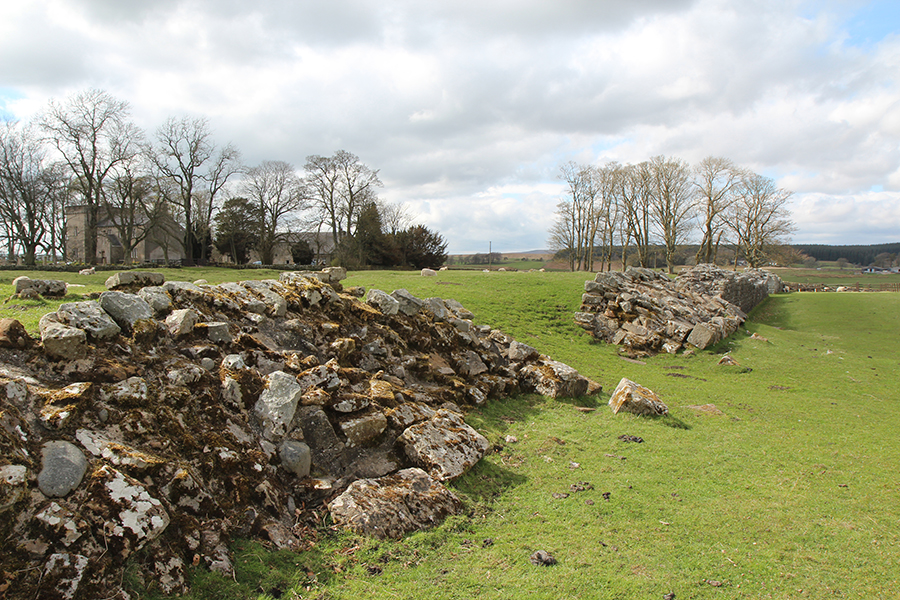
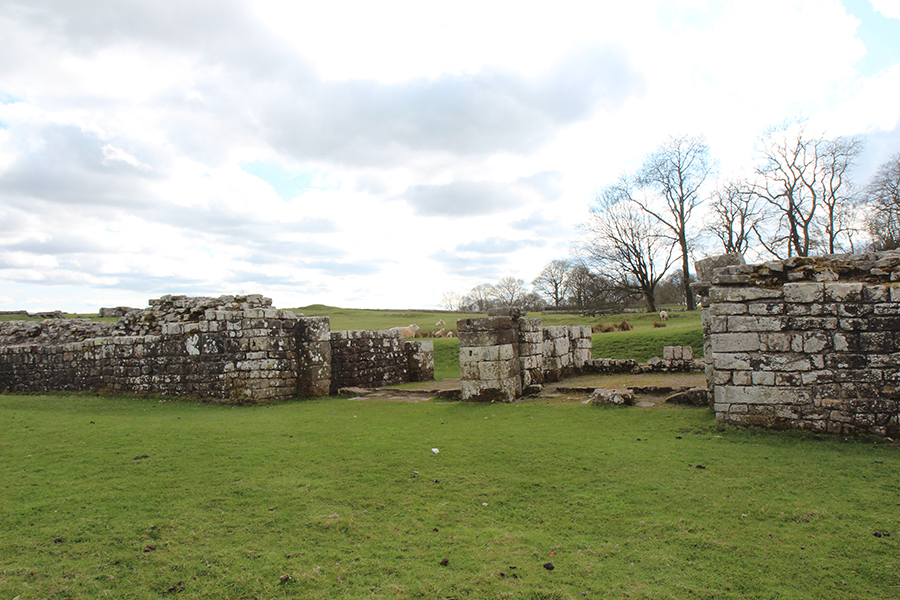
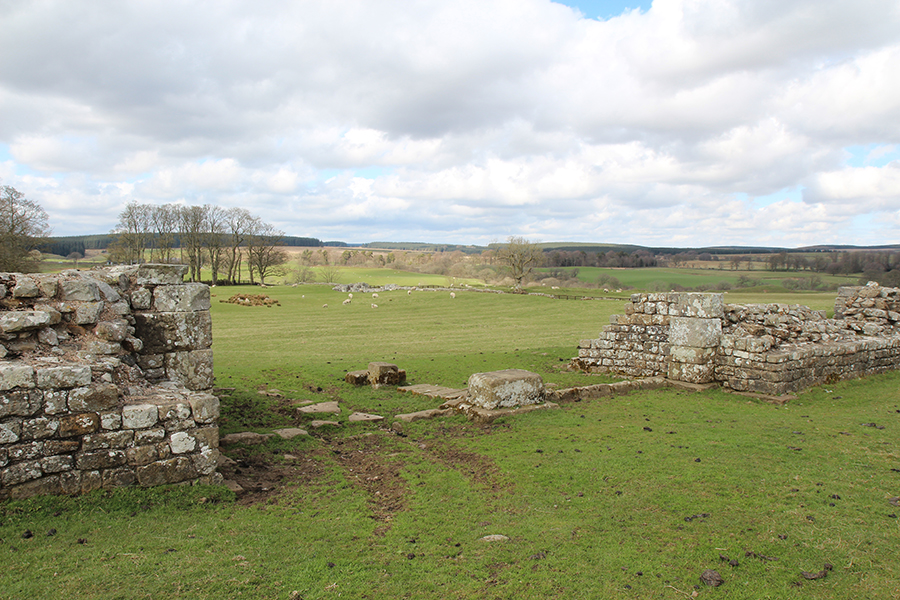
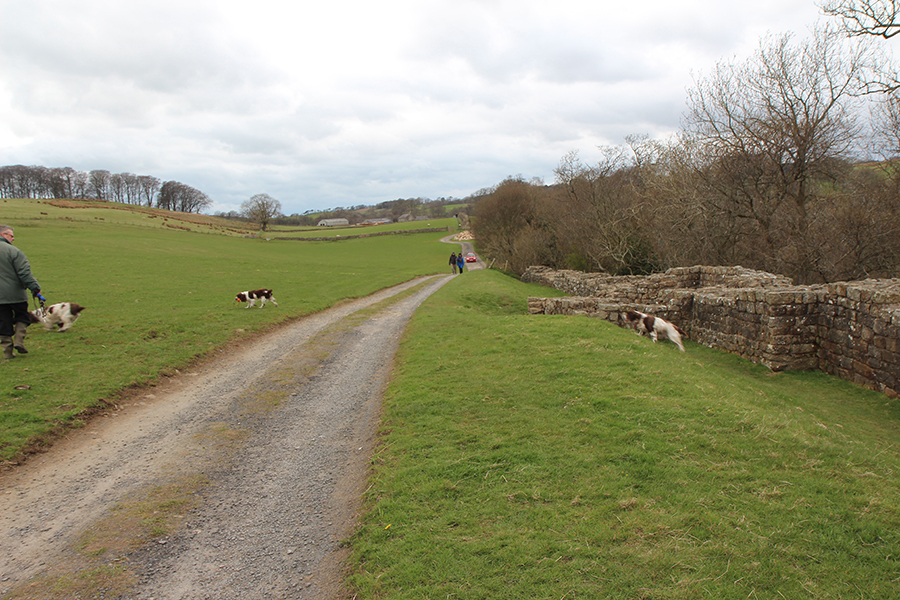
As fotos deste post foram tiradas no caminho entre Greenhead e o Forte de Birdoswald. / The photos in this entry were taken on the way from Greenhead to Birdoswald Roman Fort.

As fotos deste post foram tiradas no caminho entre Greenhead e o Forte de Birdoswald. / The photos in this entry were taken on the way from Greenhead to Birdoswald Roman Fort.

Meu exemplar do “King Arthur” está tão surrado que nem parece novo. Levo comigo e vou lendo na fila do banco, no ônibus, em salas de espera. Mas creio que a informação que mais me interessa estará na última página – a localização da ilha de Avalon. Até pensei em ler de trás pra frente. A autora se baseia inicialmente em Geoffrey de Monmouth, primeiro autor a escrever sobre Arthur, vai comparando com relatos posteriores e assim chega `as conclusões que, uma vez lidas, parecem incrivelmente óbvias – como ninguém nunca tinha pensado nisso?

Paisagem bucólica / Bucolic landscape

Paisagem bucólica / Bucolic landscape

My copy of “King Arthur” is so threadbare. I carry it in my handbag so I can read in waiting rooms, in lines, on the bus… everywhere. But I’m sure that the most precious information will be in the last page – the real location of Avalon. I even considered reading it back to front. The author’s main source is Geoffrey of Monmouth, the first to mention Arthur. She compares his texts with later accounts and arrives to conclusions that, once read, seem so incredibly evident that it’s a wonder how no one had ever thought about that.

Hello lovely!

Hello lovely!

Os erros de localização geográfica, como por exemplo situar a Ilha de Avalon em Glastonbury – milhas distante do litoral mais próximo- ou o nascimento de Arthur em Tintagel, onde nem havia um castelo na época em que o Rei surgiu no mundo – se devem, segundo ela, a erros de tradução em função da fonética. Palavras parecidas em idiomas diferentes. Não havia dicionários naquela época, inclusive muitas línguas não eram escritas, apenas faladas.

greenheadToBirdoswaldDitch

O fosso que acompanhava a Muralha ainda é bem visível. / The ditch is still visible along the Wall


sheepInTheDitch

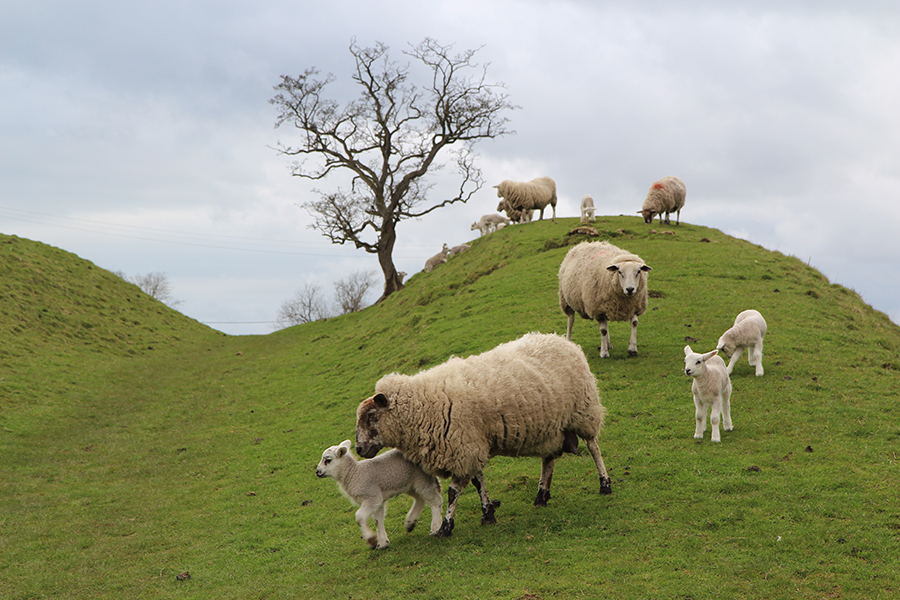
sheep&lamb

She states that Geographic misplacements ( as placing the Isle of Avalon in Glastonbury, miles away from any coast ; or Arthur’s birthplace in Tintagel, where there was no castle by the time Arthur was born) were due to mistakes in translation, mostly phonetics, resembling words in different lidioms. There were no dictionaries then and some languages were oral, without written records.

Tarde movimentada na Muralha de Adriano/ Busy afternoon in Hadrian's Wall

Tarde movimentada na Muralha de Adriano/
Busy afternoon in Hadrian’s Wall


Turret 48A

Turret 48A

turret48view02

Por isso não se conseguiu descobrir onde era exatamente Monte Badon – local da Batalha na qual Arthur derrotou definitivamente os invasores Saxões – nem a Batalha de Camlan, onde o Rei foi mortalmente ferido. Os locais na Inglaterra associados a Arthur são muito distantes uns dos outros, de Glastonbury, de York e de Londres. Pude confirmar isso porque visitei esses lugares e mesmo de trem são viagens longas. O movimento de tropas montadas ou a pé (infantaria) entre tais cidades levaria meses! Mas as cidades definidas por Norma Goodrich são próximas o suficiente para garantir o deslocamento rápido de tropas para enfrentar ataques inimigos… na Escócia.

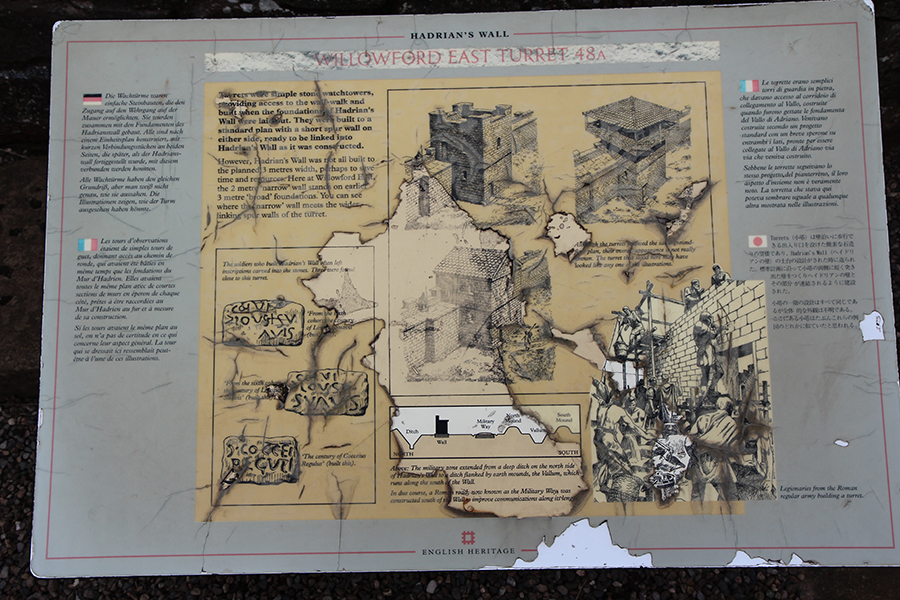
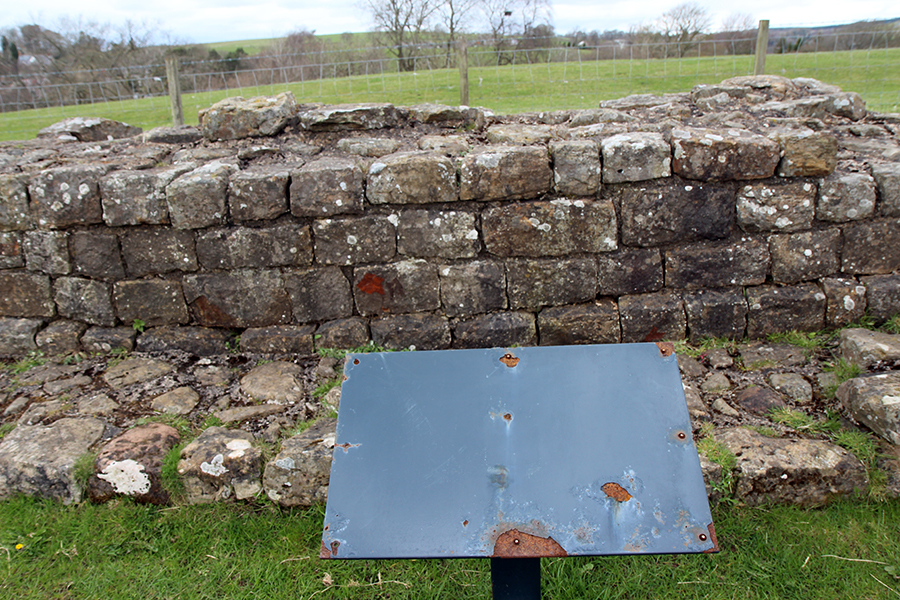
Neste trecho as placas estão bem estragadas/ Signs are rotten in this stretch

Neste trecho as placas estão bem estragadas/
Signs are pretty rotten in this stretch of Wall


DamagedTurretSign

That explains why it’s still unknown the location of battles such as Mount Badon, when Arthur defeated the Saxons once for all, or Camlan, when the King was deadly wounded. The sites in England usually related to Arthur are very far from each other, a long way to Glastonbury, to York, to London. That’s easy to corroborate: such trips are long even by train. Moving troops, cavalry and infantry between these sites would take months. But the cities stated by Norma Goodrich are close enough to assure a quick arrival of soldiers to face enemy raids… in Scotland.

Árvores e lenha / Trees and firewood

Árvores e lenha / Trees and firewood

Segundo ela, Carlisle, ao norte da Muralha de Adriano, seria a capital do reino de Arthur – situada no cruzamento de sete estradas romanas:
According to her, the chief city of Arthur’s kingdom was Carlisle, north of Hadrian’s Wall, that sits at the intersection of seven Roman roads:
1- Dunbarton / Glasgow a noroeste (northwest)
2- Edinburgh / Stirling ao norte (north)
3- Newcastle (via Muralha de Adriano – Hadrian’s Wall) a leste (east)
4- York a sudeste (southeast)
5- Cumbria e Lake District a oeste (west)
6- Penrith e Chester ao sul (south)
7- Galloway e portos de embarque para a Irlanda a oeste. (Galloway and embarkation ports to Ireland to the west).

Mas Carlisle não era Avalon.
But Carlisle wasn’t Avalon.


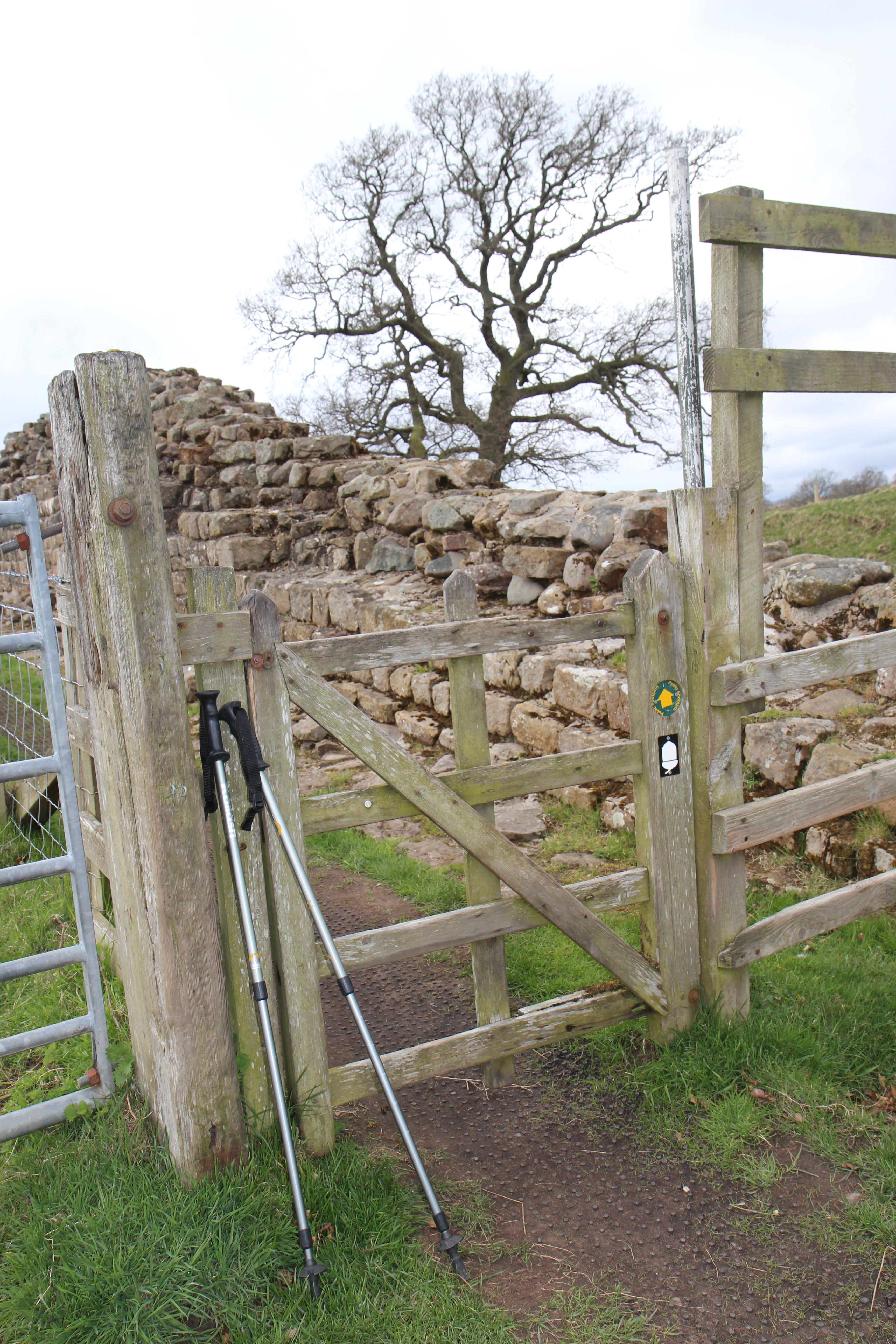
A Muralha de Adriano atravessa muitas propriedades privadas, todas tem portões como estes nas cercas. Perdi a conta de quantos atravessei. / Hadrian's Wall crosses a number of private properties, all fences provided with gates like these. I lost account of how many I've gone through.

A Muralha de Adriano atravessa muitas propriedades privadas, todas tem portões como estes nas cercas. Perdi a conta de quantos atravessei. / Hadrian’s Wall crosses a number of private properties, all fences provided with gates like these. I lost account of how many I’ve gone through.

Read Full Post »


Os estábulos de Arthur na Muralha de Adriano / Arthur's Stables in Hadrian's Wall

Os estábulos de Arthur na Muralha de Adriano / Arthur’s Stables in Hadrian’s Wall

Neste post transcrevo trechos de “King Arthur”, da autora Norma Lorre Goodrich, que realizou extensa pesquisa sobre a existência histórica do Rei e escreveu uma série de livros sobre o assunto. Resumindo, a autora situa Arthur na Escócia! Isso muda tudo. Num primeiro momento me desesperei, porque significa que grande parte do que fotografei na verdade não tem relação com o Rei, embora tenha sido uma viagem estupenda. Por outro lado, viva a minha intuição, ao decidir trilhar a Muralha de Adriano. Sem saber, estava muito mais perto do Arthur real.

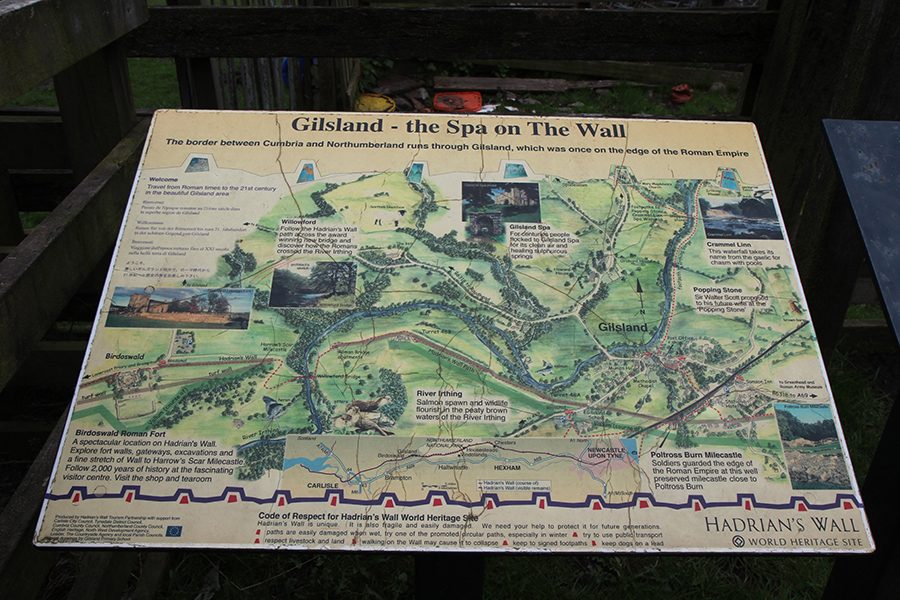
Mapa da região. Abaixo, à direita, está Poltross Burn, Milecastle 48, os Estábulos de Arthur / Map of the area. In the bottom right is located Poltross Burn, the Milecastle 48, or Athur's Stables.

Mapa da região, entre Greenhead eo forte romano de Birdoswald. Abaixo, à direita, está Poltross Burn, Milecastle 48, os Estábulos de Arthur / Map of the area between Greenhead and Birdoswald Roman Fort. In the bottom right is located Poltross Burn, the Milecastle 48, or Athur’s Stables.

In this entry I quote “King Arthur” by Norma Lorre Goodrich, who researched deeply and wrote a series of books on the historical subject. To cut it short, the author places Arthur in Scotland! That changes everything. At first, I fell into despair because it means that most of what I have photographed has actually no relation with tha King, albeit it’s been a terrific trip. On the other hand, I thanked my intuition, that led me to walk Hadrian’s Wall footpath. I was much closer to the real Arthur, although I didn’t know it.

O caminho cruza a estrada de ferro / The path crosses a railway

O caminho cruza a estrada de ferro / The path crosses a railway

Transcrevendo: “Minha intenção básica era oferecer as primeiras provas históricas da existência do Rei Arthur. Quem era o Rei Arthur, ou Arturus? Porque este rei britânico nunca foi encontrado? Onde era seu reino?
Os estudiosos da Idade Média se confrontaram com as mesmas questões que nós atualmente. Tendo poucos recursos e praticamente nenhum acesso ao trabalho de outros estudiosos, eles falharam em encontrar respostas convincentes. Tendo em vista a escassez de bibliotecas – frequentemente sua inexistência, assim como a de disciplinas tais como história, arqueologia, antropologia e linguística – e a insuficiência de meios de transporte, podemos perguntar como essas pessoas poderiam desenrolar um fio que os conduzisse de volta aos dias do Rei Arthur. Tais dias desapareceram junto com a Idade das Trevas. E ainda, sem o auxílio de dicionários, estes escritores e estudiosos copiaram à mão, decifraram, ponderaram e traduziram o melhor que puderam um grande número de manuscritos que tratavam do Rei Arthur, seu reino e sua corte. Muitos deles simplesmente acabaram desistindo do assunto, e ao fazê-lo permitiram que o Rei Arthur e seu mundo deslizassem mais e mais para o reino da mitologia.”

Poltross Burn

Near Poltross Burn

Quoting: “ Primary among my intentions was to offer the first historical proof of the existence of King Arthur. Who was K.A., or Arturus? Why has this king of Britain not been found? Where was his kingdom?
The scholars of the Middle Ages were confronted by the same questions as we are today. Having few resources and virtually no access to colleagues and their work, they failed to reply convincingly to them. Given their scanty libraries (more often, none at all), the lack of such disciplines as history, anthropology, archaeology, and linguistics, and the paucity of means of travel, one might well ask how they could possibly unwind any thread that led all the way back to King Arthur’s day. That day had been swallowed up along with the Dark Ages. And yet, without benefit of a dictionary, these writers and scholars hand copied, deciphered, pondered and translated as best as they could an inordinately large number of manuscripts dealing with K. A., his kingdom and his court. Many of them simply gave up and in so doing let King Arthur and his world slip deeper and deeper into the realm of mythology.”

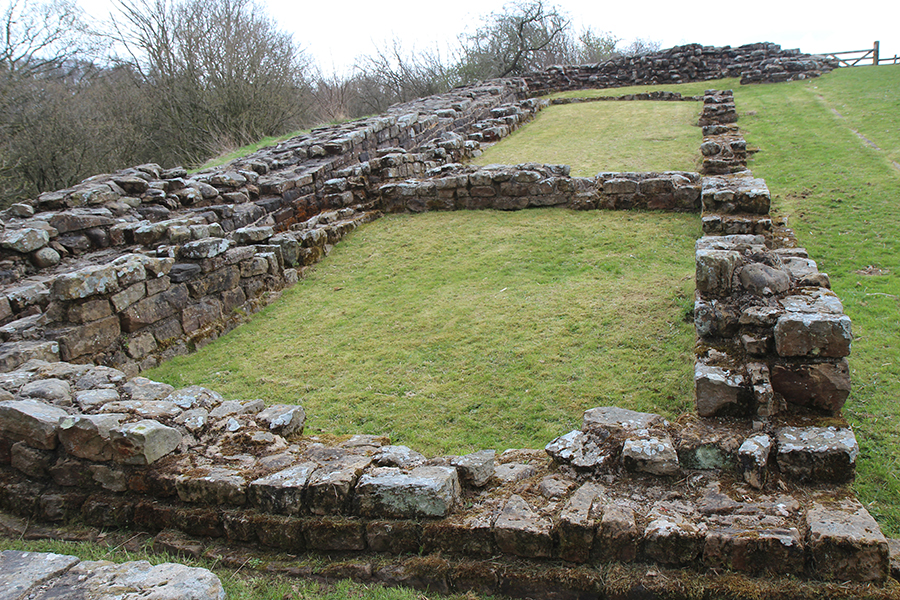
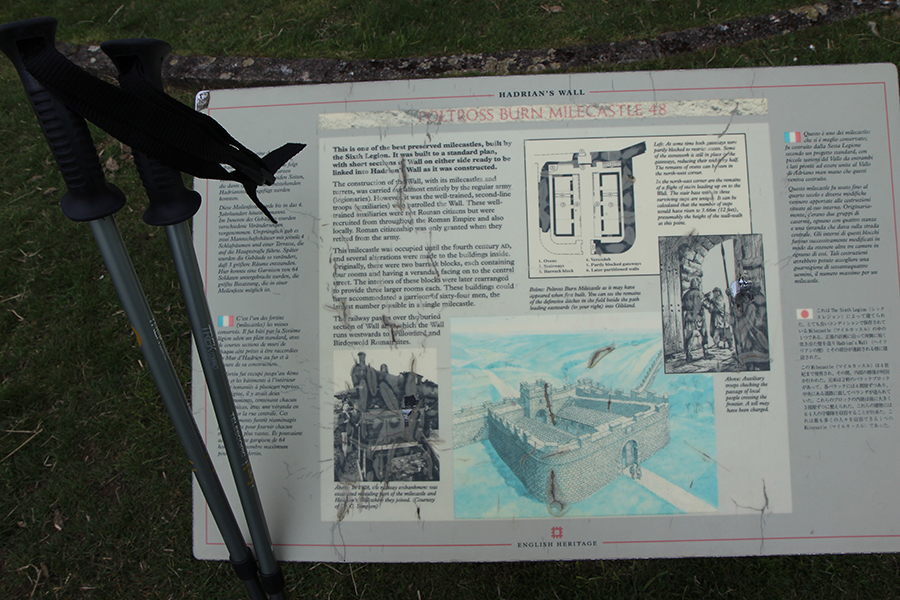
Os estábulos de Arthur, onde seus cavalos eram criados /  Arthur's Stables, where his horses were bred

Os estábulos de Arthur, onde seus cavalos eram criados /
Arthur’s Stables, where his horses were bred

“Pouco se ouviu sobre Arthur depois de 542, portanto esta deve ser a data de sua morte. É significativo, entretanto, que crianças de origem nobre e real começaram a receber o nome de Arthur após o ano 542. Um nome curioso, que não existia até antes do Rei, cuja versão em Latim, “Arturus”, nunca foi encontrado em nenhum outro lugar. Portanto, o nome provavelmente deriva do rei perdido da Idade das Trevas, ou da Grã-Bretanha pré-histórica. Arthur não era um personagem da Idade Média, ou Era da Cavalaria, quando o cavalheirismo estava no auge. Seus 150 ou mais guerreiros não eram cavaleiros galantes. Ele não nasceu no Castelo de Tintagel, que só veio a ser construído na época dos castelos de pedra, nos séculos 12 e 13. Quando formos procurar seu local de nascimento, não vamos buscar ruínas de um castelo medieval, mas sim uma quase imperceptível trincheira de terra batida – a construção característica da Idade das Trevas.”

Embora Arthur tenha defendido sua terra de muitos ataques por mar, seus cavaleiros ficaram famosos/  Arthur's mounted warriors  became the famous ones, although the king defended his land from many sea raids

Embora Arthur tenha defendido sua terra de muitos ataques por mar, seus cavaleiros ficaram famosos/
Arthur’s mounted warriors became the famous ones, although the king defended his land mostly from  sea raiders

“Little was heard of Arthur after 542, so presumably this is the date of his death. Significantly, however, youths of noble and royal birth began to bear the name Arthur after the year 542. A strange name, it has not been found prior to K.A., and its Latin version, Arturus, has never been found anywhere else. Thus, the name probably is derived from the lost king of the Dark Ages, or of prehistoric Britain.
Arthur was not a figure of the Middle Ages or of the Age of Chivalry, when knighthood was in flower. His 150 or so warriors were not gallant knights gaily bedight. He was not born at Tintagel Castle, which was not built until the age of stone castles, in the 12th and 13th centuries. When it comes time to seek his probable birthplace, the search will be not for the ruins of a medieval castle but for a barely discernible castle mound of piled earth – a construction characteristic of the Dark Ages.”

Detalhe da construção / Building detail

Detalhe da construção / Building detail

“Historiadores relatam que Arthur defendeu com sucesso a Grã-Bretanha de invasões por mar ; afirmam que ele interrompeu as invasões dos Saxões por um período considerável e que venceu todas as batalhas que lutou com exceção da última, quando foi mortalmente ferido. Poucos são os que ainda insistem que ele teria lutado na Cornualha, ou que lá teria nascido, por uma simples razão: os Saxões NÃO estavam invadindo a Cornualha durante o tempo em que Arthur viveu. Historiadores Anglo-Saxões dizem que as batalhas de Arthur não poderiam ter sido vencidas na Inglaterra pois, de acordo com vários manuscritos, os Saxões efetivamente conquistaram a Inglaterra na época de Arthur. Temos que localizar Arthur não nos territórios onde ele não venceu, mas sim naqueles onde a invasão dos Saxões falhou. Quando Arthur nasceu, as tropas Romanas haviam finalmente se retirado por completo e deixado a ilha sem governantes. Grande parte da Grã-Bretanha ainda falava apenas idiomas Celtas. A maioria destas populações propriamente Celtas ainda habita a área chamada Strathclyde, região fronteiriça entre as Muralhas de Adriano e de Antonino, a única vasta área que não foi conquistada pelos Anglo-Saxões.”

Outra vista dos estábulos/ Another view of the stables

Outra vista dos estábulos/
Another view of the stables

“Historians still tell us that K.A. successfully defended all Britain from invasion by the sea. They had it on excellent authority that he halted the Saxon invaders for a considerable period of time and won all his engagements except the last one, in which he was fatally wounded. Very few scholars still insist that he fought in Cornwall or that he was born there, for the simple reason that the Saxons were NOT invading Cornwall during Arthur’s lifetime. Historians of the Anglo-Saxons say that Arthur could not have won his battles in England, because they know from the several manuscripts of the Anglo-Saxon Chronicles that the Saxons conquered England in King Arthur’s lifetime. We will think of Arthur as not in those territories which he could not have conquered but in those which the Saxons failed to overrun. By the time of Arthur’s birth, when the Roman troops had finally withdrawn completely and left the island without governors, certain large areas of Britain still spoke only Celtic tongues. The largest of these properly Celtic populations still resides in the area called Strathclyde, a border area between the Hadrianic and Antonine Walls, the only large area unconquered by the Anglo-Saxons.”

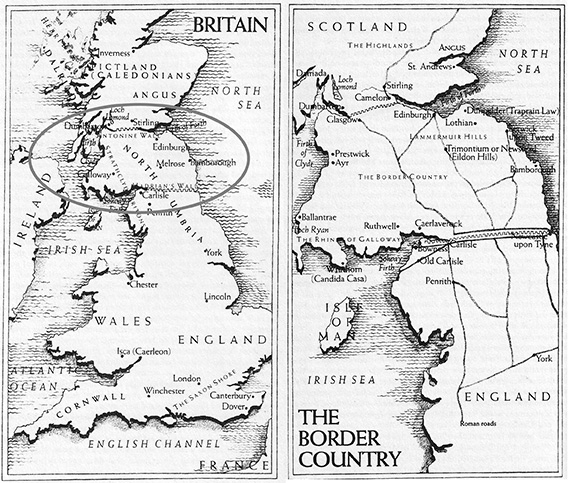
Mapa da Grã-Bretanha e da região onde Arthur reinou de fato, segundo Norma Goodrich / Map of Britain, enlarging the location of Arthur's true kingdom, according to Norma Goodrich

Mapa da Grã-Bretanha e da região onde Arthur reinou de fato, segundo Norma Goodrich / Map of Britain, enlarging the location of Arthur’s true kingdom, according to Norma Goodrich

Read Full Post »
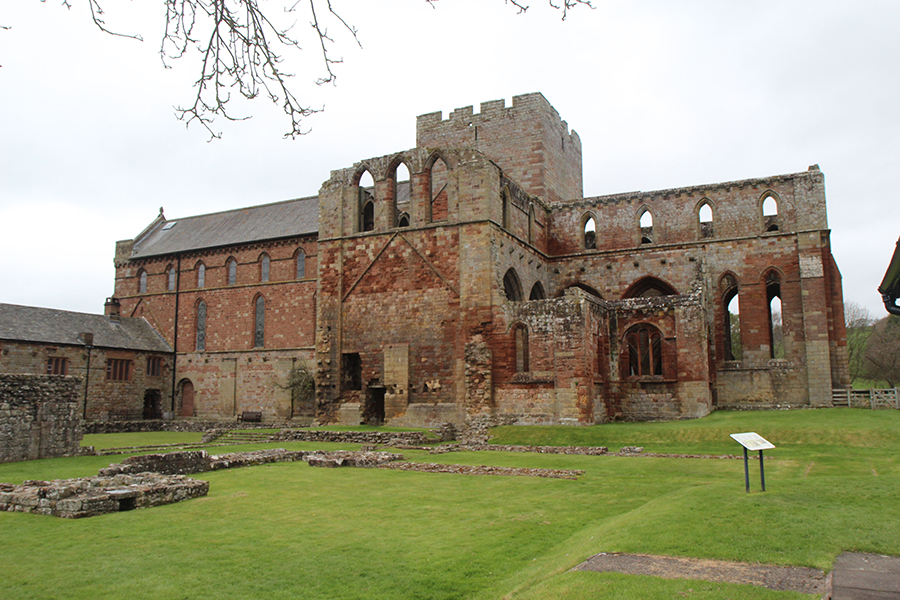

Prosseguindo... / Movin' on

Prosseguindo… / Movin’ on

Estamos de volta após as férias.
Consegui os livros da autora Norma Goodrich! Acabei de recebê-los. Aguardem! Nesse meio tempo li a trilogia de Paul Bannister “Arthur Britannicus”, “Arthur Imperator” e “Arthur Invictus”. Esse autor associa Arthur a um imperador de origem romano-britânica chamado Carausius, cuja existência recentemente ficou provada. Abaixo transcrevo alguns trechos. Mas aviso que ele pode estar enganado.

We’re back after summer holidays. I’ve got Norma Goodrich’s books! They’ve just arrived. I’ll keep you up to date. In between days, I’ve read the trilogy by Paul Bannister “Arthur Britannicus”, “Arthur Imperator” and “Arthur Invictus”. This author links Arthur to an Emperor called Carausius, of roman-british parentage, whose existence has only recently been proved. Here are a few quotes, but I must warn you, he may be wrong.

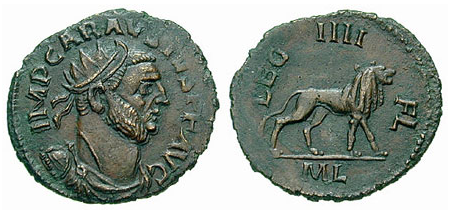
Moedas cunhadas por Carausius / Carausius coins

Moedas cunhadas por Carausius / Carausius coins

“O esquecido imperador britânico Carausius bem pode ser a verdadeira base da lenda do Rei Arthur, guerreiro mítico que se tornou símbolo de coragem e cavalheirismo. A importância de Carausius na história ficou esquecida por séculos, apesar do sucesso em afugentar os Romanos e aquietar os Pictos. Ele pode ter também derrotado invasores germânicos, pois suas fortificações na Costa Saxã provam que estava mais do que preparado para enfrentá-los. Seus triunfos, hoje conhecidos e aclamados, são ecos nítidos das histórias de Arthur. Carausius foi o primeiro governante britânico a unir o Império, e merece seu lugar na História por isso, mas de fato ficou mais conhecido pela excelente cunhagem de suas moedas. Estão expostas no Museu Britânico algumas das 800 moedas com sua efígie, parte de um tesouro de 52.500 peças romano-britânicas de ouro e prata encontradas em Somerset, no campo, em 2010. Existem conexões entre Carausius e muitos dos sítios tradicionalmente Arthurianos, e suas vitórias são um espelho das lendas de Arthur. A efígie de Carausius, como aparece em suas moedas de excelente cunhagem, nos mostram um homem parecido com um urso, de pescoço grosso, e a tradução britânica para Rei Urso é Arto-rig. Experts em linguística afirmam haver relação entre “Caros” e “Artorius”.

Carausius' coins

“Imperator Carausius was the first British ruler to unite the kingdom, and deserves his place in history for that, but he actually is best known for his fine coinage. On exhibit in the British Museum are some of the 800 Carausian coins that were among a hoard of 52.500 Romano-British pieces of silver and gold discovered in a Somerset field in the summer of 2010. There are connections between Carausius and many of the traditional Arthurian sites, and Carausius’ triumphs are closely echoed in legends of Arthur. Carausius’ image on his fine coinage shows him as a bearded, thick-necked, bear-like man and the British for “bear-king” is “Arto-rig”. Language experts say there are links between “Caros” and “Artorius”. Britain’s forgotten emperor Carausius and his triumphs may well be the true foundation of the legend of King Arthur, the mythic warrior who became a symbol of courage and chivalry. However, Carausius’ significance in history was forgotten for centuries despite his achievements in driving off the Romans and quieting the Picts. He may also have defeated Germanic invaders, as his Saxon Shore fortifications prove that he was more than prepared to meet them. Today, his known and acclaimed triumphs are closely echoed in the stories of King Arthur.”

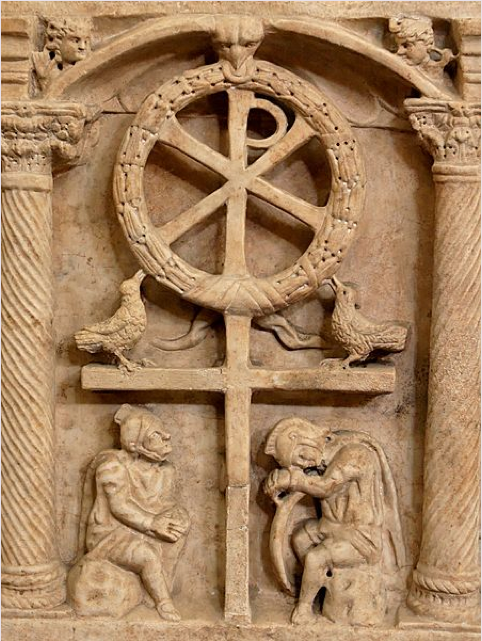
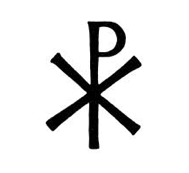
A Chi- Ro pode ser considerada a primeira representação da cruz cristã /The Chi-Rho emblem can be viewed as the first Christian Cross.

A Chi- Ro pode ser considerada a primeira representação da cruz cristã /
The Chi-Rho emblem can be viewed as the first Christian Cross.

As moedas, uma lápide em Penmachno e uma única pedra, um marco de milha descoberto próximo a Carlisle, são os únicos memoriais conhecidos desse Imperador perdido na História, pois os Romanos trataram de apagar seus vestígios quando recapturaram a Britannia. A lápide com a inscrição “Aqui jaz Carausius, sob este marco de pedras” foi encontrada no País de Gales. O morto era tão importante que a lápide e os ossos foram removidos para a Igreja de St Tudclud, em Penmachno, um importante sítio cristão ancestral, onde jaz Iorweth ab Owain Gwynedd, pai do maior Rei do País de Gales. Portanto, trata-se de um jazigo real. O fato de Carausius ser tão famoso a ponto de não necessitar uma identificação do tipo militar pode ser altamente significativo. Seu túmulo mostra que ele era cristão. A cruz Chi- Ro em sua lápide é especialmente rara.

Such coins, the Penmachno headstone and a single milestone uncovered near Carlisle are the only known memorials of Britain’s lost emperor, because the Romans expurgated his memorials after they recaptured Britain. A headstone inscribed “Carausius lies here in this cairn of stones” was found in Wales and the man memorialized in the cairn was so important that the gravestone and maybe the bones were moved to the nearby church of St Tudclud, in Penmachno, which is an important early Christian site and reputed burial place of Iorweth ab Owain Gwynedd, father of Wales’ greatest king. This, then is a royal graveyard. The fact that Carausius was so famous that he needed no soldier style identification could therefore be highly significant. His headstone shows he was a Christian. Carausius’ grave marker in Wales with its looped Chi – Ro cross is specially rare.

Chi- rho, como símbolo pré-cristão, significava boa sorte. "Chi" e "Rho" são as primeiras letras do nome Christo. /  As a pre-Christian symbol, the Chi-rho signified good fortune. The two letters come from the name of Christ- the Chi, or ‘ch,’ and Rho, or ‘r.’

Chi- rho, como símbolo pré-cristão, significava boa sorte. “Chi” e “Rho” são as primeiras letras do nome Christo. /
As a pre-Christian symbol, the Chi-rho signified good fortune. The two letters come from the name of Christ- the Chi, or ‘ch,’ and Rho, or ‘r.’

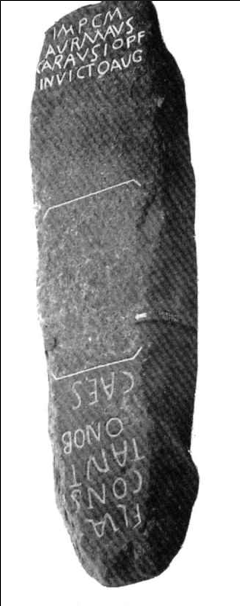
O outro único monumento conhecido ao Imperador perdido encontra-se no Museu Tullie House em Carlisle, num marco de milha que foi reutilizado invertido. A parte que estava enterrada escondia a inscrição: “Imperator Caesar Marcus Aurelius Mauseus Carausius, zeloso, afortunado, o augusto invicto”. E devia acrescentar: o esquecido.
The only other known memorial to the Lost Emperor is in the Tullie House Museum in Carlisle, on a milestone that was inverted and reused. The buried portion concealed a title reading: “Imperator Caesar Marcus Aurelius Mauseus Carausius, Dutiful, Fortunate, the Unconquered Augustus” . It should add: the Forgotten.

Carausius' milestone

Read Full Post »


The Greenhead Hotel , Greenhead, Brampton - CA8 7HB Tel: 01697 747411

The Greenhead Hotel , Greenhead, Brampton – CA8 7HB Tel: 01697 747411

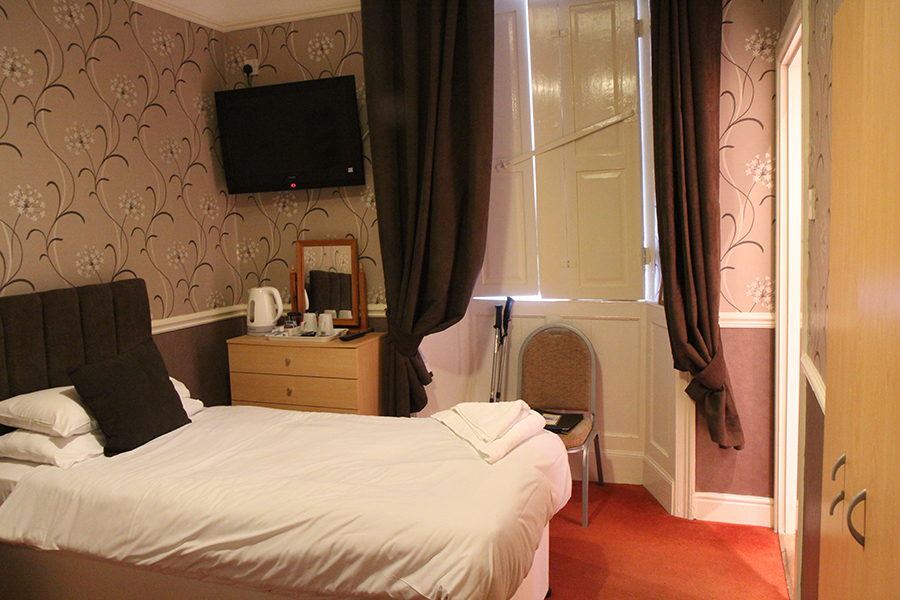
O quarto que eu tinha reservado por duas noites, por engano da recepcionista, não estaria livre na noite seguinte. Eles me ofereceram então um apartamento do outro lado da rua, no hostel do mesmo proprietário. Tinha três quartos e uma sala, tudo enorme, mas como não havia outra solução concordei, desde que pagasse o mesmo valor, que já era bem alto. A princípio a recepcionista relutou, mas chamei o gerente, expliquei a situação e tudo se resolveu. Afinal, o erro tinha sido deles e não havia outro alojamento num raio de quilômetros.

My room / Meu quarto

My room, 40 pounds with breakfast / Meu quarto, 40 libras com café da manhã

The room I had booked for two nights actually was not free the morrow. The receptionist had made a mistake. So she offered me an apartment in their hostel across the street. It had three bedrooms and a huge living room, too much for me, but I had no other choice, for there was no other inn nearby. Anyway, I made it clear I wouldn’t pay a higher fare. It was already too expensive! At first she didn’t seem very happy but I called the manager, explained the situation and he agreed, because the mistake had been theirs.

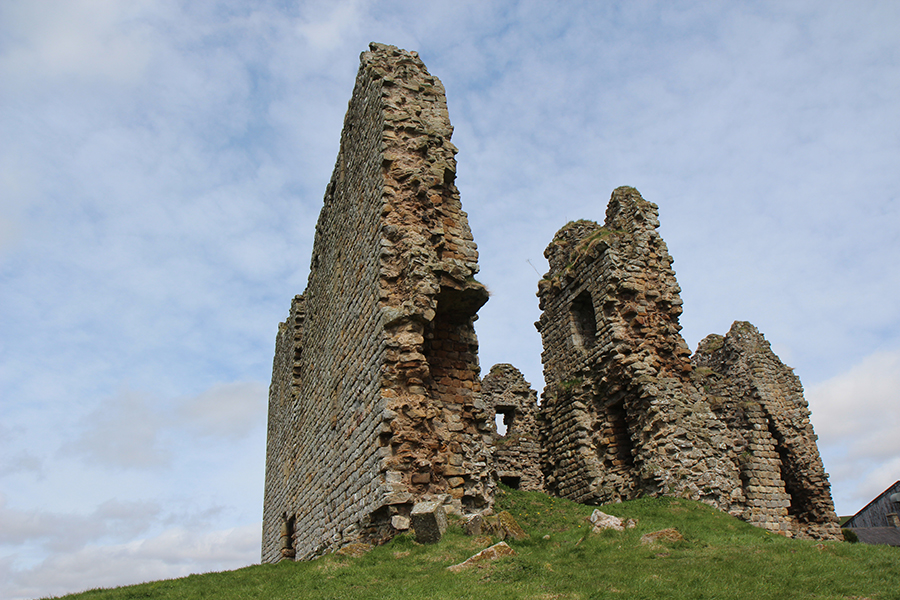
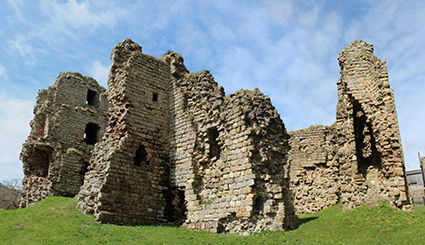
Thirlwall Castle, a 5 minutos de caminhada / five minute walk

Thirlwall Castle, a 5 minutos de caminhada do B&B / five minute walk from the B&B

Depois de um bom banho desci para jantar. A mesa ao lado estava ocupada por dois homens de meia idade e o mais falante acabou puxando assunto comigo. Eram John e Martin, amigos desde o tempo de escola, que volta e meia fugiam de suas casas e famílias para fazer uma caminhada no fim de semana. Martin olhava fixamente meu cabelo, como se nunca tivesse visto alguém de cabelo preto e comprido, e por fim declarou que estava encantado em conhecer uma … descendente de índios! Tive um ataque de riso. Respondi que embora sendo brasileira, não havia nenhum índio na minha família. A cara de decepção do sujeito foi hilária.

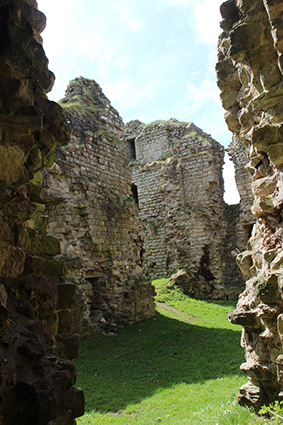
Ruínas do castelo / Castle ruins

Ruínas do castelo / Castle ruins

After a restoring shower I went down for dinner. The table next to mine was occupied by two middle aged men, and after a while one of them stroke up a conversation. Their names were John and Martin, old classmates, who from time to time escaped their homes and families for a walking weekend. Martin’s eyes were set in my hair, as if he’d never seen someone with long black hair. At last he declared he was delighted to make acquaintance with a … descendant of Indians! I burst into laughter. He was so disappointed as I told him there were no traces of Indians in my family, in spite of being Brazilian.

dentro do Castelo / Inside the Castle

Dentro do Castelo / Inside the Castle

A construção data do inicio do século 14 / It was built in the early 14th century

A construção data do inicio do século 14 /
It was built in the early 14th century

Mas a conversa acabou sendo proveitosa, pois quando expliquei meu interesse pelos sítios Arthurianos, John afirmou categoricamente que eu estava certa, e que já ficara provado que o Rei Arthur de fato existiu. Recomendou-me os livros de uma autora, Norma Goodrich, pesquisadora de história e arqueologia, onde eu encontraria todas as informações que buscava.

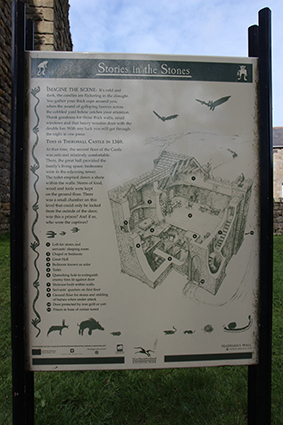
Thirlwall Castle as it once has been  / Como era o Castelo

Thirlwall Castle as it once has been / Como era o Castelo

But the chat was very profitable. When I explained my interest in Arthurian sites, John asserted positively that I was right, for Arthur’s existence had definitely been proved. He recommended the books by Norma Goodrich, an author who had made researches in history and archaeology, assuring me I would find there all the information I was looking for.

Delicious fish and chips!

Delicious fish and chips!

Essa descoberta, somada a um típico Fish and Chips inglês e uma garrafa de vinho que os dois gentilmente compartilharam, me proporcionou a melhor noite de sono da viagem. Até esqueci que tinha perdido o passaporte.

This discovery, added to a typical British fish and chips and the wine the guys kindly shared with me, provided my best night of sleep in the trip. Even my lost passport was forgotten.

Informações sobre o Castelo / Tourist info

Informações sobre o Castelo / Tourist info

Thirlwall Castle Panorama

Thirlwall Castle Panorama

Read Full Post »
Older Posts »