
O museu do castelo de Cardiff dá saída para um jardim – na verdade, só se entra no museu se quiser, pode-se atravessar direto um enorme gramado onde, ao fundo, erguem-se as ruínas (muito bem restauradas) do Cardiff Castle. Pode-se subir três lances de escada até a torre principal, que ostenta no cume a bandeira do dragão vermelho, símbolo de Wales. O Pendragon!
From the Castle Museum you enter a yard – actuallu you can go straight into the yard where, in the background, stand the (very well preserved) ruins of Cardiff Castle. Going up three sets of stairs you reach the Tower, where the red dragon, the Pendragon flag, unfolds.
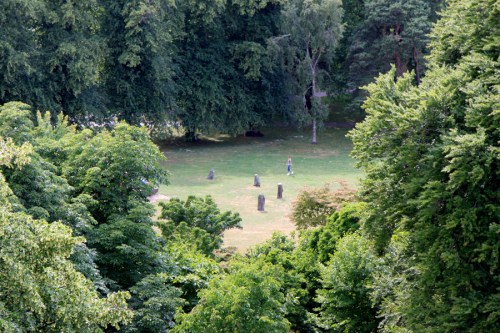
Lá de cima, avista-se um círculo de pedras no parque vizinho ao castelo. / From the Tower you can see a stone circle down in the neighbouring park.
Este parque antes fazia parte do castelo, mas foi graciosamente doado à municipalidade pelo proprietário, o 5º Marquês de Bute, em 1947. O nobre é citado ad nauseum em quase todos os tópicos do audioguide do museu. O parque tornou-se público; é enorme, lindo e limpo.

O Parque Bute compreende 53 hectares de jardins paisagísticos e áreas de lazer / The Park comprises 130 acres (53 ha) of landscaped gardens and recreation grounds
This park was once part of the Castle until the owner, the 5th Marquess of Bute, donated it to the Council in 1947. The nobleman is mentioned in each and every Museum’s audioguide topic. The park nowadays is public; it’s huge, beautiful and clean.
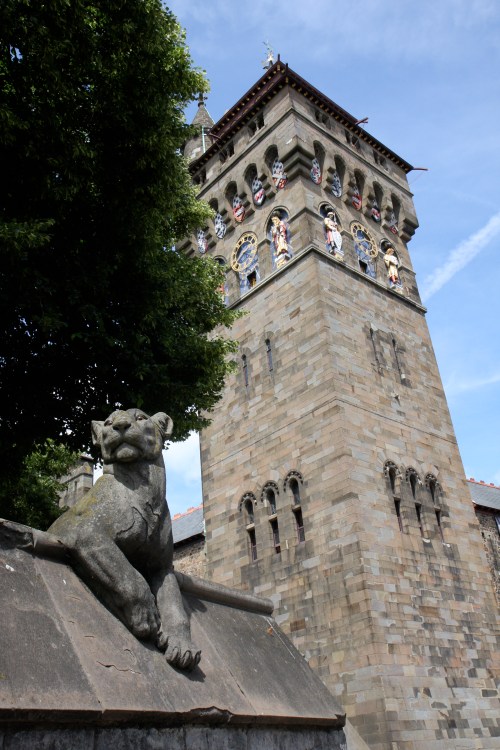
O Muro dos Animais, feito de pedra com diversos bichos esculpidos no topo/ Animal Wall, a stone wall topped by sculpted animal heads.
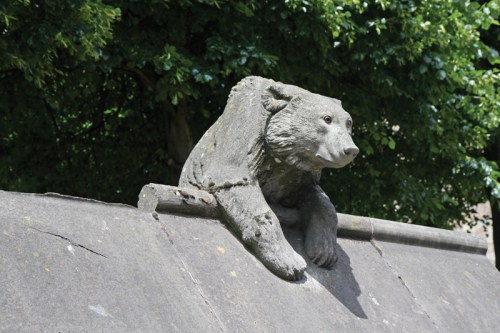
Os bichos parecem estar pulando o muro para fugir do parque / The animals seem to be on the run over the wall
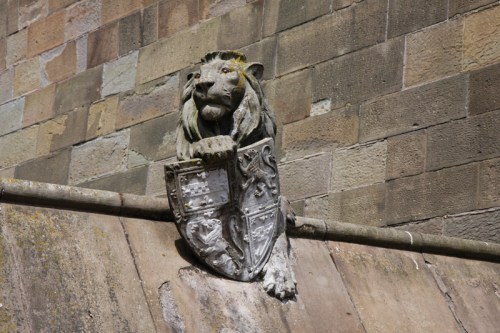
Trata-se de humor britânico: o parque fora projetado para ser um zoológico. / It’s British humor : the Park had been designed to be a Zoo
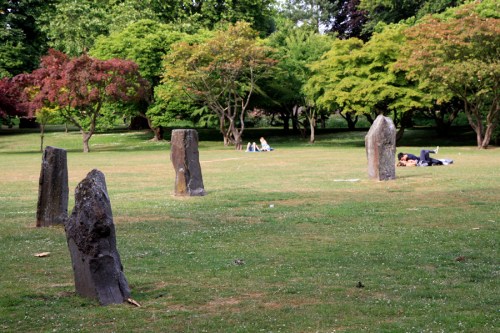
Círculo de pedras no Bute Park / Stone circle

Apenas a pedra central do círculo é realmente antiga. / Only the stone in the middle is really ancient.
As demais pedras foram postas em 1880 para celebrar o primeiro Eisteddfod oficial do país, um festival anual nos moldes daqueles onde os antigos bardos apresentavam música e canções do folclore. Reviver essa tradição foi ideia do druida Iolo Morgwang, um estudioso que pretendia valorizar a herança da cultura celta. No País de Gales, seu projeto parece ter sido bem sucedido.
The rest of the stones were put there in 1980 to celebrate the first official Eisteddfod in the country, an yearly festival like the ancient ones, where Bards presented music and folk songs. Revive this tradition was Druid Iolo Morgwang’s idea, to reinforce the celtic heritage. In Wales, apparently, his project has thrived.

Entrada pela Rua Norte, no muro esquerdo do castelo /Entrance in North Road by Cardiff Castle left Wall
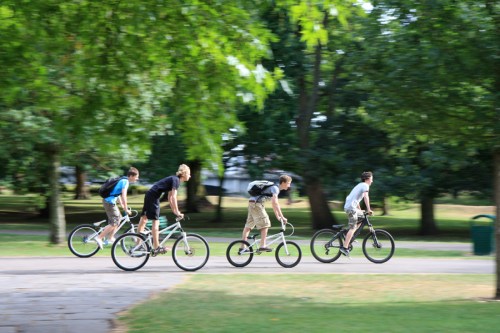
Tarde de primavera / Springtime afternoon
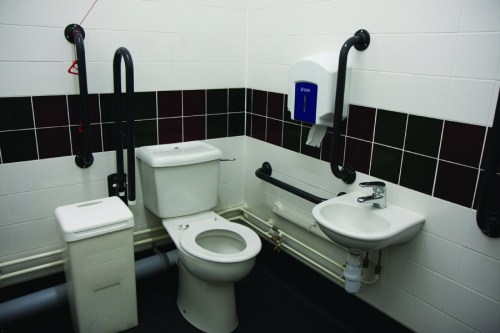
Banheiro público no Parque Bute / Public restrooms…

…com trocador de bebê e estrutura para portadores de deficiência./ …diaper changer and facilities for the disabled
Em Cardiff tudo funciona. O Museu Nacional é gratuito; além da Galeria de Arte, apresenta enorme variedade de material geológico. Vi uma animação da configuração dos continentes sobre a crosta terrestre desde os primórdios. Assiste-se à separação de enormes blocos, a submersão de áreas e o levantamento de montanhas e vulcões. Aprendi que o País de Gales já esteve no Equador antes de ir parar quase no Mar do Norte.
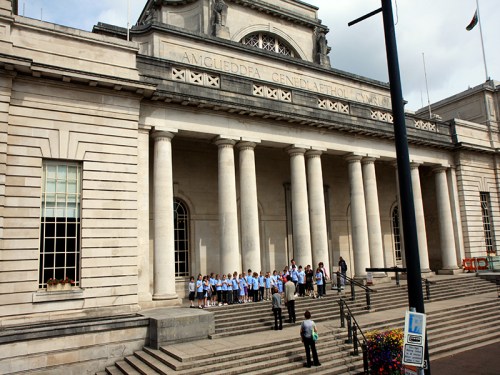
Estudantes visitando o Museu / Students visiting Cardiff National Museum
Everything works in Cardiff. The National Museum is free; besides the Art Gallery, it offers a large range of Geological stuff. I ‘ve watched a short movie about the continents’ conformation on Earth’s crust since its origins. You see massive blocks being torn apart; large extents of land sinking and the rise of mountains and volcanos. I’ve learned that Wales was once located in Ecuador before settling down where it is now, almost in the North Sea.
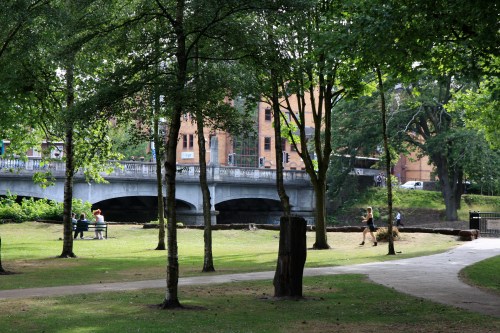
Cardiff Bridge – the southern end of the park / na Saída Sul do Parque
Voltando ao albergue, parei no pub da esquina. Um time de rugby da França chegou, mas de 20 jogadoress invadiram a varanda e depois de muito tumulto formaram um grupo para um deles bater uma foto. O rapaz estava todo atrapalhado com a câmera. Eu já sabia o nome dele – aliás, de quase todos; parecia que a diversão deles era ficar berrando um pro outro. Yves! Jules! Marcel! Resolvi interferir: Hey, Jules! Laisse-moi prendre la photo! Allez-y! Todo mundo riu, peguei a câmera e fotografei o grupo. Alguns vieram gentilmente me trazer um prato de queijo e uma pint.
On my way back to the hostel, I stopped at the pub. A French rugby team arrived. Around 20 players entered the porch in uproar, and grouped together for a photo. The guy supposed to take it was clearly gawky. By that time I already knew their names. Apparently their greatest fun was to call out loud one another: Yves! Jules! Marcel! So I felt pity for the clumsy photographer and took the camera from his hands: “Hey, Jules! Laisse-moi prendre la photo! Allez-y! ” Everybody laughed. I took the picture, and some of them were so nice as to bring me a cheese plate and a pint.

Paisagismo britânico / British landscaping
Depois de quinze minutos de papo, um músico dentro do pub começou a tocar e as pessoas foram entrando. Fiquei ouvindo um bom tempo; quando cansei fui embora tomar banho e dormir. O dia seguinte seria muito importante: planejara ir a Caerleon, onde, segundo As brumas de Avalon, localizava-se a corte de Arthur, antes da construção de Camelot no chamado “País do Verão”.
After chatting for a while, we’ve heard a guitar player starting his gig in the pub. Everybody went inside. After some time I’ve got tired and left, longing for a shower and a bed. Next day would be very important: I planned to go to Caerleon where, according to The Mists of Avalon, was Arthur’s Court , well before the building of Camelot in the so-called Summer Country.

 Avalon
Deixe um comentário