Feeds:
Posts
Comentários

Archive for abril \28\America/Sao_Paulo 2014


birdoswaldPanorama1

Muralha de adriano junto a Birdoswald (à esquerda, entre as árvores)./ Hadrian’s wall next to Birdoswald (among the trees, to the left)

Arthur foi vitorioso nas doze batalhas que travou contra invasores, porém pouco se sabe sobre a Última Batalha, na qual o Rei enfrentou seu próprio filho Mordred, a quem abateu mas foi mortalmente ferido. Isto aconteceu num lugar chamado Camlan. Para resumir, segundo Norma Goodrich, Camlan seria “Camboglanna Roman Fort”, hoje conhecido como Birdoswald, o último forte antes de Carlisle na Muralha de Adriano.
Exatamente o lugar para onde eu estava me encaminhando, e retrato nas fotos abaixo.
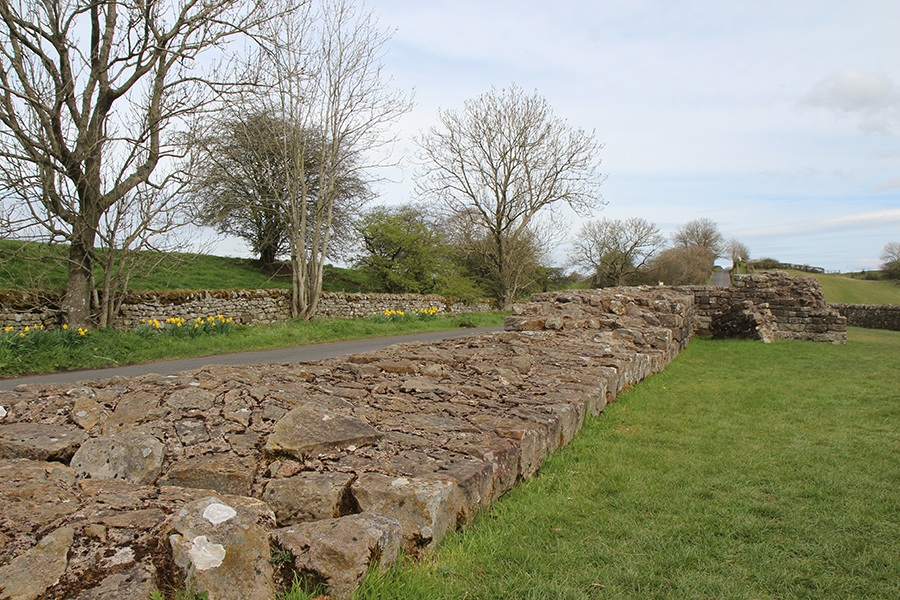
Quase lá / Almost there
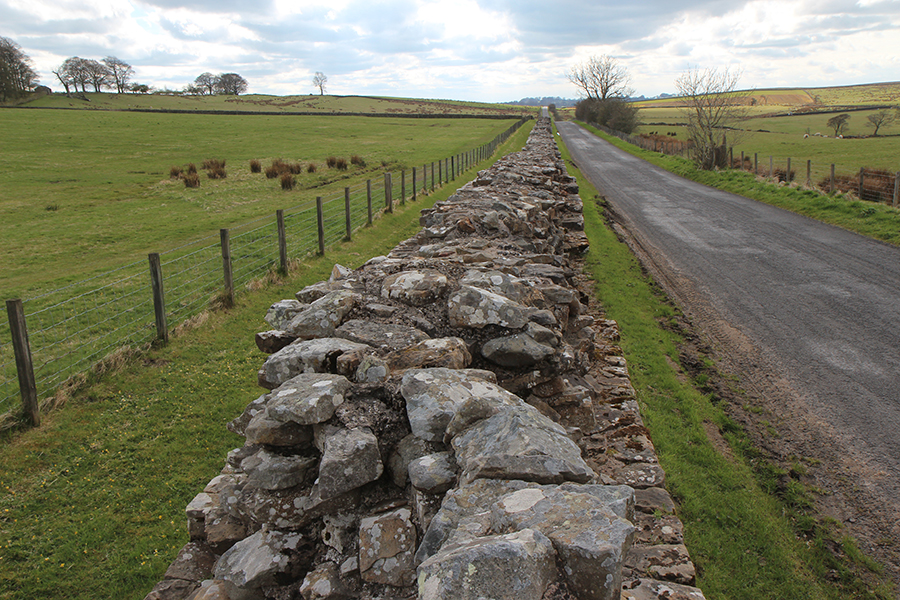
Quase lá / Almost there

birdoswald034

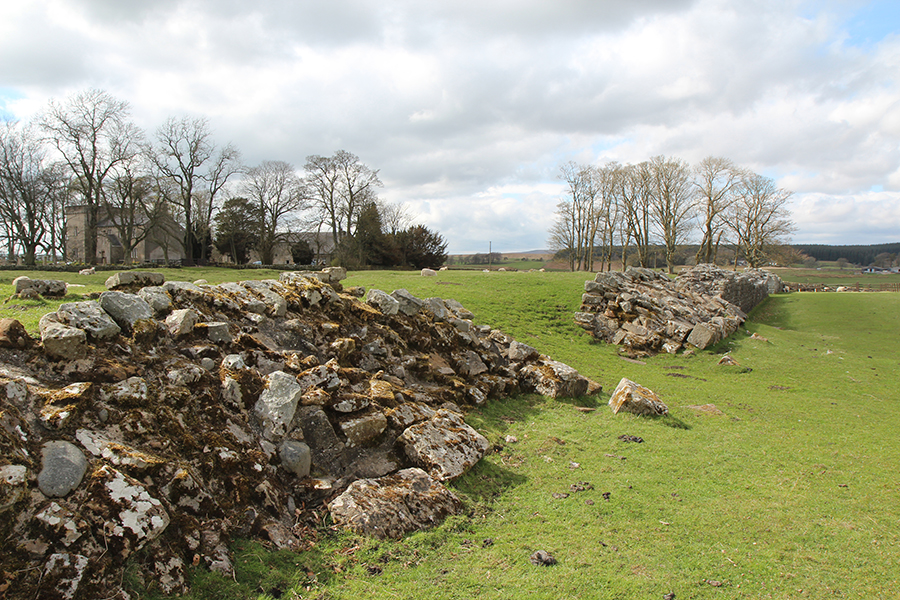
O mais longo trecho de muralha ininterrupta passa por Birdoswald / The longest steady stretch of continuous Wall pervades Birdoswald

birdoswald032

A passagem de uma nuvem muda toda a cor do lugar/ The landscape colors change as clouds go by

A passagem de uma nuvem muda toda a cor do lugar/ The landscape colors change as clouds go by

Arthur succeeded to defeat his enemies in twelve battles. But no one knew for certain where was or is his last battleground, somewhere called Camlan, where the King faced his own son Mordred, whom he did kill but got deadly wounded himself. To cut it short, according to Norma Goodrich, Camlan is translated “Camboglanna Roman Fort”, nowadays called Birdoswald, the last fort in Hadrian’s Wall before Carlisle.
That happened to be exactly the place I was heading to, shown in the photographs below.

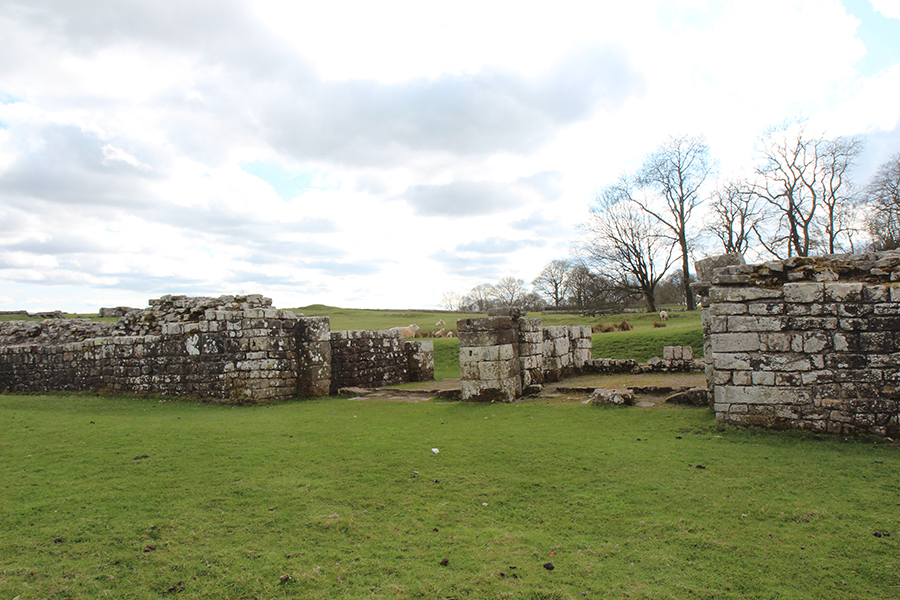
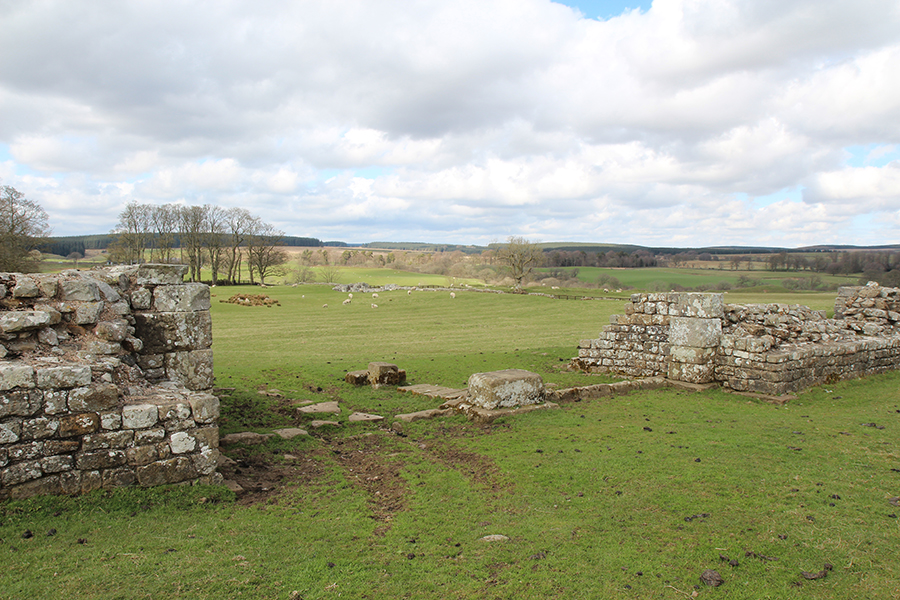
Birdoswald East Gate / Portão Leste
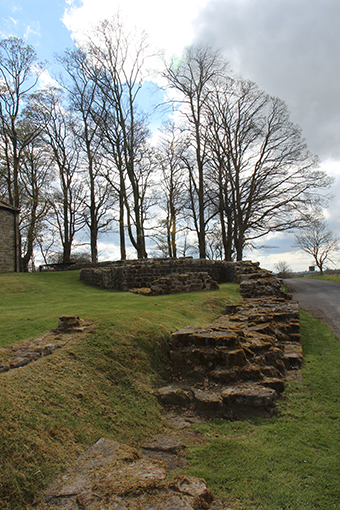
Birdoswald East Gate / Portão Leste

birdoswald031

Portão Norte / North Gate

Porém, no Cicerone Guide escrito por Mark Richards, Camboglanna aparece em outro lugar: em Castlesteads, numa propriedade privada sem acesso ao público, onde um mercador da Cia das Índias Ocidentais construiu sua mansão e jardins no século 18, sobre as ruínas do forte. A Wikipedia esclarece que durante muito tempo acreditou-se que Camboglanna fosse Birdoswald, mas era um erro. O nome romano de Birdoswald é Banna. Camboglanna parece significar “vale em curva” pois dali se vê uma curva no rio Irthing, e fica 11km a oeste de Birdoswald.

Birdoswald West Gate / Portão Oeste

Birdoswald West Gate / Portão Oeste

Birdoswald panorama from West Gate

Birdoswald panorama from West Gate

But in the Cicerone Guide by Mark Richards, Camboglanna appears somewhere else: in Castlesteads, inside private property with no access for the public. It’s nowadays a great house built by a wealthy merchant from the East India Company in the 18th century. The house and its walled gardens rest upon the Roman fort ruins, destroyed when the house was built. According to the Wikipedia, there was some confusion over the Roman name for the fort. At one time Camboglanna was the accepted name for Birdoswald, but this is now believed to be an error. The Roman name for Birdoswald is now thought to be Banna. The name “Camboglana” is believed to mean “Crook Bank”, or “Bent Valley” because it overlooks a bend in the river Irthing, almost 7 miles west of Birdoswald.

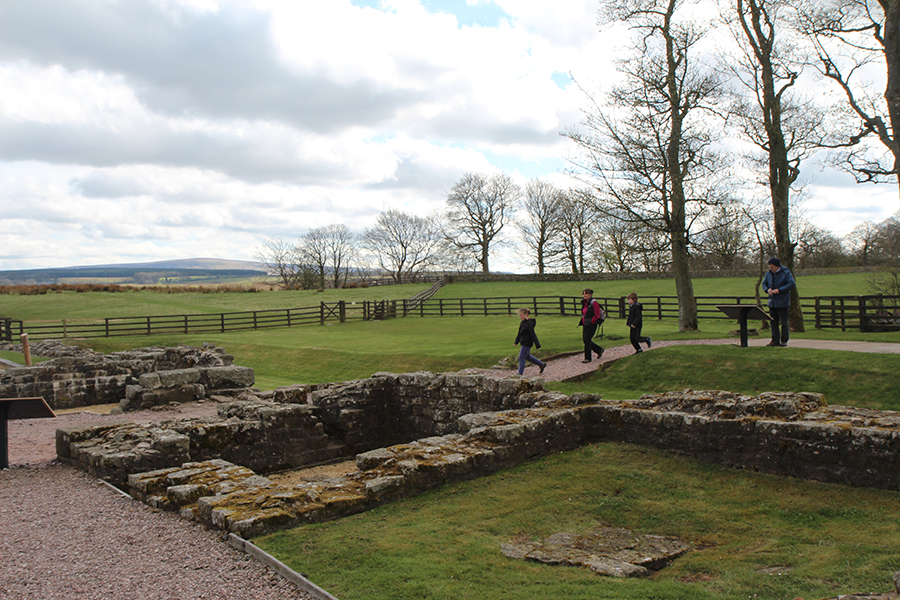
Eu não era a única visitante / I was not the only visitor

Eu não era a única visitante / I was not the only visitor

Roman ruins

Sala de treinamento e exercício / Drill and exercise halls
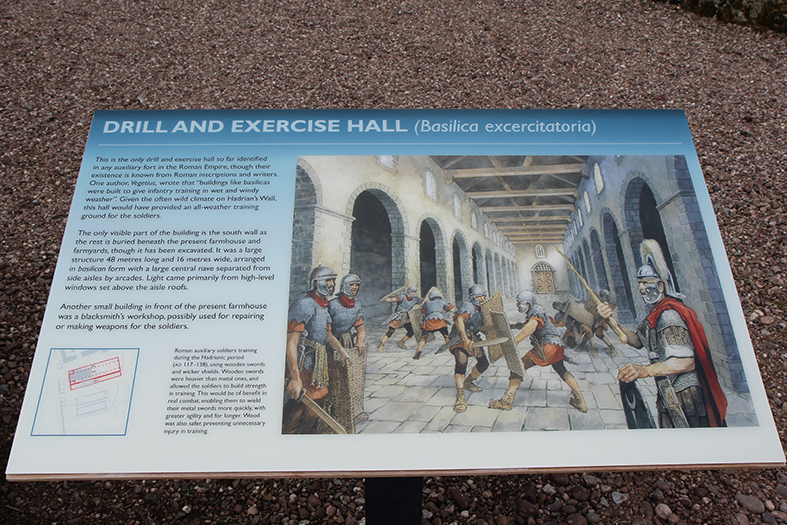
birdoswald008

Aqui entramos na região de Cumbria, depois de Northumberland.

Here we’re no longer in Northumberland, but in Cumbria.
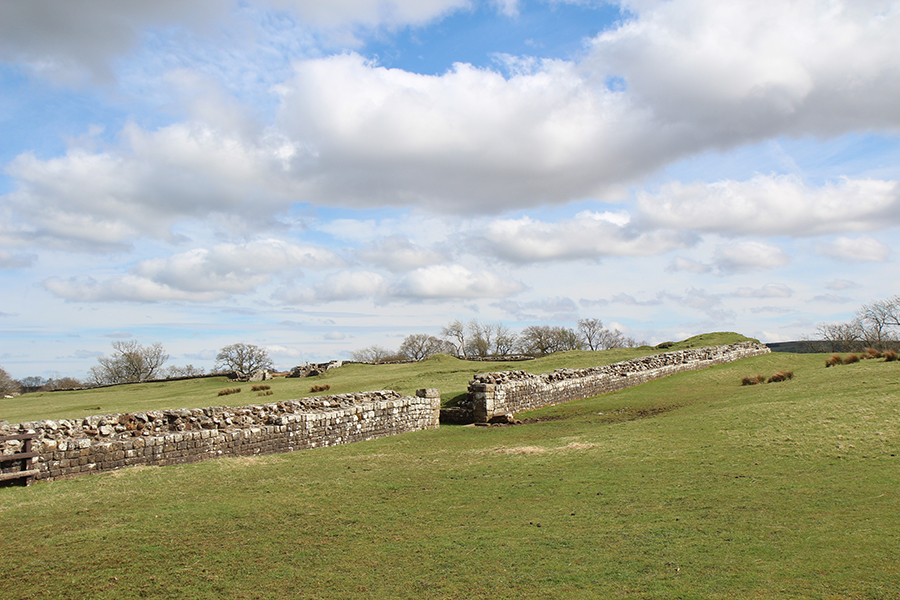
Pasto a leste, direção de onde vim / Pastures to the East, where I had come from

Pasto a leste, direção de onde vim / Pastures to the East, where I had come from

East Gate from inside

Vista de dentro do Portão Leste / East Gate from inside

birdoswald028

birdoswald024

Mesmo lugar, com nuvem / Same place, cloudy

birdoswald026

Os novos habitantes / New inhabitants

birdoswald004

A casa de fazenda é um exemplo de utilização agrícola das estruturas romanas ao longo da Muralha/ The farm house is an example of the agricultural use of Roman structures along the Wall
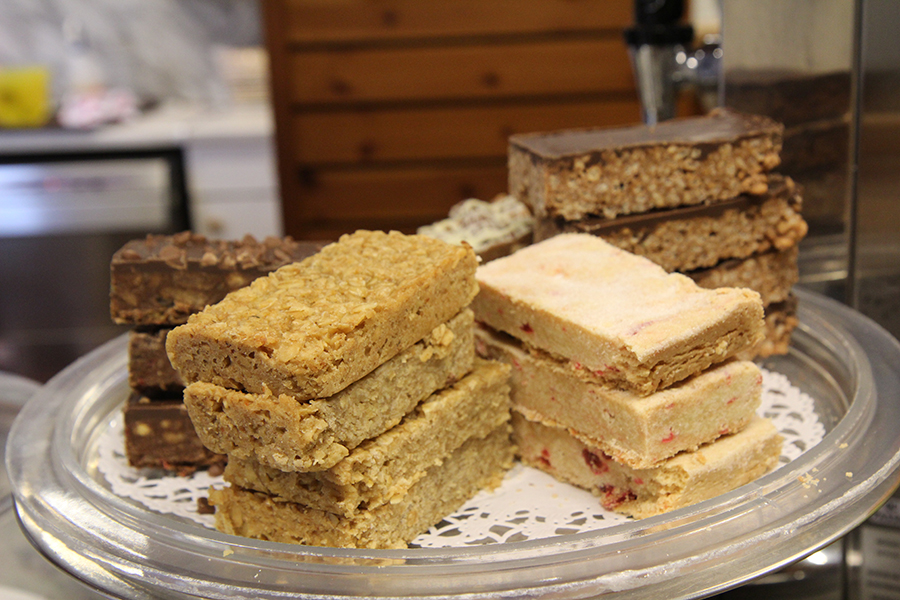
Ali funciona atualmente o pequeno museu e um café /  Nowadays it houses a small museum and café

Ali funciona atualmente o pequeno museu e um café /Nowadays it houses a small museum and café
birdoswald002

birdoswald010

Há acomodação na casa da fazenda para visitantes que queiram ficar neste lugar histórico. / Birdoswald offers farmhouse-style accommodation for those wishing to stay within this historic site.

birdoswald011

Roman halls


birdoswald009

birdoswald022

Horário de visitação / Opening time from 1 April – 30 September: 10:00 – 18:00
birdoswald023

Ingresso/ Price: Adult £5.60; Child (5-15 years) £3.40 ; Concession £5.00 (estudantes e pessoas acima de 60 anos)

birdoswald025

3 November 2014 – 15 February: Abre apenas sábado e domingo / Only weekends, 10:00 – 16:00
birdoswald027

Endereço/ Address: Gilsland, Brampton, Cumbria – CA8 7DD Telephone: 016977 47602
birdoswald020

Portão Sul / South Gate

birdoswald021

Read Full Post »


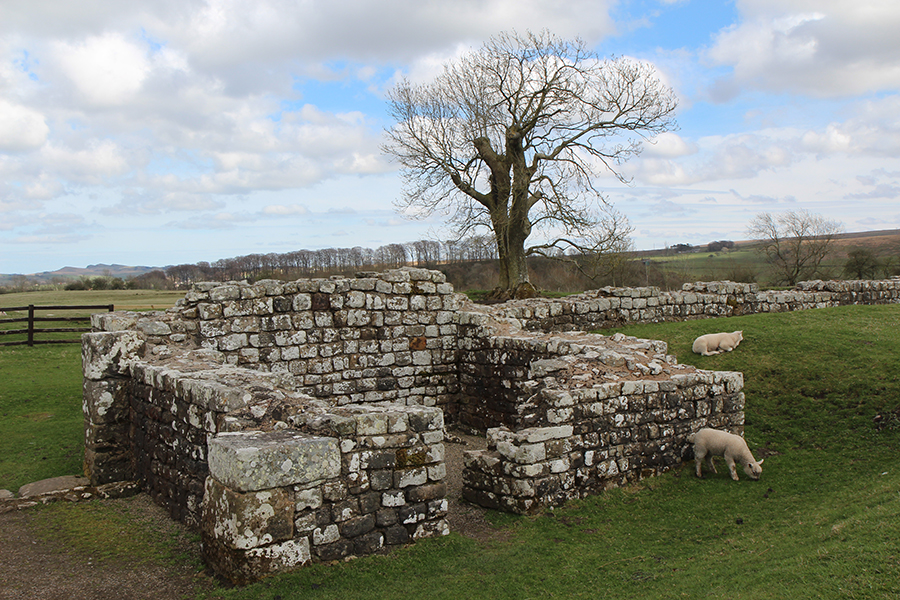
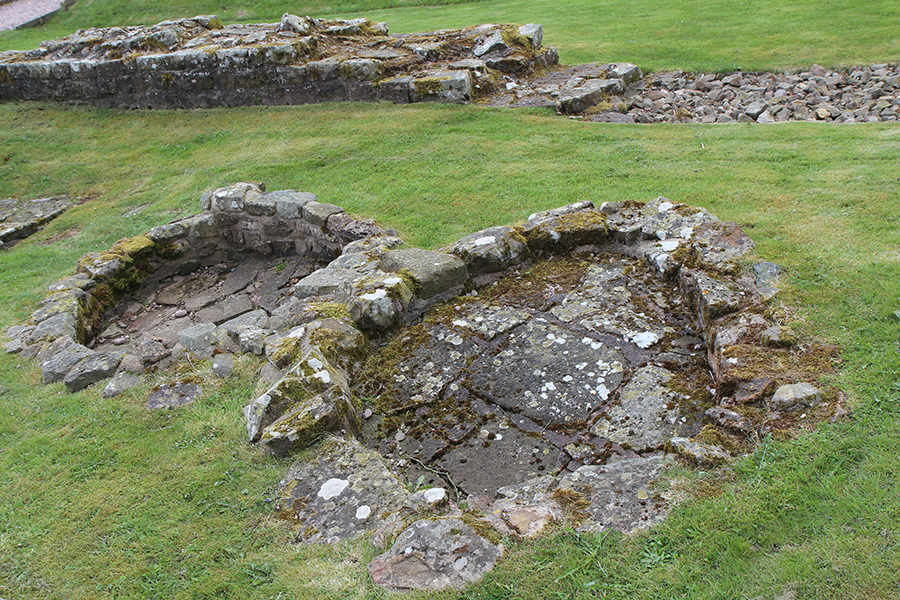
Turret 51

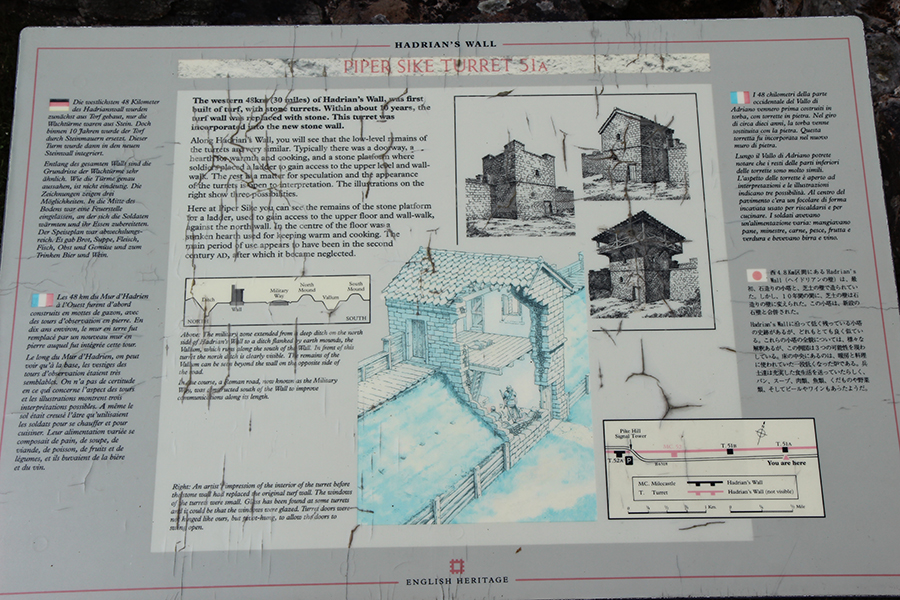
Turret 51A, Hadrian’s Wall

Continuamos com King Arthur, de Norma L. Goodrich: “Delimitamos o reino de Arthur nos quatro cantos: Dumbarton (NW), Carlisle (SW), Stirling (NE) e Berwick (SE). Estas cidades hoje são importantes centros, à exceção do porto de Berwick, que foi em grande parte destruído durante as guerras entre Inglaterra e Escócia que se seguiram.”

Placa informativa da Turret 51 / Signpost

Placa informativa da Turret 51A / Signpost

Piper Sike Turret 51

Piper Sike Turret 51A

Let’s keep reading King Arthur by Norma L. Goodrich:
“ We delimited King Arthur’s kingdom at its four corners: Dumbarton (NW), Carlisle (SW), Stirling (NE) and Berwick (SE).  These are key centers today, with the possible exception of the seaport of Berwick, which was largely destroyed during the subsequent wars between Scotland and England.”

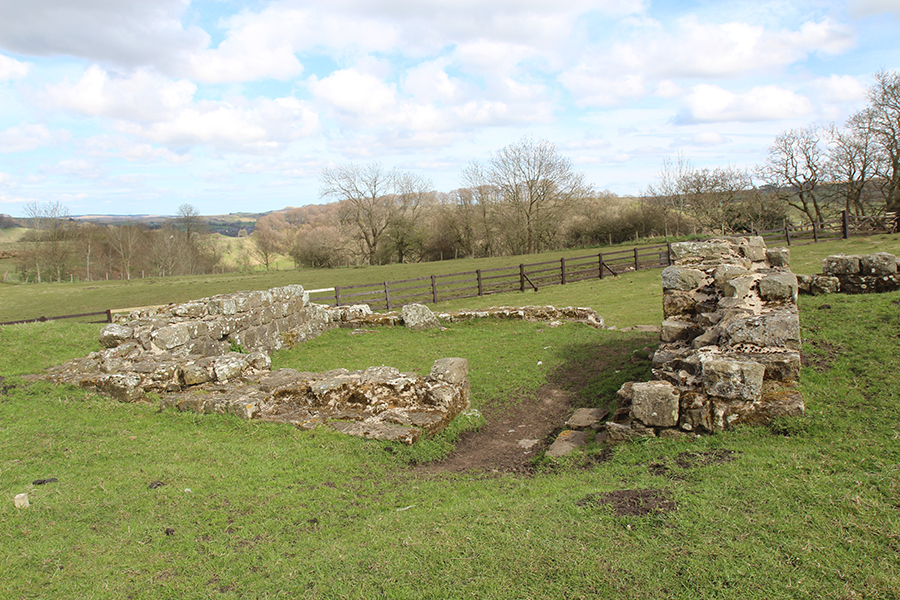
Turret 51B

Turret 51B

“Para quem acredita no Arthur histórico, o principal problema é a localização dos seus castelos. Camelot permanece o mais importante de todos, onde provavelmente estariam abrigados os tesouros do Rei. Estes foram citados pelo enciclopedista Lambert de Saint-Omer em seu livro “Liber floridus”, que precedeu Geoffrey of Monmouth em mais de uma década: “Existe um palácio na Grã Bretanha, na terra dos Pictos, do guerreiro Arthur, construído com arte maravilhosa e diversa, no qual todos os feitos épicos de suas conquistas e guerras podem ser vistos esculpidos”.”

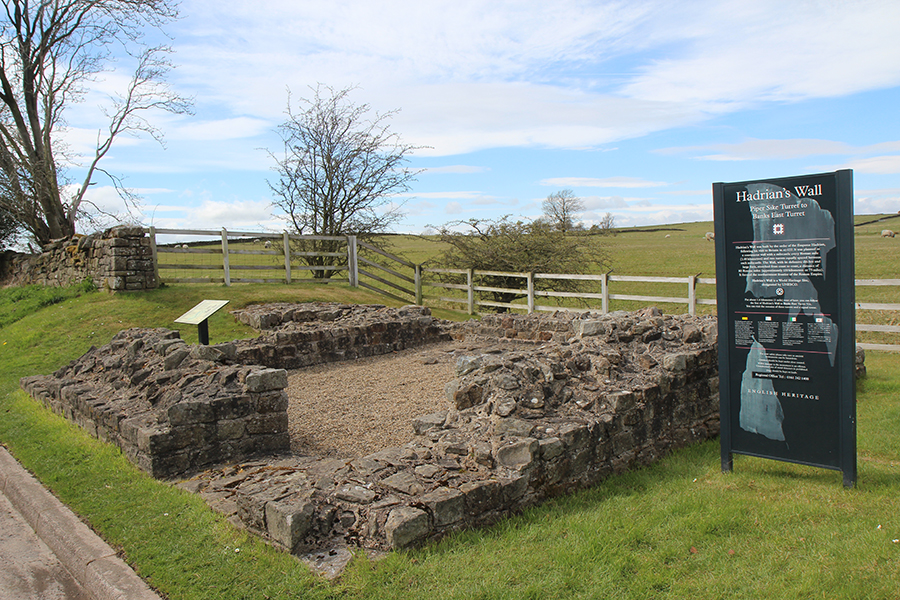
Hadrian's Wall Turret 51B

Hadrian’s Wall Turret 51B

Placa informativa, Turret 51B/ Signpost

Placa informativa, Turret 51B/ Signpost

Turret 51B, à beira da estrada

Turret 51B, à beira da estrada / By the highway

“For those who think of King Arthur as historical, the chief problem must be the emplacements of King Arthur’s castles. Camelot must remain most important of all, and it is likely that it housed the king’s treasures. These were reported by the encyclopedist Lambert de Saint-Omer in his book “Liber floridus”, which antedated Geoffrey of Monmouth by more than a decade: “There is a palace in Britain, in the land of the Picts, of the warrior Arthur, built with marvelous art and variety, in which all the epic deeds of his conquests and of his wars are to be seen sculpted”.”

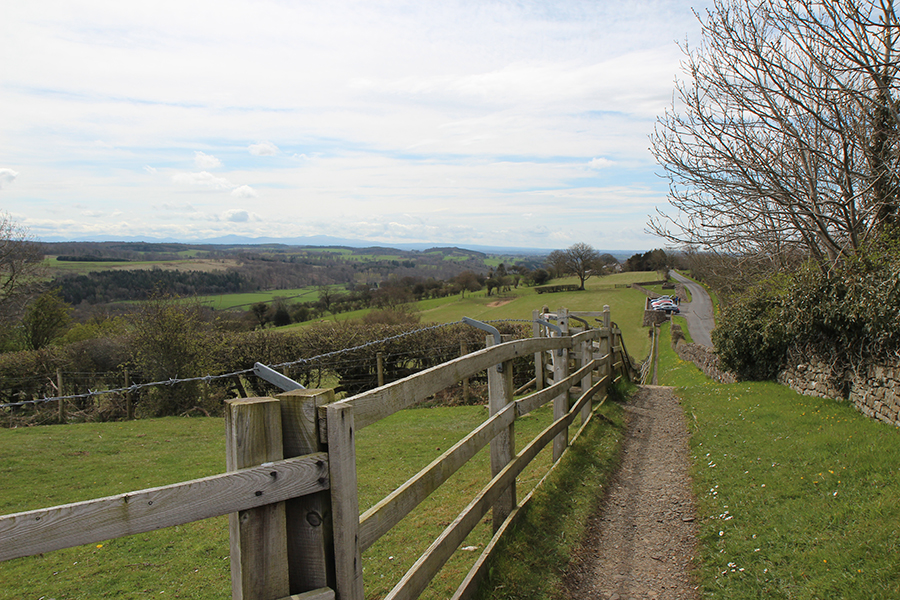
Trilha segue paralela à estrada

Trilha segue paralela à estrada/ Footpath parallel to the road

“Camelot, como sabemos, por muito tempo foi considerado fictício. Já foi identificado como sendo Colchester, Cadbury e Winchester, mas estudiosos por fim concluíram que não era o nome de nenhum lugar na Grã -Bretanha. Sir Thomas Malory parecia inclinado a acreditar que Camelot era o nome dado ao castelo onde e enquanto o Rei ali estivesse residindo, qualquer que fosse o lugar. O livro “Perlesvaus” * afirma que havia dois Camelots.”
NOTA: * significa Percival – o cavaleiro que por fim encontrou o Santo Graal. Este livro também é chamado Li Hauz Livres du Graal, A Nobre História do Santo Graal, trata-se de um antigo romance Arthuriano francês da primeira década do século XIII, do qual sobreviveram três manuscritos, dois fragmentos e duas gravuras do século XVI. Nada se sabe sobre o autor.

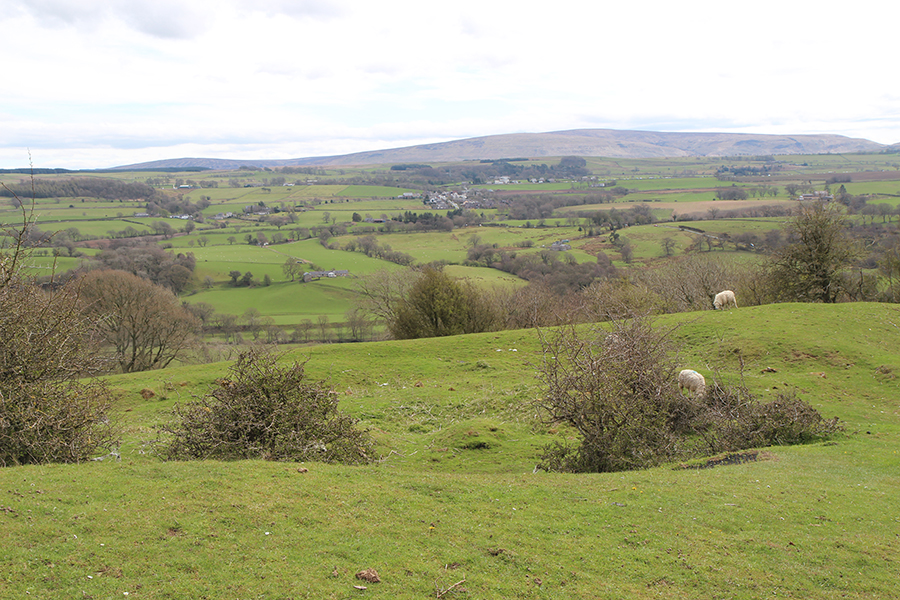
Linda região de pastagens/ Lovely pasture landscape

Linda região de pastagens/ Lovely pasture landscape

“Camelot, we know, has long been considered fictitious. It has been identified as Colchester, Cadbury and Winchester, but scholars finally concluded that it was not the name of any place in Britain. Sir Thomas Malory seems to have been inclined to believe that Camelot was King Arthur’s castle when the king was in residence there, at whatever site that may have been. The book “ Perlesvaus * ” states that there were two Camelots.”
 NOTE: *means Percival – the knight who eventually found the Holy Grail. This book is also called Li Hauz Livres du Graal , The High History of the Holy Grail, is an old French Arthurian romance dating to the first decade of the 13th century. It survives in three manuscripts, two fragments, and two 16th-century printings. Nothing is known of the author.

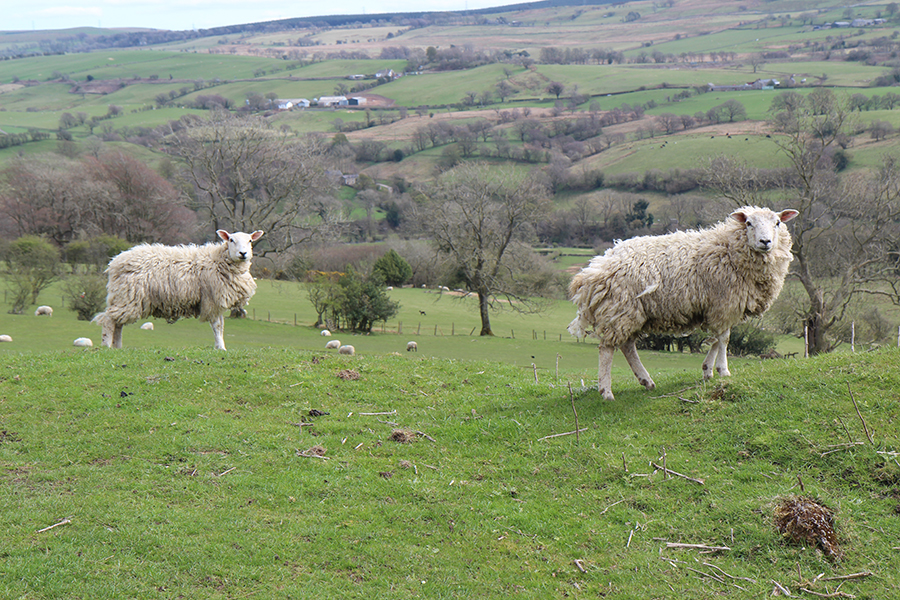
Ovelhas

Ovelhas / Sheep

“Claramente Carlisle é apontado como sendo o principal castelo de Arthur, portanto seria um deles, e o outro foi identificado por O.G.S. Crawford:  Castelo de Stirling, chamada “chave para a Escócia”. William of Worcester também escreveu que “Rei Arthur presidia a Távola Redonda na fortaleza militar de Stirling, também conhecida como Snowdon West Castle.”
Norma Goodrich afirma que Camelot  se situava em King’s Knot, abaixo da face norte do penhasco em Stirling: “ A topografia é inconfundível, de acordo com todas as descrições feitas por diversos autores.”

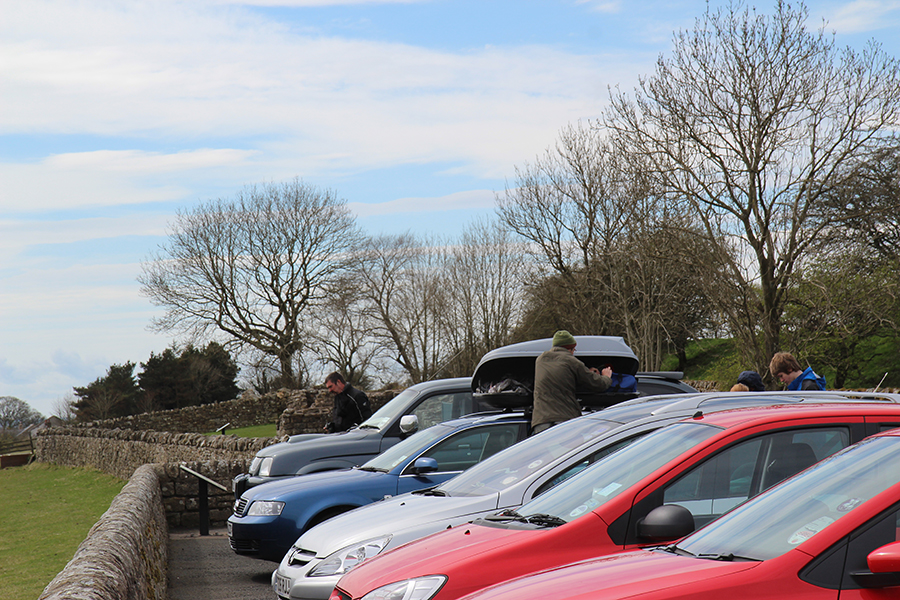
Estacionamento próximo às ruínas / Parking lot beside the ruins

Estacionamento próximo às ruínas / Parking lot beside the ruins

“Clearly Carlisle is indicated as King Arthur’s principal castle, so it was probably one, and the other has been identified by O.G.S. Crawford as Stirling Castle, called the “key to Scotland”. William of Worcester also wrote that “King Arthur presided over the Round Table in the military fort of Stirling, otherwise known as Snowdon West Castle. “
Norma Goodrich states that Camelot was located at King’s Knot, below the western-facing cliff at Stirling: “ The topography is unmistakable, fitting all descriptions by several authors.”

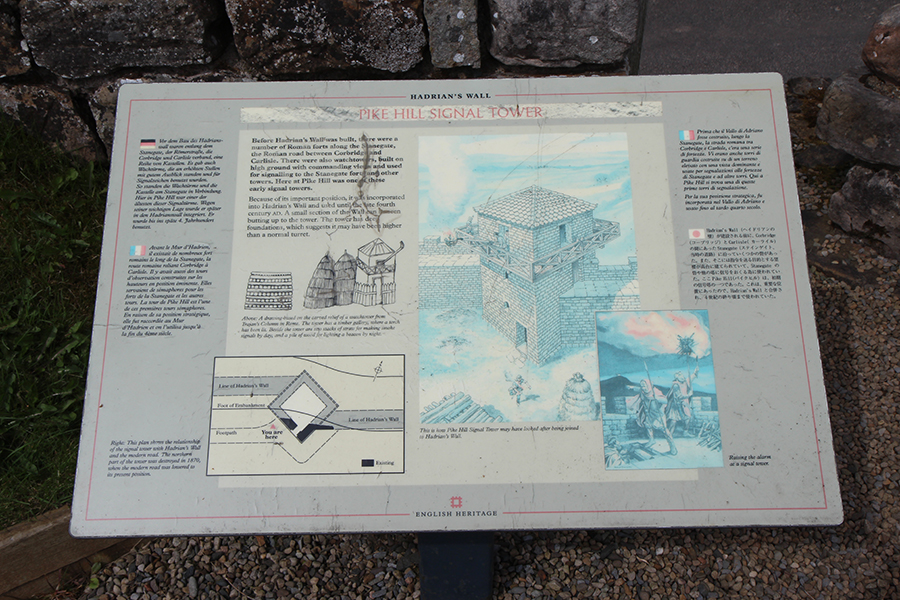
Pike Hill Signal Tower

Pike Hill Signal Tower

“Tanto na Idade das Trevas como hoje, pode-se chegar à garganta de Stirling, entre os imponentes montes Campsie-Gargunnock a oeste e o estuário do Rio Forth a leste. O corredor norte-sul, conhecido por muitas batalhas, tem dez milhas de comprimento e quatro de largura. O forte pré-histórico ficava, como a fortaleza moderna e os quartéis ainda em uso hoje, sobre a enorme parede inexpugnável, avistando do alto dos íngremes penhascos a cidade de Dumbarton a oeste. Praticamente a única montanha em toda a extensão de planícies. Stirling, visto da Muralha de Antonino, é ainda mais impressionante. O Castelo de Stirling dominava a única e estreita travessia do estuário do Rio Forth que, durante a cheia, atingia a largura de uma milha. Junto ao castelo, olhando para baixo dos penhascos a oeste, pode-se ver claramente a planície abaixo do King’s Knot. Trata-se de um monte octogonal cujo nome significa “castelo do monte”, do tipo sobre o qual eram construídos castelos com paliçadas de madeira nos tempos ancestrais. Sobre este monte outrora ergueu-se Camelot, de onde o Rei Arthur presidia a Távola Redonda.”

Pike Hill Signal Tower Signpost

Pike Hill Signal Tower Signpost

“Whether in the Dark Ages or today, one can stand at the Stirling Gap, beside the lofty Campsie-Gargunnock Hills to the west and the Forth estuary to the East. The north-south corridor, famous for many battles, is ten miles long and four miles wide. The prehistoric fort sat, like the modern fortress and barracks still in use today, upon the great impregnable wall, looking down its precipitious cliffs toward Dumbarton on the west.
One mountain almost alone in the expanse of flatlands. Stirling seen from the Antonine Wall is an even more impressive mass. Stirling Castle commanded the only and very narrow crossing of the flooded Forth River estuary. At peak flood the Forth stretched one mile wide across flatlands. Standing beside the castle and looking down the west cliffs of Stirling, one can plainly see on the meadowland below the King’s Knot. This is an octogonal mound, whose name means  “castle mound”, upon which the wooden palisaded castles were built in ancient times. Upon this mound once stood King Arthur’s Camelot. At his castle he chaired the Round Table.”

footpath

footpath

Assim, enquanto eu trilhava a Muralha de Adriano a caminho do Forte Romano de Birdoswald, estav muito mais perto de Arthur do que podia imaginar.
So, as I treaded along Hadrian’s Wall, approaching Birdoswald Roman Fort, I was much closer to Arthur than I could imagine.

mais turrets

mais turrets

Vista da região de Stirling no Google Maps / Stirling overview


Read Full Post »