Feeds:
Posts
Comentários

Archive for março \27\America/Sao_Paulo 2014


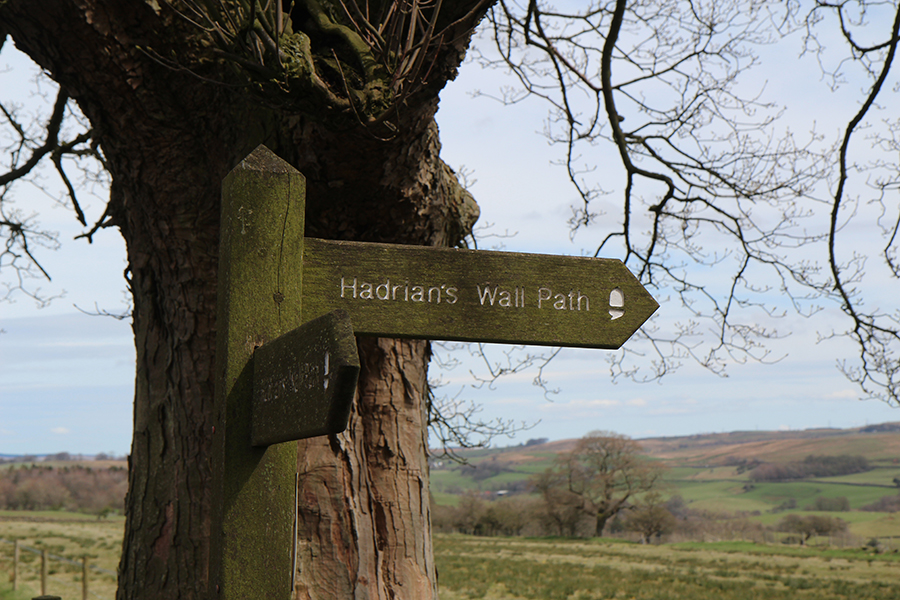
As fotos deste post foram tiradas no caminho entre Greenhead e o Forte de Birdoswald. / The photos in this entry were taken on the way from Greenhead to Birdoswald Roman Fort.

As fotos deste post foram tiradas no caminho entre Greenhead e o Forte de Birdoswald. / The photos in this entry were taken on the way from Greenhead to Birdoswald Roman Fort.

Meu exemplar do “King Arthur” está tão surrado que nem parece novo. Levo comigo e vou lendo na fila do banco, no ônibus, em salas de espera. Mas creio que a informação que mais me interessa estará na última página – a localização da ilha de Avalon. Até pensei em ler de trás pra frente. A autora se baseia inicialmente em Geoffrey de Monmouth, primeiro autor a escrever sobre Arthur, vai comparando com relatos posteriores e assim chega `as conclusões que, uma vez lidas, parecem incrivelmente óbvias – como ninguém nunca tinha pensado nisso?
Paisagem bucólica / Bucolic landscape

Paisagem bucólica / Bucolic landscape

My copy of “King Arthur” is so threadbare. I carry it in my handbag so I can read in waiting rooms, in lines, on the bus… everywhere. But I’m sure that the most precious information will be in the last page – the real location of Avalon. I even considered reading it back to front. The author’s main source is Geoffrey of Monmouth, the first to mention Arthur. She compares his texts with later accounts and arrives to conclusions that, once read, seem so incredibly evident that it’s a wonder how no one had ever thought about that.
Hello lovely!

Hello lovely!

Os erros de localização geográfica, como por exemplo situar a Ilha de Avalon em Glastonbury – milhas distante do litoral mais próximo- ou o nascimento de Arthur em Tintagel, onde nem havia um castelo na época em que o Rei surgiu no mundo – se devem, segundo ela, a erros de tradução em função da fonética. Palavras parecidas em idiomas diferentes. Não havia dicionários naquela época, inclusive muitas línguas não eram escritas, apenas faladas.

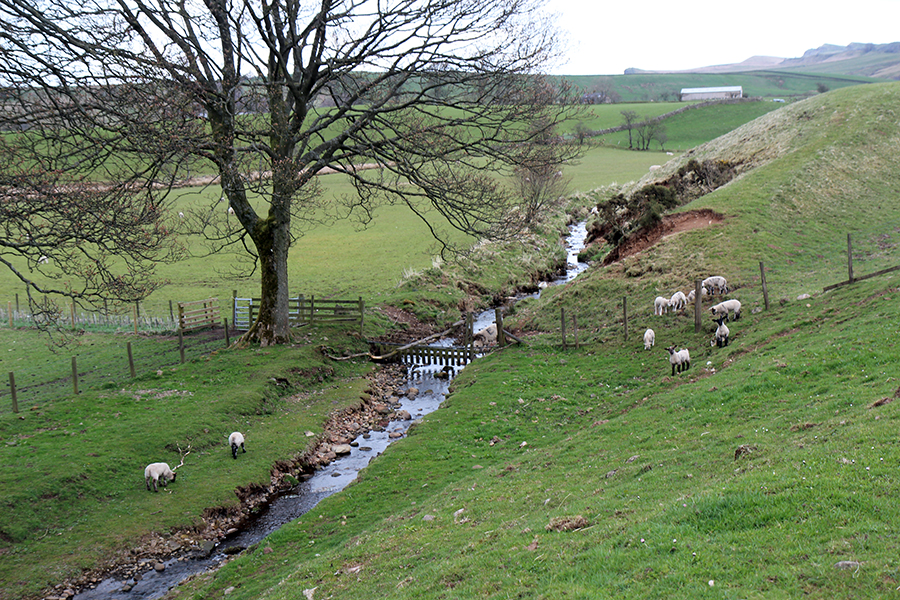
greenheadToBirdoswaldDitch

O fosso que acompanhava a Muralha ainda é bem visível. / The ditch is still visible along the Wall
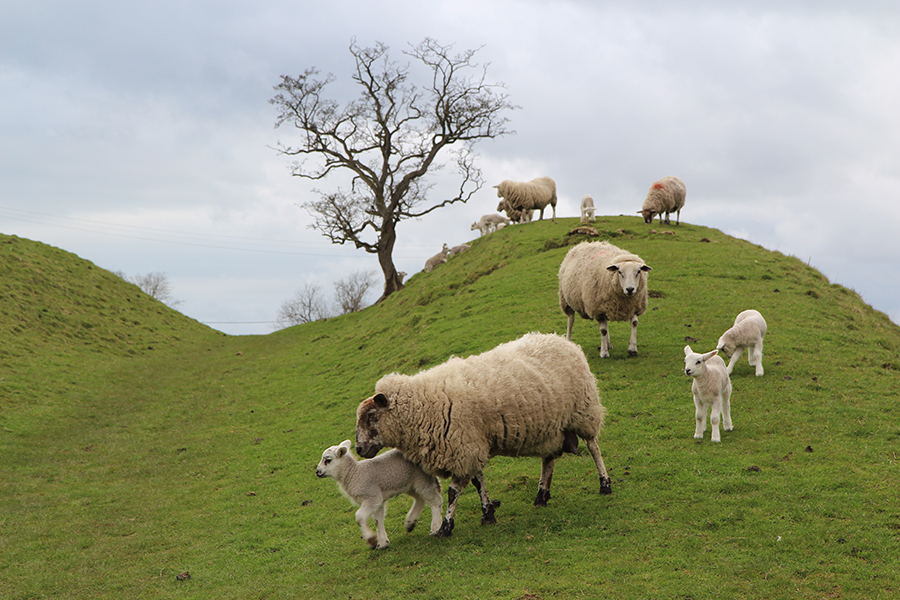
 

sheepInTheDitch

sheep&lamb

She states that Geographic misplacements ( as placing the Isle of Avalon in Glastonbury, miles away from any coast ; or Arthur’s birthplace in Tintagel, where there was no castle by the time Arthur was born) were due to mistakes in translation, mostly phonetics, resembling words in different lidioms. There were no dictionaries then and some languages were oral, without written records.
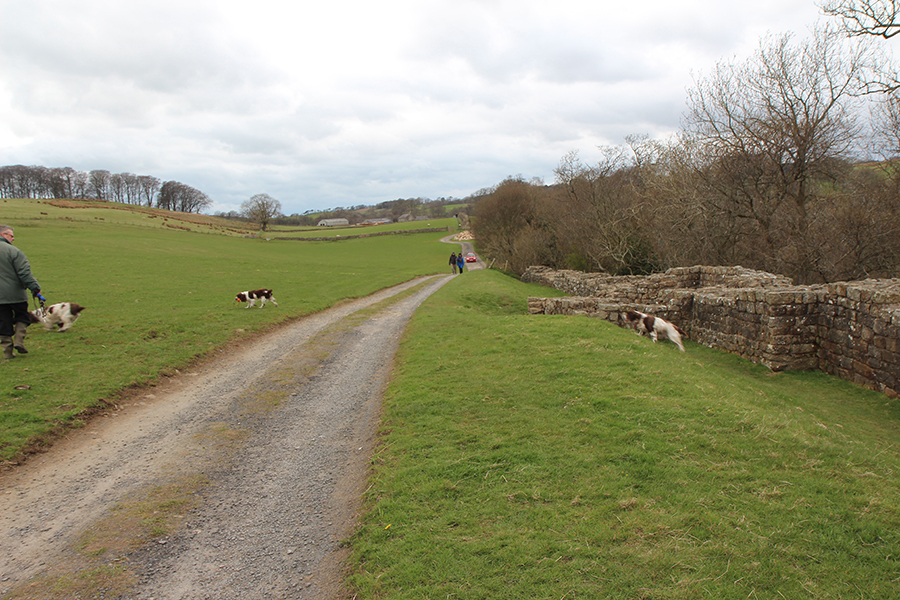
Tarde movimentada na Muralha de Adriano/ Busy afternoon in Hadrian's Wall

Tarde movimentada na Muralha de Adriano/
Busy afternoon in Hadrian’s Wall


Turret 48A
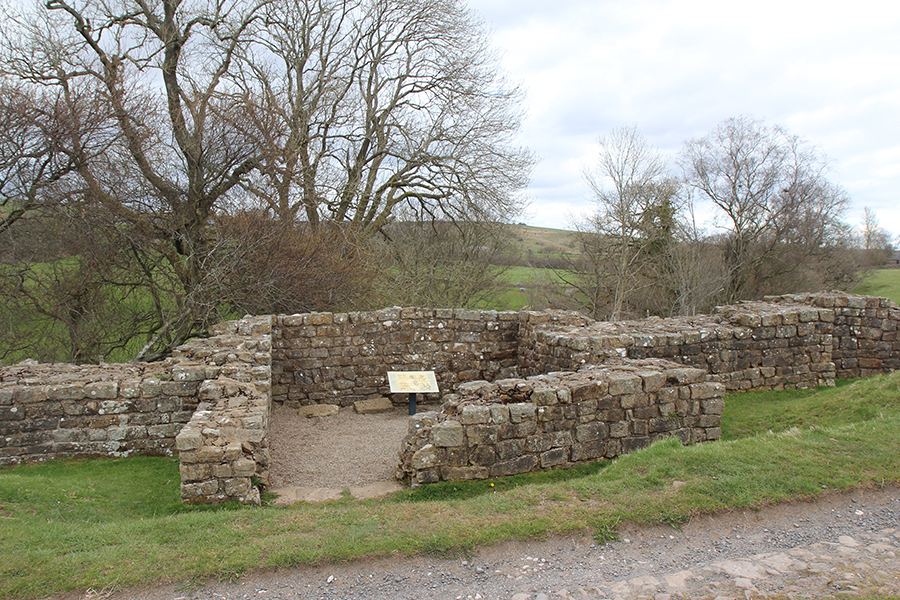
Turret 48A

turret48view02

Por isso não se conseguiu descobrir onde era exatamente Monte Badon – local da Batalha na qual Arthur derrotou definitivamente os invasores Saxões – nem a Batalha de Camlan, onde o Rei foi mortalmente ferido. Os locais na Inglaterra associados a Arthur são muito distantes uns dos outros, de Glastonbury, de York e de Londres. Pude confirmar isso porque visitei esses lugares e mesmo de trem são viagens longas. O movimento de tropas montadas ou a pé (infantaria) entre tais cidades levaria meses! Mas as cidades definidas por Norma Goodrich são próximas o suficiente para garantir o deslocamento rápido de tropas para enfrentar ataques inimigos… na Escócia.
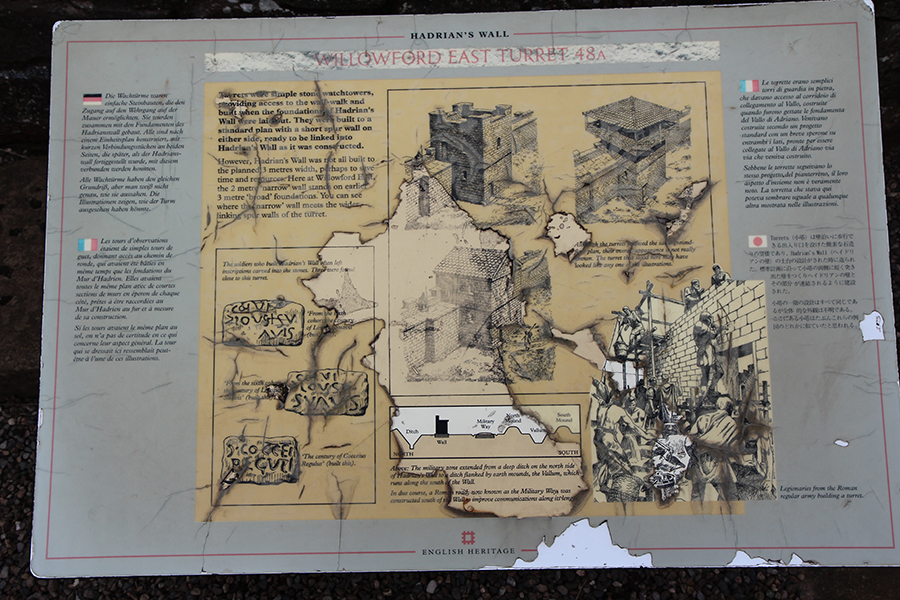
Neste trecho as placas estão bem estragadas/ Signs are rotten in this stretch

Neste trecho as placas estão bem estragadas/
Signs are pretty rotten in this stretch of Wall
 

DamagedTurretSign

That explains why it’s still unknown the location of battles such as Mount Badon, when Arthur defeated the Saxons once for all, or Camlan, when the King was deadly wounded. The sites in England usually related to Arthur are very far from each other, a long way to Glastonbury, to York, to London. That’s easy to corroborate: such trips are long even by train. Moving troops, cavalry and infantry between these sites would take months. But the cities stated by Norma Goodrich are close enough to assure a quick arrival of soldiers to face enemy raids… in Scotland.
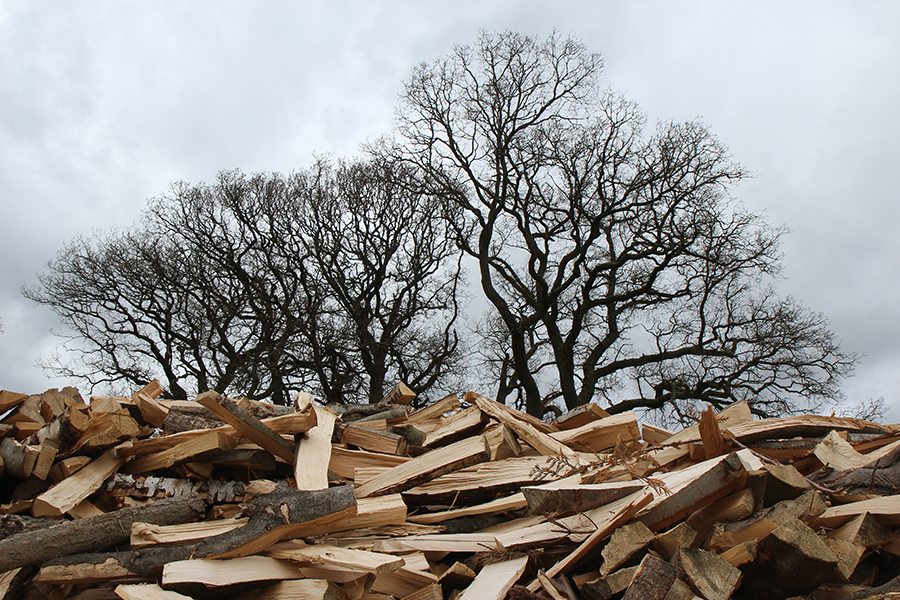
Árvores e lenha / Trees and firewood

Árvores e lenha / Trees and firewood

Segundo ela, Carlisle, ao norte da Muralha de Adriano, seria a capital do reino de Arthur – situada no cruzamento de sete estradas romanas:
According to her, the chief city of Arthur’s kingdom was Carlisle, north of Hadrian’s Wall, that sits at the intersection of seven Roman roads:
1- Dunbarton / Glasgow a noroeste (northwest)
2- Edinburgh / Stirling ao norte (north)
3- Newcastle (via Muralha de Adriano – Hadrian’s Wall) a leste (east)
4- York a sudeste (southeast)
5- Cumbria e Lake District a oeste (west)
6- Penrith e Chester ao sul (south)
7- Galloway e portos de embarque para a Irlanda a oeste. (Galloway and embarkation ports to Ireland to the west).

Mas Carlisle não era Avalon.
But Carlisle wasn’t Avalon.
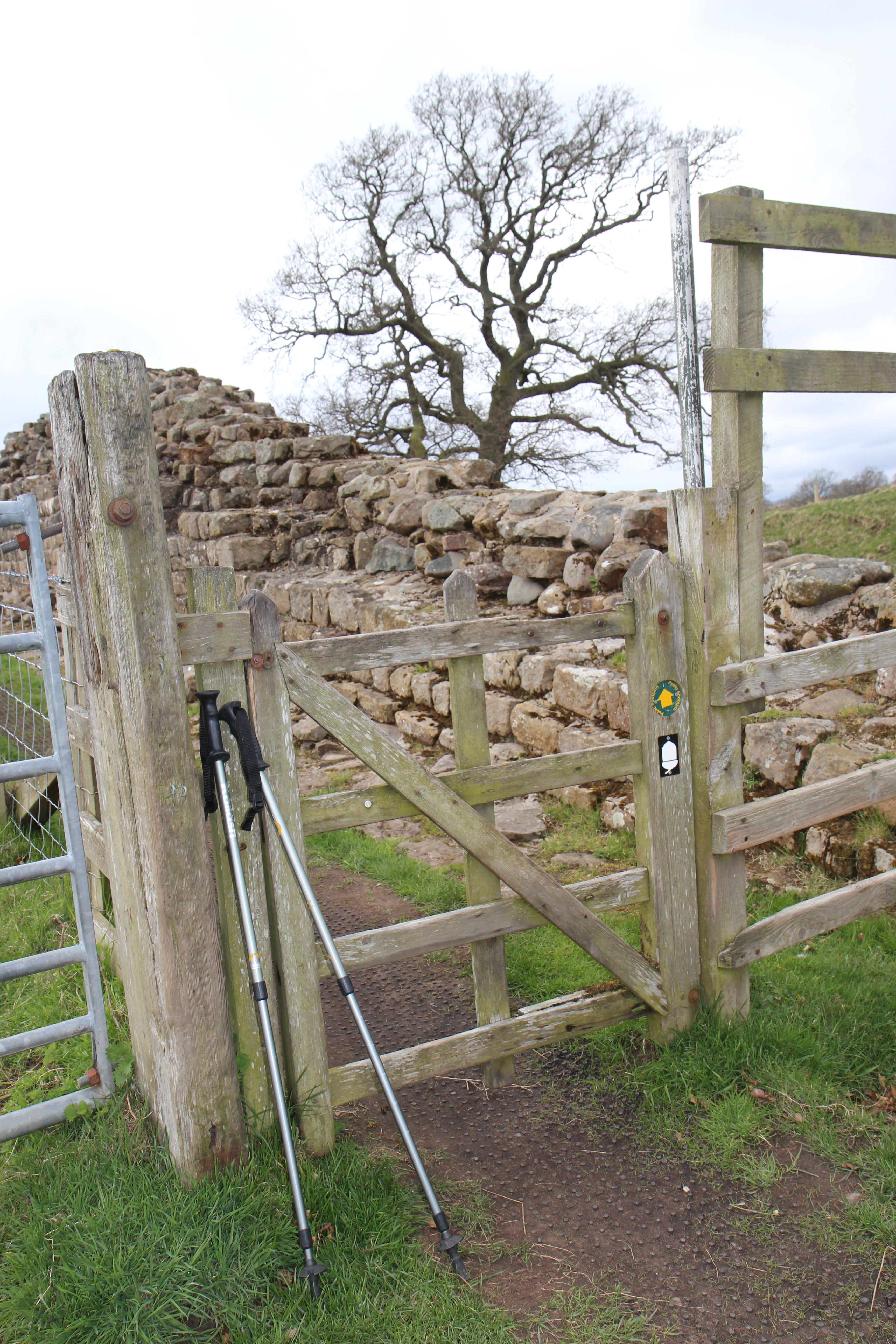
 

A Muralha de Adriano atravessa muitas propriedades privadas, todas tem portões como estes nas cercas. Perdi a conta de quantos atravessei. / Hadrian's Wall crosses a number of private properties, all fences provided with gates like these. I lost account of how many I've gone through.

A Muralha de Adriano atravessa muitas propriedades privadas, todas tem portões como estes nas cercas. Perdi a conta de quantos atravessei. / Hadrian’s Wall crosses a number of private properties, all fences provided with gates like these. I lost account of how many I’ve gone through.

Read Full Post »


Os estábulos de Arthur na Muralha de Adriano / Arthur's Stables in Hadrian's Wall

Os estábulos de Arthur na Muralha de Adriano / Arthur’s Stables in Hadrian’s Wall

Neste post transcrevo trechos de “King Arthur”, da autora Norma Lorre Goodrich, que realizou extensa pesquisa sobre a existência histórica do Rei e escreveu uma série de livros sobre o assunto. Resumindo, a autora situa Arthur na Escócia! Isso muda tudo. Num primeiro momento me desesperei, porque significa que grande parte do que fotografei na verdade não tem relação com o Rei, embora tenha sido uma viagem estupenda. Por outro lado, viva a minha intuição, ao decidir trilhar a Muralha de Adriano. Sem saber, estava muito mais perto do Arthur real.

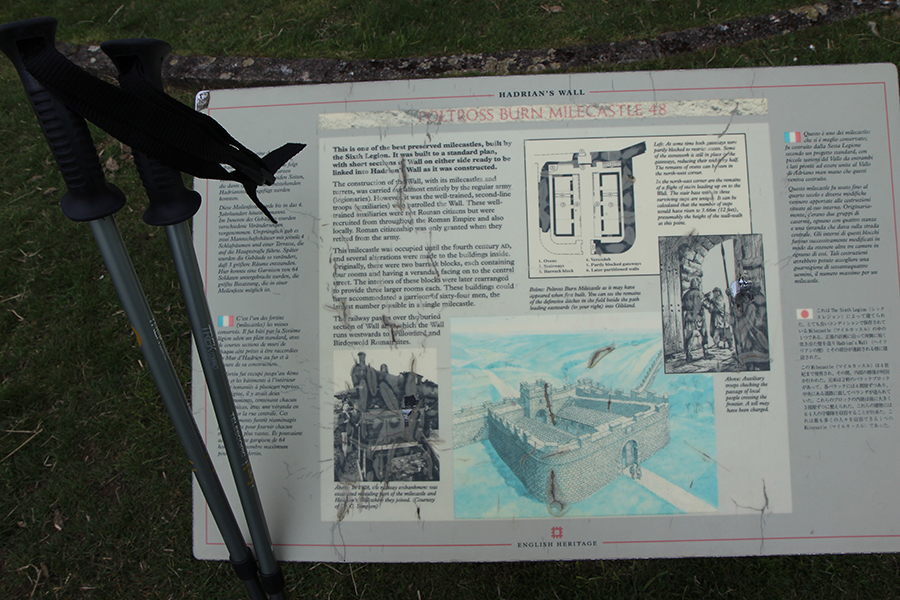
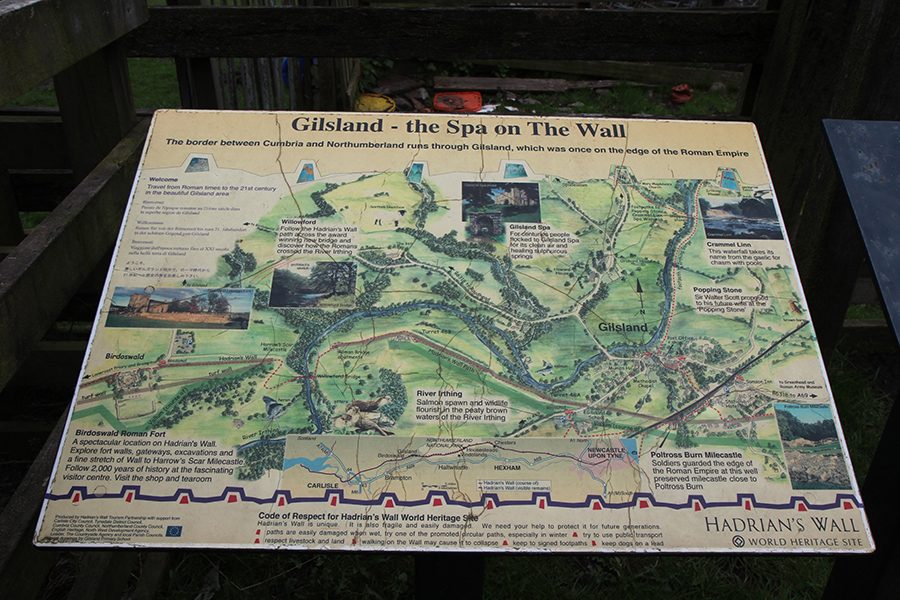
Mapa da região. Abaixo, à direita, está Poltross Burn, Milecastle 48, os Estábulos de Arthur / Map of the area. In the bottom right is located Poltross Burn, the Milecastle 48, or Athur's Stables.

Mapa da região, entre Greenhead eo forte romano de Birdoswald. Abaixo, à direita, está Poltross Burn, Milecastle 48, os Estábulos de Arthur / Map of the area between Greenhead and Birdoswald Roman Fort. In the bottom right is located Poltross Burn, the Milecastle 48, or Athur’s Stables.

In this entry I quote “King Arthur” by Norma Lorre Goodrich, who researched deeply and wrote a series of books on the historical subject. To cut it short, the author places Arthur in Scotland! That changes everything. At first, I fell into despair because it means that most of what I have photographed has actually no relation with tha King, albeit it’s been a terrific trip. On the other hand, I thanked my intuition, that led me to walk Hadrian’s Wall footpath. I was much closer to the real Arthur, although I didn’t know it.

O caminho cruza a estrada de ferro / The path crosses a railway

O caminho cruza a estrada de ferro / The path crosses a railway

Transcrevendo: “Minha intenção básica era oferecer as primeiras provas históricas da existência do Rei Arthur. Quem era o Rei Arthur, ou Arturus? Porque este rei britânico nunca foi encontrado? Onde era seu reino?
Os estudiosos da Idade Média se confrontaram com as mesmas questões que nós atualmente. Tendo poucos recursos e praticamente nenhum acesso ao trabalho de outros estudiosos, eles falharam em encontrar respostas convincentes. Tendo em vista a escassez de bibliotecas – frequentemente sua inexistência, assim como a de disciplinas tais como história, arqueologia, antropologia e linguística – e a insuficiência de meios de transporte, podemos perguntar como essas pessoas poderiam desenrolar um fio que os conduzisse de volta aos dias do Rei Arthur. Tais dias desapareceram junto com a Idade das Trevas. E ainda, sem o auxílio de dicionários, estes escritores e estudiosos copiaram à mão, decifraram, ponderaram e traduziram o melhor que puderam um grande número de manuscritos que tratavam do Rei Arthur, seu reino e sua corte. Muitos deles simplesmente acabaram desistindo do assunto, e ao fazê-lo permitiram que o Rei Arthur e seu mundo deslizassem mais e mais para o reino da mitologia.”

Poltross Burn

Near Poltross Burn

Quoting: “ Primary among my intentions was to offer the first historical proof of the existence of King Arthur. Who was K.A., or Arturus? Why has this king of Britain not been found? Where was his kingdom?
The scholars of the Middle Ages were confronted by the same questions as we are today. Having few resources and virtually no access to colleagues and their work, they failed to reply convincingly to them. Given their scanty libraries (more often, none at all), the lack of such disciplines as history, anthropology, archaeology, and linguistics, and the paucity of means of travel, one might well ask how they could possibly unwind any thread that led all the way back to King Arthur’s day. That day had been swallowed up along with the Dark Ages. And yet, without benefit of a dictionary, these writers and scholars hand copied, deciphered, pondered and translated as best as they could an inordinately large number of manuscripts dealing with K. A., his kingdom and his court. Many of them simply gave up and in so doing let King Arthur and his world slip deeper and deeper into the realm of mythology.”

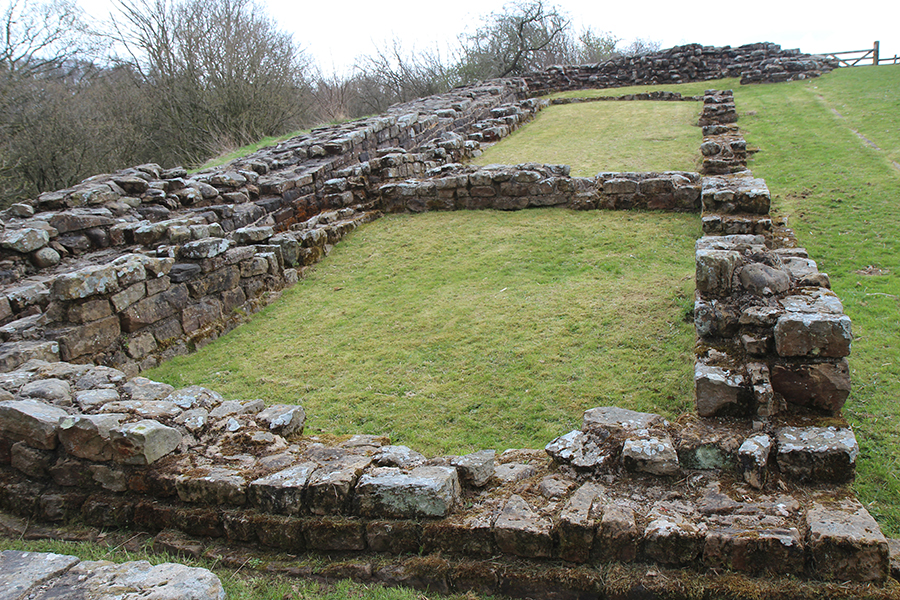
Os estábulos de Arthur, onde seus cavalos eram criados /  Arthur's Stables, where his horses were bred

Os estábulos de Arthur, onde seus cavalos eram criados /
Arthur’s Stables, where his horses were bred

“Pouco se ouviu sobre Arthur depois de 542, portanto esta deve ser a data de sua morte. É significativo, entretanto, que crianças de origem nobre e real começaram a receber o nome de Arthur após o ano 542. Um nome curioso, que não existia até antes do Rei, cuja versão em Latim, “Arturus”, nunca foi encontrado em nenhum outro lugar. Portanto, o nome provavelmente deriva do rei perdido da Idade das Trevas, ou da Grã-Bretanha pré-histórica. Arthur não era um personagem da Idade Média, ou Era da Cavalaria, quando o cavalheirismo estava no auge. Seus 150 ou mais guerreiros não eram cavaleiros galantes. Ele não nasceu no Castelo de Tintagel, que só veio a ser construído na época dos castelos de pedra, nos séculos 12 e 13. Quando formos procurar seu local de nascimento, não vamos buscar ruínas de um castelo medieval, mas sim uma quase imperceptível trincheira de terra batida – a construção característica da Idade das Trevas.”

Embora Arthur tenha defendido sua terra de muitos ataques por mar, seus cavaleiros ficaram famosos/  Arthur's mounted warriors  became the famous ones, although the king defended his land from many sea raids

Embora Arthur tenha defendido sua terra de muitos ataques por mar, seus cavaleiros ficaram famosos/
Arthur’s mounted warriors became the famous ones, although the king defended his land mostly from  sea raiders

“Little was heard of Arthur after 542, so presumably this is the date of his death. Significantly, however, youths of noble and royal birth began to bear the name Arthur after the year 542. A strange name, it has not been found prior to K.A., and its Latin version, Arturus, has never been found anywhere else. Thus, the name probably is derived from the lost king of the Dark Ages, or of prehistoric Britain.
Arthur was not a figure of the Middle Ages or of the Age of Chivalry, when knighthood was in flower. His 150 or so warriors were not gallant knights gaily bedight. He was not born at Tintagel Castle, which was not built until the age of stone castles, in the 12th and 13th centuries. When it comes time to seek his probable birthplace, the search will be not for the ruins of a medieval castle but for a barely discernible castle mound of piled earth – a construction characteristic of the Dark Ages.”

Detalhe da construção / Building detail

Detalhe da construção / Building detail

“Historiadores relatam que Arthur defendeu com sucesso a Grã-Bretanha de invasões por mar ; afirmam que ele interrompeu as invasões dos Saxões por um período considerável e que venceu todas as batalhas que lutou com exceção da última, quando foi mortalmente ferido. Poucos são os que ainda insistem que ele teria lutado na Cornualha, ou que lá teria nascido, por uma simples razão: os Saxões NÃO estavam invadindo a Cornualha durante o tempo em que Arthur viveu. Historiadores Anglo-Saxões dizem que as batalhas de Arthur não poderiam ter sido vencidas na Inglaterra pois, de acordo com vários manuscritos, os Saxões efetivamente conquistaram a Inglaterra na época de Arthur. Temos que localizar Arthur não nos territórios onde ele não venceu, mas sim naqueles onde a invasão dos Saxões falhou. Quando Arthur nasceu, as tropas Romanas haviam finalmente se retirado por completo e deixado a ilha sem governantes. Grande parte da Grã-Bretanha ainda falava apenas idiomas Celtas. A maioria destas populações propriamente Celtas ainda habita a área chamada Strathclyde, região fronteiriça entre as Muralhas de Adriano e de Antonino, a única vasta área que não foi conquistada pelos Anglo-Saxões.”

Outra vista dos estábulos/ Another view of the stables

Outra vista dos estábulos/
Another view of the stables

“Historians still tell us that K.A. successfully defended all Britain from invasion by the sea. They had it on excellent authority that he halted the Saxon invaders for a considerable period of time and won all his engagements except the last one, in which he was fatally wounded. Very few scholars still insist that he fought in Cornwall or that he was born there, for the simple reason that the Saxons were NOT invading Cornwall during Arthur’s lifetime. Historians of the Anglo-Saxons say that Arthur could not have won his battles in England, because they know from the several manuscripts of the Anglo-Saxon Chronicles that the Saxons conquered England in King Arthur’s lifetime. We will think of Arthur as not in those territories which he could not have conquered but in those which the Saxons failed to overrun. By the time of Arthur’s birth, when the Roman troops had finally withdrawn completely and left the island without governors, certain large areas of Britain still spoke only Celtic tongues. The largest of these properly Celtic populations still resides in the area called Strathclyde, a border area between the Hadrianic and Antonine Walls, the only large area unconquered by the Anglo-Saxons.”

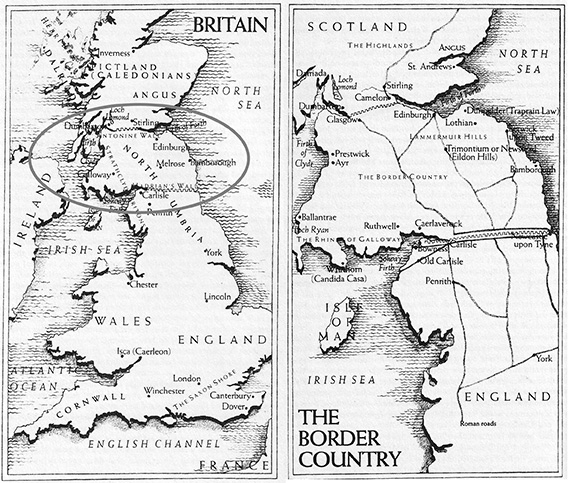
Mapa da Grã-Bretanha e da região onde Arthur reinou de fato, segundo Norma Goodrich / Map of Britain, enlarging the location of Arthur's true kingdom, according to Norma Goodrich

Mapa da Grã-Bretanha e da região onde Arthur reinou de fato, segundo Norma Goodrich / Map of Britain, enlarging the location of Arthur’s true kingdom, according to Norma Goodrich

Read Full Post »


Prosseguindo... / Movin' on

Prosseguindo… / Movin’ on

Estamos de volta após as férias.
Consegui os livros da autora Norma Goodrich! Acabei de recebê-los. Aguardem! Nesse meio tempo li a trilogia de Paul Bannister “Arthur Britannicus”, “Arthur Imperator” e “Arthur Invictus”. Esse autor associa Arthur a um imperador de origem romano-britânica chamado Carausius, cuja existência recentemente ficou provada. Abaixo transcrevo alguns trechos. Mas aviso que ele pode estar enganado.

We’re back after summer holidays. I’ve got Norma Goodrich’s books! They’ve just arrived. I’ll keep you up to date. In between days, I’ve read the trilogy by Paul Bannister “Arthur Britannicus”, “Arthur Imperator” and “Arthur Invictus”. This author links Arthur to an Emperor called Carausius, of roman-british parentage, whose existence has only recently been proved. Here are a few quotes, but I must warn you, he may be wrong.

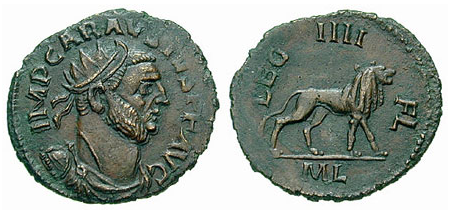
Moedas cunhadas por Carausius / Carausius coins

Moedas cunhadas por Carausius / Carausius coins

“O esquecido imperador britânico Carausius bem pode ser a verdadeira base da lenda do Rei Arthur, guerreiro mítico que se tornou símbolo de coragem e cavalheirismo. A importância de Carausius na história ficou esquecida por séculos, apesar do sucesso em afugentar os Romanos e aquietar os Pictos. Ele pode ter também derrotado invasores germânicos, pois suas fortificações na Costa Saxã provam que estava mais do que preparado para enfrentá-los. Seus triunfos, hoje conhecidos e aclamados, são ecos nítidos das histórias de Arthur. Carausius foi o primeiro governante britânico a unir o Império, e merece seu lugar na História por isso, mas de fato ficou mais conhecido pela excelente cunhagem de suas moedas. Estão expostas no Museu Britânico algumas das 800 moedas com sua efígie, parte de um tesouro de 52.500 peças romano-britânicas de ouro e prata encontradas em Somerset, no campo, em 2010. Existem conexões entre Carausius e muitos dos sítios tradicionalmente Arthurianos, e suas vitórias são um espelho das lendas de Arthur. A efígie de Carausius, como aparece em suas moedas de excelente cunhagem, nos mostram um homem parecido com um urso, de pescoço grosso, e a tradução britânica para Rei Urso é Arto-rig. Experts em linguística afirmam haver relação entre “Caros” e “Artorius”.

Carausius' coins

“Imperator Carausius was the first British ruler to unite the kingdom, and deserves his place in history for that, but he actually is best known for his fine coinage. On exhibit in the British Museum are some of the 800 Carausian coins that were among a hoard of 52.500 Romano-British pieces of silver and gold discovered in a Somerset field in the summer of 2010. There are connections between Carausius and many of the traditional Arthurian sites, and Carausius’ triumphs are closely echoed in legends of Arthur. Carausius’ image on his fine coinage shows him as a bearded, thick-necked, bear-like man and the British for “bear-king” is “Arto-rig”. Language experts say there are links between “Caros” and “Artorius”. Britain’s forgotten emperor Carausius and his triumphs may well be the true foundation of the legend of King Arthur, the mythic warrior who became a symbol of courage and chivalry. However, Carausius’ significance in history was forgotten for centuries despite his achievements in driving off the Romans and quieting the Picts. He may also have defeated Germanic invaders, as his Saxon Shore fortifications prove that he was more than prepared to meet them. Today, his known and acclaimed triumphs are closely echoed in the stories of King Arthur.”

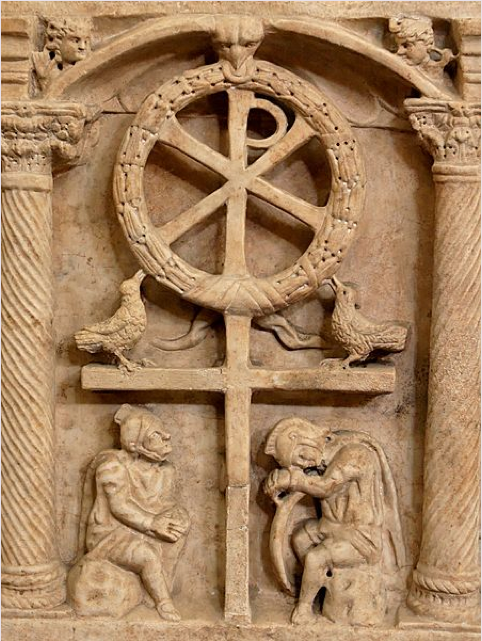
A Chi- Ro pode ser considerada a primeira representação da cruz cristã /The Chi-Rho emblem can be viewed as the first Christian Cross.

A Chi- Ro pode ser considerada a primeira representação da cruz cristã /
The Chi-Rho emblem can be viewed as the first Christian Cross.

As moedas, uma lápide em Penmachno e uma única pedra, um marco de milha descoberto próximo a Carlisle, são os únicos memoriais conhecidos desse Imperador perdido na História, pois os Romanos trataram de apagar seus vestígios quando recapturaram a Britannia. A lápide com a inscrição “Aqui jaz Carausius, sob este marco de pedras” foi encontrada no País de Gales. O morto era tão importante que a lápide e os ossos foram removidos para a Igreja de St Tudclud, em Penmachno, um importante sítio cristão ancestral, onde jaz Iorweth ab Owain Gwynedd, pai do maior Rei do País de Gales. Portanto, trata-se de um jazigo real. O fato de Carausius ser tão famoso a ponto de não necessitar uma identificação do tipo militar pode ser altamente significativo. Seu túmulo mostra que ele era cristão. A cruz Chi- Ro em sua lápide é especialmente rara.

Such coins, the Penmachno headstone and a single milestone uncovered near Carlisle are the only known memorials of Britain’s lost emperor, because the Romans expurgated his memorials after they recaptured Britain. A headstone inscribed “Carausius lies here in this cairn of stones” was found in Wales and the man memorialized in the cairn was so important that the gravestone and maybe the bones were moved to the nearby church of St Tudclud, in Penmachno, which is an important early Christian site and reputed burial place of Iorweth ab Owain Gwynedd, father of Wales’ greatest king. This, then is a royal graveyard. The fact that Carausius was so famous that he needed no soldier style identification could therefore be highly significant. His headstone shows he was a Christian. Carausius’ grave marker in Wales with its looped Chi – Ro cross is specially rare.

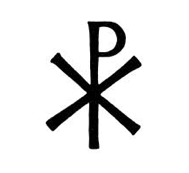
Chi- rho, como símbolo pré-cristão, significava boa sorte. "Chi" e "Rho" são as primeiras letras do nome Christo. /  As a pre-Christian symbol, the Chi-rho signified good fortune. The two letters come from the name of Christ- the Chi, or ‘ch,’ and Rho, or ‘r.’

Chi- rho, como símbolo pré-cristão, significava boa sorte. “Chi” e “Rho” são as primeiras letras do nome Christo. /
As a pre-Christian symbol, the Chi-rho signified good fortune. The two letters come from the name of Christ- the Chi, or ‘ch,’ and Rho, or ‘r.’

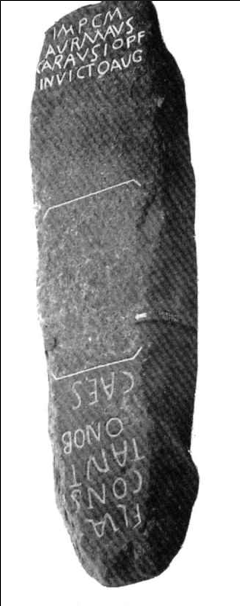
O outro único monumento conhecido ao Imperador perdido encontra-se no Museu Tullie House em Carlisle, num marco de milha que foi reutilizado invertido. A parte que estava enterrada escondia a inscrição: “Imperator Caesar Marcus Aurelius Mauseus Carausius, zeloso, afortunado, o augusto invicto”. E devia acrescentar: o esquecido.
The only other known memorial to the Lost Emperor is in the Tullie House Museum in Carlisle, on a milestone that was inverted and reused. The buried portion concealed a title reading: “Imperator Caesar Marcus Aurelius Mauseus Carausius, Dutiful, Fortunate, the Unconquered Augustus” . It should add: the Forgotten.

Carausius' milestone

Read Full Post »