
Inverness!
A viagem de Edimburgh a Inverness levou praticamente o dia todo. Após check out fiquei esperando um shuttle para a rodoviária e só peguei o ônibus de 12:30h, que chega lá às 16h (são 156 milhas, quase 250 km),mas houve um atraso, contrariando a pontualidade britânica. O ônibus parou entre nada e lugar nenhum e os passageiros ficaram plantados ali mais de meia hora para trocar de veículo e seguir viagem. Tive sorte novamente: a menina sentada ao meu lado trabalhava na Fundação Findhorn! Para chegar lá deveria ir para Forres, cidade de onde há linhas regulares de ônibus e são menos de 15 minutos do centro até a entrada da Fundação. Ao saber que eu tinha estado na passeata em Edimburgo, ficou interessada em copiar minhas fotos e ofereceu me hospedar em troca. Morava num trailer dentro da Fundação, como muitas outras pessoas ali. Eu só precisaria chamá-la na recepção quando chegasse. Fomos conversando durante a subida para as Highlands (região das terras altas escocesas onde fica Inverness), vi um alce na floresta junto à estrada e Melissa me disse que era um ótimo presságio, pois esses bichos são ariscos e não se deixam avistar com facilidade. Acreditei.
It took me the whole day to go from Edinburgh to Inverness, about 156 miles away. After check-out I waited for the shuttle to the station and caught the 12:30h coach, which should arrive at 16h. But despite british timekeeping, something happened and we stopped on the road, in the middle of nowhere, half an hour waiting to board another coach and keep going. I was lucky once more: the girl sitting next to me worked in Findhorn Foundation. She told me how to get there: I should go to Forres, from where there are regular bus lines that would drop me off right in front of the Foundation gates in 15 minutes. Melissa was very interested in copying my photos of the march in Edinburgh, and offered in exchange to lodge me in the trailer where she lived in Findhorn. I should call her in the reception as soon as I arrived there. We chatted all the journey, while the coach mounted the Highlands, and when I pointed her a deer among the trees by the road, she told me it was a good omen, because deer are skittish and not easily spotted. I believed her.
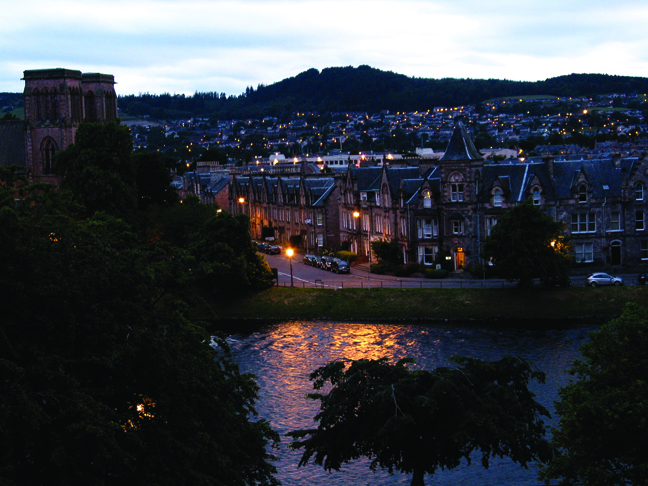
Inverness à noite / by night
Inverness é linda. Cheguei no fim da tarde e me dirigi a um albergue próximo da estação, onde acreditava ter feito reserva pela Internet dois dias antes. Entretanto, não tinham computado a reserva, nem mesmo sabiam que estavam na página de reservas online do site oficial da cidade! Mas me arrumaram uma acomodação. O quarto tinha três beliches e cheirava azedo. Três rapazes, dois americanos e um espanhol, estavam sentados conversando e, quando me viram entrar, pediram mil desculpas, atribuindo o mau-cheiro a um indiano, que, segundo eles, era muito porco, não tomava banho e deixava as meias fedidas debaixo da cama. Mais tarde conheci o tal indiano, que se dizia holandês, e era, de fato, esquisitíssimo. Precisava urgentemente de implantes em todos os dentes, que eram pretos, tortos e encavalados. Contudo, andava elegantemente vestido, não cheirava mal e dizia estar procurando emprego. O leito acima do seu era ocupado por uma canadense que entrava muda e saía calada.
Inverness is beautiful. I arrived late in the afternoon and headed for a hostel near the station where I believed to have booked a bed two days earlier, in the town official website. But they knew nothing about it, not even that they were listed on the site. Anyway they found accomodation for me. The room had three bunks and smelled sour. Three guys, two americans and a spanish, were there talking but when they saw me, started apologizing, imputing the stench to another guest, an indian who, according to them, was dirty, never showered and used to leave his stinking socks under the bed. Later I made acquaintance with the so-called indian, who claimed to be dutch, and was really a weirdo. His teeth were rotten, but he was odorless (!), dressed elegant and told me he was looking for a job. The bunk above his was taken by a canadian girl who would come and go without a single word.
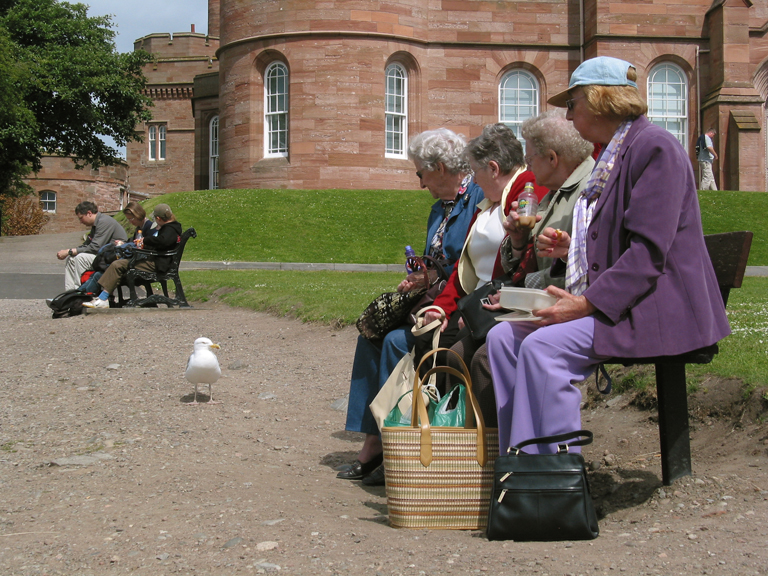
Praça em frente ao Castelo de Inverness / Square in front of Inverness Castle…
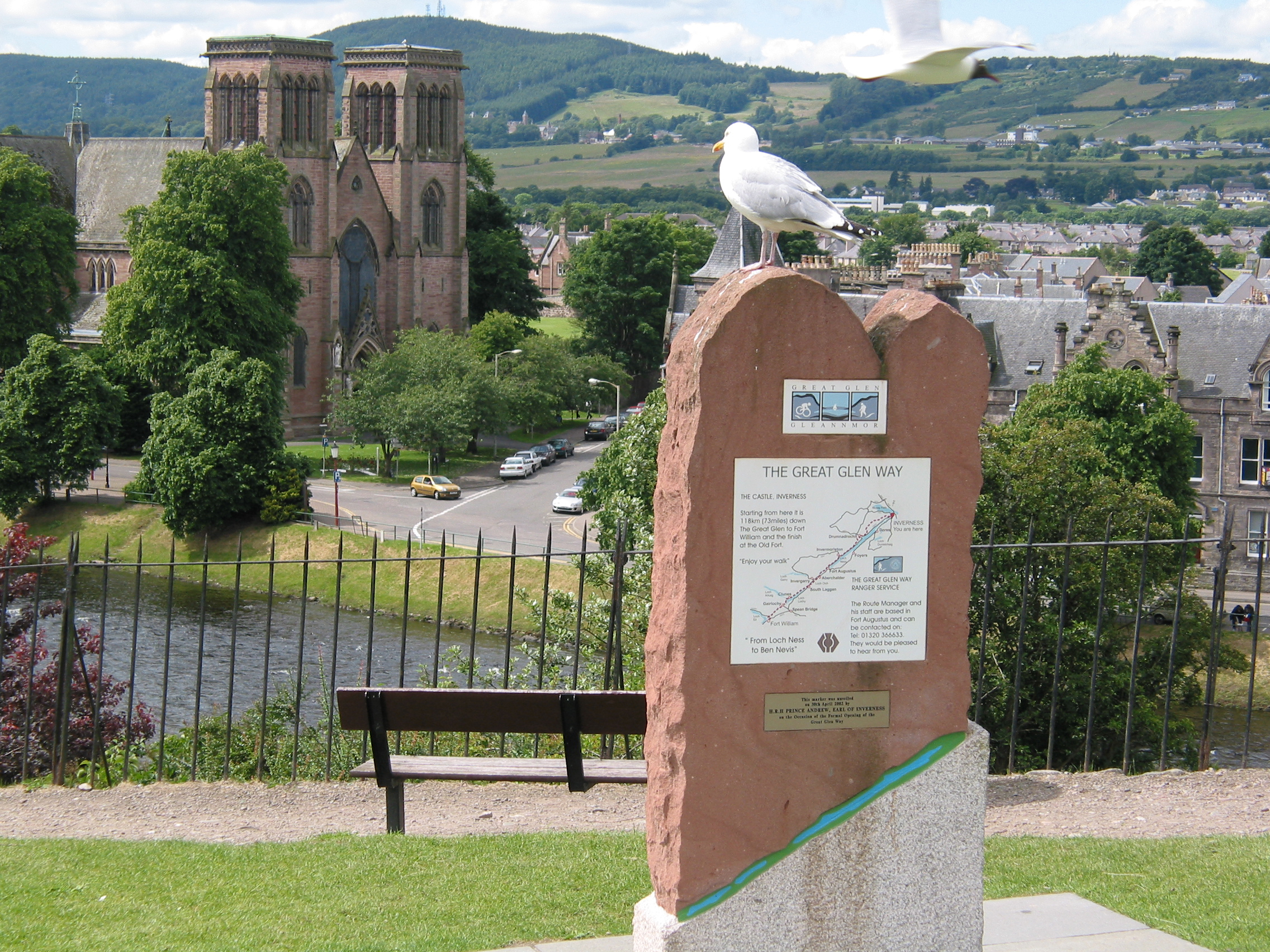
…com vista para o rio Ness e a Catedral de St. Andrew, com suas curiosas torres inacabadas pois a verba acabou antes da construção estar completa /
…overlooking the river Ness and St. Andrew’s Cathedral, with this curiously square-topped look to its spires, as funds ran out before they could be completed.
Os rapazes saíram e eu fui tomar banho, de Havaianas, tomando cuidado para não encostar em nada. pois o banheiro estava molhado e sujo, coisa bastante incomum. Mas tomar banho de chinelo é uma boa prática em albergues, por mais limpos que estejam você nunca sabe se algum portador de micose passou por ali antes. Pela mesma razão, é bom dormir dentro do saco de dormir sob as cobertas.
The guys left and went to the bathroom which, unlike other hostels I’ve been, was dirty and wet, so I tried not to touch anything and showered wearing my Havaianas sandals. This is a good habit, just as sleeping inside your sleeping bed under the coverlets. Even when it’s all clean and neat, you never know if somebody infected was there before you.

Inverness Castle
Os escoceses, como os irlandeses, eram considerados selvagens e inimigos dos ingleses. Sempre em pé de guerra, invadiam fronteiras para pilhar animais, colheita, escravos, mulheres, ouro, prata e o que mais pudesse ser obtido nessas incursões. Não que os ingleses não fizessem o mesmo – parece que invadir terras vizinhas era costume de todos os povos na Idade Média. Curioso é que os escoceses eram os Pictos e os Scots irlandeses. Os pictos eram tão temíveis que ainda durante a ocupação romana foi construída uma muralha (O Muro de Adriano) para impedir, ou dificultar suas investidas. Inverness foi uma das principais fortalezas dos Pictos.
Arthur viveu no século I d.C., e sua preocupação era unir os britânicos contra esses invasores e principalmente contra os saxões, guerreiros germânicos que vinham de navio para se estabelecer numa terra mais rica, com clima mais ameno. E obviamente para saquear também. Depois, os jutos (povo escandinavo) resolveram fazer o mesmo. A música “Immigrant’s Song”, do Led Zeppelin, fala sobre isso: “We come from the land of ice and snow.” …”our only goal will be the western shore”.
The Scottish, as the Irish, were considered savages and enemies of the English. Always in state of unrest, invaded the borders to plunder livestock, food, women, slaves, silver, gold and whatever else they could get. I won’t say English people didn’t do the same. Invasion and plunder seem to have been routine in the Middle Ages. It’s curious that the scottish tribes were the Picts; the irish were called Scots. Picts were so terrible that still under roman domain a wall was built, the Hadrian’s Wall, to prevent their assaults. Inverness was one of the chief strongholds of the Picts.
Arthur lived in the 1st century and his concern was to unite the british against these invaders, specially the saxons, germanic warriors that sailed towards England’s green and pleasant land, richer soil, milder weather. Then came the jutes, from Scandinavia. Led Zeppelin’s hit “Immigrant’s Song” is all about it: “We come from the land of ice and snow.” … ”our only goal will be the western shore”.
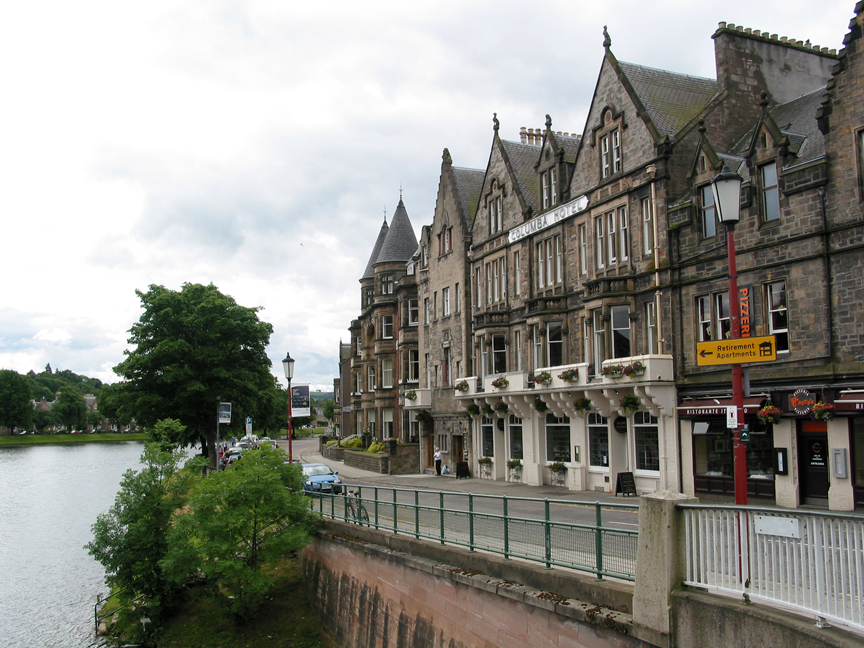
Casas às margens do rio Ness / Houses by the river Ness
 Avalon
Muito legal, fiquei com mais vontade ainda de conhecer Inverness! Vou tentar encaixar na minha viagem.
CurtirCurtir