Feeds:
Posts
Comentários

Posts Tagged ‘segedunum’


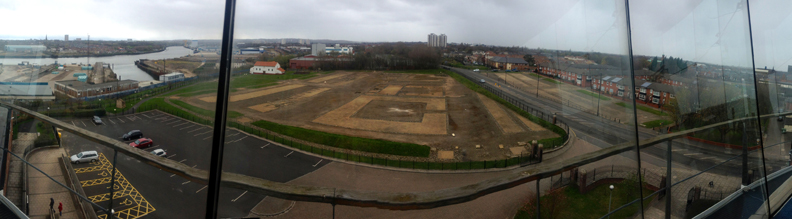
Segedunun, vista da torre do museu / Overview from the Museum Tower

Segedunun, vista da torre do museu. Confesso que fiquei desapontada, o lugar é muito feio / Overview from the Museum Tower. I was disappointed with the ugliness of the place.

Bernard Cornwell na sua Trilogia Arthuriana considera que a formação de Arthur foi de soldado romano. Essa abordagem se confirma em King Arthur, filme com Clive Owen e Keira Knightley que aliás achei fraco, cheio de clichês, porém me convenceu do fato histórico: Arthur foi um general (“dux bellorum” ) e, se passou a ser chamado de rei, foi graças ao seu carisma. Combatia com estratégia e disciplina, por causa da educação romana. Embora as legiões tivessem sido chamadas de volta a Roma, seu legado permaneceu. De fato, a história menciona um Artorius,  líder na Britannia, que derrotou os invasores saxões em praticamente todos os confrontos. Tudo faz sentido.
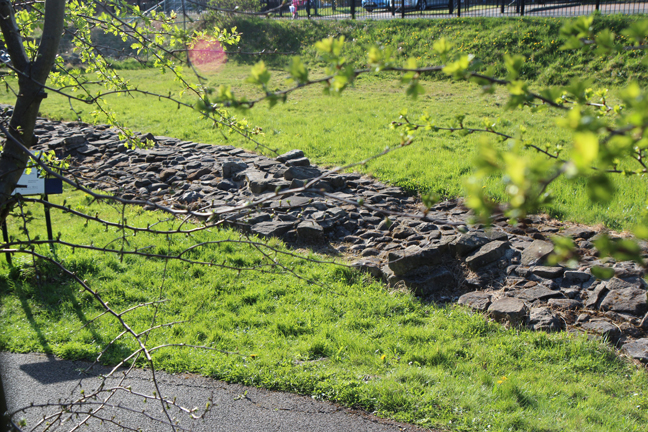
Trecho de muralha em Segedunun / Wall remains

Trecho de muralha em Segedunun / Wall remains

In Arthur’s Chronicles trology, Bernard Cornwell states that Arthur was raised as a roman soldier. This proposition is confirmed in the movie King Arthur, starring Clive Owen and Keira Knightley. It’s a feeble movie, but it convinced me of the historical fact. Arthur must have been a general (“dux bellorum”, a war lord ) and if tales turned him into a king, it was due to his charisma. He leaded his men with discipline and used strategy to win battles even when outnumbered, relying on his roman education. Although the legions had left Britain, their legacy remained. There are historical records of a certain Artorius, British chieftain who won almost all battles against the Saxon invaders. All this makes sense to me.
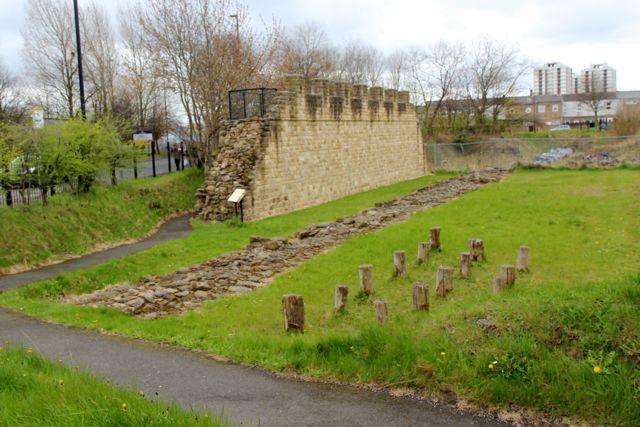
Reprodução de muralha ao lado de um trecho original / A reconstruction besides an original piece of the Wall

Reprodução de muralha ao lado do trecho original /
A reconstruction beside the original piece of the Wall

Não estou dizendo que admiro os romanos, pois a conquista da Britannia, assim como a de todos os territórios, se deu pelo massacre da população local – os celtas. Mas impossível não admirar sua engenharia formidável. A construção da Muralha foi iniciada por ordem do imperador Adriano em 122DC. Levou apenas seis anos para ficar pronta, estendendo-se por 73 milhas (aproximadamente 118 km.) Sua função era separar os romanos dos chamados “bárbaros” – os povos nativos.

Hadrian's Wall: the frontier between England and Scotland / A muralha fica na fronteira entre Inglaterra e Escócia

Hadrian’s Wall: the frontier between England and Scotland /Fronteira entre Inglaterra e Escócia

I’m not saying that I admire the Romans, because the conquest of Britain, just like everywhere else, meant massacre to the local people – the celts. But it’s impossible not to awe at their brilliant engeneering. The Emperor Hadrian ordered the construction of this wall in AD122 to separate the native “barbarians” from the Romans. It was completed in AD128, spanning 73 miles.

Cidades ao longo da Muralha / Cities along the Wall

Cidades ao longo da Muralha / Cities along the Wall

A Muralha de Adriano vai de Wallsend no leste até Bowness-on-Solway no Oeste, contando com um sistema de portões fortificados a cada milha, protegidos por pequenas fortalezas chamadas de Milecastles. Entre eles ainda havia torres, chamadas turrets, em intervalos de um terço de milha romana – cerca de 1,47 km.  Os soldados lotados nos fortes podiam proteger a provincia de ataques, evitar saques na região fronteiriça e coletar impostos de quem viesse comerciar nos mercados romanos. Era também um impressionante simbolo de poder e autoridade, assinalando a fronteira noroeste do Imperio Romano.

Segedunun - vistas do sítio arqueológico / Archaeologic site views
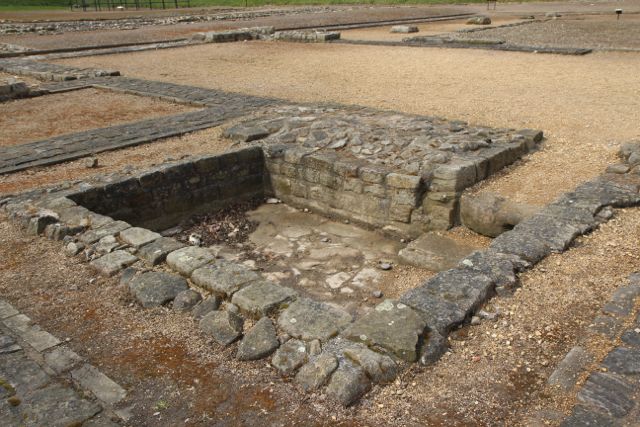
Segedunun – vistas do sítio arqueológico / Archaeologic site views

segedunun5

segedunun3

The Wall stretches from Wallsend in the east to Bowness-on-Solway in the west. At every mile along the wall was placed a gate protected by a small fortlet termed a milecastle. On either side of each milecastle was a turret, positioned at intervals of around one third of a Roman mile – about 4,851 feet or 1,617 yards. The soldiers stationed in the forts there could protect the province from assault, prevent cross-border raiding and collect taxes from merchants wishing to trade their goods at Roman markets. It was also a impressive statement of power and authority, marking the north-west frontier of the Roman empire.
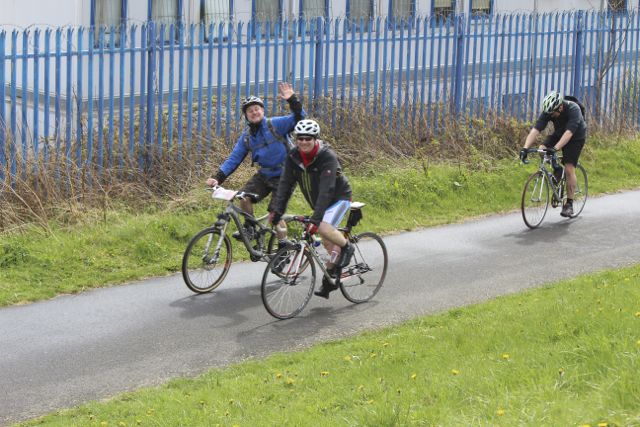
Uns fazem a trilha a pé, outros vão de bicicleta / Some people walk the path, others bike

Uns fazem a trilha a pé, outros vão de bicicleta / Some people walk the path, others bike

A Trilha da Muralha de Adriano é uma caminhada que acompanha a linha original da Muralha, embora apenas entre Chollerford e Birdoswald haja ruínas, sítios arqueológicos e trechos de muralha visíveis. A trilha (84 milhas = 135 km) é mais extensa que a muralha em si pois alguns trechos foram modificados para tornar o percurso mais atraente. Por exemplo, em vez de cruzar uma cidade movimentada, acompanhar um rio).

Museu em Segedunun/ The Museum
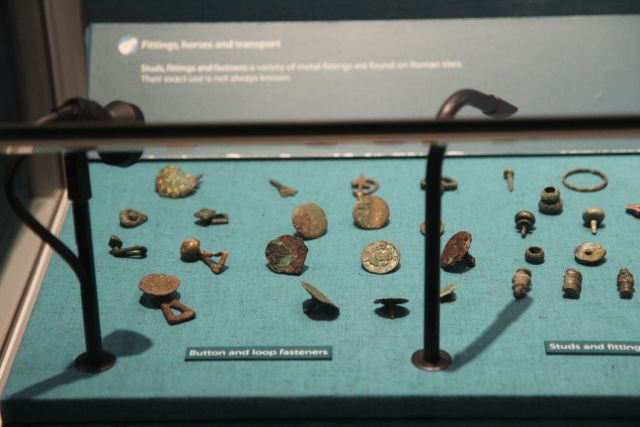
Museu em Segedunun/ The Museum

segedunun8

Atrações para crianças / Activities for children

Atrações para crianças / Activities for children

In the present day, the Hadrian’s Wall National Trail follows the line of the original Wall, but the wall itself , ruins and archaeological sites are mainly evident over approximately a 30-mile stretch, between Birdoswald and Chollerford. The length of the Trail, at 84 miles, is longer than the original Wall. diversions having been added in certain sections to make it more appealing (eg a footpath along a riverbank rather than through a modern busy city centre).

Reconstrução da Casa de Banhos (Termas) em Segedunun / Reconstruction of Segedunun's Baths

Reconstrução da Casa de Banhos (Termas) em Segedunun / Reconstruction of Segedunun’s Baths
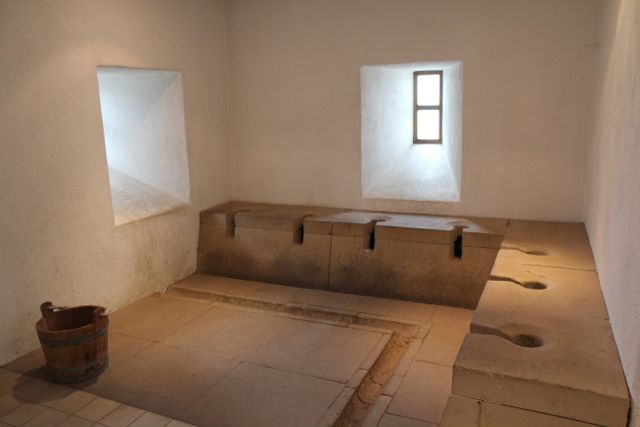
Reprodução do interior das termas - latrina  / Reconstruction of the Baths, interior: the latrine
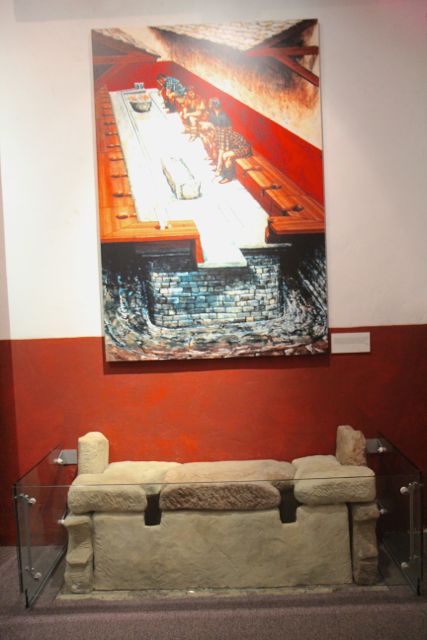
Reprodução do interior das termas – latrina / Reconstruction of the Baths, interior: the latrine

Pedaço da latrina original no museu... imagina a cena! / Original latrine, now in the Museum. Can you imagine the scene?

Pedaço da latrina original no museu… imagina a cena! /
Original latrine, now in the Museum. Can you imagine the scene?

A Muralha desapareceu em grande parte porque depois que os romanos abandonaram a Britannia, as pessoas começaram a usar as pedras para construir casas e outras edificações como a abadia de Lanercost, que visitei hoje. Os lugares onde ela ainda existe são no alto de montes, no meio do nada. De onde a vista se perde no horizonte.

When the Roman Army abandoned Britain, people started to take stone from the Wall to build houses and other edifications, like the Lanercost Abbey, which I visited today. That’s why it has disappeared in many places. But high up in the mountains it’s still there, in the middle of nowhere, where the landscape stretches as far as the eye can see.

Como era o forte de Segedunun. Este nome vem das palavras celtas que significavam "forte forte" ou "forte da vitória". Muitas vezes os nomes dos fortes se originavam e palavras nativas em vez de latinas. A cidade atualmente se chama Wallsend, que significa "fim da Muralha". Para os romanos que chegavam por mar, entretanto, era o início e não o fim.

Como era o forte de Segedunun. Este nome vem das palavras celtas que significavam “forte forte” ou “forte da vitória”. Muitas vezes os nomes dos fortes se originavam e palavras nativas em vez de latinas. A cidade atualmente se chama Wallsend, que significa “fim da Muralha”. Para os romanos que chegavam por mar, entretanto, era o início e não o fim.
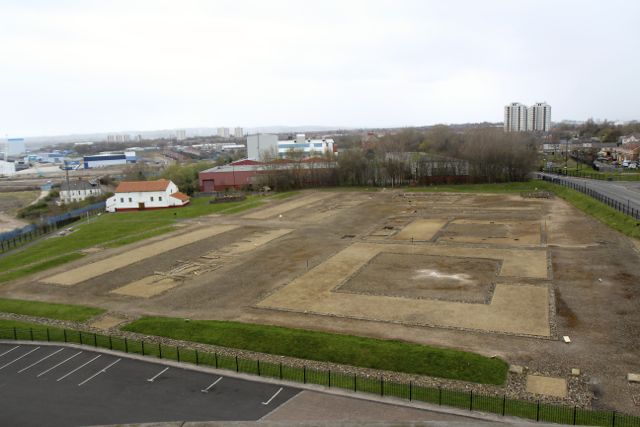
Restou apenas um contorno no chão./ All that's left is an outline on the ground.

Restou apenas um contorno no chão espremido entre residencias e zona industrial./ All that’s left is an outline on the ground, boxed up between houses and an industrial zone.
Read Full Post »


Rumo à Muralha de Adriano / On my way to Hadrian's Wall

Rumo à Muralha de Adriano / On my way to Hadrian’s Wall

Vou atropelar a narrativa, pulando uma parte que ficará para depois. Isto porque algo está acontecendo agora. Neste exato momento estou no trem para Newcastle, UK, iniciando minha caminhada pela Muralha de Adriano. O que é e o que tem a ver com o blog direi no próximo post.

I’m running over part of this story, leaving it for later because there’s something going on right now. In the very moment I was writing these words I was in the train from London to Newcastle, to start my footpath along Hadrian’s Wall. What it is and what it has to do with my blog, I’ll tell you in the next entry.

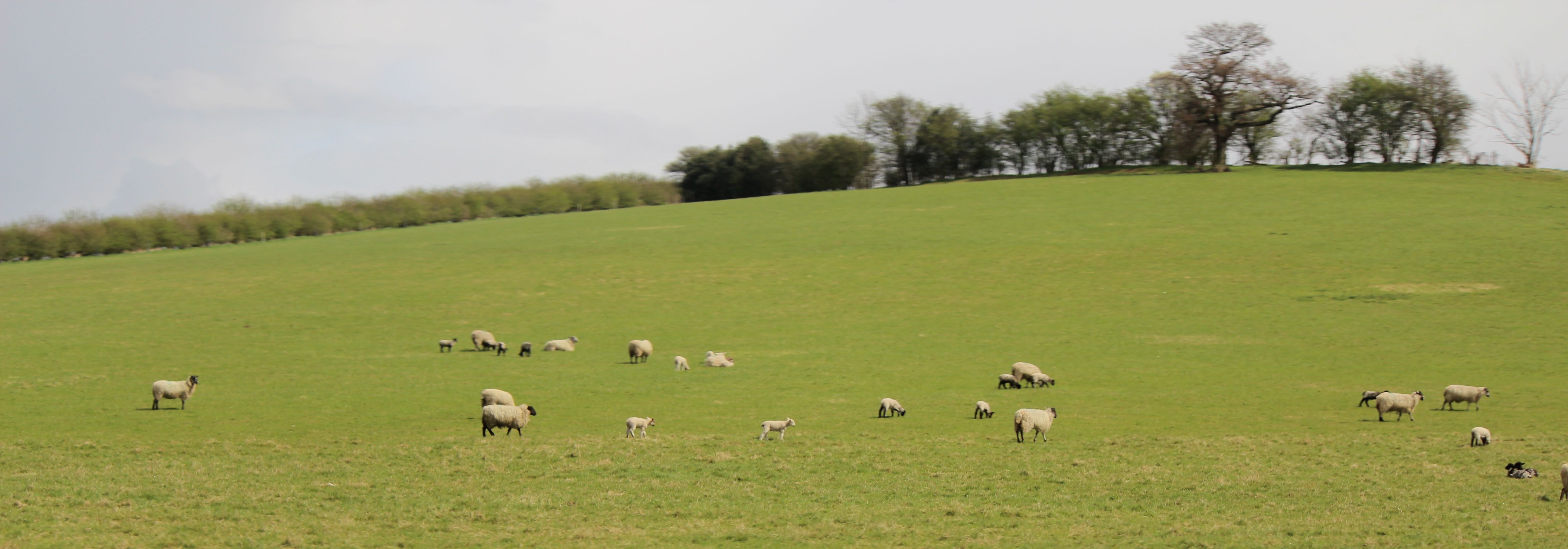
Paisagem da janela do trem / England's pleasant pastures from the train

Paisagem da janela do trem / England’s pleasant pastures from the train window

Por ora, estou pau da vida porque a janela do trem está tão suja que vai ser impossível bater qualquer foto que preste, apesar da existencia do photoshop. Também porque precisei correr feito uma doida para não perder o trem, embora tenha saído com uma hora de antecedencia. Peguei um taxi para me poupar de carregar bagagem, e o motorista safado me deixou no lugar errado. Sei que fez de propósito. São duas estações, em Londres, uma em frente à outra, St. Pancras e King’s Cross, mas ele parou em frente a St Pancras e me apontou a entrada. O metrô conecta as duas estações, mas as plataformas de trem são separadas. Todo motorista sabe disso. Ainda fui comprar suco antes de checar a lista das plataformas. Meu trem não constava! No balcão de informações descobri a verdade. No tempo que eu teria para andar até o vagão e me instalar tranquilamente foi preciso sair correndo, atravessar a rua, localizar a plataforma e me atirar dentro do trem um segundo antes dele entrar em movimento. Obviamente nesse percurso os cajados resolveram desatarrachar, coisas começaram a cair e minha entrada foi triunfal, só faltou me esborrachar no chão. Todos os passageiros do vagão se viraram com aquela expressão britânica de surpresa já minha conhecida.

sheep

Right now I was pissed off because the window was so dirty, it would be impossible to take any decent pics despite the existence of photoshop. Also because I had to run madly not to lose the train, although I had left one hour in advance. I had taken a taxi to spare me carrying luggage up and down subway stations, but the driver was a jerk who left me in the wrong station. On purpose, I’m sure. King’s Cross and St. Pancras stay opposite sides of the street, but he stopped and pointed me St. Pancras entrance. They connect underground but not the platforms. All drivers know that. I went in, bought a couple of juice bottles and only then checked the list of departures… to realize that my train wasn’t there! In the Assistance balcony I found out the true. Instead of walking peacefully to take my seat in the wagon I had to rush across the street, find the right platform and throw myself inside the train one exact second before it started to move. Of course, in this brief lapse of time my walking sticks decided to unscrew, stuff tried to jump out of the backpack and my entrance in the wagon was cinematographic. By little I didn’t land my face on the floor. All passengers turned their astonished british faces to me, that expression I already know so well.

windmill

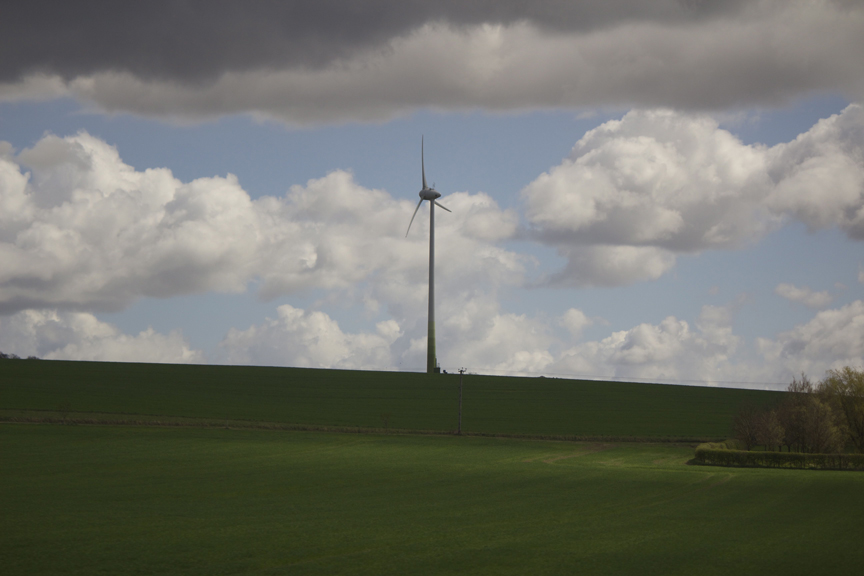
Mas estou no trem, em meia hora desembarco em Newcastle onde já reservei um quarto. Até lá desfilam para meus olhos as lindas ovelhas inglesas e também vacas, cavalos, plantações, pastos, cidades pequenas, cidades minúsculas, pontes, moinhos, fábricas soltando fumaça, tudo rápido demais para registrar através do vidro encardido.

But I was in the train, and half an hour later I’d be getting off in Newcastle, where a room was already booked for the night. Meanwhile, british country landscape unfolded before my eyes, with its lovely sheep and also cows, horses, pastures and fields, small villages, smaller villages, bridges, windmills, smoking chimneys, all too fast to register through the grimy windowpane.

trainWindow2

Newcastle é uma cidade grande e está especialmente movimentada hoje porque tem futebol, Liverpool x Newcastle. Por isso os albergues estavam cheios. Bandos de homens entravam nos pubs para assistir a partida. Localizei o Grainger Hotel, único que, na véspera, tinha um quarto disponível para reserva pela web. Me instalei e voltei à estação, onde peguei o ônibus 22 para Wallsend, onde fica Segedunun, museu  construído junto às ruínas da fortaleza romana. É preciso prestar atenção pois a placa indicativa não chama muito a atenção. É mais fácil ver uma torre tipo de aeroporto. É lá mesmo. Trata-se do mirante do museu, feito para que os visitantes possam ver de cima as ruínas, que são mais um contorno no chão, um caminho de pedrinhas com placas  indicando o que havia ali. Apenas dez metros de muralha foram reconstruídos. Em volta do local existem residências e instalações industriais.

Fui para Newcastle porque não havia condução direto para Wallsend, onde começa a muralha.  / I had to go to Newcastle because there was no direct transport to Wallsend, where Hadrian's Wall begins.

Fui para Newcastle porque não havia condução direto para Wallsend, onde começa a muralha.
/ I had to go to Newcastle because there was no direct transport to Wallsend, where the Wall begins.

Newcastle is a big town and today it’s particularly crowded because there’s a soccer match, Liverpool x Newcastle. That’s why the hostels were all full. Bunches of men were heading to the pubs to watch the game. My reservation was at the Grainger Hotel, which in the eve had the only available room. So I checked in, left my stuff and went back to the station to take the 22 bus to Wallsend, where stands Segedunun, the ancient roman fortress ruins and museum. One must pay attention because the sign on the road is humble; it’s easier to locate something like an airport tower. That’s exactly where it is. It turns out to be a terrace , built to provide the visitors an overview of the archaeologic site. The ruins themselves are not much more than an outline, a stone path with illustrative signs. Only a few meters of the Wall were rebuilt. Houses and industrial  facilities surround the place.

Segedunun01

Existe um ônibus especial que faz a rota das cidades ao longo da Muralha, caminhadas guiadas e serviço de transporte de bagagem, mas o Centro de Informações Turísticas da estação já tinha fechado quando cheguei, por ser sábado. Assim como Segedunun. Bati fotos metendo a lente pela grade para aproveitar o bom tempo, mas terei que voltar amanhã.

There’s a special bus that connects the cities along Hadrian’s Wall, guided walking tours and a luggage transfer service, but the Touristic Information Centre at the station was already closed when I arrived, because it was saturday. Just like Segedunun. I took some pictures stucking the lens through the fence to profit from the good weather, but I’ll have to go back tomorrow anyway.

Atenção ao horário de funcionamento!  / Mind the opening hours!

Atenção ao horário de funcionamento!
/ Mind the opening hours!

Read Full Post »