Solstício é um acontecimento astronômico que ocorre duas vezes por ano, quando o sol atinge sua elevação máxima no céu em relação ao Polo Norte ou Sul. A palavra slstício vem do latim sol (sol) e sistere (parar), pois é o momento em que o movimento do sol em sua rota, visto da Terra, parece parar antes de inverter a direção (de um polo a outro). O dia do Solstício é o mais longo do ano no verão e o mais curto no inverno, pois o tempo entre o nascente e o poente é o máximo, ou mínimo, dependendo do hemisfério, pois as estações do ano são opostas no Norte e no Sul. Assim, o solstício de verão no Hemisfério Norte é o de inverno no Hemisfério Sul e vice-versa.
Já o Equinócio , cujo nome vem do latim aequus (igual) e nox (noite) ,ocorre quando o Sol leva o mesmo tempo entre o nascente e o poente, assim o dia e a noite tem aproximadamente a mesma duração.
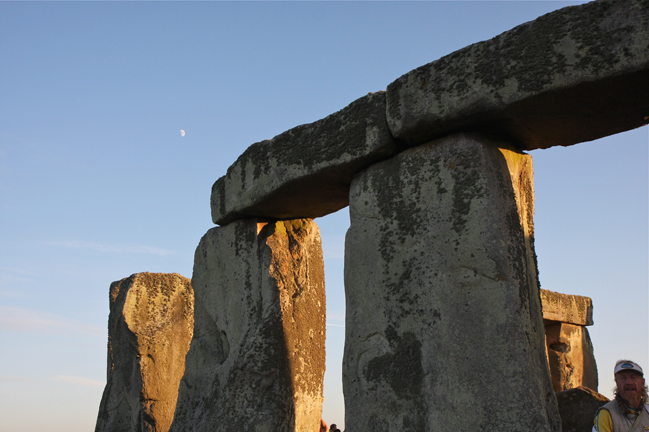
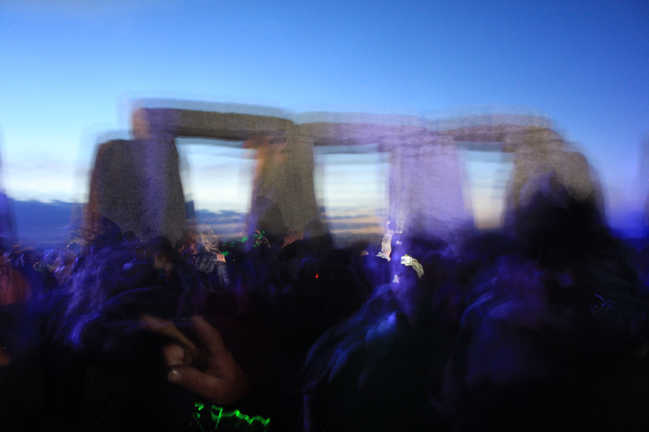
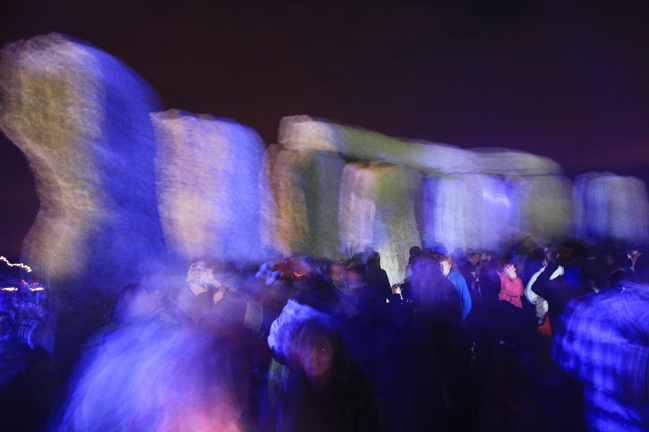
Solstícios e Equinócios tem relação com as estações do ano, geralmente determinando seu momento central. Na Inglaterra o período próximo ao Solstício de verão é chamado Midsummer (meio do verão), e Midsummer’s Day é 24 de junho, três dias após o solstício propriamente dito. Muitas culturas celebram os solstícios de inverno, de verão, os equinócios e os momentos entre os mesmos, originando diversas festas relacionados a essas datas. Em tempos ancestrais, a rotina dos povos (plantação, colheita, etc) era determinada pelas estações do ano. Os astros, a terra, os rios, as árvores, enfim todos os elementos da natureza eram considerados divindades e devidamente reverenciados nesses festivais.
À medida que o Cristianismo avançou sobre o mundo, essas celebrações foram repaginadas resultando em festividades que misturaram elementos das tradições cristãs e pagãs.
A solstice is an astronomical event that happens twice each year when the sun reaches its highest position in the sky as seen from the North or South Pole. The word solstice is derived from the Latin sol (sun) and sistere (to stand still), because at the solstices, the sun stands still in declination; that is, the seasonal movement of the sun’s path (as seen from Earth) comes to a stop before reversing direction. The day of the solstice is either the “longest day of the year” (in summer) or the “shortest day of the year” (in winter) because the length of time between sunrise and sunset on that day is the yearly maximum or minimum for that place.
On a day of the equinox, the center of the sun spends a roughly equal amount of time above and below the horizon, night and day being of roughly the same length. The word equinox derives from the Latin words aequus (equal) and nox (night).
The solstices, together with the equinoxes, are connected with the seasons. Mostly they are considered to be centre points. In England, for example, the period around the northern solstice is known as Midsummer, and Midsummer’s Day is 24 June, about three days after the solstice itself. Many cultures celebrate the winter and summer solstices, the equinoxes, and the midpoints between them, leading to various holidays arising around these events. In ancient times, the seasons determined people’s routines ( to sow, to harvest, etc). The earth, the rivers, the stars, the trees, every nature element was regarded as sacred, and properly paid homage in these festivals. As Christianity spread over pagan areas, ancient celebrations came to be often borrowed and transferred into new Christian holidays, resulting in celebrations that mixed Christian traditions with elements derived from pagan Midsummer festivities.
Compartilhe meu blog se você gostou.Share my blog if you liked it!
Read Full Post »







 Avalon